Is a Food Truck Considered a Commercial Kitchen?
Have you noticed how food trucks have taken the culinary world by storm? From bustling urban streets to local festivals, these mobile kitchens are serving up everything from gourmet burgers to exotic street tacos, making them a vibrant part of our food culture! But amidst this foodie frenzy, one question often pops up: Is a food truck considered a commercial kitchen?
Understanding this can help aspiring food truck owners, event planners, and food enthusiasts alike navigate the ever-evolving landscape of gastronomy on wheels. While traditional commercial kitchens are stationary and designed to meet specific health and safety regulations, food trucks bring a unique twist to the idea of cooking and serving food. They’re not just a trend; they represent flexibility, creativity, and a dynamic approach to food service. As culinary professionals adapt to the growing demand for unique dining experiences, food trucks serve as both a charm and a challenge in the culinary world.
In this article, we will explore this intriguing question, examining the similarities and differences between food trucks and traditional commercial kitchens, and uncover what it means for the food industry today. So, if you’ve ever dreamed of launching your own food truck or simply want to understand this thrilling trend, stay tuned!
Understanding Commercial Kitchens
A commercial kitchen is a specially designed space where food is prepared for sale, often used by restaurants, catering services, and food trucks. Unlike home kitchens, commercial kitchens are built to meet stringent legal and health standards that ensure public safety and food quality. They can include large cooking equipment, professional-grade appliances, and an efficient layout to accommodate multiple staff members working simultaneously.
Legal and Health Standards
To operate legally, commercial kitchens must adhere to various health and safety regulations specific to their location. These standards are set by local health departments, but many aspects are influenced by overarching frameworks such as the Food Safety and Standards Act in India, OSHA regulations in the U.S., and the EU food hygiene legislation.
Here are some critical aspects of these legal and health standards:
- Licensing and Permits: Commercial kitchens are required to obtain the necessary licenses and permits from health departments to ensure compliance with safety standards. For instance, in the U.S., kitchens must comply with the Food and Drug Administration (FDA) guidelines, and inspections are regularly conducted.
- Food Safety Training: Staff must undergo food safety training to ensure that everyone in the kitchen understands how to handle food safely. Training helps prevent foodborne illnesses, which can occur from improper handling or storage of raw ingredients.
- Regular Inspections: Commercial kitchens are subject to regular inspections by health inspectors who note compliance with hygiene and safety practices. Failure to comply can result in fines or closure.
- Hygienic Practices: These include ensuring cleanliness of surfaces, handling food properly to avoid cross-contamination, maintaining appropriate temperatures for food storage, and effectively managing waste.
- Emergency Preparedness: Kitchens must have clear emergency exits, maintain proper ventilation, and train employees on safety protocols to handle potential hazards.
Importance of Compliance
Compliance with these standards is not just about avoiding fines; it’s crucial for protecting customers from foodborne illnesses and ensuring the business’s reputation. In fact, kitchens with trained staff show a 35% higher compliance rate, emphasizing the importance of proper training.
To visualize the most common violations in commercial kitchens, check out the below bar chart that highlights the top issues observed:
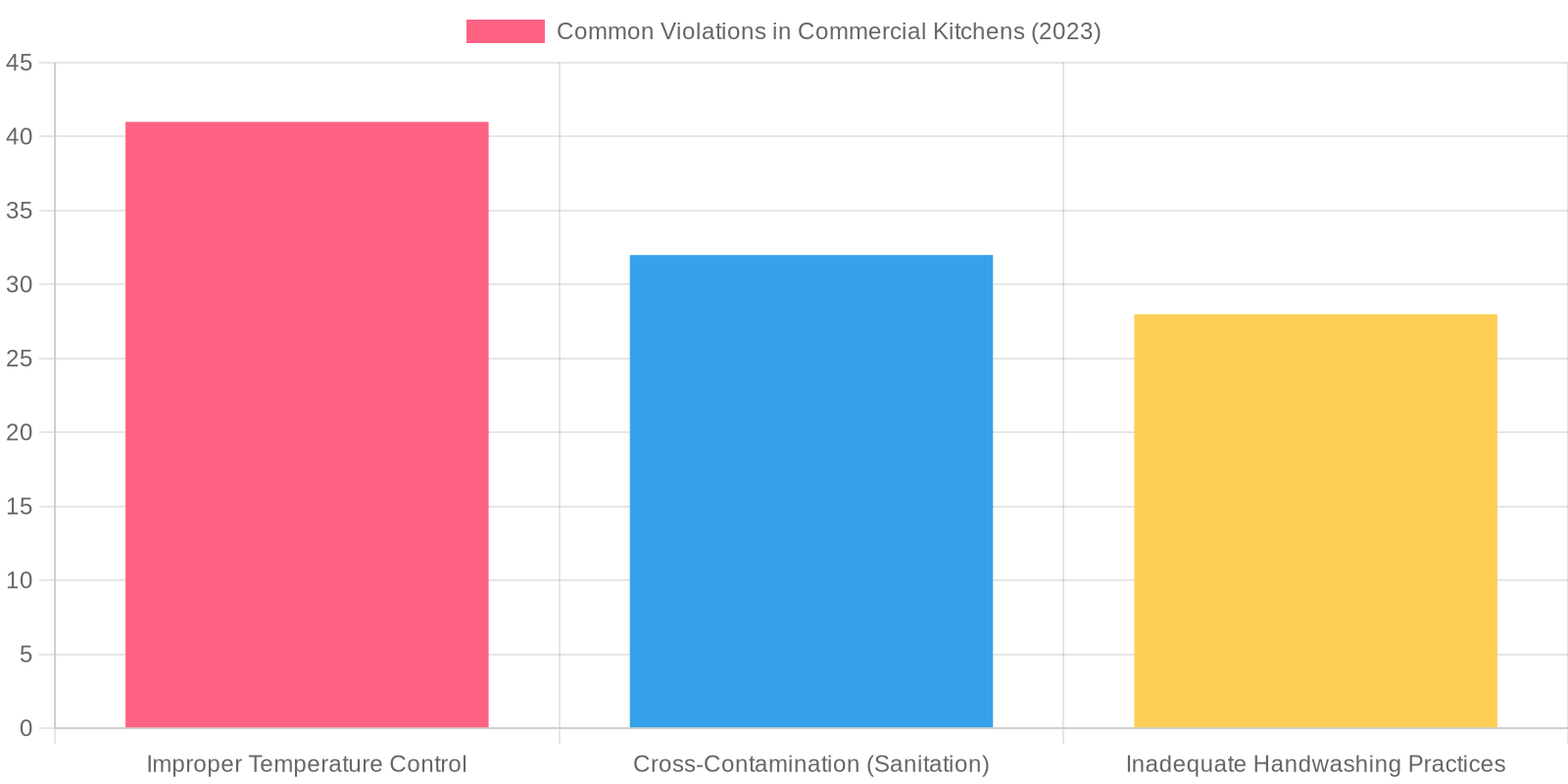
- Improper Temperature Control: 41%
- Cross-Contamination (Sanitation): 32%
- Inadequate Handwashing Practices: 28%
By understanding what constitutes a commercial kitchen and the standards they must meet, food entrepreneurs can better navigate their responsibilities and enhance the safety and quality of their offerings! For those looking to venture into the food truck business, learn more about choosing the right food truck model and how to comply with these essential standards.
Benefits of Food Trucks as Commercial Kitchens
Food trucks have gained immense popularity, not just for their delicious offerings but also for their unique advantages as commercial kitchens. Here are some friendly insights into why food trucks make an incredible choice for event planners, corporate teams, and food enthusiasts alike:
-
Lower Overhead Costs: Operating a food truck typically incurs much lower overhead compared to traditional brick-and-mortar restaurants. Without the hefty rent for a fixed location, food truck owners can offer quality meals at competitive prices.
-
Mobility and Flexibility: Food trucks can serve wherever the demand is! Whether it’s a crowded festival, a corporate event, or a community gathering, these mobile kitchens can move to various locations, ensuring a larger audience and catering to diverse events.
-
Diverse Menu Options: Food trucks often specialize in unique and diverse offerings, making it easy to cater to different tastes and dietary preferences. This diversity can be a hit at events, attracting attendees with varied culinary interests.
-
Quick Service: With streamlined operations, food trucks can serve ahead of the curve, reducing wait times for hungry guests. This is particularly beneficial in fast-paced event settings where efficiency is essential.
-
Engaging Experience: Food trucks often create a fun and vibrant atmosphere, encouraging social interaction among guests. The casual setting allows people to gather, enjoy good food, and converse, enhancing the overall experience of any event.
Food trucks truly are revolutionizing the culinary landscape while providing exciting benefits for both customers and food lovers. For more insights on choosing the right food truck model, check out this guide.
Operating a food truck can be a fun and exciting venture, but it’s crucial to navigate the complex regulatory landscape. This guide summarizes essential regulations concerning health permits, licensing, and equipment standards that food truck owners must comply with in various regions, drawing insights from multiple credible sources.
- Health Permits
Health permits are fundamental for food trucks to operate legally. According to the U.S. Food and Drug Administration (FDA), food trucks must hold a valid state or local health permit to ensure compliance with national food safety standards outlined in the Food Code. These permits verify that the food truck meets health and sanitation requirements, including:
- Use of proper refrigeration and heating facilities to prevent foodborne illnesses.
- Documentation of food sources, temperature control, and proper storage practices.
- Regular cleaning and sanitization protocols.
In addition, the Washington Department of Health mandates that all operators undergo food safety training and maintain a log of food safety practices to facilitate inspections.
- Licensing
Licensing requirements for food trucks can vary significantly by location. The National Restaurant Association provides a comprehensive state-by-state guide. Some highlights include:
- California: Food truck operators must complete specific food safety courses and obtain a health permit, in addition to a business license.
- New York City: The city imposes a food truck quota system, where operators must enter a lottery for the limited number of available permits each year.
- Texas: Food trucks need a state sales tax permit, a food dealer’s permit, and must comply with local health department regulations.
Local municipalities often impose additional restrictions, such as designated operating hours and permissible locations for food truck vending. Be prepared for an extensive application process, which may include submitting a detailed business plan and complying with zoning ordinances.
- Equipment Standards
Compliance with equipment standards is vital for food safety. The USDA Food Safety and Inspection Service emphasizes that food trucks must utilize equipment that meets national standards. Key requirements include:
- Refrigeration units with functioning temperature gauges to prevent spoilage.
- Cooking appliances that are certified for commercial use, such as ovens and grills that can maintain specified cooking temperatures.
- Designated cleaning stations equipped with hot and cold running water, soap, and disposable towels to ensure staff hygiene.
Regular maintenance checks and cleanliness inspections are essential to ensure the equipment does not pose a health risk to consumers. For instance, any food truck operating in Western Australia must have equipment and facilities that meet guidelines set by the Department of Health WA, including proper waste disposal systems and defined food preparation areas.
Conclusion
In conclusion, navigating the regulatory framework for food trucks can appear daunting, but understanding these core components-health permits, licensing, and equipment standards-makes the journey smoother. Always stay informed about local regulations, as they can vary widely by region. Be mindful to regularly check resources to ensure compliance, providing a safe and enjoyable experience for customers. To learn more about food truck models and the best practices for your food truck business, check out our guide on choosing the right food truck model and navigating food truck industry regulations.
Comparing Food Truck Regulations Across States
Navigating the world of food trucks can be tricky, especially when it comes to understanding the regulations that vary by state. Below is a table that compares food truck regulations across several key states, focusing on health permits, licensing fees, and operational restrictions.
| State | Health Permit Requirement | Licensing Fees (Annual) | Operational Restrictions |
|---|---|---|---|
| California | Required – issued by local health department | $100-$500 (varies by city/county) | Must operate within designated zones; restricted from certain areas near schools and parks; limited operating hours in some cities |
| New York | Required – issued by NYC Department of Health and Mental Hygiene | $200-$400 (city-specific) | Prohibited within 100 feet of school grounds during school hours; requires permit for each location; maximum 3 hours per day in most boroughs |
| Texas | Required – issued by Texas Department of State Health Services | $150-$300 (state + local fees) | No operation within 50 feet of a school or daycare center during school hours; restrictions on public property use without approval |
| Florida | Required – issued by county health departments | $100-$250 (county-dependent) | Restricted from operating near schools, hospitals, and playgrounds during specific times; must have a mobile vendor permit for each city |
| Illinois | Required – issued by local health departments | $150-$400 (varies by municipality) | Limited to designated food truck zones; no operation within 100 feet of schools during school hours; requires prior notification for events |
Sources:
- California Department of Public Health – Mobile Food Facility Regulations
- NYC Health – Food Truck Permits & Rules
- Texas DSHS – Mobile Food Vendor Guidelines
- Florida Department of Health – Mobile Food Service Permits
- Illinois Department of Public Health – Food Truck Licensing
This comprehensive comparison helps food truck owners and event planners to better understand the regulations they must abide by in each state. For more detailed insights into food truck regulations, consider checking out our navigating food truck industry regulations guide!
How Food Trucks Adapt to Local Culture
Food trucks have become a culinary phenomenon, delighting food enthusiasts with their diverse offerings and vibrant atmosphere. At the core of the food truck movement is a reflection of local culture and cuisine, where each truck tells a story through the flavors and dishes it serves. This unique dining experience allows patrons to immerse themselves in the local culinary scene, offering a taste of the region’s heritage.
A Culinary Canvas
Food trucks often serve as a platform for culinary innovation, taking traditional recipes and giving them a modern twist while staying true to their roots. For example, in Los Angeles, the famous Kogi BBQ truck combines Korean BBQ with Mexican flavors, offering a fusion of rich bulgogi beef tacos and kimchi quesadillas that highlight the merging cultures in this vibrant city. Similarly, in San Francisco, the Señor Sisig truck presents Filipino street food with a Mexican flair, serving dishes like sisig tacos that have become a hit among locals and tourists alike.
Local Influence and Ingredients
Adapting to local tastes often means using locally sourced ingredients, ensuring that the food not only supports local farmers but also resonates more deeply with the community. In Cape Town, South Africa, food trucks feature Cape Malay bobotie and spiced meats that showcase the city’s multicultural history. These mobile vendors bring traditional flavors directly to neighborhoods, making the food accessible while also celebrating cultural pride.
In contrast, the food scene in Bangkok is bustling with food trucks serving traditional Thai street food, including pad thai and fragrant som tum. These trucks help residents and tourists explore authentic flavors that reflect the city’s culinary heritage, turning busy streets into vibrant markets of taste.
Events and Festivals
Food trucks have also taken center stage at community events and festivals, where they provide diverse culinary experiences that bring people together. For instance, the Portland food cart pods congregate dozens of catering trucks into one spot, featuring an array of cuisines from around the globe. In these settings, food trucks not only serve delicious meals but also foster a sense of community by drawing people together to share the love of food.
Anecdotal Examples
Several anecdotes reflect the effectiveness of food trucks in adapting to local culture. For instance, a Durban Indian food truck offering curry and bunny chow reflects the heavy Indian influence in the region, while a Moroccan food truck in Johannesburg showcases tagines and falafel that resonate with the city’s North African population. These culinary emissaries highlight the importance of cultural diversity in urban food scenes and are often seen as beacons of community engagement.
Conclusion
Food trucks are more than just mobile kitchens; they are a celebration of local culture and cuisine. By adaptation, innovation, and community engagement, these culinary pioneers continue to shape the dining landscape, offering not only food but a unique experience that connects people to their cultural roots. For inspiration on choosing the right food truck for your community events, check out this guide on food truck models and learn how to integrate food trucks into your events seamlessly.
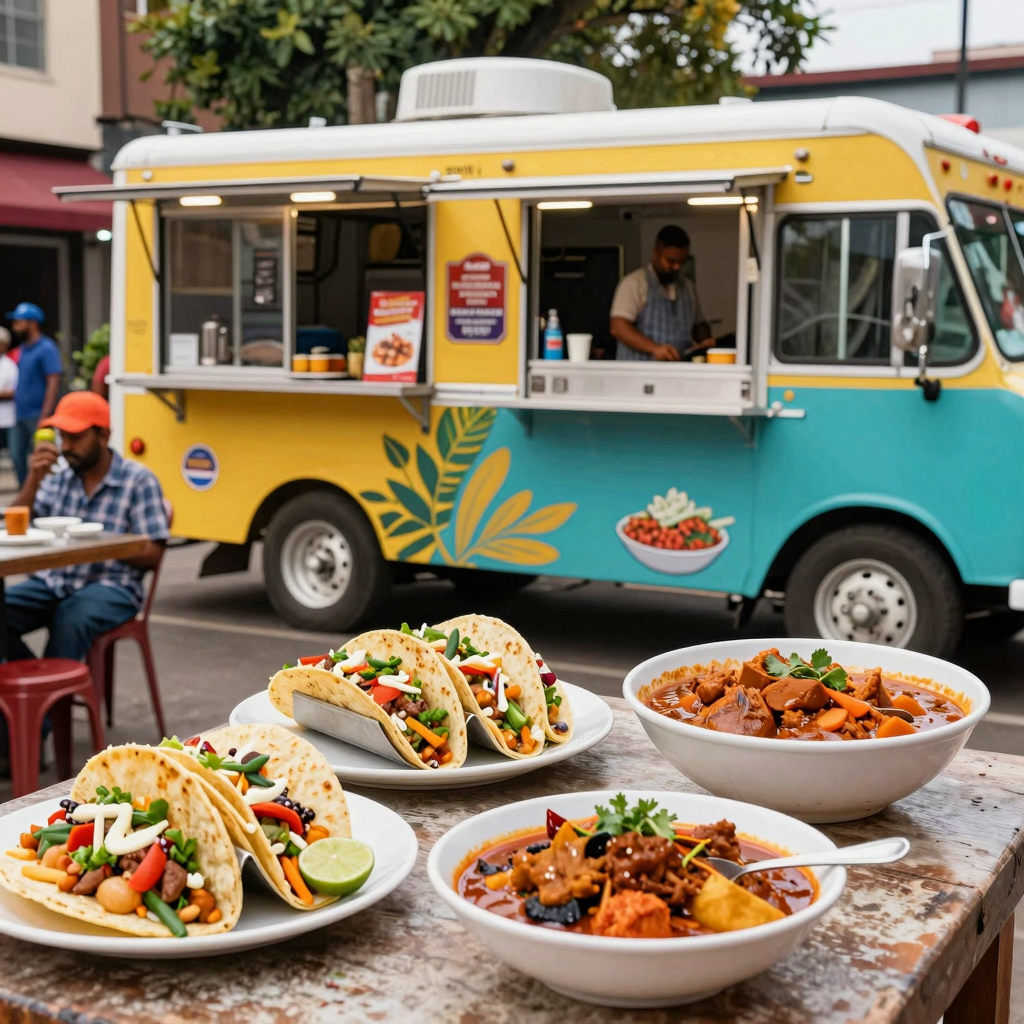
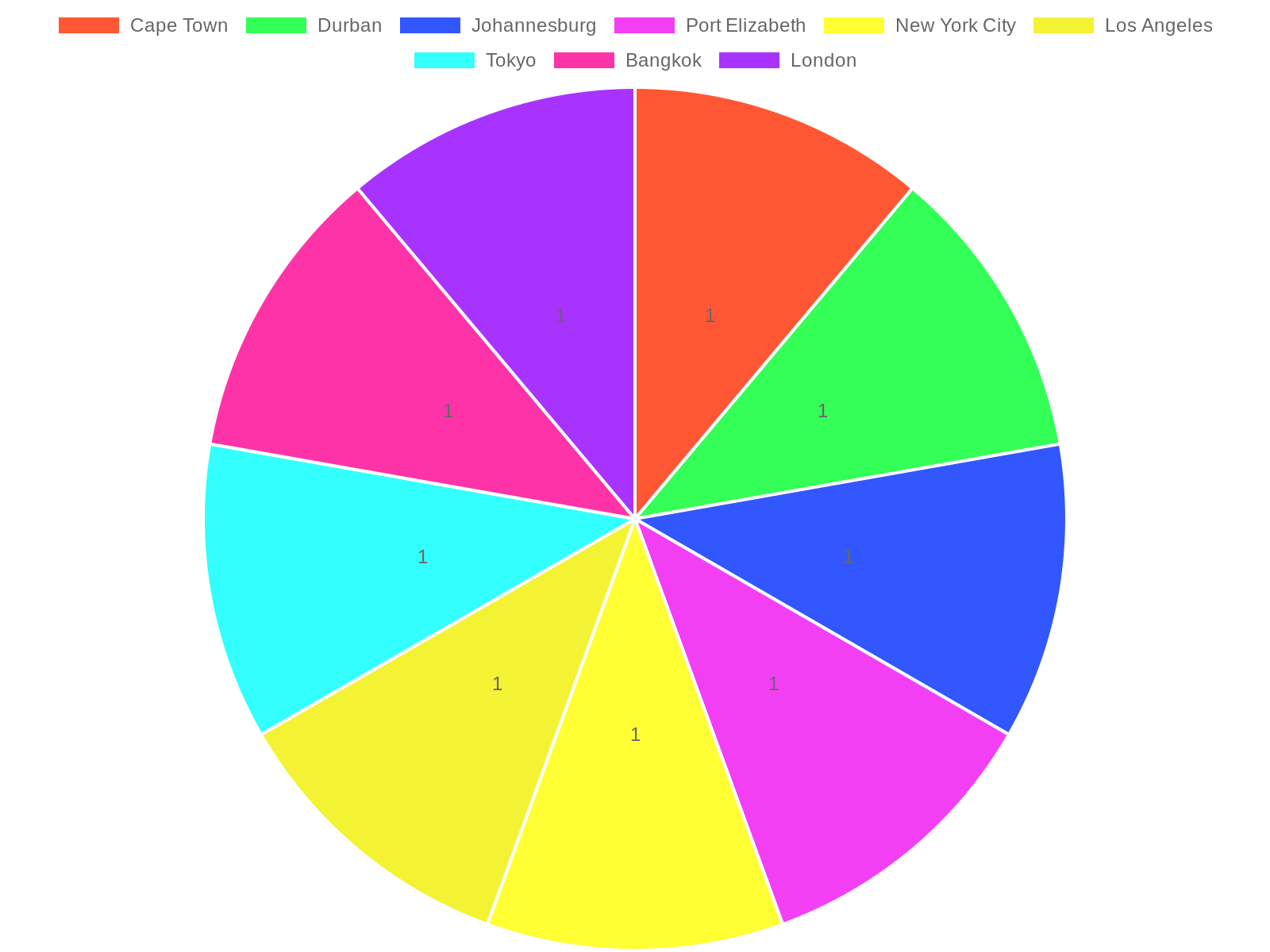
Additionally, the diversity in food offerings is represented in the following chart that highlights the types of food trucks available in various cities:
From celebrating cultural traditions to igniting culinary innovation, food trucks are indeed a wonderful reflection of local culture!
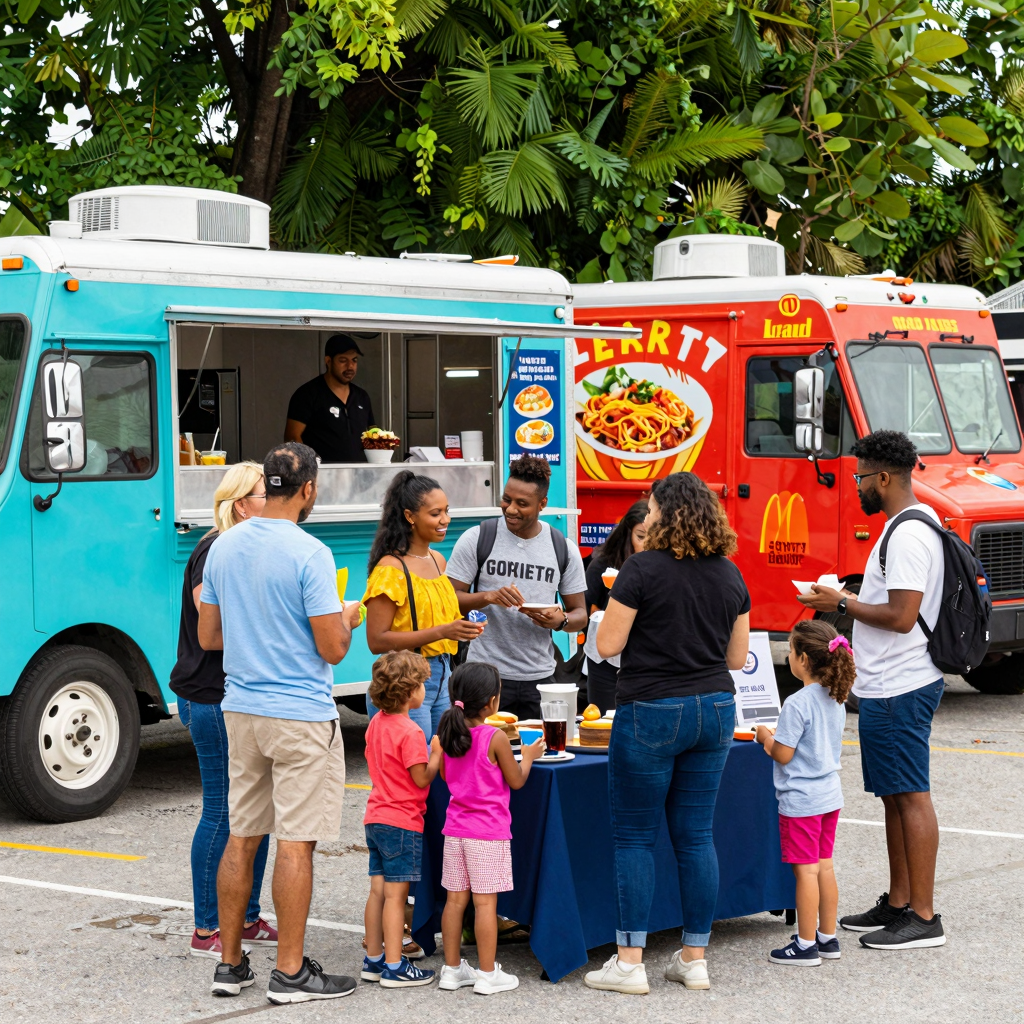
Utilizing Food Trucks for Catering Events
Food trucks are rapidly becoming a popular choice for event catering, offering a unique and vibrant dining experience. They provide flexibility and variety, appealing to diverse tastes while creating an exciting atmosphere at any event. For event planners aiming to incorporate food trucks into their catering services, here are some effective strategies and tips to ensure success.
1. Coordination is Key
Successful event planning requires seamless coordination. Here are tips for effective food truck integration:
- Communicate Your Needs: Always begin with clear communication between you and the food truck vendor. Discuss variety, food quantities, setup requirements, and service duration.
- Logistics Planning: Ensure that there is adequate space for the food truck to park and operate. Familiarize yourself with local regulations and any special permits needed for food trucks at your event location. Refer to navigating food truck industry regulations for detailed guidance.
- Power and Water Needs: Confirm with the food truck about their specific requirements for power and water. This will prevent any last-minute issues on the day of the event.
2. Crafting the Perfect Menu
Menu selection is a crucial component that can make or break the catering experience:
- Know Your Audience: Choose menu items based on your guests’ preferences, dietary restrictions, and event theme. It might be wise to survey potential attendees to gauge their culinary interests.
- Flexibility and Variety: Offer a range of options from appetizers to desserts. You may even want to include some unique or regional specialties that can elevate the experience. The truck should have the capability to create customizable dishes-give guests a chance to personalize their meals!
- Consider Portions: Food trucks generally serve in portions. It’s important to work with the food truck to determine the right quantities based on the number of attendees. Planning to have a variety of items can encourage sampling and satisfaction.
3. Customization Options for Clients
Client customization is a fantastic way to enhance the event experience:
- Create Signature Dishes: Collaborate with your food truck to craft signature dishes or themed menus unique to the event. This adds a personal touch and enhances the catering’s memorability.
- Dietary Accommodations: Address dietary needs, including vegetarian, vegan, gluten-free, and allergen-free options to ensure every guest has a delightful meal. Being mindful of these details can set you apart from other event organizers.
- Event Branding: Utilize food truck graphics and branding to align with your event’s theme or client’s identity. Vendors can often provide branded packaging or signage that can complement the overall decor, promoting a cohesive look throughout the event space. Check out our guide on branding for food trucks for creative ideas.
4. Delivering Excellent Service
Outstanding service can turn a good event into a fantastic one:
- Professional Staff: Ensure the food truck has properly trained staff. Their interaction with your guests can significantly impact the event atmosphere.
- Efficient Service Lines: Encourage the use of multiple service windows if available, especially for larger events, to keep queues minimal and guests happy.
- Feedback Loop: After the event, gather feedback from both clients and guests regarding their experience. This can help refine future catering decisions and service improvements.
Conclusion
Incorporating food trucks into your event catering not only provides diverse and exciting options for your guests but also enhances the overall ambiance of your event. By focusing on coordination, menu selection, and customization, you can create a memorable culinary experience that delights every attendee. Food trucks are indeed a fantastic way to bring excitement, ease, and flavor to any gathering, big or small!
Growth of Food Trucks Over Time
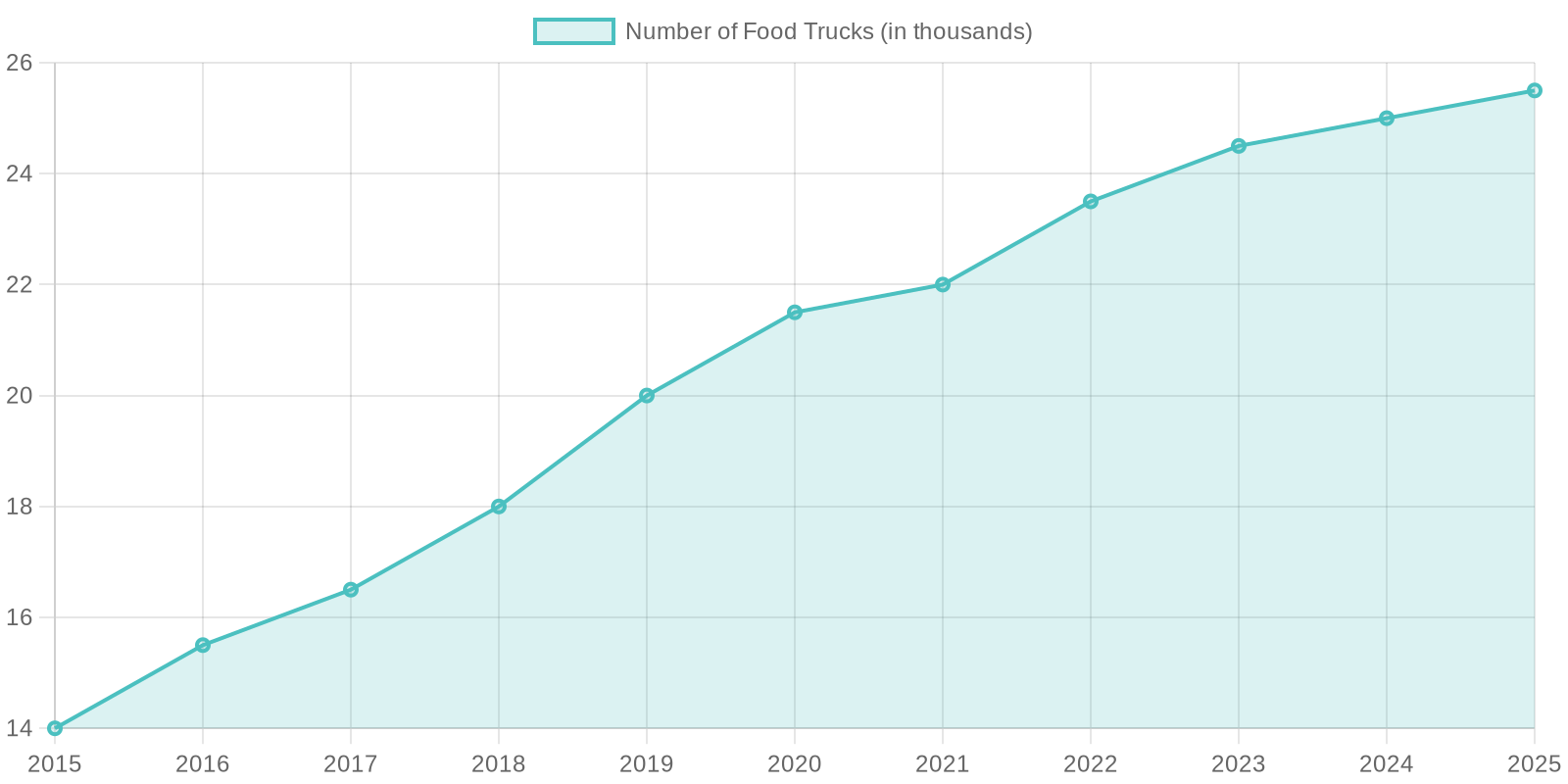
The food truck industry has seen remarkable growth over the past decade. The trend towards food trucks as commercial kitchens has intensified, driven by rising consumer demand for unique and diverse dining options. Here’s a visual representation of the growth in the number of food trucks in the United States from 2015 to 2025:
| Year | Number of Food Trucks (in thousands) |
|---|---|
| 2015 | 14.0 |
| 2016 | 15.5 |
| 2017 | 16.5 |
| 2018 | 18.0 |
| 2019 | 20.0 |
| 2020 | 21.5 |
| 2021 | 22.0 |
| 2022 | 23.5 |
| 2023 | 24.5 |
| 2024 | 25.0 |
| 2025 | 25.5 |
This table details the increase in food trucks, reflecting a significant shift towards mobile food business models. As more people seek the convenience and creativity that food trucks offer, it’s clear that they are here to stay as viable commercial kitchens. For those looking to get into this exciting industry, learn more about choosing the right food truck model for your needs!
Conclusion: Embrace the Food Truck Revolution!
As we’ve explored throughout this article, food trucks are more than just mobile kitchens; they are vibrant catalysts for community engagement, unforgettable experiences, and delicious culinary adventures. Whether you’re planning a corporate event, a local festival, or even a private gathering, incorporating a food truck can elevate the atmosphere and delight your guests with fresh, unique options.
Here are a few compelling reasons to consider food trucks for your next event:
- Variety of Flavors: With a wide range of gourmet dishes and food styles available, food trucks can cater to diverse palates and dietary needs, ensuring every guest finds something they love.
- Interactive Experience: The open-air setting and interactive nature of food trucks create a dynamic environment that encourages guest participation, conversations, and a top-notch dining experience.
- Community Focus: Many food trucks prioritize local ingredients and sustainable practices, resonating strongly with consumers who value community and environmental responsibility. For example, a recent survey indicated that 72% of attendees at food truck events featuring fresh produce were more satisfied compared to traditional grocery shopping, showing that the engagement goes beyond food-it’s about fostering relationships.
- Convenience and Flexibility: From easy access to customizable menus, food trucks can adapt to various event sizes and locations, making them a stress-free and convenient option for any planner.
Summit Fairings offers a range of food truck options that can perfectly match your needs, ensuring your event is a hit. Check out our offerings here and let us help you make your next event an unforgettable culinary celebration!
In a world where food and gatherings are celebrated, why not let a food truck be the highlight of your next event? Embrace this tasty trend and witness firsthand the joy and excitement a food truck can bring to your gathering!
So get ready to change the way you think about dining at events-choose food trucks and create a lasting impact that your guests will remember!