Welcome to the thrilling world of food trucks, where culinary creativity meets the hustle of street food culture! Starting your own food truck is not just about serving up delicious bites; it’s about crafting an experience that leaves a lasting impression on your customers. But before you roll out your signature dishes, there’s one crucial ingredient you can’t overlook: electricity for your food truck! From powering cooking appliances and refrigeration to ensuring your payment systems run smoothly, having a reliable electricity source is key to a successful operation. Learn more about the essential generator systems that can power your culinary journey! Let’s dive into how you can secure the electric systems necessary to bring your food truck dream to life!
Power Sources for Food Trucks
When it comes to powering your food truck, there are several options available to ensure your mobile kitchen runs smoothly. Each power source has its unique features, benefits, and considerations. Let’s explore the major types of power sources used in this vibrant industry!
Generator Power
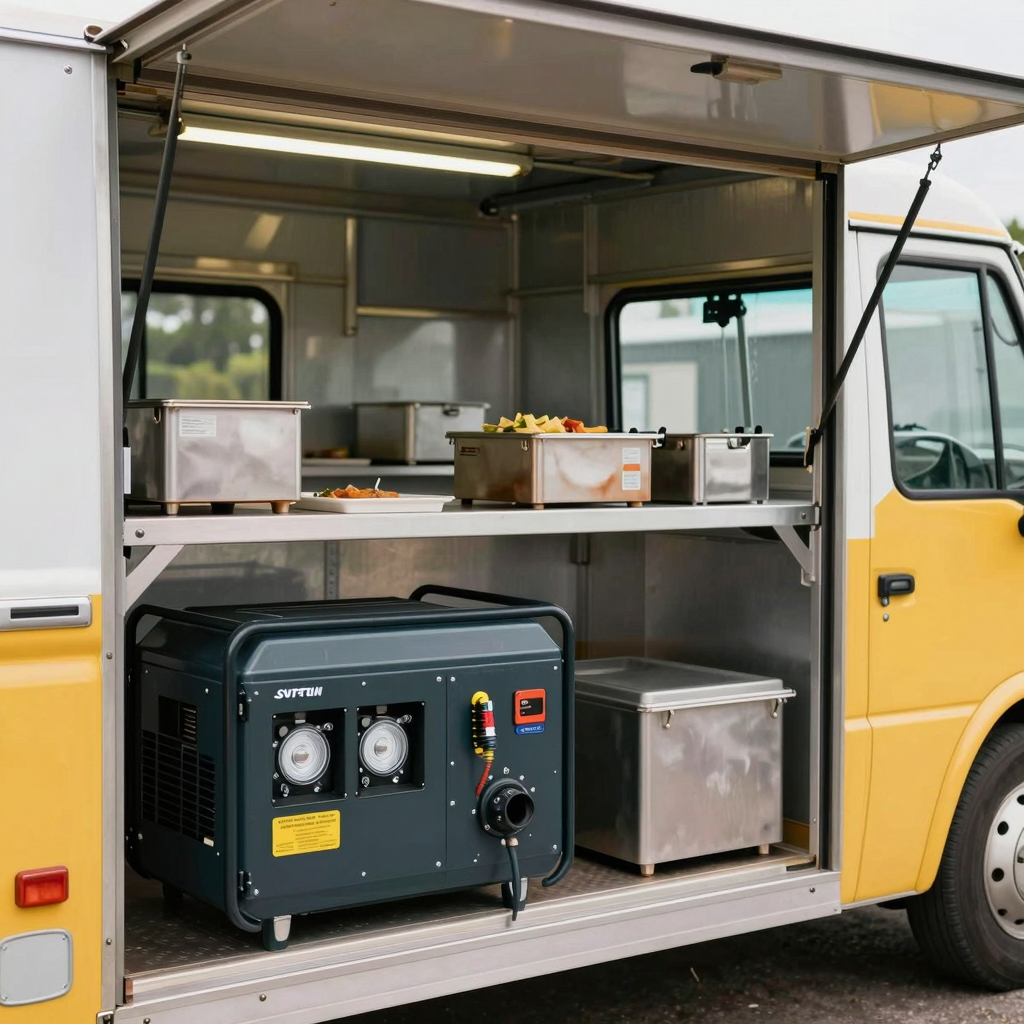
Generators are the most common power source for food trucks. They provide reliable electricity to run equipment, lighting, and appliances without relying on external outlets. Food truck generators come in various types, including portable, inverter, and built-in options.
- Portable Generators: These are easy to transport and set up but may require regular refueling. Look for models with a power output of at least 5KW to support essential kitchen operations.
- Inverter Generators: Known for their quieter operation and clean energy output, these generators are ideal for events where noise is a concern. Learn more about choosing food truck generators.
- Built-in Generators: These are integrated into the truck’s design, providing a streamlined look and ease of use.
Battery Power
Battery power for food trucks is becoming increasingly popular as more operators seek sustainable energy solutions. Electric battery systems can power equipment without the emissions associated with gas-powered generators.
- Considerations for Battery Systems: Battery systems can require a higher initial investment, but they save money in the long run thanks to lower fuel and maintenance costs. A mobile food truck energy storage system typically has a nominal voltage of around 48V. Check out Joule Case for battery options.
Direct Electrical Connections
For food trucks that often park in areas with established electrical infrastructure, direct electrical connections can be an ideal solution. This method allows food trucks to plug into available power sources, significantly reducing fuel expenses and keeping noise to a minimum.
- Shore Power: This is an excellent option for food trucks located in festival grounds or events where power outlets are readily available. It can help boost your food truck’s efficiency, letting you focus on serving delicious meals without worrying about power.
Each of these power sources has its advantages, so the best choice will often depend on your specific operations, schedules, and local regulations. By selecting the right source, you can maximize your food truck’s capabilities!
Comparing Power Sources for Food Trucks
Choosing the right power source for a food truck is critical for its operational efficiency and customer satisfaction. Here’s a comparison of the three main power sources: generators, battery systems, and electric connections.
| Feature | Generators | Battery Systems | Electric Connections |
|---|---|---|---|
| Upfront Cost | Low to Moderate (typically $1,000-$3,000) | High (can exceed $5,000 for large systems) | Very High (requires infrastructure upgrades; $10,000+) |
| Operating Cost | Moderate (fuel-dependent; $0.20-$0.50 per hour) | Low (once charged; minimal cost per use) | Low (if grid-connected; depends on utility rates) |
| Noise Level | High (65-80 dB; comparable to a lawnmower) | Silent (no moving parts) | Silent (when not drawing power) |
| Maintenance Requirements | High (regular oil changes, fuel filter replacements, spark plug checks) | Low (battery monitoring and occasional replacement every 5-7 years) | Very Low (infrastructure maintenance only) |
| Reliability | Moderate (susceptible to fuel issues, mechanical failure) | High (with proper management; consistent output) | Very High (stable if grid is reliable) |
| Eco-Friendliness | Low (emits CO₂, NOₓ, and particulates; varies by fuel type) | High (zero emissions during operation; recyclable batteries) | High (depends on grid source; renewable-powered grids are ideal) |
| Portability | Moderate (often fixed or semi-fixed on truck) | High (modular units can be moved easily) | Low (dependent on location and available grid access) |
| Runtime | Long (8-24 hours on full tank) | Limited (typically 2-8 hours depending on load) | Unlimited (as long as connected to grid) |
| Best For | Remote locations, long events, high-power needs | Events with short duration, quiet environments, eco-conscious operators | Permanent sites, urban areas with reliable grid access |
Sources:
- National Renewable Energy Laboratory (NREL)
- U.S. Department of Energy – Alternative Fuels Data Center
- Food Truck Industry Reports 2024-2025 (via Small Business Trends)
- Electric Vehicle Charging Infrastructure Guide – Utility Dive
When it comes to launching a food truck business, understanding local regulations and permits is not just an option-it’s a necessity! Installing electricity in your food truck involves compliance with various local laws, and neglecting these can lead to setbacks that could jeopardize your entire operation.
Understanding Permitting for Food Trucks
Food truck requirements generally vary by city and state. Before setting up your electrical system, you’ll need to gather specific permits related to electrical installation. These may include:
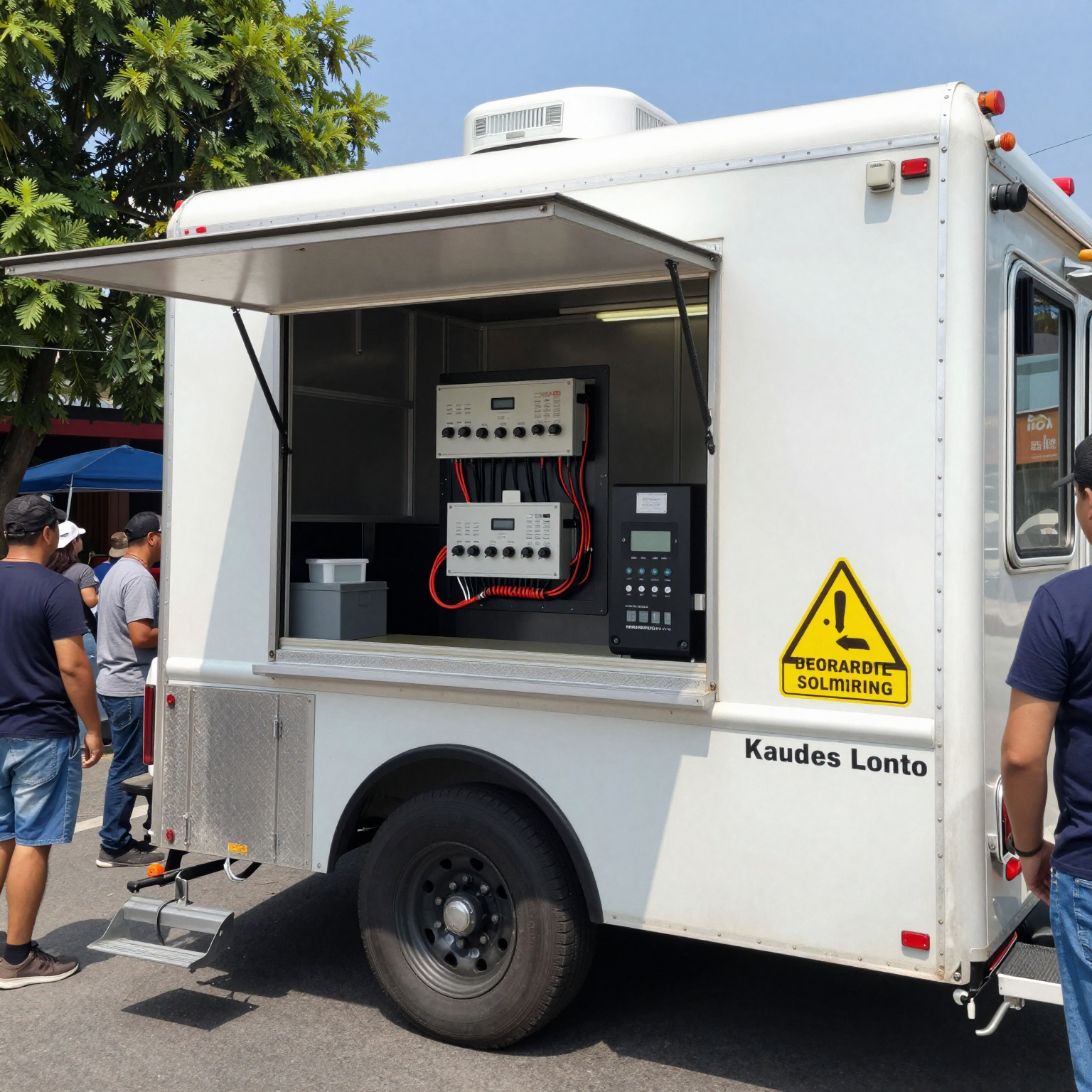
- Electrical Permits: Most jurisdictions require a permit to perform electrical work, ensuring your setup meets safety standards.
- Business Licensing: A valid business license is crucial for operating any food service.
- Health and Safety Permits: Compliance with local health regulations guarantees that your food preparation and storage practices are safe.
Each of these permits serves to protect not only your customers but also your business from legal issues. For example, failing to have the proper electrical installations could lead to fines or, in extreme cases, the closure of your food truck.
The Importance of Compliance
Ensuring that you comply with local regulations and permitting for food trucks contributes significantly to your success. Not only do these requirements promote safety for you and your customers, but they also enhance your business’s reputation. In the food truck industry, safety and trust are paramount. A single incident can destroy years of goodwill.
Additionally, many events and venues want assurance that all vendors are properly licensed and compliant. Being able to show your permits can make the difference between being invited to participate or missing out on lucrative opportunities.
Taking the Next Steps
Prioritize compliance by:
- Researching local regulations: Every area has different rules; check your local government’s website or consult with local food truck associations.
- Consulting professionals: Hiring a licensed electrician familiar with food truck requirements ensures that installations are performed correctly.
- Keeping documentation organized: Maintain a clear file with all your permits and inspection records. This will not only help during audits or inspections but also make your life easier during renewals.
For more on the challenges of regulations and how to navigate them, check out our detailed guide on food truck industry regulations.
Visual Insight
Taking these steps will not only help ensure a smooth opening but also foster a culture of safety and excellence in your food truck business. Do your homework, get your permits, and you’ll be on the path to success!
Successful Food Truck Case Studies Securing Electricity
Running a food truck comes with unique challenges, including how to source electricity for equipment and appliances. Here, we’ll look at several successful food truck case studies that highlight innovative strategies for securing electricity while enhancing their operations and benefiting from increased customer satisfaction.
Case Study 1: Joule Case Battery Systems
Melissa’s food truck initially relied on traditional gas generators, which were noisy and disruptive. After switching to a Joule Case battery system, she transformed her operations. “The transition was a game changer! Customers love the quiet and clean environment, and I’m able to focus more on cooking delicious food instead of managing generators!” she says. This transition enhanced operational efficiency and ensured compliance with local regulations regarding emissions. Essentially, it made her truck more appealing to eco-conscious customers, boosting sales significantly.
Case Study 2: Wattsun Mobile Battery Systems
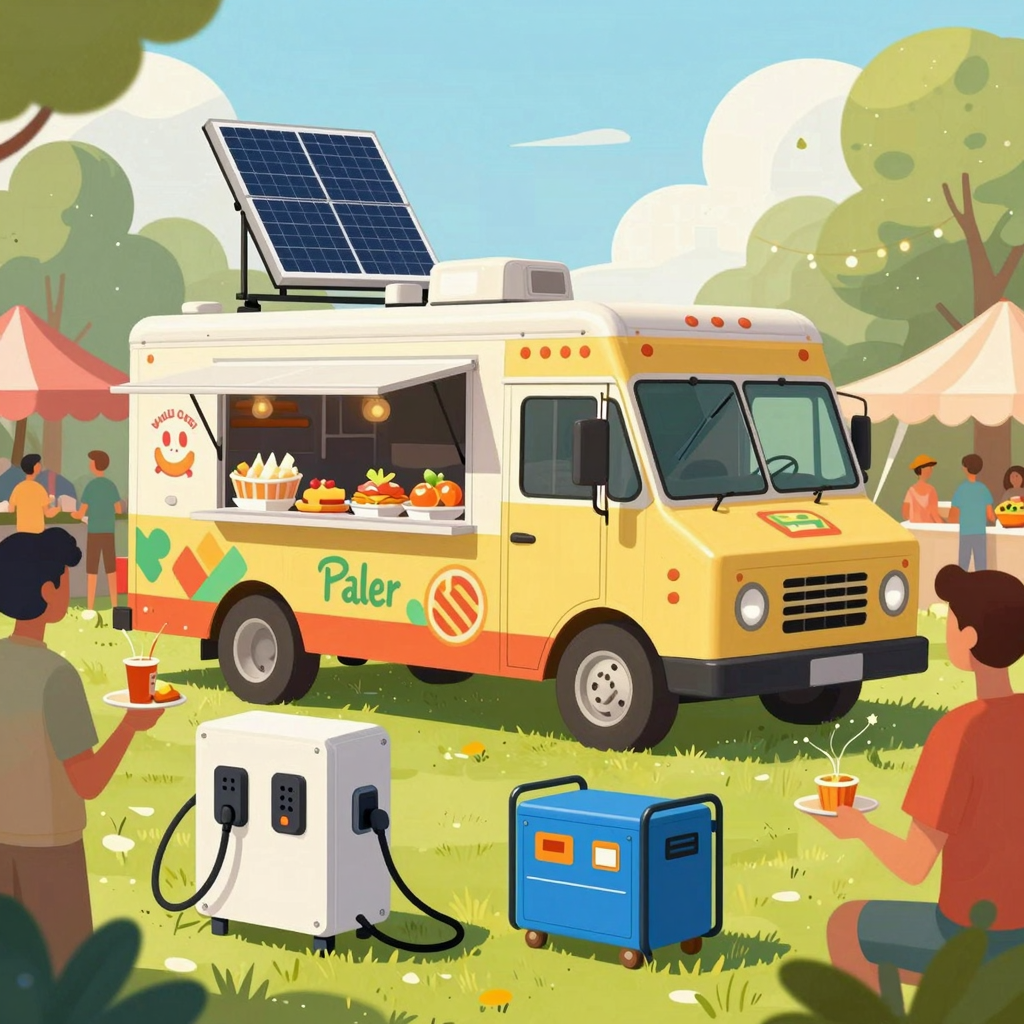
In a bid to promote sustainable practices, Wattsun provides mobile battery systems tailored for food trucks. Many operators report that securing solar panels on the roofs of their trucks and charging them with these battery systems allows them to operate independently. “It’s liberating! I can now set up shop at any festival without worrying about power outlets. Plus, I’m saving money on fuel costs every week!” shares Chris, a happy food truck owner. The eco-friendly approach not only aligns with modern sustainability goals but also helps attract a growing number of environmentally-conscious customers.
Case Study 3: Electric Food Trucks by Legion Food Trucks
Electric food trucks are leading the charge towards sustainability. One of the advantages highlighted in Legion Food Trucks research is the zero emissions produced by electric trucks. Their case studies showcase food trucks that have completely switched to electric, resulting in considerable savings in operating costs.
An included testimonial states, “Going electric was a bold step, but seeing the reduction in expenses and attracting new customers eager for sustainable options was worth it!” The benefits also extend to better compliance with environmental regulations, thereby fostering goodwill in local communities which can lead to partnerships and more event opportunities.
Key Insights and Benefits of Going Electric
- Cost Savings: Operators like Melissa and Chris emphasize how much more they save on fuel and generator maintenance.
- Customer Appeal: Many food truck owners have noted an uptick in customers after adopting greener systems. Electric equipment is often quieter and more pleasant for patrons, contributing to an enhanced dining experience.
- Regulatory Compliance: As cities tighten regulations on emissions and noise, securing electricity through innovative means keeps trucks compliant and open for business.
Your Next Steps
If you’re an aspiring or current food truck operator looking to enhance your business through sustainable electricity solutions, consider researching options like those used by Melissa, Chris, and numerous industry innovators. For more tips on finding the right food truck model for your needs, learn more here.
Have you thought about exploring electric options for your food truck operation? The savings and community goodwill might surprise you!
Cost Considerations for Powering a Food Truck
Operating a food truck comes with various cost considerations. Understanding the expenses related to electricity and other ongoing operational costs will help you budget effectively and ensure your food truck is always up and running smoothly.
Initial Investments
When starting your food truck journey, your initial investment is crucial. Here’s a breakdown of estimated costs:
| Item | Cost Range (USD) | Description |
|---|---|---|
| New Food Truck | $75,000 – $200,000 | This includes the complete vehicle, cooking equipment, and basic customizations. |
| Used Food Truck | $50,000 – $100,000 | A more affordable option for starting; may require additional repairs or upgrades. |
| Kitchen Equipment | $10,000 – $30,000 | Includes refrigerators, stoves, grills, and other essential appliances. |
| Permits and Licenses | $100 – $1,000+ | Costs vary based on local regulations and health department requirements. |
| Insurance | $1,500 – $4,000/year | Essential for business liability and vehicle coverage. |
| Electrical Setup | $4,000 – $15,000 | Cost for installing an electrical system crucial for operations. |
Ongoing Expenses
Once your food truck is up and running, you’ll encounter ongoing costs that include:
| Category | Estimated Monthly Cost (USD) | Notes |
|---|---|---|
| Electricity | $100 – $300 | Depends on equipment usage; critical for refrigeration and cooking. |
| Gas (Propane/Natural Gas) | $200 – $600 | Fuels grills and cooking equipment; varies by everyday usage. |
| Maintenance | $300 – $800 | Covers regular servicing and repairs on the truck and equipment. |
| Supplies (Food & Packaging) | $1,000 – $3,000 | Highly variable based on menu complexity and ingredient sourcing. |
| Labor (Staff) | $3,000 – $6,000 | Based on hours worked and region; crucial to ensuring smooth operations. |
| Marketing | $100 – $500 | For promotions, sign design, and other advertising efforts. |
| Store/Rent Fees | $500 – $1,500 | If not utilizing owned space, includes rental for parking or event fees. |
It’s essential to keep these costs in mind as part of your food truck budgeting strategy. Utilizing efficient energy sources and finding ways to reduce operational costs can contribute significantly to your profit margins.
For more insights on how to choose the right food truck model, check out our guide on choosing the right food truck model. Keep your finances in check with our financial tips for first-time food truck owners.
Cost Savings vs. Expenses of Different Power Sources for Food Trucks
Understanding the cost dynamics of different power sources can significantly impact your food truck business in the long run. Below, we illustrate potential cost savings versus expenses of using electric, propane, and gasoline power sources over a decade. This will help you make an informed decision when considering how to electrify your food truck or maintain a traditional setup.
Chart: Cost Savings vs. Expenses
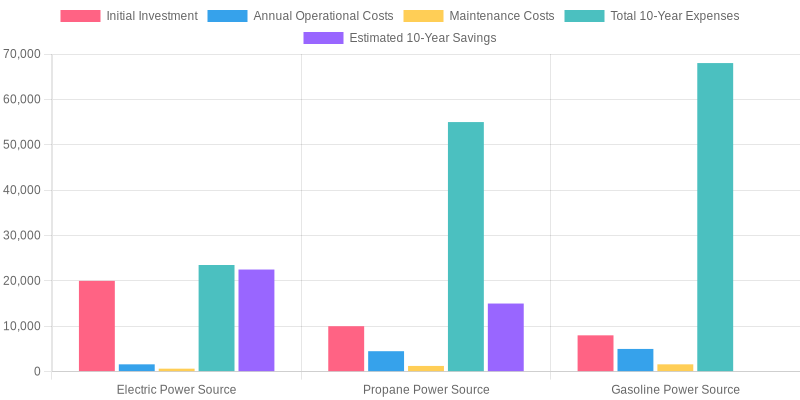
| Category | Electric Power Source | Propane Power Source | Gasoline Power Source |
|---|---|---|---|
| Initial Investment (Year 0) | $15,000 – $25,000 | $8,000 – $12,000 | $6,000 – $10,000 |
| Annual Operational Costs | $1,200 – $2,000 | $3,500 – $5,000 | $4,000 – $6,500 |
| Maintenance Costs (Annual) | $500 – $800 | $1,000 – $1,500 | $1,200 – $2,000 |
| Total 10-Year Expenses | $17,000 – $30,000 | $45,000 – $65,000 | $52,000 – $85,000 |
| Estimated 10-Year Savings | $15,000 – $30,000 (vs. gas) | $10,000 – $20,000 (vs. gas) | Baseline (0 savings) |
| Key Trends | High upfront cost, low operating & maintenance costs; long-term savings. | Moderate initial cost, higher fuel and maintenance costs over time. | Low initial cost, highest ongoing expenses; declining competitiveness. |
This chart captures the overall trends observed from various sources, highlighting why moving towards electric might be a more financially sustainable option for your food truck compared to traditional fuels.
For further insights into how to best manage your food truck’s costs, check out our guide on financial tips for first-time food truck owners.
“In the food truck industry, reliable power is essential for maintaining high food safety standards and ensuring operational efficiency. Without it, the risk of equipment failure increases, jeopardizing both the quality of the food and the overall customer experience.” – Industry Expert
Conclusion and Call to Action
In conclusion, ensuring your food truck has reliable electricity is crucial for smooth operations and delivering delicious food to your customers! As we discussed, understanding your electrical requirements, assessing your options between generators and solar power, and implementing energy-saving practices will not only enhance efficiency but also keep your truck running at its best. Remember, engaging with your local authorities and understanding regulations is just as vital to make your food truck business a success.
So, let’s empower your food truck journey! Whether you’re a seasoned vendor or just starting, don’t hesitate to explore the possibility of upgrading your electrical systems-a small investment can lead to big rewards! To dive deeper into the essentials of choosing the right food truck model to suit your needs, check out this guide to ensure you’re making well-informed decisions.
Ready to electrify your food truck experience? Don’t wait-take the first step today! Let’s cook, serve, and thrive together in this vibrant food industry! 🌟