
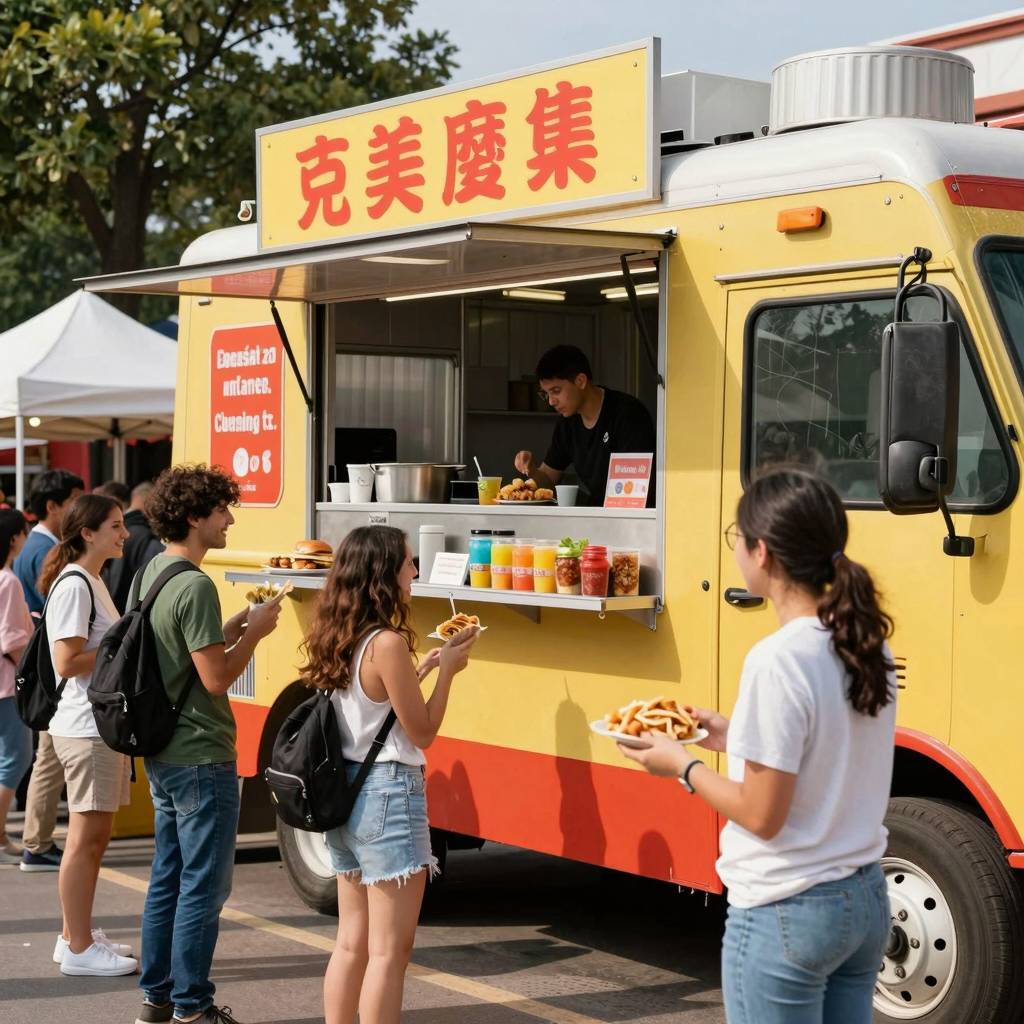
Are you dreaming of embarking on a delicious journey with your very own food truck? 🚚✨ Well, before you hit the streets serving up scrumptious bites, there’s an essential step to tackle: understanding the licenses needed to start a food truck! Navigating through the world of permits and regulations may sound daunting, but it’s absolutely vital for ensuring that your culinary venture runs smoothly and legally. Whether you’re an event planner looking to partner with a food truck, a corporate HR team interested in catering options, or simply a food enthusiast wanting to dive into this vibrant industry, grasping the nuances of food truck licensing will put you on the fast track to success!
Common Licenses and Permits for Food Trucks
Operating a food truck is like running a mini-restaurant on wheels! To keep your delicious creations rolling, you’ll need a few essential licenses and permits. Here’s a friendly checklist to get you started:
- Business License: Every food truck needs a basic business license to operate legally in your community.
- Seller’s Permit: This permits you to sell goods and collect sales tax. It’s especially vital if you’re planning to sell in several locations.
- Food Safety Permit: Obtained from your local health department, this ensures that you meet food safety standards.
- Mobile Food Vendor Permit: Many cities require a specific permit for mobile vendors, so check your local regulations.
- Fire Department Permit: If you’re cooking with open flames, this permit ensures you comply with fire safety regulations.
- State-Specific Permits: Depending on your state, you may need additional permits. For example:
- California: You’ll need a permit from the California Department of Public Health ($100 for one year).
- New York City: A license from the Department of Health is required ($200 for one year).
- Los Angeles: City license required with fees ($300 for one year). Learn more about the food truck license requirements.
Remember to check with your local government for the specific requirements in your area, as they can vary widely!
Health Regulations and Permits
Starting a food truck isn’t just about having a killer menu; it’s also about complying with the health regulations that keep your customers safe. Health permits for food trucks are not just bureaucratic hurdles; they are essential for ensuring that the food you serve meets safety standards. Each city or state may have different requirements, but here’s a general overview of what you’ll need to consider.
Why Health Permits Matter
Health permits are your ticket to running a legitimate food truck business. These permits require routine inspections of your truck and your food handling processes. They help ensure that your cooking environment is clean and that your food is prepared safely, all of which protect your customers from foodborne illnesses. Without these permits, you risk hefty fines, shutdowns, or even worse, leaving your customers exposed to health risks.
The Process of Obtaining Permits
The process for securing health permits varies by location but often includes:
- Application Submission: Fill out the required forms and provide documentation about your menu and food preparation processes.
- Inspections: Authorities will conduct inspections of your food truck to ensure compliance with local health codes.
- Training: You may be required to undergo food safety courses to enhance your knowledge of sanitary practices.
Each of these steps is vital in not just establishing your business legally, but also in building trust with your customers.
Consequences of Non-Compliance
Ignoring health regulations can lead to disastrous consequences: fines, a tarnished reputation, and possibly the closing of your business. Thus, investing the effort to understand and comply with health permits is crucial. It’s not just about obeying the law; it’s about ensuring that your customers feel safe and valued every time they purchase from you.
If you’re feeling a bit overwhelmed, don’t hesitate to learn more about navigating food truck industry regulations and ensure your food truck is ready for success!
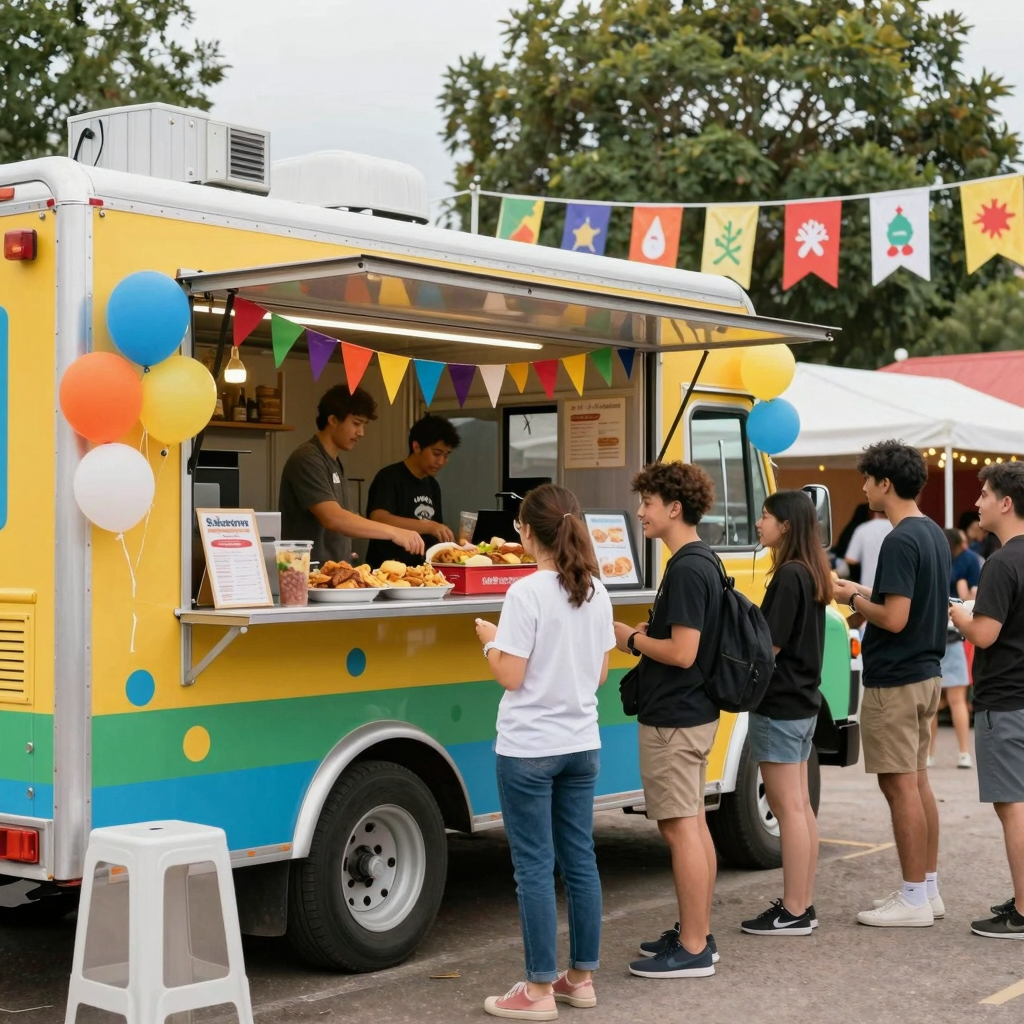
Food Truck Licensing Requirements by State
Starting a food truck can be an exciting venture filled with delicious possibilities! However, navigating food truck licensing requirements can be tricky as it varies significantly by state. Below, we break down key differences in licensing requirements, ensuring you’re well-informed before hitting the road with your culinary creations.
California: The Golden State’s Requirements
In California, food truck operators must obtain a Mobile Food Facility Permit from the local health department. Each city may have additional requirements, especially in bustling areas like Los Angeles or San Francisco, where specific city permits may be needed.
- Health Regulations: Governed by the California Department of Public Health (CDPH), operators must adhere to the California Retail Food Code. Certified food handlers must be present on staff.
- Inspections: Regular, unannounced inspections ensure compliance, with frequency depending on the food truck’s risk category. High-risk foods require more thorough checks.
- Zoning: Cities have distinct zoning laws; many offer designated food truck zones, with some prohibiting operations within certain distances of brick-and-mortar eateries.
For more on the necessary vehicle permits and models, check out our article on choosing the right food truck model.
Texas: Big Requirements for Big State
In Texas, food trucks are regulated through the Mobile Food Vendor Permit issued by the Department of State Health Services (DSHS). Local municipalities may impose additional restrictions.
- Health Regulations: Compliance with the Texas Food Establishment Rules is crucial, requiring at least one Certified Food Protection Manager on staff.
- Inspections: Food trucks undergo annual inspections by DSHS, which may include additional unannounced checks based on the locality.
- Zoning: Each Texas city dictates zoning regulations, often specifying where food trucks can park and operate, with particular rules near educational institutions or government buildings.
Understanding these local requirements helps in planning your new business adventure!
New York: The Empire State Rulebook
In New York, the landscape is a bit more complex due to its strict regulations.
- Permitting Process: Food trucks need a Mobile Food Vendor License from the Department of Health and Mental Hygiene (DOHMH), with applications varying by borough (i.e., Manhattan, Brooklyn).
- Health Regulations: Adherence to the NYC Health Code is required, including protocol for food safety logs and having certified food handlers on site.
- Inspections: Expect frequent, unannounced inspections which can be stringent based on the type of food being served.
- Zoning: New York City operates designated Mobile Vendor Zones. Food trucks must stay within these areas, or they risk hefty fines.
For a deep dive into the intricacies of food truck regulations, consider reading more on the topic in navigating food truck industry regulations.
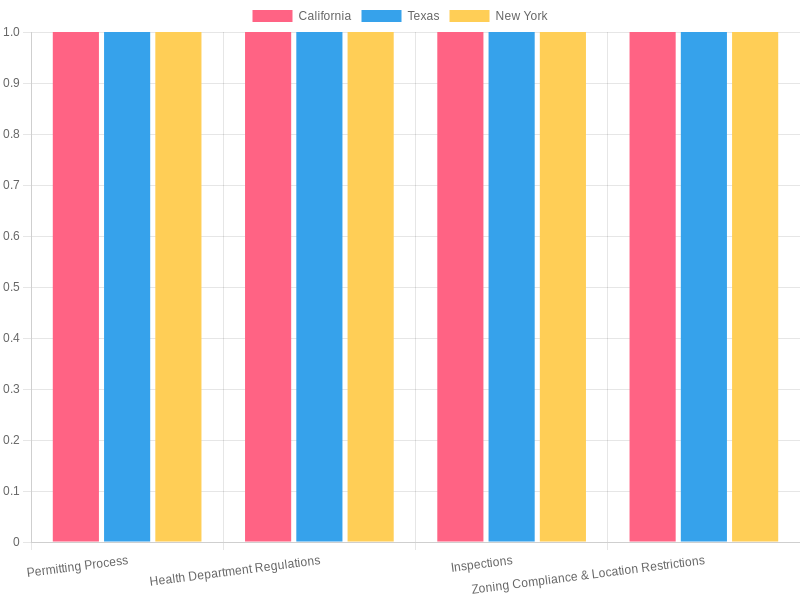
Summary Comparison Chart
To help you visualize these differences, check out our comparison chart:
| Category | California | Texas | New York |
|---|---|---|---|
| Permitting Process | Mobile Food Facility Permit from local health department. City-specific permits may be necessary. | Mobile Food Vendor Permit; local requirements may apply, renewed annually. | Mobile Food Vendor License from DOHMH; borough-specific processes. |
| Health Department Regulations | Governed by CDPH, comply with California Retail Food Code. Certified food handler mandatory. | Governed by DSHS, requires CFPM. | Governed by DOHMH, NYC Health Code regulation required. |
| Inspections | Regular, unannounced inspections based on food category risk. | Annual inspections by DSHS; unannounced local checks possible. | Frequent, unannounced inspections; stricter for high-risk foods. |
| Zoning Compliance | Varies by city; some areas have dedicated food truck zones. | Set by local cities; specific operational hours and zones apply. | Strict zones that dictate where trucks can operate; proximity rules enforced. |
Food Truck Permit Cost Comparison by State (2023)
| State | Cost of Permit | Source |
|---|---|---|
| California | $300 | City of Los Angeles |
| Texas | $100 | Texas Department of State Health Services |
| New York | Varies by location | New York State Department of Health |
| National Average | $2,500 | FoodTruckr Magazine |
Summary
- California has one of the highest permit costs at $300.
- Texas offers a more affordable option at $100.
- Costs in New York can vary based on the municipality, highlighting the importance of local regulations.
Understanding these costs can help in budgeting for your food truck venture. For more insights on how to choose the right model for your food truck, check out this guide.
Now that you have an overview of permit costs, you can better navigate the financial planning required for starting a food truck business!
Navigating the regulatory landscape when starting a food truck can feel like a daunting task. However, with the right approach and preparation, you can steer through the red tape smoothly. Here are some practical tips to help you overcome common challenges:
Understand Local Regulations
Every city has its own set of rules and regulations regarding food trucks, including licensing, health codes, and zoning restrictions. Start by researching your local government’s website or the Small Business Administration for information specific to your area.
Essential Steps:
- Identify Required Licenses: Most locations require a general business license, food handler’s permit, and possibly a mobile vendor’s permit. Make a checklist based on your local requirements.
- Consult Local Health Departments: Learn about food safety regulations and health codes that apply to food trucks. You might need inspections before you can operate.
Keep Your Paperwork Organized
Organizing your paperwork can save you time and headaches later. Maintain a file that includes:
- Applications and permits
- Health and safety inspection records
- Proof of insurance
- Business registration documents
Best Practices:
- Use digital tools or apps to track deadlines for permit renewals and inspections.
- Set reminders for upcoming renewals to avoid any lapses in compliance.
Engage with Your Community
Building relationships with local officials and fellow food truck owners can provide invaluable insights.
- Attend Local Meetings: Local government meetings often discuss public policies impacting food trucks. Your presence can provide direct benefits.
- Network with Other Food Truck Operators: Join local food truck associations or online forums. These communities can offer advice and share experiences regarding navigating local regulations.
Flexibility is Key
Sometimes things don’t go as planned. Be prepared for unexpected challenges, like changes in city regulations or delays in obtaining permits.
- Have a Backup Plan: This could include setting up at different events or locations while waiting for your permits.
- Stay Informed: Regularly check for changes in local ordinances or health codes. Subscription to industry news can keep you updated.
Seek Professional Advice
If you find the regulatory environment overwhelming, consider hiring a consultant with expertise in the food truck industry. They can provide guidance tailored to your specific situation.
Conclusion
Successfully navigating the regulatory environment is vital for the success of your food truck. By staying organized, building relationships, and remaining adaptable, you can focus more on what you love-serving delicious food to your customers! For a deeper dive into the regulations, check out resources like Food Truck Nation for comprehensive guides.
By implementing these tips, you’ll be better equipped to tackle regulatory challenges and enjoy the journey of being a food truck owner.
Case Study of a Food Truck Owner
Starting a food truck can be a thrilling adventure, but it often comes with its own set of challenges, particularly in navigating the licensing process. Take the story of Sarah, a food truck owner who faced several hurdles on her journey to success.
Sarah’s Journey
Sarah launched her food truck, “Bite Me!”, fueled by her passion for gourmet tacos. At first, she was thrilled by the prospect of running her own business, but the maze of regulations and licensing requirements quickly hit her like a ton of bricks. “I had no idea licensing would be so complicated!” she recalls.
She faced countless obstacles, from obtaining health permits to complying with fire codes. Each step seemed to add more frustration. For instance, her initial application was returned due to minor paperwork errors, forcing her to delay her launch.
Despite these challenges, Sarah’s determination never wavered. She sought advice from fellow food truck owners and immersed herself in research. After months of perseverance, she finally secured all necessary licenses and permits. As she puts it, “The day I received my operating license was one of the happiest of my life!”
Now, Sarah operates a thriving food truck business and even holds events in local communities. Her story serves as an inspiration for others in the food truck industry, demonstrating that with resilience and proper guidance, navigating licensing can lead to rewarding experiences.
For those looking to start a food truck, Sarah suggests, “Do your homework on licensing early, connect with others in the industry, and don’t lose sight of your passion.” You can read more about these experiences in articles like Navigating Food Truck Industry Regulations and Food Truck Owner Finances.
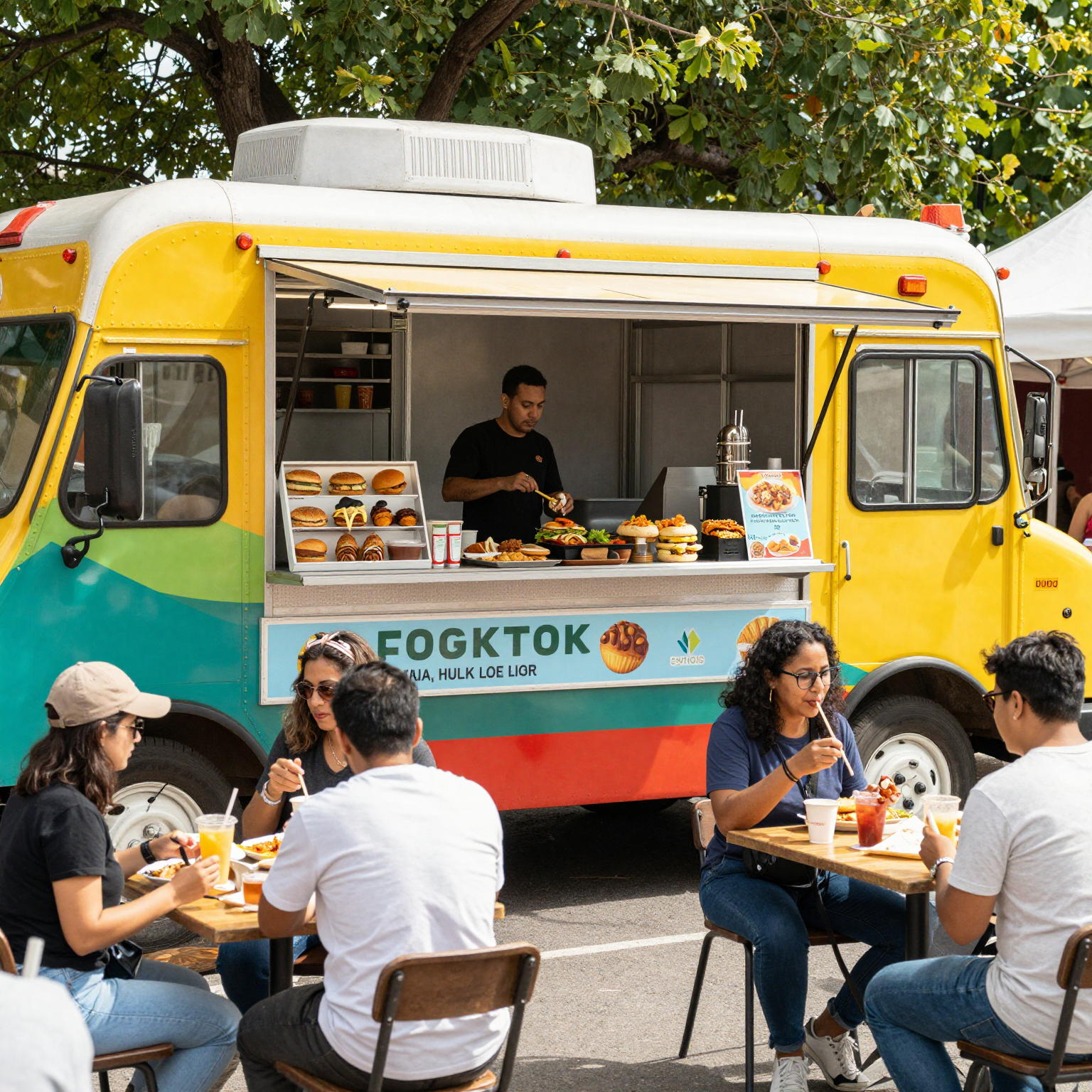
Conclusion of Food Truck Licensing Process
Starting a food truck is an exciting venture filled with potential and the delightful aroma of street food. However, the journey begins with navigating the food truck licensing process, which can be intricate depending on your location. It’s important to thoroughly understand the various licenses and permits you’ll need, including health permits, business licenses, and parking regulations. Being informed about the fees involved and any specific local regulations will help you avoid any compliance hiccups down the road.
To ensure you’re well-prepared, consider consulting resources like The Food Truck Association or reading about the essential steps to obtain a food truck license. Remember, the effort you put into understanding these requirements not only safeguards your business but also enhances your credibility and reputation in your community.
As you take these next steps in your food truck journey, keep the importance of compliance at the forefront of your mind. Proper preparation lays the groundwork for success and helps you focus on what you love-serving delicious food to eager customers. Let’s get cooking and hit the road! The culinary adventure awaits you!
Now that you know what licenses you’ll need to kickstart your journey as a food truck owner, it’s time to bring your vision to life! At Summit Fairings, we believe that your food truck should be as unique as the flavors you serve. With a variety of customization options and high-quality materials, we can help you create a mobile kitchen that not only meets regulations but also reflects your brand’s personality and culinary artistry.
In 2023, the food truck industry is booming, and it’s the perfect moment for you to step in and make your mark. As trends shift towards sustainability and innovative dining experiences, let your food truck stand out from the crowd. Dive into the world of customization-choose vibrant designs, cutting-edge equipment, and features that enhance customer interaction. Learn more about choosing the right food truck model to suit your style and brand. Don’t wait any longer; elevate your food truck dreams today and drive into a successful future!