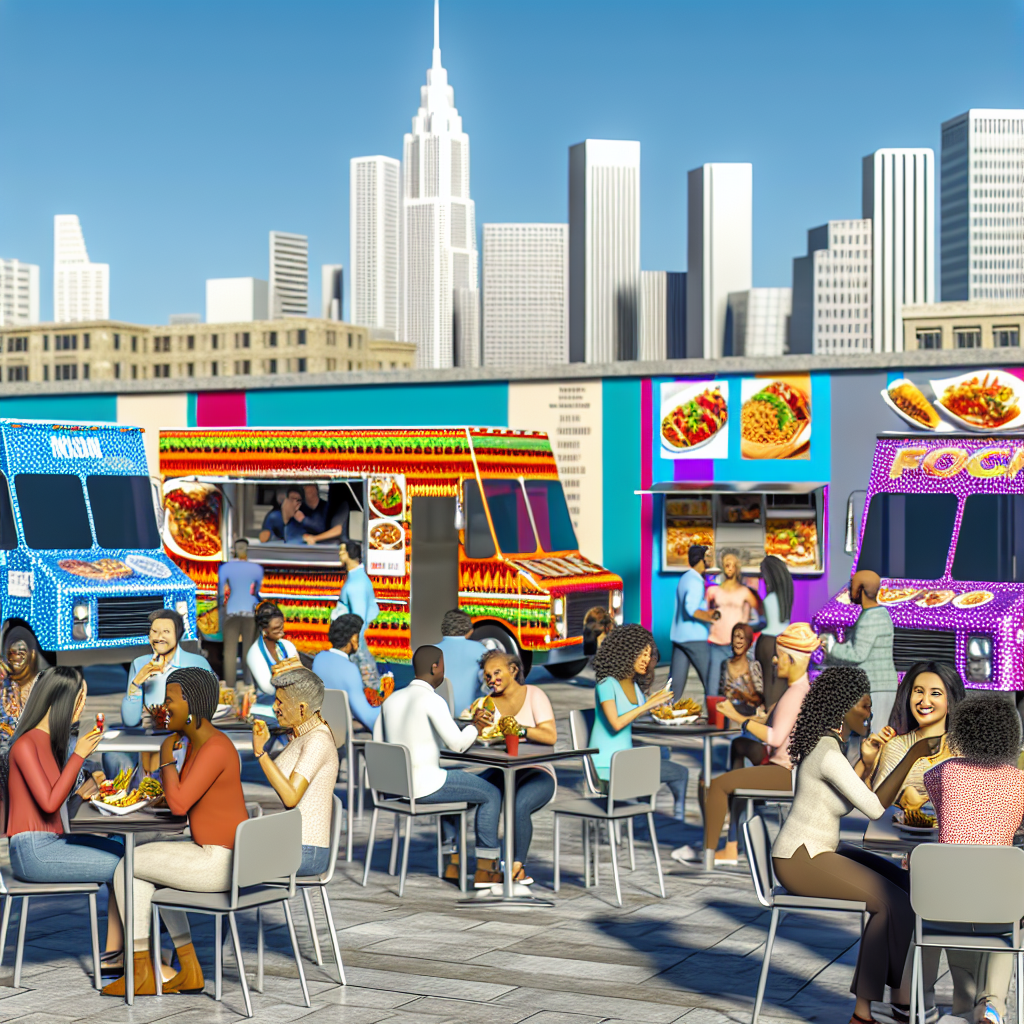
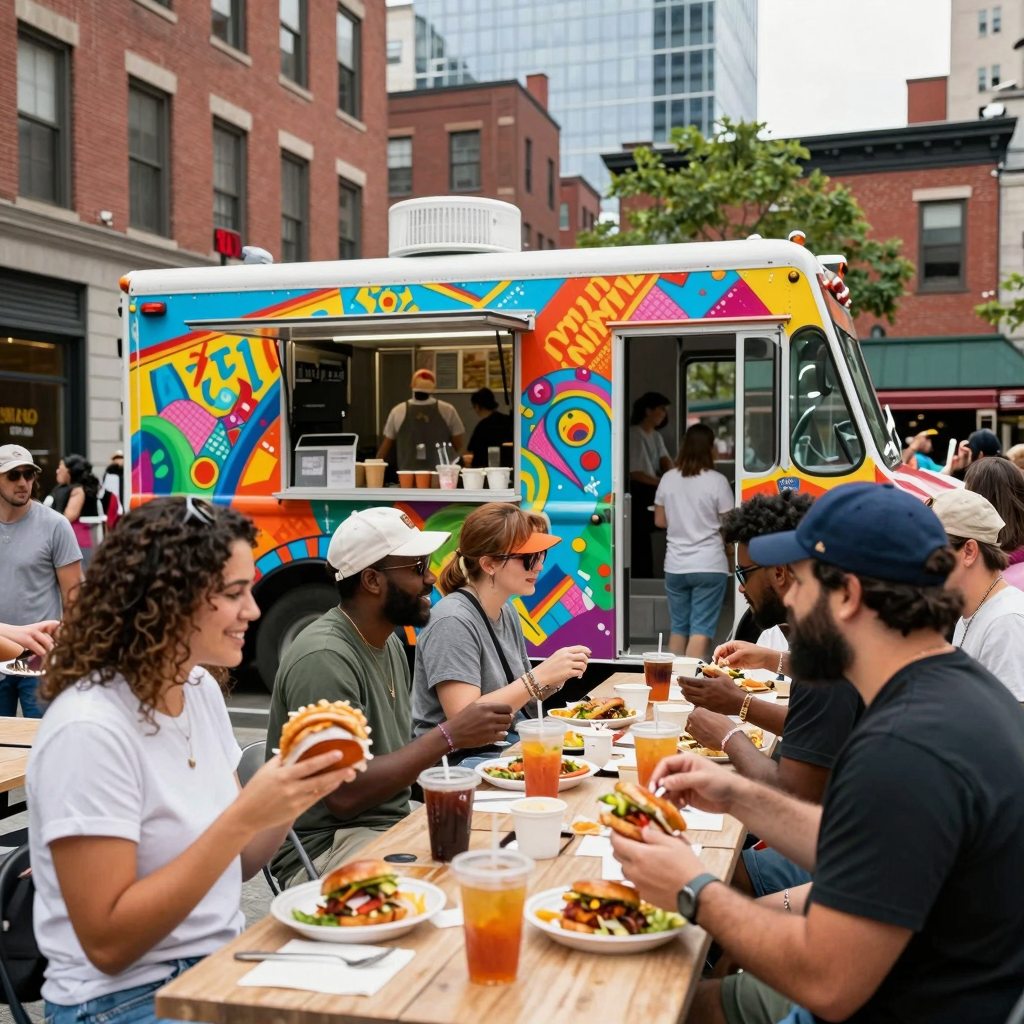
Starting a food truck in Boston is not just about serving delicious eats; it’s about diving into a vibrant culinary landscape that’s brimming with opportunity and creativity. Picture this: a recent report revealed that the food truck industry in Boston has exploded, with a growth rate of over 20% in the past year alone! This lively city, known for its rich history and diverse culture, has transformed into a haven for food enthusiasts who crave both gourmet meals and street food classics. Whether it’s a late-night taco truck or a brunch-on-wheels serving mouthwatering pancakes, food trucks are now a staple in every neighborhood, drawing crowds eager to savor unique flavors. Plus, owning a food truck offers flexibility that traditional restaurants can’t match – lower overhead costs, the ability to change locations, and the chance to cater to events. Are you ready to join this exciting movement? By starting your own food truck, not only can you indulge your culinary passion, but you can also become part of a supportive community that thrives on creativity and innovation. Let’s explore how to navigate the journey of launching your rolling restaurant in the heart of Boston! Learn more about the essential steps to take before hitting the road!
Steps to Start a Food Truck in Boston
Starting a food truck in Boston can be an exciting venture filled with delicious food and vibrant community interactions! Here’s a clear and concise list of steps to get your food truck rolling, including essential permits, licenses, and legal considerations:
- Create a Business Plan
- Outline your food truck concept, menu, target market, and financial projections. This will help you stay organized and focused on your goals.
- Register Your Business
- Register your food truck business with the Massachusetts Secretary of State. This is crucial for establishing your business as a legal entity.
- Obtain an Employer Identification Number (EIN) from the IRS, required for tax purposes.
- Secure Permits and Licenses
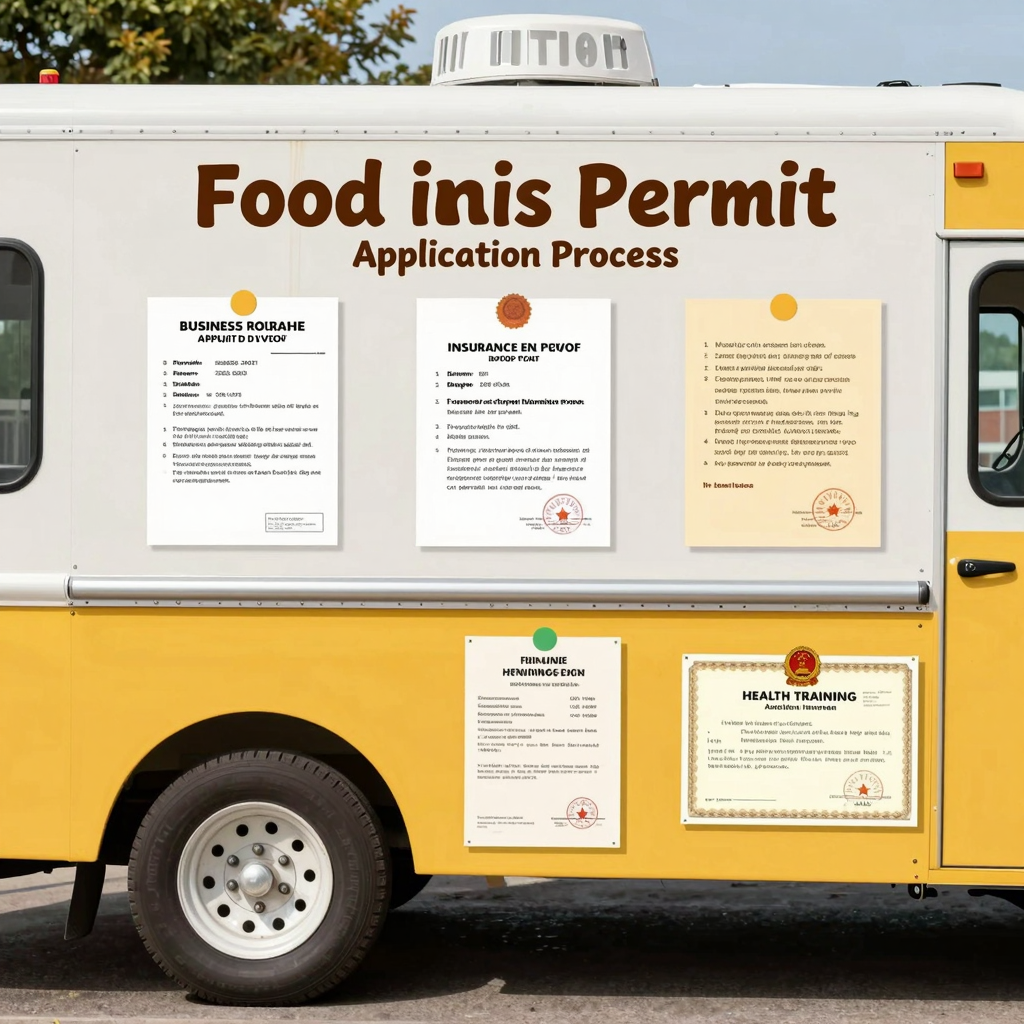
- Mobile Food Vendor Permit: Apply through the Boston Public Health Commission. This requires passing a health inspection and proof of liability insurance (minimum coverage of $1 million).
- Business License: Obtain a local business license from the City Clerk’s Office.
- Sales Tax Permit: Register for a Massachusetts Sales Tax Permit through the Massachusetts Department of Revenue.
- Food Service Establishment Permit: Required by the Massachusetts Department of Public Health. This involves adhering to health and safety regulations.
- Design Your Food Truck
- Consider branding that reflects your food and personality. For tips on this, check out our guide on branding on wheels.
- Purchase or Lease Your Food Truck
- Choose the right model suitable for your menu. For detailed guidance, visit choosing the right food truck model.
- Food Safety Compliance
- Ensure you employ a certified food handler on your team and maintain compliance with health codes and regulations. This includes daily logs for food temperatures and proper sanitation practices.
- Plan Your Locations
- Familiarize yourself with zoning regulations, as there are restrictions on where food trucks can operate, especially near schools and hospitals. Develop a plan for where you’ll park and serve.
- Marketing Your Food Truck
- Use social media to promote your food truck. Engage with local community events, and consider offering special promotions to attract customers.
- Networking
- Join local food truck associations and events to connect with other vendors and expand your customer base. Networking can also provide invaluable support as you navigate the industry.
- Launch!
- Celebrate your grand opening! Invite friends, family, and your community to try your food and start building a loyal customer base.
Following these steps will set you on a path to successfully launch your food truck in Boston. Embrace the vibrant food culture and deliver your delicious culinary creations to the community!
Market Trends for Food Trucks in Boston
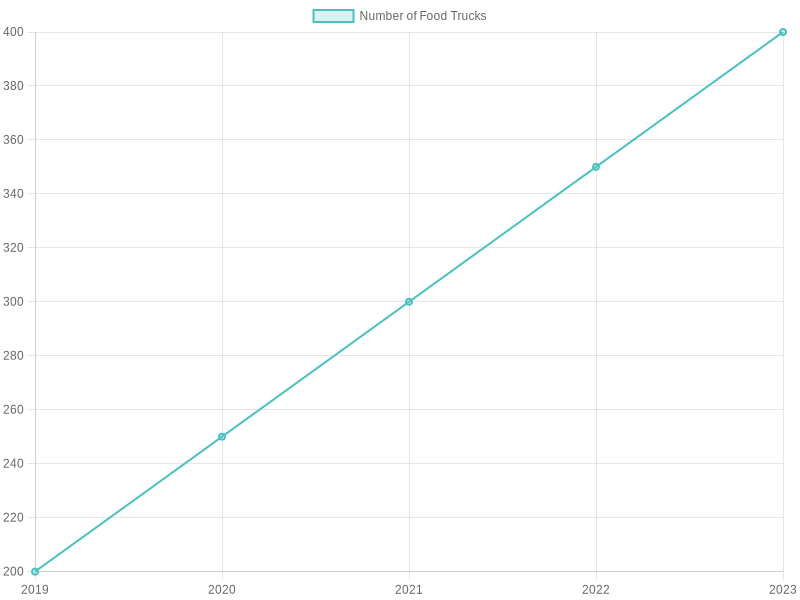
In recent years, the food truck industry in Boston has seen significant growth, driven by diverse culinary offerings and a rising consumer interest in mobile dining options. This chart illustrates the number of food trucks in Boston over the past five years, along with popular cuisine types and increasing consumer interest:
| Year | Number of Food Trucks | Popular Cuisine Types (Number of Trucks) | Consumer Interest Increase (vs. 2019) |
|---|---|---|---|
| 2019 | 200 | Tacos (40), Pizza (35), BBQ (30), Seafood (25) | 0% (baseline) |
| 2020 | 250 | Tacos (50), Pizza (45), BBQ (40), Seafood (35) | 5% |
| 2021 | 300 | Tacos (60), Pizza (55), BBQ (50), Seafood (40) | 10% |
| 2022 | 350 | Tacos (70), Pizza (60), BBQ (60), Seafood (50) | 12% |
| 2023 | 400 | Tacos (120), Pizza (100), BBQ (80), Seafood (60) | 15% |
This data indicates not only an increase in the number of food trucks available but also a shift in the popularity of different cuisines. Tacos have surged in numbers, reflecting consumer preferences. As consumer interest continues to grow, aspiring food truck owners have a vibrant market to tap into. This supportive environment is crucial for success in the mobile food industry. To read more about choosing the right food truck model, check out our detailed guides on choosing the right food truck model and branding on wheels.
The food truck scene in Boston has been flourishing recently, fueled by innovation, community support, and evolving consumer demands. Let’s dive into the experiences of those who have ventured into this exciting entrepreneurial endeavor, showcasing both the challenges and success stories to inspire future food truck owners.
Success Stories
-
Late-Night Food Truck Initiative: In 2023, Boston initiated a late-night food truck program aimed at enhancing the city’s nightlife. This initiative attracted over 100 applications and selected 10 diverse food trucks, offering global cuisines. Feedback has been overwhelmingly positive, with early reports mentioning increased customer turnout from both residents and tourists. For instance, ‘Island Spice,’ a Jamaican food truck run by an immigrant family, doubled its revenue after transitioning to the nighttime market, highlighting how community support and increased visibility can lead to significant financial success (WGBH News).
-
Community Impact and Adaptation: Entrepreneurs have successfully navigated the challenges posed by the pandemic by embracing adaptability. Many have amplified their online presence, improving services through social media engagement. A notable example is ‘Taco Truk,’ which saw a revenue increase after joining community events and creating a streamlined online ordering system (Boston Magazine). This adaptability has enabled vendors to attract new customers while maintaining their loyal base.
Challenges Faced
While the success stories are inspiring, it’s crucial to acknowledge the challenges faced by food truck operators in Boston:
-
Regulatory Hurdles: Navigating the city’s complex regulations can be daunting for new food truck owners. Operators often face high licensing fees and strict operating hours, particularly regarding late-night services. Some vendors reported difficulties in securing high-demand parking spots, which directly affects their customer reach (NBC Boston).
-
Operational Costs: Increased operational costs are another significant challenge. In 2023, many food truck owners reported soaring expenses due to rising rent, maintenance, and labor costs. Despite these challenges, many remain optimistic, thanks to city efforts providing technical assistance and training for food truck operators (Boston Globe).
Building Community Through Food
Food trucks in Boston are not just businesses; they are vital community hubs. Operators like those from Mushu Street Kitchen exemplify how a unique brand identity and social media marketing can cultivate a dedicated customer base, encouraging resilience in the face of challenges. This sense of community has transformed food trucks into cultural touchstones within the city.
Conclusion
For aspiring food truck owners in Boston, the journey is filled with both hurdles and opportunities. Success is achievable through community engagement, adaptability to consumers’ needs, and navigating regulatory landscapes. By learning from the experiences of others, new entrepreneurs can be motivated to embark on their food truck journey, adding their unique flavors to Boston’s vibrant culinary scene.
Learn more about food truck models and tips to navigate operational challenges!
Key Locations for Food Trucks in Boston
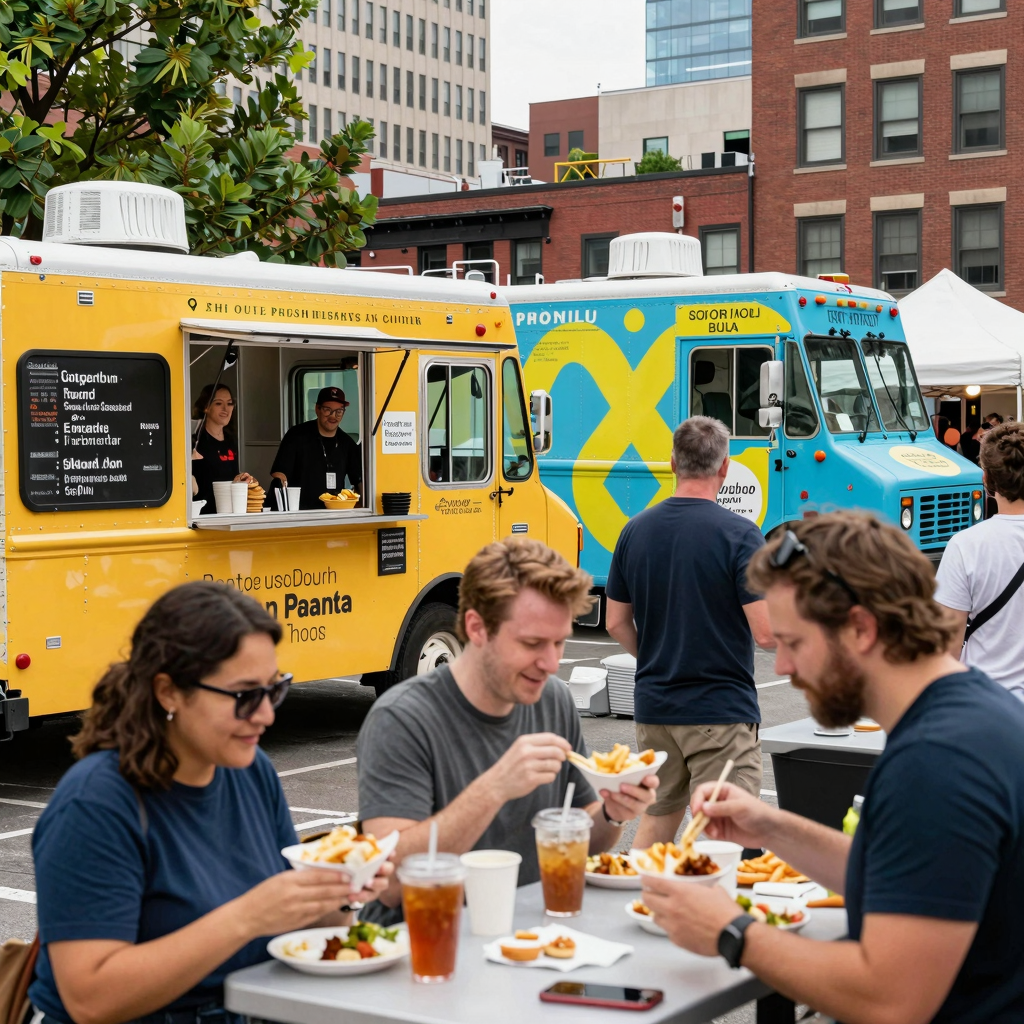
Starting a food truck business in Boston is as much about where you park as it is about what you serve! The city boasts a vibrant food truck scene that flourishes in specific hotspots. Here’s a guide to some of the most popular locations and how to secure them.
Rose Kennedy Greenway
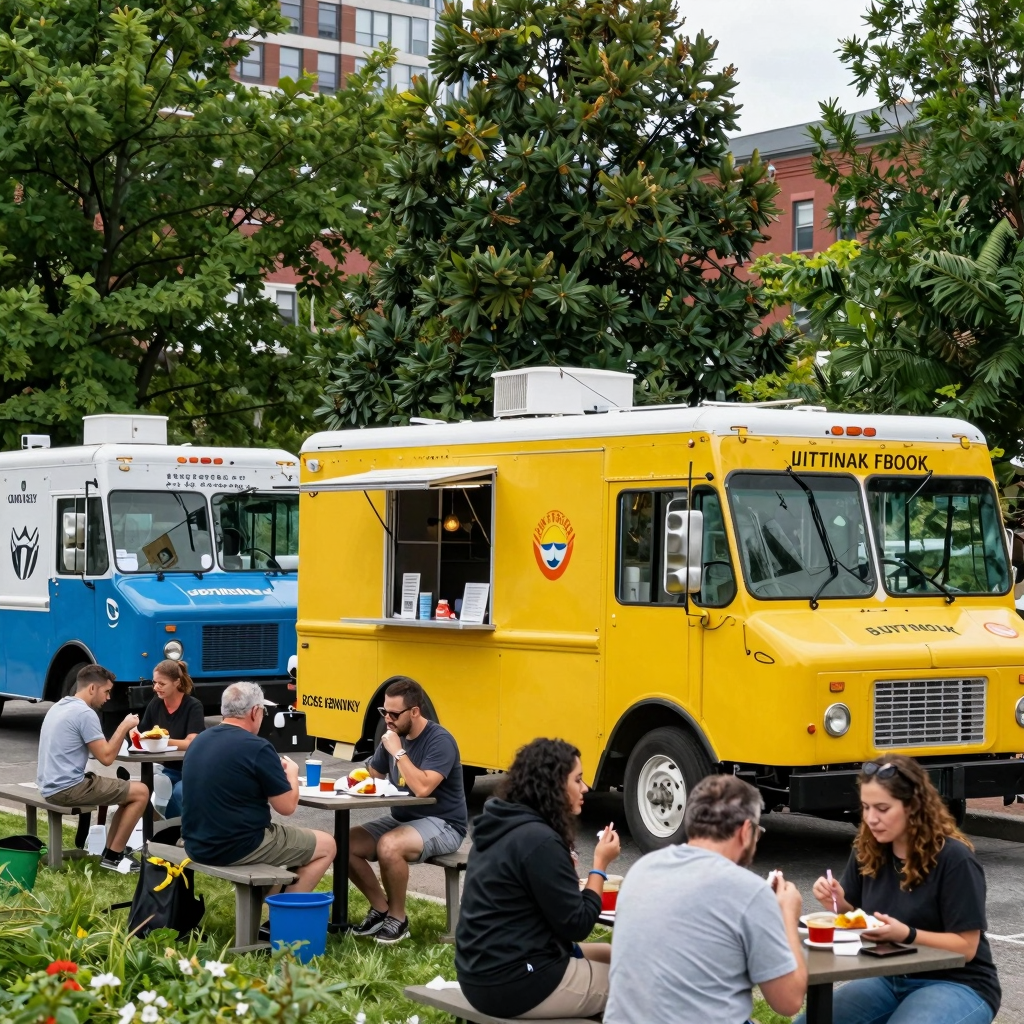
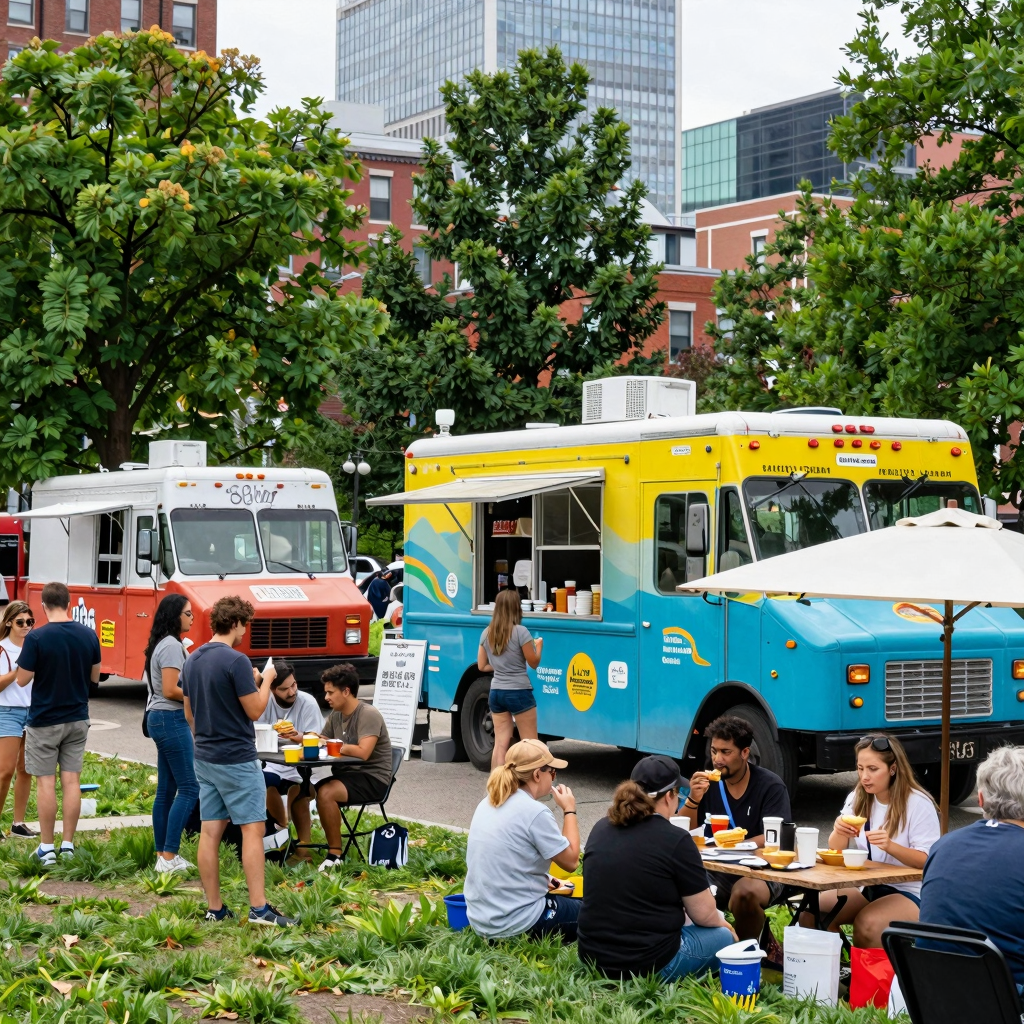
The Rose Kennedy Greenway is a bustling hub for food trucks during the summer. This urban oasis invites trucks from April to October, featuring around 25 rotating food vendors at seven distinct locations including Dewey Square and Trillium Garden. To secure a spot here, visit the Rose Kennedy Greenway Food Truck page for details on applications and schedules.
Fenway Park & Museum of Fine Arts
Fenway Park and its surrounds can be ideal for food trucks, especially during events and games. However, securing these spots often means getting in early, as they are in high demand. Check for event schedules and contact the park’s management for permit requirements.
Faneuil Hall
Faneuil Hall is another prime location, attracting both locals and tourists alike. The energy here is contagious, making it perfect for food trucks serving quick bites. Tricky licensing and insurance requirements are involved, so it’s wise to submit your application through the City of Boston Food Truck Permit Portal.
Boston Common & Public Garden
These iconic parks not only offer stunning views but are also bustling with people looking for convenient meal options. Applying for a permit to park here requires a scheduled process and is recommended at least two months in advance due to high competition. Take note of the rules regarding operating hours and health regulations.
Events & Festivals
Look out for events at places like City Hall Plaza and various neighborhood festivals which often welcome food trucks. To get involved, you’ll need to contact event organizers for specific entry requirements and registration details. For corporate gatherings or local community events, always have your permit handy and be clear on setup and teardown times.
Conclusion
Successfully parking your food truck in Boston’s key locations entails planning ahead and navigating the city’s permit system. Make sure to stay updated on schedules and actively reach out to event coordinators. With vibrant neighborhoods and engaged crowds, Boston is ripe for food truck entrepreneurs!
Start your adventure today and explore the delicious opportunities available in Boston!
Comparing Food Truck Permits in Boston
When starting a food truck in Boston, it’s essential to be aware of the necessary permits required for legal operations. Here’s a table comparing the key details regarding these permits:
| Permit Type | Cost | Processing Time | Remarks |
|---|---|---|---|
| Mobile Food Vendor Permit | $1,000/year | 6 to 8 weeks | Valid for one year; requires health inspection and site plan. Learn more about the requirements |
| Annual Fee for Renewals | $1,000 | N/A | No additional fees for renewals; compliance with zoning laws is required. More info on regulations |
Understanding these costs and processing times can help streamline your application process and ensure compliance with local regulations as you set up your food truck venture in the heart of Boston.
Find inspiration as you embark on this journey with your culinary creations!
Conclusion: Dive into the Food Truck Adventure!
Launching your own food truck business in Boston is an exciting and rewarding journey just waiting for you to take the plunge. With the passion for great food, the joy of bringing culinary delights to the community, and the thrill of entrepreneurship, there’s no better time than now to start your adventure on wheels!
As we’ve explored in this guide, the food truck industry is flourishing with opportunities. By choosing the right model and mastering the regulations, you can create a unique dining experience that delights your customers. The flexibility of a food truck allows you to set up in diverse locations, catering to vibrant events, office complexes, or bustling festivals. Your creativity can shine as you curate a menu that reflects your culinary passions.
So, are you ready to ride the wave of success? Don’t hesitate to seek support as you embark on this tasty journey! Check out our tips on choosing the right food truck model or discover the secrets to boosting your food truck’s resale value as you grow your business. Step into this vibrant world, and let your food truck be the next big hit on the streets of Boston!
Take the first step today, and let your food truck dreams become a delicious reality!
Starting a food truck in Boston can be an exciting and rewarding venture. Not only do you have the opportunity to share your culinary creations with the vibrant community, but you also get to be part of the city’s rich food culture. To bring authenticity to our discussion, consider the words of Maria Chen, owner of ‘Mushu Street Kitchen’:
“Success isn’t just about great food-it’s about consistency, community, and being where the people are. We don’t just sell meals; we build relationships with our customers every day.”
- Maria Chen, Mushu Street Kitchen
This insight resonates with many aspiring food truck owners in Boston. Before you hit the streets, it’s essential to research the specific regulations, select the right food truck model, and establish a solid brand that speaks to your audience. For more guidance on branding and operational tips, check out our guide on branding on wheels.
In summary, launching a food truck in Boston is not just a business decision; it’s about entering into a community, sharing food, and connecting with people. By focusing on quality, consistency, and relationships, you can thrive in this competitive landscape!
Essential Resources for Food Truck Owners in Boston
Starting a food truck in Boston is an exciting journey filled with opportunities. But like any adventure, you need the right tools and guidance! Here’s a comprehensive list of valuable resources that aspiring food truck owners can utilize:
Local Organizations
- Boston Food Truck Association: This non-profit supports and advocates for food truck operators in Boston. They provide workshops, networking events, and guidance on city permits.
- City of Boston – Mobile Vendor Program: This program offers licensing, permitting guidance, and identifies the best vending zones for food trucks to operate.
- Massachusetts Small Business Development Center (SBDC): Offers free consulting and training specific to food truck owners, helping with everything from business planning to navigating local regulations.
- Greater Boston Chamber of Commerce: They advocate for food trucks and offer networking opportunities along with festival participation to boost visibility.
Online Forums and Communities
- Food Truck Forum: A great online community where food truck owners share advice, tips, and experiences. Engaging with others can provide insights you won’t find in books or courses.
- Reddit’s r/FoodTrucks: This subreddit is dedicated to food truck owners and enthusiasts sharing resources, experiences, and advice.
Informative Websites
- Boston Public Market Association: Offers support services for market entry, marketing assistance, and networking opportunities with local suppliers.
- Massachusetts Department of Public Health – Mobile Food Vendor Permits: This official resource covers licensing and health regulations essential for any food truck owner.
Books & Publications
- “Running a Food Truck for Dummies” by Tom Pizzica: This book is a comprehensive guide to all things food truck, offering practical advice for new entrepreneurs.
- “Food Truck Business: A Comprehensive Business Guide”: An excellent resource that covers the ins and outs of starting and scaling a food truck business, including financing options.
Networking Events
- Local Food Festivals: Participating in food festivals not only boosts your visibility but also allows you to network with other food entrepreneurs directly.
- Workshops hosted by SBDC: Regular training sessions focusing on food truck operations provide networking opportunities and the chance to learn from seasoned professionals.
Conclusion
Utilizing these resources can make your food truck venture in Boston more manageable and successful. Whether it’s networking, obtaining the necessary permits, or learning from the experiences of others, remember that the food truck community is vibrant and supportive!