Introduction
Are you dreaming of serving delicious bites from the back of your very own food truck in the bustling streets of New York City? Imagine the sights and sounds: the sizzle of fresh ingredients being cooked to perfection, the vibrant chatter of satisfied customers, and the irresistible aroma wafting through the air. Starting a food truck business in NYC is as thrilling as it is rewarding, but it’s not without its challenges. Navigating the maze of permits and regulations can feel daunting. From securing the right food truck model to understanding local health codes, each step is a unique hurdle that requires careful planning and determination.
But don’t worry-that’s where we come in! In this comprehensive guide, we’ll walk you through the process of obtaining your food truck license, highlighting all the essential steps and insider tips you need to turn your culinary dreams into reality. Whether you’re an event planner looking to spice up a gathering or a food enthusiast eager to share your passion with the community, this journey can be an adventure filled with opportunity. So buckle up and let’s hit the road toward launching your food truck business! To get started, check out our guide on choosing the right food truck model, which will set the foundation for your success.
Required Documents for a Food Truck License in NYC
If you’re passionate about serving delicious food on the streets of New York City, obtaining a food truck license is essential. Here’s a friendly guide to the necessary documentation and permits you’ll need to kick-start your venture:
- Business Registration: You must register your food truck business either as a sole proprietorship, LLC, or corporation. This includes obtaining a Certificate of Authority from the New York State Department of Taxation and Finance.
-
Health Department Permit: A Food Service Establishment Permit from the New York City Department of Health and Mental Hygiene (DOHMH) is crucial. This ensures your truck meets health and safety standards. You will need to pass various inspections to obtain this permit.
-
Mobile Food Vending License: This license permits you to sell food directly from a vehicle. Only a limited number of these licenses are available in NYC, and they often involve a waiting list.
-
Vehicle Registration and Insurance: Your food truck must be registered with the New York State DMV, and you’ll need adequate insurance coverage, including liability insurance.
-
Fire Safety Inspection Certificate: If you plan to use any cooking equipment, you’ll need a fire safety inspection to comply with local fire codes.
-
Signage Permit: If you plan on having exterior signage on your truck, you may need a permit from the NYC Department of Transportation.
-
Additional Specialty Permits: Depending on what you’re serving, additional permits may be required, such as temporary street fair permits or those for multi-day events.
Navigating through the NYC food truck licensing process can be complex, but with the right documents, you’re one step closer to serving your culinary creations on the vibrancy of NYC streets!
Zoning Laws for Food Trucks in NYC
If you’re an aspiring food truck owner or an event planner looking to book one, it’s essential to familiarize yourself with the zoning laws that govern food trucks in New York City. These regulations can significantly impact where food trucks can operate and flourish.
Where Can Food Trucks Operate?
In NYC, food trucks are required to abide by strict zoning laws that dictate where they are allowed to park and serve food. Generally, food trucks can set up in designated areas, primarily in commercial zones and where street vendors are permitted. However, the availability of these spots can be quite competitive, especially in high-traffic areas like Midtown and near tourist attractions.
Recent Changes: In 2023, the NYC Council has passed modifications to these zoning laws aimed at enhancing economic opportunities for mobile food vendors. The new regulations provide food trucks with more flexibility in choosing their operating zones. It’s essential to stay updated on these changes since they can affect your planning and operational strategies.
Understanding Loading Zones
Loading zones are another crucial aspect of zoning for food trucks. NYC has established specific loading areas where trucks can temporarily park to load and unload their goods. However, these zones come with strict time limits and regulations. In busy areas, securing a loading zone can sometimes take over an hour, which can be a logistical challenge for vendors trying to cater to events promptly.
Impacts of Zoning Regulations
The impact of zoning regulations on food trucks can be significant. For instance:
- Permits: NYC issues about 3,000 food truck permits, with only 500 specifically for food vendors, making them a coveted asset.
- Challenges: Increased regulations can lead to difficulties in securing prime locations and potentially influence the profitability of food operations.
Understanding these laws is crucial for anyone involved in the food truck scene in NYC. Make sure to review resources on navigating food truck industry regulations for up-to-date legal requirements and operational strategies.
Visual Overview of NYC Food Truck Regulations
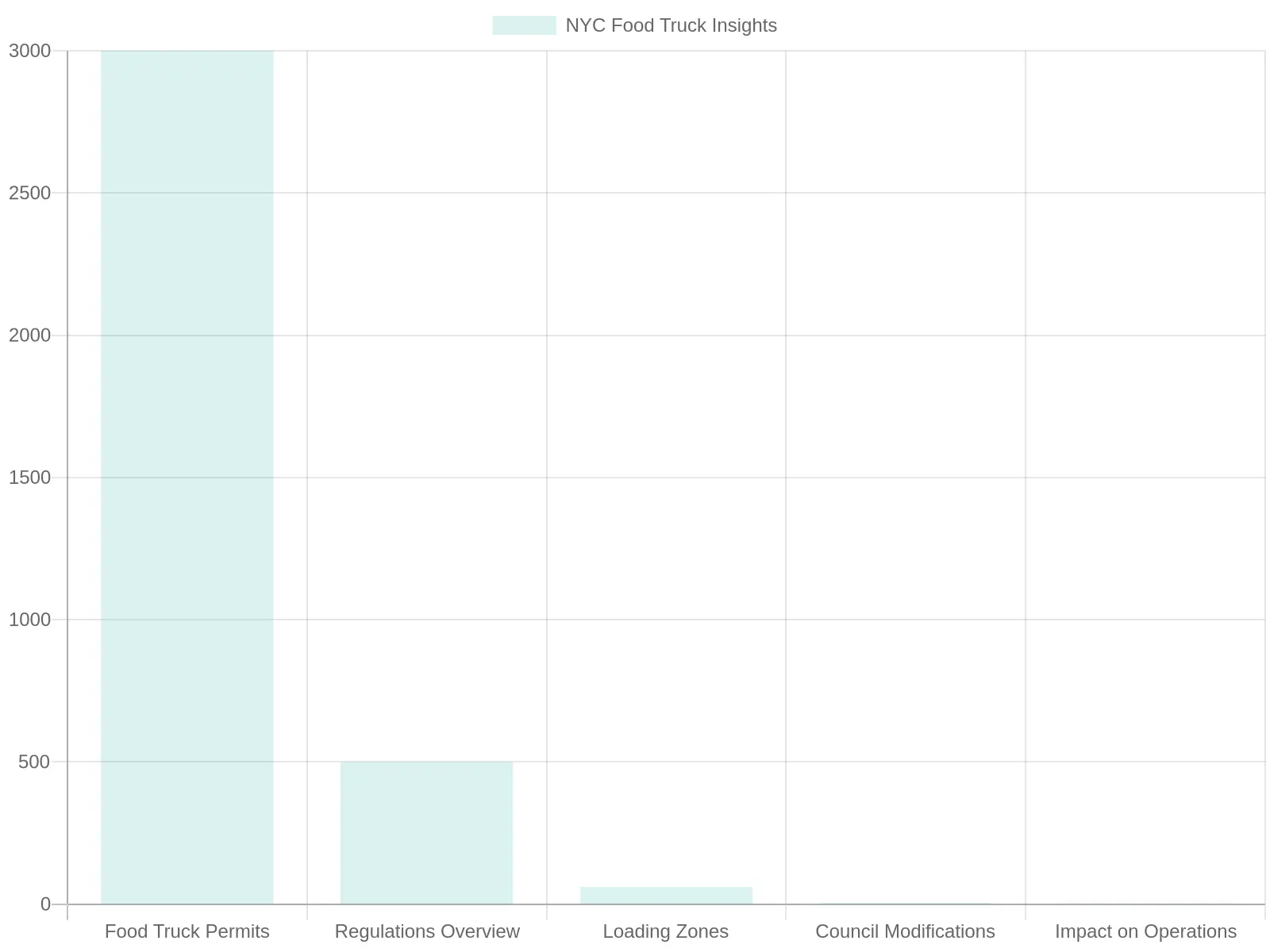
This chart provides insights into the current trends and changes in zoning laws for food trucks in NYC.
For more details on choosing the right food truck model or to gain insights into financial tips for first-time truck owners, you can check out our guides on choosing the right food truck model and financial tips for first-time food truck owners.
Breakdown of Fees and Costs for Obtaining a Food Truck License in NYC
Starting a food truck business in New York City can be exciting, but it’s crucial to know the costs involved in obtaining a food truck license. Below is a detailed table that outlines the various fees and costs associated with obtaining the necessary licenses and permits required for operating a food truck in NYC.
| Fee Category | Cost (Estimated) |
|---|---|
| Mobile Food Vending License | $50 (valid for 2 years) |
| Processing Food Unit License | $200 |
| Non-Processing Food Unit License | $75 |
| Security Deposit (if applicable) | Varies |
| Total Estimated Costs | $15,000 to $30,000 (includes all permits and licenses) |
Additional Information:
- The Mobile Food Vending License allows food vendors to operate legally throughout NYC for $50 over a two-year period.
- A processing food unit license costs approximately $200, while a non-processing unit is around $75.
- Note that total startup costs for a food truck business in NYC can range significantly based on local operational requirements.
For more information on food truck models, consider checking out choosing the right food truck model or for tips on parking challenges, visit mastering food truck parking challenges.
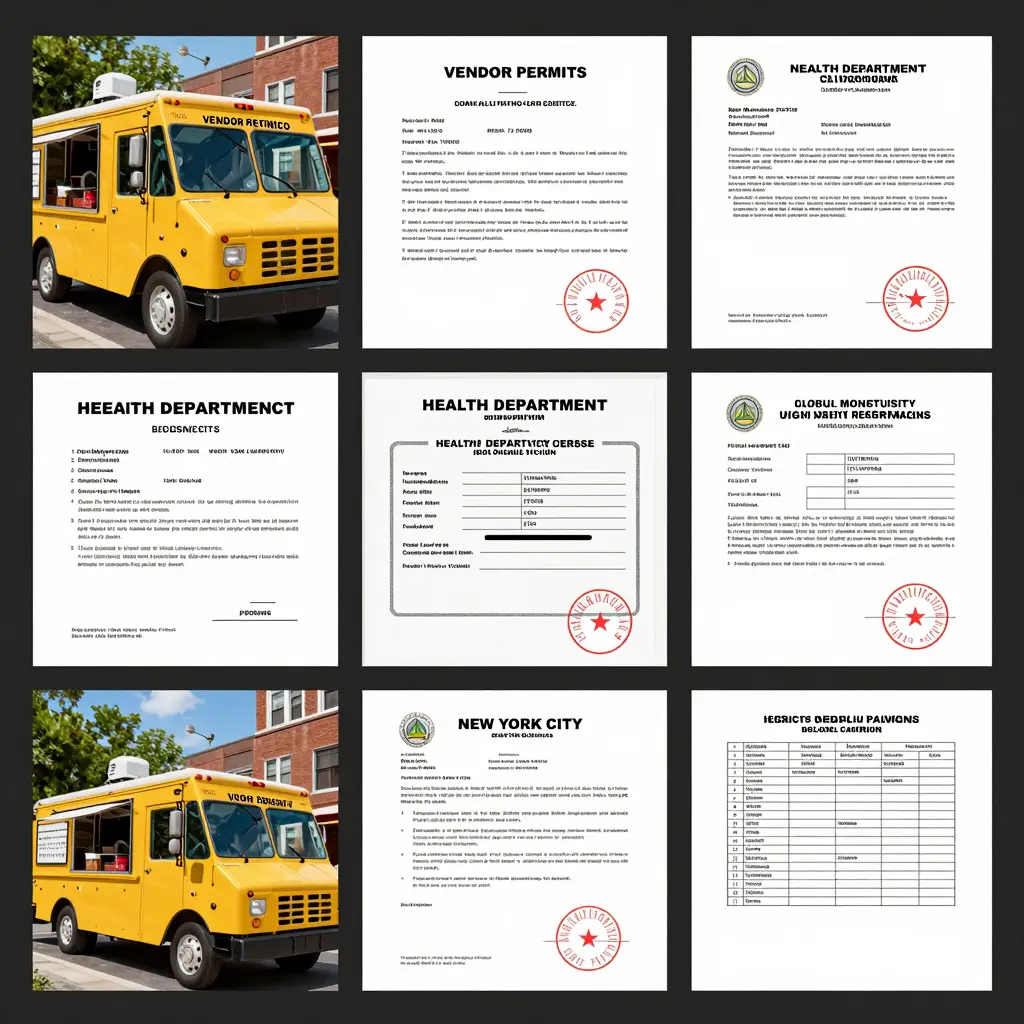
An informative image depicting various types of food truck licenses and permits relevant to NYC, including vendor permits, health department licenses, and vehicle registrations.
Tips for Navigating the Food Truck Licensing Process in NYC
Getting your food truck up and running in New York City can feel like a daunting task, but don’t sweat it! With careful planning and a positive attitude, you can tackle the licensing process like a champ. Here are some actionable tips to guide you through:
1. Prepare an Outstanding Business Plan
A well-thought-out business plan is your golden ticket! Here are a few pointers:
- Executive Summary: Start with a clear overview of your food truck concept.
- Market Research: Understand your target audience and location. Are you in an area bustling with office workers, or are you aiming for vibrant festivals?
- Financial Projections: Include a budget for start-up costs and expected revenue. Check out this guide for more on crafting an effective business plan.
2. Stay Organized
We know that paperwork can easily pile up. Keep everything in order:
- Track Your Documents: Keep copies of every application, receipt, and correspondence. Use folders (physical or digital) to separate documents like health permits, business licenses, and insurance.
- Create a Checklist: Refer to a step-by-step checklist of all necessary licenses and permits. This will keep you focused and reduce the chance of missing essential requirements.
3. Understand the Application Timeline
Timing can be everything! Knowing when to submit your applications is crucial:
- Mapping Out the Timeframe: The entire licensing process can take approximately 6 to 16 weeks, depending on several factors. Here’s a basic timeline:
Step Estimated Timeframe Application Submission 1 to 2 weeks Initial Review 1 to 4 weeks Health Department Approval 1 to 6 weeks Background Checks 1 to 3 weeks Final Approval and Permit Issuance 1 to 3 weeks - Plan Ahead: Ensure to set reminders for follow-ups with the relevant departments. Keep track of the process to avoid surprises!
4. Find Support and Resources
Don’t hesitate to seek help. Join local food entrepreneur groups or associations. Networking can turn challenges into opportunities. Check out resources like DMD Restaurant Consultants to gain insights from others who have been through the process.
5. Stay Updated with Regulations
Laws and regulations for food trucks can evolve. Make sure to stay informed about any local changes that could affect your application. The NYC Health Department offers a detailed guide on what you’ll need before you hit the streets (take a look at their official page here).
And remember, staying organized and upbeat can transform this journey into an exhilarating adventure. Good luck, and happy trucking!
New York City is renowned for its vibrant food truck scene, where culinary dreams are turned into reality on bustling streets. Among the success stories that shine bright in this arena are The Halal Guys and Gorilla Cheese NYC. Both businesses have not only carved their niches but have become icons of New York’s diverse food culture.
The Halal Guys
Starting as a humble hot dog cart in 1990, The Halal Guys transitioned into one of NYC’s best-known food trucks specializing in halal food. They began serving the Muslim cab drivers who frequented their original location, offering a unique blend of chicken and rice that quickly gained popularity. Their clever marketing and authentic flavors propelled them into the limelight, removing barriers to entry for street food lovers.
- Insight: The Halal Guys stress the importance of resilience and innovation in the food industry. As they state, “From a simple cart to a thriving brand, our story reminds us that passion and commitment can lead to extraordinary success.”
- Licensing Impact: Securing the right food truck licenses allowed The Halal Guys to operate legally and expand their presence across the city. Their meteoric growth into a global franchise emphasizes how crucial these licenses can be in the food truck business.
For more about their journey, check out their official story.
Gorilla Cheese NYC
Established in 2010, Gorilla Cheese NYC is celebrated as the first grilled cheese truck in New York. Founded by entrepreneur Klayman, the truck emphasizes gourmet takes on classic comfort food, attracting a loyal customer base that craves nostalgia with a twist. Their offerings, such as crispy tater tots and quality cheeses on fresh-baked bread, set them apart in a competitive market.
- Insight: Klayman shares, “Every sandwich tells a story. We rebuilt that childhood favorite with gourmet touches to create something unforgettable.” This perspective underlines the importance of creativity in food service.
- Licensing Impact: Like The Halal Guys, Gorilla Cheese NYC ensured compliance with licensing regulations, paving the way for their street-side success. By formally establishing themselves, they could serve customers across various NYC neighborhoods without worry, leading to long-term sustainability.
To learn more about Gorilla Cheese NYC, visit their page at NYFTA here.
Conclusion
These stories showcase how obtaining the necessary licenses can facilitate business growth and operational legitimacy within NYC’s bustling food truck industry. From capturing the heart of urban food trends to creating beloved culinary experiences, The Halal Guys and Gorilla Cheese NYC embody the spirit of entrepreneurship and the vibrant flavors of New York City’s streets. If you’re planning an event or looking to indulge your taste buds, these food trucks are must-tries!
Let these stories inspire you as you navigate the world of food trucks. Obtaining the correct licenses isn’t just bureaucracy; it’s the key to unlocking your potential in one of the world’s most dynamic food markets.
Conclusion
Acquiring a food truck license in New York City is not just a bureaucratic hurdle; it’s a vital step towards turning your culinary dreams into reality. Throughout this guide, we’ve explored the essential steps, from understanding the application process to ensuring compliance with health regulations and city ordinances. It’s crucial to gather all necessary documents, including a food handlers certificate, proof of insurance, and health inspection reports, to seamlessly navigate the system.
As the vibrant food truck scene in NYC, with over 4,000 licensed food trucks, continues to flourish, your opportunity to carve out a niche in this competitive market is ripe with potential. Remember, every successful food truck owner started just like you, with a simple idea and a passion for food. As you embark on this journey, stay inspired and resilient. The food landscape is waiting for your unique flavors!
If you’re feeling stuck or overwhelmed, don’t hesitate to seek support or resources to help guide you through this process. For more insights on choosing the right food truck model or how to boost your food truck’s resale value, check out our detailed guides linked here: learn about food truck models and boost your food truck’s resale value.
So, grab your vision, hit the streets, and make your food truck dreams a reality! Who knows – you might be the next big thing serving up deliciousness in the heart of New York City!
“The way to get started is to quit talking and begin doing.”
- Walt Disney
Starting a food truck business is about pursuing your passion and turning dreams into reality. This quote perfectly captures the essence of entrepreneurship, especially in the vibrant food industry. Whether you’re creating a unique menu or connecting with your community, taking that first step is crucial to success. So grab your culinary dreams and start cooking up that special food truck experience! This journey is both challenging and fulfilling, so let your passion guide you.
For more insights on establishing your food truck, be sure to learn more about the right food truck model to suit your business needs!