The Rise of Food Trucks: A Culinary Revolution
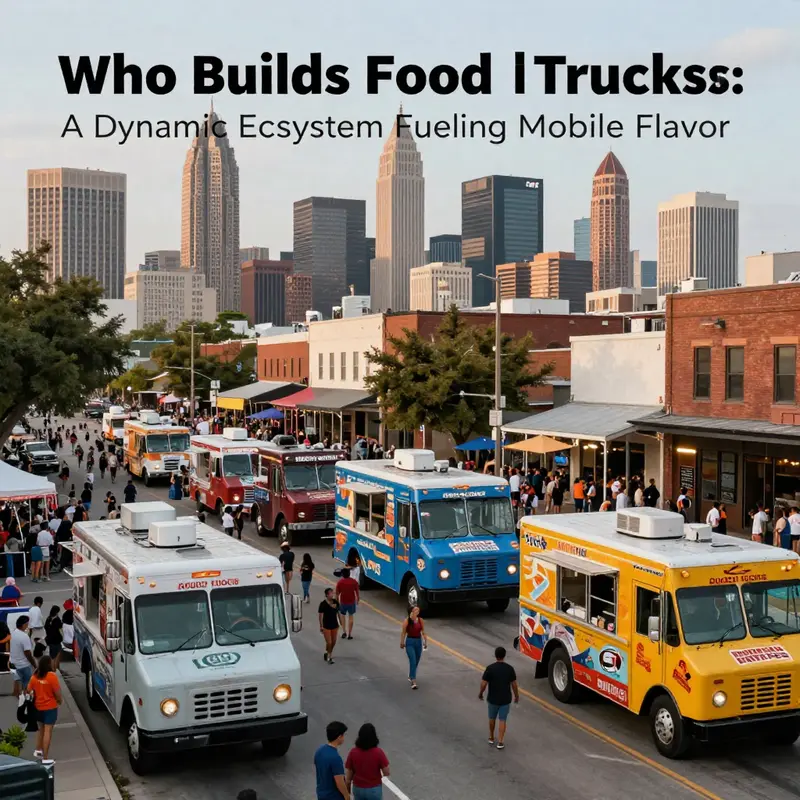
In recent years, food trucks have exploded in popularity, transforming urban streets into vibrant food markets full of diverse flavors. These mobile eateries not only bring gourmet dishes closer to the people but also embody a spirit of creativity and entrepreneurship that resonates with food enthusiasts and event planners alike. With the flexibility to pop up at various locations, food trucks offer unique catering options for festivals, corporate events, and private parties, making them an exciting choice for those looking to elevate any gathering. Whether it’s artisanal tacos, gourmet burgers, or trendy vegan bowls, the convenience and accessibility of food trucks cater to a wide range of tastes and preferences. For event planners, collaborating with food trucks can create unforgettable culinary experiences that leave a lasting impression. To dive deeper into the world of food trucks, learn more about identifying the ideal food truck models and understanding food truck parking challenges to make your event a hit!
The Benefits of Food Trucks Operating Near Restaurants
Food trucks parked near established dining options offer an abundance of advantages for event planners, restaurants, and consumers. Here are some key benefits to consider:
Advantages for Event Planners
- Flexible Catering Options: Food trucks provide versatile menus that can be adjusted on-the-fly to cater to varying crowd preferences, making them an adaptable choice for any event.
- Cost-Effective: Utilizing food trucks can lower overhead costs, allowing event planners to allocate budgets more effectively while still providing diverse culinary experiences.
- Enhanced Event Atmosphere: The dynamic nature of food trucks creates a lively and engaging environment, perfect for festivals or community gatherings.
- Rapid Setup and Service: With minimal setup time, food trucks can efficiently serve high volumes of guests, ensuring that everyone can enjoy delicious food without long wait times.
Benefits for Restaurants
- Increased Foot Traffic: Studies show that restaurants located near popular food trucks often see an increase in customers. For instance, a research report suggested that restaurants within 500 feet of food trucks experienced an 18% rise in lunchtime sales due to curiosity-driven foot traffic.
- Shared Marketing Opportunities: Collaborating with food trucks allows restaurants to benefit from mutual promotion, drawing in diverse audiences that may also explore nearby dining options.
- Community Engagement: Food trucks can enhance the local flavor and foster a sense of community, benefiting all eateries in the vicinity as patrons might visit multiple establishments in one trip.
Perks for Consumers
- Culinary Diversity: Customers enjoy unique, gourmet options that may not be available in regular restaurants, enhancing their dining experiences with flavors from around the world.
- Convenience: The proximity to multiple food choices provides consumers with the convenience of selecting from various dining options, perfect for quick meals or while on the go.
- Affordable Pricing: Food trucks often provide excellent value for money, allowing consumers to enjoy high-quality meals without the higher price tags associated with brick-and-mortar establishments.
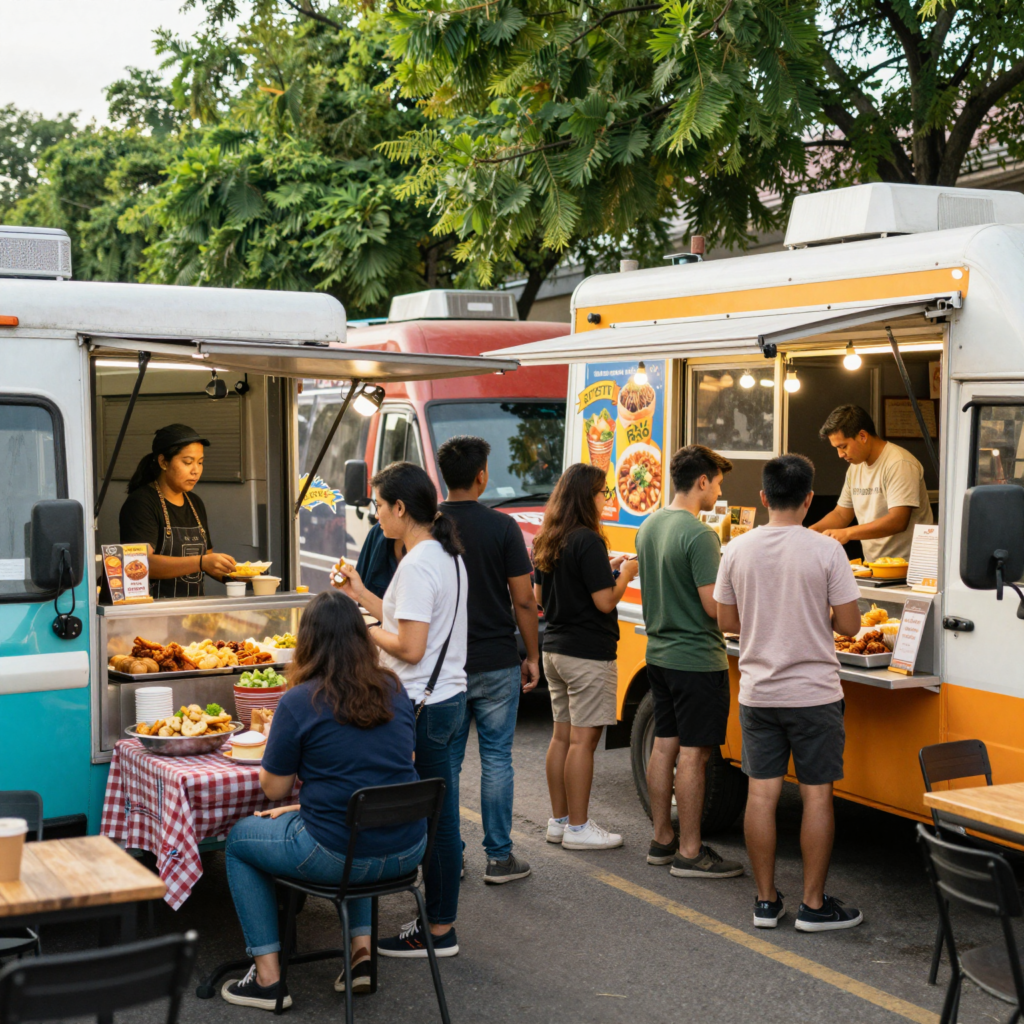
The presence of food trucks near restaurants effectively creates a vibrant community hub, enriching the experience for everyone involved. To explore more about food truck integration into events, learn more about choosing the right food truck model.
Embrace the fusion of established dining and mobile culinary adventures to enhance your next event!
Navigating Local Regulations for Food Trucks
If you’re an event planner, corporate HR personnel, or a passionate food enthusiast, understanding the local regulations governing food truck operations near traditional restaurants is essential. Food trucks have revolutionized the culinary landscape, bringing diverse and delicious options directly to consumers. However, they also come with a set of regulations that can affect where and how they operate.
1. Permits
To legally operate, food trucks must obtain several permits, which can vary widely depending on the location. Typically, you will need:
- Business License: This general permit is required for any commercial activity.
- Mobile Food Vendor Permit: Specific to food trucks and can range in requirements based on local ordinances.
- Health Department Approval: This ensures that the food served meets safety standards outlined by local health codes.
For detailed information on permits, you can check out this guide from the U.S. Small Business Administration.
2. Zoning Laws
Zoning regulations dictate where food trucks can set up shop. Many cities have designated areas for food trucks to operate, while others restrict where they can park, particularly near brick-and-mortar restaurants. For instance, cities like New York and Los Angeles often have strict rules, including:
- Prohibited Zones: Areas where food trucks are not allowed, often to minimize competition with existing restaurants.
- Parking Restrictions: Rules on how far food trucks must be from traditional eateries and local landmarks.
Check the National Association of City Transportation Officials for insights on how different cities manage food truck zoning laws.
3. Health Codes
Health regulations are crucial for food trucks, ensuring that food is stored, prepared, and served safely. Some key health code requirements include:
- Food Storage Temperatures: Ensuring food is kept at safe temperatures to prevent spoilage and foodborne illnesses.
- Sanitation Standards: Regular inspections and compliance with sanitation practices help maintain food safety.
- Waste Management: Proper disposal of waste is often monitored by health departments.
Cities enforce these measures to protect public health, and failure to comply can result in fines or permit suspensions. For more on health codes, refer to the CDC’s Food Safety guidelines.
Navigating these regulations may seem daunting, but understanding them is key to operating successfully. Whether you’re planning an event or looking to indulge your culinary curiosity, having food trucks at your disposal can add flavor to any gathering!
Case Studies: Food Trucks Enhancing Local Restaurants
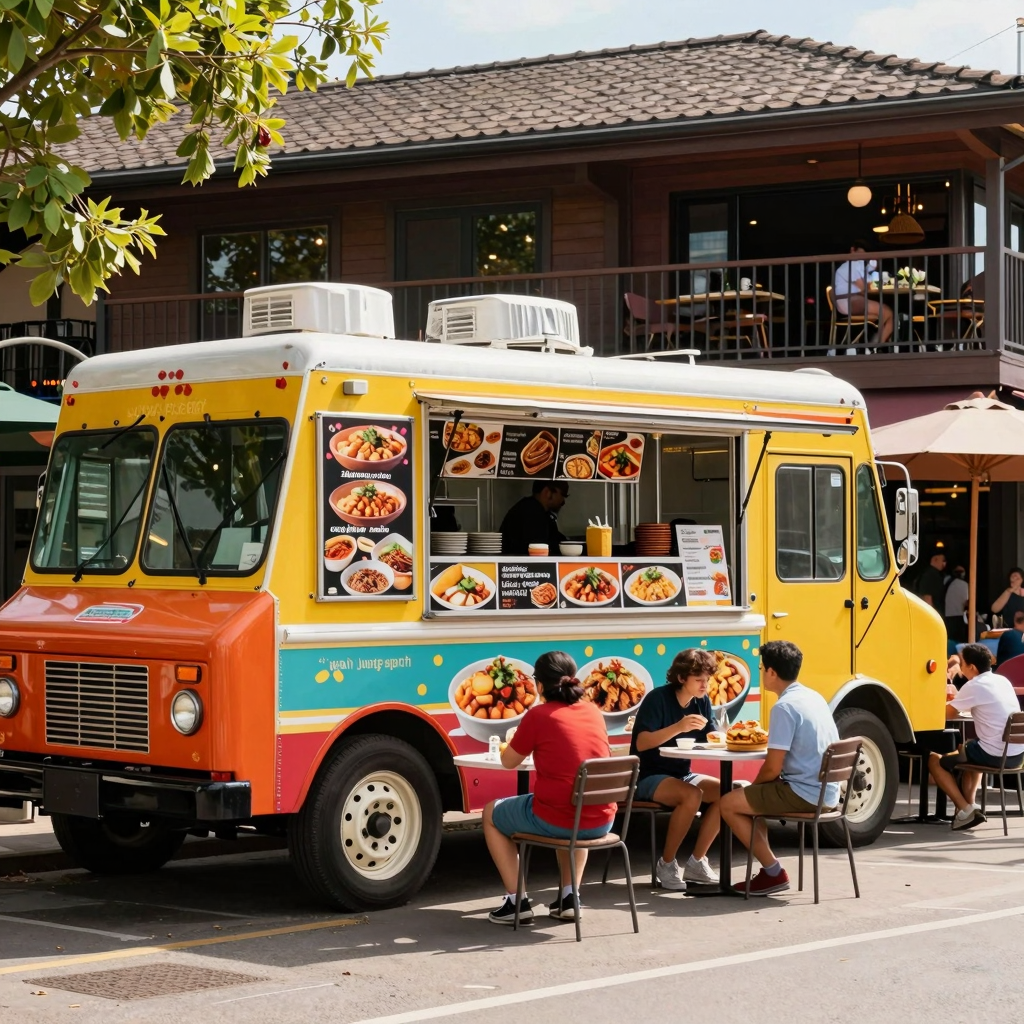
Across the United States, food trucks are not just culinary delights but powerful allies for local restaurants. Here are some inspiring stories of how food trucks complemented existing brick-and-mortar businesses, creating a synergy that benefits both parties.
Austin’s “Taste Trail” Initiative
In Austin, Texas, food trucks and local restaurants found success through the “Taste Trail” initiative. This endeavor allowed food trucks to collaborate with nearby restaurants during weekend events, increasing foot traffic for everyone involved. For instance, Bella’s Bistro saw a stunning 42% rise in patrons after teaming up with mobile taco sensation Salsa Soul at a downtown festival. Both entities leveraged social media for cross-promotion, solidifying their collaboration’s success. Read more here.
The Noodle House & Nom Nom Express
In Portland, Oregon, the Asian fusion eatery Noodle House partnered with food truck Nom Nom Express for a month-long pop-up series. They hosted themed nights-“Taco & Noodle Night”-which resulted in a remarkable 60% increase in foot traffic to Noodle House. This collaboration not only fostered a loyal customer base but also gained significant attention from local food bloggers, further enhancing visibility. Explore more details.
Brand Extension with Pierogi Palace
In Chicago, Pierogi Palace launched its own food truck to reach office workers during busy lunch hours. Within six months, this initiative led to a 22% revenue increase as 28% of food truck customers later dined at the restaurant. This case illustrates how a food truck can serve as a successful extension of a restaurant brand. Learn more about the case study.
Navigating Food Truck Regulations in Front of Restaurants
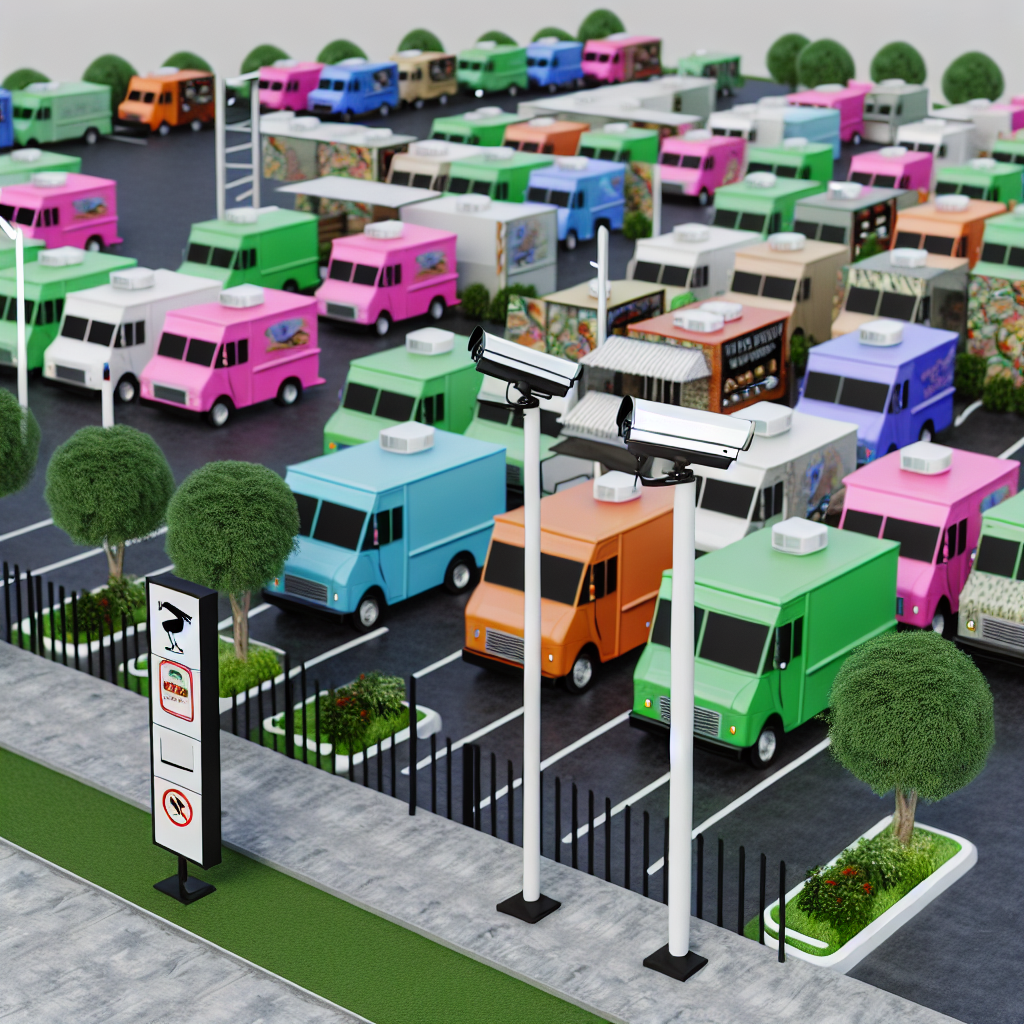
When it comes to food trucks and their parking locations, regulations can significantly differ by city and state. Understanding these rules is essential for food truck owners, planners, and enthusiasts alike.
Major Cities’ Regulations
-
New York City: NYC enforces strict regulations that prohibit food trucks from parking directly in front of brick-and-mortar restaurants. This rule ensures that established businesses are protected from competition. Food trucks must operate in designated areas, including public plazas and parks, with a potential fine of up to $500 for unauthorized parking. Learn more about NYC regulations.
-
Los Angeles: In LA, food trucks generally cannot park in front of existing restaurants without special approval. The city has more than 80 designated food truck zones, and operators must obtain permits while adhering to location rules. Violators face fines and possible impoundment of their vehicles. Explore the city’s guidelines.
-
Chicago: Similar to NYC and LA, Chicago restricts food trucks from parking in front of restaurants, especially in popular commercial areas. Food trucks need a mobile vendor permit and must comply with a location map provided by the city. Operators are required to stay at least 100 feet away from fixed restaurants unless they are in designated food truck plazas.
-
Texas: Regulations in Texas vary significantly by municipality. Cities like Austin and Houston may not allow food trucks to park in front of restaurants unless a special permit is secured, while event vending often has its own set of temporary rules.
Food truck owners should always check local ordinances and regulations at the municipal level to ensure compliance. This landscape of food truck operations is constantly evolving, so staying informed is crucial!
Comparison of Food Truck Laws Across Major Cities
Food truck operations can vary greatly depending on city regulations, especially concerning parking near restaurants. Here is a table summarizing the food truck laws across some major metropolitan areas:
| City | Distance from Restaurants | Required Permits | Special Notes |
|---|---|---|---|
| Los Angeles | 100 feet from front door | Mobile Food Vendor Permit, Menu details, Safety Inspection | Must operate in approved Mobile Food Vendor zones. |
| New York City | 150 feet from front door | Mobile Food Vendor Permit, Health inspections | Strict space limitations; must register online. |
| Chicago | 50 feet from front door | Mobile Vendor License, Health certification | No stopping within restaurant zones unless permitted. |
| Miami | 50 feet from front door | Business tax receipt, Food service permit | Special zones created for food truck gatherings. |
| San Francisco | 150 feet from front door | Food Truck Permit, Regular health inspections | Must register and pay for “Catering Zone” fees. |
Understanding these regulations can help event planners, organizers, and food enthusiasts navigate the challenges of operating food trucks in urban settings. For more insights into food truck operations, check out our article on navigating food truck industry regulations.
Feel free to explore other useful resources about choosing the right food truck model to meet your operational needs!
“The line between food trucks and traditional restaurants has blurred significantly. Today, many restaurants use food trucks as a mobile extension of their brand, testing new menus in different markets or serving high-demand areas during peak hours. This symbiotic relationship allows restaurants to gather real-time feedback and reduce risk, while food trucks gain access to established branding and customer loyalty.”
- Sarah Chen, Director of Culinary Innovation at the National Restaurant Association
This insight by Sarah Chen illustrates how food trucks and restaurants can work hand-in-hand, enhancing the dining experience for everyone involved. Food trucks not only provide a unique food experience, but they also play a crucial role in the restaurant ecosystem by helping established brands connect with their customers effectively.
In conclusion, the rise of food trucks has significantly transformed local food culture, offering a flavorful complement to traditional restaurants. As demonstrated, food trucks like Los Chifladitos play a vital role in supporting local communities by providing diverse culinary options at accessible price points. With over 36,000 food trucks now operating across the United States, contributing approximately $2.3 billion annually to local economies, their impact is undeniable. These mobile eateries not only enhance urban vibrancy but also foster community connections, as seen in thriving areas where food trucks promote foot traffic and support small business entrepreneurs. By embracing this vibrant culinary scene, readers are encouraged to explore local food truck offerings, thereby enriching their taste experiences and supporting entrepreneurs who are passionate about food. Let’s savor the creativity and heart that goes into every food truck meal while considering these delightful options for our next event or outing!
Elevate Your Food Truck Game with Summit Fairings
In the vibrant world of food trucks, mobility and style are crucial. Every element of your truck should reflect your unique culinary identity, and that’s where Summit Fairings comes in!
Their sleek designs not only enhance the aesthetics of your truck but also improve fuel efficiency, giving you more freedom to roam the streets serving delicious eats.
Don’t let your food truck blend into the background. Stand out with Summit Fairings! Explore how their customizable solutions can elevate your brand while keeping your operational costs in check. Take your food truck on adventures and reach new customers with a fresh look-your culinary journey deserves it!
Ready to transform your food truck? Visit Summit Fairings today!