
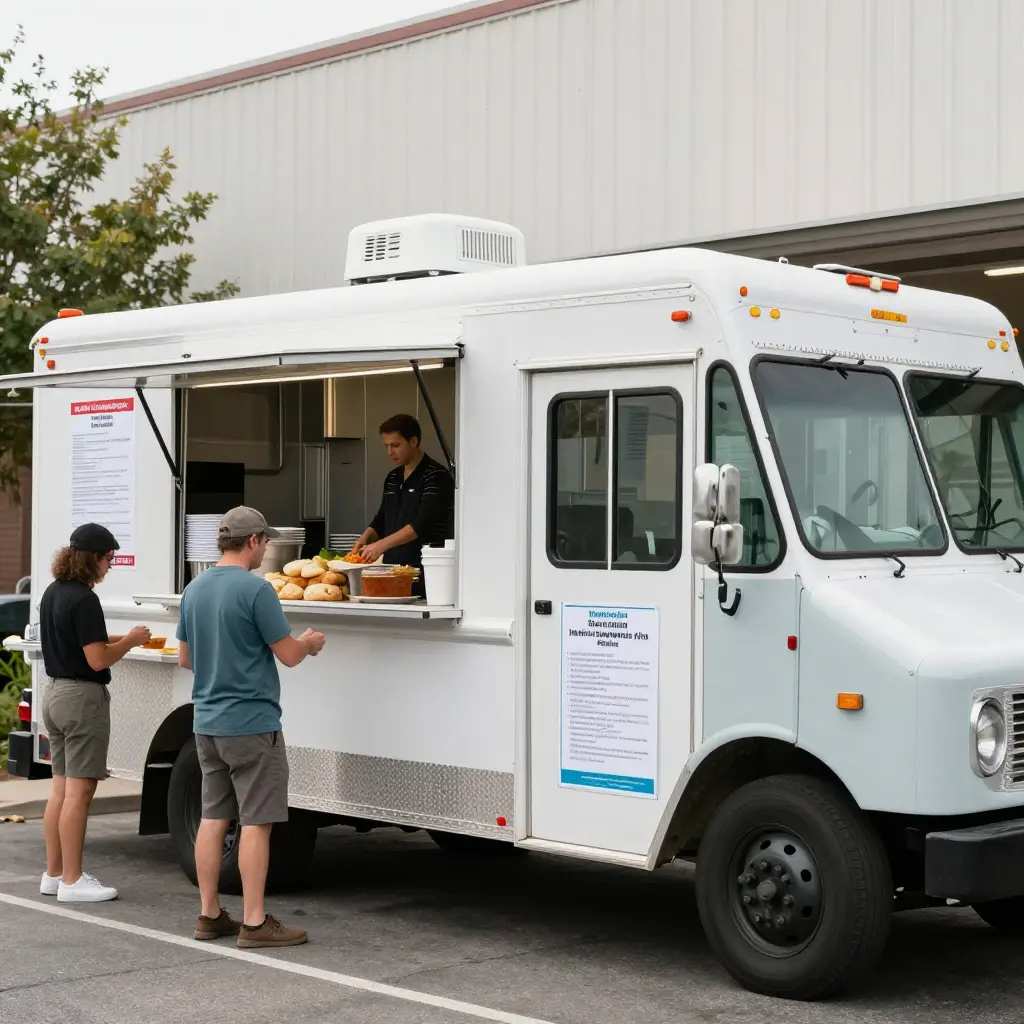
Starting a Food Truck in Southern California: What You Must Know First
Most people picture starting a food truck as a single transaction: find a truck, buy it, start selling. The operators who launch without burning through their savings tend to do it in the opposite order. The truck is the last major decision, not the first.
Before you finalize any purchase, you need a signed commissary agreement. Health departments in Southern California require mobile food operations to base out of an approved commissary for water, waste disposal, and storage, and without that agreement the county will not issue the permit you need to operate. Signing commissary contracts early also spares you delays and mid-negotiation price increases.
Permit costs matter just as much. City, county, and health fees stack up quickly, and they vary widely from one jurisdiction to the next. Add them up before you buy, and you will know how much capital is actually left for the truck and its equipment.
What follows covers the three things to settle before you commit to a vehicle: the commissary, the permits, and the budget that has to carry both.
Why the Commissary Contract Comes Before the Truck Purchase
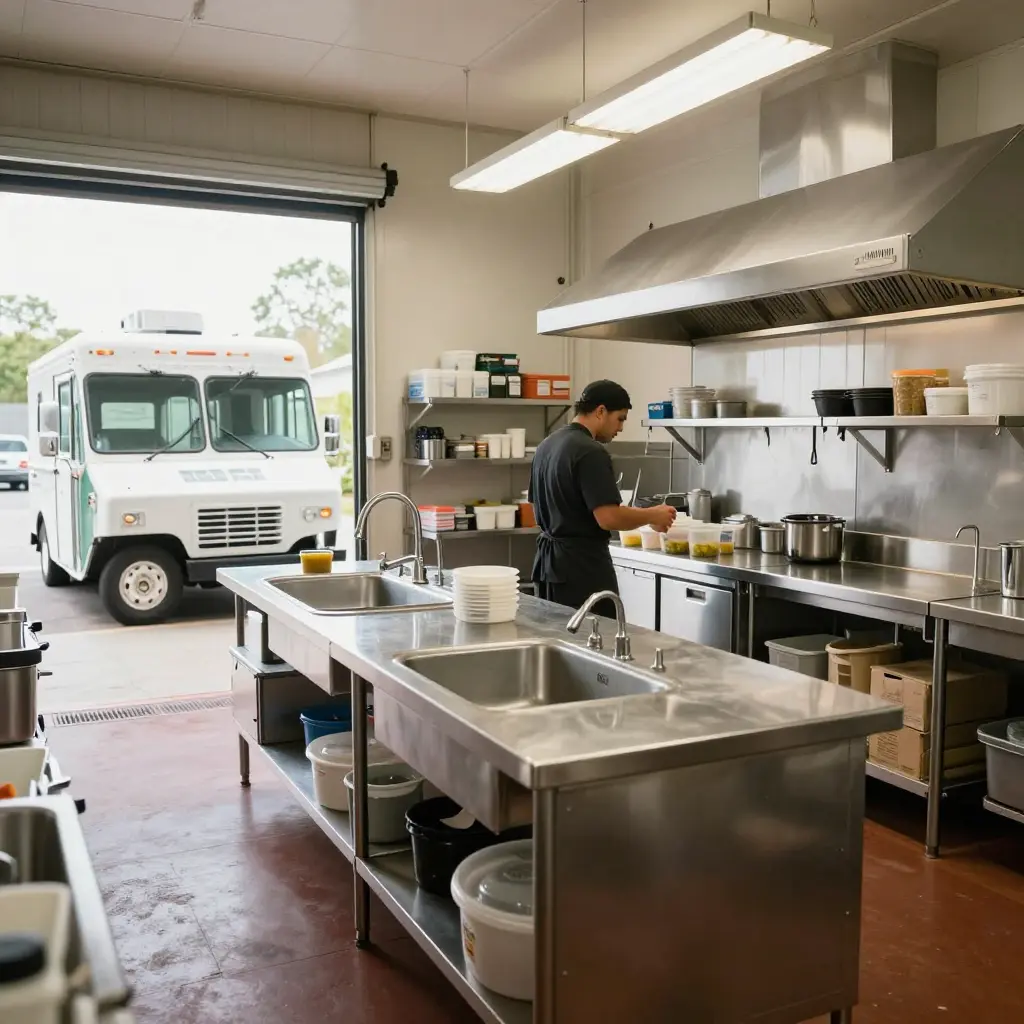
A commissary is a licensed, health-department-approved commercial kitchen that a mobile food facility uses as its home base. It is where operators store food, wash and sanitize utensils, refill potable water, and dump gray water and grease. In Southern California, most county health departments treat the commissary as a required support facility, not an optional convenience.
Why Health Departments Require a Written Agreement
County health departments, including those covering Los Angeles, Orange, San Diego, and the surrounding areas, generally will not issue a food truck permit until the operator submits a valid written commissary agreement. That document names the approved facility and confirms the operator is authorized to use it.
Without the signed agreement, the permit stalls, the truck cannot legally operate, and any money spent on it earns nothing. The commissary agreement is one requirement inside a wider set of food truck industry regulations, but it is the one that gates everything else.
How Contract Terms Create Operational Constraints
The contract terms shape daily operations. Servicing frequency sets how often the truck must return to the commissary, and the permitted service radius sets how far it can travel from that base. A one-mile radius with a nightly return is a very different business from a wider radius with flexible servicing.
Those two numbers decide which neighborhoods, events, and operating hours are realistic.
Compliance Needs Drive the Buying Decision
Buy a truck before you have a commissary agreement and you risk owning equipment you cannot legally run. Lock in the commissary contract first. It defines where the truck can park, prep, and clean, and how far it can travel — the limits any vehicle you buy has to fit inside.
Commissary Requirements and Costs in Southern California
Almost every food truck in Southern California must operate from a permitted commissary, also called a base of operations. These facilities provide the water, power, and waste disposal that trucks cannot carry on their own. Knowing the county rules before you sign a contract helps you avoid fines, failed inspections, and expenses you did not plan for.
Health Department Requirements
Waste disposal. Health codes require trucks to dump grease, gray water, and trash at an approved commissary. Pouring wastewater into streets or storm drains is prohibited and can trigger citations.
Water access. Commissaries supply potable water and a three-compartment sink area for washing and sanitizing. Trucks refill fresh water and drain wastewater at the commissary, not at home or wherever it happens to be convenient.
Inspection schedules. Most county health departments require the commissary to hold a valid permit and pass routine inspections. Trucks are inspected separately, often annually, and must be able to show a current commissary agreement each time.
What Drives Monthly Commissary Costs
Proximity to your operating area. A commissary near your busiest vending spots cuts fuel and drive time, but central, high-demand locations often charge a premium. Facilities farther out may be cheaper but cost more in travel.
Operating hours. Round-the-clock access usually costs more than limited daytime or overnight slots.
Servicing frequency. Daily servicing costs more than weekly visits. Each added visit raises the monthly rate.
Included amenities. Power hookups, secured parking, ice, and storage all change the price.
Together, these factors push monthly commissary costs from a few hundred dollars to more than $1,000. Most vendors who share a kitchen pay in the $300 to $800 range; central 24/7 sites with parking and storage sit at the top. Get the number in writing before you commit, because you pay it whether or not the truck ever leaves the lot.
Permit Costs Across Southern California Before You Buy
Before purchasing a truck, map out the permit costs in your target city and county. Southern California food truck permits come from several agencies, and no single office bundles them. Budgeting early prevents surprises after you buy the vehicle.
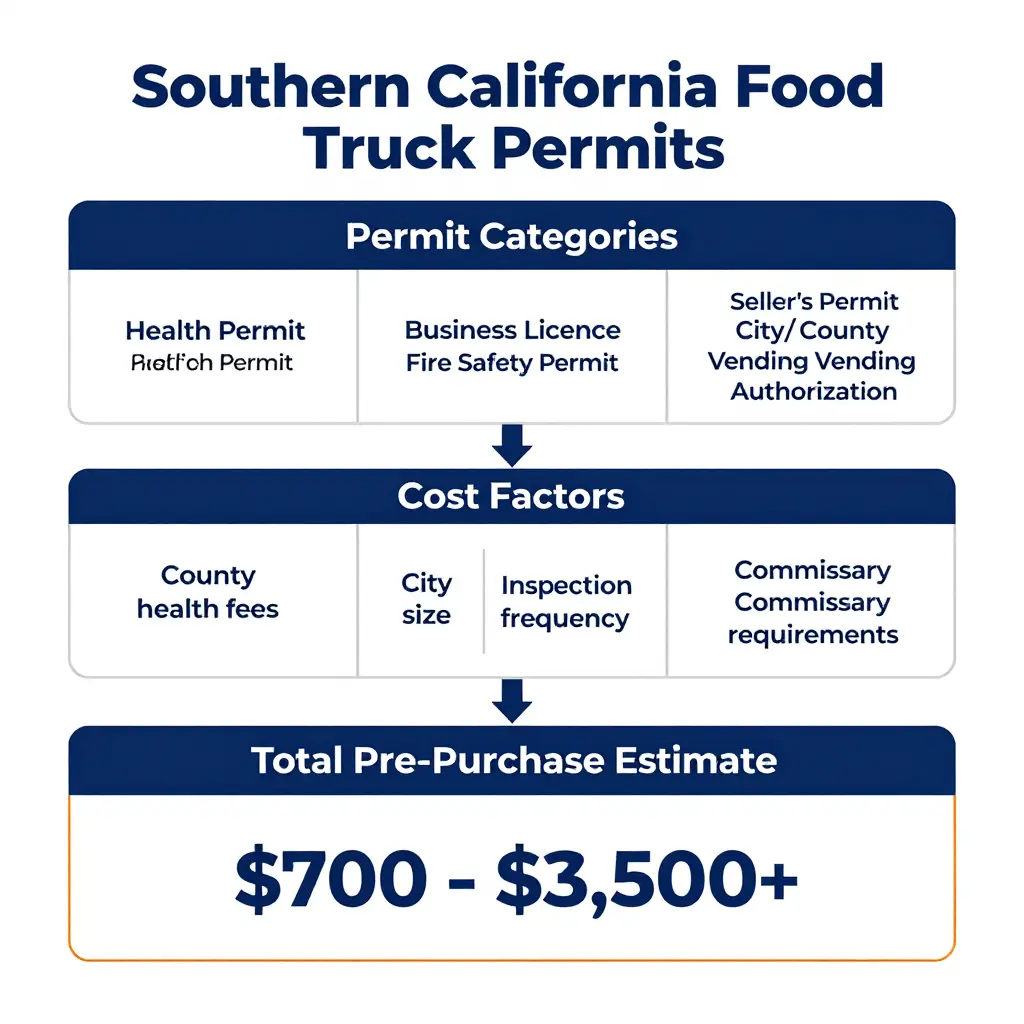
Permit Categories
Most operators need five core permits or authorizations:
- Health permit – issued by the county environmental health department after a plan review and truck inspection.
- Business license – issued by the city where the truck is registered or primarily operates.
- Fire safety permit – covers propane, cooking equipment, and extinguisher inspections.
- Seller’s permit – a state sales tax permit from the California Department of Tax and Fee Administration. It is typically free.
- City or county vending authorization – a separate approval to sell from a specific location, lot, or public space.
Cost Factors
Costs swing widely across the region for four main reasons:
- County health fees differ by population and inspection frequency. Los Angeles and Orange Counties tend to charge more than smaller inland counties.
- City size and rules shape business license fees. A large metro may charge more than a small incorporated city.
- Inspection frequency affects annual totals. Some jurisdictions require more frequent re-inspections, each with a fee.
- Commissary and vending rules add cost. Cities that require a fixed commissary agreement or cap the number of permits push overhead higher.
| Permit | Issuing Agency | Typical Annual Cost |
|---|---|---|
| Health permit | County health department | $300 – $1,000+ |
| Business license | City | $50 – $500 |
| Fire safety permit | City or county fire authority | $100 – $400 |
| Seller’s permit | CA Dept. of Tax and Fee Administration | $0 |
| Vending authorization | City or county | $200 – $1,500 |
Total Pre-Purchase Estimate
Adding these line items, a new operator should expect roughly $700 to $3,500+ in first-year permit costs before spending anything on food, fuel, or insurance. The low end fits a small inland city with a single-county health permit. The high end fits a dense metro area with multiple city approvals and frequent inspections. Confirm every fee directly with the issuing agency before you buy the truck. For the rules behind those fees, see this guide to food truck industry regulations.
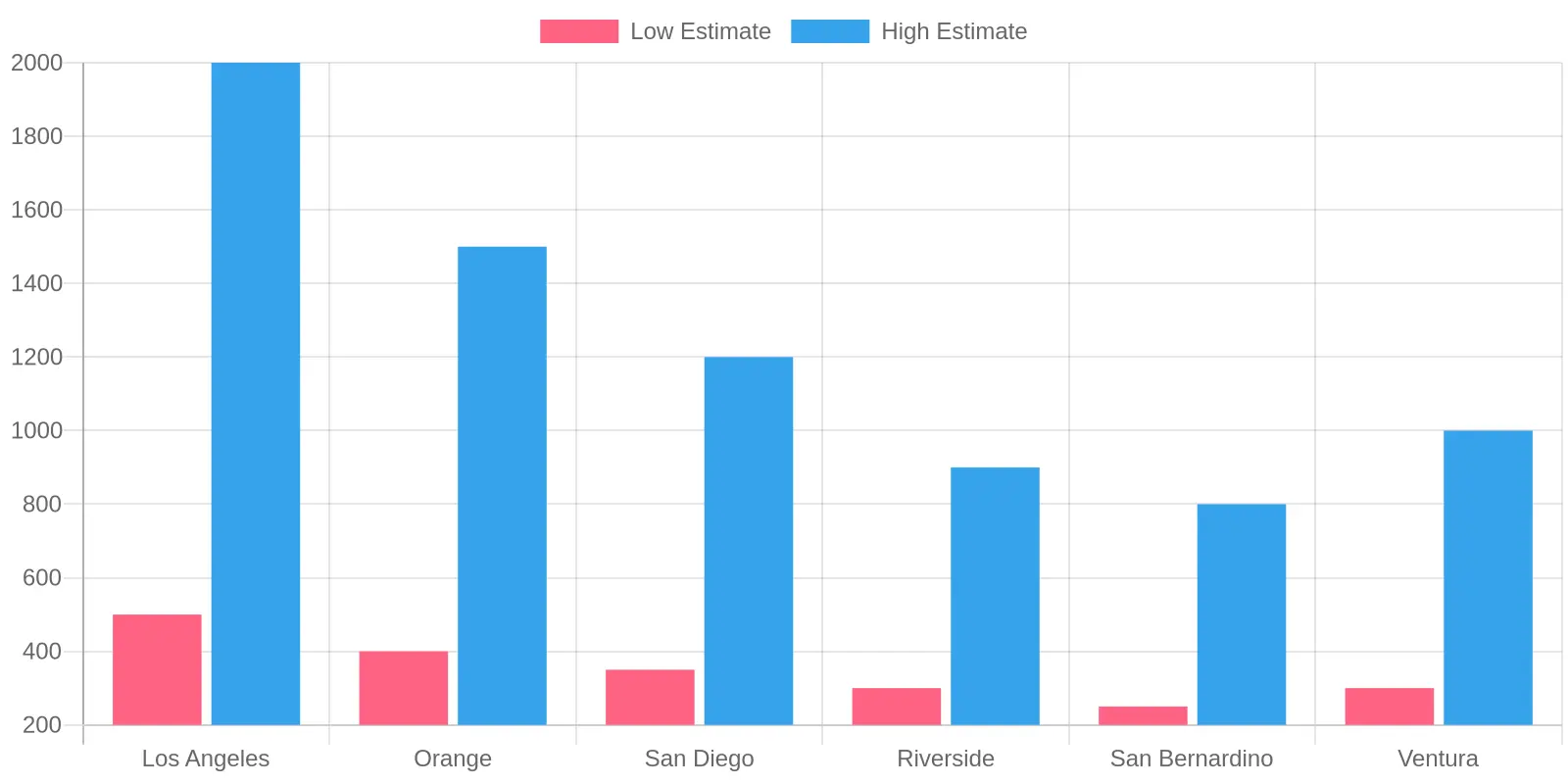
Estimated annual food truck permit costs across six Southern California counties.
Building a Pre-Purchase Budget: Commissary Plus Permits
Before you sign a bill of sale for a truck, build the full picture of food truck startup costs. Two lines catch most first-time owners off guard: the recurring commissary fee and the permit fees. Treat them as a single combined budget rather than two separate afterthoughts.
Commissary fees are recurring, not optional
Most health departments require a licensed commissary for food prep, potable water, and wastewater disposal. Contracts run monthly or annually and usually include a base fee plus usage charges for water, grease disposal, and locked storage. The bill arrives whether you sell a single plate or not, so it belongs in your fixed monthly expenses.
Permit costs arrive in waves
Health permits, business licenses, fire permits, and parking permits are often annual, while plan reviews and initial inspections are one-time. Some fees follow population-based schedules, so build in a small annual increase rather than assuming the first-year price holds.
Combine both into one total
Map every item to a frequency, then annualize it:
| Cost item | Frequency | Budget approach |
|---|---|---|
| Commissary contract | Monthly/Annual | Multiply monthly rate by 12 |
| Health permit | Annual | Add one full cycle |
| Business license | Annual | Add one full cycle |
| Fire and parking permits | Annual | Add one full cycle |
| Plan review and inspections | One-time | Add to startup total |
Reserve funds before you commit
Hold at least three to six months of commissary fees plus one full permit renewal cycle in cash. That reserve covers slow opening weeks and renewal season, when several fees land in the same period, and it keeps a permit renewal from colliding with a truck payment.
For broader money-management habits, review these financial tips for first-time food truck owners. When you are ready to pressure-test the numbers, these commissary and permit budgeting strategies can help.
Frequently Asked Questions
The questions below come up most often from owners planning a Southern California launch.
Do I need a commissary agreement before buying a truck?
Yes. Most Southern California health departments require a signed commissary agreement as part of your operating permit application. You generally cannot get the permit that lets you sell food without a valid contract, so secure one before you purchase a vehicle. The commissary agreement is one of several food truck industry regulations you will need to satisfy, and it gates the rest.
How much do Southern California permits cost annually?
Food truck permit costs vary by city and county. Most operators budget roughly $700 to $3,500 in the first year for government fees, and somewhat less in later years once one-time plan reviews drop off. A commissary agreement is a separate recurring cost. The table below shows typical annual ranges to factor into your startup plan.
| Permit or Fee | Typical Annual Cost |
|---|---|
| County health permit | $300 – $1,000+ |
| City business license | $50 – $500 |
| Fire safety permit | $100 – $400 |
| Vehicle and cart registration | $100 – $250 |
Can I share a commissary with other vendors?
Yes. Many commissaries serve multiple food trucks and charge each vendor a monthly fee, often between $300 and $800. Before signing, confirm the kitchen has enough capacity and is approved to serve the number of trucks it supports.
How often must my truck visit the commissary?
Requirements vary by county and are set locally, not by the state. Many Southern California counties expect trucks to return to an approved commissary at least once every 24 hours; others allow longer intervals. During each visit you typically refill potable water, dispose of wastewater, and complete required cleaning and servicing. Confirm the interval with your county health department before you sign.
What happens if my commissary contract ends?
If your commissary contract ends without a replacement, your operating permit can be suspended until you secure a new approved agreement. Line up another commissary before the current one expires to avoid costly downtime.
Are commissary contracts separate from food truck permit costs?
They are separate expenses. Commissary contracts cover rent and daily servicing, while food truck permit costs cover government fees such as health, fire, and business licensing. Budget for both separately.
Key Takeaways Before You Buy the Truck
Starting a food truck in Southern California rewards preparation more than speed. The order of the steps matters, because each decision narrows or widens the ones that follow.
Secure the commissary contract first. California requires most food trucks to operate from an approved commissary, and a signed agreement is usually a prerequisite for a health permit. Confirm your base of operation before you shop for a vehicle, because the contract defines where you can legally park, prep, and clean.
Map and budget all permits next. Commissary and permit costs change from one city and county to the next, and they add up. Build a written list of every health, business, and fire permit you need, note each renewal date, and set aside funds for annual fees rather than treating them as one-time expenses. The food truck industry regulations behind those fees are worth reading before you commit.
Align the truck model with compliance and servicing needs last. Once your permits and commissary are set, choose a truck that fits your approved menu, water, and power requirements, and that local mechanics can service. Sensible budgeting also supports maintenance, so read financial tips for first-time truck owners before you commit capital.