Is a Food Truck a Commercial Vehicle?
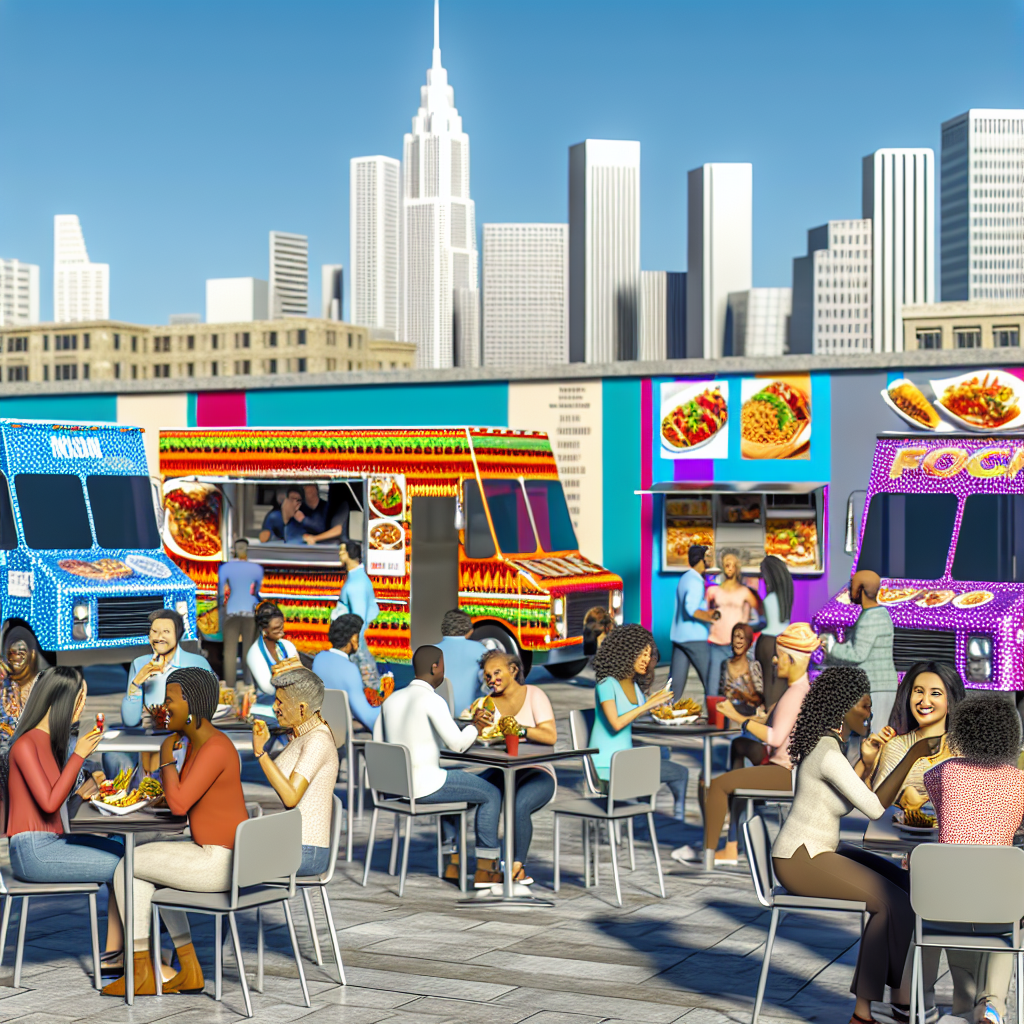
Have you ever wondered if a food truck qualifies as a commercial vehicle? This seemingly simple question carries significant weight for various stakeholders, including food truck owners, event planners, corporate administrators, and local community groups. Understanding how food trucks fit into commercial vehicle classifications can influence critical aspects of operations. For food truck owners, this distinction isn’t just a matter of semantics-it’s about compliance with regulations, obtaining the correct permits, and potentially affecting insurance requirements. Imagine navigating through local zoning laws, ensuring health and safety standards, and considering operational costs while trying to flourish in today’s competitive food scene!
Furthermore, for event planners and community groups, knowing whether a food truck is classified as a commercial vehicle can shape event logistics and dining options available to guests. Local governments, on the other hand, face the task of regulating these mobile eateries to promote public safety and health standards. Navigating the complexities of food truck classifications opens a broader conversation about shared community spaces and the vibrant culinary diversity they bring to events and neighborhoods. If you’re keen to understand the regulatory landscape further, learn more about food truck regulations to see how it can impact your culinary adventures and community engagements.
Benefits of Using Food Trucks for Events and Businesses
Food trucks have become increasingly popular choices for events and businesses alike. Here are some key benefits for event planners and consumers:
- Cost-Effectiveness: Food trucks typically have lower startup and operational costs than traditional restaurants, allowing for more budget-friendly catering options at events.
- Flexibility: Food trucks can easily relocate to different venues and adapt their menus according to the audience’s preferences or dietary needs, ensuring a customized food experience.
- Unique Offerings: Many food trucks specialize in niche cuisines or innovative dishes, which can enhance the event atmosphere and draw in food enthusiasts looking for new flavors.
- Convenience: By providing on-site food service, food trucks can simplify logistics for event planners, saving time and effort associated with traditional catering arrangements.
- Diverse Options: Food trucks often offer a variety of menu choices, catering to different tastes and dietary restrictions, which can please a large audience.
- Social Experience: The casual dining setting of food trucks encourages social interaction among guests, turning a meal into a more engaging and communal experience.
Using food trucks for events not only enriches the culinary landscape but also streamlines the food service process for planners. If you’re curious to dive deeper into the unique features of food trucks, consider exploring this guide on branding for food trucks.
As the preference for food trucks grows, understanding their benefits is crucial for event planners and consumers alike!

Definition of Commercial Vehicles
A commercial vehicle is defined primarily as any motor vehicle utilized for business purposes, which includes the transportation of goods or passengers for hire or compensation. The specific classifications of commercial vehicles vary by jurisdiction but generally encompass various types of trucks, vans, and buses.
Legal Definitions
The legal understanding of commercial vehicles can vary slightly from state to state, but some core definitions provide clarity:
- According to the California Department of Motor Vehicles (DMV), commercial vehicles include any vehicles designed for transporting goods or passengers for compensation. This typically includes trucks, buses, and larger vans that maintain regulatory compliance regarding size, weight, and safety standards.
- The Legal Information Institute explains that commercial vehicles must mostly be used for business purposes, adhering to stricter laws related to their use, given their nature of operation.
Common Examples
Some common examples of commercial vehicles include:
- Delivery Trucks: Often seen in urban areas, these trucks transport goods directly to customers or businesses.
- Freight Trucks: Larger vehicles primarily used for hauling cargo across longer distances.
- Shuttle Buses: Public transportation vehicles that operate on fixed routes, typically catering to commuters or tourists.
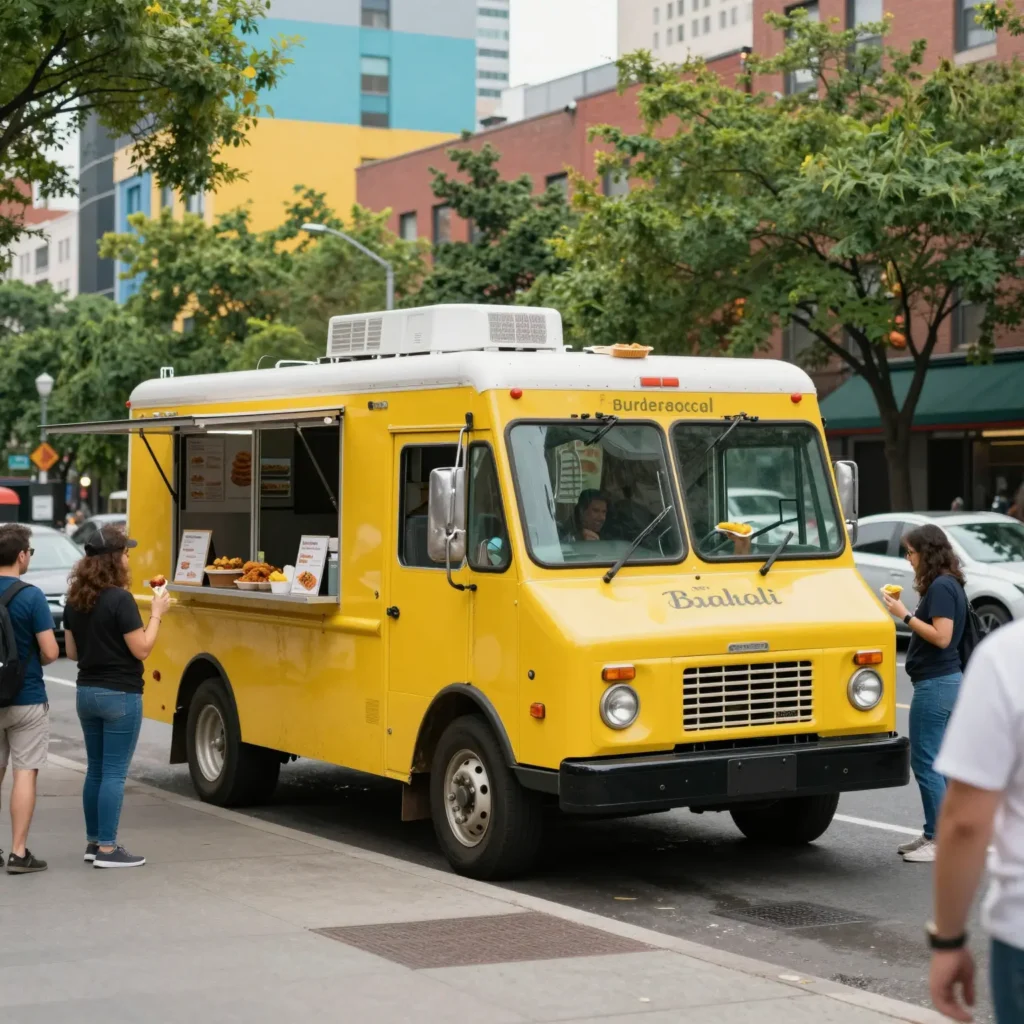
- Food Trucks: An increasingly popular category, food trucks serve meals and snacks to customers at various locations, often at events or popular gathering spots. For food enthusiasts and event planners, food trucks combine the culinary experience with the convenience of mobile service. These trucks are significant players in today’s food industry, providing a platform for chefs and food entrepreneurs to reach customers directly.
Conclusion
Understanding what constitutes a commercial vehicle is essential, especially for those involved in event planning or culinary ventures. Food trucks not only serve delectable food but also qualify as commercial vehicles due to their operational framework and business model. The walking definition and classification help clarify regulations that owners must adhere to while navigating the vibrant market of mobile food service. To delve deeper into specific operational nuances and regulations concerning food trucks, you can learn more about food truck regulations.
| Food Truck Type | Specifications | Capacity | Features | Uses |
|---|---|---|---|---|
| Gourmet Food Trucks | High-quality ingredients, creative menus | Varies (up to 200) | Full kitchen setup, specialty food items | Catering events, festivals, high-end locations |
| Dessert Trucks | Focus on sweet treats | Varies (up to 100) | Ice cream machines, coffee equipment | Dessert catering, street fairs |
| Ethnic Food Trucks | Specific regional cuisines | Varies (up to 150) | Authentic recipes, cultural decorations | Serving food from specific cultures |
| Fusion Food Trucks | Mix of different culinary traditions | Varies (up to 200) | Unique flavor combinations, creative designs | Trendy events, food festivals |
Food trucks are more than just mobile kitchens; they are vibrant parts of the culinary landscape in communities across North America and Europe. However, aspiring food truck owners and event planners must navigate a complex web of regulations that vary significantly by region. Understanding these laws is essential for a trouble-free operation and successful events.
United States
In the U.S., food truck regulations can differ from city to city and state to state. Here are some common regulations you might encounter:
- Licensing: Most cities require food trucks to secure a business license. This usually includes health permits to ensure food safety standards are met.
- Zoning Laws: Some jurisdictions have specific areas where food trucks can operate, often requiring permission from local authorities.
- Health Standards: Regular inspections are mandated to ensure that food trucks comply with health regulations, which cover everything from food handling to sanitation.
- Parking and Location: Many cities enforce strict rules on where food trucks can park, often limiting operations near restaurants or within certain zones.
For detailed guidance on food trucks in various jurisdictions, visit navigating food truck industry regulations.
Canada
In Canada, similar regulations apply, but with some regional distinctions:
- Licensing and Permits: Each municipality has specific requirements for food truck licensing, including proof of insurance and adherence to local health codes.
- Operational Zones: Like in the U.S., certain municipalities restrict where food trucks can operate, often allocating specific spaces for food trucks at events or in commercial areas.
- Inspection Requirements: Food trucks are subject to health inspections, with criteria varying by province, making compliance crucial.
For community-focused insights, consider checking out Calgary’s food truck operational details.
Europe
European regulations can be notably different and often more stringent:
- Licenses: Most EU countries require food trucks to obtain licenses that govern vehicle hygiene, food safety, and operational qualifications.
- Trade Tariffs: Import regulations can affect food truck businesses, particularly those sourcing ingredients across borders.
- Local Compliance: Each country may have unique health and safety regulations that differ from those in North America, often guided by EU-wide laws as well as local regulations.
Conclusion
For event planners and community groups looking to engage food trucks, it’s crucial to understand these regulations to ensure compliance and avoid penalties. Keeping a close eye on local laws, staying updated on potential changes, and forging relationships with local authorities can help smooth the path for exciting culinary events.
As you cater delicious experiences, remember: knowledge of regulations is just as vital as the food you serve! For more tips on choosing the right food truck model for your menu, check out the ultimate guide to food truck models.
Satisfied customers start with well-informed organizers!
“Understanding the classifications of commercial vehicles is crucial for any food truck owner. It’s not just about the vehicle itself, but about ensuring you operate within the legal guidelines to create a successful and sustainable business.” – A successful food truck owner
For more insights on making informed choices, learn more about choosing the right food truck model.
Rise of Food Trucks: A Delicious Trend
The food truck industry has been on a remarkable growth trajectory in recent years, capturing the hearts (and stomachs) of food enthusiasts across the United States. Below are some key statistics and trends that highlight this flavorful revolution:
-
Market Growth Rate: The food truck market is estimated to grow at a compound annual growth rate (CAGR) of 5.87% from 2022 to 2027, reflecting an increasing demand for convenient dining options on-the-go. This growth is expected to add approximately USD 1,409.73 million to the market size (
PR Newswire). -
Increasing Popularity: The food truck industry achieved a growth rate of 3.4% in 2022, demonstrating resilience post-pandemic and capitalizing on changing consumer dining habits. The total market was valued at around $1.2 billion during this period (
Small Biz Genius). -
Current Food Truck Count: As of 2023, it is estimated that there are approximately 35,000 to 40,000 food trucks operating in the United States, showcasing a nearly 50% increase over recent years, highlighting the growing entrepreneurial spirit in this sector (
FoodParks.io). -
Diverse Offerings: Food trucks are increasingly known for their innovative menus featuring global cuisines, gluten-free options, and plant-based choices, which cater to the diverse dietary needs and tastes of consumers today. The integration of technology, particularly in payment systems, has also been a significant trend in enhancing customer experiences (
Enterprise Apps Today). -
Job Creation: The food truck sector reportedly employed over 40,000 workers in 2022, reflecting its role in local economies and the creation of job opportunities in various communities (
InsuranceBee).
With such dynamic growth, the food truck industry is not just a passing trend; it’s a thriving sector that continues to embrace innovation and culinary creativity. So whether you’re planning an event, exploring local food options, or simply craving something new, food trucks are an exciting avenue that’s fully revolutionizing the dining experience! For more insight on choosing the right food truck, you can learn more about food truck models.
Join the food truck movement and discover the flavors that are fueling this delicious trend!
Conclusion: Understanding Your Food Truck Journey
As we wrap up, it’s essential to reiterate the importance of understanding whether your food truck qualifies as a commercial vehicle. This classification affects everything from insurance requirements and permits to road regulations and your ability to operate at various events. By gaining clarity on these aspects, you are not just ensuring compliance; you are also safeguarding your investment and enhancing your business potential in the vibrant food truck industry.
Understanding these nuances allows you to navigate the complexities that come with operating a food truck, giving you a solid foundation as you plan your next big culinary adventure. The right knowledge empowers you to make informed decisions that can elevate your food truck business.
Speaking of elevating your journey, consider how Summit Fairings can be a game-changer for you. With tailored solutions that cater specifically to food truck operators, they help in optimizing your vehicle for both performance and aesthetic appeal. Explore ways to enhance your truck’s efficiency and even its resale value. After all, a well-prepared food truck not only attracts customers but also showcases your brand’s commitment to quality.
If you’re ready to supercharge your food truck journey, learn more about how Summit Fairings can help and make sure you’re set up for success. Your food truck dreams are within reach-let’s get cooking!