
Introduction
In the bustling world of food trucks, where culinary creativity meets the roads less traveled, the right hood installation isn’t just an accessory-it’s essential! Picture this: the aroma of sizzling street tacos wafting through the air, drawing in a crowd, while the chefs effortlessly prepare meals behind a beautifully outfitted kitchen on wheels. It’s this unique blend of safety and aesthetics that sets successful food trucks apart. A well-installed hood not only ensures compliance with health regulations, safeguarding food safety, but it also adds a sleek look that reflects the truck’s personality and brand. Whether you’re an event planner, a community organizer, or a food enthusiast, understanding who can install these critical pieces of equipment in your mobile kitchen can elevate the entire experience-both for the chef and the clientele. In this guide, we’ll explore the ins and outs of hood installations, making it easy to find the right fit for your needs. Ready to learn more? Let’s dive in! Discover how to choose the right food truck model and enhance your culinary journey!

Benefits of Having a Hood in a Food Truck
Installing a hood in your food truck isn’t just a good idea-it’s essential for creating a safe, compliant, and enjoyable cooking environment. Here are the key benefits:
-
Safety First: Exhaust hoods are designed to capture grease-laden vapors and smoke, significantly reducing the risk of fire hazards in your food truck kitchen. Since cooking often involves high heat and open flames, having a hood ensures that you’re prioritizing the safety of both your staff and your customers.
-
Compliance with Health Regulations: Many health regulations, including those outlined in NFPA 96, require proper ventilation in commercial cooking operations. By installing a hood, you automatically comply with these requirements, which helps you pass inspections on the first attempt and avoid costly fines or business interruptions.
-
Enhanced Cooking Environment: A hood effectively manages heat and odors, making the cooking space more comfortable for your team. This improves their productivity and morale, resulting in better service for your customers. Plus, it helps maintain air quality by reducing the presence of airborne contaminants.
-
Improved Efficiency: Properly installed hoods enhance the overall efficiency of your cooking operations. They keep the kitchen cooler and cleaner, making it easier for your team to focus on what they do best-creating delicious food!
-
Long-term Cost Savings: Investing in a quality hood can lower your energy costs over time. By maintaining a controlled environment, you can potentially reduce the workload on your HVAC systems, which contributes to significant savings in the long run.
Whether you’re just starting or looking to upgrade, having a hood is a critical element in ensuring your food truck’s success! For more insights on choosing the right equipment for your needs, learn more about how to select the best food truck model.
Understanding Hood Installation Regulations for Food Trucks
As a vibrant community of event planners, food enthusiasts, and local groups, understanding the regulations surrounding hood installations in food trucks is essential for ensuring safety and compliance. This guide highlights key requirements you should be aware of!
Key Regulations
1. NFPA 96 Compliance
All commercial kitchen exhaust systems, including those in food trucks, must comply with NFPA 96 standards. This standard outlines requirements for the design, installation, and maintenance of hoods and exhaust systems. Key points include:
- Proper duct sizing and material specifications
- Use of grease filters to prevent fires and ensure safety
Read more about NFPA standards here.
2. Fire Suppression Systems
Food trucks equipped with cooking appliances (like grills and fryers) must have a UL-listed automatic fire suppression system installed. This system must:
- Be installed according to the manufacturer’s instructions
- Be tested annually to ensure functionality
You can check UL requirements for more details here.
3. Inspection Frequency
Regular inspections and maintenance of your kitchen hood and fire suppression systems are crucial:
- Fire Suppression System: Needs to be inspected annually by a certified technician.
- Exhaust Duct & Grease Filters: Must be cleaned and inspected at least every three months to prevent grease buildup.
More information on inspection standards can be found in the NFPA 96 documentation.
4. Local Permit Regulations
Each food truck must obtain a mobile food vendor permit from their local health department or city zoning authority. The permit process may require:
- Proof of NFPA 96 compliance
- A fire suppression certification
- Vehicle safety inspections
Permit regulations can vary widely from city to city. For instance, check New York City’s requirements here and Los Angeles’ mobile food facility guidelines here.
Conclusion
Maintaining compliance with these regulations not only ensures safety but can also prevent potential fines or operational shutdowns. It is crucial for food truck operators to consult with local health departments and fire marshals to confirm they meet all necessary local requirements before launching their business.
With this information, food enthusiasts and event planners alike can have peace of mind knowing the food they enjoy is being prepared in a safe and compliant environment!

Food truck operators discussing hood installation regulations in a vibrant market setting.
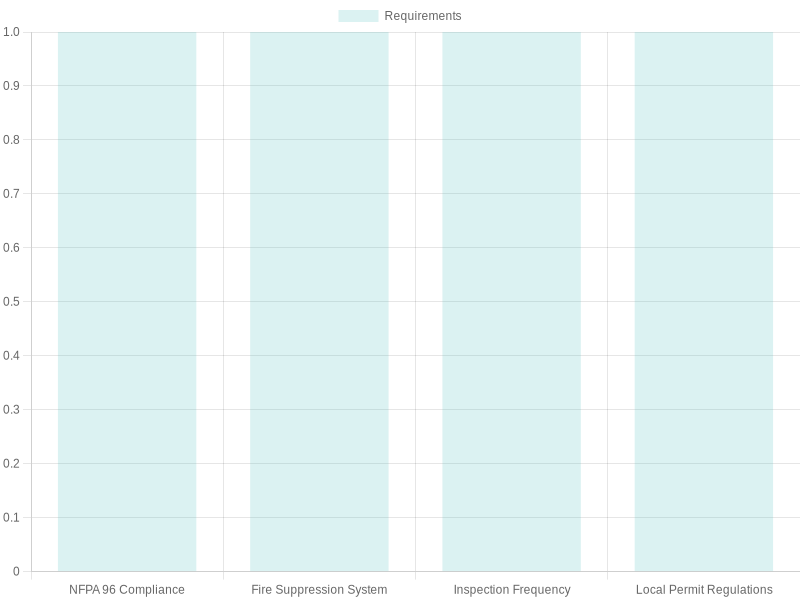
Overview of food truck regulations, highlighting compliance and safety aspects.
| Category | Professional Installation | DIY Installation |
|---|---|---|
| Average Cost | $2,500 – $4,500 | $800 – $1,500 |
| Time Investment | 1 – 3 hours | 4 – 8 hours |
| Pros | – Ensures compliance with local fire and building codes – Expertise in proper ductwork, ventilation, and electrical integration – Immediate warranty and support from licensed installers – Reduced risk of safety hazards (fire, smoke, poor airflow) – Faster setup and testing |
– Significant cost savings – Full control over design and placement – Opportunity to learn system components and maintenance – Suitable for experienced mechanics or technicians |
| Cons | – Higher upfront cost – Limited scheduling flexibility – Less customization control (standard installation practices) – Potential for hidden fees or additional charges if modifications are needed |
– High risk of improper installation leading to code violations or safety issues – Requires advanced knowledge of HVAC, electrical systems, and fire safety regulations – No manufacturer or installer warranty if done incorrectly – Longer time commitment and potential for mistakes requiring rework |
Sources: National Fire Protection Association (NFPA), U.S. Small Business Administration (SBA) guides on mobile food vending, and industry reports from the National Restaurant Association (2024-2025).
Who Can Install a Hood in a Food Truck?
When it comes to outfitting your food truck with the essential hood for ventilation, you might wonder about the qualifications of the professionals who can help. Let’s break down the key players involved in this crucial installation process:
1. HVAC Technicians
HVAC technicians are your go-to experts for heating, ventilation, and air conditioning needs. These trained professionals are equipped to handle the complexities of installing hoods that are safe and efficient. They must possess a proper certification and understanding of local building codes and health regulations, ensuring that your hood system effectively removes smoke, grease, and odors from your food truck. Given their expertise, HVAC technicians ensure that the installation meets all necessary safety standards, minimizing fire hazards and ensuring a comfortable cooking environment.
2. Kitchen Equipment Suppliers
Kitchen equipment suppliers often provide more than just products; they frequently offer installation services as well. These suppliers are familiar with the specific needs of food trucks and may offer a comprehensive service including the sale and installation of your hood system. They understand the practical implications of using different hoods based on the type of cooking you plan to do, ensuring you get a system that best meets your food preparation needs. This option also allows you to get advice on the best products for your specific situation.
3. Food Truck Manufacturers
Another vital source for hood installation are the food truck manufacturers themselves. Many companies that build food trucks will include ventilation systems as part of the build process. If you’re custom-ordering a food truck or making modifications, the manufacturer usually has in-house professionals who will ensure the hood is integrated correctly into the vehicle’s design. This approach can be particularly beneficial because the manufacturer understands the structural considerations required for safe and efficient installation.
So, whether you’re working with an HVAC technician, kitchen equipment supplier, or your food truck manufacturer, collaborating with these professionals ensures that your hood installation is handled properly. After all, good ventilation is not just about compliance; it’s about creating a safe and pleasant working environment for you and your team!
For more information about choosing the right food truck model that suits your cooking style and needs, check out our guide.
Installation Experience Quote
“After the installation, our cooking efficiency increased by 30%, and we no longer had to worry about smoke buildup during peak hours. Proper hood installation helped us pass our first health inspection with zero violations!”
- Food truck owner from Austin, Texas, Restaurant Business Online
Including quotes from real food truck owners not only adds authenticity but also inspires confidence in the benefits of proper equipment and safety compliance. This resonates particularly well with event planners and community groups looking to ensure quality experiences at food events.
In the ever-evolving food truck industry, working with reliable vendors for installations and upgrades is key. Learn more about choosing the right food truck model to suit your needs.
Installation Timeline for Hood in Food Truck
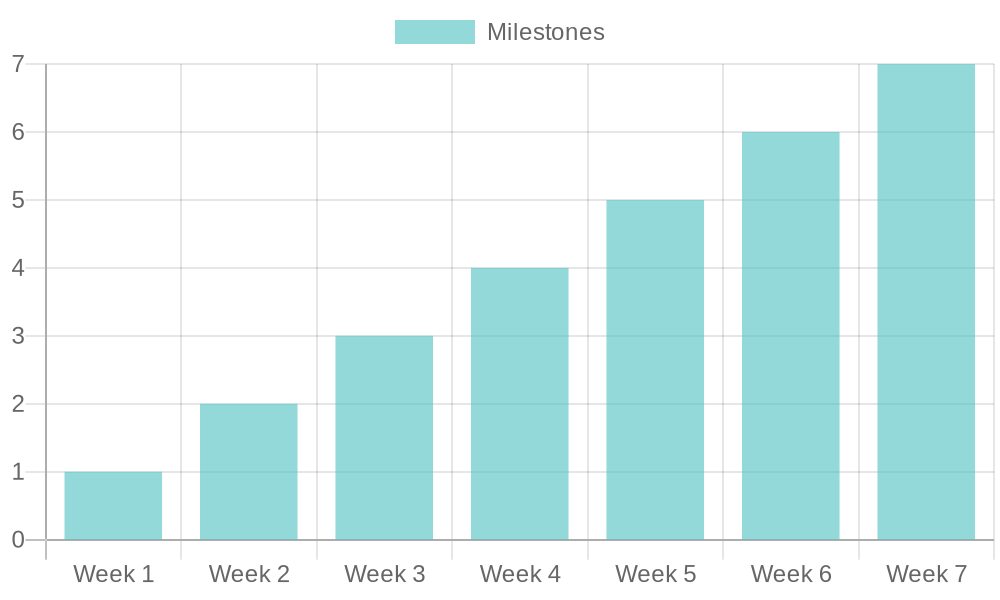
This chart outlines the typical timeline for hood installation in a food truck, detailing specific milestones to guide you through the process. From the initial consultation to the operational launch, here are the key steps involved:
| Milestone | Timeline |
|---|---|
| 1. Initial Consultation | Week 1 |
| 2. Design Planning | Week 2 |
| 3. Equipment Order | Week 3 |
| 4. Installation Scheduling | Week 4 |
| 5. Hood Installation | Week 5 |
| 6. Final Inspection & Approval | Week 6 |
| 7. Operational Launch | Week 7 |
For more detailed insights into choosing the best equipment for your food truck, feel free to learn more about food truck model options.
If you’re also interested in how to navigate regulations to ensure compliance, check out our article on navigating food truck industry regulations.
Conclusion
As we’ve explored, having a well-installed hood system is not just a recommendation but a necessity for food trucks operating in a dynamic culinary landscape. It ensures the safety of your food truck operations by effectively capturing harmful smoke, grease, and heat, thereby mitigating fire hazards and providing a healthier environment for both staff and customers. The expertise of certified professionals in the installation of these vital systems cannot be overstated; it guarantees compliance with safety regulations and enhances the overall efficiency of your mobile kitchen.
Choosing the right hood involves understanding your equipment’s specific needs and ensuring that it meets local fire safety codes. As outlined, a properly sized and professionally installed hood can significantly contribute to the success of your food truck business.
Ready to elevate your food truck game? Connect with Summit Fairings today to discover expert installation services and customized solutions that will ensure your food truck is operating safely and efficiently! Your culinary dreams deserve the best-let’s get started!
Frequently Asked Questions About Hood Installations in Food Trucks
Welcome to our friendly FAQ section! Here, we address some of the most common questions you might have about hood installations in food trucks. Let’s dive in!
What type of hood do I need?
When it comes to choosing a hood for your food truck, it primarily depends on your cooking method. If you’re using open flames or heavy frying equipment, you’ll need a Type I hood with a fire suppression system. For less intense cooking, a Type II hood may suffice. Always ensure your hood complies with local regulations to keep your operation safe and sound! Learn more about food truck regulations here.
How long does installation take?
The installation of a hood system varies depending on your specific setup and local codes. Generally, it can take anywhere from a few days to a week. A professional can give you a more accurate timeline after evaluating your food truck setup. Remember, proper installation is essential to maintaining safety in your mobile kitchen!
Can I install a hood system myself?
While it might be tempting to DIY, we highly recommend hiring licensed professionals for hood installation. This ensures compliance with code and safety standards, keeping your kitchen safe and serving delicious food with peace of mind. Check out our tips for first-time food truck owners.
How often do I need to maintain my hood system?
Regular maintenance is a must! We recommend cleaning your hood and exhaust system at least every 3 to 6 months, depending on usage. Regular checks can prevent grease buildup and ensure safety.