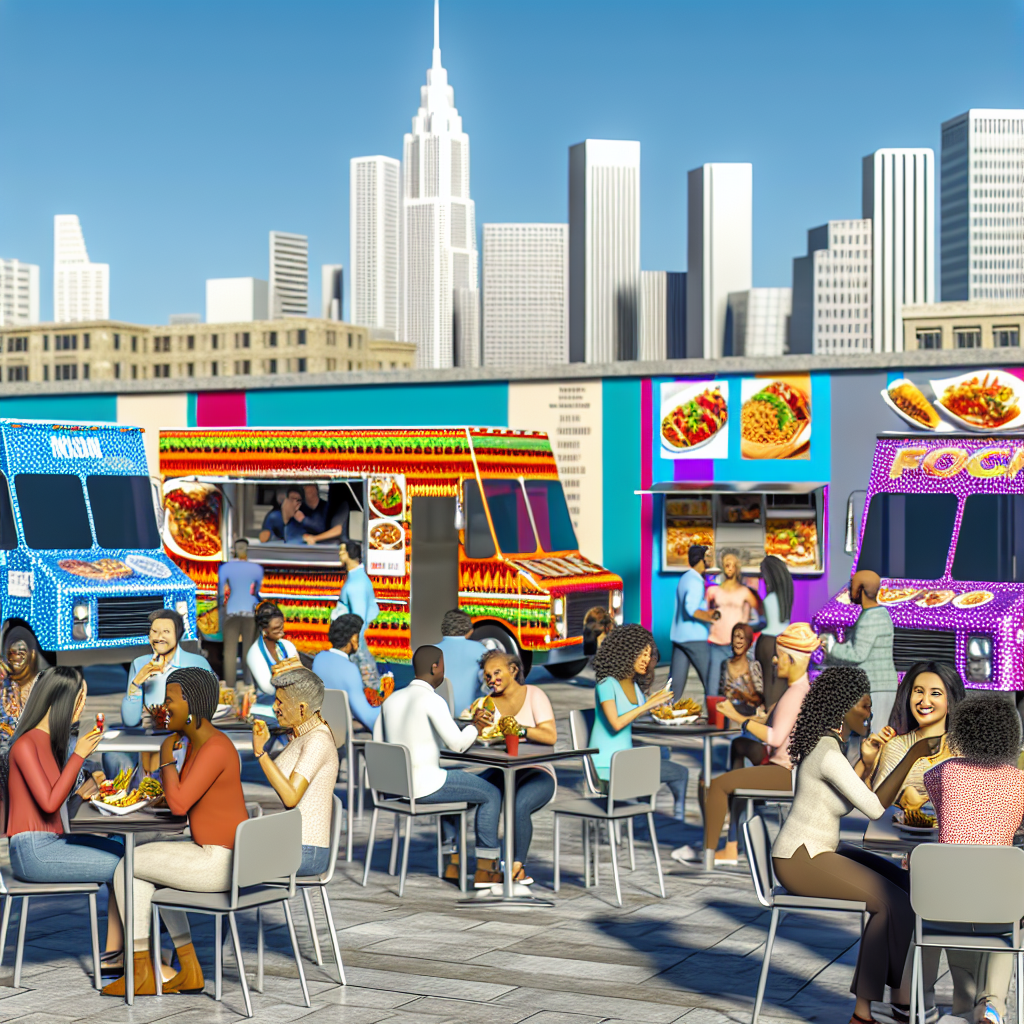
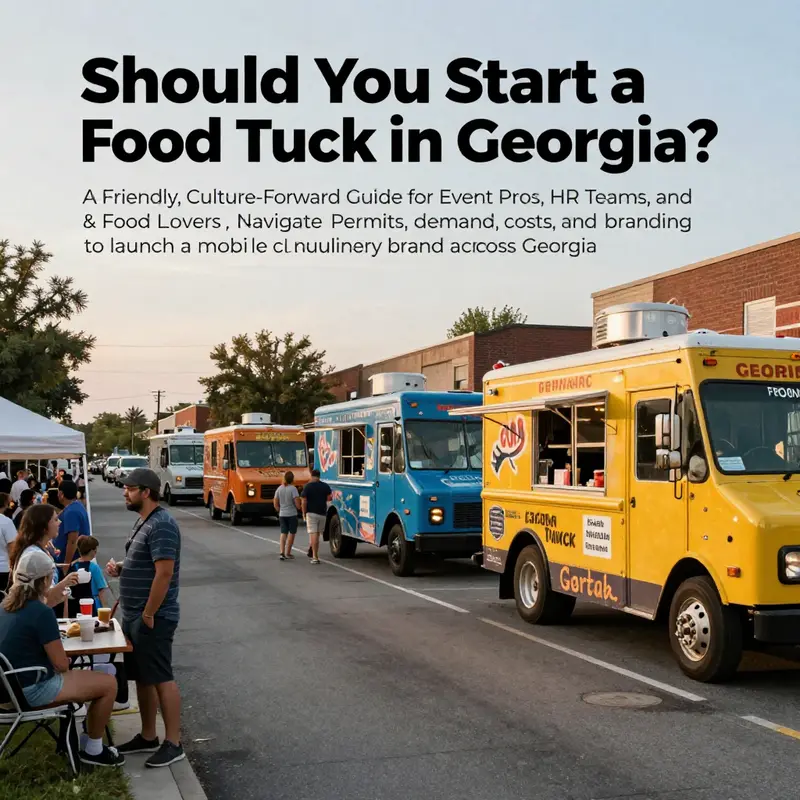
Georgia’s culinary landscape is a living, breathing menu of tradition and experimentation. For event planners designing unforgettable experiences, corporate HR teams orchestrating tastier team days, local community groups creating shared moments, and individual food enthusiasts chasing the next bite, a Georgia food truck offers flexible scale and proximity. The path from street cart to beloved brand exists, as shown by The Halal Guys’ journey from street cart to franchised success—patterns echoed in Georgia’s cities and festivals. In Atlanta, Decatur, Savannah, and beyond, mobile kitchens meet demand for quick, flavorful meals that celebrate Southern roots, Latin influences, and global flavors. Social media has amplified this dynamic, turning eye-catching, share-worthy dishes into trusted signals that attract crowds to a single truck or a cluster of them at major events. Before you fire up the grill and roll out, four elements deserve careful planning. Chapter 1 surveys the regulatory and licensing landscape in Georgia—what permits you need, which agencies issue them, typical timelines, and how to avoid common hold-ups. Chapter 2 explains market demand, location strategy, and consumer trends—where crowds gather, how to reach them, and how to tailor your concept to Georgia’s diverse palates. Chapter 3 breaks down operational costs, equipment choices, and logistics—from mobile kitchens to power, water, and waste, plus budgeting tactics that protect cash flow. Chapter 4 looks at brand differentiation, menu innovation, and a growth path—how to tell a compelling story, craft a menu that travels well, and scale from one truck to a growing brand. Throughout, you’ll find practical steps, local context, and real-world validation—from events like Culturopolis to neighborhood pop-ups—so you can map a route from idea to impact. For deeper guidelines, the Georgia Department of Agriculture’s Mobile Food Vendor Information is a reliable starting point, and a reminder that with clear steps, the Georgia market welcomes bold, community-rooted food concepts.
Navigating Georgia’s Regulatory Roadmap for Food Trucks: Permits, Safety, and Operational Readiness
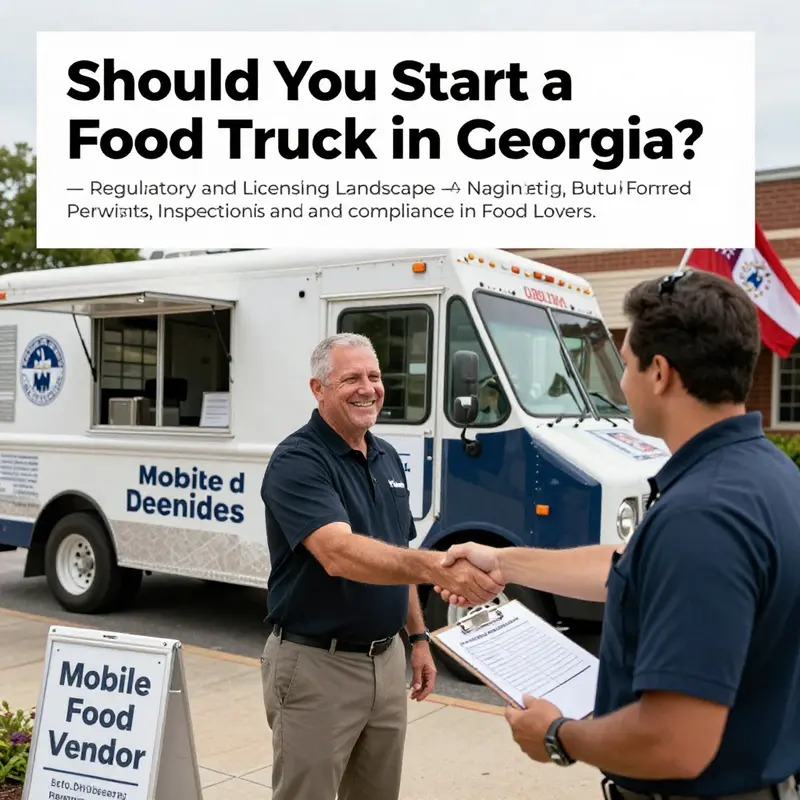
Georgia presents a vibrant canvas for mobile dining, where a well-executed food truck can ride the wave of a growing demand for quick, high-quality meals. Yet that promise sits atop a framework of state and local regulations designed to protect public health, ensure fair business practices, and coordinate the use of urban space. Understanding this regulatory landscape is not a dry prerequisite; it is the backbone of a reliable operation that can scale from a single cart to a recognized mobile brand. On the state level, the pace and order of approvals begin with the Georgia Department of Agriculture (GDA). All mobile food units that prepare or serve food must obtain a Mobile Food Unit Permit from the GDA. This permit is not a mere formality; it encodes mandatory standards for the vehicle’s construction, sanitation facilities, temperature control, and safe food handling. The permit acts as a contract of accountability, signaling to inspectors, customers, and potential partners that the unit meets baseline requirements for safe operation. Alongside this, a business owner should plan for sales tax compliance by registering with the Georgia Department of Revenue (DOR). If hiring staff, an Employer Identification Number (EIN) from the IRS provides the foundation for payroll taxes and reporting, and it often simplifies many local interactions down the line. The state-level framework, however, is only the doorway. The real nuance in Georgia’s regulatory landscape lies in the local rules that vary from city to county, and sometimes even from neighborhood to neighborhood within a city.
Local jurisdictions—cities like Atlanta, Savannah, and Augusta—implement permitting processes that reflect their own zoning maps, parking realities, and public space usage. Some communities require a separate local business license or a specific permit for mobile vending; others lean on general business permits but impose additional constraints. The operating reality is that a truck’s legality is not judged in the abstract but in how it is parked, how it serves customers, and when it operates. The practical implication for a new operator is clarity: identify the jurisdiction where you plan to do business, then map the exact steps, timelines, and fees for both the state permit and the municipal or county licenses. In many places, there are designated zones or “pods” where trucks are allowed to operate, and in others, operators must secure permission on a per-location basis. These differences are not just bureaucratic; they shape every decision about where to park, what hours to keep, and how often you rotate among sites to sustain demand. A useful mindset is to treat the regulatory process like a project plan—start with the permits, align with the health department’s expectations, and then layer in location strategy as your compliance calendar fills in.
Core to the food-safety dimension is the protection of the public. Georgia requires that all food handlers be trained in safe food handling practices, typically demonstrated through a ServSafe certification or an equivalent program. This is not a box-ticking exercise; it anchors the daily routines that keep food safe in a fast-paced mobile setting. It means validated knowledge around temperature control for refrigeration and hot holding, cross-contamination prevention, personal hygiene, and cleaning and sanitizing protocols for both equipment and the dining area. The vehicle itself should be equipped to support those standards: proper refrigeration units that maintain required temperatures, hot-holding capabilities when needed, cleanable surfaces, and an efficient waste management plan. Regular inspections by local health authorities are not occasional hurdles; they are a routine part of operating. A truck that passes these inspections consistently builds trust with customers and makes it easier to maintain a steady schedule across events and locations.
One practical thread that runs through this landscape is the relationship between the vehicle, the kitchen, and the crew. The nature of mobile food service requires a coherent workflow that spans sourcing, preparation, holding, serving, and cleanup. The state permit and local licenses are the rails, but the engine is the day-to-day discipline you bring to the operation. In Georgia, many operators pair their trucks with a licensed commissary or a shared kitchen as a base of operations for tasks that benefit from more space, longer-term storage, or specialized waste disposal arrangements. This is not universally mandated, but it is a common, pragmatic arrangement that can simplify compliance and improve efficiency. When you are planning your setup, think about the journey of your ingredients from supplier to customer: how will you transport perishable items safely, how will you sanitize utensils between tasks, and where will you stage prep work while your truck is in transit or between service periods? Building a clear and repeatable process reduces the risk of lapses during a busy service and aligns with regulator expectations for cleanliness and organization.
For aspiring operators who want a concise map of the compliance terrain, a starting point is understanding the sequence of actions: secure the Mobile Food Unit Permit from the Georgia Department of Agriculture, register for sales tax with the Department of Revenue, determine if an EIN is necessary for hiring, and then engage with the local jurisdiction to obtain the municipal or county licenses and any event-specific permissions. This sequence is not merely about obtaining stickers; it is about building a framework that supports consistent quality and responsible operation across different sites and times. It is worth noting that a later chapter in this guide will explore how to translate this regulatory discipline into a compelling, repeatable customer experience on the street, where the story you tell about your food becomes as important as the food itself. As you prepare, keep in mind the scope of your plan: you will need a calendar that tracks permit renewals, inspections, and any changes in local ordinances that affect operating hours or proximity to sit-down competitors. The goal is to create a living document that makes compliance a natural part of daily operations, not a last-minute scramble.
Given the breadth of this landscape, it is also wise to stay closely connected with official resources. The Georgia Department of Agriculture’s website provides the most up-to-date guidelines, licensing requirements, and application links tailored specifically to mobile food vendors. The official channel is the best place to confirm whether a local ordinance has changed, whether new health codes apply to a particular type of cuisine, or whether your specific city has introduced a new parking policy for trucks. Keeping a direct line to official information helps prevent missteps that could delay launch or complicate renewal cycles. For readers who want a concise primer on translating these rules into actionable daily practices, there is a practical resource that summarizes the regulatory landscape and offers step-by-step guidance on compliance. See the linked guide for a grounded, real-world perspective on what it takes to stay compliant while you build a growing mobile business. Navigating Food Truck Industry Regulations.
As you weigh your options, remember that success in Georgia’s mobile dining scene rests not just on a delicious menu but on disciplined preparation, respectful attention to community standards, and a willingness to adapt to a regulatory environment that changes with urban needs. The state’s appetite for quick, affordable, quality meals will reward operators who plan for compliance from day one, who invest in food-safety culture, and who design their service model with an eye toward consistency across locations and events. In practice, that means developing a robust onboarding for staff that covers ServSafe-backed practices, instituting a clear sanitation schedule, and documenting your processes so inspections can be met with minimal friction. It means choosing a vehicle that can be cleaned, sanitized, and maintained in ways that align with the permit’s expectations; it means selecting ingredients and storage methods that keep product quality high while staying within temperature and handling guidelines; and it means cultivating relationships with local officials who understand your business model and can help you navigate any evolving requirements. Ultimately, the aim is to create a dependable, safe, and legally compliant platform from which a single truck can grow into a larger fleet, or at least sustain a resilient, profitable operation in a competitive market.
The broader arc of this chapter connects to the next by emphasizing that regulations are not merely hurdles but enablers. When approached thoughtfully, the licensing landscape can inform menu design, location strategy, and even branding. A well-structured compliance plan can free up time and capital for the parts of the business that build loyalty: consistent quality, compelling storytelling about your food, and meaningful connections with the communities you serve. The regulatory landscape is not a cage but a framework that, when understood, supports a credible, scalable, and lasting food brand on wheels. And for those who want to see how compliance translates into everyday practice, the external resources discussed at the chapter’s close provide authoritative guidance you can consult as your plans evolve. The journey from a single, compliant mobile unit to a recognizable Georgia presence begins with clarity about the permit, careful coordination of local requirements, and an ongoing commitment to safety and professionalism that customers can trust.
For readers seeking official guidelines, the Georgia Department of Agriculture is the primary source for permits, inspections, and compliance standards. You can access the official information here: https://www.gadoa.com/.
Chapter 2 — Market Momentum on Wheels: Reading Georgia’s Demand, Locating for Impact, and Aligning with Trends
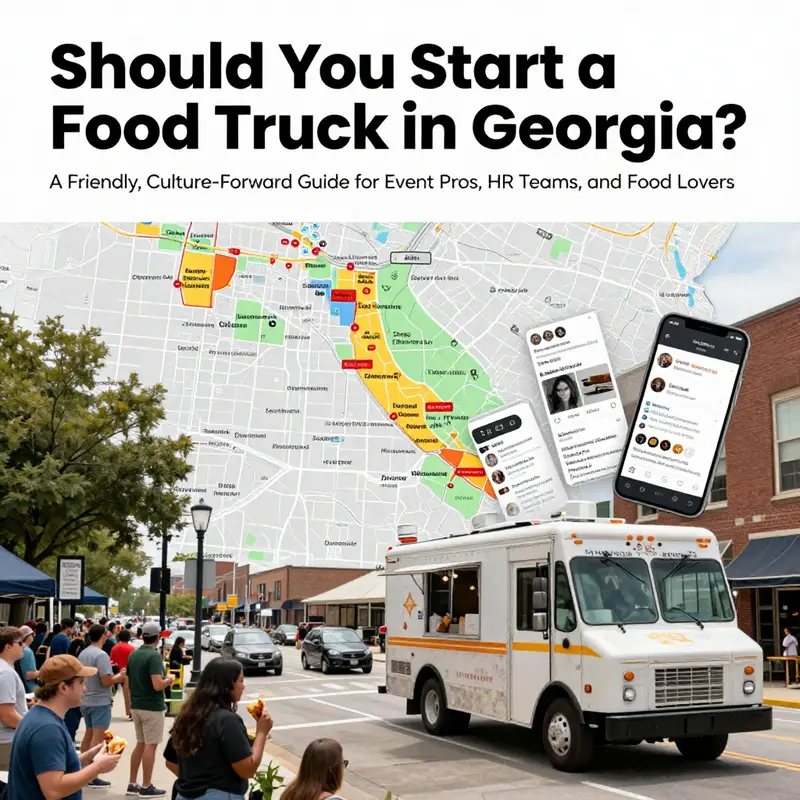
Georgia sits at a crossroads of tradition and transformation when it comes to dining. The state’s cities, led by Atlanta, pulse with a vibrant mix of neighborhoods, commuters, students, and visitors seeking quick, flavorful meals that don’t break the budget. In this landscape, a mobile concept can ride the wave of demand if it’s grounded in clear insights about who is eating, where they gather, and what they care about beyond taste. The opportunity is real, but the recipe for success requires more than a clever menu. It demands a precise reading of market demand, a disciplined approach to location, and a thoughtful sensitivity to evolving consumer values that shape how Georgians choose a meal on the go.
Market demand in Georgia is fueled by a few converging forces. First, the state has a growing urban core with Atlanta at the center, but also a spread of mid-sized cities and college towns where food culture thrives. This diversity matters because it means a wide spectrum of tastes and price points, from quick bites near campuses to more substantial offerings around business districts and event venues. Consumers here expect speed without sacrificing flavor or freshness. They want meals that feel crafted, not just convenient, and they respond to concepts that can prove their value with every bite. The appeal of mobile dining has grown as people increasingly seek experiences they can share online, often short on time yet long on the sense that they are discovering something new. A well-executed truck can translate that sense of discovery into a repeat habit when the menu feels both authentic and adaptable.
Second, Georgia’s dining scene rewards concepts that balance tradition with experimentation. Southern comfort influences remain influential, but there is room for inspired crossovers—regional staples given a new twist, or globally influenced profiles that feel familiar but novel. The market leans toward fast-casual formats: items that are satisfying and inexpensive enough for a lunch crowd, yet distinctive enough to be memorable for dinner and weekend outings. In practice, this means a menu built around a few standout stars—one or two signature dishes that tell a story and encourage customers to return to try variations. Such a strategy helps a truck stand out in a city where food options are plentiful and competition for foot traffic is intense. It’s also important to recognize that a concept’s narrative matters as much as its cholesterol count or its spice level. People are drawn to backstories that feel authentic and to packaging that communicates transparency about ingredients and sourcing.
The third driver is the broader shift toward mobile, high-value dining moments. Consumers veulent high-quality meals at reasonable prices, and the on-demand economy reinforces this preference. Social media amplifies the impact of those moments, turning a well-executed, photogenic dish into a signal that travels far beyond the immediate queue. In this ecosystem, a truck’s success hinges not only on what lands on the plate but also on how the brand shows up online and in person. It’s about a coherent story—where the dish, the vendor, and the audience converge in a shared experience that invites chatter, repeat visits, and word-of-mouth referrals. The narrative matters as much as the recipe.
Yet opportunities must be weighed against practical realities. Georgia’s regulatory environment requires attention, especially when a concept aims to scale from a single cart to a mobile fleet. Local permits, health inspections, and vehicle compliance are non-negotiables. The process varies by city and county, so prospective operators must treat permits as part of the product development timeline, not as an afterthought. A well-planned launch considers the permitting calendar, the vehicle’s readiness, and the availability of sanctioned spaces where trucks can operate legally and profitably. In Atlanta, for example, the density of office cores, university campuses, and cultural events creates a natural demand cycle, but it also demands nimble scheduling and a reliable plan for parking, waste disposal, and food safety compliance. The right balance is to couple a simple, controllable menu with a clear route to regulatory compliance so downtime is minimized and customer trust remains high.
Location strategy in Georgia should be framed as a long-term learning process rather than a one-off decision. The aim is to identify zones that deliver consistent foot traffic without becoming oversaturated. Real-time data—such as crowd flow patterns around transit hubs, peak hours on university campuses, and the timing of local festivals—can guide decisions about where to park, when to operate, and which days of the week to lean into certain neighborhoods. This approach helps avoid the common trap of chasing every popular spot and instead prioritizes areas with sustainable demand aligned to the menu’s strengths. In practice, this means starting in a few anchor locations that fit the concept, then using a rapid feedback loop to refine the schedule. A truck might pair a weekday lunch focus near an office district with evening and weekend access in residential corridors or near entertainment venues. The ability to flex the schedule is essential in Georgia, where seasonal events—from farmers’ markets to outdoor concerts and cultural fairs—pull in diverse crowds and create opportunities to test new dishes and formats.
Another critical aspect of the location conversation is sensitivity to the regulatory and programmatic environment in different cities. Savannah, Athens, and Atlanta each offer distinct pathways for vendors, with some programs featuring designated spaces or streamlined licensing processes that can accelerate an operation’s footprint. Understanding these differences is not just bureaucratic trivia; it translates into a practical calculus about where a truck can operate, for how long, and under what constraints. A thoughtful operator treats these rules as a design parameter—shaping the menu, the service model, and the marketing approach so that compliance and profitability reinforce each other rather than compete.
The consumer trends shaping Georgia’s mobile dining scene reflect a broader national trajectory while staying distinctly local in flavor. Freshness and transparency have moved from buzzwords to baseline expectations. People want to know where ingredients come from, how they are prepared, and why a dish matters. This preference dovetails with the growth of plant-forward options and a willingness to explore global tastes through a time-efficient lens. A successful truck will highlight seasonal ingredients, local suppliers, and responsible practices that reduce waste and support nearby producers. The emphasis on sustainability is not merely moral; it’s practical. It translates into packaging choices that minimize impact, waste streams that are easy to manage, and a brand story that customers can rally around. In Georgia, with its varied agricultural landscape, there is ample opportunity to feature produce from nearby farms, sea-friendly seafood options from coastal traditions, or hill-country meats that evoke a sense of place without sacrificing speed or portion control. This alignment between sourcing, story, and speed is what makes a truck feel like a thoughtful extension of the community rather than a generic street food option.
Demographics also shape demand in meaningful ways. Millennials and Gen Z drive the trend toward visually appealing, shareable meals that feel authentic and connected to a larger story. For this audience, the on-truck experience—from the color and typography on the signage to the music in the background and the way food is plated—matters as much as the flavor. The physical design becomes part of the eating experience and a cornerstone of social engagement. In practice, a Georgia truck can capitalize on this by developing signature items that photograph well, packaging that looks intentional, and a story that customers can narrate online. The digital layer—mobile ordering, contactless payments, and loyalty programs—completes the loop and encourages repeat visits. A cohesive digital strategy helps a truck move beyond being a fleeting lunch option to becoming a known, trusted brand within the local food ecosystem.
From a practical standpoint, the path to success in Georgia starts with a disciplined menu and a clear launch plan. The menu should calibrate between what sells quickly and what creates a lasting impression. It should be leverageable across different locations and adaptable to seasonal shifts. A compact core menu, reinforced by occasional limited-time additions, can deliver both consistency and excitement. The cooking approach must emphasize reliability—recipes that deliver the same quality every time, regardless of the location or the day’s constraints. Operational discipline, from food safety to inventory control and waste management, undergirds that reliability. It is the quiet engine that lets a truck scale without losing the personal touch that first drew customers in.
In shaping location and consumer engagement, an operator should also plan for partnerships with event organizers, community groups, and local employers. Food trucks thrive when they are embedded in the life of the neighborhoods they serve. Participating in cultural festivals, campus events, and workplace gatherings can provide predictable revenue streams while offering opportunities to test new dishes and expand the customer base. These relationships also feed the brand story, turning a truck into a familiar, friendly presence in the community rather than a transient vendor. In Georgia, where a sense of place is strong and food is a social experience, these partnerships matter as much as the menu itself. Each event or collaboration becomes a living case study—teaching what works, revealing what doesn’t, and guiding future decisions about where to be and when to operate.
For readers building a plan, the recommended resource that lays out Georgia-specific mobile food vendor requirements is the official Georgia Department of Agriculture guidance for mobile vendors. It provides up-to-date licensing, inspection, and compliance information that helps anchor location choices in real-world constraints rather than aspirations. To connect practical steps with the broader strategy, consider integrating these regulatory insights early in the concept development and road-mapping process, so the business design truly fits the environment it will enter. As a closing thought on the linkage between demand, location, and trends: the most successful Georgia trucks treat the three as a single, evolving system. Demand informs where to stand and when; location strategy translates demand into repeatable revenue; trends shape what guests expect from future iterations. When aligned, they enable a durable path from a rolling cart to a recognizable brand on wheels.
To explore the regulatory framework as you plan, you can consult resources such as Navigating food-truck industry regulations, which provides a practical overview of licensing, inspections, and permits across Georgia’s cities. Navigating food-truck industry regulations.
In sum, starting a food truck in Georgia is a viable venture for entrepreneurs who blend market insight with operational excellence. By prioritizing demand signals from diverse urban centers, choosing locations with enduring foot traffic, and embracing evolving consumer values around freshness, sustainability, and digital engagement, a mobile concept can grow from a single cart into a community staple. The path is not without risk, but with a disciplined approach to the menu, the schedule, and the customer experience, a Georgia truck can carve out a lasting space in a state that rewards both flavor and flexibility.
External resource for industry context and best practices: https://restaurant.org
From Budget to Boulevard: Georgia Food Truck Costs, Gear, and Routes
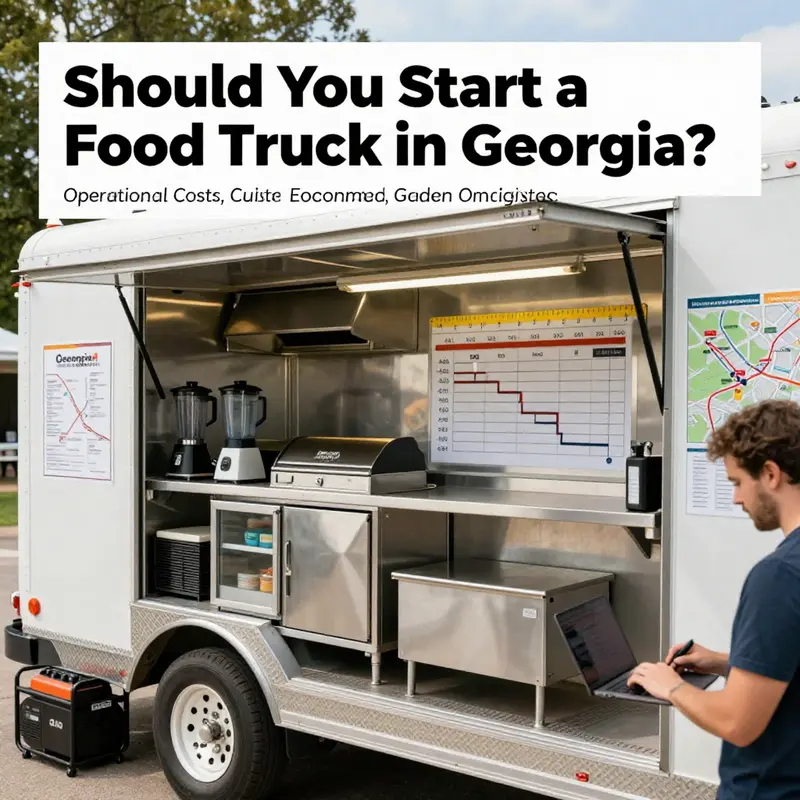
Georgia’s mobile food scene blends Southern comfort with urban vitality. A Georgia food truck is more than a kitchen on wheels; it’s a flexible storefront that can chase festivals, office parks, campuses, and street corners. This chapter traces upfront costs, essential equipment, and the logistics of permits, insurance, and route planning to help you build a plan with real-world discipline. All-in startup costs for a fully equipped truck in Georgia typically range from roughly $75,000 to $150,000, depending on whether you buy new or used, the kitchen footprint, and the quality of gear. Ongoing costs include fuel, maintenance, and daily ingredients, with insurance often running from a few hundred to about a thousand dollars per month depending on coverage and vehicle value. Equip your truck with reliable essentials—a commercial fridge and freezer, a two-burner griddle, a fryer, a sink, and a vent hood that meets local codes—and design a layout that minimizes motion, streamlines service, and preserves safety. Invest in smart tech like a POS system and inventory software to forecast demand and protect margins. Plan routes around high-traffic corridors such as campuses, business districts, and event venues, and seek recurring gigs with partners like venues and farmers markets. Because permits and zoning differ by city and county in Georgia, start early by connecting with local health departments and zoning offices to understand required permits, inspections, parking rules, and renewal timelines. The takeaway is to couple a realistic cost model with a practical operating plan, a compact but compelling menu, and a dependable service rhythm. The next steps are to draft a capital expenditure plan, build an operating budget, and map a flexible route strategy that aligns with seasonal opportunities and festival calendars. For references, consult official Georgia permit resources and practical operator guides to stay current with regulatory updates.
Rolling with Purpose in Georgia: Brand Differentiation, Menu Innovation, and a Growth Path for Your Food Truck
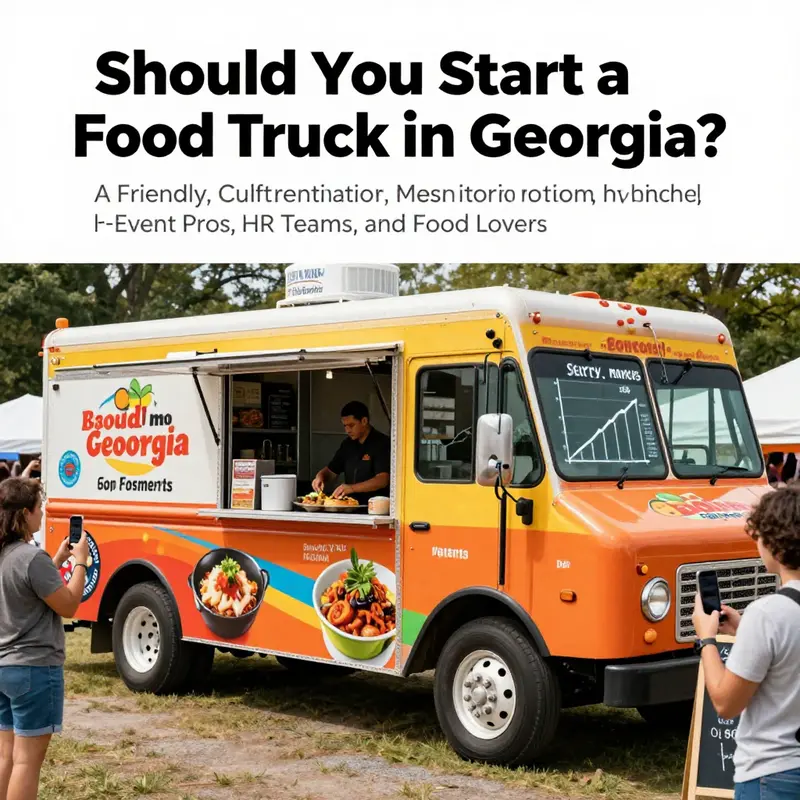
Georgia’s culinary landscape is a living map of tradition and trend, a place where food on wheels can become a moving ambassador for a brand and a community. The opportunity to start a food truck in this state rests not only on sourcing good ingredients and cooking well, but on shaping a brand that travels as reliably as your schedule and as vividly as your menu. In a market crowded with mobile vendors, the most enduring trucks are those that tell a clear story, offer a distinctive identity, and adapt their menu without losing the essence that drew customers in the first place. The journey from a single cart to a recognizable, scalable brand starts with brand differentiation, continues with menu innovation, and unfolds through a deliberate growth path that balances operational discipline with creative risk-taking. In Georgia, where foot traffic swells around downtown districts, university belts, and festival lanes, a truck can ride the wave of local flavor and global curiosity if the strategy behind it is coherent and compelling.
Brand differentiation in this climate is less about gimmicks and more about a genuine articulation of who you are and what you stand for. A successful mobile concept in Georgia often roots itself in a strong origin story—whether it’s a family recipe, a regional twist on a classic, or a personal journey that shaped the menu. Authenticity matters to diners who increasingly value transparency and connection. When a truck clearly communicates its values—be it a commitment to local farmers, sustainable practices, or charitable efforts that support the broader community—that narrative becomes part of the dining experience. Branding is not merely signage and color; it is a living experience that strangers feel drawn to as they approach the window, read the chalkboard, or glimpse the kitchen rhythm through the service window. A cohesive brand voice, echoed across the truck wrap, the menu design, the uniforms, and the online presence, helps cultivate trust and recognition over time.
In practice, differentiation can ride the line between heritage and novelty. A truck that pays homage to Georgia’s southern roots while incorporating contemporary techniques signals continuity and progress. A strong color palette and logo that suggest warmth, hospitality, and bold flavors make a first impression that persists when the line grows longer. The most effective brand stories weave in elements of locality—seasonal ingredients tied to Georgia farms, neighborhood partnerships, or community-centered initiatives—so customers feel they are supporting more than a single meal. This approach often yields higher return visits and organic word-of-mouth, because people want to share something they perceive as meaningful, not merely convenient. Importantly, differentiation is not about chasing every trend. It is about choosing a core narrative that you can sustain through seasons, events, and even expansion, so the brand remains coherent when you scale.
As you craft the brand, the visual identity becomes the first conversation with potential customers. A memorable logo, legible typography, and a vehicle design that tells the story even when the truck is parked at a festival or rolling through a neighborhood street are invaluable. The vehicle itself functions as a mobile billboard, so the graphics need to communicate quickly, cleanly, and consistently. A consistent visual identity also supports the consistency of flavor. When a customer sees the same branding in a different setting—at a food hall, a private event, or a pop-up—the recognition reinforces trust and curiosity. In the food-truck world, where the window becomes a stage, the brand voice should translate into visuals, food presentation, and even the pace of service. The net effect is a higher likelihood of repeat customers and more robust organic marketing through social shares and recommendations. A practical takeaway is to align your branding with a few measurable principles: clarity, authenticity, and a clear promise that connects with your menu and location strategy. When these elements converge, brand differentiation becomes a driver of growth rather than a decorative layer.
If branding is the compass, menu innovation is the engine that keeps you moving. A successful Georgia truck offers a menu that feels at once rooted in place and open to new influences. Seasonal menus that spotlight Georgia-grown produce—peaches in summer, heirloom tomatoes in late spring, or sweet potatoes in autumn—create a farm-to-truck story that resonates with local diners and visitors alike. Limited-time offerings generate excitement and social media engagement, turning the truck into a taste of the moment. The key is to balance these dynamic items with a stable core lineup—a set of signature dishes that customers can expect and recommend. This approach builds reliability while preserving the freedom to experiment. In practice, the core menu serves as the backbone, while seasonal or experimental items act as the spark that invites return visits and conversation at the window. Dogged attention to quality during both normal operations and promotional push periods matters more than the frequency of changes.
Beyond flavor and story, the menu should reflect customer needs and dietary trends without diluting the brand. Plant-based options, gluten-free accommodations, and lighter alternatives can broaden the audience while still aligning with the brand’s identity. Georgia’s evolving dining culture rewards menus that are inclusive and transparent about ingredients and preparation methods. A practical strategy is to map a yearly calendar of potential menu shifts that align with local events, harvests, and festivals. Pairing limited-time items with a family-style sharing platter or a build-your-own concept can offer both novelty and accessibility. Innovation should be purposeful, tied to the brand narrative, and scalable across channels—think cross-promotions with merch or a pop-up collaboration that reinforces the brand story. Regular tasting sessions, even informal, can capture feedback from regulars and adapt more quickly than relying on intuition alone. In essence, menu innovation is not a constant churn but a disciplined cycle of exploration, testing, and refinement that keeps the truck relevant without losing its core appeal.
The growth path from a single truck to a larger footprint is a careful choreography of operations, finance, and brand equity. The most enduring operators start by mastering the fundamentals: timely service, consistent product quality, and an engaging customer experience. In Georgia’s busy markets, success hinges on location strategy and timing. High-traffic corridors, downtown districts, proximity to universities, and festival calendars offer predictable streams of potential customers. The first stage is to optimize the day-to-day model—inventory management, staffing, food safety, and the flow of orders—to deliver a seamless experience at peak times. Once the system operates smoothly, growth becomes a matter of scalability rather than improvisation. Franchising can be a route if the brand has a repeatable, protective operating model, clear standards, and proven profitability. Alternatively, a delivery-focused ghost kitchen or a shared commissary can extend reach without the overhead of a second physical storefront. Some operators also diversify through branded merchandise or by offering catering services for corporate events and local happenings. Each path requires careful planning, but the underlying principle remains the same: growth should amplify the brand story and operational strengths rather than dilute them.
Regulatory readiness is a constant companion on any growth trajectory. Georgia requires a suite of licenses and inspections for mobile food vendors, and staying compliant is essential to long-term viability. A structured approach to permits, health inspections, and vehicle compliance creates a solid foundation for expansion. It’s wise to integrate regulatory considerations into the initial business plan rather than treating them as afterthoughts. This proactive stance helps when approaching investors or negotiating partnerships, and it reduces the risk of costly delays as you scale. In this regard, the formal permit processes act as guardrails that protect both the entrepreneur and the public, ensuring safety, quality, and accountability as the brand grows from street corner to multiple locations or a central kitchen. For entrepreneurs who want a practical reference, official guidance specific to mobile food vendors and vehicle operations can be found through state and local health authorities. The existence of clear guidelines helps you plan with confidence, knowing what the path looks like as you move from one truck to a broader footprint.
If you are contemplating this journey, consider how you will translate your brand and menu into a growth plan that remains true to your initial promise. One effective approach is to design growth scenarios that test the same core assumptions: does the brand story hold across neighborhoods? can the menu maintain quality at higher volumes? do your operational processes scale without compromising safety and service speed? By keeping questions like these at the center of your planning, you can chart a growth path that feels natural rather than forced. Georgia’s vibrant food culture provides fertile ground for such an approach, offering both the inspiration of a strong culinary tradition and the demand for innovative, accessible dining experiences. The result is not simply more meals sold, but a living, breathing brand that travels well and travels far.
In addition to the practical steps, it helps to connect with resources that support small businesses as they embark on or expand their food-truck ventures. Local economic development programs, culinary incubators, and industry associations can provide guidance on licensing, marketing, financing, and supplier networks. The right guidance accelerates learning and reduces missteps, which is particularly important when growth involves multiple locations or a transition from a mobile concept to a fixed site or delivery-focused operation. The core takeaway is that differentiation, innovation, and growth are not isolated priorities; they are interdependent facets of a coherent strategy. A brand with a clear narrative attracts customers; a menu that evolves with intention sustains interest; and a growth plan built on solid operations and compliance ensures that expansion is both profitable and sustainable. When these elements align, a Georgia food-truck venture can become more than a mobile kitchen—it can become a resilient brand that travels with purpose, draws a loyal following, and invites expansion in a market eager for fresh, flavorful, and convenient dining.
For readers who want a practical starting point, begin by documenting your brand story, the values you want to communicate through every customer interaction, and the menu pillars that will anchor your kitchen. Sketch how your truck design, packaging, and online presence will tell that story in a unified voice. Then map a growth path that starts with a single, optimized route and a few strategic events, and grows through partnerships, new locations, or delivery concepts as you prove the model. With thoughtful branding, deliberate menu innovation, and a clear growth path, starting a food truck in Georgia can become a launchpad for a durable food brand that thrives on wheels.
Internal resource for branding guidance: branding-on-wheels: the ultimate guide to food-truck graphics and identity
External resource for regulatory grounding: Official guidance on mobile food facility permits and related requirements is available here: https://dph.georgia.gov/mobile-food-facility-permit
Final thoughts
Launching a food truck in Georgia is a reachable, exciting opportunity for event organizers, corporate teams, and culinary enthusiasts alike. By aligning regulatory readiness with a clear market map, practical budgeting, and a distinctive brand story, you can craft a mobile dining concept that resonates across neighborhoods, campuses, festivals, and office parks. The journey from permit to popular pick-up line is about thoughtful planning, authentic flavor, and a commitment to consistent quality. Use Georgia’s local context, lean into culturally rich menus, and start small with a scalable plan that invites partnerships, repeat orders, and future growth. When you thread together compliance, location intelligence, efficient operations, and a brave, clear brand, Georgia becomes not just a market but a stage for your mobile culinary dream.