The Thrill of Food Truck Events
Planning an event centered around food trucks is an electrifying experience that ignites the senses and fosters community spirit like no other. Imagine a bustling atmosphere filled with the vibrant aromas of diverse cuisines wafting through the air, as friends and families gather to feast on delectable dishes from around the world-all in one location! From gourmet tacos to mouth-watering barbecue, food trucks bring together not just a variety of flavors but also a rich tapestry of cultural backgrounds, each with its own unique story and culinary tradition.
As an event planner, the excitement comes from curating an unforgettable experience that encourages community bonding and celebrates local talent. The sight of colorful trucks lined up, each offering something special, creates a lively environment, drawing in food enthusiasts and curious passersby alike. Moreover, collaborating with local food truck owners supports small businesses and strengthens the economy. Whether you’re coordinating a vibrant festival, a corporate gathering, or a community celebration, embracing the food truck phenomenon is about more than just food; it’s about creating an event that resonates with inclusivity and flavor-an event everyone will want to attend! Learn more about choosing the right food truck model to make your event a success!
Embrace the Variety and Community Spirit
Food trucks are more than just mobile kitchens; they are a celebration of cultural diversity. Each food truck is a portal to a different experience, offering authentic dishes that tell the stories of their creators. Planning an event with food trucks means embracing this variety and creating an inclusive environment where everyone can savor something they love. So, gather your ideas, rally your community, and get ready to embark on an exciting journey into the world of food trucks!
Join us as we explore the art of orchestrating a successful food truck event, where delight awaits at every turn!
Key Considerations for Planning an Event with Food Trucks
When planning an event featuring food trucks, here are essential factors to keep in mind:
- Permits and Licenses: Ensure that all food trucks have the necessary local permits and licenses to operate, which may vary by location. Refer to guidelines from local authorities for specifics.
- Diverse Vendor Selection: Aim for a variety of cuisines to appeal to a broad audience. This can enhance the experience and attract more attendees.
- Location and Space: Evaluate the event space for adequate parking and setup areas for each food truck. This will facilitate smooth operations.
- Logistics and Setup: Plan for utility needs like power and water. Additionally, establish a clear timeline for setup and service.
- Health and Safety Compliance: Ensure all vendors comply with health regulations and food safety standards for a safe dining experience.
For more detailed tips, you can check out this guide on planning events with food trucks and advice regarding food truck regulations.
Vendor Selection Criteria for Food Trucks
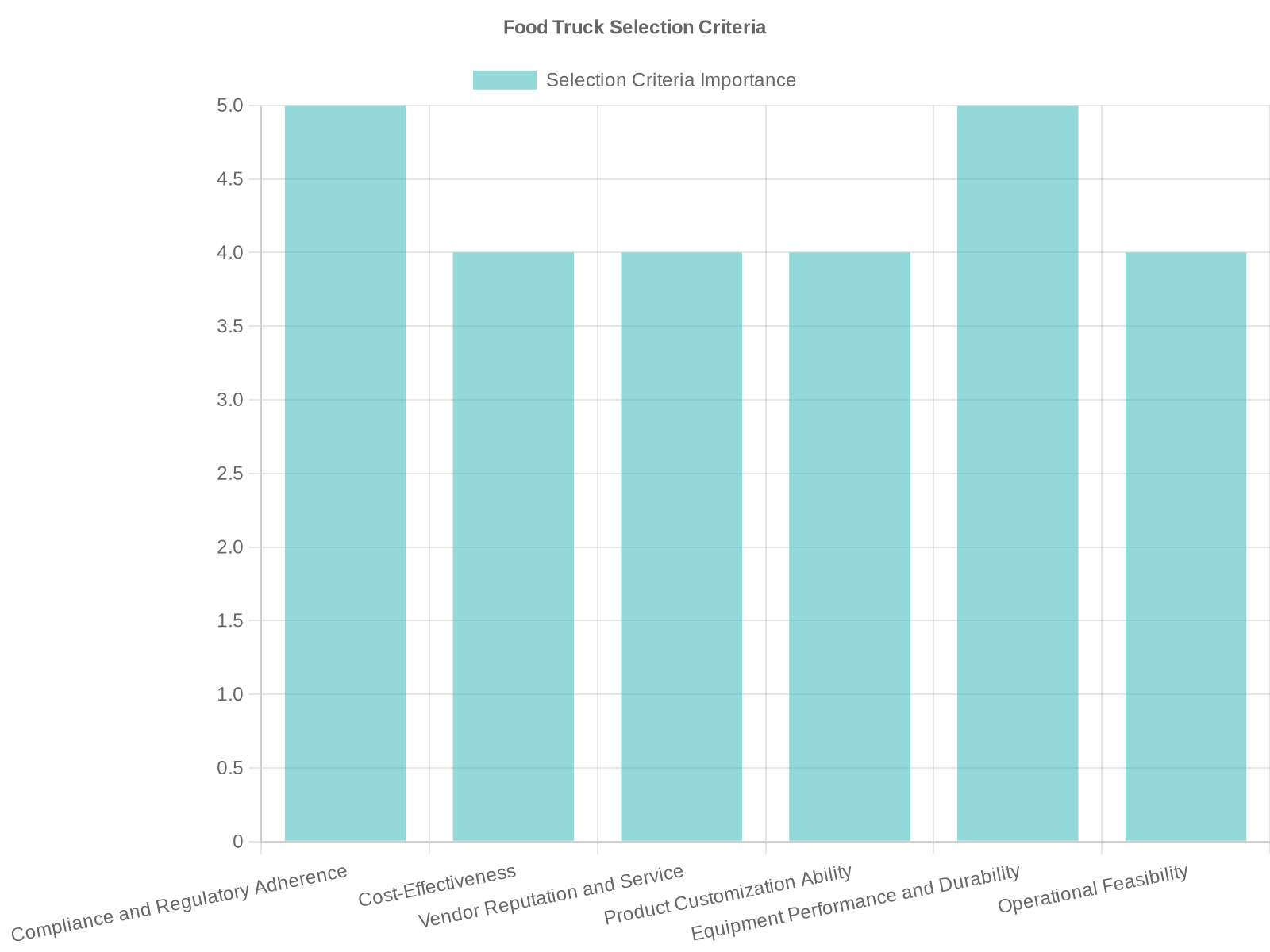
When planning an event with multiple food trucks, it’s essential to choose vendors that will provide a memorable dining experience. Here’s a friendly guide on the key criteria to consider:
1. Cuisine Variety
- Menu Diversity: Ensure the vendor offers a variety of dishes that appeal to different tastes and dietary needs (e.g., vegan, gluten-free).
- Cultural Authenticity: Authentic cuisine enhances the culinary experience at your event.
2. Cost-Effectiveness
- Transparent Pricing: Assess the total cost, including additional fees (setup, service, equipment).
- Budget Alignment: Compare how each vendor’s pricing fits your budget without compromising quality. Vendors may offer flat rates or per-person pricing models.
3. Reputation
- Online Presence: Research vendors’ social media and online reviews. Positive feedback on platforms like Yelp or Google indicates reliability.
- Past Experience: Look for testimonials and pictures from previous events to gauge service quality.
4. Additional Considerations
- Compliance with Local Regulations: Ensure vendors adhere to health and safety regulations.
- Service Quality: Prioritize vendors known for punctuality and excellent customer service.
Choosing the right food truck vendors is crucial to event success. For more details on maximizing your food truck experience, check out this guide.
For expert tips on food truck branding, enhance your event’s culinary allure.
Logistics and Setup
When planning an event featuring multiple food trucks, seamless logistics and setup are vital for ensuring a smooth operation and an enjoyable experience for attendees. Here are some key considerations to keep in mind:
Layout and Vendor Placement
- Site Layout: Collaborate closely with event planners to establish a clear site map that designates specific areas for food trucks. Early confirmation of layouts helps avoid conflicts with other vendors and ensures that each truck has enough space to serve customers efficiently.
- Flow of Attendees: Strategic placement of food trucks can significantly enhance guest experience. Arrange trucks in a way that encourages foot traffic to smoothly flow from one truck to another, creating a festive atmosphere. Consider placing popular trucks in the center to draw crowds, while positioning others nearby to prevent congestion.
Space Requirements
Each food truck requires adequate space for setup, including:
- Service Area: Ensure there is room to prepare and serve food without obstructing pathways.
- Safety Clearances: Leave enough space for customers to line up and move around comfortably, also allowing for safety clearances, especially near cooking equipment.
Compliance and Permits
Before the event, ensure all necessary permits and licenses are secured. This may include:
- Health Certifications: Trucks must comply with local health regulations, including temperature controls and sanitation protocols. Prepare for on-site inspections.
- Operational Compliance: Vendors should have liability insurance, valid business licenses, and adhere to waste management policies.
Event Timing and Coordination
Arriving early is crucial. Food trucks should aim to set up at least two hours before the event starts to:
- Get Everything Ready: This includes checking equipment functionality, setting up serving stations, and ensuring that all supplies are in place, from ingredients to hygiene materials.
- Staff Briefing: Ensure all staff are trained on health and safety protocols, communication procedures, and emergency plans.
For additional insights on selecting the right food truck models and operational guidelines, you can learn more and explore compliance regulations.
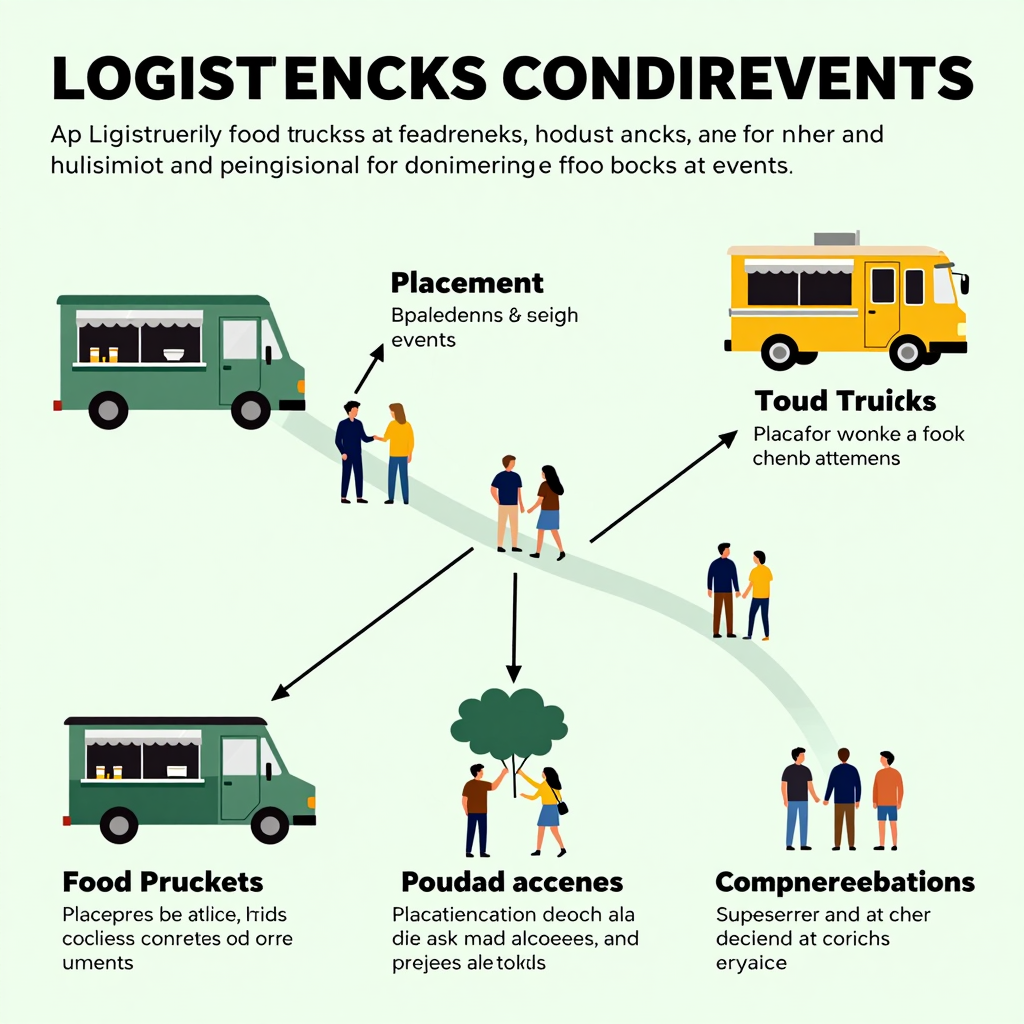
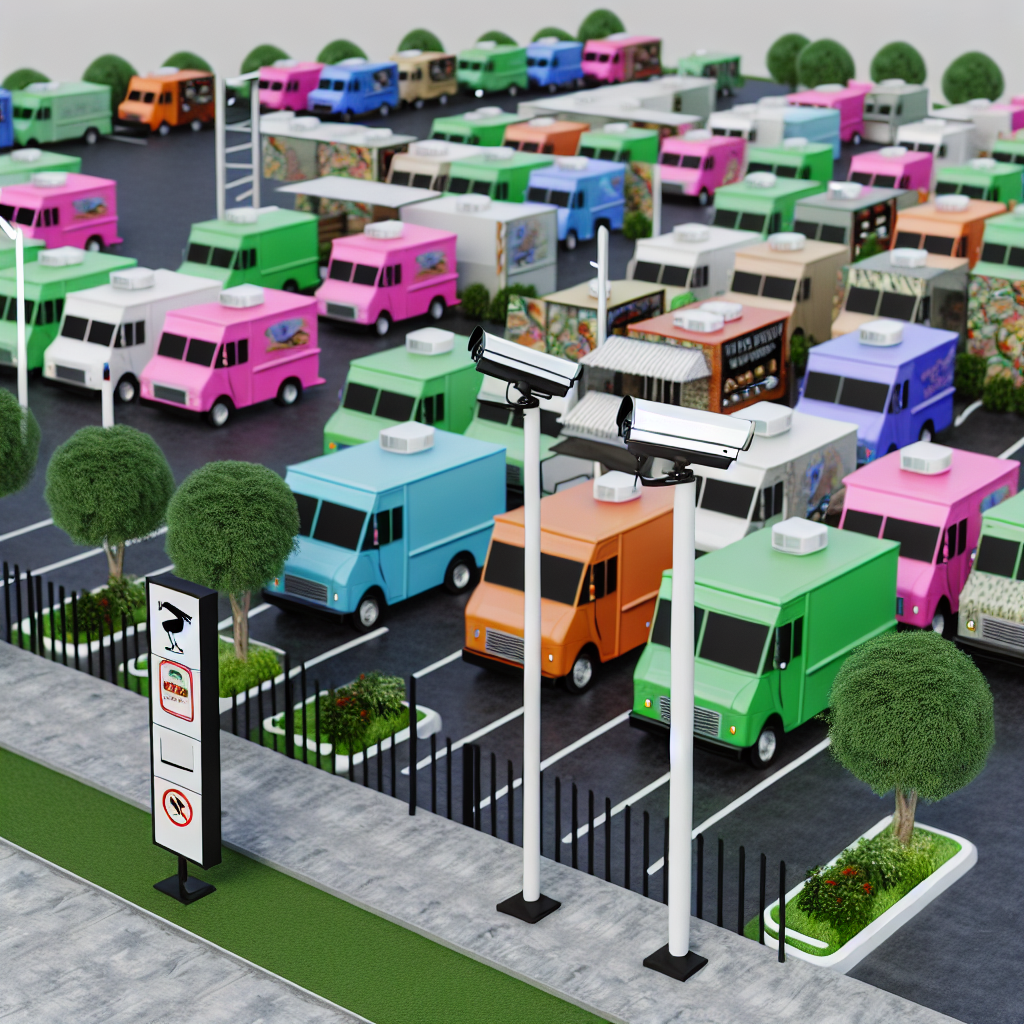
This infographic captures the essence of the setup process, making it easier to visualize the flow and placement of food trucks.
| Food Truck Name | Cuisine Style | Price Range | Specialty |
|---|---|---|---|
| El Come Tacos | Mexican | $6 – $12 | Torta Ahogada, a Guadalajara-style sandwich |
| Munchie Mobile | American | $5 – $14 | Gourmet burgers and fried Oreos |
| Mexico BLVD. | Mexican | $6 – $9 | Authentic tacos and tortas |
| Morris Grilled Cheese | American | $8 – $12 | Chef-driven gourmet grilled cheese |
| Phil’s Steaks | American | $10 – $14 | Premium Philly cheesesteaks |
| Daisy May’s BBQ Cart | BBQ | $12 | Smoked ribs |
| Kimchi Taco | Korean-Mexican | $7 – $10 | Kimchi-filled tacos |
| Souvlaki GR | Greek | $8 – $12 | Authentic Greek souvlaki |
| Morocho | Peruvian | $10 – $14 | Heart skewers |
| Sammy’s Halal Cart | Middle Eastern | $7 – $14 | Halal roti |
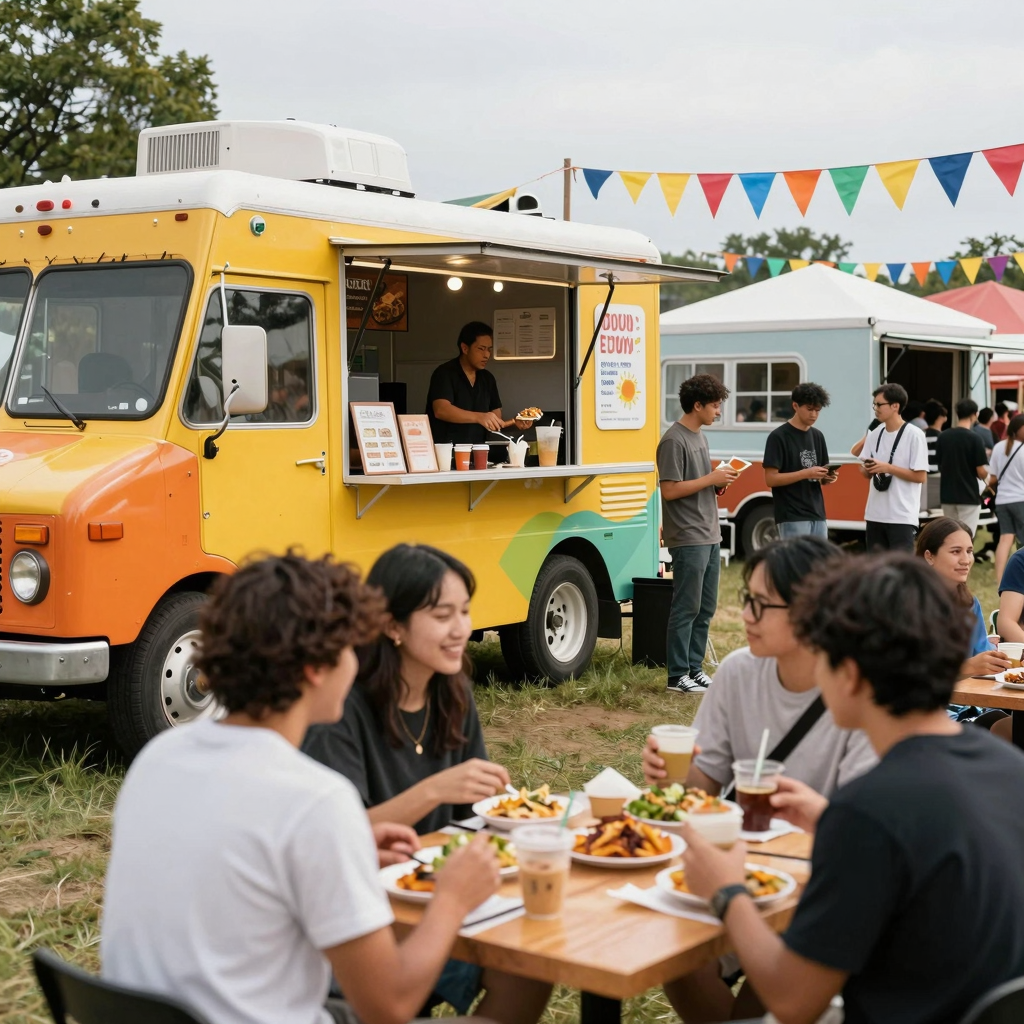
“Variety is the heartbeat of any successful food truck event-without diverse cuisines, flavors, and cultural offerings, you risk monotony. But engagement is what turns attendees into participants. When guests are invited to vote on menu items, join cooking demos, or engage with chefs, the event transforms from a simple meal into an experience.”
- Sarah Lin, renowned event planner, as featured in EventProfs Blog
Planning an event with multiple food trucks is all about creating an engaging and memorable experience for your attendees. To dive deeper into selecting a variety of food options, check out our guide on choosing the right food truck model!
Conclusion
In summary, organizing a successful food truck event is a multi-faceted endeavor that requires careful planning and execution. From our discussion, we’ve highlighted the importance of crafting a streamlined menu and building a solid brand identity, which contributes significantly to the event’s overall engagement and success. Choosing high-traffic areas, such as festivals and community gatherings, not only maximizes visibility but also enhances the potential for repeat business.
Moreover, key elements like securing the right permits, ensuring adequate space for vendors, and keeping a close watch on logistics-from crowd control to sanitation-cannot be understated. The alignment of these components ultimately results in a smooth and enjoyable experience for all participants: vendors, organizers, and attendees alike.
To further enrich your food truck event planning, consider the insights shared in our guides on choosing the right food truck model and navigating food truck industry regulations. Properly planning not only mitigates risks but also sets the stage for success and compliance, leading to memorable experiences and fruitful outcomes. So, dig in, start planning meticulously, and watch your food truck event thrive!
User Feedback on Food Truck Events
Food truck events have surged in popularity, attracting diverse crowds looking for fresh, high-quality meals in a lively social atmosphere. Recent studies highlight several key factors that contribute to their success:
-
Positive Experiences: According to a report by the National Food Service Association, 87% of participants reported positive experiences at food truck events. High ratings were given for food freshness and menu variety, showcasing the importance of quality offerings.
-
Social Interaction: Over two-thirds of respondents cited social interaction and the ambiance as their main motivations for attending. It’s clear that the communal experience of food truck events enhances their appeal, making them a great choice for gatherings.
-
Convenience and Sustainability: A significant 43% noted the convenience of mobile dining as a primary draw. Additionally, the focus on sustainable practices is evident, with 72% of attendees valuing the use of local ingredients and eco-friendly packaging.
-
Consumer Preferences: An Eventbrite survey revealed that customers prioritize menu diversity (91%) and affordability (85%). Social media also plays a crucial role, with 64% inspired to visit food trucks via recommendations on platforms like Instagram.
These insights demonstrate how food truck events successfully combine diverse culinary options with an enjoyable, eco-conscious experience, making them a favorite choice for food lovers.
Food Truck Industry Revenue Growth (2013-2023)
| Year | Revenue (USD Million) | Notes |
|---|---|---|
| 2013 | 1,600 | Baseline year; early growth phase |
| 2014 | 1,700 | Steady increase in urban food truck adoption |
| 2015 | 1,800 | Expansion of food truck events and festivals |
| 2016 | 1,900 | Increased consumer demand for mobile dining |
| 2017 | 2,100 | Rise of social media-driven visibility |
| 2018 | 2,200 | Growth in food truck partnerships with restaurants |
| 2019 | 2,300 | Peak pre-pandemic revenue; strong market confidence |
| 2020 | 2,000 | Pandemic impact: lockdowns, reduced foot traffic |
| 2021 | 2,300 | Recovery begins; increased outdoor and delivery focus |
| 2022 | 2,400 | Strong rebound; normalization of events and mobility |
| 2023 | 2,300 | Slight decline due to inflation and economic uncertainty |
Key Trends & Annotations:
- Steady Growth (2013-2019): Consistent annual increases driven by urbanization, convenience culture, and event-based marketing.
- Pandemic Dip (2020): Revenue drop attributed to lockdowns, reduced public gatherings, and supply chain disruptions.
- Recovery & Resilience (2021-2022): Shift to outdoor dining, delivery integration, and hybrid models boosted recovery.
- Market Saturation/Adjustment (2023): Growth plateaued due to macroeconomic factors including inflation and rising operational costs.
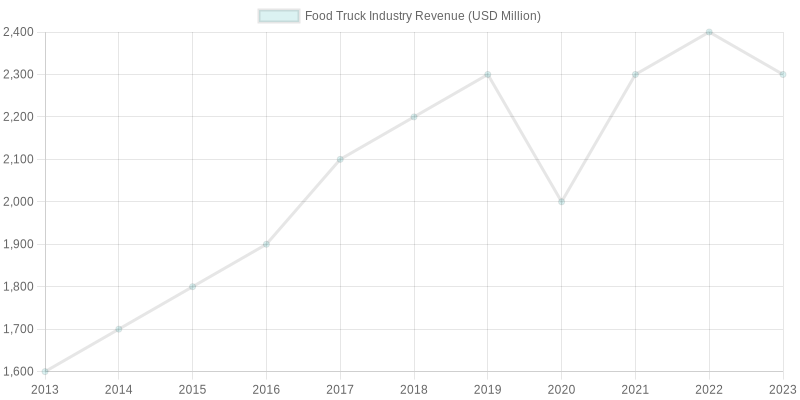
Note: Data sourced from industry reports and market analysis (2023-2024), including “The Rise of the Food Truck Phenomenon” (2023) and global food service trend assessments.