Introduction
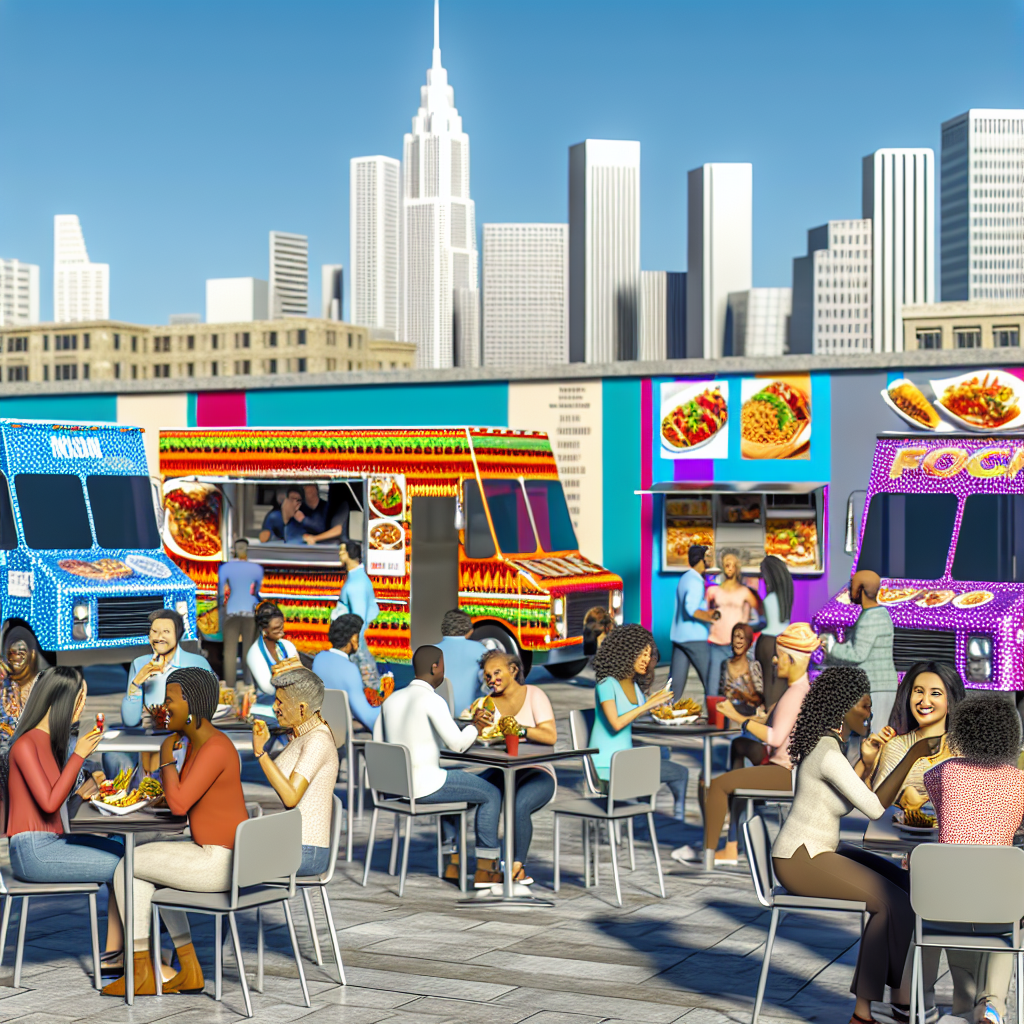
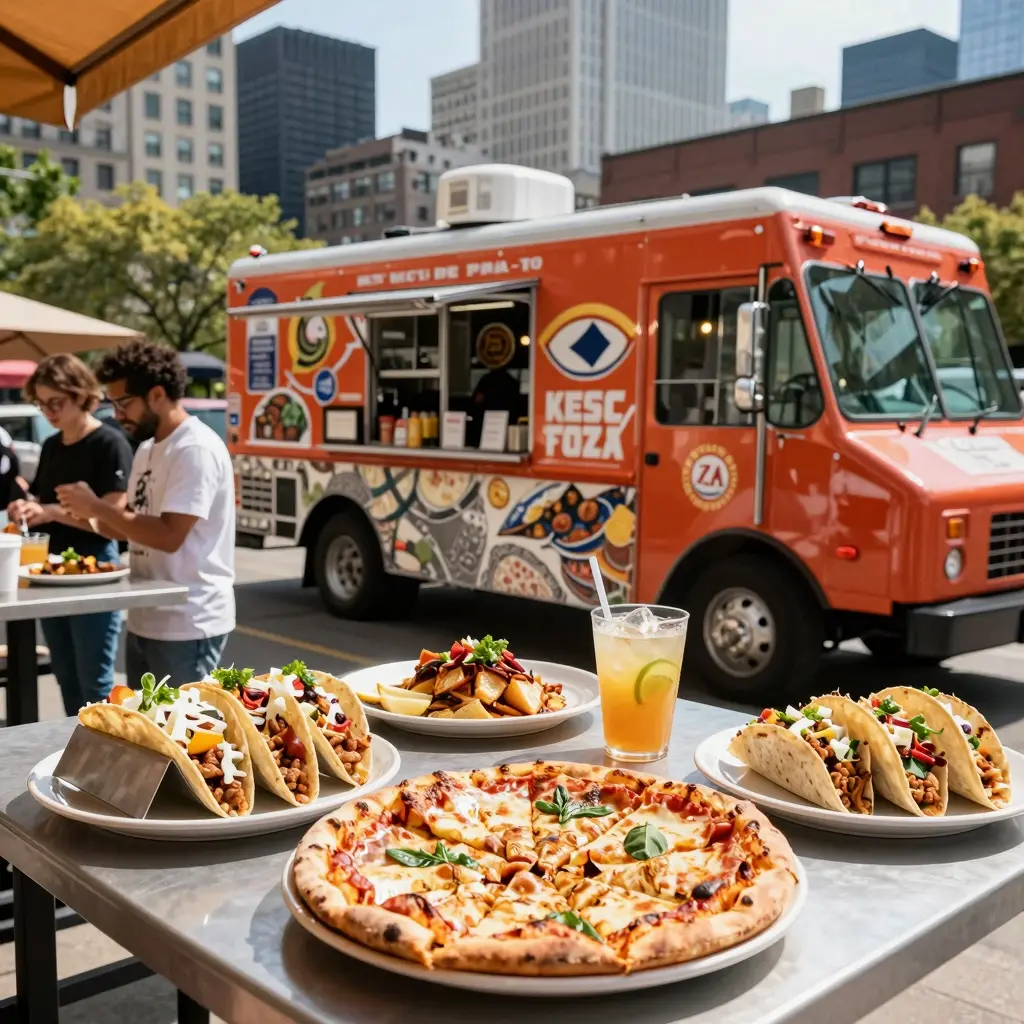
Starting a food truck business in Chicago is more than just setting up shop; it’s diving into an electrifying culinary adventure. As one of the country’s most vibrant food scenes, Chicago bursts with flavors and cultures from all around the globe. From savory deep-dish pizza to mouthwatering tacos al pastor, the city’s culinary diversity is an invitation for food enthusiasts looking to carve out their own niche. Whether you’re an event planner catering to corporate gatherings or an individual consumer with a passion for great eats, the opportunities are vast. Imagine rolling through the Windy City, serving delectable dishes that draw crowds and keep them coming back for more. By tapping into Chicago’s rich culture and thriving food community, you can start a journey that not only satisfies the local palate but also establishes your unique brand in this bustling market. For those looking to take that first step, it’s essential to choose the right food truck model that aligns with your vision and menu offerings. Get ready to set your wheels in motion and explore the rewarding world of food trucking in this iconic city!
Step-by-Step Guide to Start a Food Truck Business in Chicago
Starting a food truck business in the Windy City is an exciting venture, infused with the rich culture and vibrant food scene. Here’s a friendly and energetic step-by-step guide for aspiring food truck owners!
Step 1: Develop a Business Plan
- Define Your Concept: What unique food offerings will you provide?
- Market Research: Identify your target audience and analyze competitors in the area.
- Budgeting: Forecast your startup costs, ranging between $50,000 and $100,000, including the purchase of a truck, equipment, and inventory.
Step 2: Register Your Business
- Choose a business structure (LLC, sole proprietorship) and register it with the Illinois Secretary of State.
- Obtain an Employer Identification Number (EIN) from the IRS.
Step 3: Obtain Required Licenses and Permits
- Mobile Food Vendor (MFV) License: Apply through the City of Chicago’s Department of Business Services; the application includes a $750 annual fee and passing a health inspection. More details can be found on the City of Chicago Official Website.
- State Food Establishment Permit: Obtain from the Illinois Department of Public Health. A valid CDPH health inspection is required.
- Ensure to have general liability insurance with a minimum coverage of $1 million.
Step 4: Design Your Menu and Branding
- Craft a menu that highlights unique offerings, using fresh ingredients sourced from local suppliers.
- Focus on creating strong branding elements, such as a memorable logo and truck design. For branding tips, check out this ultimate guide to food truck graphics.
Step 5: Logistics and Operations
- Research popular locations and strategic timing to attract customers, especially around popular spots in downtown Chicago.
- Use GPS tracking systems to monitor your location and adhere to operating restrictions, like the 200-foot rule from brick-and-mortar restaurants.
- Manage ingredients and inventory effectively using dedicated software.
Step 6: Market Your Food Truck
- Utilize social media and local food-related events to promote your brand and specials.
- Engage with local communities and participate in food festivals to build a loyal customer base.
By following these steps, you’re well on your way to launching a successful food truck in Chicago! Embrace the hustle and let your culinary creativity shine!
Legal Requirements for Starting a Food Truck in Chicago
If you’re dreaming of starting your own food truck business in the vibrant streets of Chicago, it’s essential to navigate the legal landscape effectively. Here’s a friendly guide to the must-have permits and regulations.
1. Business License and Food Service Establishment Permit
To start off, you need to obtain a Food Service Establishment Permit from the Chicago Department of Public Health (CDPH). This involves passing health inspections and adhering to strict food safety standards. Such standards ensure safe food handling, sanitation, and equipment requirements.
Additionally, a City of Chicago business license is required for all mobile food vendors. You can find details about the process on the BALS mobile food vendor page.
2. Health Regulations
Compliance with health regulations is vital. Operators must:
- Maintain proper food storage and sanitation.
- Have a certified food manager on staff.
- Ensure all food preparation areas are clean and meet health code standards.
3. Zoning Laws
Zoning laws dictate where you can operate. Food trucks are generally prohibited from parking within 200 feet of another licensed food establishment. Special permits are required for events, festivals, or operating in high-traffic areas. Be sure to check with the Chicago Department of Buildings for specific zoning regulations.
By keeping these requirements in check, you’ll be well on your way to serving delicious food from your food truck in the Windy City!
Comparing Food Truck Permits and Fees in Chicago
Understanding the costs and permits involved in operating a food truck in Chicago is crucial for potential business owners. Here’s a table summarizing the different types of permits needed along with their associated fees and processing times:
| Permit Type | Initial Application Fee | Annual Renewal Fee | Processing Time |
|---|---|---|---|
| Food Truck Permit | $1,000 | $600 | Up to 45 days |
| IDPH Permit | Included in application | N/A | N/A |
For more detailed information, you can check out the official sources: City of Chicago Official Website and Chicago Tribune.
Menu Development for Your Food Truck
Creating a food truck menu that resonates with your local audience is essential for success. Start by exploring local tastes and cultural preferences; understanding what dishes are popular in your community is crucial. Incorporate regional specialties and comfort foods-perhaps Chicago-style deep-dish pizza or signature hot dogs-into your offerings. Using fresh, locally sourced ingredients not only attracts health-conscious customers but also supports local farmers and businesses.
Keeping your menu concise, ideally between 10-15 items, helps ensure quality and expedites service. It’s important to offer a mix of global flavors alongside local favorites. For instance, consider adding Italian street food or Mexican-inspired dishes that reflect your audience’s diverse tastes. Use appealing names and descriptions that create an emotional connection and highlight key ingredients. This approach invites curiosity and engagement, encouraging customers to try your offerings.
Cultural authenticity plays a pivotal role in menu development. According to a Food & Wine article, blending familiar foods with innovative, globally-inspired elements enhances menu appeal. Your dishes should tell a story-perhaps about family recipes or culinary heritage-which builds an emotional bond with customers.
Moreover, include dietary options such as vegetarian, vegan, and gluten-free to cater to the increasing diversity in dietary preferences. Feedback from early customers can guide adjustments, allowing you to refine your menu based on demand and seasonal changes. Ultimately, ensuring your offerings resonate culturally and taste-wise with your community will make your food truck a cherished staple in Chicago.
As the food truck business continues to thrive in Chicago, understanding the dynamic culinary landscape can significantly influence menu offerings. Here are some of the key trends impacting food trucks in the city, coupled with ways to capitalize on those trends.
1. Fusion Flavors
Chicago’s food scene is vibrant with examples of fusion flavors that culturally blend culinary traditions. A standout example is 3 Little Pigs Chi, located in River North. This food truck has garnered attention for its unique offerings like Chinese fried chicken burgers and char siu pork rice, appealing immensely to younger consumers who value innovation in their dining experiences. Leveraging globally-inspired creations can help food trucks attract adventurous eaters.
2. Authentic Flavors
The trend toward authentic flavors, particularly spices from various cultures, is gaining traction. Chaat masala, an Indian spice mix, has been frequently incorporated into unique food options, such as hibiscus-flavored Chaat masala ice cream. This enthusiasm for authentic international cuisine allows food trucks to showcase culturally rich dishes, positioning them as culinary explorers within the city’s diverse gastronomic scene.
3. Emotional and Functional Foods
Another significant trend is the growing interest in emotional foods-items that provide comfort and support mental well-being. Some food trucks are experimenting with offerings that include CBD and other functional plant extracts that promote relaxation. By understanding the psychological aspects of food consumption, operators can create menu items that not only satisfy hunger but also appeal to consumers seeking wellness-enhancing options.
4. Clean and Sustainable Eating
A shift towards clean labels has influenced the food supply chain, pressing many food truck owners to showcase their ingredient sourcing. Transparency about ingredient origins, along with an emphasis on sustainable and non-GMO produce, is becoming more important for customers. Emphasizing these aspects in your food truck can increase trust and loyalty among health-conscious and eco-friendly consumers.
Conclusion
Incorporating these trends into food truck offerings can position a new business for success in Chicago’s competitive culinary landscape. Engaging with flavors that resonate with local tastes while also emphasizing health and sustainability will help attract a diverse clientele. For more insights on optimizing your food truck model, consider the guide on choosing the right food truck model for your unique offerings.
By staying attuned to food trends and creatively adapting menus, your food truck can thrive amidst Chicago’s bustling food scene!

Effective Marketing Strategies for Food Trucks in Chicago
Starting a food truck in Chicago can be an exhilarating venture, but it requires savvy marketing strategies to thrive in a bustling culinary landscape. Here are some effective approaches focusing on social media and community engagement to elevate your food truck’s visibility:
1. Leverage Social Media Platforms
Instagram and TikTok
Visual storytelling makes Instagram and TikTok ideal for food trucks. Post mouthwatering photos of your dishes and engage with followers through the following strategies:
- Geolocation Tags: Always tag your current location to reach nearby customers.
- Real-Time Updates: Create urgency by posting about limited-time menu items or specials during events.
- Behind-the-Scenes Content: Sharing chef interactions, prep work, and customer testimonials can foster deeper connections with your audience.
For instance, the Chicago Food Truck Festival successfully harnessed social media to boost attendance by showcasing real-time chef interactions and offering exclusive looks at limited menu items, enhancing their event engagement by 37% over previous years (Chicago Tribune).
2. Collaborate with Local Businesses
Building partnerships with local breweries and bars can create a win-win situation. Consider:
- Weekly Pop-Ups: Set up shop outside local bars to capture their foot traffic.
- Co-Branded Events: Host tasting events with local breweries that celebrate mutual customer bases.
3. Engage with the Community
Establishing community ties can enhance customer loyalty. Engage local consumers by:
- Hosting Cooking Demos: Participate in community farmers’ markets, allowing potential customers to sample your skills.
- Supporting Local Causes: Sponsor local events or youth sports teams to improve brand recognition and community goodwill. A report revealed that food trucks with active community involvement have up to a 40% higher repeat customer rate (WBEZ).
4. Utilize Online Ordering Systems
Invest in a user-friendly online ordering system that integrates with delivery apps like DoorDash and Uber Eats. Highlight exclusive deals for online orders to drive traffic to your website.
- Referral Programs: Encourage your customers to refer friends by offering them rewards or free meal deals. This can cement lifelong loyalty and expand your customer base.
5. Maintain a Strong Brand Identity
Consistent branding elements, such as vibrant truck wraps and clear messaging, can help your food truck stand out on the street. Additionally:
- Google My Business: Keep your hours and location updated to draw in new customers trying to find you.
- Influencer Partnerships: Collaborating with local influencers can amplify your visibility, particularly on visually driven platforms.
In conclusion, food trucks in Chicago can achieve visibility and community engagement through strategic social media use and active participation in local events. Explore these strategies, and watch your food truck business flourish! For more information on creating a strong identity for your food truck, learn more here.
Projected Earnings for Food Trucks in Chicago Neighborhoods
Understanding potential earnings is crucial for aspiring food truck owners. The average annual sales for food trucks in various neighborhoods provide a realistic view of the income potential. Based on recent data from 2023, here’s an overview of projected earnings by neighborhood:
| Neighborhood | Average Annual Sales (Projected Earnings) |
|---|---|
| Wicker Park | $320,000 |
| Logan Square | $320,000 |
| River North | $320,000 |
| Downtown (Loop) | $350,000 |
| South Loop | $350,000 |
| Magnificent Mile | $350,000 |
| Residential areas | $220,000 |

This chart illustrates the projected earnings based on average annual sales in various neighborhoods of Chicago.
For more details on how specific truck models can impact your revenue potential, check out our guide on choosing the right food truck model. If you’re looking for ways to increase your food truck’s visibility and reach, explore our branding tips.
Inspiration from Chicago’s Food Truck Entrepreneurs
Starting a food truck business in Chicago can be challenging, but the success stories of local food truck owners can provide motivation and insight. As Marcus Lee, owner of Taco Nomad, emphasizes,
“We’re not just selling tacos-we’re sharing stories. Our truck started as a passion project, but now we’ve expanded to two vehicles and even host pop-up events. The key? Treat every customer like family, and never compromise on quality.”
This passion and commitment to not only quality food but also authentic connections with customers is what sets successful food trucks apart in Chicago’s vibrant culinary scene.
For more information on the essentials of starting your own venture, check out financial tips for first-time food truck owners and how to choose the right food truck model to ensure your success.