
Unpacking the Cost of Food Truck Licenses in NYC
Have you ever dreamt of serving gourmet grub on wheels amidst the bustling streets of New York City? As exhilarating as this vision can be, diving into the world of food trucks involves navigating a critical element: the food truck license cost. Understanding this cost isn’t just a bureaucratic necessity-it’s essential for event planners, corporate HR teams, and passionate food enthusiasts alike who wish to capitalize on this thriving trend. The NYC food truck regulations can seem daunting, but grasping the ins and outs of licensing can make all the difference in a successful food truck business startup. As you read on, you’ll discover why this knowledge is vital for anyone looking to make a splash in the vibrant food scene of NYC. Whether you’re running your first event or dreaming of launching your own culinary journey, conquering the complexities of food truck licensing is the first step toward turning those dreams into reality. Learn more about food truck regulations and set yourself up for success!
Factors Affecting Food Truck License Costs in NYC
If you’re eyeing the food truck scene in New York City, budgeting for the right permits and licenses is crucial. Here are some key factors influencing the costs associated with food truck licensing:
- Permit Costs: The initial cost of permits can vary significantly, ranging from a few hundred to over a thousand dollars. You typically need a mobile food vending license, among other permits.
- Location: High-demand locations may come with premium fees for parking and operating permits. If you want to park in Manhattan, for example, expect to pay considerably more than in outer boroughs.
- Type of Food Offered: Different food types may require varying health permits, especially if you handle potentially hazardous materials, which can increase costs.
- Insurance Requirements: Food trucks need comprehensive liability insurance, which can add a significant amount to startup costs, depending on coverage levels.
- Health Compliance: Keeping up with health and safety regulations can lead to additional costs related to inspections and required health certifications.
These factors can greatly impact your overall budgeting process, so be sure to navigate the regulations effectively to avoid unexpected expenses!
Keeping these in mind will not only help you prepare your finances but also ensure a smoother entry into the vibrant NYC food truck market!
Navigating the world of food trucks in New York City can be both exciting and tricky, especially when it comes to understanding the necessary licensing regulations. If you’re considering starting your own food truck, it’s crucial to familiarize yourself with NYC food truck regulations to ensure you comply with all requirements.
Permits and Licenses
To legally operate a food truck in NYC, you need several essential permits and licenses, which include:
-
Mobile Food Vendor License: Issued by the NYC Department of Health and Mental Hygiene (DOHMH), this license is mandatory for anyone wishing to sell food from a truck.
-
Food Establishment Permit: This permit is required to ensure that your food truck complies with health and safety standards. You must meet specific hygiene and sanitation guidelines, which include regular inspections.
-
Additional Permits: Depending on your food offerings, you may also need extra permits, such as for selling pre-packaged foods or certain beverages.
-
Sidewalk and Street Use Permits: To set up your food truck in specific locations, you may need permits that restrict where you can park and serve food, ensuring that pedestrian traffic remains clear.
Fees Involved
The cost to obtain a food truck license in NYC can vary based on several factors. However, estimated fees can range from several hundred to over a thousand dollars, depending on the permits required. Note that these fees can change, so it’s essential to check the latest information on the NYC DOHMH website for current costs and details.
Potential Challenges
Starting a food truck business in NYC can be rewarding, but it comes with its set of challenges, including:
-
Competitive Environment: With many vendors vying for prime locations, it can be tough to find the best spots to park your truck.
-
Regulatory Compliance: Adhering to health codes and safety regulations requires diligence. Failing to comply can lead to penalties or loss of permits.
-
Zoning and Location Restrictions: Certain areas of the city may have restrictions on food truck operations to prevent congestion or competition with brick-and-mortar restaurants.
-
Inspections: Regular inspections can be taxing. Not passing an inspection can delay your ability to operate.
By understanding the requirements and preparing for the challenges, you’ll be in a better position to make your food truck adventure a success. Always stay updated as these regulations can evolve, and checking in with local authorities or industry associations can provide valuable guidance.
Whether you’re an event planner, corporate HR personnel, food enthusiasts, or simply a curious consumer, knowing about NYC food truck regulations can enhance your experience, ensuring that the trucks you support are both compliant and focused on quality service.
Understanding Food Truck License Costs in NYC
If you’re dreaming of starting your own food truck business in the vibrant streets of New York City, you’ll want to understand the food truck license cost that comes with it. Navigating the logistical maze of obtaining a food truck license can be a bit daunting, but don’t worry; we’ve got you covered!
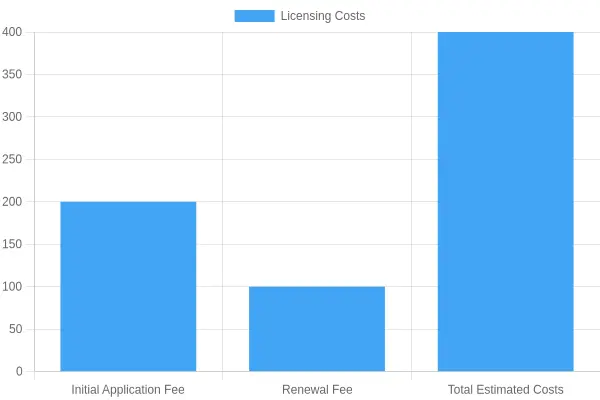
In NYC, to operate a food truck, you need to secure a Mobile Food Vendor License. Here’s a breakdown of what you can expect:
| Category | Cost |
|---|---|
| Initial Application Fee | $200 |
| Renewal Fee | $100 |
| Total Estimated Costs over 2 years | $400 (includes initial fee and renewal) |
From applying for your license to renewing it every two years, these fees can add up, but it’s a small price to pay for the opportunity to bring your unique flavors to the masses! Remember, the initial application fee typically ranges from $200 to $300, while renewal fees hover around $100 for a total estimated cost of $400 over two years.
For more details on navigating the regulations and ensuring compliance with NYC health and safety standards, check out this guide on navigating food truck industry regulations.
Why it Matters
Understanding the food truck license cost is vital not just for budgeting but also for planning your operations efficiently. Compliance with local regulations is essential for your business’s success. So, whether you’re an event planner looking to incorporate food trucks into your gatherings or a food enthusiast ready to dive into this culinary adventure, knowing these costs can help you build a solid foundation for your food truck journey.
Ready to roll? Your delicious culinary dreams await in the bustling streets of NYC!
Comparative Table of Licenses and Permits for Food Trucks in NYC
| License/Permit | Cost (Approx.) | Validity Period | Issuing Department |
|---|---|---|---|
| Food Vendor License | $200 | 2 years | NYC Department of Health |
| Mobile Food Vendor License | $300 | 2 years | NYC Department of Health |
| Street Activity Permit | $25 | One-time | NYC Department of Consumer Affairs |
| Health Inspection (Initial) | $100 | N/A | NYC Department of Health |
| Food Truck Registration | $200 | 1 year | NYC Department of Transportation |
Notes:
- Food Vendor License and Mobile Food Vendor License are essential for all food trucks operating in NYC. The costs may vary slightly based on the latest city regulations.
- Street Activity Permits are needed for events or special occasions, sometimes required for festivals or large gatherings where the food truck would be stationed.
- Regular Health Inspections are mandatory for maintaining food safety standards and allowing continued operation.
For complete and up-to-date details, it’s best to refer to the NYC Department of Health’s site and the NYC Department of Transportation. This ensures compliance with all local regulations and understanding of any changes in fees or requirements.
This comparative analysis helps you better understand the different licenses and permits that will impact your budget when launching or maintaining your food truck business in NYC!
Five Practical Tips to Reduce Food Truck Startup Costs related to Licensing
Starting a food truck can be an exciting venture, but it’s essential to keep your costs low. Here are five practical tips for new food truck owners looking to minimize their startup costs, particularly related to licensing:
-
Research Local Regulations
Every city or state has its own regulations regarding food truck operations. Take the time to thoroughly research what licenses are necessary in your area. This can prevent unexpected expenses. Look at resources like your city’s health department or small business administration. A detailed understanding can save you from overpaying on non-essential licenses. -
Join a Local Food Truck Community
Connecting with existing food truck owners can provide invaluable insights. Often, they are willing to share their experiences, including what licenses they needed and how to navigate the process most economically. Consider joining forums or social media groups focused on food trucks. This can reduce your learning curve and associated costs. -
Consider Shared Spaces
Instead of purchasing a costly commercial kitchen permit right away, look for shared kitchen facilities that can offer licenses at a reduced rate. This way, you can operate your food truck without the hefty expense of a full kitchen setup. Many areas have community kitchen spaces that comply with local regulations at a fraction of the cost. -
Start Small with Menu Options
A smaller menu means fewer permits. If you can initially focus on a limited selection that still appeals to your target audience, you’ll be able to obtain fewer eating establishment licenses, possibly keeping your costs under control. This will allow you to grow your food truck business gradually without a large investment upfront. -
Explore Online Resources and Discounts
Keep an eye out for online workshops or webinars that cover the financial aspects of running a food truck, including licensing. Some local organizations might offer scholarships or discounts for these programs. These invaluable sessions can help you streamline your startup costs effectively.
By implementing these strategies, new food truck owners can significantly lower their initial investment costs, making their journey into the food truck business more manageable.
For more on equipment choices that can help streamline your startup, check out our guide on choosing the right food truck model. Also, consider the financial aspects of startup costs in depth by reviewing our financial tips for first-time food truck owners here.
Insights into Challenges Faced by Food Truck Owners in NYC
-
Regulatory and Permit Issues: Food truck owners often face stringent regulations regarding permits, health inspections, and zoning, which can be challenging to navigate.
-
Competition and Market Saturation: NYC has a highly competitive food scene, especially for food trucks, making it difficult for new entrepreneurs to establish their business.
-
Operating Costs: High costs associated with acquiring ingredients, maintaining the truck, parking fees, and insurance can strain financial resources.
-
Public Space: Finding suitable and legal locations to park and operate their trucks can be a significant hurdle.
Starting a food truck in New York City can be an exhilarating venture filled with the potential for culinary creativity and community engagement. However, before you hit the streets serving up your delicious dishes, you’ll need to navigate the food truck license application process. Here’s a comprehensive guide to help you through each step, ensuring you’re properly prepared and compliant with the city’s regulations.
Step 1: Understand the Requirements
Before you begin your application, familiarize yourself with the specific requirements for operating a food truck in NYC:
- Business License: You must register your food truck as a business. This could involve obtaining a Business Certificate (DBA), depending on your business structure.
- Tax ID: Secure an Employer Identification Number (EIN) from the IRS for tax purposes.
- Health and Food Safety Permit: You’ll need to comply with health regulations set forth by the New York City Department of Health and Mental Hygiene. This may involve completing a food safety course.
Step 2: Complete the Application
Once you’ve gathered all necessary documentation, proceed to complete the application. You can apply through the NYC Department of Consumer and Worker Protection (DCWP). Ensure all information is accurate, as errors can delay the process.
Step 3: Secure a Mobile Food Vendor License
One of the critical components of operating a food truck in NYC is obtaining a Mobile Food Vendor License. This requires:
- Submission of your application: Ensure it includes all required documents, including proof of food safety training.
- Background Check: The application process includes a background check, so be prepared for that as well.
Step 4: Obtain Necessary Permits
You’ll need various permits specific to your food truck’s operation:
- Mobile Food Vending Permit: This allows you to sell food from your truck on the street. Per state law, these permits can be limited, so apply as early as possible.
- Health Department Permit: Ensure you have a valid health department permit that is visible on your truck.
Step 5: Comply with Zoning Laws
Be sure to check local zoning laws regarding where you can park and operate your food truck. Different boroughs may have specific restrictions regarding food trucks, and failing to comply can lead to fines or revocation of permits.
Step 6: Maintain Compliance
Once you are licensed and operational, it’s crucial to maintain compliance with all health and safety regulations. Regular vehicle inspections will be needed, and you should be prepared for inspections conducted by health officials or law enforcement.
Important Considerations
- Costs: The costs associated with obtaining a food truck license in NYC can vary widely, so be sure to budget accordingly for all permits and licenses.
- Insurance: Consider securing liability insurance to protect your business against potential claims.
- Location Strategy: Plan where you’ll operate your food truck, as prime locations may require additional permits or fees.
Navigating the food truck licensing process can seem daunting, but with careful planning and attention to detail, you can successfully launch your mobile food business. For more insights on setting up your food truck, learn more about choosing the right food truck model to align with your culinary vision.
Happy serving!
Savor the Journey to Food Truck Success
As a passionate food enthusiast, you know that starting a food truck is as much about sharing flavors as it is about navigating the business side, including understanding licensing costs. Knowledge of what these licenses entail not only prepares you for the logistics of opening your truck but also sets the stage for a delightful culinary journey that can capture the hearts-and taste buds-of your community.
Navigating the intricate landscape of food truck regulations may seem daunting at first, but think of it as the first delicious bite of your future in this vibrant industry. Like any significant endeavor, the investment in understanding licensing costs will pay off in the confidence it gives you to operate smoothly and successfully.
Now, is the time to take action! Set your wheels in motion and explore the resources available to you as an aspiring food truck owner. If you want to elevate your business further, don’t miss out on exploring the best food truck models to fit your brand and menu. And remember, having the right tools and equipment is crucial; that’s where Summit Fairings can help you maximize your investment.
Let your culinary dreams roll out into the streets and create unforgettable experiences, one tasty serving at a time!