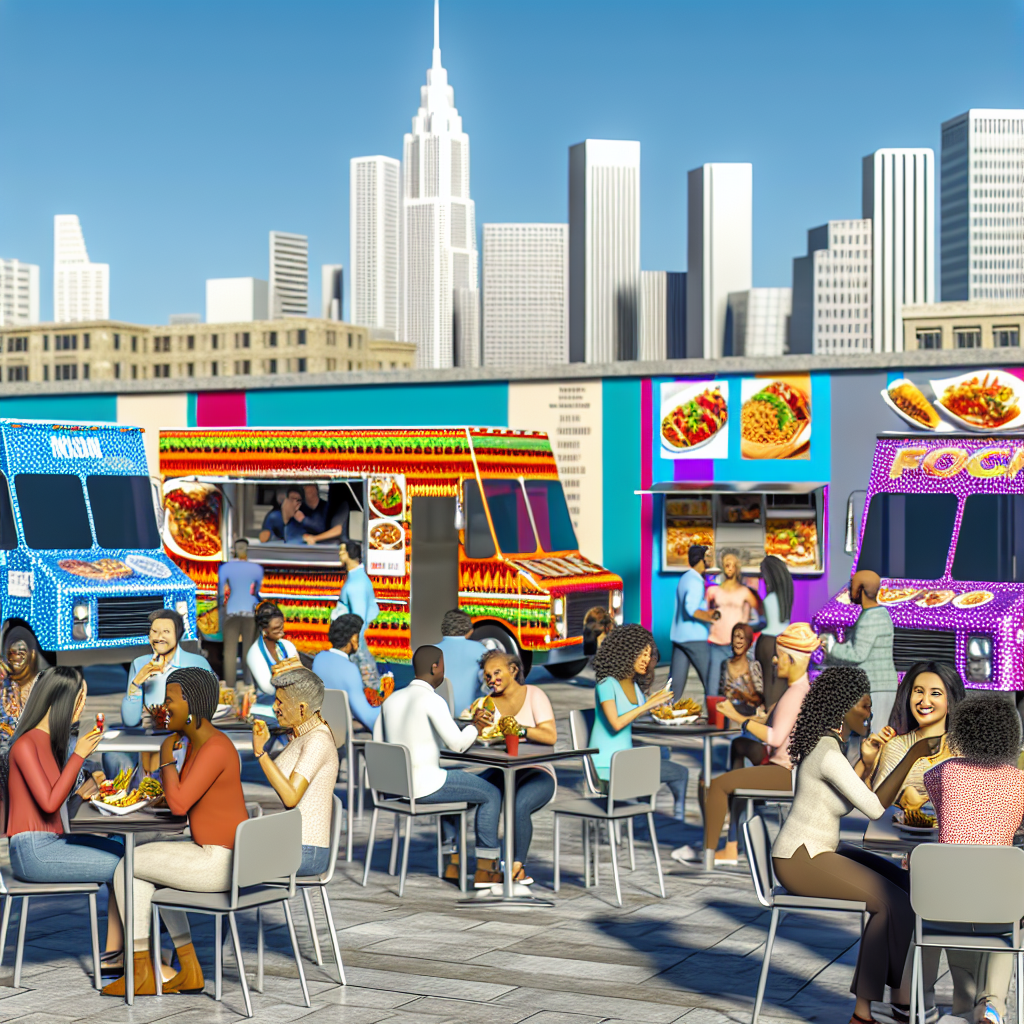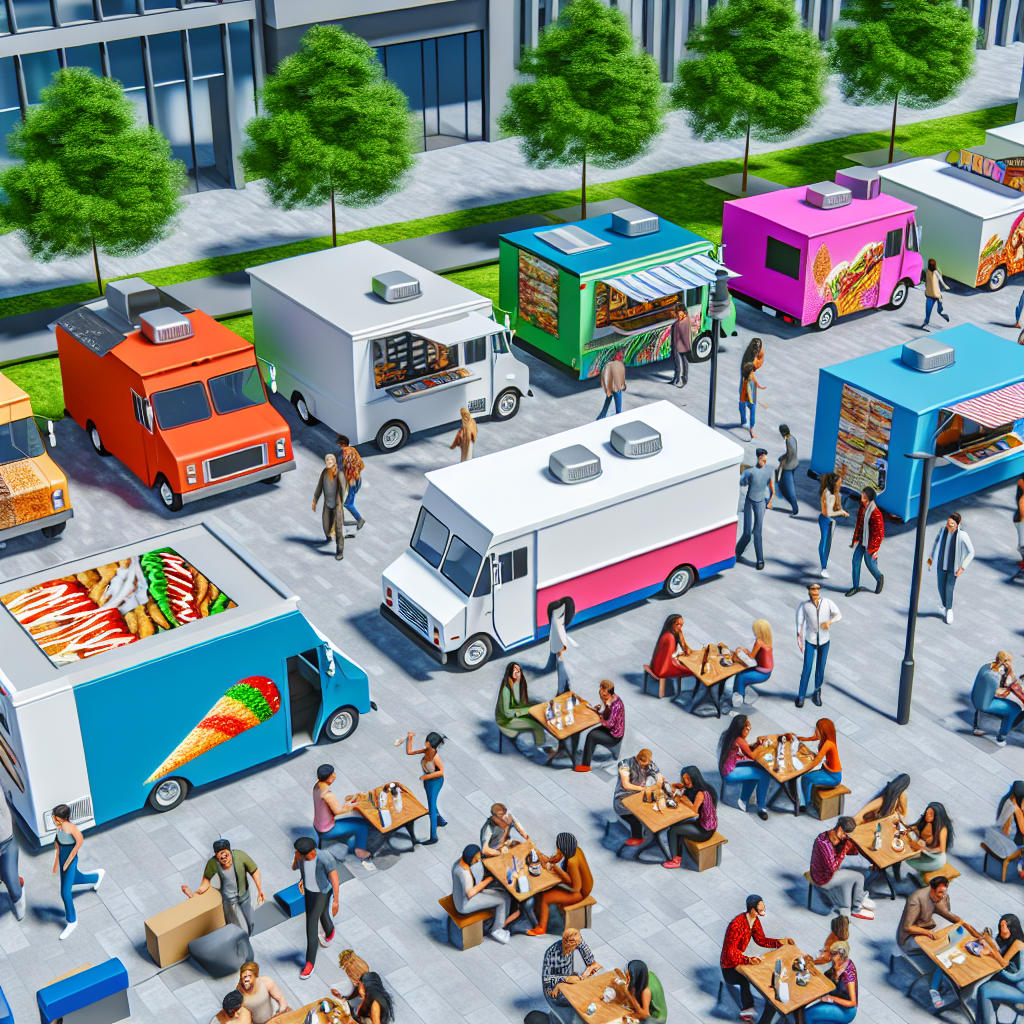
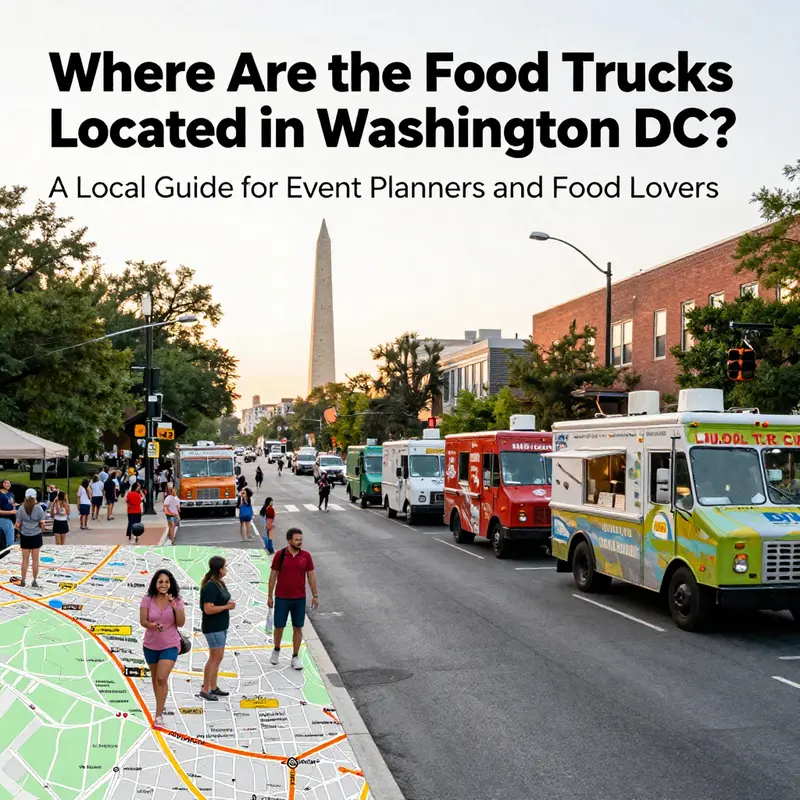
Washington, DC is a living mosaic of flavors-on-wheels, weaving through government corridors, waterfronts, and bustling downtown corridors. For event planners coordinating a lunch drive or a street-food festival, for HR teams arranging off-sites, for local groups celebrating community, or for curious food enthusiasts simply chasing the next tasty bite, the city offers a dynamic network of mobile kitchens. From high-traffic hubs near government buildings to weekend-friendly corridors in lively neighborhoods, DC’s food trucks adapt to crowd rhythms, permit windows, and weather shifts—making real-time location updates essential. This guide maps the geographic distribution, dives into neighborhood-level patterns, explains the regulatory runway that keeps wheels turning, and highlights data sources and community impacts. Each chapter builds toward a practical understanding: where trucks cluster, which areas draw the largest lunchtime crowds, how to navigate permits and schedules, and how data and social channels help you plan smarter. Whether you’re orchestrating a corporate event, organizing a community gathering, or simply planning a food-focused urban stroll, you’ll come away with a clearer sense of DC’s mobile dining landscape and the tools to tap into it responsibly and joyfully.
Where the Wheels Turn: Geographic Distribution and Clustering of Washington, DC’s Food Trucks Across the Urban Landscape
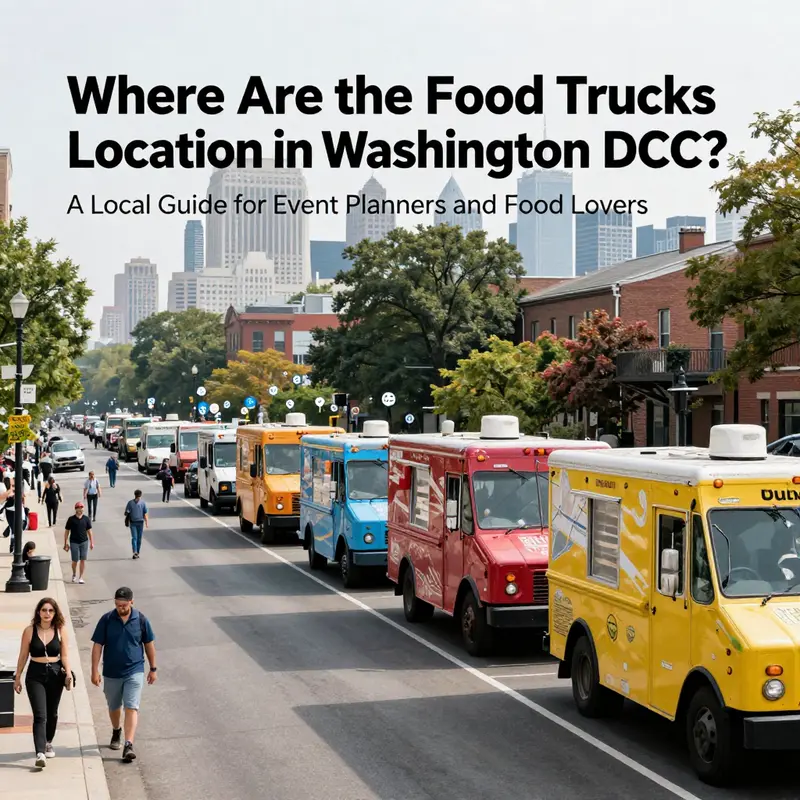
The city hums with a rhythm all its own, and nowhere is that rhythm more palpable than at the curb where a rotating fleet of food trucks parks, parks again, and then moves on. Washington, DC, presents a living map of urban appetite, where geography and timing shape the daily dance of street vendors. The trucks are not simply dispersed; they cluster where foot traffic, transit, and midday ambitions converge. If you map the street-life patterns of the capital, you see a network of vibrant pockets that expand and contract with the workday, the seasons, and the pulse of tourism. In this chapter, we trace how these clusters form, where they tend to consolidate, and why certain corners of the city become repeat destinations for crews, commuters, and curious visitors alike. The geography is not random. It is a carefully navigated landscape of demand, accessibility, and policy that turns the street into a shared commons of taste and mobility.
At the heart of the city’s food-truck geography lies a straightforward principle: trucks gravitate toward places where people gather, move, and linger. A central hub like L’Enfant Plaza embodies this principle in a concentrated form. Its proximity to a major Metro hub and surrounding office towers creates a steady stream of potential customers during weekday lunch hours, and the effect radiates outward. When the doors of the Metro open and the sidewalks fill, the curb becomes a stage for quick bites, casual meetings, and the appetite for something different between meetings. The plaza’s geometry—wide sidewalks, accessible crosswalks, and ample curb space—helps trucks carve out predictable, repeatable slots, making it a magnet for operators who optimize rotation to capture the lunch crowd while complying with city rules.
Move from the federal heart to the city’s waterfront, and you encounter another compelling cluster: the Wharf and its adjacent piers, where the maritime breeze and scenic views create not just a dining option but a destination. Waterfront districts invite pedestrians and tourists to stop, sit, and savor, turning a simple meal into a moment of pause between walks along the river and visits to nearby attractions. The trucks here are drawn by the cadence of crowds who come for sea air, sunset silhouettes, and the sense that meals can be part of an outdoor experience rather than a purely functional stop. The clustering around the Wharf also mirrors the broader city pattern: proximity to transit, easy access to a variety of cuisines, and a setting that invites lingering rather than a hurried pass-by.
Beyond the riverfront, the National Mall, Foggy Bottom, and the neighborhoods that line the central spine of the city—downtown corridors along 14th Street NW, and corridors across Pennsylvania Avenue NW—shape another axis of concentration. The Mall and adjacent government and cultural sites create a predictable swarm of activity during business hours and peak tourist seasons. As light changes across the day, the same corners that host interns, policymakers, and tourists become aromatic crossroads where the food truck’s promise of speed and novelty blends with the desire for a quick, comforting bite or a vibrant taste of something new. In these areas, clustering is less about a single plaza and more about a rhythm—the cadence of walks between monuments and museums, the push and pull of crowds, and the way curb space is negotiated by a rotating cast of trucks that year to year, season to season, find the right balance between visibility and accessibility.
The downtown corridors around 14th Street NW and the intersections near Pennsylvania Avenue NW also illustrate another ingredient in clustering: the density of office and commercial complexes. The lunch hour brings a surge of office workers who want variety without the ceremony of a full sit-down meal. This creates a predictable window of demand that trucks can serve efficiently, especially when there is a cluster of options within a short radius. The pattern is reinforced on weekends and early evenings in the U Street Corridor and Adams Morgan, where an urban life that mixes dining opportunities with live music, street art, and nightlife encourages a different kind of crowd. Here, trucks contribute to the neighborhood’s vitality, offering quick bites that travelers and locals alike can enjoy as they explore the street-level culture that defines these districts.
A consistent thread across these clusters is the role of public space and policy in shaping where trucks can park and operate. Washington, DC, has a system of permits, curb-use regulations, and designated zones that balance street food entrepreneurship with traffic safety, pedestrian flow, and neighborhood compatibility. The result is not a single “hot spot” of all-day activity but a curated pattern of recurring locations where permission, practical access, and market demand intersect. Operators in this city learn to read the urban code, follow the rotation of street corners and blocks, and adjust their calendars to align with local events, market days, and the city’s own enforcement rhythms. The dynamic is part serendipity and part calculation: a truck can be thriving one week near a transit hub and then shift to a different corner the next week as marquee events draw crowds elsewhere and permit cycles come into play.
Rotating schedules are a notable feature of DC’s food-truck ecosystem. It is common for trucks to appear in multiple neighborhoods across a week. This mobility serves two essential purposes. First, it broadens a truck’s reach, letting new audiences develop a following across the city and ensuring that regular customers can catch their favorite menus without chasing a single location. Second, rotation helps comply with zoning and permit structures that are designed to limit curb occupancy and ensure fair access to multiple vendors. The same streets that host lunchtime rotations in the financial-and-government corridors can later accommodate evening visitors in culturally rich neighborhoods where the street is a social venue as much as a dining venue. The net effect is a city where the culinary map expands and contracts with real-time demand, seasonality, and the regulatory landscape.
For visitors and residents who want to experience the full spectrum of DC’s street food, the geographic story is as important as any single location. The city’s shape—long axial patterns from river to hill, with a handful of cross-town corridors—creates natural lines along which clusters form. The Riverfront’s openness invites a sense of arrival and leisure; the Mall’s gravity pulls pedestrians toward contemplative spaces punctuated by something flavorful and fast. In the urban core, clusters consolidate around transit nodes and office towers, where a steady stream of passersby makes each curb a potential launchpad for a lunch rush. In the neighborhoods that simmer with nightlife and cultural energy, trucks fill lanes created by late-evening foot traffic, turning streets into open-air dining rooms that echo with music and conversation. The city thus becomes a living map where the food truck serves as both a mobile vendor and a social signal—an invitation to pause, sample, and join a moment of shared urban experience.
The geography of these clusters is also a window into the interplay between demand and regulation. The DC Department of Consumer and Regulatory Affairs, among other agencies, governs where trucks may stand, how long they may linger, and what standards they must meet. Compliance matters not only for safety and legality but for the reliability of a truck’s location. A predictable schedule helps customers know where to find their favorites and helps operators optimize routes, minimize downtime, and maximize turnover. In this regulatory frame, the city’s clusters become a balance between accessibility and order, a choreography that choreographs the street life while preserving the essential character of each neighborhood. It is the tension between constraint and possibility that gives DC’s food-truck geography its distinctive flavor—an ever-shifting mosaic that rewards those who learn to read the city’s cues.
As with any urban ecology, the practical truth of clustering rests on relationships. Operators cultivate locational trust with property managers, event organizers, and the public authorities who issue and monitor permits. Customers learn to read the geographies—the near-peak hours at L’Enfant Plaza, the sunset magnetism of the Wharf, the morning rush at a D.C. transit hub, and the weekend fullness on U Street and Adams Morgan. The most successful trucks become fixtures in a handful of reliable spots, not because they stay in one place but because they master the cadence of rotation: the precise moments when a corner becomes available, the confidence to arrive early to secure space, and the agility to shift to where a new wave of customers awaits. And the city rewards this adaptability with a robust, resilient street-food culture that reflects both the energy of a seat-of-government metropolis and the diverse, cosmopolitan palate of its people.
For those planning a visit or a casual stroll through DC’s food-truck geography, a practical thread runs through the narrative of clustering: look for the places where people congregate, where transit connects, and where streets invite lingering. Start with the central hubs that historically anchor lunch-hour clusters, then trace the offshoots into the neighborhoods where weekend energy turns curbside dining into a social event. The careful observer will note not only where trucks park but when and how they rotate—how a single city block can host a round of trucks one week and a different blend the next, how a waterfront promenade can transform into an evening corridor of small plates and shared bites, and how the same permit rules that govern a curb space also enable a city-wide ecosystem of mobility, culture, and flavor.
For readers who want to glimpse the real-time geography of the street-food map, official resources provide a live compass. District-wide locators and maps exist to help residents and visitors discover who is where on any given day, reflecting the rotating nature of this urban economy. These tools are invaluable for planning a lunch-hour expedition, a weekend culinary tour, or an evening stroll through neighborhoods where food trucks are more than a meal; they are a facet of urban life weaving together transit, commerce, and culture. If you want the latest placements or to learn the rules that shape where a truck can park, consult the District’s official Food Truck Locator and related regulatory information. This is the nexus where geography, policy, and appetite meet, and it is where the story of DC’s street food comes to life in real time.
For those who operate within this landscape, improving visibility and accessibility means embracing the city’s geography rather than resisting it. The most enduring clusters arise where a truck can anchor a location with predictable cadence while remaining nimble enough to relocate when a tighter curb, a larger crowd, or a special event shifts the demand. That balance of stability and mobility defines the art of location strategy in Washington, DC. It is the reason a corner near a major transit hub can become a staging ground for a week, while a different corner in a nearby neighborhood tests a new route and a new menu. The geography isn’t just a backdrop; it is the engine of a street-food economy that thrives on movement, routine, and a shared sense of discovery.
As you traverse the city’s streets and watch the trucks come and go, you begin to understand that DC’s geographic distribution isn’t merely about proximity to landmarks. It is about translating a city’s rhythms into a menu of moments: the quick bite between meetings, the tasting experience after museum hours, the casual dinner on a riverfront promenade, and the late-night crunch of a neighborhood where people walk to socialize and sample. Clustering makes these moments possible by concentrating the energy of demand in places where accessibility, safety, and ambiance converge. It also creates opportunities for operators to build a following across wards and neighborhoods, a network of patrons who learn where to find the newest flavor and how the rotating schedule might bring back a familiar favorite in a new guise. The story of DC’s food trucks, then, is a story of geography turned flavorful—a map that becomes a menu and a social trail through the city’s everyday life.
For those curious about how to navigate this landscape as an operator or a curious traveler, one practical step is to engage with the city’s practical guides and the communities that dot the map. Operators often rely on a mix of formal permits and on-the-ground relationships to secure spaces while preserving the city’s safety and order. Customers, in turn, benefit from staying attuned to the schedules and the rotation patterns that often circulate around major transit hubs, government zones, and vibrant neighborhoods. In this way, the geography of DC’s food trucks embodies a larger truth about urban life: that a city’s appetite is not only about what people eat but where they gather, how they move, and how public space is shared among many different livelihoods.
To pursue this exploration further and to see how the street-food map updates in real time, consider exploring the operator-focused guidance linked within the broader discussion of the city’s curb-space practices. The chapter’s integration with practical resources aims to offer a living, evolving portrait of where food trucks are most likely to appear and how those locations reflect the city’s ongoing negotiation between mobility, commerce, and public life. As you plan your route, remember that the geography of DC’s food trucks is not a fixed diagram but a dynamic, city-wide system that invites you to follow the footsteps of crowds through corridors of transit, culture, and flavor. The next layers of this map—regulatory boundaries, permit windows, and neighborhood-by-neighborhood nuance—will deepen your understanding of how these culinary itineraries are shaped and how they influence the broader experience of discovering Washington, DC, one curbside bite at a time.
For a deeper dive into the practical side of operations and the curb-side realities that inform where trucks can legally park and how they navigate dense urban spaces, explore the productive perspectives on parking challenges and location strategy in the broader body of content. mastering-food-truck-parking-challenges.
External resource: For official information regarding food truck regulations and inspections in Washington, DC, consult the District of Columbia’s Food Truck Locator and related regulatory guidance: https://dcra.dc.gov/food-trucks
Chapter 2: Following the Wheels Through Washington, DC — Neighborhood Patterns of Food Trucks Across L’Enfant Plaza, The Wharf, Foggy Bottom, the National Mall, Downtown, U Street, and Adams Morgan
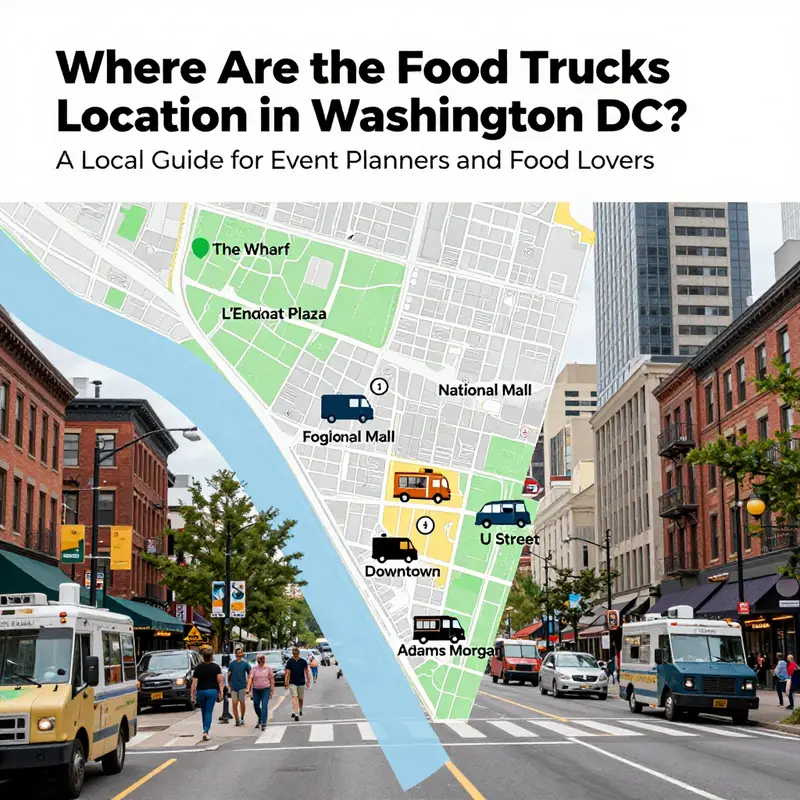
The city of Washington, DC reveals its appetite not just through menus but through the streets themselves, where food trucks thread a living map of daily life. In many ways, the trucks follow the city’s rhythms: the rush of office workers, the draw of students and tourists, and the weekend urge to linger by water or in lively neighborhoods. The result is a city that feels curated by motion as much as by policy, and the food trucks are the signposts that mark those moments. To walk through the city is to walk through a pattern of hubs where quick bites become a shared ritual, a way to connect with the city without stepping into a formal dining room. The neighborhoods that most consistently anchor this mobile food culture—L’Enfant Plaza, The Wharf, Foggy Bottom, the National Mall edges, Downtown around Pennsylvania Avenue and Metro Center, the U Street Corridor, and Adams Morgan—each carry a distinct flavor of the city’s hustle, its traffic, and its cultural currents. The trucks here do not simply offer meals; they offer pauses and punctuations in the day, little rituals that let people reclaim a moment of choice in a landscape that is often governed by appointments, transit schedules, and the weather.
In L’Enfant Plaza, the heart of weekday lunch action is a study in proximity. This downtown hub sits at a crossroads: major transit lines converge, and a steady stream of office workers makes a daily pilgrimage toward a few blocks of quick, varied options. The shelter of the plaza, the hum of trains overhead, and the nearby museums and government-facing corridors create a captive audience that wants bites that travel fast but travel well. Here, the trucks tend to offer a spectrum from comforting Middle Eastern-inspired wraps and falafel to more contemporary, chef-led burgers and seasonal vegetarian bowls. The pace is brisk, the lines are manageable, and the offerings must compete with the clock. The trick in this setting is variety that feels curated rather than overwhelming—choices that satisfy a range of dietary preferences yet still arrive on a lunch break time scale. The choreography is predictable in the best possible way: a single, predictable corridor of curbside activity, a predictable rotation of vendors, and a sense that this stretch is a dependable pit stop for a city that moves at a brisk tempo.
If you step a little further toward the waterfront, The Wharf brings a different energy to the same essential idea: food on wheels that complements a leisure landscape. On weekends and into the evening, this river-facing zone swells with walkers, families, friends after a concert, and tourists drawn to sunsets over the Potomac. The trucks here often emphasize seafood and bright, bright flavors that pair with the casual, stroll-friendly atmosphere. The food experiences along The Wharf tend to be social as much as they are gustatory—snacking and sharing rather than settling for a single, formal meal. The backdrop makes a difference, too. The combination of water, string lighting, and live performances invites a kind of culinary festival energy, even when the trucks themselves are simply doing their ordinary, essential work: turning a curb into a temporary restaurant that travels with the city’s current. The result is a sense of time stretched a little longer, a brief pause that becomes a memory of a summer evening or a late-night walk back to a hotel or a neighborhood apartment.
Foggy Bottom and the National Mall frame a different kind of scene—one defined by institutions, campuses, and the steady march of visitors who weave in and out of museums, government buildings, and study spaces. Here the trucks seem almost like an extension of the campus and the parliamentary landscape: practical, reliable options that can pivot quickly to meet the needs of both a student’s study break and a professional’s midday grab-and-go. On K Street and ~23rd Street—arteries of the area—the offerings aim to balance healthful options with richer, heartier fare. Think grain bowls that feel nourishing after a long morning touring a gallery or meeting with colleagues, alongside bolder choices like Korean-inspired plates or mezze that travel well and feel satisfying when eaten as a quick lunch between meetings. The rhythm of Foggy Bottom is cadence-driven: the trucks arrive at points where foot traffic is most predictable, where office clusters and university corridors funnel a steady stream of potential customers. The presence of embassies and international business adds a subtle layer of cosmopolitanism to the offerings, nudging vendors toward fresh, globally influenced flavors that echo the city’s diplomatic profile without losing sight of the real-time needs of a busy day.
Around the National Mall itself, the trucks occupy a more itinerant, edge-based niche. The Mall, a vehicle-free zone for much of the day, becomes a stage for the trucks to appear near the perimeters where pedestrians congregate to rest, snack, and soak in the grandeur of monuments and galleries. The curbside spots beside the Lincoln Memorial, near the National Gallery of Art, and along Smithsonian Castle vistas turn these trucks into essential companions for sightseeing days. Tourists—often hungry after hours of walking—seek accessible, fast-casual fare: generously portioned loaded fries, grilled cheese with a crisp crust, or a fruit cup that offers a refreshing break from the sun. The optimal operation here banks on visibility and speed: a truck must be easy to spot from a crowd, friendly to walk-up service, and capable of delivering food promptly to crowds that are moving at a relaxed but unhurried pace. It’s a model that rewards efficiency and simplicity, yet even in this straightforward frame, there is room for regional character. The most enduring trucks here blend comfort with a touch of novelty—a portable version of a classic favorite, elevated by a crisp texture, a zesty sauce, or a bright herb finish that makes the simplest comfort bite feel a little new.
Downtown Washington, the area around Pennsylvania Avenue and the Metro Center, functions as a commercial crucible where the day’s energy gathers and then distributes. This is where the city’s corporate pulse meets the spontaneity of the street. The district hosts rotating food truck events and pop-ups that temper the larger, more formal energy of the surrounding office towers. In this space, trucks converge in ways that feel almost ceremonial, turning a corporate lunch period into a shared experience where a Jamaican patty, a vibrant vegan bowl, or a hearty Caribbean-inspired plate becomes a communal choice rather than a private meal. The appeal here is not merely the option to eat but the option to participate in the city’s ongoing social ritual: the midday break that doubles as a moment to step outside, to breathe, to sample something cached in the city’s global pantry. The success of a seller in this zone is tied as much to hospitality and speed as to the ability to present a dish whose aroma and color can cut through the din of a busy street and invite a queue that respects a finite lunch hour.
As the week gives way to the weekend, the U Street Corridor and Adams Morgan become the most culturally resonant spaces for the city’s mobile kitchens. U Street’s historic cadence—music, art, and a tradition of community gathering—translates into a weekend-fired appetite for bold, soulful flavors and plant-forward takes that honor the neighborhood’s deep artistic roots. The trucks here often lean into comfort foods with a twist, offering inventive takes on soul food and Caribbean-inspired plates, alongside vibrant, plant-based offerings. The scene is less about a rigid lunch crowd and more about the city’s evening life—people who stroll, chat, and discover new flavors as they move from one storefront to the next, from a mural to a live music venue, from a park to a corner cafe terrace. Adams Morgan deepens this sense of cross-cultural exchange. Its streets double as a living cross-section of international flavors: ceviches that sparkle with brightness, Thai-inspired bites that balance heat and aroma, and mezzes that invite nibbling and sharing across a table that’s half street, half kitchen. Weekend festivals and markets punctuate the calendar here, turning the neighborhood into a rotating open-air food hall where vendors cycle through the same street, but with different menus, creating a sense of culinary conversation that evolves with the crowd.
The common thread across these neighborhoods is not a single recipe or a fixed menu but a shared language of mobility, accessibility, and place. Food trucks succeed where the city is most navigable—where the streets, transit lines, parks, and pedestrian zones align to create a dependable flow of potential customers. That alignment often folds back into broader patterns: lunchtime surges in the central business districts, the long, languid stretches of waterfront evenings, and the weekend-anchored cultural blocks that blend music, art, and food into a single, memorable experience. The city’s regulatory and logistical framework also sculpts where trucks go and when they appear. Parking zones, loading rules, and the need for permits shape each operator’s map, nudging them toward places where turnover is high enough to sustain a brisk, profit-friendly cycle while maintaining safety and accessibility for diners. The practical realities of street vending—gas, waste disposal, and the need to return to an idle state between waves of customers—are never far from the surface in any of these districts, yet they do not dethrone the joy of discovery that makes a street corner feel like a doorway to a different, delicious city. In this sense, the geography of DC’s food trucks is a living atlas of how a metropolis negotiates space, time, and appetite.
For readers who want to track current locations as they plan a visit, it’s useful to remember that many trucks operate on rotating schedules. A quick check of a live map or a vendor’s social updates often reveals shifts in lineups and new entrants who add a fresh voice to the city’s street-food chorus. This dynamic makes the city feel both planned and emergent at once: a planned framework of neighborhoods with predictable lunchtime hubs, paired with the spontaneity of каждый day’s new flavors and collocations. The best advice for exploring this map of the city on wheels is to approach each neighborhood with a sense of curiosity and an understanding that the scene is always evolving. If you’re seeking a concise, practical view of rules and permits—often a makes-or-break detail for any operator—consider exploring resources on how the industry navigates regulation, which can shed light on why trucks appear where they do and when they do. See the following resource for a broader understanding of the regulatory landscape: navigatING food-truck industry regulations.
For real-time updates on current locations and availability, see the DC Food Truck Association’s live map and directory of participating vendors across these neighborhoods. This city-wide snapshot helps you plan a bite around a transit ride, a museum visit, or a night out along the water, while giving operators a platform to reach potential customers who are walking by and not just driving by. The relationship between a city’s public spaces and its mobile kitchens is intimate: the curb is a shared extension of a public square, a place where people convene, decide, and then savor. In Washington, that curbside intimacy is organized by neighborhoods that carry a memory and a promise. L’Enfant Plaza signals a practical weekday energy; The Wharf invites a relaxed, social tempo; Foggy Bottom and the National Mall lay a pattern of day-to-night activity shaped by education, diplomacy, and culture; Downtown embodies the cadence of corporate life and civic ceremony; U Street and Adams Morgan celebrate the city’s vibrant, cross-cultural pulse. Together, they form a continuous loop of flavor and motion, a map of the city not drawn in ink but seasoned into the air by aroma and invitation. The next chapter will build on this map, expanding outward to consider how these local clusters connect to city-wide trends and how new neighborhoods might become part of the ongoing story of Washington, DC on wheels.
External reference: For ongoing real-time updates across participating vendors and a broader citywide view, the DC Food Truck Association maintains a live map and directory of operators at https://www.dcfoodtruckassociation.org/.
Where the Wheels Find a Spot: The Regulatory Roadmap Shaping Washington, DC’s Food Truck Locations
Across Washington, DC, the sight of a mobile kitchen rolling into a busy corner has become part of the city’s daily rhythm. But the mere presence of a food truck in a neighborhood is less a matter of whim and more the product of a carefully designed regulatory and operational framework. In DC, where urban space is a scarce and valuable resource, the authorities at the District Department of Consumer and Regulatory Affairs (DCRA) work to balance several priorities at once: public access to diverse food options, safe and sanitary street vending, fair competition among vendors, and the smooth flow of city life for residents, workers, and visitors. The practical answer to the question, “Where are the food trucks located in DC?” is thus not simply a map of parked wagons, but a living map of rules, allocations, and real-time information that move with the city’s pace of work and its crowds.
The core of the DC system rests on a rotating schedule that allows a broad mix of vendors to operate in multiple neighborhoods without overrunning any single high-traffic zone. Permits issued by the DCRA tie a truck to specific locations and time slots, creating a lattice of spots that can be filled by various operators over the course of a day, a week, or a season. This approach recognizes the demand for mobility in a dense urban center while attempting to prevent a few popular sites from becoming monopolized. In many zones, this rotation is managed through a semi-random process, sometimes described as a lottery, that determines which vendors earn access to particular spaces at particular times. The aim is equity in access, ensuring customers across disparate parts of the city can sample a rotating cast of cuisines rather than a fixed handful of locations.
The pattern of where trucks can appear is thus a function of both geography and timing. Certain districts—areas dense with office workers and government staff, as well as major tourist corridors—emerge as natural anchors for lunch crowds. L’Enfant Plaza, for instance, has long been noted as a weekday hotspot for mobile food services during the lunch rush. The Wharf, with its waterfront appeal, creates a steady appetite for quick meals during the inner-city strolls along the water. In government and tourist corridors around Foggy Bottom and the National Mall, daytime pressure on curb space has encouraged a steady, predictable presence of trucks during business hours. Downtown DC, especially around 14th Street NW and along Pennsylvania Avenue NW, becomes a magnet for office crowds seeking variety at midday. And in the city’s two most vibrant neighborhoods—U Street Corridor and Adams Morgan—the rhythm shifts with weekend crowds and evening activity, when people head out for entertainment, culture, and social meals.
These spatial patterns are not random; they are shaped by the layered rules that govern operation. The DCRA’s framework requires each vehicle carrying the city’s food service permit to comply with a defined operating radius and a specified set of hours for the spaces it may use. The Metropolitan core of DC’s policy design is built to curb congestion and preserve street vitality, while also enabling a diverse ecosystem of vendors to reach customers who may not own a car or whose workday hours demand quick, flavorful options. The result is a city where a single block might host a rotating cast of trucks, while a nearby street remains quiet or empty because the allocation window has closed or because the permit holder for that space is temporarily absent.
What makes this system practically navigable for residents and visitors is the suite of information tools that translate regulation into usable navigation. The DCRA maintains online portals and real-time planning tools that display current schedules and locations of food trucks. These digital aids are essential because the very feature that makes DC’s food truck culture dynamic—the rotation—also makes it unpredictable without a regular information feed. For people planning lunch around work, for tourists mapping a food-focused stroll, or for organizers planning an event, the ability to check locations in real time matters as much as the rules that govern where a truck can park and when.
Beyond the permit and lottery machinery, there is a broader governance layer that touches everything from health and safety to street-space management. Each mobile unit must meet food service safety standards, with inspections and hygiene checks conducted to ensure that food handling, refrigeration, and waste management comply with city codes. The DCRA’s oversight extends to the way trucks operate on a street, how they set up, how they dispose of waste, and how they safeguard customers. This emphasis on sanitary operation is not merely bureaucratic; it is practical assurance that a city known for its broad array of federal and cultural institutions can rely on the safety of street-food offerings.
The rotating and lottery-based allocation system has its critics, and the dialogue around it is an ongoing civic conversation. A 2024 analysis by Public Policy & Governance underscored that while the lottery-rotation model helps reduce monopoly pressure and distributes opportunity, it can also introduce inefficiencies. The critique centers on how the semi-random allocation might underutilize some parking spots or fail to respond quickly to demand surges and weather-related shifts. The authors proposed considering a secondary market—an environment where vendors could trade or lease parking slots in a manner that preserves equity but introduces more nimble responses to real-time market conditions. The practical appeal of such a reform would be to give operators greater autonomy to pivot with demand, while maintaining the guardrails that prevent crowding in popular spaces.
This tension between equity and efficiency is a familiar feature in many urban vending ecosystems. In DC’s case, the MRV, or Mobile Roadway Vending program, stands as the central instrument. Introduced in the mid-2010s, MRV was designed to assign street-metered parking spaces to a finite, countable number of trucks across designated zones. The lottery assigns permits for specific spaces and times, balancing the city’s need to manage curb space with vendors’ need to reach customers. The resulting pattern is a city where you might see a truck pull into a previously unoccupied curb, only to switch to a different corner a few blocks away as the schedule turns. In practical terms, MRV is what makes the city’s geography of food trucks feel fluid rather than fixed, turning the map into a dynamic interface between policy and appetite.
For residents seeking to coordinate their own food adventures with the city’s regulation-driven landscape, it helps to understand the practical instruments of this system. The DCRA’s online directories and live schedule feeds are designed to demystify where a truck will be and when. They also help organizers plan large events by providing a portfolio of mobile vendors that can be contracted for on-site service or catered meals, while ensuring compliance with licensing and safety standards. Some operators do more than mobile service; they offer catering through ancillary entities or partnerships, providing a flexible option for private events where a portable kitchen is needed. These arrangements illustrate how the regulatory framework is not a barrier to entrepreneurship but a scaffold that supports a broad range of service models, from street-side lunches to large-scale mobile catering.
An essential feature of the DC ecosystem is the emphasis on real-time planning. The city’s tools show not only where trucks are but also where they might be heading next. This predictive capability is especially valuable in a high-traffic area during peak hours when curb space is fought over by office workers, pedestrians, and transit users. People planning a midday bite or an after-work snack can time their visit to maximize likelihood of finding a preferred vendor in a desired neighborhood. The information architecture beneath this capability rests on the principle that public space is a shared resource. The rotating schedule, the online planning tools, and the safety inspections work in concert to ensure that space is used thoughtfully and that customers can access diverse options with reasonable predictability.
For those who crave precise, current locations, several neighborhood clusters consistently attract attention, though the exact lineup shifts with the day and season. In busy central corridors, trucks tend to appear around lunch hours, when offices are most densely packed and walking routes between transit hubs and workplaces concentrate foot traffic. In dining clusters that flourish in the evenings and on weekends, trucks adapt to the rhythms of nightlife and cultural events, weaving their itineraries through blocks that become stage-like for the city’s food scene. Because these patterns are not static, the city’s information ecosystem—maps, schedules, and alerts—becomes the traveler’s best compass. In practice, this means a resident or a visitor can become adept at checking the official schedules and then using their own judgment about timing and route, just as a commuter might check train arrivals or a tourist might plan around a museum’s hours.
An implicit but important aspect of this regulatory environment is the ecosystem of support that surrounds it. The DCRA’s stewardship is complemented by a broader public-private dialogue about street vending, urban space use, and the city’s economic vitality. The MRV’s design, the permit framework, and the rotating schedule together function as a governance device that seeks to prevent the crowding of prime spaces while enabling a wide array of culinary voices to have a chance at visibility. In practice, this means that neighborhoods most energized by foot traffic—whether near government offices, near waterfronts, or along busy commercial corridors—will likely see a steady cadence of trucks, with the exact times and locations varying by season, day of the week, and weather.
For someone planning a Sunday stroll that might include a few bites from a handful of trucks, the experience is a blend of anticipation and flexibility. You might begin at a water’s edge, watch for a truck that specializes in a particular cuisine, then pivot to a nearby quarter that’s buzzing with late-afternoon activity. The approach to planning is thus both practical and playful: consult the live maps, scan the day’s rotating slots, and walk with a sense of discovery, knowing that the providers you meet in one hour may be somewhere else the next day. The rotation principle preserves the city’s spirit of offering a wide range of choices without letting any single vendor monopolize the curb.
This story of location, regulation, and rotation is inseparable from the broader cityscape it inhabits. DC’s food truck scene sits at the intersection of urban space management, public health concerns, and local entrepreneurship. It is a living example of how a city negotiates the tension between crowded streets and vibrant street-level commerce. The very act of locating a truck—where it parks, when it lands, and how long it stays—is a microcosm of governance in action. It reflects a policy choice to couple equity with efficiency, to require safety and transparency, and to empower residents to participate in a dynamic, on-demand food culture without surrendering control of the streets to any single party.
For readers who want to go deeper into the regulatory scaffolding behind these scenes, one practical step is to explore the pathways that connect the public with the rules. The internal navigation is designed to guide curious minds toward official sources and authoritative guidance. Those who wish to understand the practical implications for planning, event management, or just daily meals can benefit from the cross-check between policy and real-world practice—the way a permit is issued, how space is allocated, and how alerts and schedules are delivered to the public. In this sense, DC’s food truck geography is less a fixed map and more a living system that responds to the city’s rhythms, weather, and civic priorities. The result is a city where the food on wheels mirrors the city itself: diverse, adaptive, and in motion.
As you consider where to find a truck on any given day, remember that the chain from policy to plate traverses multiple nodes. Permits anchor operation in a lawful frame. The rotating schedule and lottery ensure broad access. Real-time apps and schedules translate those rules into tangible directions. And the street itself—L’Enfant Plaza, The Wharf, Foggy Bottom near the Mall, Downtown corridors, the U Street Corridor, and Adams Morgan—acts as a stage where community, cuisine, and mobility converge. This is the essence of DC’s food truck geography: not a fixed set of locations, but a dynamic regulatory map that enables a city to taste its own energy while preserving space for many voices to be heard.
For readers who want to explore further, a practical pathway is to connect the practical navigation with official policy, encouraging a seamless loop between planning and participation. The city invites residents to consult its guidance, and readers can follow the thread to a concise, navigable understanding of how the MRV and related permit systems operate in concert with daily life. The dialogue between regulation and real-world use is ongoing, and it is precisely this dialogue that keeps DC’s street food scene both lawful and lively. In the end, the question of where a truck can be found is answered not by a single street corner, but by a living network of rules, schedules, and real-time information that turns a curb into a culinary crossroads.
Internal resources for further exploration can be found in guidance such as Navigating Food Truck Industry Regulations, which offers an overview of the regulatory landscape and practical steps for operators and patrons alike. Navigating Food Truck Industry Regulations.
External resources and current rules can be consulted through the District of Columbia’s official channels. For official details on the Mobile Roadway Vending framework and how it shapes which trucks appear in which spaces, see the DC Department of Consumer and Regulatory Affairs’ MRV information. Official updates and application guidance are hosted at the DCRA site and related pages, which provide authoritative, up-to-date requirements for permits, locations, and schedules. For the most current policy and practice, refer to the District’s MRV page and the broader food-truck program portal.
External resource: For official details on current rules, see the District of Columbia’s Mobile Roadway Vending page: https://dcra.dc.gov/service/mobile-roadway-vending
Chapter 4: Mapping Washington, DC’s Food Trucks — Where They Gather, How Data Tracks Them, and the City’s Economic and Social Pulse
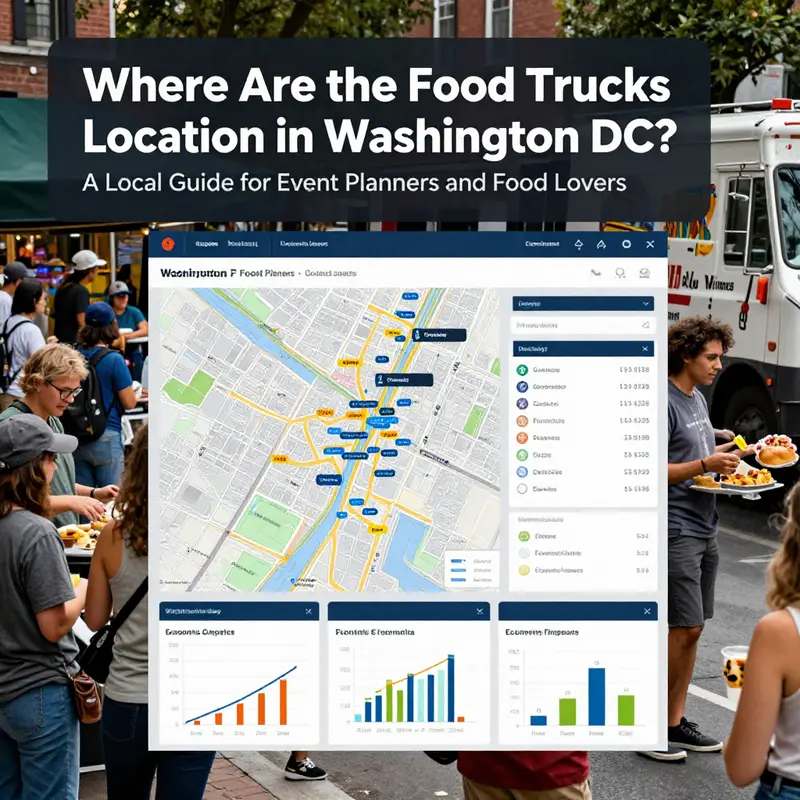
Washington, DC’s food truck ecosystem moves with the rhythm of a city that blends government halls, university campuses, waterfront promenades, and bustling business districts. The scene shifts daily as vendors respond to foot traffic, weather, and special events. Yet certain clusters emerge with dependable regularity. Think of the plazas near major transit hubs, the riverfront corridors along the central waterfront, and the busy arteries that thread through office zones. These patterns are not random; they reflect both the city’s design and the practical needs of vendors who seek visibility, accessibility, and reliability for their customers. In DC, mobility is not only a culinary philosophy but also an economic strategy. By roaming from one popular waypoint to another, mobile kitchens turn streets into culinary stages where residents and visitors can sample a spectrum of cuisines without committing to a single brick-and-mortar address. The city’s geography, with its federal facilities, DC’s dense downtown cores, and the surrounding neighborhoods, creates a tapestry of potential sites where a truck can park, serve, and rotate with the day’s demands.
Among the most frequented hubs, the areas around L’Enfant Plaza, the National Mall, and Union Station stand out for weekday lunch crowds and the steady pulse of commuters and tourists who want a quick, flavorful bite between meetings or museum visits. The waterfront at The Wharf offers a different vibe—more leisure-oriented, with long sightlines along the water that invite lingering meals as boats pass by and crowds stroll the promenades. In the neighborhoods, Foggy Bottom and the broader Federal Triangle corridor draw workers and students during business hours, while Downtown DC—especially around 14th Street NW and Pennsylvania Avenue NW—pulls in a mix of professionals seeking diverse options near large office complexes and our city’s iconic political and civic sites. Outside the central core, the U Street Corridor and Adams Morgan provide a counterpoint: a more eclectic, weekend-friendly atmosphere where late afternoons mingle with evenings and late-night foot traffic, giving vendors opportunities to stretch into dinner and after-hours crowds. The rhythm is less a straight line and more a map of where people congregate at different times of the day and week, with the food truck’s mobility allowing it to ride those waves rather than be anchored to a single street corner.
This mobility is an important part of how DC residents and visitors experience the city’s culinary culture. The truck becomes a portable tasting menu, offering a rotating slate of flavors that reflect global diasporas and local culinary ingenuity. In practice, this means a wide array of cuisines at any given location: from comforting street-food staples that travel well and satisfy crowd-wide cravings to bolder blends that invite curious eaters to try something new. Because the city’s population is drawn from many backgrounds, the trucks’ itineraries routinely mirror that diversity. A single afternoon might move from a quick bite of something that travels well in a lunch rush to a later stroll that discovers a late-evening vendor offering an entirely different flavor profile. This dynamic is not just about taste; it’s about accessibility and inclusivity, making good food a shared urban experience rather than a luxury limited to a particular district or social circle.
The real-time dimension of locating food trucks is where data meets daily life in a tangible way. For visitors and locals who want to catch a truck on a given afternoon, several streams of information converge. The most authoritative source is the city’s own regulatory and licensing portal, which records where vendors are authorized to operate and maintains registration data that helps confirm which trucks are legally on the road and which routes they plan to follow. This official layer is essential not just for the vendors’ compliance but for patrons who seek reliability and safety in their dining choices. Data from the city portal is typically complemented by crowd-sourced updates and social media signals, which can provide real-time snippets of where a truck actually is at a precise moment, as opposed to where it is scheduled to be later in the day. In a city that prizes mobility, these cross-referenced signals—official permits, posted schedules, and on-the-ground updates—streamline the search for a meal and, at the same time, remind us that mobility complicates predictability in a productive way.
To navigate this evolving landscape, several platforms gather and present data in digestible formats. The city’s portal serves as the primary verification point for licensing and planned routes, acting as a backbone for those who want to ensure their information is accurate and current. Beyond the official record, independent aggregators pull in updates from multiple sources—vendor social feeds, user reports, and weather-driven adjustments—to offer a more fluid picture of who is where and when. These tools help ordinary diners plan visits with greater confidence and allow business owners to optimize their own calendars for maximum impact. The beauty of this layered approach is that it supports both the predictable cadence of weekday lunchtimes in a central business district and the more fluid, weekend-driven energy of educational campuses and vibrant neighborhood corridors. The result is a city where the food truck is less a roadside novelty and more a responsive micro-economy, capable of shifting with crowds and seasonality while still ensuring accountability through licensing data and regulatory oversight.
From an economic standpoint, the mobile kitchen sector in DC operates with relatively low barriers to entry compared with brick-and-mortar restaurants. The flexibility to test ideas, refine menus, and locate in high-traffic areas translates into tangible opportunities for entrepreneurship across diverse communities. Because the upfront costs are lower and the time from concept to market shorter, a broader range of would-be restaurateurs can participate in the city’s food economy. The practical effect is a proliferation of small, cash-flow-driven ventures that collectively contribute to job creation and local tax base diversity. The sector’s contribution to employment goes beyond the trucks themselves; it includes people who design, produce, and maintain the equipment, those who help with permits and compliance, and vendors who manage the back-and-forth of supply chains. Even when a truck is parked for a short window, the ripple effects touch numerous ancillary services—suppliers, marketers, event coordinators, and volunteers who connect vendors with festivals and community gatherings. As a result, the mobile food scene becomes a flexible engine that supports livelihoods and fosters a resilient, adaptive urban economy.
The societal impact of DC’s food trucks is equally meaningful and often more subtle. They create informal public spaces that invite casual social interaction and cross-cultural exchange. In a city with a storied history of immigration and global commerce, street food becomes a platform where heritage and innovation meet in a shared meal. The trucks draw office workers, students, and residents into common spaces where conversation flourishes around plates, not just presentations and meetings. The presence of mobile kitchens in varied neighborhoods also helps revitalize underused streets and edgelands by bringing consistent foot traffic, especially during lunch and early evening hours. The social fabric of the city benefits when streets transform into vibrant, walkable corridors where neighbors and newcomers can encounter one another through the simple act of sharing a meal. Moreover, these mobile vendors often participate in festivals, farmers’ markets, and charity events, weaving themselves into a broader cultural calendar and reinforcing a sense of community identity—one that values creativity, hospitality, and the ability to adapt.
The data that underpins these observations is not merely a ledger of locations. It is a living record of how a city negotiates space, time, and appetite. The official portal provides the structural integrity of that record, showing who is licensed to operate, where they are authorized to go, and how often their routes change. Meanwhile, crowdsourced and semi-automated data streams fill in the gaps, offering a dynamic sense of where a truck is likely to be during a given hour. The combination helps planners, vendors, and diners alike. Planners use the data to understand where to invest in pedestrian infrastructure, how to balance curb space between delivery vehicles, transit stops, and street-food activity, and how to choreograph events that invite a diverse mix of vendors to participate. Vendors rely on the data to align their menus with local demand and to optimize their movement patterns in a city that rewards flexibility. Diners benefit from clearer signals about where to find a certain flavor or a particular cuisine, often turning a walk through a neighborhood into a curated culinary journey.
A critical, sometimes overlooked, aspect of this ecosystem is the regulatory environment that shapes where trucks can operate and when they can set up. The data revealing permit coverage, health inspections, and location compliance helps ensure that dining experiences remain safe and consistent with public health standards. The city’s commitment to transparent data in this area matters because it supports trust between operators and customers. It also helps new entrants understand the rules of the road before they turn a key and pull onto a curb, which lowers the barrier to good, compliant entrepreneurship. In that sense, regulation is not a constraint but an enabling framework that, when transparent, clarifies expectations and reduces friction for both vendors and patrons.
For readers who want to explore regulatory context and practical pathways for street-food entrepreneurship, a useful entry point is the broader discussion of how these rules operate and how businesses adapt to them. navigating food-truck industry regulations provides a grounded look at the kinds of considerations new entrants face, including licensing, zoning, and the evolving standards that protect both workers and customers. Such resources, along with the official data streams, illustrate how a city can cultivate a bustling, diverse food scene while maintaining order and safety on its busiest streets. In DC, this balance is an ongoing negotiation, one that is increasingly supported by the kind of cross-referenced data that helps everyone—from the individual truck operator to neighborhood associations and city planners—make informed decisions about where to gather, what to sample, and how to celebrate the city’s evolving culinary voice.
The social and economic narratives surrounding DC’s food trucks also illuminate how mobility itself shapes urban life. When a street corner becomes a hub of activity, small-scale commerce thrives and nearby storefronts, galleries, and transit nodes gain new life. Pedestrian flow increases, which in turn can encourage more diverse, human-scale commerce and a more generous street experience. The mobile kitchen, in this sense, acts as a catalyst for place-making, inviting people to linger, observe, and interact. It is a tactile embodiment of the city’s capacity to blend mobility with community, cuisine with commerce, and innovation with everyday life. As DC continues to evolve, the food truck remains a nimble and enduring feature of its public realm, a reminder that streets are not just conduits for movement but stages for daily discovery.
Ultimately, the distribution of food trucks across DC is not fixed. It is a dynamic map that responds to who is in town, where people gather, and how the city manages curb space, health oversight, and licensing. The hubs may shift with new developments, stadium events, or citywide initiatives, but the underlying logic remains clear: clusters arise where there is high pedestrian density, easy access to transit, and visibility to potential customers. Tracking those movements requires a blend of official records and real-time updates, a dual lens that captures both the stability of permitted routes and the spontaneity of organic street life. For residents and visitors, this dual lens translates into practical guidance: if you want a quick meal near a government district at noon, head toward the core business corridors; if you crave a neighborhood-tinted culinary adventure, stroll into U Street or Adams Morgan on a weekend afternoon. And if you want to understand how this vibrant micro-economy functions behind the scenes, you can explore the regulatory framework and licensing details through the city portal, while also engaging with the broader community discourse about accessibility and inclusion in the street-food economy. In this way, DC’s food trucks reveal not just what people eat, but how a city organizes appetite, labor, space, and culture into a living, moving mosaic.
External resource for further reading on licensing and schedules: https://dcra.dc.gov/
Final thoughts
Washington DC’s food truck ecosystem is a living map of the city’s rhythms—where workers converge, how neighborhoods evolve after hours, and how regulations and technology shape the experience. By understanding geographic clusters, neighborhood patterns, regulatory structures, and data-driven insights, event planners, admins, and enthusiasts can plan smarter, navigate permits more smoothly, and connect with the city’s vibrant street-food fabric in ways that amplify both celebration and community well-being. The key takeaway: stay curious, stay connected through real-time trackers and social updates, and partner with organizers and vendors to create experiences that reflect DC’s dynamic, diverse food scene.