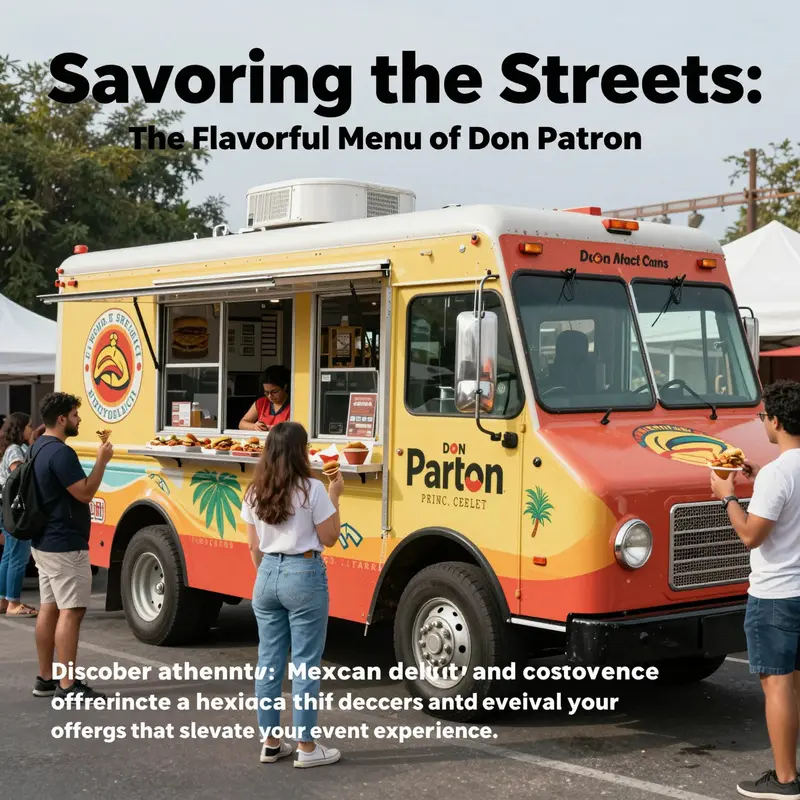
For event planners, corporate teams, and food enthusiasts alike, the Don Patron Food Truck in Sterling Heights, MI is a culinary gem that brings the vibrant flavors of Mexico to your doorstep! Whether you’re orchestrating a corporate gathering or attending a local community event, Don Patron is ready to impress with their festive menu that includes mouthwatering Birria Tacos, hearty Arroz Con Pollo, and delightful drink options. Join us as we dive into the authentic flavors, unique signature dishes, refreshing beverages, and exciting seasonal specials that make Don Patron a must-have for any gathering.
On Wheels, Authentic Traditions: Exploring the Don Patron Food Truck Menu and Its Honest Flavors
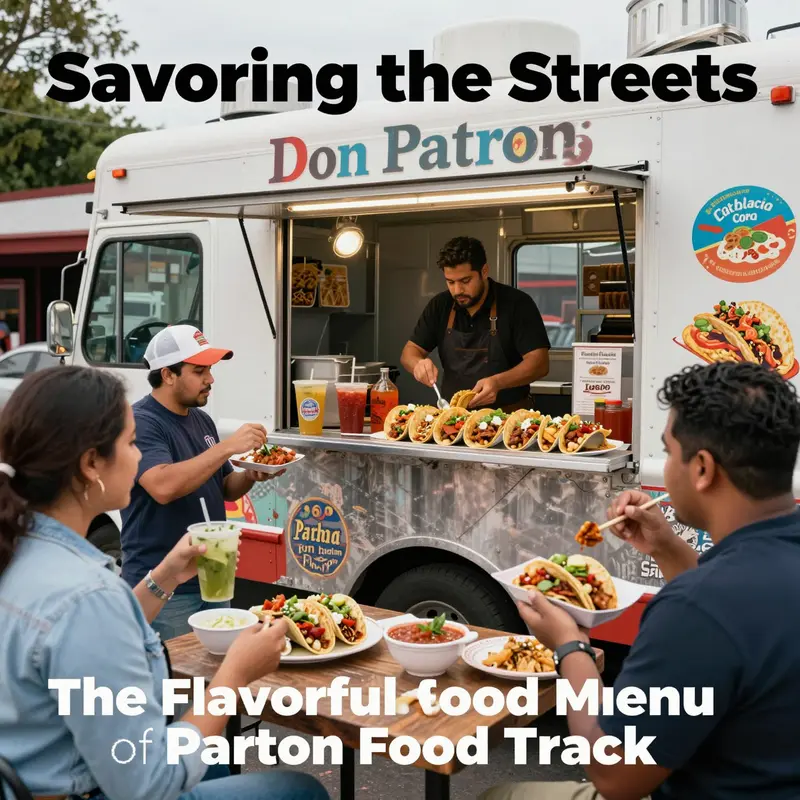
The Don Patron food truck is not just a mobile kitchen; it is a moving canvas where tradition meets improvisation, and every plate tells a story of street-side cooking refined for today’s palates. From the moment the window swings open and the steam rises, the menu announces its intention with clarity: classic Mexican flavors, prepared with respect to time-honored techniques, presented in a way that feels immediate, satisfying, and accessible. The setting—an open window, a line of curious eaters, the hum of the street—frames more than a meal. It frames a conversation about how authentic taste travels, how it scales for a crowd, and how a truck can carry a culinary philosophy as deftly as a brick-and-mortar kitchen. In this chapter, the menu becomes the map of that philosophy, a living document that guides every order and informs every bite. It is not merely a list of items; it is a compact manifesto about quality, balance, and hospitality on the move.
The heart of the Don Patron menu lies in its core approach to protein, starch, and tang. The menu leans on traditional techniques—slow braises, careful searing, patient simmering—that unlock deep, resonant flavors while maintaining a brightness that keeps the dish from tipping into heaviness. The beef options, prepared with steady patience, deliver tenderness that folds into the tortilla without crowding it. At its best, the meat remains independent enough to savor in small bites, yet confident enough to stand up to bold toppings and assertive salsas. The result is a set of fillings that feel both familiar and fresh, offering the comfort of something well loved and the thrill of a dish that invites you to discover it anew with each visit.
Tacos anchor the experience, serving as the primary stage where texture and aroma perform in concert. These are not mere vessels but expressions of technique: a crisp edge where the tortilla meets the filling, a gentle char on the exterior that speaks to a quick, precise heat, and a balance of moisture that keeps the bite juicy without pooling. The fillings rotate in a way that respects tradition but welcomes modern sensibilities—bold spice profiles, a careful layering of herbs, and a bright, zippy finish that makes the first bite feel like a personal invitation to experiment. The artistry here is in restraint: minimal adornment that highlights the quality of the core ingredients, letting time and temperature do the heavy lifting. In practice, that restraint translates to a menu that feels both generous and disciplined, generous in its promise of satiation and disciplined in its execution, which rewards repeat visits with a sense of recognition and trust.
Where the truck truly expands the vignette of street-food authenticity is in its combinations with beans and rice. This pairing is not merely a default side; it is a culinary statement that pays homage to regional cooking traditions while offering a complete, satisfying meal. The beans, slow-cooked and velvety, provide a contrasting creaminess that rounds out the savoriness of the main fillings. The rice, often seasoned with aromatics and a touch of herbs, stands as a soft, comforting counterpoint that anchors the plate. When served together, these elements create a hearty triad that speaks to nourishment and hospitality. The menu’s design behind this triad is thoughtful: portion sizes that respect the appetite of a street-food fan and the need for value in a fast-paced dining context. The dining experience, then, becomes less about chasing novelty and more about inviting a continual return—partly for the comfort, partly for the evolving dance of flavors that the kitchen orchestrates with each shift in the day’s rhythm.
Affordability serves as a bridge between tradition and accessibility. The Don Patron menu is crafted with a clear eye on value, ensuring that a well-executed, comforting meal feels within reach for a broad audience. This balance is not accidental but a deliberate choice: high-quality techniques and fresh ingredients are paired with sensible pricing and efficient service. The result is a lineup that allows someone to savor a full, satisfying meal without overextending their budget. The staff’s efficiency complements the menu’s design, turning appetite into a smooth transaction rather than a barrier to enjoyment. Recent customer feedback, updated in early 2026, highlights the warmth of the team and the speed of service as standout strengths. People come away not just fed but helped, as if the truck has paused specifically to extend a welcome rather than simply take an order. That sense of hospitality—genuine, unforced, and quick—becomes part of the menu’s undercurrent, shaping how people think about value and memory after the last bite.
The menu’s authenticity also rests on its sourcing philosophy and the care with which dishes are built. Each component—whether a simple salsa, a house-made tortilla, or a thoughtfully seasoned component of the filling—carries a weight of craft. Fresh vegetables arrive crisp and aromatic, herbs lend brightness to the profile, and sauces offer a reverent nod to regional heat and tang. House-made tortillas, in particular, emerge as more than a textural element. They are a conduit for aroma, a warm audience for the fillings, and a signal of the kitchen’s willingness to invest in the fundamentals. The toppings and salsas offer a chorus of bright acids, smoky undertones, and herbal lift, ensuring that even familiar combinations feel vibrant and alive. This is where the menu transcends mere comfort food and becomes a curated experience: a compact tour of techniques and flavors that trains the palate to expect both warmth and nuance in every encounter.
Environmental and social factors also thread through the menu’s narrative. In a setting where speed and efficiency matter, the kitchen’s practical design supports a steady rhythm of production without sacrificing quality. The decision to feature combinations that harmonize with beans and rice is a nod to shared culinary memory—dishes that feel like they could be found at family tables across generations. It is this sense of inclusive, communal dining that makes the menu approachable to a broad spectrum of customers, from longtime fans of Mexican street food to curious newcomers hungry for a quick, satisfying meal. The balance of tradition and modernity is not only in technique but in the way the menu communicates value and welcome. The truck’s graphic identity, its color palette, and its typographic choices reinforce the same message: a promise of authenticity delivered with warmth and efficiency.
From a design perspective, the menu is a study in clarity and restraint. The choice to foreground a handful of core fillings with adaptable toppings mirrors the way a chef builds a signature plate from a simple base. The layout emphasizes legibility for travelers who may order from a window on a busy corner, yet the descriptions that accompany the dishes invite lingering curiosity. The language—economical and evocative—speaks to the ear as clearly as the visuals do to the eye. This synergy between language and presentation makes the menu not just a list of options but a narrative through which customers learn what the truck stands for and what they might expect from a visit. In this sense, the Don Patron menu becomes a vessel for storytelling as much as it is a practical guide to sustenance.
An important note for readers who craft or study mobile food brands is the way the menu aligns with broader branding questions. The truck’s offerings reflect a philosophy of authenticity without nostalgia’s trap, a modern reframing of street-food ideals that respects tradition while embracing contemporary appetite for variety and speed. The interplay between menu items and branding becomes clearer when one considers the potential for a cohesive on-road identity. The menu communicates a story that can be carried into social media, signage, and packaging—the story of a kitchen that travels with skill, warmth, and a genuine love for the flavors it honors. To explore how this kind of branding conversation translates into practical design decisions on the road, readers can consult resources that discuss food-truck graphics and identity—an angle that complements the culinary narrative with a visual, business-minded framework. branding on wheels: the ultimate guide to food-truck graphics and identity.
For those who crave the outsider’s perspective, customer feedback remains a crucial mirror of flavor and service. The Yelp community, which aggregates impressions from across locations and visits, provides a useful barometer for how the menu performs in real-world conditions. While individual experiences will vary, the sentiment commonly highlights warmth, attentiveness, and speed—the human side of the dining equation that often defines whether a dish remains a memory or becomes a routine. As travelers move from one stop to the next, the ability of a mobile kitchen to deliver comfort with a spark of novelty becomes the differentiator. The Don Patron truck seems to understand this dynamic well: it offers a menu that honors tradition, delivers consistency, and leaves room for personal preference and discovery. For readers who want to read more about community feedback and comparative experiences, the Yelp page provides a candid snapshot of what guests value and where they note opportunities for refinement.
In sum, the Don Patron food truck menu embodies a philosophy of honest flavors delivered with speed and care. It foregrounds traditional techniques and comforting combinations while preserving the mobility and energy that define a successful street-food operation. The result is a cohesive dining experience that travels well, brands itself through its culinary choices, and invites a broad audience to partake in a moment of shared, street-side enjoyment. The menu’s strength lies not in chasing fleeting trends but in building a reliable, delicious framework that can accommodate change without losing its core character. It is a reminder that authentic flavor does not require a fixed kitchen; it requires a fixed commitment to quality, to the craft of cooking, and to the generosity of sharing a meal in a public space. As the truck continues to roll, its menu remains a living invitation: approach, savor, and return, because the flavors and the welcome are as dependable as the road itself.
External reference: For additional insights into customer perspectives and a broader view of Don Patron’s reception, see the Yelp page: https://www.yelp.com/biz/don-patron-food-truck-los-angeles
Distinctive Flavors on Wheels: Crafting the Signature Rhythm of Don Patron’s Menu
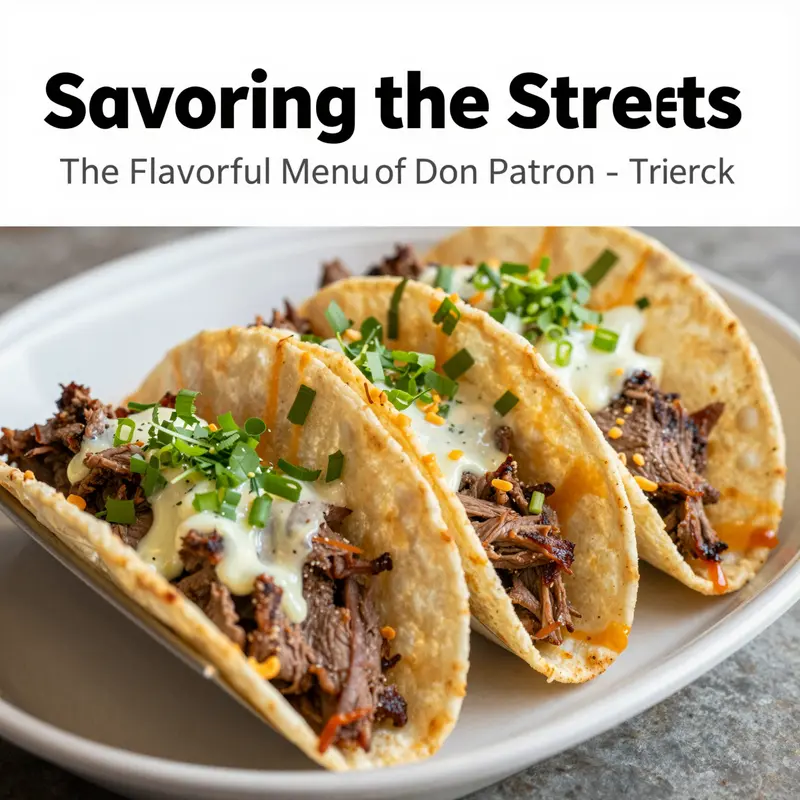
When a street-food ethos meets the efficiency of a well-tuned kitchen on wheels, the result is a menu that feels like a story told in smoke, spray of bright salsa, and the almost audible crack of a carefully crisped shell. Don Patron Food Truck, anchored in Sterling Heights but traveling the city’s veins, presents a menu that reads like a map of culinary memory: roots in traditional Mexican street fare layered with contemporary twists that invite both comfort and curiosity. The chapter title of any such menu is not merely a label; it is a promise. It suggests that what you taste is less a static list of dishes than a living conversation between heritage and experimentation, between the familiar warmth of a grandmother’s skillet and the modern confidence of a chef who dares to reimagine textures and temperatures in a single bite. In this light, the Don Patron menu becomes less a catalog than a curated journey, with each plate acting as a waypoint that nudges the palate forward while keeping a hand on the cultural compass that defines the truck’s identity.
What often defines a truly memorable street-food experience is not a single showpiece item but a coherent flavor language that threads through every offering. Don Patron achieves this through two complementary strategies that harmonize tradition with invention. First, there is a consistent emphasis on technique that respects the meat’s natural tenderness while introducing a distinctive finish. Juicy braises, slow-cooked until the meat yields to the fork, meet a smartly managed heat that coaxes seasoning to the edge without overpowering the core character of the meat. Instead of courting novelty for novelty’s sake, the truck leverages technique to elevate a core idea—beef-based fillings that remain juicy, well-seasoned, and versatile enough to pair with a range of textures. Second, the shell and exterior treatment become as important as the interior warmth. A cheese-crisp shell, a light crunch from a well-made tortilla, and a glossy, bright finish from a house-made salsa layer work in concert to provide a multi-sensory experience. The result is a unified dish language: soft, aromatic fillings paired with a crisp, slightly caramelized edge; a tangy, herb-forward finish; and a balance that invites another bite rather than a quick, single-satisfaction moment.
To speak of the menu in the abstract risks flattening what is, in practice, a dance of contrasts. The meat on the plate is often braised until it surrenders generously to the fork, releasing savory aromas that mingle with a hint of citrus and roasted pepper. The textural profile moves from supple interiors to exterior layers that offer a satisfying bite. A careful hand with salt and acidity lifts the dish without shouting over the natural sweetness of the meat and the caramel notes that develop during cooking. The accompanying starch—whether it is a tortilla crafted in-house or a smartly prepared grain or rice side—plays a complementary role. It offers a neutral or lightly seasoned base that lets the meat, the cheese, and the salsa shine in their own right. When citrus zest or herbaceous greens arrive as bright accents, they punctuate the dish with clarity, ensuring that the plate does not drift into heaviness but rather returns the eater to a refreshing center after each bite.
The menu’s structure mirrors this philosophy. There is a core cluster of items built around the same flavor vocabulary, ensuring that newcomers can quickly feel confident and regulars can explore more deeply without losing the thread. Within this framework, the kitchen introduces seasonal and curbside-only adjustments. A shift in greens, a different pepper profile, or a subtle change in a house-made tortilla can transform a plate into something new while preserving the essential signature tone. Such small, repeatable shifts are a clever way to keep the menu lively across markets and seasons, all the while maintaining a recognizable face for the brand. The result is not a flashy parade of gimmicks but a steady, evolving conversation that respects origins while welcoming experimentation.
The sensory story extends beyond the plate. The aroma of searing meat, the scent of roasted chiles, and the citrusy snap of a fresh herb blend waft through the pickup line and seating area. The experience is designed to be portable and intimate at once: diners can enjoy a single, satisfying bite while still feeling drawn to share the moment with others at the table. There is also a quiet sophistication in the choice of beverages and sides that accompany the main courses, a nod to the needs of a mobile service that must balance speed with satisfaction. Instead of a crowded composition, the menu favors a few well-chosen accoutrements that amplify the main act—bottled beverages that offer a clean, refreshing counterpoint to the spice and warmth of the meat, and small, vibrant accompaniments that add brightness without becoming a distraction from the core flavors.
From a branding perspective, this approach translates into more than just a linear list of dishes. It becomes a philosophy of presentation and expectation. The menu design, the way items are described on a chalkboard or digital sign, and the manner in which staff discuss flavors with guests all carry a consistent logic. The naming, when it appears, purposefully avoids ostentation while still offering a sense of story; descriptions emphasize texture, technique, and origin rather than marketing catchphrases. The goal is to invite curiosity without overwhelming a customer who may be meeting these flavors for the first time on a street corner. It is a careful balance between respect for tradition and the energy that a mobile kitchen embodies—the quick pivot, the improvisational spirit, the openness to feedback, and the thrill of discovering something that feels both familiar and novel in the same bite.
As the truck navigates its day, the menu also acts as a mirror to the communities it serves. Food trucks operate at the intersection of accessibility and authenticity. They bring the flavors people crave into neighborhoods where a full sit-down experience may not be readily available, while still offering a sense of place—an echo of old markets, shared tables, and street-side camaraderie. Don Patron’s approach leans into this dual purpose by ensuring that its signature items are both approachable for first-time visitors and layered enough for seasoned fans who crave depth. The tactile appeal of warm tortillas, the ooze of cheese when a bite is taken, and the lingering finish of a well-balanced salsa become cultural cues that summon memories and stories. In this way, the menu acts not just as a list of meals but as a cultural conduit, inviting guests to participate in a culinary conversation that feels rooted in place yet expansive in possibility.
The absence of overt, single-item exclusives does not diminish the sense of discovery. Rather, it frames how the signature dishes are perceived: not as a parade of novelties, but as a durable portfolio of techniques and flavor families that can be adapted and refined over time. The reader might expect a few hero preparations that anchor the menu, yet the real value lies in the kitchen’s ability to reinterpret those preparations across different components and presentations. In practice, this means a dish can graduate from a simple offering to a refined pairings experiment, pairing with a fresh, house-made tortilla to highlight the interplay of textures or with a micro-bunch of herbs that lifts the entire plate with verdant brightness. The diners’ journey thus feels linear in its comfort yet serpentine in its opportunities, encouraging repeat engagement without shedding the comforting familiarity that makes a street-food experience feel like coming home.
An essential ingredient in Don Patron’s menu story is the deliberate emphasis on freshness and house-made elements. Tortillas baked in-house, sauces prepared daily, and garnishes sourced to complement the core meat preparation all contribute to a sense of care that is palpable in every bite. This commitment elevates the street-food premise into something that feels crafted rather than assembled, a distinction that matters when the aim is to foster lasting impressions in a fast-paced setting. It is this attention to detail—without surrendering the spontaneity that makes food trucks exciting—that creates a menu with staying power. The diners’ conversations after a meal often revolve around the texture expectation of the next bite, the balance between heat and acidity, or the way a certain herbaceous note lingers on the palate. This is not accidental. It is the result of a deliberate design process that treats flavor as architecture, where each element has a purpose and every encounter with the plate leads to a remembered moment worth sharing.
Within this design, the role of the staff cannot be overstated. The crew’s knowledge of ingredients, their confidence in explaining the cooking methods without overwhelming guests, and their ability to tailor heat and spice to individual preferences all contribute to the perception of the menu’s signature quality. A well-informed team can translate the kitchen’s intent into a personal experience, guiding guests through the menu’s rhythm with warmth and clarity. The result is a dining moment that feels intimate and inclusive, whether the guest is grabbing a quick lunch or savoring a longer, more contemplative meal with friends. In a broader sense, this human touch reinforces the brand’s identity as one that honors both tradition and the social nature of shared meals, underscoring why the menu can stand up to scrutiny from curious locals and visitors alike.
For those who want to explore how this balance between heritage and innovation manifests in branding and presentation, a deeper look at how food trucks craft their visuals and identity can be enlightening. Branding on Wheels: The Ultimate Guide to Food Truck Graphics and Identity offers a thoughtful lens on how menu design, color palettes, signage, and even typography influence perception and appetite. It is a reminder that the plates and the plates’ surroundings collaborate to tell a complete story. See branding on wheels to understand how a cohesive on-site aesthetic can amplify the emotional pull of a well-structured menu, turning a simple vendor signal into a memorable encounter that resonates beyond the window.
As the day winds down and the lineup shifts, the Don Patron menu remains a living document—adjusted by season, feedback, and the evolving palate of the neighborhood. The most lasting impression is not a single standout dish but the consistency of a philosophy that treats every plate as an ambassador for a broader culinary conversation. The menu’s uniqueness, then, emerges not from a single, spectacular item but from the quiet, purposeful craft that threads through every component—the tenderness of meat, the crackle of a perfected shell, the brightness of a handmade sauce, and the hospitality with which service is rendered. That coherence—accompanied by the subtle surprises that keep regulars returning for the next turn of the wheel—constitutes the true signature of Don Patron’s food-truck menu. And as with all good cuisine on the move, the best moments arrive when the familiar comforts meet the thrill of discovery, inviting guests to linger long enough to feel the pulse of a culture carried forward with every sizzling, satisfying bite.
External reference for further context on street-food traditions and taco-inspired techniques: https://www.seriouseats.com/how-to-make-tacos
Liquid Companions and Bold Bites: Crafting Beverage Offerings on the Don Patron Food Truck Menu
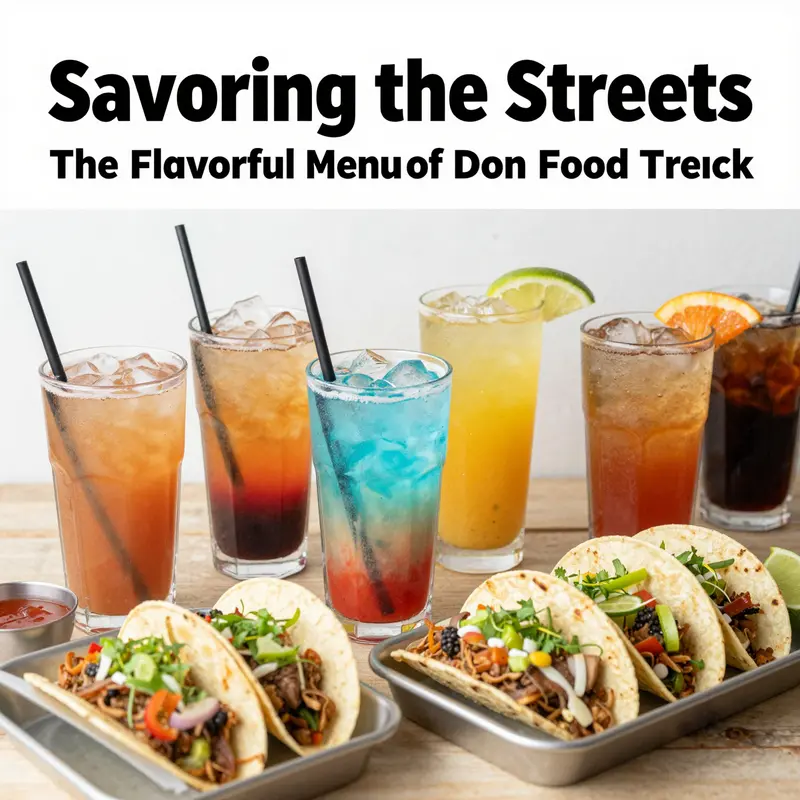
Beneath the bright awning of a mobile kitchen that serves up authentic Mexican street flavors with a contemporary edge, what you sip can matter as much as what you bite. In the Don Patron footprint—especially in a place like Sterling Heights, where weather and appetite shift with the seasons—the beverages that accompany Birria Tacos, Quesabirria, and the slow-simmered beef dishes become more than a refreshment. They are a vital part of the overall flavor equation. The menu overview emphasizes the meaty, cheesy, and savory worlds that birria and its cousins open up, but it also hints at a pairing philosophy that is practical, palate-driven, and distinctly street-food in spirit. Yet there is no published, stand-alone beverage section in the available material about Don Patron’s current lineup. That absence—intentional or simply unreported—becomes a natural invitation to explore how a food truck might think about drinks as a complement and a driver of experience, even when the specifics are not publicly laid out.\n\nIn Mexican street-food culture, beverages are frequently more than thirst quenchers. They act as palate resetters, height enhancers, and even counterpoints to heat and fat. A cool, milky horchata can soften the lacquered edge of a bite that’s rich with beef and cheese, while a bright jamaica or tamarind agua fresca can lift the brightness of lime, cilantro, and salsa that run along a bite’s finish. If Don Patron follows the broader regional practice, its beverage program would likely lean on a few reliable stalwarts—refreshing aguas frescas, a traditional horchata, and perhaps a few seasonal or house-made twists—while letting the kitchen’s steady rotation of proteins and salsas dictate when and how these drinks appear on the chalkboard and behind the counter. The reality of the public record may be silent on beverages, but the culinary logic travels with any taco truck that aims to balance bold, smoky meat with something cool, clean, and slightly sweet to keep the palate receptive for the next bite. The careful dancer between heat and relief is what makes an ordinary meal feel like a tour through a vibrant street market rather than a quick sit-down.\n\nWhen a Birria Taco hits the tray, the conversation with a drink begins at the level of texture, acidity, and contrast. The tender beef, when braised to a velvet succulence, carries a depth of spice and a richness that can cling to the teeth and the tongue. A Quesabirria, with its molten cheese and crisp-edged tortilla, offers a slightly different surface tension—a charred tortilla shell that adds crunch and a cheese pull that prolongs the tasting moment. In both cases, a beverage that is simultaneously refreshing and gently sweet can soften the heat from chiles and the simmering of aromatics like garlic, cumin, and oregano. A well-made horchata might settle the palate with creamy rice and vanilla that smooths the spikier edges of salsa or pepper zest. An agua fresca with a citrus and fruit-forward profile can provide a lift that makes the overall meal feel lighter, even as the fillings stay richly satisfying. In theory, a Don Patron guest could steward a small, thoughtful beverage list that highlights these relationships—one that is easy to prepare in a mobile setting, economical to produce, and appealing to a broad audience.\n\nPublicly available information does not confirm whether Don Patron currently offers such drinks, but the discussion of beverage strategy can be anchored in how food trucks in similar markets approach drink programs. A simple, well-curated beverage lineup—think a handful of fresh aguas, a single dairy-based option like horchata, and perhaps a seasonal fruit cooler—can be implemented without complicating production. The truck’s core strengths—robust birria preparations, house-made tortillas, and a menu built around bold, accessible flavors—pair naturally with beverages that are equally straightforward to prepare and serve. From a kitchen operations lens, the simplicity of a few drinks smooths service, helps with inventory management, and reduces the need for refrigeration space on tight mobile footprints. It also offers a route to brand alignment. The drinkware, cups, and straws become a canvas for color, typography, and iconography that reinforce the Don Patron identity even when customers are standing in a sun-drenched line or catching a bite on a breezy evening. In this sense, the beverage experience becomes a quiet ambassador of the overall menu narrative—a point where branding on wheels can play a decisive role. branding on wheels: the ultimate guide to food truck graphics and identity provides a framework for how those visuals can harmonize with the drink program, from cup design to the color palette of the menu board.\n\nThe food truck setting also pushes beverage choices toward accessibility and speed. The drinks must travel well, stay consistently cold, and avoid heavy demand on ice and equipment. If Don Patron leans into aguas frescas, the base recipes typically involve extracting fresh fruit flavors with sugar and water, then chilling and serving. The texture and aroma of the fruit become part of the tasting story, echoing the fresh herbs and zests that might appear in salsas and toppings. Ahorchata, with its rice-based base and creamy body, offers a counterpoint to spicy heat while requiring careful balance so that it does not overwhelm the dish’s complexity. Even a simple lime water or a lightly carbonated citrus option can act as a palate cleanser that primes the mouth for the next taco, especially if there are multi-taco rounds with varying fillings and heat levels. In a rollout that emphasizes a modern twist on street food, a few playful variations can also work well. Consider a tamarind-lime cooler or a hibiscus-infused agua fresca that nods to Mexican flavors while bringing a modern brightness that resonates in a market setting.\n\nThe seasonal and regional texture of Don Patron’s offerings would influence any beverage calendar. In cooler months, a spiced horchata or a cinnamon-scented agua fresca can feel comforting and cohesive with hearty meats. In hotter seasons, a tart or lightly sparkling agua fresca, perhaps with cucumber or lime notes, can refresh the palate between bites and invite lingering orders. The beverage program, if visible at all, should feel like a natural extension of the menu rather than an afterthought. It should be built with the same respect for technique and sourcing that characterizes the Birria Tacos, the Quesabirria, and the aroused comfort of Arroz con Pollo. The operational discipline behind a mobile beverage program is not trivial. It requires reliable sourcing of fruit, consistent sweetening, and a plan for keeping the drinks visually appealing from order to pickup. Yet done well, a concise, well-curated beverage lineup becomes a performance in itself—another thread in the larger tapestry of Don Patron’s food story, a story that can be told through the glow of a cup as readily as through the melt of cheese on a crusty tortilla.\n\nIn the broader conversation about the Don Patron menu, beverages also offer a tangible opportunity to bridge the truck’s offerings with branding and customer experience. A thoughtful cup design, a color-coded board for drink options, and a few signature names for drinks tied to the Mexican street-food vibe can help guests remember not just what they ate, but what they drank with it. The role of design here is more than cosmetic; it can cue expectations, signal quality, and create a consistent rhythm between bite and sip. That is why the concept of branding on wheels is relevant to this part of the menu as well. The visual identity—the color scheme, the iconography, the typography—can carry across cups, napkins, and signage, reinforcing a cohesive experience. Even if the beverage list remains modest, its presentation can be a micro-lesson in brand storytelling: how a bite travels with a drink, how the truck’s visuals translates to the packaging, and how a memorable pairing can become a customer’s reason to return.\n\nAs a reader exploring the Don Patron menu, you may notice that the beverage topic is not exhaustively documented in the public data about this truck. That absence invites curiosity and careful inference. It invites chefs and operators to consider what the current audience desires, what logistics allow, and how a small drink program can elevate a bold menu without overburdening the kitchen. It invites a look at the interplay of herbs, citrus, dairy, and rice or corn bases that can transform a simple sip into a moment of contrast, a breath between bites, or a refreshing finish. And it invites reflection on how beverages reflect a broader hospitality philosophy—one that treats the customer as someone who deserves a complete, thoughtful experience from first glance at the menu board to the last sip of a cold drink in hand.\n\nFor readers who want to explore related topics in this space, the broader field offers practical ideas on branding, truck operations, and menu optimization. A strong takeaway is that even a modest beverage program can become a critical lever for guest satisfaction and brand perception when it follows a clear logic tied to the food’s character, the service pace, and the setting. And while Don Patron’s official beverage details may not be published in the current materials, the chapter of this discussion insists on a simple truth: drinks are a natural extension of the menu’s story, a complementary thread that can amplify the tasting journey without stealing the scene from the star performers—the Birria and the Quesabirria. In this light, the Don Patron menu reads not as a fixed list of items but as a living, adaptable map, one where beverages fill the gaps and help guests navigate the flavors with clarity and delight. The potential is there, waiting to be realized in future updates, social media posts, or seasonal rotations that invite visitors to pair, compare, and return for more.\n\nExternal Resource: https://www.thespruceeats.com/horchata-recipe-2138178
Harvest on Wheels: How Seasonal Shifts Shape Don Patron’s Dynamic Food Truck Menu
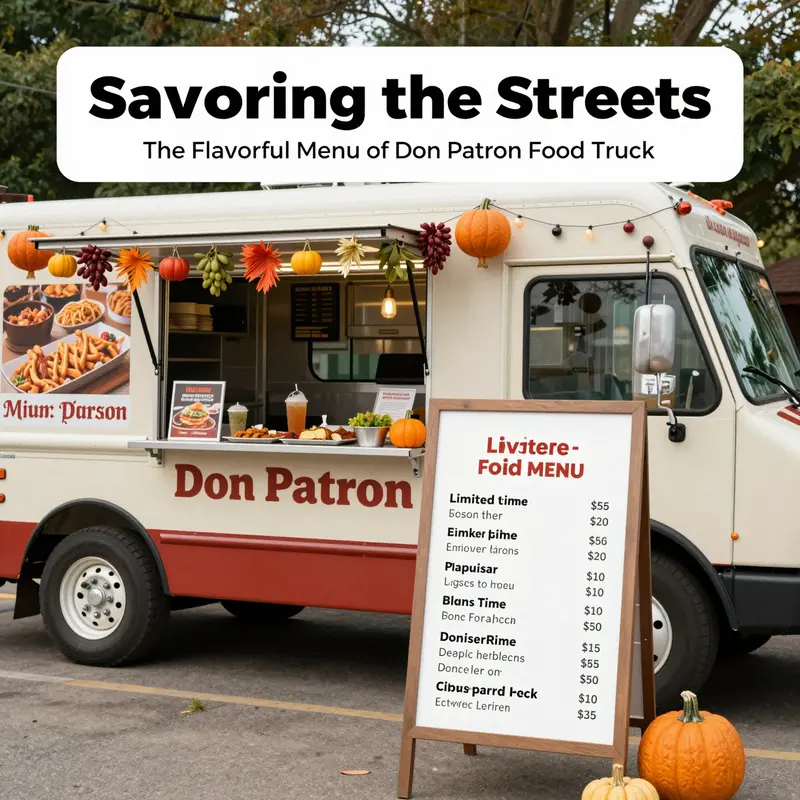
The magic of a food truck often lies in its choreography—the way aromas rise, the clatter of a grill, and the way a single cart can become a neighborhood gathering place. Don Patron’s mobile kitchen embodies that improvisational brilliance, turning every run into a response to the calendar, the city’s pulse, and the harvest just beyond the parking lot. The idea of a seasonal menu may feel like a trend, but in practice it is a discipline. It asks the kitchen to listen to the fields and the stalls, to speak in ingredients that are at their peak and to honor the relationships that sustain them. In this sense, Don Patron’s approach is less about chasing novelty than about cultivating a reliable, satisfying core that glows with freshness and intention, no matter where the truck camps for the night.
What defines the menu in a moving, ever-changing space is not only what is available but how a small team translates that availability into a set of offerings that travel well, satisfy with generous portions, and honor the flavors of a shared Mexican street food heritage. The menu architecture leans on a few reliable anchors—handmade tortillas, house-made salsas with bright, peppery heat, and a repertoire of meat-forward dishes designed to comfort as they excite the palate. Yet from week to week, the specific dishes or flavor emphases shift with the season. A peak spring brings green herbs, tender vegetables, and citrusy brightness to balance the richness of the meats. Summer prompts bolder, plumper produce, while autumn invites deeper, roasted tones and slower-cooked notes. The truck becomes a sensory diary of the harvest, and each stop offers a new page for the audience that follows it.
In the current landscape, the public records and recent reviews reveal an important truth: the menu is guided by freshness and seasonality rather than by a fixed catalog of dishes. Reviewers note that the truck prioritizes fresh, homemade ingredients and generous portions, a combination that makes seasonal shifts feel natural rather than disruptive. There is a quiet confidence in the approach. It is not about chasing a constant stream of newness but about maintaining a steady standard while letting the calendar dictate sometimes-subtle changes in texture, aroma, and brightness. When you encounter the truck, you might notice that a salsa tastes particularly vibrant or a candied glaze seems more caramelized on certain nights; these shifts reflect the ongoing conversation between gardener’s markets, local producers, and the cooks who shape the daily menu.
The production ethos behind this approach is as important as the seasonal produce itself. Don Patron, described as a family-owned operation, emphasizes transparency and quality. The kitchen philosophy values homemade components—salsas that carry a crisp, garden-fresh bite, tortillas pressed to order, and sauces that balance heat with sweetness and acidity. This is not about grandiose experimentation but about building a dependable flavor profile that can ride along the truck’s schedule, travel better than fragile dishes, and remain memorable after the last bite. The embracing of seasonality thus becomes a practical practice: it reduces waste, aligns with responsible sourcing, and enhances the eating experience by presenting ingredients in their best, most expressive state.
There is also a community dimension to this seasonal practice. A mobile kitchen relies on a network of relationships—from farmers and markets to local suppliers who understand the cadence of harvests. The seasonal approach signals a partnership with growers who can forecast, sometimes with a little improvisation, what will come in as the calendar turns. That relationship brings a sense of locality to the plate, which patrons notice not only in flavor but in the weight of the experience. A dish built around seasonal peppers or a citrus-driven finishing oil can feel like a story told in two or three bites. In a culture where fast food often travels on sameness, this menu-to-season connection offers a welcome invitation to slow down and savor the moment—however long the truck is parked.
The accessibility and value of Don Patron’s offerings also shine through the lens of seasonality. Reviewers repeatedly highlight good pricing for generous portions, a combination that remains compelling whether the menu is standing still or turning with the wind and traffic. The seasonal adjustments do not sacrifice volume or generosity; they emphasize quality without inflating cost, a balance that resonates with families and students who are watching their budgets but unwilling to compromise on flavor. In this way, the seasonal menu is not a barrier to affordability but a conduit for consistent value. It is a reminder that fresh ingredients can be as economical as they are delicious when producers are aligned with the kitchen’s needs and the customers’ expectations.
From a dining experience standpoint, the seasonally influenced menu tends to sharpen the focus on what the truck does best: a well-curated set of meat-forward dishes, anchored by a comforting, recognizable core. Even as the specific items rotate, certain elements stay constant and recognizable—the warm, tender meat prepared with care; the crisp, lightly charred edges that signal a quick, high-heat finish; and the generous dollop of house-made salsa that brightens every bite. The interplay between these elements provides a through-line for customers who follow the truck across neighborhoods and seasons. It nudges them to anticipate what might be newly offered without feeling uncertain about what they’ll get. That reliability, wrapped in seasonal variation, creates a rhythm customers can tune into, much like a neighborhood cafe that shifts its daily specials with the week’s harvest.
An essential piece of the seasonal logic is communication. The most informed fans don’t rely on memory alone; they use the truck’s social channels and in-person updates to map the weeks ahead. This is where the calendar meets the curb, and the community becomes part of the menu’s life. Don Patron’s approach aligns with a broader pattern in which seasonal menus are not static but living documents. The team communicates what is available, what is coming, and what might be moving out of rotation as new harvests arrive. For customers, this means planning around the flavor peaks—perhaps a night when a particular herb is at or near peak potency or when a citrus finish will brighten a heavier dish after a long day. In practice, the truck becomes a guided tasting of the season, a mobile survey of what’s been picked and prepared with love.
Despite the dynamic nature of the offerings, a few anchors persist, ensuring that the experience remains cohesive. A reliance on fresh, house-made components anchors the flavor profile, while generous portions deliver satisfaction that matches the price point. The salsa—often highlighted as a standout in reviews—anchors the emotional memory of a visit. It offers a fresh, vibrant contrast to the richer, meat-forward dishes and invites guests to dip, spoon, and swirl with reckless gusto. The tortilla tortillas, pressed in-house, provide another through-line, providing a warm, handmade texture that carries the fillings with comfort and authenticity. These constants ground the menu, even as the seasons push the kitchen toward lighter, brighter notes in spring and summer, or deeper, warmer tones as autumn settles into the city.
The seasonal philosophy also dovetails with a broader conversation about sustainability and local sourcing. When menus rotate based on what’s ripe or ready, waste naturally decreases because ingredients are used at their peak. The environmental argument lies not only in the choice of produce but in the entire life cycle of the dish—the sourcing, the quick turn on the grill, the minimal processing, and the respectful use of what is at hand. This approach reflects a sustainability-minded sensibility that many diners now expect from mobile and brick-and-mlick options alike. It is a quiet, practical ethics that sits beneath the sensory pleasure of a hot, aromatic plate and a cool, refreshing salsa, and it reassures customers that flavor and responsibility can travel together on a single cart.
For readers who want to follow how a food truck navigates seasonal shifts in real time, there is value in turning to the mechanics behind the scenes. How does the team decide which ingredients to feature, and how do shifts in supply influence a week’s lineup? The real answer lies in a blend of planning and improvisation: a weekly inventory review, a quick read of market reports, and a steady dialogue with suppliers who understand the rhythm of the season. The truck’s schedule becomes a forecasting exercise, balancing what is most flavorful with what is most reliable for service that is efficient, friendly, and consistent in quality. In this way, Don Patron’s seasonal strategy is less about dramatic reinventions and more about disciplined versatility. It is about knowing what to emphasize when produce is abundant and what to lean on when a particular ingredient is scarce, all while retaining the warmth and generous heart that define the kitchen.
A practical takeaway for readers is to track the truck not only by its location but by its evolving plate choreography. If one week features a brighter, citrusy finish and another emphasizes roasted notes, that is not a gimmick but a reminder that great street food can honor place and season without losing character. And the more the community participates—sharing plates, posting photos, or simply stopping by—the more the season enriches the collective palate. In a world where fast food often travels on sameness, a moving menu anchored in seasonal practice offers a slower, richer experience—one that travels with the sun, the markets, and the farmers who bring the fields to the curb.
To connect this practice to the broader discourse around how mobile kitchens operate in fluctuating markets, consider the following perspective from industry discussions on resilience in food-truck logistics: food-truck-resilience-freight-market-uncertainty. This touchstone helps frame how Don Patron’s seasonal approach isn’t just about flavor; it’s a strategic response to supply variability, customer expectations, and the intrinsic unpredictability of operating in multiple neighborhoods on a tight schedule. By treating seasonality as a core strength rather than a complication, the truck turns volatility into opportunity and keeps flavor at the center of every neighborhood stop. For readers interested in exploring these operational considerations further, a related resource discusses the resilience strategies that many mobile kitchens deploy to stay flavorful, sustainable, and economically viable across changing conditions.
In closing, the Don Patron menu’s seasonal heartbeat is a reminder that good food can be both comforting and adventurous when crafted with care, local connections, and a clear eye toward the calendar. The truck’s wheels carry more than meals; they carry a philosophy of freshness, generosity, and responsibility that seasons the everyday with moments of discovery. As the calendar turns, the menu continues to adapt—never abandoning its core strengths, but always allowing the harvest to speak in a language diners recognize and crave. For anyone who loves the idea of food on the move, the seasonal shifts behind Don Patron’s offerings illustrate how thoughtful sourcing and respectful cooking can travel together, from one curb to the next, year after year.
External reference for guest perspectives and the most up-to-date impressions: https://www.tripadvisor.com/RestaurantReview-g153378-d11365397-Reviews-DonPatron-NorthYorkToronto_Ontario.html
Final thoughts
In every bite from Don Patron Food Truck, you can feel the passion for authentic Mexican cuisine. For event planners, corporate HR teams, local community groups, and food enthusiasts, this mobile eatery does more than just serve food; it delivers an experience that brings people together. With a menu rich in traditional flavors, innovative combinations, and refreshing beverages that cater to diverse tastes, Don Patron makes every gathering memorable. Explore their seasonal specials and updates to keep your events fresh and enticing, making this food truck your go-to choice for any occasion.