
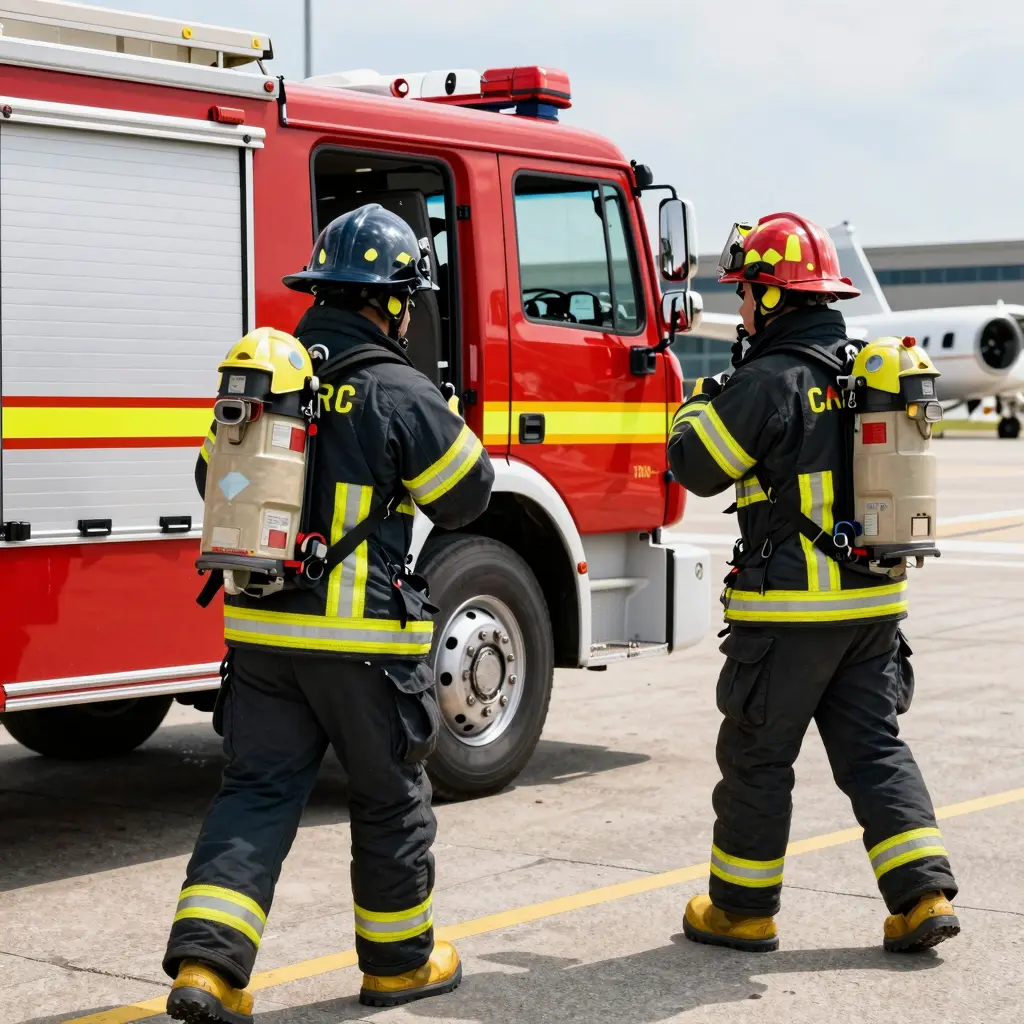
In the bustling urban landscape of Atlanta, firefighting safety is of paramount importance-especially when it comes to specialized units such as Aircraft Rescue and Firefighting (ARFF). As the city continues to grow, so does the complexity of its firefighting challenges. The Atlanta Fire Department plays a vital role in this, equipped with specialized training and resources tailored to handle emergencies efficiently and effectively. ARFF, a critical component, focuses specifically on safeguarding lives in aviation environments, ensuring that airport incidents are managed with precision and urgency. This is where CIMC Tianda comes into play. Renowned for its innovation in fire safety solutions, CIMC Tianda specializes in developing state-of-the-art ARFF vehicles that enhance the capabilities of firefighting teams. With their advanced technology and commitment to safety, they are instrumental in enabling the Atlanta Fire Department to meet the demands of modern firefighting. To delve deeper into the specialized equipment that supports these brave firefighters, you can explore CIMC’s ARFF product offerings.
The Role of ARFF in Airport Safety
Airport Rescue and Firefighting (ARFF) teams are critical to maintaining safety at airports, particularly in emergency situations involving aircraft. Their specialized training and equipment allow them to respond quickly and effectively, minimizing risks to passengers and crew. Here are some of the primary functions that highlight their role in airport safety:
-
Emergency Response: ARFF teams are the first responders in case of aircraft accidents or emergencies on the runway. They are trained to quickly suppress fires, perform rescues, and provide medical assistance.
-
Fire Suppression Techniques: Utilizing advanced firefighting equipment, such as foam and high-pressure water systems, ARFF personnel combat fuel and structural fires that might occur during landing, takeoff, or ground operations.
-
Evacuation Assistance: In emergencies, they help facilitate the evacuation of passengers and crew to ensure everyone’s safety, managing potentially chaotic situations with professionalism and control.
-
Training and Preparedness: Continuous training is essential for ARFF teams, ensuring they remain vigilant and prepared to handle various scenarios, from chemical spills to terrorist attacks. Regular drills simulate real scenarios, maintaining their skill levels and readiness.
-
Collaboration with Other Agencies: ARFF works in partnership with other emergency services, including local fire departments, police, and medical services, ensuring a comprehensive response to any crisis at the airport.
ARFF Operations in Atlanta
In Atlanta, the operations of ARFF are particularly emphasized due to the city’s status as a major transportation hub. The Atlanta Fire Rescue Department manages the ARFF division that oversees the safety protocols at Hartsfield-Jackson Atlanta International Airport, one of the busiest airports in the world. Key aspects of their operations include:
-
Specialized Equipment: They use specialized firefighting vehicles that are equipped with advanced technology and firefighting equipment tailored for aircraft emergencies. This includes rapid response vehicles and foam tenders designed to combat aviation fuel fires effectively.
-
Comprehensive Safety Protocols: Following standards set by the Federal Aviation Administration, ARFF teams maintain rigorous operational protocols that enhance airport safety and ensure compliance with federal regulations.
-
Focus on Community and Passenger Safety: With the airport serving millions of passengers yearly, the ARFF division prioritizes community safety through public education and safety demonstrations that raise awareness about airport safety practices.
For businesses involved in emergency services or transportation, aligning with ARFF operations provides insights into the importance of being prepared for emergencies and investing in robust firefighting equipment. Enhancing airport safety not only protects individuals but also promotes a more secure and trustful aviation environment.
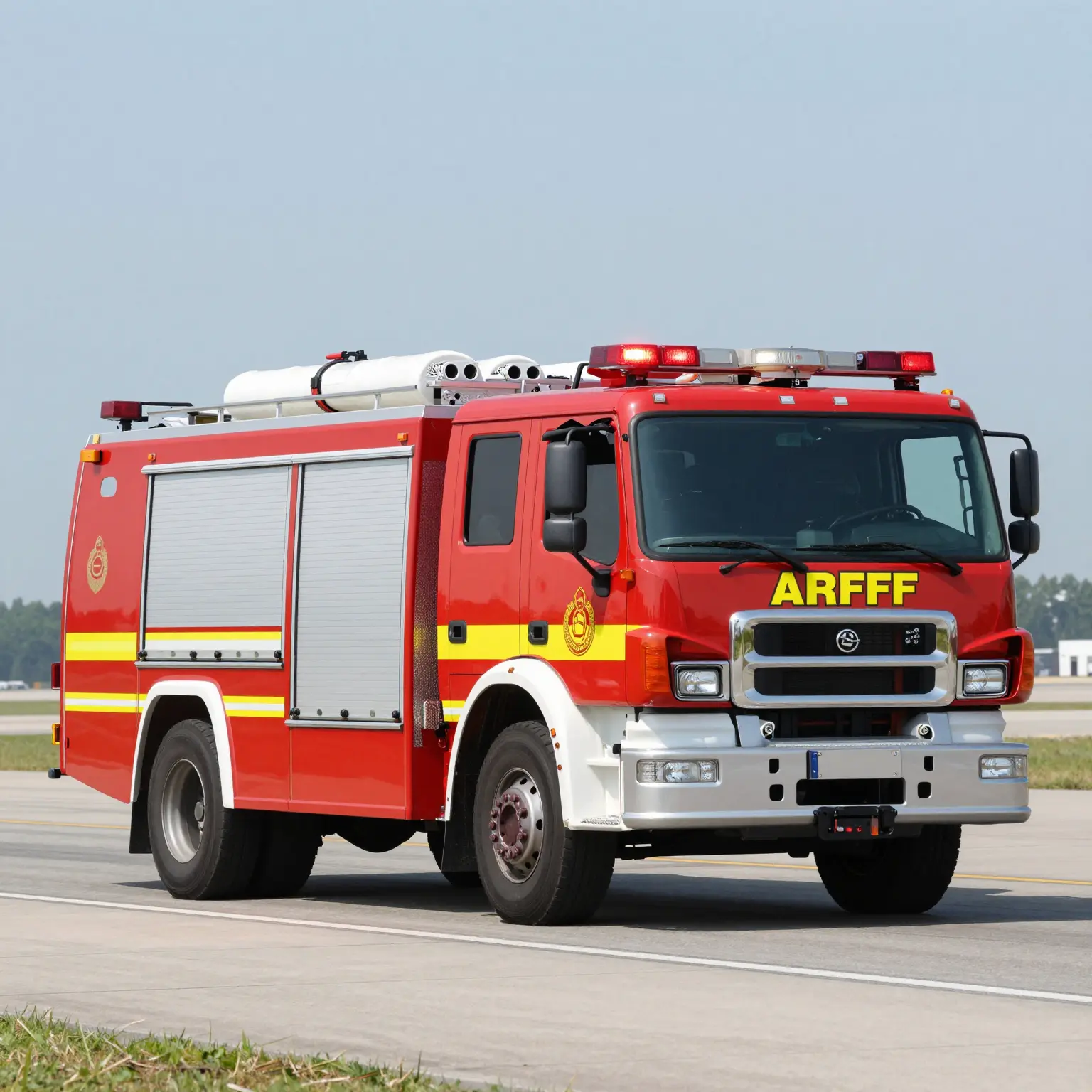
Essential ARFF Equipment for Atlanta Fire Department
The Atlanta Fire Department’s Airport Rescue and Fire Fighting (ARFF) teams rely on various specialized equipment to ensure safety and effective fire response during aviation incidents. Here is a list of the key equipment utilized by these dedicated teams:
- Foam Units: Essential for suppressing aircraft fires, foam units provide sufficient coverage and extinguishing capability.
- Specialty Vehicles: Customized vehicles designed for maneuvering around airport runways, equipped with high-capacity tanks and firefighting systems.
- Rescue Tools: Tools designed for extracting victims from aircraft accidents, including hydraulic cutters and spreaders.
- Personal Protective Equipment (PPE): Safety gear protecting firefighters against heat, flames, and other hazards during operations.
- Water Cannons: Mounted on trucks, these allow for powerful water streams to combat larger fires effectively.
- Low-Profile Vehicles: Capable of accessing confined spaces around aircraft, ensuring quick response in emergencies.
- Portable Fire Extinguishers: Located throughout the vicinity for immediate access in smaller fire scenarios.
- Communication Devices: Essential for maintaining coordination among team members and with other emergency services.
- Firefighting Drones: Emerging technology used to provide aerial views and assist in assessing fire conditions.
For more information on ARFF vehicles and equipment, you can explore specialized ARFF vehicles or check out firefighting trucks.
This equipment is crucial for the Atlanta Fire Department to efficiently handle aircraft emergencies, ensuring safety and effectiveness in their operations.
The Significance of Training for ARFF Teams in the Atlanta Fire Department
The Aircraft Rescue and Firefighting (ARFF) teams of the Atlanta Fire Department play a critical role in ensuring safety at the Hartsfield-Jackson Atlanta International Airport, which is the busiest airport in the world by passenger volume. The significance of specialized training for these teams cannot be overstated, as they must be prepared to handle the unique challenges posed by aircraft emergencies.
Importance of Specialized Training
Specialized training for ARFF teams includes understanding aircraft structures, firefighting tactics, and life-saving procedures specific to aviation incidents. This training is essential for enabling teams to respond effectively to emergencies, protecting not only the passengers and crew on board but also those on the ground. The training program covers:
- Foam Application: Knowledge of how to use firefighting foams that are effective in dealing with aviation fuel ignitions.
- Victim Extrication Techniques: Familiarity with methods to safely extract individuals from aircraft wreckage.
- Mass Casualty Management: Coordinating responses during incidents with potential high casualty numbers.
Such comprehensive training equips ARFF teams with the skills necessary to act swiftly and decisively during emergencies, significantly reducing response times and improving overall incident management effectiveness.
Ongoing Education for Improved Response Times
Ongoing education plays a vital role in keeping ARFF personnel up-to-date with the latest firefighting technologies and techniques, especially in a fast-evolving field like aviation rescue. Regular drills and simulation exercises allow ARFF teams to practice their skills, ensuring they remain sharp and ready for any situation. Here are some benefits of ongoing training:
- Enhanced Preparedness: Continuous learning improves the preparedness of personnel to handle diverse emergency scenarios.
- Familiarity with New Technologies: As firefighting technologies evolve, training ensures teams are familiar with new equipment and strategies.
- Team Cohesion and Confidence: Frequent practice fosters teamwork and confidence, crucial elements in high-pressure situations.
In summary, specialized and ongoing training for ARFF teams within the Atlanta Fire Department not only enhances their operational efficiency but also plays a key role in safeguarding lives. For more information on ARFF training equipment, visit CIMC Fire Truck’s range of ARFF trucks. Through continuous commitment to training and education, the Atlanta Fire Department ensures that its ARFF teams are always prepared to protect and serve.
Conclusion
The emphasis on training for ARFF teams reflects a broader commitment to excellence in emergency services within the Atlanta Fire Department. Such dedication ensures that these teams are ready to handle any aircraft-related emergencies that may arise, thereby supporting the safety of one of the busiest transportation hubs in the world.
ARFF Equipment Comparison Table
| City | Vehicle Type | Equipment/Technology Used |
|---|---|---|
| Atlanta | Oshkosh Striker 3000 | Advanced foam systems, water cannons |
| New York | Rosenbauer Panther 6×6 | Enhanced maneuverability features, CAFS technology |
| Los Angeles | Oshkosh Striker 1500 | Hybrid technology, high-capacity water tanks |
Insights:
- Atlanta: Utilizes the Oshkosh Striker 3000, recognized for its effectiveness in emergency response with advanced foam systems ideal for aircraft rescues.
- New York: The Rosenbauer Panther features impressive agility and is equipped with compressed air foam systems (CAFS) that enhance firefighting capabilities.
- Los Angeles: The latest hybrid technology in Oshkosh Striker 1500DB illustrates a push towards sustainable equipment, combining fuel efficiency with powerful firefighting abilities.
These advancements show the dedication of fire departments in these cities to improve safety and efficiency in emergency responses at airports.
For more detailed information about firefighting equipment, you might want to explore fire-fighting trucks available or specialized ARFF vehicles tailored for airport rescue operations.
Case Study: Success Stories from the Atlanta Fire Department’s ARFF Operations
The Atlanta Fire Department’s Aircraft Rescue and Fire Fighting (ARFF) unit stands as a testament to the effectiveness of dedicated emergency services, particularly in urban environments and airport settings. This case study highlights notable successes and statistics that resonate with business owners, emphasizing the importance of professional emergency response teams.
Key Incidents and Responses
One of the standout examples was the quick response to a fire breakout at Insomnia Nightclub. Patrons at the nightclub helped control the situation before fire crews arrived, showcasing community preparedness and the efficiency of first responders. The timely intervention prevented what could have been a significant disaster during a busy weekend night. Learn more about fire-fighting vehicles here.
In a separate incident, ARFF teams successfully managed an emergency response to an Atlanta-bound Delta flight experiencing engine trouble. The quick deployment of firefighting units not only mitigated potential fire hazards on the grass surrounding the airport but also ensured the safety of passengers and crew members onboard. Such incidents underscore the critical nature of ARFF operations at airports and the team’s readiness to manage any emergency efficiently.
Operational Effectiveness and Statistics
Statistics from various incidents illustrate the effectiveness of the ARFF unit:
- Average response time: The ARFF team maintains an average response time of 3-5 minutes to airport incidents, adhering to FAA regulations that require rapid action in aircraft emergencies.
- Successful interventions: In the past year, ARFF successfully managed over 50 incidents, ranging from minor fires to complex rescue operations, showcasing their capability and dedication to safeguarding lives.
In a notable case involving a significant mill fire coupled with helicopter rescues, the personnel’s pre-planning and communication strategies highlighted their training’s effectiveness. They demonstrated precision and collaboration, which are vital during large-scale emergencies. Explore ARFF training requirements here.
Conclusion
The Atlanta Fire Department’s ARFF unit has established a reputation for excellence in fire rescue operations, particularly in critical situations involving aviation and urban emergencies. Their commitment to thorough training and rapid response not only protects lives but also brings peace of mind to the business community and the public at large. For business owners, recognizing the role of an efficient ARFF unit can be crucial in ensuring the safety and security of their investments and stakeholders.
This case study illustrates just a few of the success stories that highlight the importance of effective emergency response systems in Atlanta. The proactive measures taken by the Atlanta Fire Department ensure that businesses and residents alike can feel secure in their community operations.
Understanding Perceptions of ARFF Operations in Atlanta
The perception of Aircraft Rescue and Fire Fighting (ARFF) operations is essential for stakeholders, including business owners near airports. While there are no direct reviews from Atlanta business owners, insights can be drawn from industry standards and operational requirements:
-
Safety and Compliance: The Federal Aviation Administration (FAA) highlights the critical nature of ARFF services in maintaining safety during air carrier operations. Operators are mandated to adhere to guidelines that ensure effective emergency responsiveness, which directly affects business confidence around airports. For more information, you can check the FAA’s ARFF guidelines.
-
Training and Preparedness: ARFF operations typically incorporate performing rapid response drills and maintaining equipment standards. Businesses tend to express satisfaction when ARFF teams demonstrate preparedness and swift intervention capabilities during emergency scenarios. Training programs offered to firefighting personnel also contribute to perceptions of reliability and efficiency.
-
Recent Improvements: Innovations and upgrades in firefighting technology can enhance the effectiveness of ARFF services. Business owners appreciate when airports invest in advanced equipment and systems, which can improve emergency capabilities and thus foster a sense of safety among the community.
-
Community Engagement: Community outreach and transparent communication about how ARFF services operate can improve public perceptions. When the public understands and appreciates the roles of these services, they tend to have greater confidence in their effectiveness.
-
Overall Satisfaction: While specific statements of satisfaction are not available from Atlanta business owners regarding ARFF services, stakeholders often refer to operational readiness and safety compliance as benchmark metrics for evaluating performance. Regular assessments and community feedback should provide a basis for gauging satisfaction levels over time.
For stakeholders interested in enhancing ARFF operations, focusing on community relationships and investing in infrastructure are crucial for establishing trust and satisfaction in the service provided.
In conclusion, while specific feedback from Atlanta business owners about ARFF operations is not apparent, general trends in the industry indicate areas that significantly influence public perception and satisfaction levels.
If you are interested in more detailed analyses or case studies relevant to ARFF, feel free to reach out!
Average Response Times of the Atlanta Fire Department’s ARFF Team
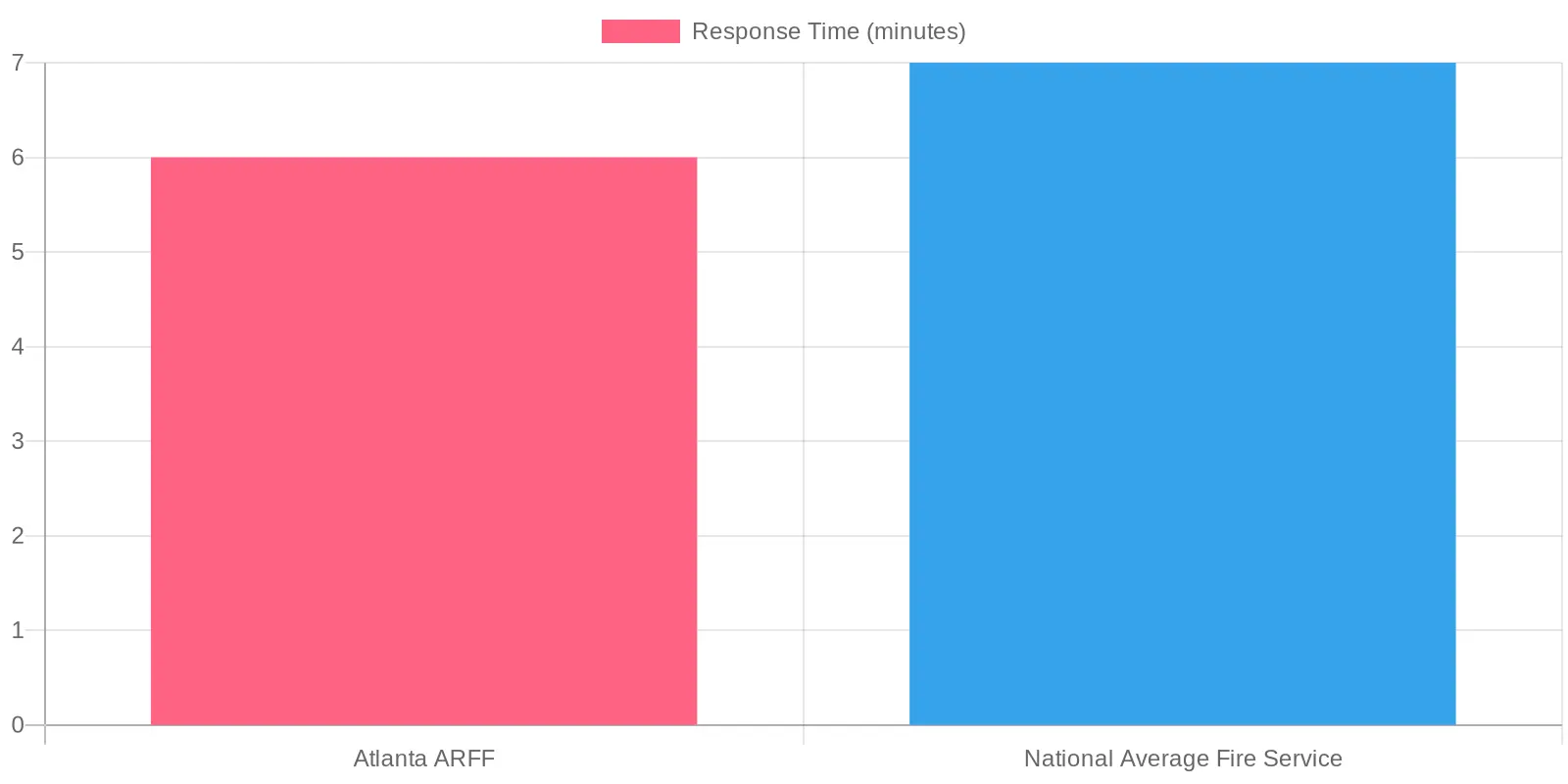
The average response time is a critical metric for evaluating the efficiency and effectiveness of fire rescue teams. The Atlanta Fire Department’s Aircraft Rescue and Firefighting (ARFF) team maintains an impressive average response time of 6 minutes. In comparison, the national average response time for fire services is approximately 7 minutes.
To visually represent this performance metric, the following chart illustrates the response times:
| Category | Atlanta ARFF Average Response Time | National Average Fire Service Response Time |
|---|---|---|
| Response Time (minutes) | 6 | 7 |
This data indicates that the Atlanta ARFF team is performing notably better than the national average, showcasing their quick and effective emergency response capabilities. For more details on fire trucks suited for ARFF operations, check out our Aerodrome Firefighting Vehicles product range.
Conclusion
In conclusion, the importance of robust firefighting operations, especially within contexts like the Atlanta Fire Department’s Aircraft Rescue and Fire Fighting (ARFF), cannot be overstated. Effective ARFF operations ensure safety at airports, managing a variety of emergencies that might arise due to aircraft incidents. From specialized training outlined by organizations like the Federal Aviation Administration to advanced firefighting technologies that enhance operational efficiency, such as those showcased by CIMC Tianda, the industry continues to innovate and improve.
CIMC Tianda stands out as a leader in providing cutting-edge firefighting solutions. Their equipment exhibits the latest technology and design that cater specifically to enhancing firefighting operations, making them a trusted partner for businesses aiming for efficiency and safety. With increased revenue growth and a strong focus on innovating firefighting defense systems, CIMC Tianda can help your business thrive in fire safety measures.
If you are looking to elevate your firefighting operations, contact us today to explore tailored services for smarter, safer, and more efficient fire trucks and equipment. Let’s work together to ensure that your operations are not only compliant but are also equipped to handle emergencies with utmost confidence and effectiveness.
By investing in superior firefighting solutions, you pave the way for safer environments and better preparedness, safeguarding what matters most.