
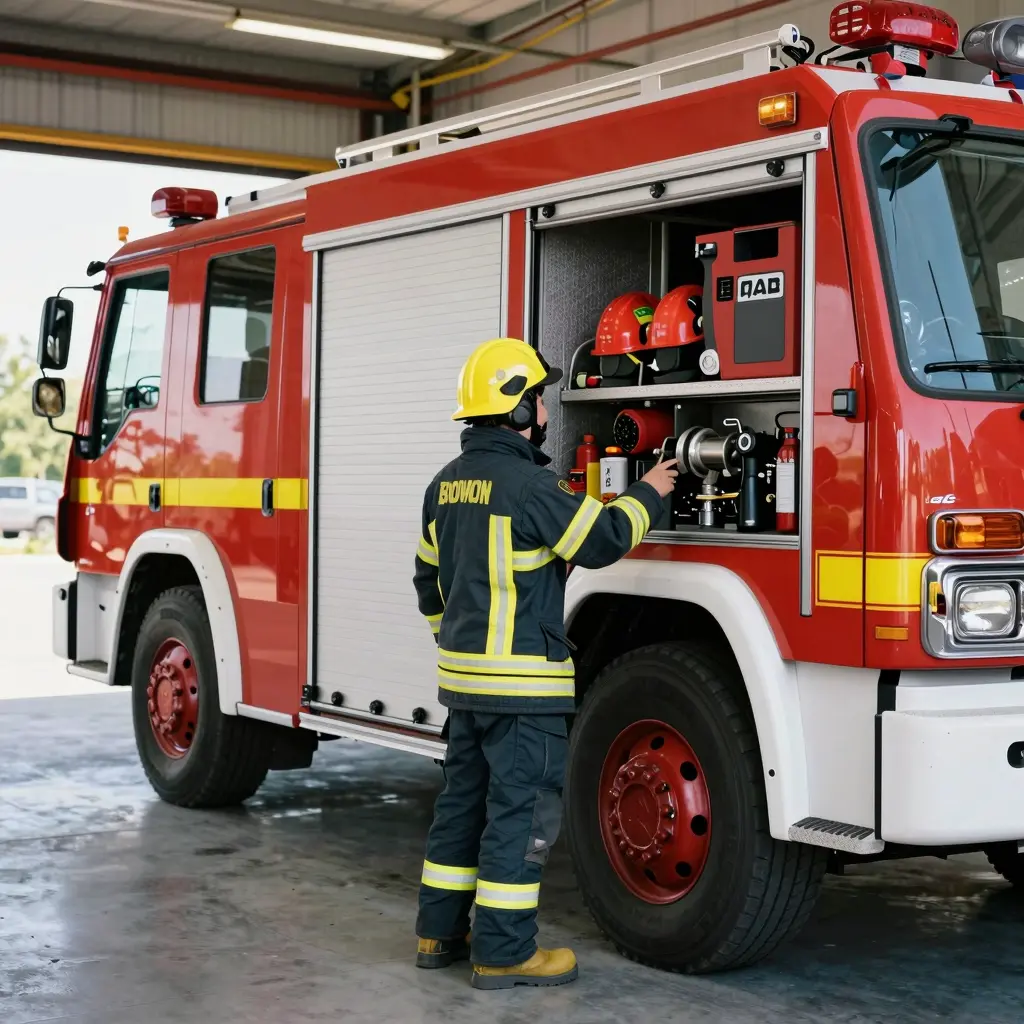
In the fast-paced world of emergency response, the quality and reliability of fire trucks are paramount for business owners and municipalities alike. With lives on the line and property at stake, having a dependable fire truck can make all the difference in a critical situation. This makes partnering with reputable fire truck suppliers not just a choice, but a vital necessity. When selecting a supplier, it is essential to consider their track record, the variety of models offered, and the support services they provide. A strong supplier relationship can ensure that your fleet is equipped with the latest technology and maintenance support, enhancing your operational efficiency and safety. Investing in quality fire trucks means empowering your team to respond swiftly and effectively to emergencies, reinforcing safety and trust within the community. For those seeking specialized vehicles, learn more about our diverse range of fire rescue vehicles to ensure your operation is always prepared for any emergency. Furthermore, aligning with a reliable supplier gives you access to a network of expertise and resources, which is invaluable in today’s ever-evolving landscape of public safety.
Overview of the Fire Truck Industry
The fire truck industry plays a crucial role in ensuring public safety by providing essential vehicles and equipment for emergency response. As of 2023, the global market for fire trucks was valued at approximately USD 4.88 billion, projected to reach USD 9.9 billion by 2032, growing at a compound annual growth rate (CAGR) of about 5% to 5.6%. This growth is driven by increased fire safety regulations and a heightened focus on advanced fire truck technology, which includes the integration of electric models and environmentally friendly firefighting solutions.
Current Trends in Fire Truck Technology
Recent advancements in fire truck technology are shaping the industry decisively. A significant trend is the adoption of electric fire trucks, which is anticipated to witness the highest growth rate of 6.2% from 2023 to 2032. This transition towards electrification not only responds to regulatory pressures for lower emissions but also enhances operational efficiency during emergency situations.
Moreover, innovative technologies such as artificial intelligence (AI) for fire detection and the Internet of Things (IoT) for improved monitoring systems are becoming increasingly prevalent. For instance, AI-driven video sensor technology offers real-time monitoring capabilities, significantly improving the reliability of fire detection systems in challenging environments. Other advancements include intelligent systems and augmented reality applications aimed at improving fire safety measures across various sectors. These developments underscore the industry’s commitment to safety and efficiency, enhancing the capability of emergency responders to mitigate risks effectively.
Market Growth Factors
Several factors contribute to the robust growth of the fire truck industry:
- Regulatory Changes: Stricter fire safety regulations globally are compelling municipalities to invest in modern fire-fighting equipment.
- Technological Innovations: The continuous evolution of fire truck technology fosters greater safety and efficiency in emergency response.
- Increased Awareness: Rise in public awareness regarding fire safety has led to higher demand for advanced fire safety equipment.
As businesses and municipalities prioritize fire safety and emergency response capabilities, the fire truck industry is poised for significant expansion. Suppliers and manufacturers are urged to stay updated on trends and technological advancements in order to meet evolving market demands. For more information on various fire rescue vehicles, check out our fire rescue products.
In conclusion, the fire truck industry is transitioning rapidly to meet modern challenges through innovation and regulation, ensuring that emergency responders remain equipped and ready to safeguard communities effectively.
Comparison of Top Fire Truck Suppliers
In order to assist business owners in selecting the right fire truck suppliers for their needs, we have compiled a table comparing some of the leading fire truck manufacturers based on product offerings, pricing, customer reviews, and delivery times. The information highlights key aspects that can influence purchasing decisions.
| Supplier | Product Offerings | Average Pricing | Customer Reviews | Delivery Times |
|---|---|---|---|---|
| Pierce Manufacturing | Custom fire apparatus, aerial, pumpers, tanker trucks | $250,000 – $500,000 | 4.5/5 | 3-6 months |
| E-ONE | Fire engines, rescue vehicles, aerials | $300,000 – $600,000 | 4.4/5 | 4-8 months |
| Ferrara Fire Apparatus | Custom fire trucks, tankers, and wildland vehicles | $200,000 – $550,000 | 4.7/5 | 3-5 months |
| KME | Custom fire trucks, aerial ladders, pumpers | $250,000 – $550,000 | 4.6/5 | 4-7 months |
| Spartan ER | Ambulances, fire trucks, chassis built | $220,000 – $480,000 | 4.3/5 | 2-4 months |
Businesses can assess suppliers based on essential features such as reliability, customer support, and customization options offered. Consider checking this detailed guide on fire truck manufacturers for a deeper understanding of the market.
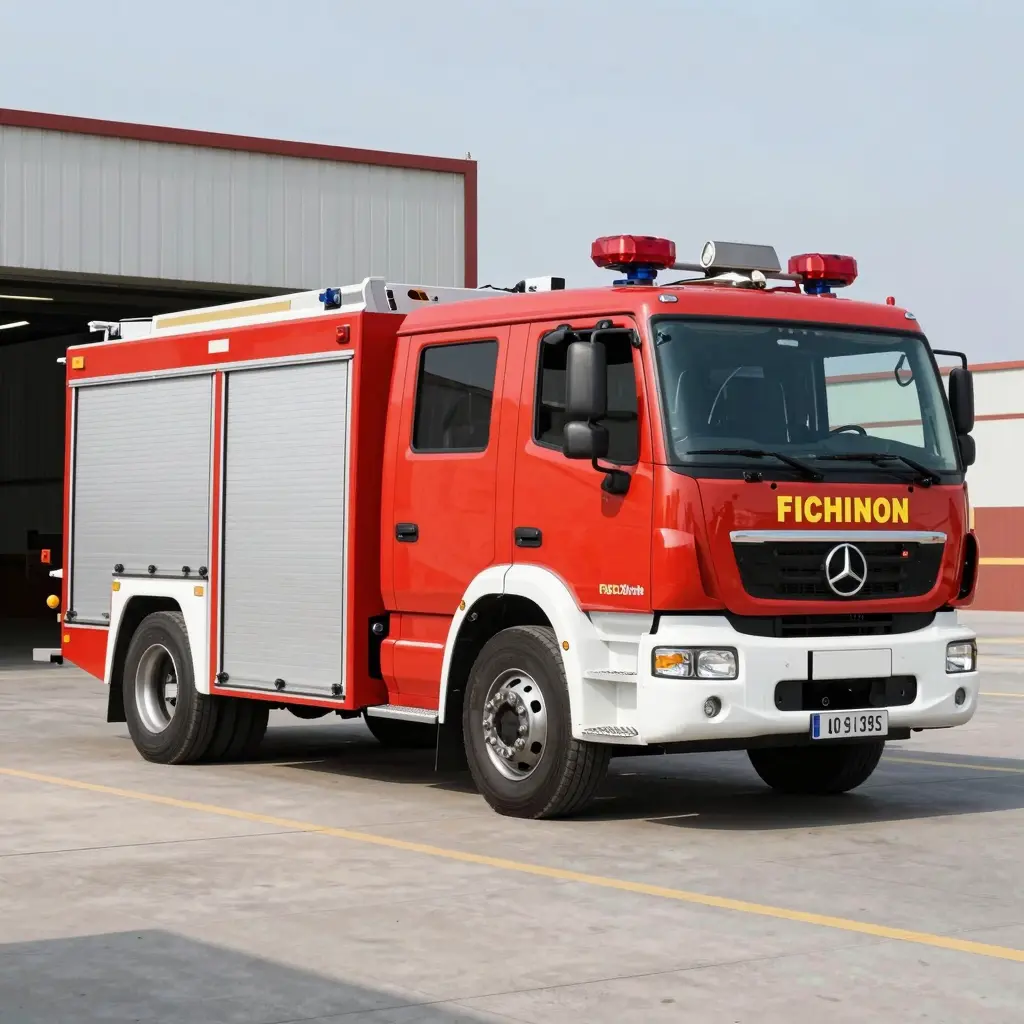
For specific needs or to learn about specialized apparatus like municipal vehicles and fire-rescue trucks, it’s advisable to explore dedicated suppliers who focus on those products and have reputable customer feedback.
Choosing the Right Fire Truck Supplier
When selecting a fire truck supplier, business owners must consider several critical criteria to ensure they make the best decision for their organization. Here are some key factors to evaluate:
1. Reputation
A supplier’s reputation is paramount. Research their standing within the industry by seeking reviews, testimonials, and benchmarks. Look for compliance with international standards such as NFPA 1901 and ISO 9001, which indicate adherence to safety and manufacturing quality protocols. Reliable suppliers often showcase long-standing partnerships with fire departments and strong customer service.
2. Product Range
Review the supplier’s product offerings. A diverse range of fire trucks, including aerial, tanker, and pumper options, allows you to find equipment tailored to your specific needs. For instance, CRRC’s range includes everything from fire-rescue equipment to specialized fire trucks designed for various firefighting scenarios.
3. Customization Options
Evaluate whether the supplier offers customization services. Each fire department may have unique requirements based on the environment they operate in. Customizing the trucks with specialized equipment can significantly enhance their efficiency and effectiveness in emergencies.
4. Post-Sale Support
Post-sale support is crucial for maintaining the longevity and performance of fire trucks. Inquire about warranty terms, availability of spare parts, and the supplier’s maintenance services. A supplier that provides robust after-sales support can ensure your fleet remains operational, enhancing safety and effectiveness.
Conclusion
By thoroughly assessing these criteria, business owners can make informed decisions when selecting a fire truck supplier. An appropriate choice not only leads to effective firefighting capabilities but also long-term partnerships that can yield operational benefits.

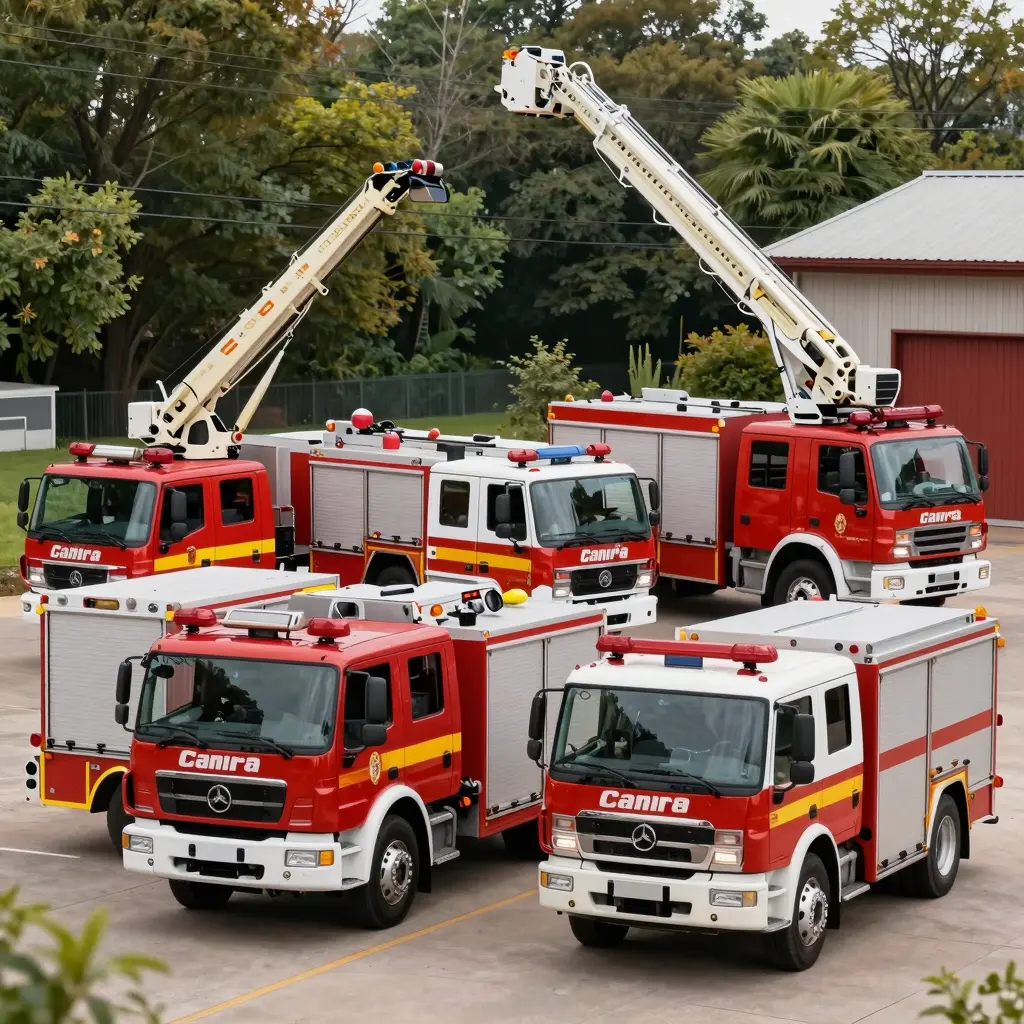
Top Questions to Ask Fire Truck Suppliers
Selecting the right fire truck supplier is crucial for business owners who are looking to invest in these essential vehicles. Here’s a list of key questions you should consider asking during the selection process:
-
What types of fire trucks do you offer?
Inquire about the range of fire trucks available, including pumpers, aerials, and tankers. This ensures that the supplier can meet your specific needs. You can explore options such as fire rescue vehicles on their website. -
Can you provide customization options?
Find out if the supplier offers customization for features such as tank size, equipment compartments, and firefighting systems to suit your operations better. -
What are the warranty and service agreements?
Ask about the warranty duration, what it covers, and the terms for maintenance and service agreements. Reliable after-sales support is critical for long-term satisfaction. -
What financing options are available?
Inquire about any financing plans or leasing options that the supplier may offer. This information can help you budget effectively. -
Can you provide references or case studies?
Request references from other businesses that have purchased fire trucks from them. Reviews and testimonials can give insight into the supplier’s reliability and service quality. -
How long will it take for delivery?
Understanding the delivery timeframe helps you plan your operational needs without significant delays. -
What safety features are included in your vehicles?
Ask about specific safety features in their fire trucks, such as stability control, advanced lighting, and visibility. Safety is paramount in fire-fighting operations. -
What maintenance support do you offer?
Inquire about the supplier’s support in maintenance training for your personnel and whether they provide service manuals or additional resources.
By addressing these questions, business owners can make informed decisions when selecting a fire truck supplier, ensuring that they choose a partner that aligns with their operational requirements and safety standards.
Advancements in Fire Truck Technology: A 2023 Overview
The landscape of fire truck technology has evolved significantly in recent years, driven by innovations aimed at improving safety, efficiency, and eco-friendliness. Fire truck suppliers are increasingly focused on integrating advanced technologies that enhance firefighting capabilities, protect communities, and minimize environmental impact. Here’s a look at the latest advancements:
Automation Enhancements
Recent developments in automation technology have transformed fire truck operations. Advanced systems now include:
- Smart Navigation: Incorporating GPS and real-time traffic data to optimize routes, automating navigation allows fire trucks to reach emergency sites faster.
- Remote Operation: Some fire departments are experimenting with drones for aerial reconnaissance, enhancing situational awareness during emergencies.
- Self-driving Features: Although still in early stages, some fire trucks are being tested with semi-autonomous driving capabilities, aiming to reduce human error and increase safety on the roads.
Safety Features
Safety technologies in fire trucks have seen notable enhancements:
- Enhanced Visibility: New LED lighting systems provide greater visibility in emergency conditions, while thermal imaging cameras help firefighters see through smoke.
- Advanced Communication: Systems that integrate with smartphones and other devices ensure that firefighters receive real-time updates and alerts, improving coordination during firefighting efforts.
- Inbuilt Safety Systems: Features such as automatic stability control help prevent accidents during operations, ensuring that the vehicle remains stable even in difficult terrains.
Eco-Friendly Options
As environmental concerns continue to grow, fire truck suppliers are adopting greener technologies:
- Electric and Hybrid Models: Innovations in eco-friendly fire trucks, such as electric models, are making waves. For instance, the Madison Fire Department is piloting an electric fire truck that matches the performance of traditional vehicles yet emits zero carbon WPR.
- Solar Power Integration: Newer fire trucks are equipped with solar panels to support onboard systems, reducing reliance on fossil fuels while providing sustainable energy.
Fire Prevention Technology
Fire prevention technology is also advancing rapidly. Some noteworthy examples include:
- Infrared Sound Waves: A fire department in California is trialing technology that uses infrared sound waves to assist in wildfire prevention, providing a novel approach to combating fires in at-risk areas The Cool Down.
- Urban Fire Prevention: New methodologies for urban firefighting have emerged, aimed at enhancing response times in tall buildings; this technology promises to significantly improve the safety and efficiency of firefighting in complex urban environments NBC Washington.
In conclusion, as the industry evolves, fire truck suppliers are at the forefront of these advancements, ensuring that their technology continuously adapts to the changing needs of firefighters and the communities they serve. For those interested in municipal fire safety and rescue solutions, learning more about the latest fire truck technologies can provide valuable insights into future trends and strategies in firefighting.
The Importance of Investing in Quality Fire Trucks
Investing in quality fire trucks and suppliers is crucial for ensuring safety and operational efficiency in firefighting operations. Industry experts emphasize that
“Investing in high-quality fire truck ladder trucks enhances safety for firefighters and the public, ensuring compliance with firefighting standards and improving response effectiveness.”
- Zoomlion Global
This quote highlights how quality equipment not only meets regulatory standards but also significantly enhances the effectiveness of emergency responses.
Moreover, a recent announcement about a $45 million donation to purchase new fire trucks underscores the ongoing commitment to bolstering emergency services with quality equipment. As stated in Trib Live, “Highmark and UPMC will donate a combined $45 million to bolster the city’s emergency services by purchasing new fire trucks, underscoring the importance of investing in quality equipment for public safety.”
Quality fire trucks ultimately lead to lower maintenance costs and reduced replacement needs, making them a sound financial investment. Additionally, municipalities must ensure that they select reputable suppliers for these critical assets to guarantee long-term performance and reliability.
For further information on different types of fire trucks, consider exploring our fire rescue vehicles section.
Conclusion
In conclusion, selecting the right fire truck supplier is a critical decision that impacts the efficiency and effectiveness of emergency services. The discussion emphasized several key factors to consider when evaluating potential suppliers: reliability, the quality of products, excellent customer service, and after-sale support. A trusted supplier not only provides high-quality fire trucks but also acts as a partner during the buying process and beyond, ensuring that your fire department is equipped to handle emergencies effectively.
We also highlighted the numerous benefits of partnering with a reputable company like CCIG. With a diverse range of fire rescue vehicles, including tankers, aerial trucks, and pumpers, CCIG is dedicated to meeting the unique needs of municipalities and fire departments. Their commitment to quality and customer satisfaction sets them apart in the industry. Explore our fire rescue offerings to see how CCIG can help empower your team.
Ultimately, your choice of supplier can enhance your operations and improve community safety. Don’t compromise on quality; instead, reach out to CCIG for collaboration opportunities. Together, we can ensure that your fire department is well-prepared to protect and serve. For more information on our products and to discuss your specific needs, connect with us today and take the first step towards strengthening your emergency response capabilities!
| Year | Market Size (Billion USD) |
|---|---|
| 2019 | 4.0 |
| 2020 | 4.3 |
| 2021 | 4.7 |
| 2022 | 5.0 |
| 2023 | 5.1 |
CAGR (2023-2032): 5.8%