Introduction
In today’s fast-paced food service industry, the ethics surrounding disposable food containers have become a pivotal consideration for businesses ranging from bubble tea shops and beverage chains to restaurants, food trucks, and catering services. As consumers increasingly demand convenience without compromising their values, these entities must navigate the complex terrain of environmental sustainability, food safety, and social responsibility. Every choice-from the type of material used in packaging to the lifecycle of these products-has implications not only for our planet but also for the reputation and success of food businesses.
With a variety of options now available, including biodegradable and compostable containers, the ethical use of disposable food packaging is not merely a trend; it’s an essential part of doing business in the modern market. Event planners and corporate procurement teams are also key stakeholders in this conversation, as they seek to align their purchasing decisions with the ethical values of their organizations and their clients. By understanding the importance of environmentally responsible packaging, food service providers can enhance their brand image while contributing positively to the global effort to reduce waste.
Let’s explore the ethical dimensions of using disposable food containers and discover how making informed choices can benefit both businesses and the environment. For those interested in eco-friendly options, check out our range of paper packaging products and explore how they can elevate your service while being kind to the earth.
The rise in the use of disposable food containers has become a pressing issue concerning environmental sustainability. While convenient for both businesses and consumers, these containers pose significant environmental challenges, primarily through plastic pollution, inefficient waste management systems, and sustainability issues.
Plastic Pollution
One of the most alarming aspects of disposable food containers is their contribution to plastic pollution. According to the National Geographic, the majority of plastic pollution in oceans originates from land-based sources. Rivers act as conduits, transporting vast amounts of plastic waste into marine environments. It is estimated that about 11 million metric tons of plastic enter oceans annually, a figure expected to triple by 2040 if current trends continue. This highlights the urgency of addressing plastic pollution, especially from single-use items like food containers.
Plastic pollution not only affects wildlife but also disrupts entire ecosystems. Marine animals often ingest plastic or become entangled, leading to injury and death. Additionally, microplastics-tiny plastic particles that result from the degradation of larger items-have infiltrated food chains, posing risks to both animals and humans.
Waste Management Challenges
The sheer volume of disposable food containers complicates waste management systems. In the United States alone, disposable food containers constitute a significant proportion of municipal solid waste. Over 30 million tons of plastic waste are generated each year, with disposable containers contributing heavily to this figure. Due to their lightweight nature and complexity in recycling, many containers end up in landfills, where they can take hundreds of years to break down.
Moreover, recycling facilities often struggle with contamination, as not all plastics are recyclable, and many consumers remain unaware of which materials can be recycled. This leads to additional waste and hampers efforts to make recycling systems more efficient. Effective waste management is vital for mitigating the environmental impact of disposable containers, emphasizing the need for better consumer education and comprehensive policies.
Sustainability Concerns
Sustainability is another critical issue linked to disposable food containers. Many companies are transitioning toward greener alternatives, such as compostable or biodegradable containers made from materials like sugarcane or paper. These alternatives significantly reduce the carbon footprint associated with traditional plastic containers.
The push for sustainable options isn’t merely a trend; it’s a necessity for long-term ecological health. As consumers become more environmentally conscious, businesses in the food service industry, including bubble tea shops and restaurants, must adopt sustainable practices or risk losing customer loyalty. Investing in eco-friendly packaging options not only demonstrates environmental responsibility but can also enhance brand image and appeal to a broader audience.
In conclusion, the environmental impact of disposable food containers is multifaceted, encompassing significant issues such as plastic pollution, waste management inefficiencies, and sustainability challenges. Businesses must recognize their role in this crisis and take proactive steps to transition toward more sustainable packaging solutions. By doing so, they can contribute to a healthier planet while satisfying the growing demand for eco-conscious practices. For more sustainable packaging options, explore our range of paper bowl products and sugarcane tableware.
| Container Type | Material | Cost (Approx.) | Recyclability | Environmental Impact |
|---|---|---|---|---|
| Plastic | Polypropylene, PET | Low | Curbside recycling in some areas | High, contributes to pollution, takes hundreds of years to decompose |
| Paper | Pulp from wood fibers | Moderate | Widely recyclable | Lower than plastic, but can contribute to deforestation if not sourced sustainably |
| Biodegradable | Starch-based, sugarcane, or PLA | Moderate to High | Limited, some industrial composting | Much lower; can break down in specific conditions, reducing landfill waste |
Key Insights
-
Material: Plastic containers are prevalent due to their low cost but are harmful to the environment. Paper containers, made from wood pulp, are more sustainable if sourced responsibly while biodegradable options use renewable resources such as plant starch.
-
Cost: Generally, plastic containers are cheaper, while biodegradable options tend to be pricier due to their material source and processing requirements.
-
Recyclability: Paper is widely recyclable, while many plastic types are only recyclable in specific areas, and biodegradable options require industrial composting for effective breakdown.
-
Environmental Impact: Biodegradable containers have a significant edge over plastics in reducing landfill waste, although their benefits depend on proper disposal methods. Paper containers present challenges linked to forestry but are overall better than plastic.
For more detailed information on eco-friendly options, feel free to explore our paper bowl selection and check out biodegradable packaging options.
The Significance of Ethical Sourcing of Materials for Disposable Food Containers
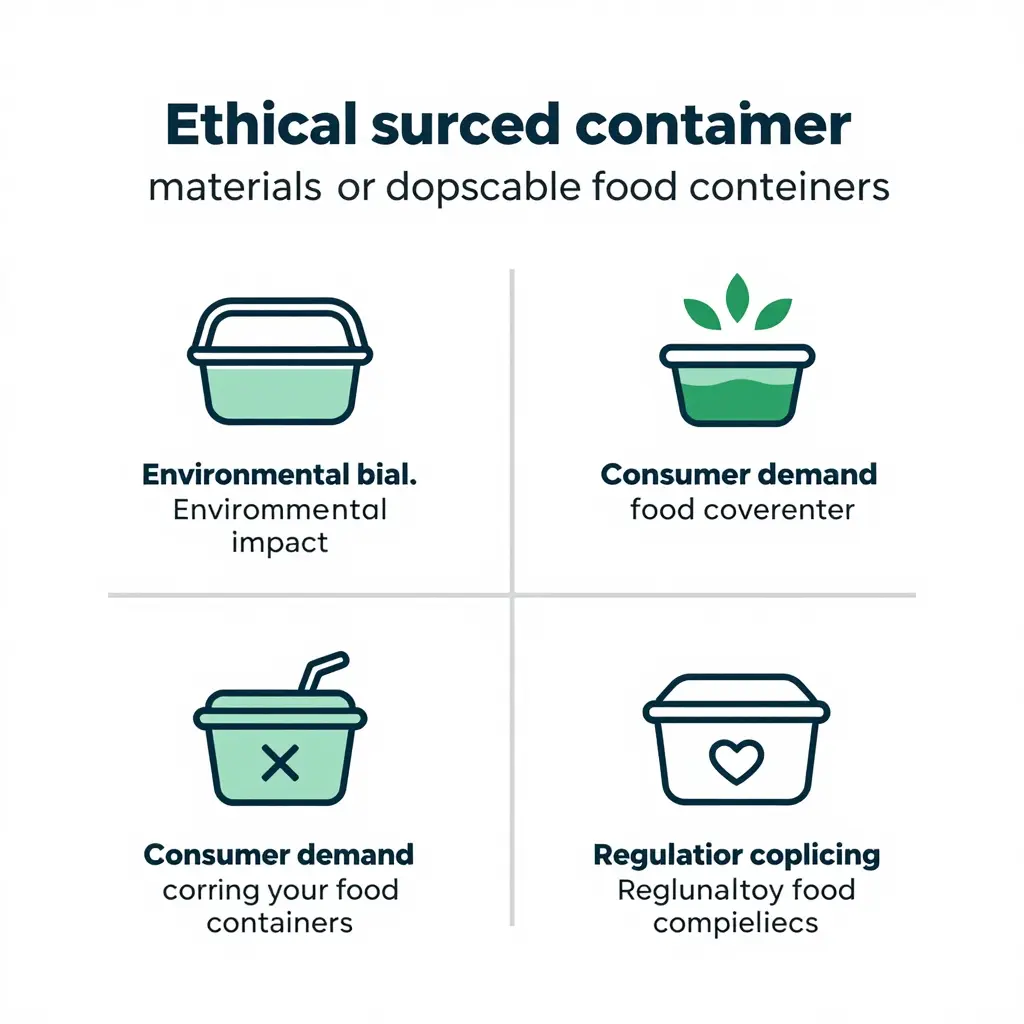
The demand for disposable food containers is soaring, especially among bubble tea shops, restaurants, and food trucks, making it imperative for businesses in this sector to consider their sourcing practices. Ethically sourcing materials involves ensuring that the products used are sustainable, responsibly produced, and environmentally friendly. This practice is not only a moral obligation but also serves several strategic advantages for brands operating in today’s competitive market.
Environmental Responsibility
Ethically sourced materials often come from sustainable practices that minimize negative environmental impacts. For instance, containers made from recycled or responsibly sourced resources can significantly reduce waste and pollution, aligning with the values of environmentally-conscious consumers. Given that disposable containers contribute heavily to landfill waste, a shift to ethical sourcing is a vital step toward sustainability. Learn more about sustainable materials here.
Consumer Demand and Brand Image
In recent years, there has been a marked increase in consumer awareness regarding environmental issues. Many customers prefer brands that demonstrate social responsibility and environmental consciousness. By sourcing materials ethically, businesses can enhance their brand image and connect more deeply with their audience. Companies that communicate their ethical sourcing practices can build trust, as highlighted by reports indicating that transparent communication fosters stronger consumer loyalty, potentially increasing purchase conversion rates by up to 20% (ZigPoll).
Additionally, ethical sourcing practices can elevate a brand’s reputation. A study indicated that brands recognized for their sustainable practices attract a conscious consumer base that is willing to pay a premium for ethically sourced products (Ecovibe Roast). By integrating ethical sourcing into their core operations, businesses not only support responsible practices but also set themselves apart in an increasingly competitive marketplace.
Conclusion
The importance of ethically sourcing materials for disposable food containers extends beyond compliance with regulations; it is a powerful tool for enhancing brand image. By prioritizing ethical practices, businesses can appeal to a more extensive consumer base, ultimately supporting both environmental sustainability and business growth. To explore our range of responsible and sustainable disposable food containers, check out our paper bowl collection here.
Quote from Industry Expert
“Disposable packaging, while convenient, poses significant ethical challenges concerning waste and environmental impact. It’s not just about convenience; it’s about the societal responsibility we bear to protect our planet.” – Source
Discussion on Ethics of Disposable Food Containers
The ethics surrounding disposable food containers revolve around their environmental impact, convenience, and the responsibility businesses have towards sustainability and waste reduction. Here are several key points to consider:
-
Environmental Responsibility: The convenience of disposables often leads to detrimental environmental consequences. Studies indicate that single-use packaging contributes significantly to pollution and waste, which raises ethical concerns (Bulk Buy Packaging).
-
Sustainability Initiatives: Many industry leaders are now shifting towards more sustainable practices. Emphasizing materials like compostable or biodegradable options can not only reduce the environmental footprint but also reflect a commitment to ethical standards (Green Dispo Pack).
-
Consumer Expectations: Modern consumers are increasingly aware of the environmental implications of their choices. There’s a growing demand for brands to adopt transparent and ethical packaging solutions that prioritize sustainability (Quit Plastic).
For businesses like bubble tea shops, restaurants, and catering services, considering these ethical dimensions when selecting packaging options can enhance not only brand image but also customer loyalty.
Conclusion
Incorporating sustainable practices in food container usage is not just a trend but a necessary shift for ethical and responsible food service operations. By acknowledging the impact of disposable packaging and committing to more sustainable alternatives, businesses can play a pivotal role in promoting environmental stewardship.
You can explore green disposable packaging solutions to find products that align with ethical practices in your business.
Consumer Attitudes Towards Disposable Food Containers
In recent years, consumer attitudes toward disposable food containers have shifted significantly, reflecting a growing awareness of environmental sustainability. According to research by FMCG Gurus, 40% of global consumers feel more positively about packaging as a result of the COVID-19 pandemic, which increased the emphasis on functional and sustainable food packaging solutions (source).
Growing Preference for Eco-Friendly Options
A notable trend is the increasing demand for eco-friendly disposable food containers. A report indicates that 75% of consumers prefer eco-friendly options in 2023, linked to the rise of e-commerce in the food delivery sector, which has experienced a 40% increase (source). This preference aligns with a broader movement towards sustainability in food trade, where consumers are seeking products that not only provide convenience but also address environmental concerns.
Furthermore, transparency in food packaging is crucial for consumers, with 85% asserting that transparent packaging is essential for food freshness. This highlights a strong consumer desire for accountability in food packaging-and coincidentally, eco-friendly containers can often fulfill this expectation while demonstrating a brand’s commitment to sustainability (source).
Innovations in Eco-Friendly Containers
Innovations in eco-friendly disposable food containers, such as those made from biodegradable materials, cater to these consumer sentiments. Products designed with sustainability in mind not only reduce environmental harm but also enhance the convenience factor for consumers (source). As the market continues to evolve, businesses in the food sector-such as bubble tea shops, restaurants, and catering services-are encouraged to consider these eco-friendly options to meet changing consumer expectations and contribute positively to environmental efforts.
In conclusion, as consumers become more informed and concerned about sustainability, the demand for eco-friendly disposable food containers is set to rise. Businesses should adapt to these trends to remain competitive in an environmentally conscious market. For businesses interested in affordable and eco-conscious options, check out our range of sugarcane food containers that align with these consumer preferences.
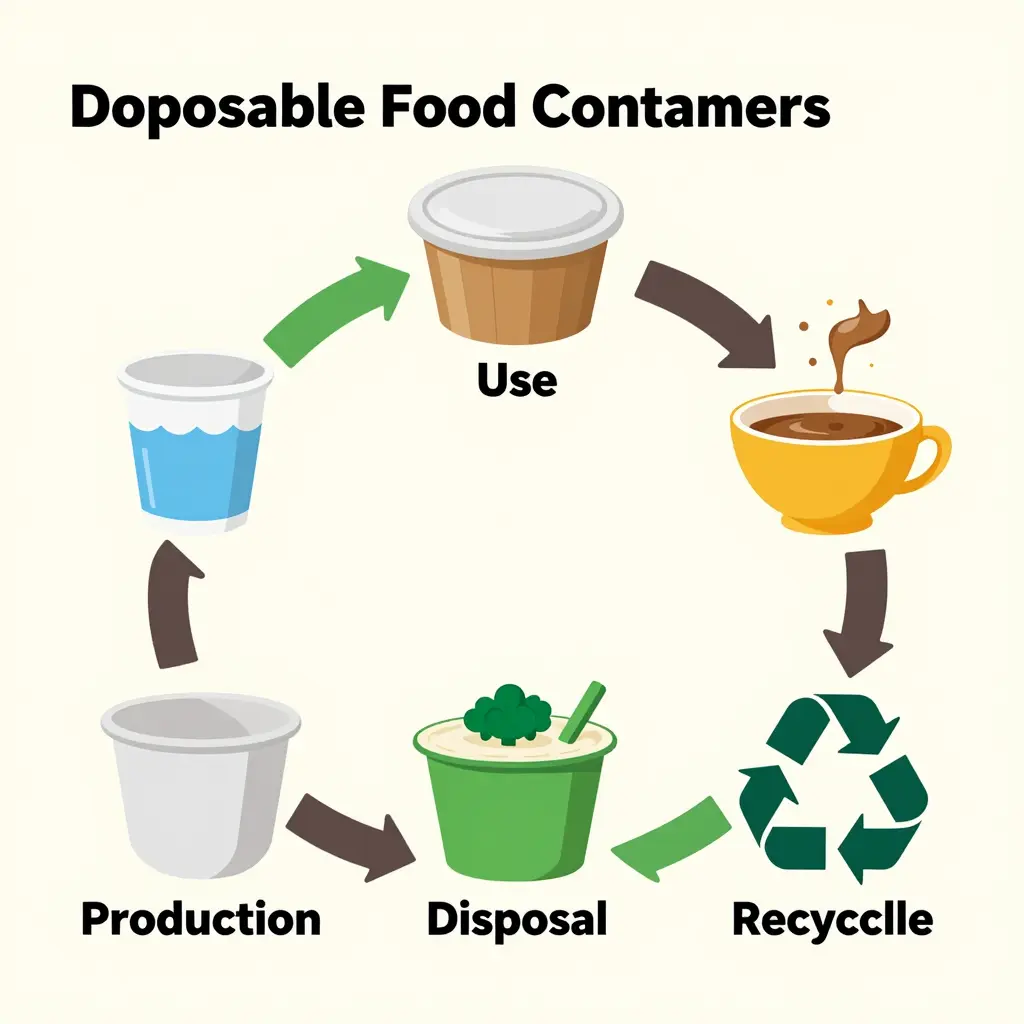
Understanding the Lifecycle
The infographic visually represents the lifecycle of disposable food containers, illustrating how these materials transition from production to disposal and recycling. This lifecycle is crucial for food businesses as it highlights environmental considerations and informs sustainable practices that can be adopted.
For those looking to make an eco-friendly choice in packaging, our range of paper bowls and sugarcane tableware offer sustainable solutions.
Best Practices for Businesses Using Disposable Containers
As the conversation surrounding sustainability and ethics in the food industry grows, businesses are increasingly faced with the challenge of using disposable containers responsibly. Here are some best practices to consider:
1. Opt for Eco-Friendly Materials
- Choose Biodegradable Options: Use containers made from materials like cornstarch, bamboo, or sugarcane, which decompose naturally and have a lower environmental impact. For example, consider products like sugarcane cups and sustainable packaging solutions.
- Limit Plastic Use: Avoid single-use plastics whenever possible. They contribute significantly to landfill waste and take centuries to decompose. Instead, select recyclable options that are easier to process.
2. Implement Proper Waste Management Practices
- Encourage Recycling and Composting: Provide clear labels and bins for recycling and composting disposable containers. This can help facilitate waste separation and encourage consumers to dispose of their waste responsibly.
- Educate Your Staff: Conduct training sessions for your staff to ensure they understand the importance of proper waste disposal and how to manage materials effectively.
3. Promote Reusable Containers
- Incentivize Customers: Offer discounts or incentives to customers who bring their reusable containers. This not only promotes eco-friendly behavior but also builds customer loyalty.
- Provide a Deposit System: Employ a deposit system where customers can return disposable containers for a small fee, encouraging returns and reducing waste.
4. Source Locally and Sustainably
- Support Local Suppliers: Whenever possible, source your disposable containers from local businesses that prioritize sustainable practices. This reduced transportation emissions and supports the local economy.
- Investigate Supplier Ethics: Ensure that your suppliers uphold ethical labor practices and sustainable sourcing in their production processes, which enhances your brand’s integrity and commitment to sustainability.
5. Engage Customers in Sustainability
- Communicate Your Commitment: Use signage and social media to communicate your efforts in adopting eco-friendly practices. Share tips about disposing of containers responsibly and the importance of sustainability.
- Involve Customers in Choices: Host feedback sessions to understand customer preferences regarding container types and sustainability practices. Adapt your strategies based on their input to foster a community-oriented approach to environmental responsibility.
By integrating these best practices, businesses can not only reduce their environmental footprint but also appeal to increasingly eco-conscious customers. For more sustainable packaging options, check out these eco-friendly disposable solutions.
Conclusion
As we wrap up our discussion on the ethics of disposable food containers, it’s essential to recognize their significant role in promoting sustainable practices within the food industry. In today’s world, where environmental consciousness is paramount, making informed and ethical choices regarding packaging is not just a business decision but a moral obligation.
By opting for eco-friendly disposable containers, businesses can reduce their environmental impact while appealing to the growing number of consumers who prioritize sustainability. Ethical practices in sourcing, manufacturing, and disposing of food containers contribute to less waste and pollution, fostering a healthier planet for future generations.
To elevate your business and meet the rising demand for sustainable packaging solutions, consider exploring the innovative products offered by Green Dispo Pack. Our range of eco-friendly options includes sugarcane tableware, paper cups, and kraft paper boxes that provide both quality and sustainability.
Make a difference today by integrating ethical disposable food containers into your operations. Together, we can build a more sustainable future while meeting the needs of our customers and our planet.
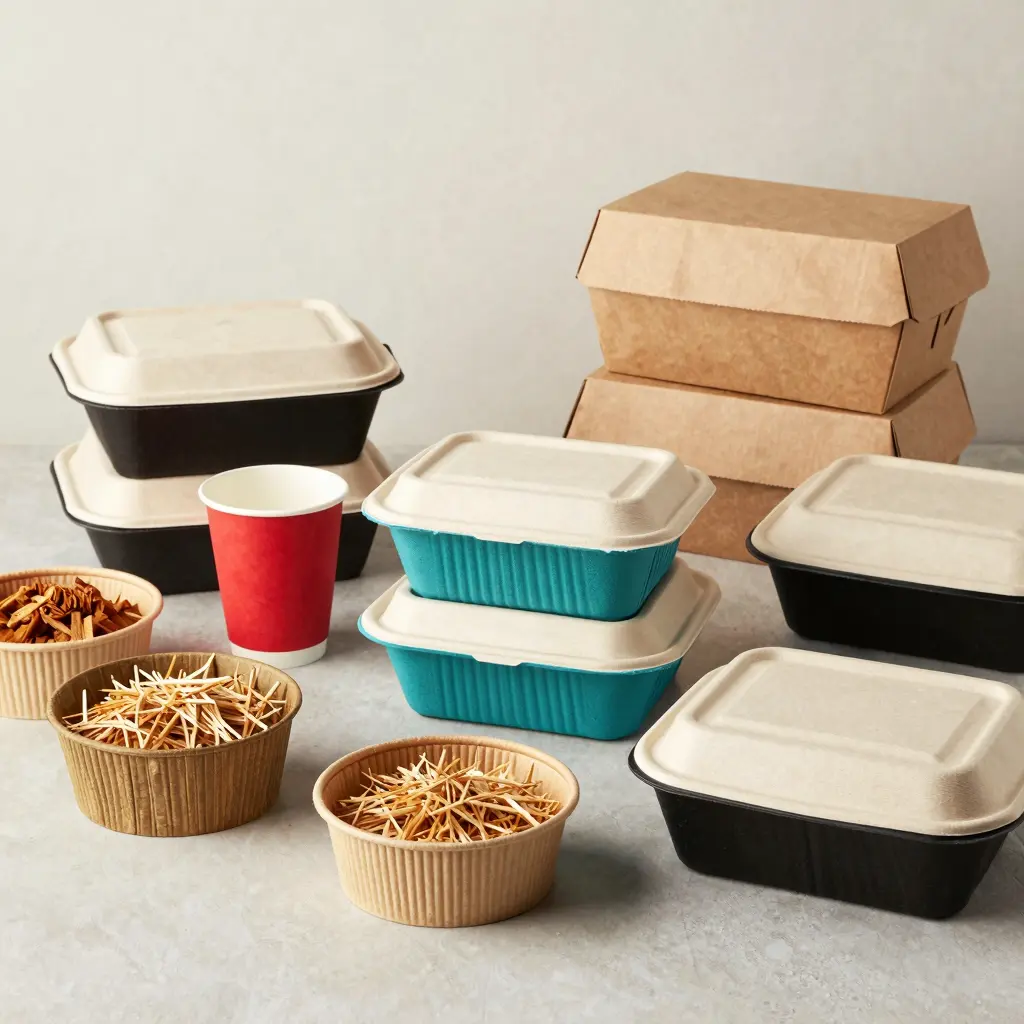
Join the movement towards sustainability and get started with our eco-friendly packaging solutions!
Growth of Eco-Friendly Container Usage
The eco-friendly disposable container market is experiencing significant growth, driven by increasing consumer awareness and demand for sustainable practices. The following chart illustrates the projected growth in market value from 2023 through 2032, highlighting the trend toward greener packaging options in various sectors including restaurants and catering services.

Projected Market Values
| Year | Market Value (USD) |
|---|---|
| 2023 | 30 billion |
| 2024 | 32 billion |
| 2025 | 34 billion |
| 2026 | 36 billion |
| 2027 | 38 billion |
| 2028 | 40 billion |
| 2029 | 42 billion |
| 2030 | 45 billion |
| 2031 | 48 billion |
| 2032 | 50 billion |
As the demand for eco-friendly products continues to rise, stakeholders in the food and beverage sector, including restaurants and corporate procurement teams, are encouraged to adopt these sustainable options. This not only benefits the environment but also aligns with consumer preferences for ethical and responsible sourcing.