Understanding the Importance of Plastic Food Container Pricing
In today’s fast-paced food service industry, the choice of packaging is a critical factor for businesses ranging from bubble tea shops to catering services. As the demand for quality packaging solutions continues to grow, understanding the pricing of plastic food containers becomes essential for ensuring safety, durability, and cost-efficiency. The right container not only protects your culinary creations but also reflects your brand’s commitment to quality and sustainability.
With a competitive marketplace, selecting the right containers at the right price can significantly affect your bottom line while also enhancing customer satisfaction. The latest trends show that businesses that prioritize quality in their packaging often see an uptick in customer loyalty. To explore a wide range of suitable options, check out our in-stock products and find the perfect packaging solutions tailored for your food service needs.
Factors Affecting Plastic Food Container Prices
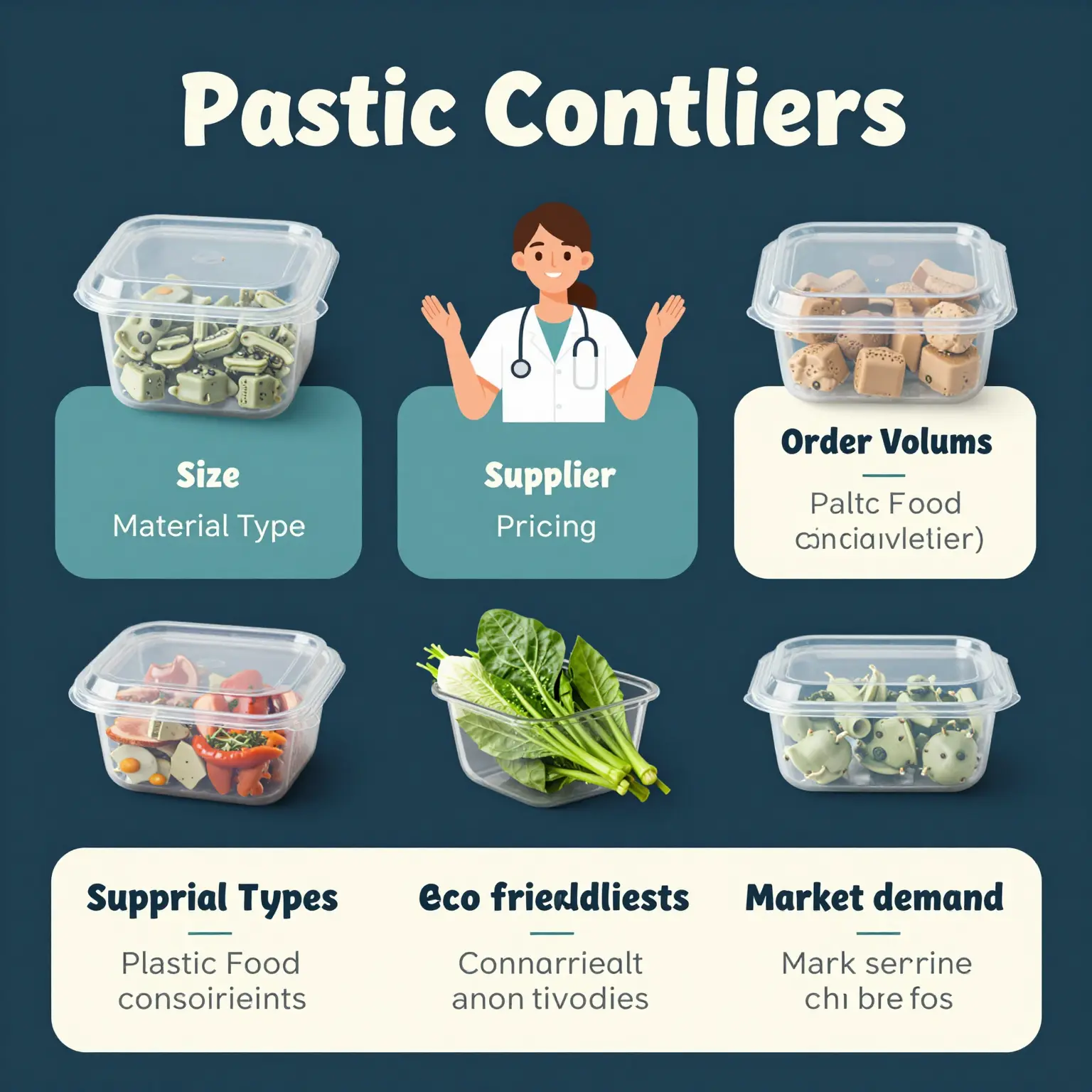
When it comes to buying plastic food containers for your business, a variety of factors can influence the pricing. Understanding these elements can help you make informed purchasing decisions that align with your budget and quality needs. Here’s a breakdown of some crucial factors:
- Material Type: The quality and type of plastic used in the containers will significantly impact pricing. Containers made from high-grade plastics or recyclable materials tend to cost more due to their durability and eco-friendliness.
- Size and Shape: Larger containers or those designed for specific food types, like sushi or bento boxes, often incur higher costs. Custom shapes may also add to the expense as they require specialized molds.
- Supplier Pricing: Different suppliers can have varied pricing structures depending on their manufacturing processes, location, and brand value. It’s wise to compare prices from several suppliers to ensure you get the best deal.
- Order Volume: Buying in bulk usually leads to lower per-unit costs. Suppliers often offer discounts for larger orders, making it more economical if your business has high turnover.
- Eco-friendliness: As consumer demand for sustainable products grows, eco-friendly packaging options may come at a premium. If your brand prioritizes sustainability, investing in biodegradable or recycled materials can enhance your image, albeit at a potentially higher cost.
- Market Demand and Trends: Changes in market trends can affect plastic food container prices. For instance, during peak seasons or due to supply chain issues, prices may increase, reflecting higher demand and lower availability.
By keeping these factors in mind, businesses like bubble tea shops, restaurants, and catering services can navigate the complexities of pricing while ensuring they choose the best products for their needs. For more options and pricing, feel free to explore our selection of food containers and takeaway solutions.
Understanding these essentials can be a game-changer in maintaining both quality and budget in your food service operations.
| Container Type | Size | Typical Use | Price Range |
|---|---|---|---|
| Rectangular Containers | 500ml | Meal prep, leftovers, snacks | $3.00 – $10.00 |
| Round Food Storage | 1L | Soups, salads, sauces | $4.00 – $12.00 |
| Airtight Containers | 2L | Storing dry food items, snacks | $5.00 – $15.00 |
| Compartment Containers | 1.5L | Bento-style meals, meal prep | $6.00 – $18.00 |
| Portion Cups | 100ml – 400ml | Sauces, dips, dressings | $10.00 – $25.00 (pack) |
| Takeaway Containers | 750ml – 1.5L | Takeout food, delivery services | $5.00 – $20.00 |
Notes:
- Prices can vary based on the brand, material quality, and where you purchase them.
- For more specific products, you can view options like meal bento boxes or bakery & sushi boxes.
This table serves to help businesses visualize their options in selecting plastic food containers that fit their needs. If you require more detailed information or specific products, I recommend checking online retailers or suppliers specializing in food service products.
The Importance of Safety Standards in Food Packaging
For businesses such as bubble tea shops, restaurants, food trucks, and catering services, adhering to safety standards in food packaging is not just a regulatory obligation but also a critical investment in customer trust and brand integrity. Safety standards ensure that food items are packaged in materials that won’t contaminate the food and that meet health regulations designed to protect consumers.
Why Safety Standards Matter
Safety standards play a crucial role in maintaining food quality and safety. They prevent the risk of foodborne illnesses-which can significantly damage a brand’s reputation while posing a risk to public health. Compliance with these standards helps businesses avoid costly recalls and legal issues, ultimately safeguarding their operational longevity.
Several regulations and certifications govern food packaging, such as FDA regulations (21 CFR 174-186) in the United States and similar standards in other countries. These regulations stipulate what materials can be used in food contact substances, ensuring they are safe for human consumption. For example, packaging must not leach harmful chemicals into food, which is a concern with certain plastics. Certifications like ISO standards provide additional assurance that packaging processes are safe and reliable.
Economic Impact
Adhering to safety standards can have direct implications on pricing and the selection of packaging materials. Businesses might face higher initial costs when investing in compliant materials, but this is often offset by the costs associated with compliance failures, such as product recalls, customer lawsuits, and loss of brand reputation. Furthermore, consumers are increasingly aware and concerned about food safety, often willing to pay a premium for products they perceive as safe.
Choosing certified and compliant packaging options often reflects positively on a business’s brand image. When selecting plastic containers and food packaging, it’s essential to consider these certifications as they not only help in ensuring safety but also influence consumer choice, enabling brands to stand out in a competitive market.
For those interested in compliant and safe packaging options, check out our range of packaging solutions tailored for the food industry.
Trends Affecting Plastic Food Container Prices
The food packaging sector is undergoing significant transformations, particularly impacting plastic food container pricing in the restaurant and catering industry. Here are some of the key trends and insights that are shaping the market this year:
Increasing Demand for Sustainable Solutions
Consumers today are more environmentally conscious than ever, which is shifting the demand toward sustainable packaging solutions. According to Statista, there is a notable growing preference among consumers for products that minimize environmental impact. Businesses, including restaurants and food trucks, are not only facing pressure to reduce plastic usage but are also observing an increase in the pricing of biodegradable and compostable alternatives, which may fluctuate as demand increases.
Market Growth Projections
The plastic food container market is projected to experience significant growth over the next few years. According to a report by IndustryArc, the food container market size is estimated to grow to $190 billion by 2027, with a CAGR of 4.3% from 2022 to 2027. This growth reflects a broader trend towards convenience and packaged food consumption, which is a boon for bubble tea shops and catering services that heavily rely on effective packaging for their offerings.
Influencing Factors on Pricing
Several factors are contributing to the dynamics of food container pricing:
- Raw Material Costs: The cost of raw materials, particularly petroleum-based plastics, is subject to market fluctuations that directly affect container prices.
- Technological Innovations: New technologies in manufacturing can drive down costs or introduce premium products, impacting the overall price range for food containers.
- Consumer Preferences: As mentioned earlier, innovative packaging designs and sustainability are influencing what consumers are willing to pay. Research shows that 50% of consumers prioritize design over price when making purchases in food packaging, suggesting a willingness to pay more for aesthetically pleasing or eco-friendly options (Gitnux).
Market Dynamics Overview
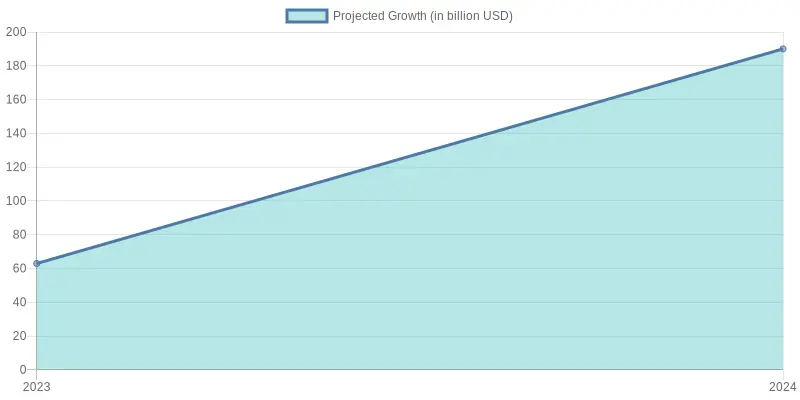
The projected growth of the food container market between 2023 and 2027 is visually represented below:
| Year | Projected Growth (in billion USD) |
|---|---|
| 2023 | 62.97 |
| 2024 | 190.00 |
This chart indicates a sharp increase from 2023 to 2024, reflecting the growing demand for effective food container solutions in various segments.
Conclusion
For business operators in the food service industry, understanding these market trends is crucial for making informed decisions about purchasing and pricing strategies for plastic food containers. By staying ahead of these trends and preparing for the impact of sustainable practices, businesses can not only align with consumer expectations but also maintain competitiveness in this evolving market.
Price Trends for Plastic Food Containers (2020-2023)
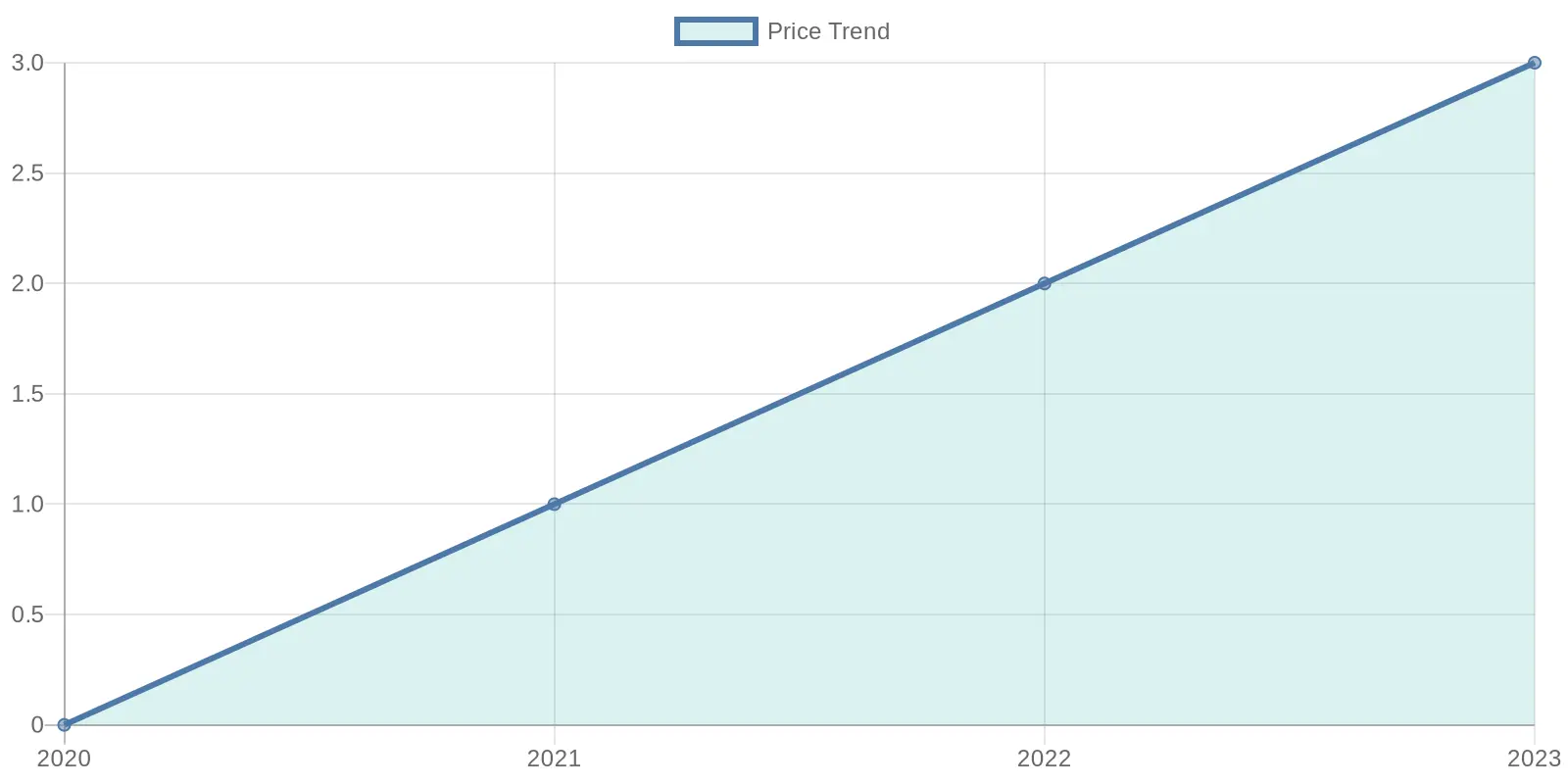
Understanding the price trends of plastic food containers is essential for businesses in the food and beverage industry, from bubble tea shops to catering services. Here’s an overview of how prices have changed over the past few years and the key factors that influenced these changes.
Price Trend Chart
Price Trend Data
| Year | Price Trend | Key Factors Influencing Price Changes |
|---|---|---|
| 2020 | Stable | Initial impact of COVID-19 on supply chains |
| 2021 | Moderate Increase | Increased demand for takeout and delivery packaging |
| 2022 | Significant Increase | Supply chain disruptions and rising raw material costs |
| 2023 | Expected Increase | Continued demand for sustainable packaging and inflation effects |
Key Factors Influencing Price Changes
- COVID-19 Pandemic: Initially, prices remained stable as the pandemic disrupted supply chains but later saw rises due to increased demand for disposable packaging.
- Rising Demand: The demand for takeout services surged during and post-pandemic, driving prices up as suppliers struggled to keep up.
- Supply Chain Disruptions: Increased transportation costs and material shortages contributed to rising prices in 2022.
- Sustainability Trends: As consumers increasingly prefer eco-friendly options, businesses may incur higher costs for sustainable packaging materials, further impacting prices in 2023.
For businesses looking for reliable sources for plastic food containers, check out our selection of takeaway boxes and food trays that feature quality materials to suit your needs.
Eco-Friendly Options in Plastic Food Containers
In an era where eco-consciousness is paramount, the shift towards eco-friendly food packaging has gained significant momentum. Restaurants, food trucks, event planners, and beverage chains alike are embracing biodegradable and compostable plastic containers as alternatives to traditional plastics. These eco-friendly options have an impact that goes beyond convenience, contributing meaningfully to sustainability efforts.
Types of Eco-Friendly Food Containers
- Biodegradable Containers: Made from materials like cornstarch or sugarcane, these containers can break down in a landfill or compost environment, returning to the earth without leaving harmful residues. For example, a biodegradable 9x9x3 inch takeout container is available for approximately $30.99 for a pack of 100 units (Bulk Mart).
- Compostable Containers: These are specialized types of biodegradable containers that not only break down but also contribute nutrients to soil when composted properly. Although the average price data isn’t specified, they typically vary based on material and design.
Price Comparison
Traditional plastic containers, while initially cheaper, often come with long-term environmental costs. In contrast, eco-friendly options may present slightly higher price points. A summary of average prices can be seen below:
| Type | Average Price (USD) | Source |
|---|---|---|
| Biodegradable | $30.99 | Bulk Mart |
| Compostable | Not specified | Notpla |
| Traditional Plastic | Not specified | Various |
Encouragement to Adopt Eco-Friendly Practices
Choosing eco-friendly food containers not only enhances your brand’s image but significantly reduces your environmental footprint. These containers:
- Decompose and enrich soil instead of contributing to landfill overflow.
- Support sustainability-focused customers who prefer businesses with environmentally-responsible practices.
- Mitigate the long-term effects of plastic pollution in ecosystems.
By investing in biodegradable or compostable food containers, your business is championing a cause that benefits both the planet and customers. Explore a range of products available for your establishment at Eco Cup Bowl. The future is green, and every small step counts!
Customer Testimonials
Building trust with our customers is fundamental to our success. Here’s what one of our valued clients had to say about our plastic food containers and exceptional service:
“We are extremely satisfied with the quality of EcoCup Bowl’s plastic food containers! They maintain freshness and their airtight design prevents leaks, which is a must for our delivery services. On top of that, the customer support has been exceptional!”
- Alex, Owner of Bistro on Wheels
For more insights into our offerings, check out our in-stock plastic food containers and our variety of takeaway boxes that meet your needs!
Conclusion: Make Informed Choices in Plastic Food Container Pricing
As we’ve explored, understanding plastic food container pricing is essential for professionals in the restaurant and catering industries. The market for plastic containers is projected to grow significantly, with estimates suggesting an increase from $13.25 billion in 2026 to $21.05 billion by 2035. This growth is driven by the demand for convenience and hygiene, making plastic containers a practical choice for many food service businesses.
Moreover, selecting the right containers not only affects your operational efficiency but also reflects your commitment to food safety and customer satisfaction. It’s crucial for businesses, whether they be bubble tea shops or food trucks, to make informed choices that balance cost, quality, and sustainability. The versatility and cost-effectiveness of plastic food containers ensure they remain a staple in the food service industry.
We invite you to explore our product range to find the perfect solutions tailored to your needs. If you have any questions or need personalized assistance, please don’t hesitate to contact us. Our team is here to help you make the best choice for your business!