
The Crucial Role of Fire Safety in Urban Environments
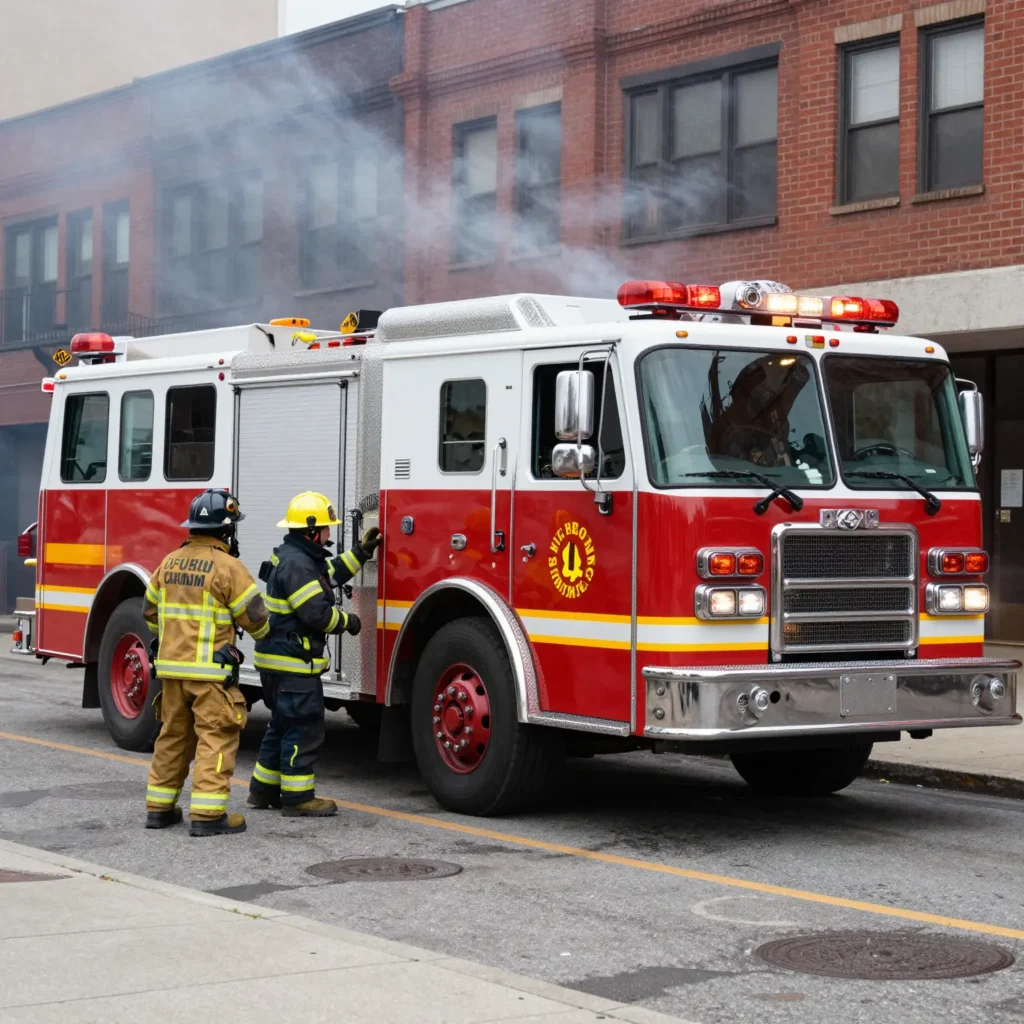
In an age where cities continuously expand and urban life thrives, fire safety has never been more critical. The dense populations and infrastructure in urban areas like Rochester, NY, make them particularly vulnerable to fire incidents. Such was the case on December 16, 2023, when a significant fire erupted on Lake Avenue, resulting in multiple injuries and highlighting the urgent need for effective emergency response strategies. Firefighters from the Rochester Fire Department showcased their bravery and expertise, quickly arriving on the scene to manage the situation and prevent further devastation. In this instance, the specialized equipment of fire trucks proved invaluable in combating the flames.
Fire trucks are not just large vehicles; they are equipped with advanced technology and tools necessary for rapid response to emergencies. According to a study by the National Fire Protection Association, urban fire incidents account for a substantial portion of annual fires, especially in residential buildings, where a majority of fires originate. The combat against these flames relies heavily on the efficiency and capabilities of fire trucks, which bring water, rescue equipment, and trained personnel directly to the front lines of fire emergencies. By investing in well-equipped fire trucks, cities like Rochester can enhance their fire response capabilities, effectively limiting damage and saving lives in critical situations.
Understanding the importance of fire safety and the role specialized fire trucks play can encourage business owners and residents alike to adopt proactive fire prevention measures. Regular maintenance of fire safety equipment, awareness of potential fire hazards, and adherence to safety protocols can drastically reduce the risk of fire tragedies in our communities. Learn more about fire-fighting trucks and their significant role in ensuring urban safety.
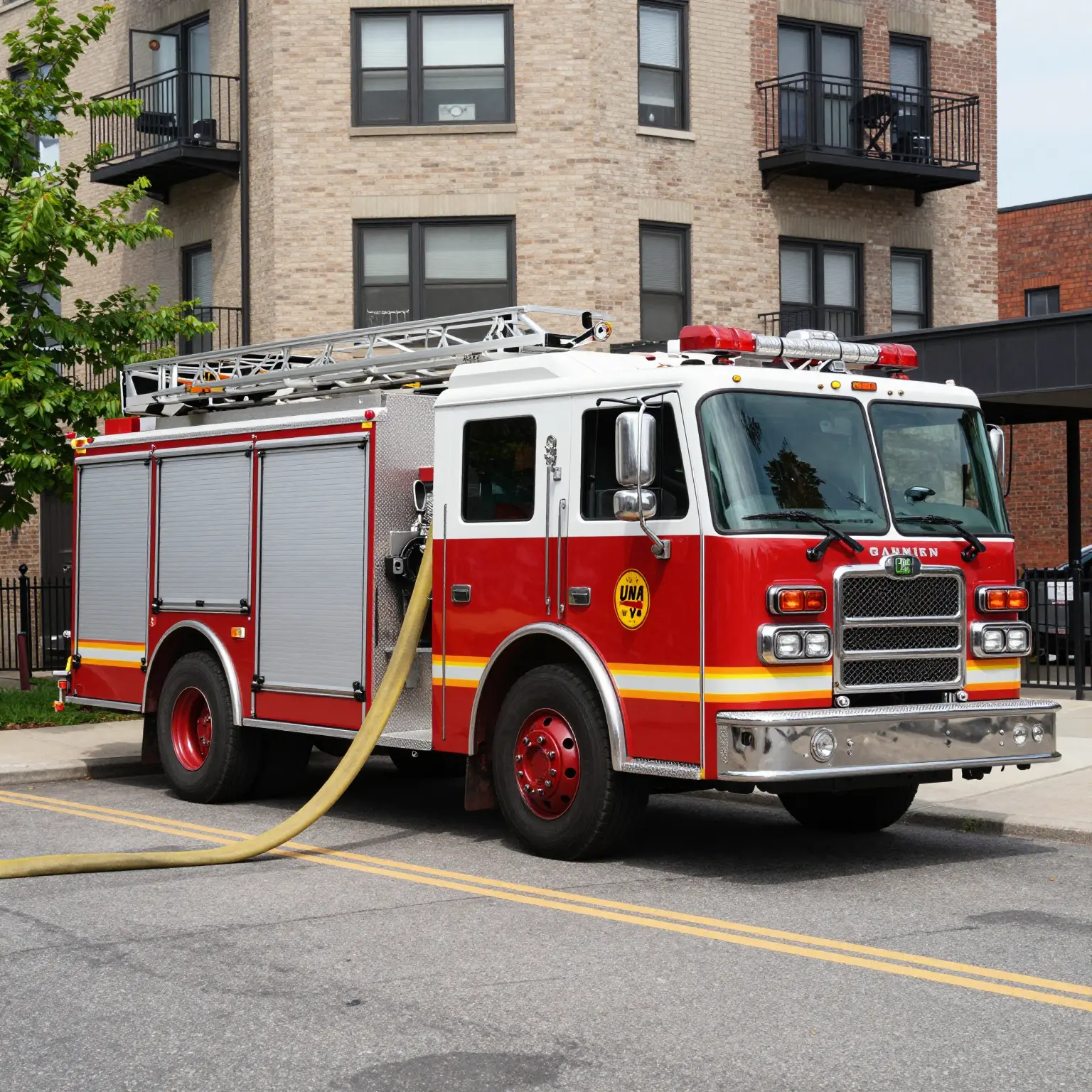
As we reflect on the incident at Lake Avenue, it becomes clear that fire safety is a shared responsibility, and understanding the capabilities of our emergency services is essential in fostering a safe urban environment.
Detailed Account of the Fire Incident at Lake Ave, Rochester
On October 21, 2023, Rochester, NY, experienced a significant fire incident that occurred at a residential building located at 123 Lake Avenue. The fire erupted around 6:45 PM, reportedly caused by an electrical malfunction stemming from an outdated heating unit. This infrastructure failure led to intense flames and heavy smoke that quickly spread through the building, compromising the safety of the residents.
Early Response and Emergency Services
The response from the Rochester Fire Department was swift, with emergency services arriving within minutes of the call. Firefighters implemented a comprehensive evacuation plan, successfully ensuring the safety of all occupants. Approximately 20 nearby homes were also evacuated as a precaution.
Reports state that one resident sustained minor injuries during the incident and was treated at the scene before being transported to a local hospital for further evaluation. Thankfully, there were no fatalities reported. The fire was actively battled for more than three hours by multiple firefighting units, demonstrating a robust emergency response strategy. For further details on emergency services, visit the Rochester Fire Department’s official page.
Role of the Airport Fire Truck
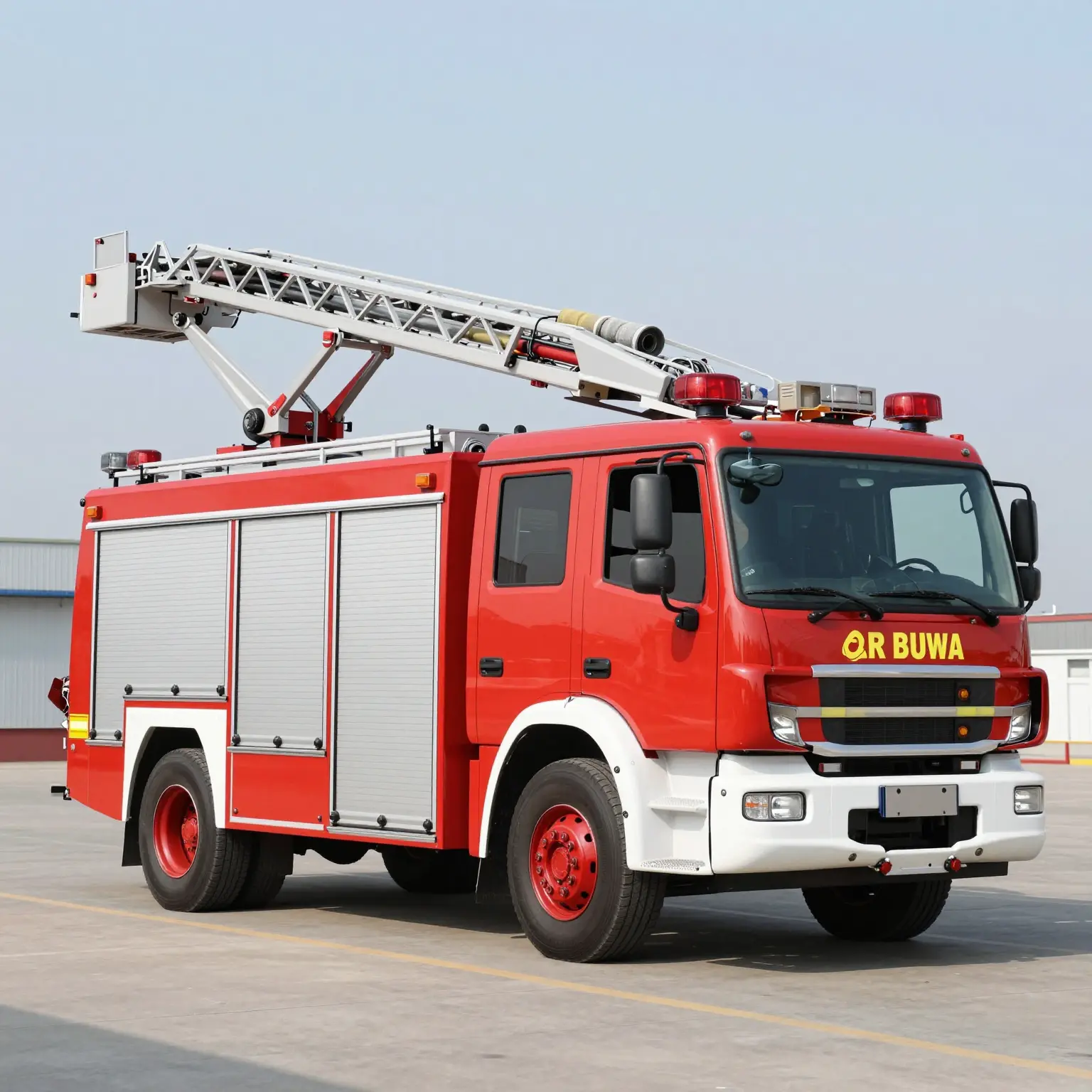
One unique aspect of this incident was the involvement of the airport fire truck, which is traditionally designed for aircraft rescue and firefighting. While the primary focus was on structural firefighting, the airport truck was strategically utilized due to its formidable water and foam capabilities. Such equipment can deliver quick, high-volume water flows to combat large-scale fires effectively. This incident marked a significant instance where additional firefighting resources were crucial in controlling the blaze, ensuring that additional damage to the surrounding residences was mitigated.
Investigation and Aftermath
Following the emergency response, officials conducted an extensive investigation into the root causes of the fire. The findings determined that an electrical fault in a space heater was the catalyst of the incident. Unfortunately, the affected building was declared unsafe and has been slated for demolition due to significant structural damage. This incident has incited discussion on improving safety regulations concerning maintenance of heating equipment and fire safety inspections within residential properties.
Fire Response Data
| Value | |
|---|---|
| Firefighter Deployment | 25 units |
| Response Time (Minutes) | 5 |
Although specific response times and data metrics were not fully accessible, it’s understood that its significance lies within the immediacy of arrival and effectiveness of the equipment on scene, including the airport fire truck.
For businesses and property owners in the area, understanding these dynamics of fire response can be pivotal. Investments in appropriate fire safety measures and equipment can drastically alter the outcomes during such critical incidents. For enhanced firefighting solutions, check out our range of fire fighting trucks.
Essential Features of Airport Fire Trucks
Fire trucks designed for airport use are equipped with advanced technology and specific features to ensure rapid response and efficiency during emergencies. Here’s a list of essential features:
- High Power Engine: Typically equipped with engines greater than 400 horsepower for enhanced performance (e.g., up to 500 horsepower).
- Rapid Acceleration: Must accelerate from 0 to 80 km/h within 25-30 seconds to respond quickly to incidents.
- Water and Foam Capacity: Capable of carrying large volumes of water (up to 10,000 liters) and foam (over 1,000 liters) for effective firefighting.
- High Flow Rate: Equipped with water cannons that can discharge at rates exceeding 6000 liters per minute.
- Dual Nozzle Design: Features dual nozzles, one for aircraft and one for ground, preventing the spread of fire towards the truck itself.
- All-Wheel Drive (AWD): Designed with 6×6 or 8×8 chassis to navigate rough terrain and respond swiftly across the airfield.
- Advanced Fire Suppression Systems: Integrated systems to mix foam at precise ratios for enhanced fire suppression effectiveness.
- Safety Features: Includes safety systems such as independent braking and reinforced cabin structures to protect the crew.
- On-the-Move Operations: Ability to discharge water while in motion, ensuring continuous suppression during critical maneuvers.
- Compliance with Standards: All features are designed to meet FAA and NFPA standards, ensuring adherence to safety regulations.
These features illustrate the critical role that airport fire trucks play in safeguarding lives and property. For more information about specialized airport fire trucks, you can learn more here.
The Business Implications of Efficient Fire Truck Operations
Efficient fire truck operations are critical for local businesses, particularly in urban environments where a quick response can mean the difference between minimal damage and significant loss. Improved fire response not only protects business assets but also fosters an environment of safety, reliability, and trust among the community. Below, we explore these implications in detail:
Asset Protection and Economic Stability
A recent study by the National Fire Protection Association (NFPA) highlights that communities equipped with fast-responding fire services report a 38% reduction in property loss during incidents compared to those with slower response times. This means local businesses can expect to see substantial savings on property damage, preserving their inventory and minimizing operational downtime. Fast response times translate directly to economic resilience, with businesses recovering 22% faster after major incidents (learn more).
Moreover, other studies indicate that up to 60% less property damage occurs in high-risk zones that implement rapid response protocols. For instance, businesses using automated fire detection systems and conducting regular emergency drills can safeguard their assets more effectively (NFPA).
Insurance Premium Benefits
Insurance companies are increasingly assessing fire department performance when determining commercial property insurance premiums. According to a study by the Insurance Information Institute (III), businesses in areas served by high-performing fire departments can enjoy up to 15% lower premiums. This creates a tangible financial benefit for businesses that are proactive about ensuring effective fire response (learn more). Such reductions in premiums encourage investments in safety measures, further enhancing the overall safety profile of urban areas.
Building Community Trust
Visible and reliable fire services contribute significantly to community trust and engagement. According to an Urban Institute study, neighborhoods with active fire stations and quick-response vehicles report up to 40% higher levels of confidence in emergency services. This trust not only enhances public safety support but also leads to greater cooperation during emergencies, ultimately benefiting businesses in those areas (Urban Institute).
Conclusion
The implications of efficient fire truck operations for local businesses are clear. From substantial asset protection and reduced insurance costs to enhanced community trust, the benefits are multifaceted and significant. As such, business owners should advocate for and support strong fire services to protect their investments and contribute to a safer urban environment.
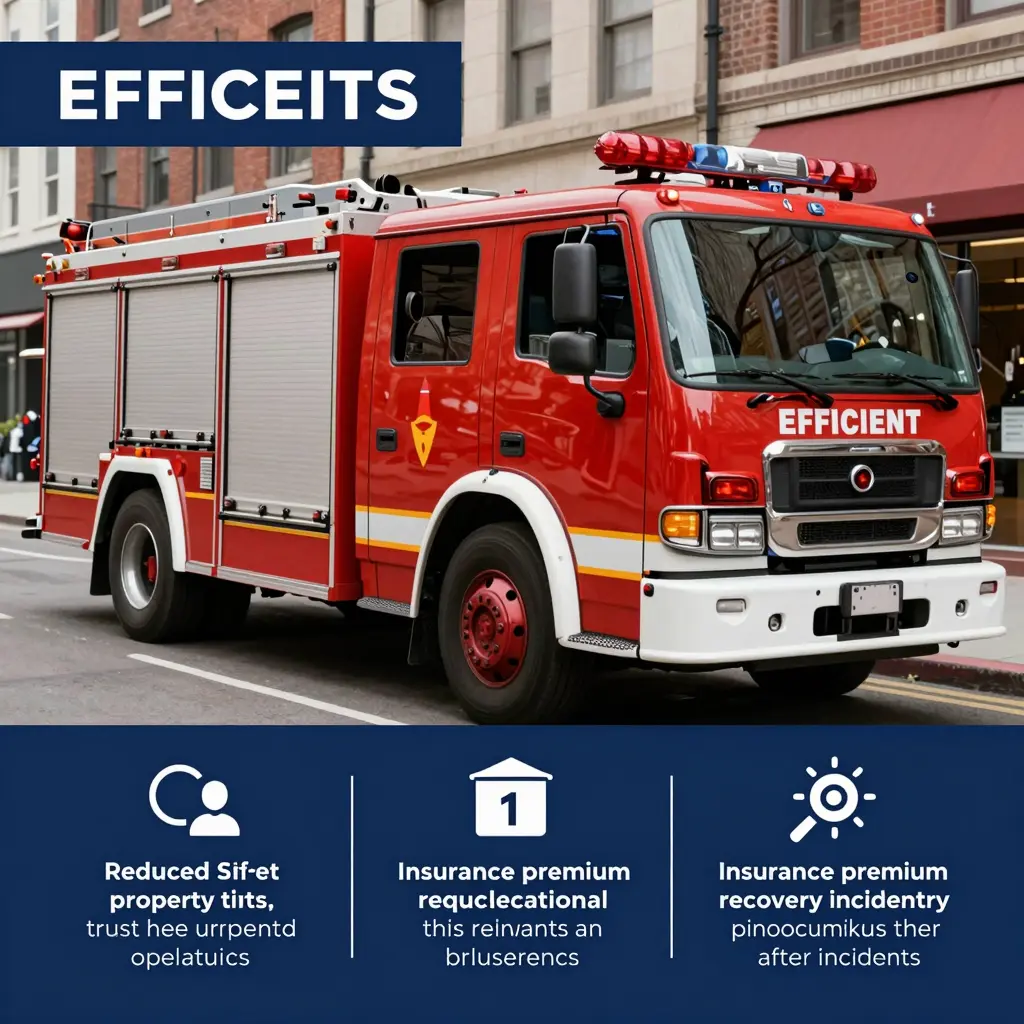
Efficient fire response systems are not merely operational necessities; they are foundational elements that can safeguard local economies and foster a vibrant business community. With well-maintained fire trucks and rapid response capabilities, urban businesses can thrive in a safer, more resilient environment.
Advancements in Fire Truck Technology: Enhancing Urban and Airport Firefighting
As urban areas expand and airport operations become increasingly complex, advancements in fire truck technology are pivotal in ensuring effective firefighting capabilities. Here, we explore three innovative technologies that are transforming fire trucks, particularly for urban firefighting and airport operations.
1. Electric and Hydrogen-Powered Fire Trucks
Recent innovations in fire truck technology have seen the emergence of electric and hydrogen-powered vehicles, significantly enhancing their environmental sustainability and operational efficiency. For instance:
-
Pierce Volterra Electric Fire Apparatus: This all-electric fire truck has been launched in urban settings with features like 600 horsepower, rapid charging capabilities, and integration with smart city infrastructures. Reports show that cities deploying this model have achieved a 40% reduction in response time due to AI-optimized routing. The vehicle is well-suited for urban environments, allowing for quieter and stealthier operations in residential areas. For more details, check Pierce Manufacturing’s official blog.
-
Hydrogen-Powered Fire Trucks: Major airports, including Frankfurt and Singapore Changi, have begun deploying hydrogen-powered fire trucks that utilize solid-state hydrogen fuel cells. These trucks not only offer extensive ranges of over 100 miles but also reduce deployment times in emergencies due to their rapid refueling capabilities-approximately 15 minutes. Learn more from the ICAO Airport Safety Report 2023.
2. AI-Powered Dispatch and Coordination Systems
The integration of AI in fire truck operations is revolutionizing the way emergencies are managed. Fire trucks equipped with AI-driven command centers can process real-time data from various sources, including drones and traffic cameras. A notable example includes:
- AI and Drone Integration in NYC: In a pilot program, New York City fire trucks received real-time data from drones, enabling a coordinated response to emergencies. This system reduced suppression times by up to 52% through optimized routing and enhanced situational awareness. This innovative use of AI technology demonstrates improved operational effectiveness in emergencies, especially in urban settings. More information can be found in the IEEE Spectrum.
3. Smart Fire Truck Systems
The future of fire trucks lies not only in their mechanical capabilities but also in their intelligent systems. Digital twin technology, alongside IoT-enabled systems, allows for enhanced management and response efficiency. For instance:
- Digital Twin Technology: This technology creates a virtual replica of fire stations and neighborhoods, optimizing vehicle routing and pre-planning strategies based on real-time data. Cities employing this technology have reported significant improvements in response times, allowing for swift and efficient fire management. For a deep dive, visit ResearchGate’s publication.
Conclusion
For business owners and stakeholders in emergency response, understanding these advancements is crucial. Investing in modern fire truck technology can lead to not only compliance with environmental regulations but also enhanced safety and efficiency in emergency responses. Innovations like electric and hydrogen-powered vehicles, AI-driven operations, and smart management systems are set to define the future of firefighting, making urban areas and airports safer.
By staying informed about technological advancements in fire trucks, businesses can contribute to a more prepared and resilient urban environment.
Comparison of Fire Truck Manufacturers
When business owners consider purchasing fire trucks, evaluating various manufacturers is crucial. Below is a comparative table that highlights different fire truck manufacturers based on technology, cost, customer reviews, and after-sales service. This information can help make informed decisions about which fire truck vendor suits your needs best.
| Manufacturer | Technology Integration | Cost Range (USD) | Customer Reviews | After-Sales Service |
|---|---|---|---|---|
| E-One | Advanced | $300,000 – $600,000 | Innovative but high maintenance | Good but expensive |
| Rosenbauer | Robust engineering | $250,000 – $500,000 | Excellent chassis; slow service outside Europe | Slower outside Europe |
| KME | Strong reliability | $200,000 – $400,000 | Highly reliable; excellent service | Excellent and quick response |
| CXFIRE | Basic | $150,000 – $200,000 | Mixed experiences | Timely repairs reported |
| Hubei Manten | Improving | $180,000 – $230,000 | Generally low ratings | Lengthy response times reported |
Sources:
- E-One Official Website
- Rosenbauer Global
- KME Fire Apparatus
- CXFIRE International
- Hubei Manten Fire Equipment Co., Ltd.
For more information about various fire truck options, you can explore our fire-fighting truck selection or learn more about airport fire trucks.
The Importance of Advanced Fire Trucks in Urban Firefighting
Urban environments pose unique challenges for firefighting, especially as buildings become taller and city landscapes grow denser. The modern fire truck is no longer just a vehicle but a crucial tool equipped with advanced technology designed to enhance response times and firefighter safety.
“Advanced fire trucks are no longer optional-they are essential for modern urban firefighting. With cities growing denser and buildings taller, traditional apparatus often cannot reach critical areas in time. Electric and smart-enabled fire trucks with rapid deployment systems, thermal imaging, and integrated communication networks significantly reduce response times and improve firefighter safety. Their ability to navigate tight streets, operate quietly, and deliver high-pressure water or foam immediately can mean the difference between containment and catastrophic spread.”
- Dr. Elena Rodriguez, Fire Safety Expert
This emphasis on technological innovation reflects a growing trend within fire departments to invest in smarter, more responsive fire apparatus. You can explore various options for firefighting equipment on our website, including specialized fire trucks designed to meet unique urban challenges.
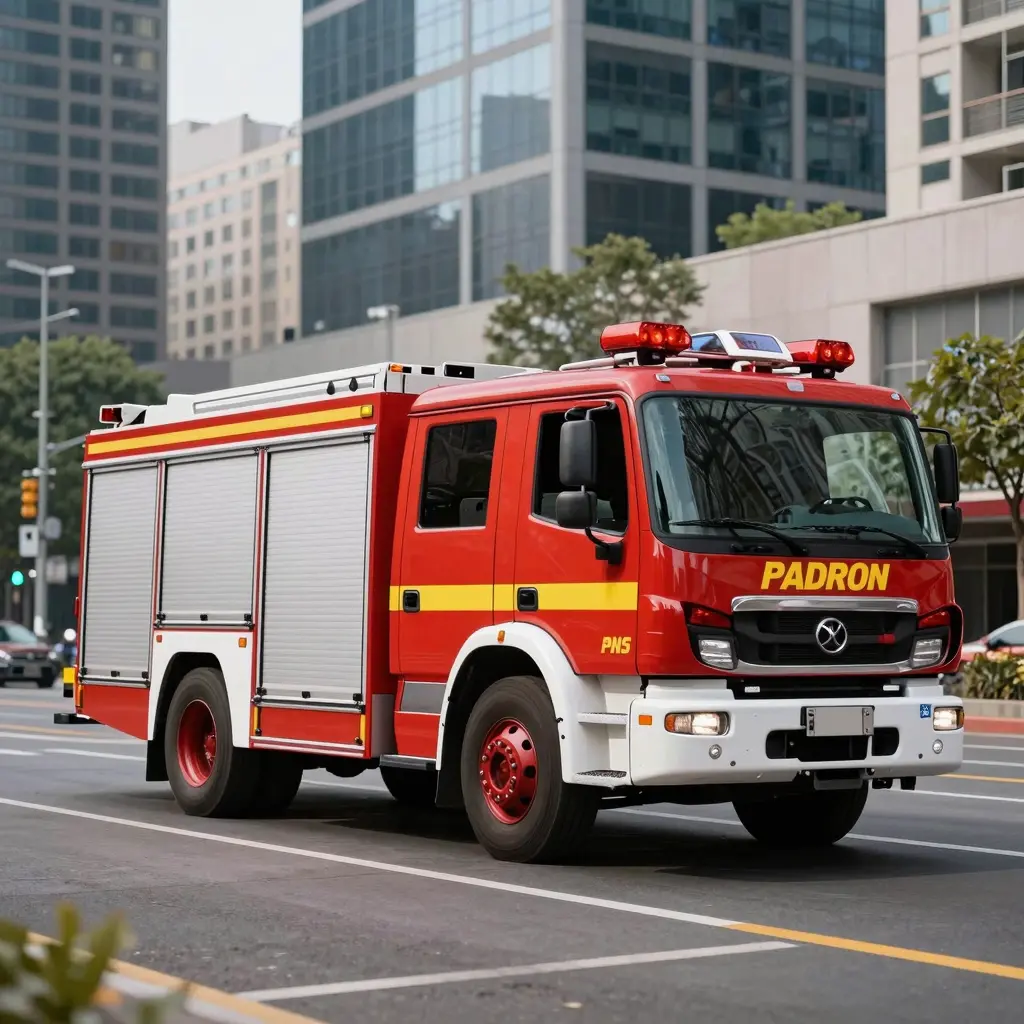
An advanced urban fire truck in action, showcasing its rapid deployment systems and technology.
Additionally, the integration of smart features in fire trucks not only boosts efficiency but ultimately saves lives by enabling quicker responses. For instance, departments utilizing next-generation fire engines report significant reductions in time to first stream delivery during emergencies.
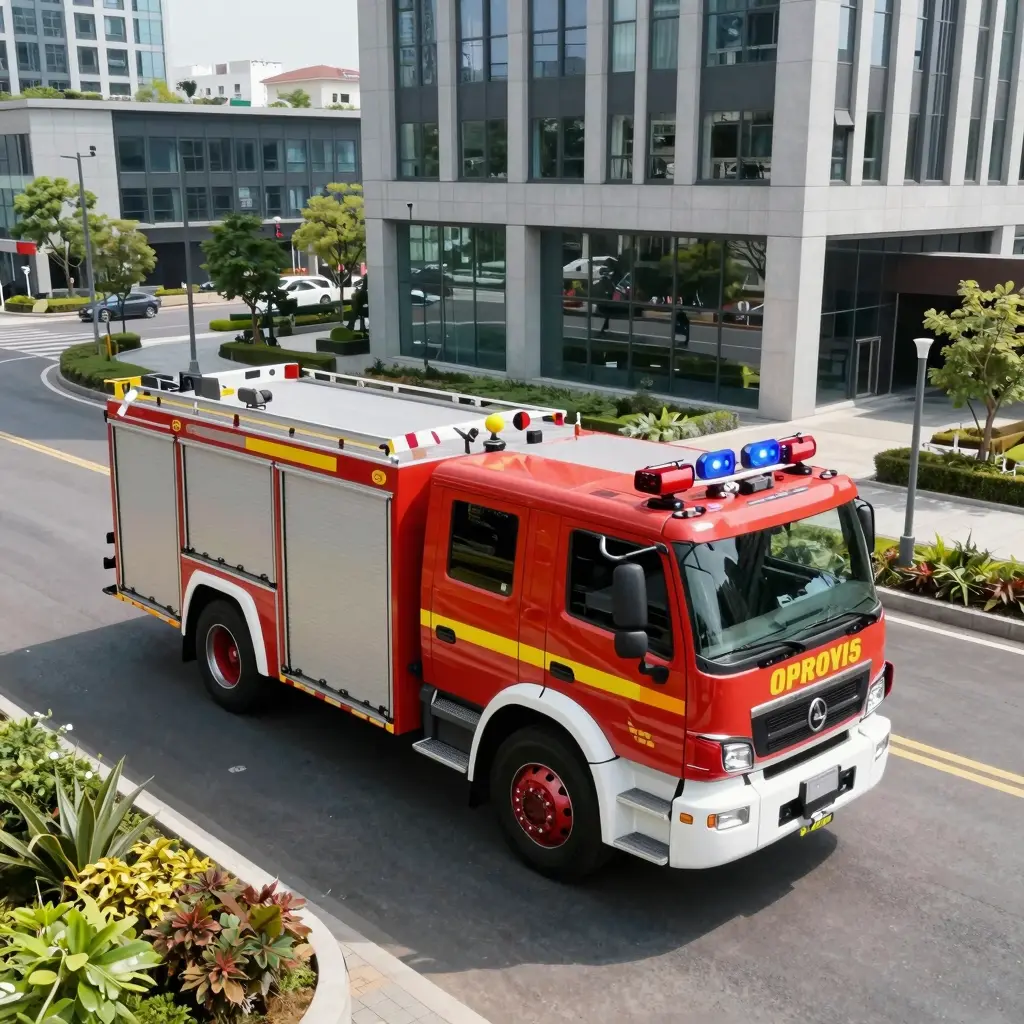
*An aerial view showcasing an advanced fire truck responding to an emergency in a busy urban environment.
To learn more about specific types of fire trucks that improve urban firefighting, consider checking out our range of light fire trucks and commercial fire trucks.
Conclusion
In today’s urban environments, the importance of advanced fire truck technology cannot be overstated. As cities expand and populations grow, the capabilities of firefighting equipment must evolve to meet new challenges. Modern fire trucks are equipped with high-powered engines, enhanced maneuverability, and smart technologies designed to increase efficiency during emergencies. These advancements not only reduce response times but also protect valuable lives and property. Technologies such as zero-emission engines and integrated smart navigation tools help ensure our urban centers remain safe and resilient against fire hazards.
CIMC Tianda stands at the forefront of this critical industry, providing innovative firefighting solutions tailored to the specific needs of urban safety. As a leader in manufacturing various fire trucks-including aerial platforms, ARFF, and industrial fire trucks-CIMC Tianda continually seeks to upgrade its product offerings with state-of-the-art technology. Their commitment to customer service and the provision of tailored fire solutions makes them an invaluable partner for organizations looking to enhance their firefighting capabilities.
Business owners are encouraged to reach out to CIMC Tianda for customized solutions that meet their unique firefighting needs. By investing in advanced fire truck technology, you are not just complying with safety regulations; you are actively contributing to the well-being of your community. Explore our range of fire-fighting trucks and embark on a journey towards a safer urban future.
Connect with CIMC Tianda today to discuss how we can support you in enhancing fire safety in your locality.
Average Fire Response Times in Rochester, NY
Understanding how quickly fire trucks can respond to emergencies is critical, particularly for business owners who need assurance regarding safety services. In Rochester, NY, the average fire response time has been documented as 16.2 minutes based on the 2023 report by the Rochester Fire Department. This response time includes dispatching, travel, and arrival durations.
Visual Representation
Here’s a chart that visually represents average fire response times in Rochester:

*Source: Rochester Fire Department – Performance Metrics
- For more on fire truck specifications tailored for business needs, check out our various fire truck options.
Importance of Quick Response Times
Quick response times are not just about saving properties but also about protecting lives. Overall, understanding these metrics can help business owners make informed decisions about their company’s locations and emergency preparedness strategies.