
Introduction
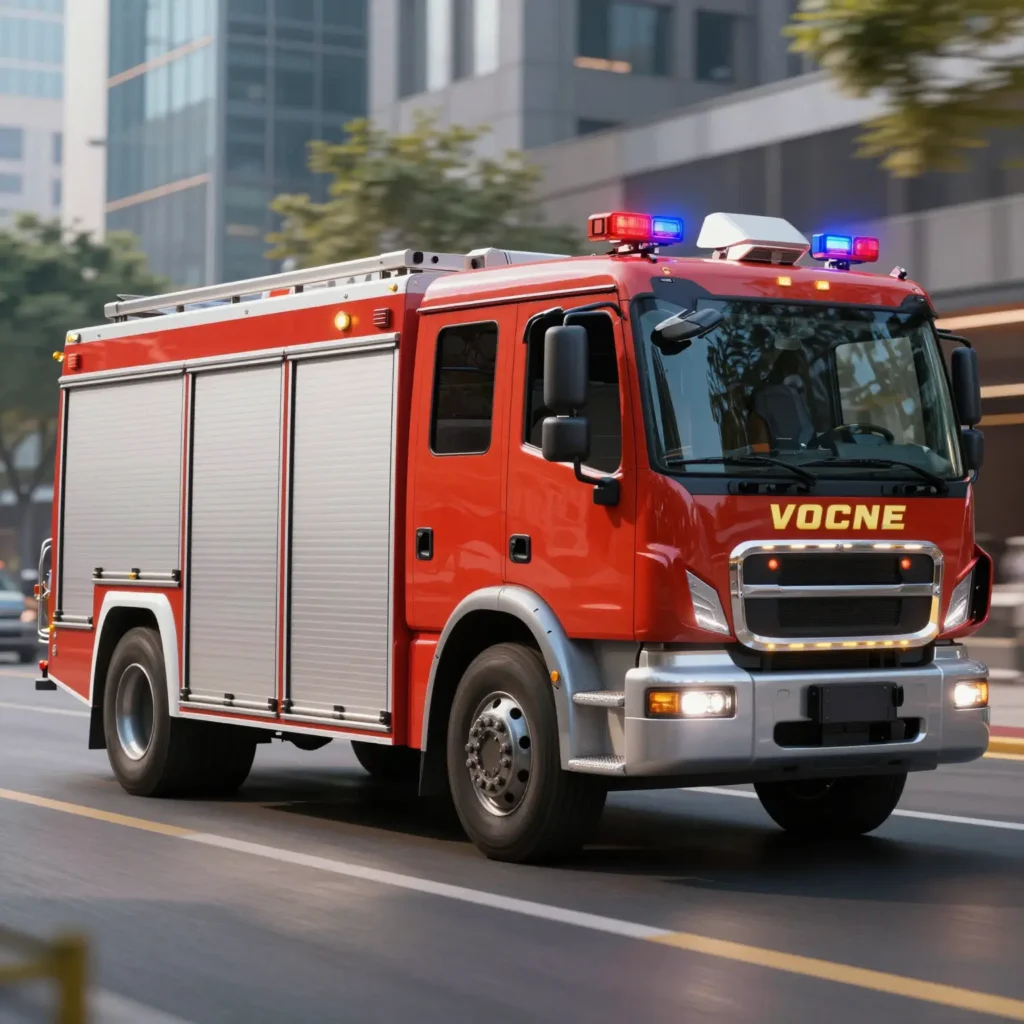
In today’s rapidly evolving industrial landscape, the demand for fire engine trucks is at an all-time high, driven by increasing urbanization and the pressing need for effective emergency response solutions. Businesses across various sectors, including construction, petrochemicals, and municipal services, are recognizing the critical role that these vehicles play not only in fire emergency services but also in comprehensive safety protocols. The projected growth of the global fire truck market highlights this trend, with an expected rise from USD 10.2 million in 2023 to an astounding USD 15.3 million by 2033, fueled by technological advancements and government investments in public safety infrastructure.
As industry standards evolve, the types of fire trucks being sought have diversified significantly. From aerial trucks required for high-rise fire fighting to specialized tanker vehicles that cater to hazardous environments, the versatility and sophistication of today’s fire engines are remarkable. Furthermore, innovations in electric and hybrid technologies are transforming the landscape, making operations more environmentally friendly and cost-effective. Given this landscape, CCIG stands at the forefront, offering unparalleled expertise in the sale and customization of fire engine trucks tailored to meet the specific needs of businesses. By partnering with CCIG, you can ensure that your firefighting capabilities are equipped with the latest technology, meeting both safety and operational standards efficiently. Whether you’re part of a municipal fire department, a large industrial site, or a community service organization, CCIG’s extensive range of fire engine trucks ensures you’ll find the right fit for your specific requirements.
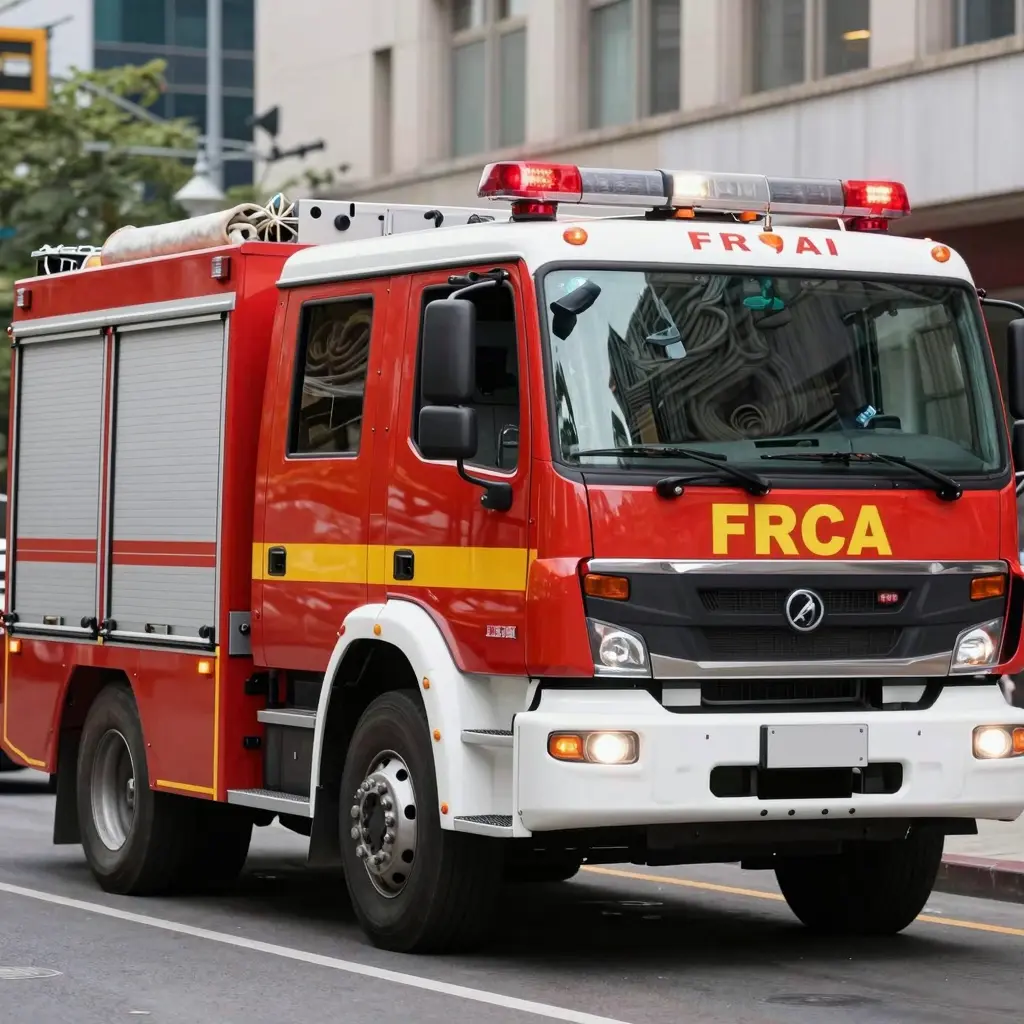
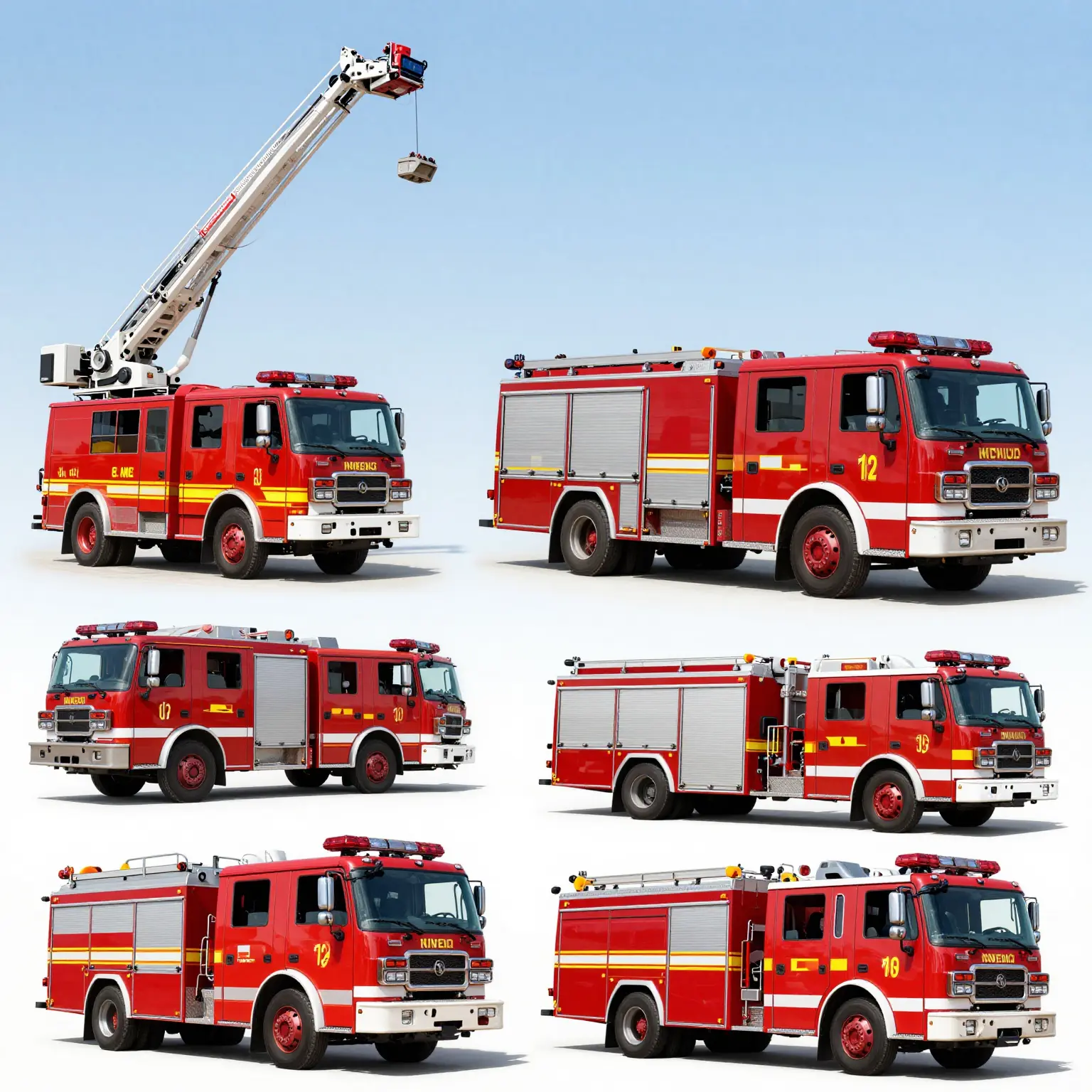
For more information on the types of vehicles we offer, explore our fire and rescue vehicles and learn how a reliable fire engine can enhance your emergency response capabilities.
Fire Engine Truck Models for Sale
If you’re a business owner looking for fire engine trucks, here’s a comprehensive table comparing various models available for sale. This includes important specifications, pricing, and features that are particularly relevant to business needs.
| Model Name | Specifications | Price Range | Relevant Features |
|---|---|---|---|
| Fire Emergency Rescue Truck | Diesel, 4×2, 250 HP, 4,000-6,000 L tank | $26,000 – $68,300 | Foam system, max spray distance 40-45m, lifetime support included |
| Dongfeng 4×2 Fire Truck | Diesel, NFPA 20 compliance, 1,000 GPM pump | $38,000 – $43,000 | Compact design for urban and industrial areas, emergency lighting |
| HOWO Off-Road Water Tanker Fire Engine | Diesel, 5,000/6,000 L tank | $53,900 – $59,900 | Designed for rough terrain, 24/7 online support |
| Airport Fire Truck (DFL5330XF 6×4) | Diesel, 9,780 L tank | $86,670 – $94,200 | High mobility, rapid response, optional rescue equipment |
| 5 Ton Fire Truck (Pumper) | 500-1,500 gallons water tank | Varied by model | Multi-functional for city emergencies, can connect to hydrants |
These models offer a variety of functionalities tailored for urban, industrial, and emergency situations. Learn more about fire rescue vehicles to find the right fit for your requirements.
The Importance of Fire Engine Trucks in Emergency Response
Fire engine trucks are a vital component of emergency response systems, serving as the frontline defense in combating fires and facilitating rescue operations. They are equipped with specialized tools and technologies designed to address various emergency situations, including structure fires, wildfires, hazardous materials incidents, and emergencies requiring rescue efforts.
Vital Statistics on Response Times
According to the National Fire Protection Association (NFPA), the median response time for fire engines in the U.S. is approximately 4 minutes and 16 seconds, which includes the time from dispatch to the arrival of a fire apparatus on the scene. Notably, 90% of all fire engine responses happen within 7 minutes. Urban departments typically have quicker response times, with a median of 3:45 minutes, while rural departments average around 5:10 minutes.
Further analysis by major U.S. cities reveals significant variations. For example:
| City | Median Response Time (Minutes:Seconds) |
|---|---|
| Urban (Average) | 3:45 |
| Rural (Average) | 5:10 |
| New York City | 4:03 |
| Los Angeles | 4:58 |
| Chicago | 5:12 |
| Houston | 5:41 |

These statistics highlight the pressing need for reliable fire engine trucks that can ensure rapid deployment in emergency situations.
Modern Fire Engine Truck Capabilities
Today’s fire engines are equipped with advanced features that significantly enhance their operational effectiveness. Modern fire engines can include a variety of capabilities such as:
- Aerial ladders: These can extend over 100 feet, allowing firefighters to access high-rise buildings for rescues and firefighting.
- Advanced communication systems: These enable real-time updates and coordination between teams, improving overall response strategies.
- Increased water capacity: Many contemporary fire engines carry 500 to 1,000 gallons of water, allowing for sustained firefighting efforts without needing immediate resupply.
- AI-driven navigation and operational tools: These technologies help improve response times by optimizing routing and ensuring the most efficient paths to incidents.
For businesses requiring a fire engine truck, choosing a model with the latest innovations can markedly influence their emergency response capabilities. Explore models tailored for emergency response in our fire and rescue vehicle category to find the best fit for your needs.
In conclusion, fire engine trucks play an indispensable role in emergency response. Their ability to quickly reach, assess, and manage incidents is crucial for minimizing damage and saving lives. Investing in advanced fire engine technology is not just a business decision; it is a commitment to ensuring safety and preparedness for the communities they serve.
Key Features to Consider When Purchasing Fire Engine Trucks
When business owners are looking to purchase fire engine trucks, it is essential to focus on several crucial features that impact performance, reliability, and technology. Here’s a list of key features to consider:
- Pump Capacity and Pressure: Look for trucks equipped with high-capacity pumps to ensure efficient water supply. A pump that can deliver sufficient pressure is critical for effective firefighting.
- Durability: Fire engine trucks should be built to withstand harsh conditions. Consider the materials used in construction and the vehicle’s overall durability to ensure long-lasting performance.
- Versatility: Choose trucks that can perform multiple functions, such as water transport, rescue operations, and more. Versatile designs can adapt to different emergency situations more effectively.
- Advanced Technology: Modern fire engines often come with state-of-the-art technology, including integrated communication systems, GPS for rapid navigation, and automated monitoring of vital systems.
- Safety Features: Safety is paramount. Look for trucks with robust safety features, including fire-resistant materials, reinforced compartments, and advanced stabilization systems to protect the crew in dangerous situations.
Investing in a fire engine truck with these features can ultimately enhance firefighting capabilities and ensure readiness for emergencies. For more options, explore our fire rescue vehicles.
Purchasing a fire engine truck is not a trivial task; it involves assessing the vehicle’s capabilities, reliability, and total cost of operation. Recent user reviews provide valuable insights that can help potential buyers make informed decisions. Below is a summary of findings from various sources regarding popular fire engine truck models, highlighting both strengths and weaknesses noted by users.
Strengths of Popular Models
- Pierce Manufacturing Pumper Trucks (2025 Model)
- Performance in Urban Areas: Users across multiple fire departments praised the truck’s high-pressure pumps, which can reach up to 1,500 psi. The compact design is particularly beneficial for maneuvering through narrow city streets.
- High Ratings: The trucks received an impressive overall rating of 4.7 out of 5 stars from over 120 verified reviews, indicating strong user satisfaction.
- E-One Electric Fire Trucks (eVolve Series)
- Environmental Benefits: Users appreciate the zero emissions and quiet operation, making them ideal for operations in sensitive areas like airports and downtown areas.
- Instant Torque: The electric trucks are noted for their exceptional torque for handling hills, which enhances performance during emergencies.
- MAN Pumper and Aerial Trucks
- Durability and Versatility: Feedback from European fire services emphasized the trucks’ exceptional durability and off-road capabilities, especially beneficial for areas with challenging terrains.
- Operational Innovations: Features like remote-controlled operation and thermal imaging integration were highlighted as significant advancements in high-rise rescue scenarios, resulting in improved response times.
Weaknesses Noted by Users
- Rosenbauer Aerial Ladder Units
- Maintenance Concerns: Some departments reported higher maintenance costs associated with the hydraulic systems used in aerial ladder units. This has raised red flags for budget-conscious fire departments.
- Electric Fire Trucks
- Range Limitations: While electric fire trucks are praised for their environmental advantages, users have raised concerns about battery range during prolonged rural emergencies and extended charging times compared to traditional diesel models.
- Compact Fire Trucks
- Capacity Limitations: Smaller models designed for urban areas may sacrifice water tank capacity and equipment storage, which could be a disadvantage when responding to larger scale emergencies.
Conclusion
In summary, potential buyers of fire engine trucks should weigh the benefits of high-performance, environmentally-friendly models against the operational costs and limitations noted in reviews. For a deeper exploration of fire engine options, including tankers and aerial models, consider checking out CRRC’s range of fire-rescue options. Ultimately, the choice will depend on specific operational needs, budget constraints, and environmental considerations.
Financing Options for Purchasing Fire Engine Trucks
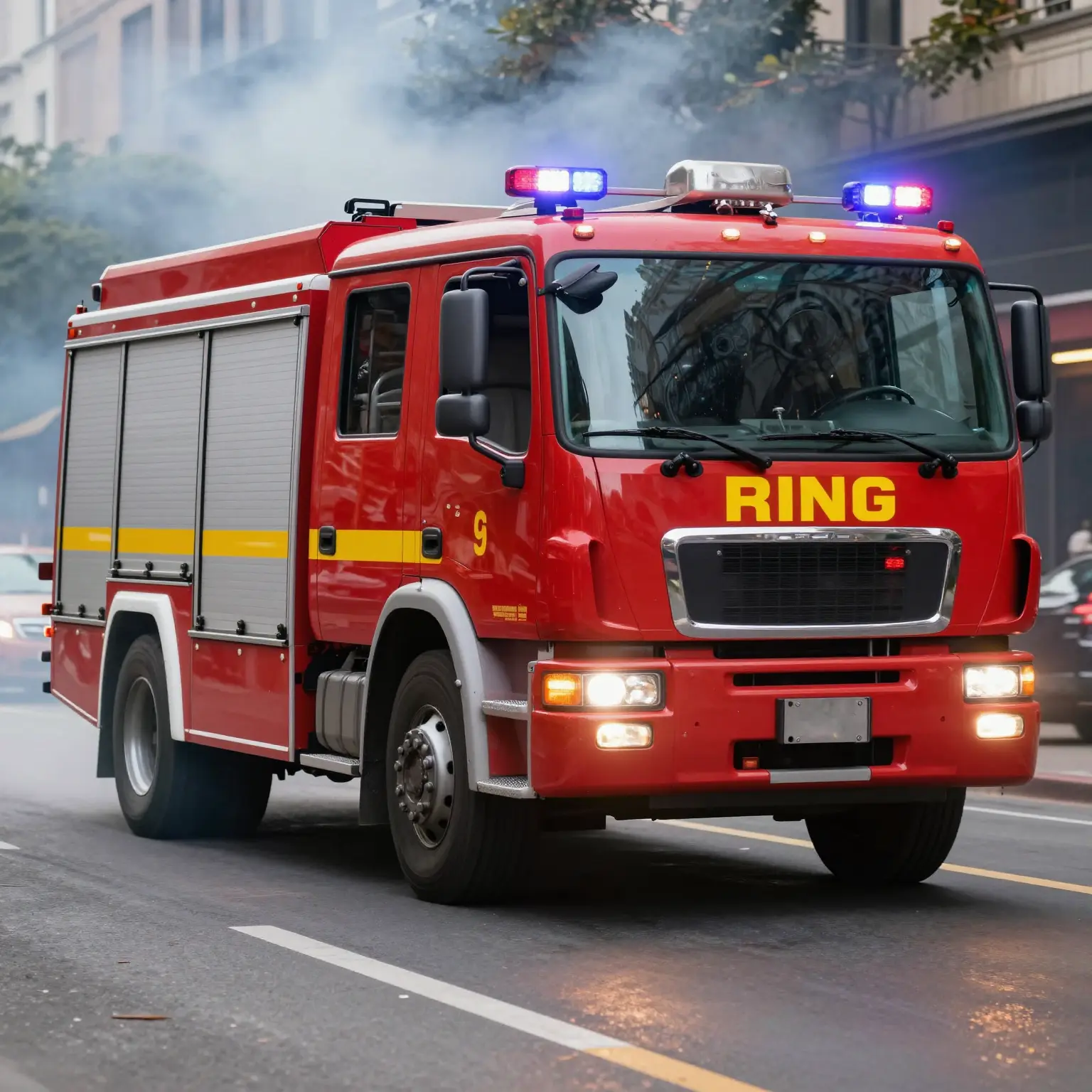
When business owners are faced with the decision to purchase a fire engine truck, understanding the various financing options available is crucial. Each option presents its own benefits and drawbacks, and the choice will depend on your specific budget, needs, and long-term goals. Here are three primary financing methods:
Loans
Overview
Loans are a popular choice for financing the purchase of fire engine trucks. They are usually sourced from banks or financial institutions, allowing you to own the vehicle once it is paid off.
Benefits:
- Ownership: You gain full ownership of the vehicle after repayment, which can be considered an asset for your business.
- Tax Benefits: Interest on the loan may be tax-deductible, providing financial relief on interest payments.
- Flexibility: Once paid off, you can use or sell the vehicle as you see fit.
Drawbacks:
- Costs: Requires an initial down payment (typically around 10%-20%) and incurs interest, leading to higher total costs than leasing.
- Approval Process: Moderate time for loan approval is necessary, based on creditworthiness and collateral.
Leasing
Overview
Leasing provides a way to utilize a fire engine truck without the hefty upfront costs of ownership. You make regular payments throughout the lease term and typically have options to buy at the end.
Benefits:
- Lower Initial Costs: Leasing often requires little to no down payment, making it easier on cash flow.
- Access to Newer Equipment: Regularly replacing vehicles allows you to keep up with the latest technology.
- Predictable Costs: Lease payments are usually fixed, making budgeting easier.
Drawbacks:
- No Ownership: At the end of the lease term, you do not own the vehicle unless you choose to buy it, which may lead to long-term costs.
- Use Restrictions: Leases may impose limits on how much you can drive the vehicle and require returning it in good condition.
Government Grants
Overview
Government grants are funds provided by federal or state agencies aimed at assisting eligible fire departments in acquiring essential equipment, including fire engine trucks.
Benefits:
- No Repayment Required: Unlike loans, grants do not need to be paid back, making them an excellent financial resource.
- Support for Specific Projects: Grants can provide targeted funding for projects that align with community needs and requirements.
Drawbacks:
- Eligibility Criteria: Not all applicants will qualify, as grants often have strict eligibility criteria.
- Cumbersome Application Process: The application process can be lengthy and complex, potentially involving substantial paperwork and time commitment. For example, FEMA’s fire department equipment grants require detailed evaluations.
Conclusion
Deciding the best financing option for purchasing fire engine trucks depends on your business’s financial situation and objectives. For more information on specifications and available products, check out our fire rescue vehicles at CRRC Vehicles.
Consider consulting with a financial advisor to choose the most suitable financing solution that aligns with your operational needs and long-term goals.
“The new generation of fire trucks will integrate IoT for remote diagnostics and AI for optimizing firefighting routes, significantly transforming firefighting technology. Our young engineers are driving this shift towards an intelligent and digitalized future in fire safety.” – Expert from the State Key Laboratory of Fire Science (SKLFS)
As business owners explore purchasing fire engine trucks, it’s essential to understand how advancements in technology will shape future equipment. The integration of technologies such as AI and the Internet of Things (IoT) will enhance the effectiveness of emergency response, especially with rapid developments in smart firefighting systems. To learn more about our fire rescue products, visit our fire rescue category.
Operational Costs of Fire Engine Truck Models
Understanding the operational costs of fire engine trucks is crucial for business owners looking to invest in reliable firefighting vehicles. The total cost of ownership can greatly influence the decision-making process.
Comparison of Fire Truck Models
The following chart provides a comparison of total costs of ownership for different models over a five-year period:

| Model | Purchase Price (USD) | Fuel Consumption (L/100km) | Maintenance Cost (Annual USD) | Total Cost of Ownership (5-Year) |
|---|---|---|---|---|
| Hino 4×2 Pumper | $180,000 | 22 | $12,000 | $290,000 |
| Heavy-duty Industrial Fire Truck | $350,000 | 35 | $25,000 | $550,000 |
| Standard Municipal Fire Engine | $260,000 | 28 | $18,000 | $410,000 |
The Hino 4×2 Pumper is noted for its fuel efficiency and low maintenance costs, making it a cost-effective option. In contrast, the Heavy-duty Industrial Fire Truck incurs higher costs due to advanced features and heavier usage, especially suitable for high-risk environments like oil refineries. The Standard Municipal Fire Engine presents a balanced option with moderate costs, ideal for general firefighting activities.
For more information on selecting fire engines suitable for your needs, explore our fire rescue line here.
Conclusion
In the ever-evolving landscape of smart manufacturing and mobility, the significance of integrating cutting-edge technology into core operations cannot be overstated. Throughout this article, we have explored the innovative features of modern fire engine trucks and their vital role in enhancing safety, efficiency, and environmental sustainability. With advancements such as electrification and automation leading the way, these vehicles not only reduce carbon emissions but also improve response times and operational safety. As business owners, investing in reliable, state-of-the-art fire trucks is essential to ensure quick and effective emergency responses, thereby protecting lives and property.
Partnering with CCIG positions you at the forefront of innovation. With their extensive expertise in manufacturing solutions, CCIG is dedicated to helping businesses successfully transition into the future of smart manufacturing. By leveraging advanced technologies and comprehensive solutions, you can enhance your operational efficiency, reduce costs, and stay competitive in an increasingly challenging marketplace.
Take the first step towards transforming your emergency response capabilities. Explore our diverse range of fire engine trucks and discover how CCIG can support your needs with tailored solutions for your municipality or business. Embrace innovation, boost your operational effectiveness, and ensure safety in a rapidly changing world.
Don’t wait-partner with CCIG today and equip your operations for success!