Food trucks are all the rage, creating a culinary experience that delights food lovers at every turn. Whether you’re an event planner searching for the perfect catering option or an individual consumer craving street cuisine, understanding food truck rental costs is key to maximizing your budget. From corporate events to community gatherings, the excitement of a food truck can elevate any occasion. The nuances of rental prices often leave potential renters perplexed. This guide unveils the essentials of food truck rental, providing insights on price ranges, the impact of location, equipment variations, rental duration, and pricing influences. Each chapter serves to arm you with the knowledge needed to make informed decisions when dealing with food truck rentals. Get ready to dive deep, appetite whetted, and embark on an enlightening journey through the world of food truck rentals!
Rent on Wheels: Decoding the True Cost of Renting a Food Truck for Your Culinary Venture
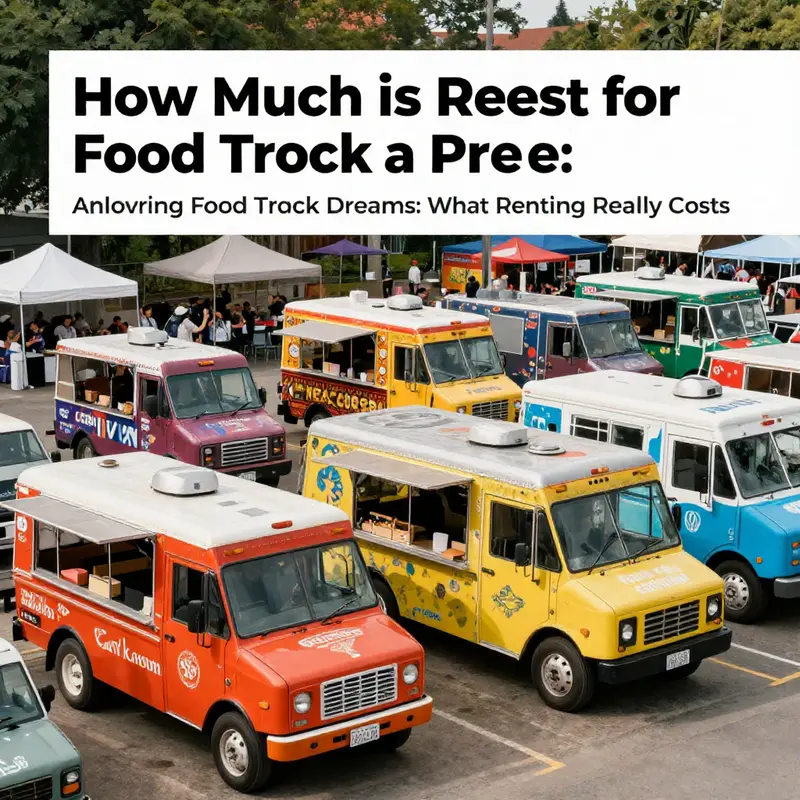
The idea of taking a kitchen on the road appeals to many aspiring restaurateurs, but the path from concept to opened doors on wheels is paved with numbers as concrete as the tines of a grill. Renting a food truck can feel like a straightforward decision—drive up, roll out the equipment, start serving—but the price tag hides a web of variables that can shift from one city block to the next, and even from one vendor to another. In practice, the cost to rent a food truck can swing widely. For events, you might pay a flat fee per appearance or a per-day rate that accumulates with the length of a season. The typical range often cited in market discussions sits around seven hundred fifty dollars to three thousand dollars per event, a spread that reflects the features bundled into the truck, the level of service included, and the geography of the booking. When you broaden the lens to longer terms—monthly leases for a fully equipped unit—the numbers tend to rise, with averages commonly landing in the one thousand five hundred to four thousand dollars per month band in the United States. Yet the actual price you’ll encounter is highly sensitive to location. In major metropolitan hubs, where demand for mobile dining and the competition for high-foot-traffic venues are intense and real estate costs are steep, rents push higher, sometimes noticeably so. A thoughtful buyer or renter learns to read these price signals like a map, recognizing that every city has its own economics and that the same truck can cost more in one market and less in another simply because the crowd is different, the permits are different, or the fuel and labor costs drift up in a way that shifts the overall math of a daily operation. The range is not just about the vehicle; it’s about the entire package that sits behind the wheel. A refurbished or older chassis might come with a price advantage, but it can also carry higher maintenance risk, a factor that translates into more frequent downtime and, thus, a different cost profile. A newer, well-maintained model with abundant cooking equipment—think professional-grade grills, fryers, refrigeration, and robust plumbing and electrical systems—generally commands higher rental rates, yet it offers peace of mind in the form of reliability and fewer hidden repair costs during a busy weekend. Even the small choices within the contract, like whether a rental includes a driver or a setup crew, a pre-inspected vehicle, or on-call maintenance, can tilt the economics. A driver can turn a simple rental into a comprehensive service, taking on the logistical burden of navigating permits, parking, and power supply, while a self-drive option might slash the price but transfer those headaches to the operator. The price is a signal of the burden the vendor takes on and the convenience they ensure for you. The overall picture gets even more nuanced when you factor in ongoing operating costs that are not directly tied to the rental agreement itself. Fuel costs, of course, will rise and fall with usage, but permits and licenses remain a fixed obligation necessary to keep the business legal. Insurance, another essential piece, protects against liability and property damage, and some rental packages even include basic maintenance or a service plan that minimizes the chance of an unexpected breakdown during a peak service window. When these elements are bundled into the rental, the headline price can look more favorable, because the package reduces the chance of an unplanned cash outlay during critical moments. It is essential to approach rental inquiries with a clear sense of what is included—and what is not. If the package promises insurance and maintenance, you should still clarify who is responsible for fuel, for electricity or gas hookups, for water, and for waste disposal. If the contract mentions a driver or crew, ask who covers the transportation between events, the liability if the truck breaks down during a service, and the protocol for a failed power connection at a venue. These questions aren’t merely bureaucratic; they shape cash flow, risk management, and day-to-day operations in meaningful ways. In this sense, renting a food truck is as much about managing a business model as it is about acquiring a vehicle. It is an exercise in evaluating cash flow, scheduling, and constraint management. For those who are contemplating this path, a practical approach is to compare several rental proposals side by side, not only on the stated monthly or per-event price but on the bundle of services and the terms that accompany the price. A cautious calculation will account for fuel, but also for permits and licenses—those recurring costs that sit outside the rental agreement—and for insurance, which can be a major line item. Ingredient costs will also matter, even if the rental supplies the cooking space; a truck’s menu will determine how much money must be sunk into stock, and how frequently, and that in turn affects how many events you need to cover the lease without losing money. The better path for many aspiring operators is to treat leasing as an affordable entry point rather than a permanent solution. Leasing a fully equipped truck often lowers the barrier to entry, allowing a fledgling business to test a concept, refine the menu, and build a customer base without tying up capital in a hard asset. The inclusions in a lease—kitchen equipment, plumbing and electrical systems, and sometimes even insurance and a maintenance plan—can substantially ease the initial cash-flow crunch and provide a predictable monthly outlay. Still, the decision hinges on the expected cadence of events, the geographic focus, and the long-term goals for growth. If the plan is to stay lean, test markets, and ramp up gradually, a flexible lease with scalable terms may make sense. If the aim is rapid expansion, eventually owning a more permanent, branded footprint, a purchase strategy might be appropriate. In this balancing act, it is easy to underestimate the hidden costs that creep into the monthly ledger. A rental that seems affordable on paper can become more expensive when you add in fuel, regular vehicle servicing, upgrades to equipment to meet evolving health and safety standards, and the need for staffing for peak times. It is worth noting that even with a seemingly generous rental package, many operators find that the true operating cost of running a mobile kitchen goes beyond the truck itself. A seasoned owner will prepare for this reality by building a budget that accommodates fluctuating demand, seasonal lull periods, and the ongoing drift in ingredient prices, which can press profit margins in unexpected ways. As with any business, the numbers are a story about risk and resilience. A reliable truck is not a commodity; it is a platform that enables you to connect with customers, to deliver a consistent product, and to adapt to the rhythms of local markets. The economics of renting reflect this: you pay for mobility, speed to market, and the peace of mind that comes with professional equipment and, in some cases, professional support. When you consider all of these factors, a clear picture emerges. Renting a food truck can be a prudent, practical way to enter the scene, especially for those who want to experiment, validate a concept, or minimize upfront capital. It also demands a robust budgeting discipline and a willingness to negotiate terms. Prospective operators should approach each vendor with a candid assessment of how many events they expect to serve, where those events will be held, and how quickly they intend to scale. A disciplined approach includes requesting detailed quotes, reading the fine print, and comparing not just the monthly rent but the total cost of ownership over the period of the lease or the life of the agreement. It is about looking beyond the headline price to understand the true cost of bringing a mobile kitchen to life and keeping it running over time. For readers seeking further budgeting guidance, practical budgeting insights tailored to first-time truck owners can be found in the linked resource on financial planning for new entrants in this field. financial tips for first-time food-truck owners. In parallel, industry trend analysis and up-to-date rental pricing insights are available through general industry resources that track how demand, supply, and regulatory changes reshape the economics of mobile food service. External resource: https://www.foodtruckempire.com/. These references help anchor the discussion in real-world practice, reminding us that the landscape is dynamic and that informed comparison remains the best way to secure a deal that supports both a viable business and a sustainable future on the road.
The Price of Place: How Location Shapes the Rent Landscape for Food Trucks
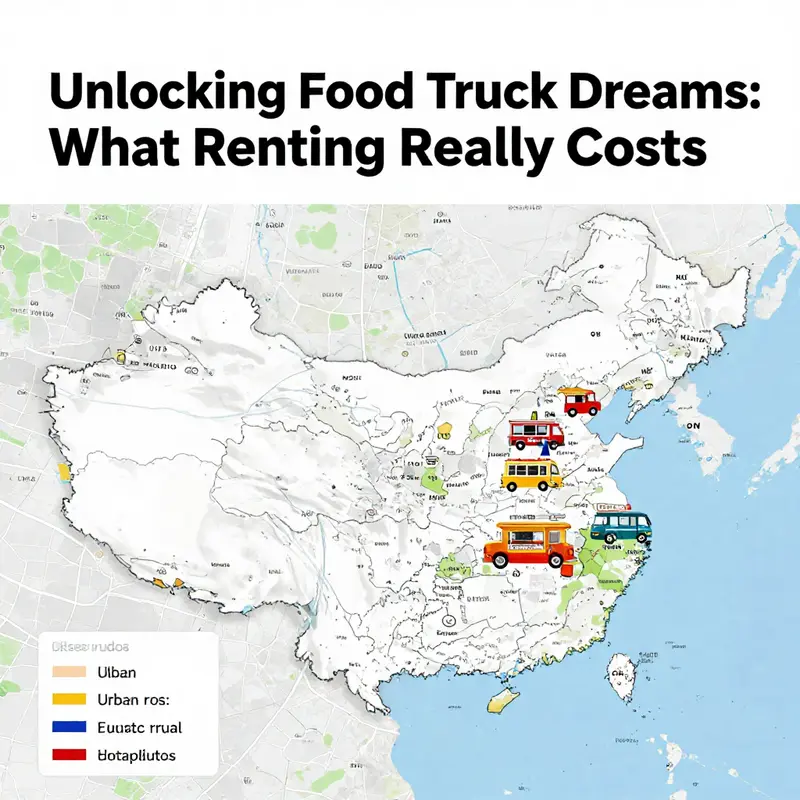
Location is more than a backdrop for a food truck operation; it is the primary dial that turns the rent you pay into potential revenue. The same truck with the same menu can be a different business on a crowded downtown street compared to a quiet suburban strip, because the costs of occupying space are intrinsically tied to where you park, parkability, and the rules that govern street life in that place. In this chapter, we follow the thread of location from the concrete numbers of monthly rents to the subtler currents that push a site from affordable to aspirational—and sometimes perilous. The numbers begin with a straightforward observation: the cost of renting a food truck space is not uniform. It hardens in the pockets of dense urban centers and softens in more rural or less trafficked locales. When you look at major metropolitan areas, the rent picture becomes bold and sometimes daunting. In cities like New York, Los Angeles, or San Francisco, monthly rates for parking and operating space can run from roughly two thousand dollars to five thousand dollars. Those figures reflect more than a place to park; they capture demand, limited parking inventory, and a regulatory climate that favors organized, high-volume operations. Prime spots near large venues, transit hubs, or bustling corridors can carry a premium because they deliver a steady stream of potential customers. The flip side is a maze of permits, utility access hurdles, and sometimes stiff enforcement that can complicate a growing business just as you are trying to scale. In some districts, the charm of proximity comes wrapped in an ever-looming need to prove compliance with street vending rules, fire codes, and health standards, which can be as expensive in time as in money. The more regulated the environment, the more the price tag on space reflects the investment required to play by the rules every day. In contrast, smaller towns and suburban areas tend to offer a gentler rent runway. Here, monthly costs might cluster in the eight-hundred to one-thousand-five-hundred-dollar band. Foot traffic tends to be steadier but not explosive, and the pace of permitting can be more predictable, with fewer competing trucks and shorter queues for coveted corners. The softer demand translates into lower rents, but it is not a free ride. The absence of crowds can translate into fewer customers during off-peak hours, and operators must still contend with regulations, neighborhood covenants, and the occasional parking constraint. The spectrum is broad, and the gap between markets is not merely a matter of a larger or smaller number. It is a reflection of how space in public and semi-public venues is valued. A city might offer a prime festival circuit and a handful of fixed, high-traffic zones that guarantee exposure, yet demand a premium for access to those zones and a commitment to event calendars. The same truck parked in a less intense zone could see lower rent but a more irregular flow of customers. These dynamics are not purely about the dollars in the rent ledger. They ripple into a business’s cadence—its hours, its staffing needs, and the timing of its sales peaks. In urban centers, the calendar often revolves around lunch rushes, evening crowds, and occasional festival weekends. In suburban or rural settings, the rhythm may be slower but steady, requiring a different pricing strategy and marketing plan. It is not only the base rent that changes with location; ancillary costs rise and fall with the geography of your operation. Permit fees, for example, can vary widely by city and even by neighborhood. A city with strict zoning for street vending may require special permits that carry annual costs, adding hundreds or thousands of dollars to operating expenses. Insurance rates can reflect the local risk climate, traffic patterns, and the typical claims profile in the area. Utility access—whether you can tap into municipal power or rely on portable generators—also moves with location. Some spots offer reliable electricity and clean water hookups as part of a formalized program, trimming ongoing costs and simplifying compliance. Others demand self-sufficiency, pushing up fuel and maintenance expenses while complicating the bookkeeping of utility charges. Given this mosaic of price signals, strategic placement emerges as a central lever. Proximity to tourist attractions, business districts, or event venues can dramatically lift rental value, not just through higher base rent but through the guaranteed customer volume that comes with location. The math shifts when you can couple a reliable site with predictable foot traffic and an event calendar. A succession of market days, lunch markets, or weekend gatherings near stadiums or entertainment districts can transform what looks like a higher rent into a more profitable allocation of resources. The operator who leases a premium spot for a few peak periods and then relocates to a lower-cost site during off-peak hours may actually improve total profitability rather than simply chasing the lowest possible rent. Yet there is a cautionary thread running through this logic: high rents demand strong performance. If the traffic forecast does not materialize, the bite taken by the monthly rent can erode margins quickly. In such cases, a precise blend of market research, traffic pattern analysis, and a realistic sales plan becomes essential. The decision to place a truck in a high-cost urban zone should be anchored in data about crowd density, visitor demographics, and the event schedule. It should also factor in the costs of compliance, the burden of permits, and the logistics of setting up in a space that is often scarce, competitive, and time-limited. Conversely, choosing a lower-cost location must come with a candid assessment of the trade-offs: less crowding, fewer predictable sales peaks, and the potential need to travel more to reach audiences. Some operators hedge their bets by diversifying their location strategy—rotating between a handful of slots across different neighborhoods, or combining a stable, reasonably priced anchor location with periodic, high-value pop-ups during weekends or festivals. This approach can smooth revenue while controlling the rent bill. The chapter would be remiss without acknowledging the externalities that radiate from location choices. For instance, being near a major transit hub or a stadium can dramatically increase exposure, but it can also intensify competition among street vendors and bring stricter enforcement during peak events. In such cases, the cost of entry is not just the rent but the time and energy spent managing queues, coordinating with event organizers, and negotiating with city authorities over access windows and compliance expectations. Even when the numbers seem favorable on paper, the day-to-day realities of a busy venue demand careful planning. A truck operator must consider the alignment of operating hours with customer flow, the reliability of power sources, the ease of setup and breakdown, and the capacity to maintain consistent quality across a busy service window. The decision calculus is rooted in a broader financial picture: the rent is a fixed overhead, but the revenue it enables is highly variable. A thoughtful location strategy combines market analysis with a clear operating plan, a realistic forecast of sales, and a buffer for regulatory or logistical hiccups. In practice, operators benefit from documenting the expected monthly cost of occupancy—rent, permits, insurance, and utilities—and weighing that against the projected gross sales in a given area. The aim is not merely to minimize rent but to maximize the net margin after all location-related expenses. To reinforce practical planning, it helps to look at location through the lens of potential customers and the calendar. If a site is near a cluster of office workers, weekday lunches offer a predictable baseline. If another site sits near evening entertainment venues, dinner crowds and weekend traffic might dominate. Legendary venues can be both liberating and costly, because the same space can attract more customers but also incur higher permit fees and enforcement oversight. These complexities underscore a central point: there is no one-size-fits-all answer to “how much is rent for a food truck.” Instead, there is a spectrum shaped by geography, traffic, and regulatory climate, tempered by the operator’s market savvy and flexibility. The most resilient operators are not simply chasing the lowest rent; they are aligning space with audience, turning location into a strategic asset rather than a seasonal headache. They cultivate relationships with organizers, scout forthcoming events, and stay attuned to traffic patterns and urban development plans that could alter the value of a given curb space next year. In building that capability, a practical approach emerges. Start with a map of target neighborhoods and an honest cash-flow model that includes all location-driven costs. Build a short list of candidate sites, noting both the nominal rent and the total cost of occupancy, including permits and insurance that are likely to apply. Engage with city offices and ride along with other operators to learn the rhythms of each district. Leverage data—foot traffic counts, event schedules, and historical sales—to calibrate expectations. And remember that location is a living variable; it shifts with seasons, regulatory changes, and the evolving appetite of consumers for street food experiences. For a deeper dive into how location-specific rules shape day-to-day operations, see the practical guidance on navigating food truck regulations. navigating-food-truck-industry-regulations. As you integrate those lessons, you will start to see how the rent you pay can be a lever for profitability rather than an obstacle to growth. If you want a broader regional perspective that stacks up the numbers side by side, an external resource aggregates rental costs by location and provides a useful benchmark as you plan expansions or relocations: https://www.foodtrucks.com/rental-costs-by-location/.
Renting the Wheels: How Size, Gear, and Services Shape Food-Truck Rental Costs
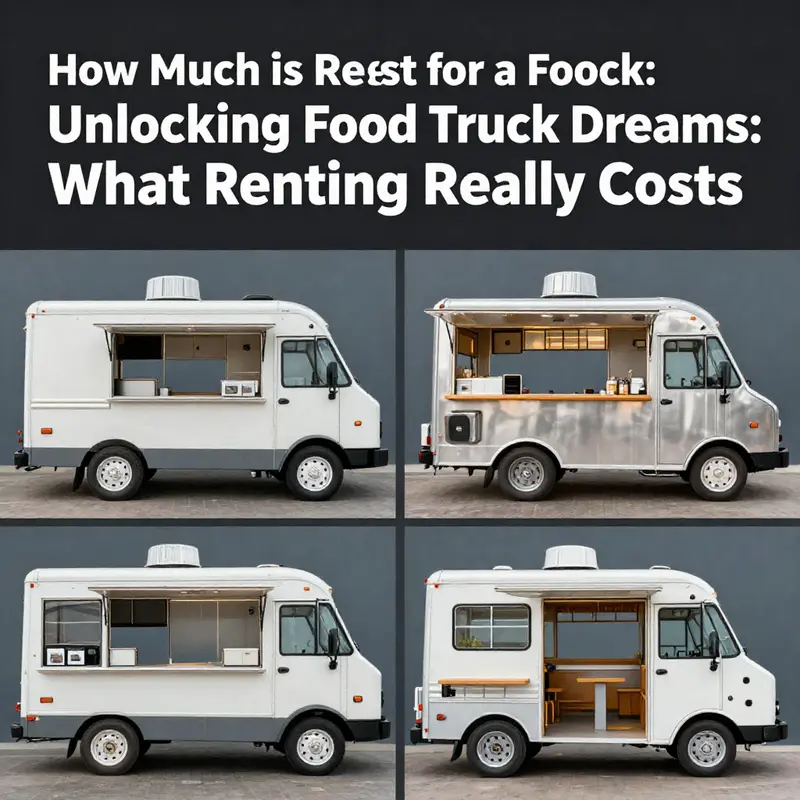
The cost of stepping into the world of food trucks rarely rests on a single price tag. It unfolds as a spectrum shaped by size, the level of equipment, and the services bundled with the rental. For many first movers, the numbers are clearer when you separate the truck from the ongoing costs and think in two currencies: per event and per month. Per event rentals cover seasonal gigs, pop ups, or single festivals and can range from 750 to 3,000 dollars depending on truck size, menu complexity, power needs, and whether a driver or setup crew is included. For more sustained operations, monthly rental becomes the relevant metric: smaller or older units typically run 2,000 to 3,500 dollars per month, while larger, newer, fully equipped trucks can begin around 4,000 dollars and climb to 8,000 dollars or more. Include fixed operating costs such as commissary rent, truck lease, and digital platforms, which can add substantially to the monthly outlay. A practical budgeting rule is to forecast revenue per event, multiply by expected events per month, and compare that figure to recurring costs to assess break-even timing and profitability. The choice between lean and fully equipped configurations hinges on pace and scale: a lean setup enables quick market entry, while a robust unit supports higher throughput and stronger branding. Finally, read the contract carefully and ask about fuel surcharges, maintenance allowances, hourly or distance caps, upgrades, and seasonal pricing to ensure the package matches your plan.
Rent on Wheels: Decoding the True Cost of Short-Term vs Long-Term Food Truck Leases
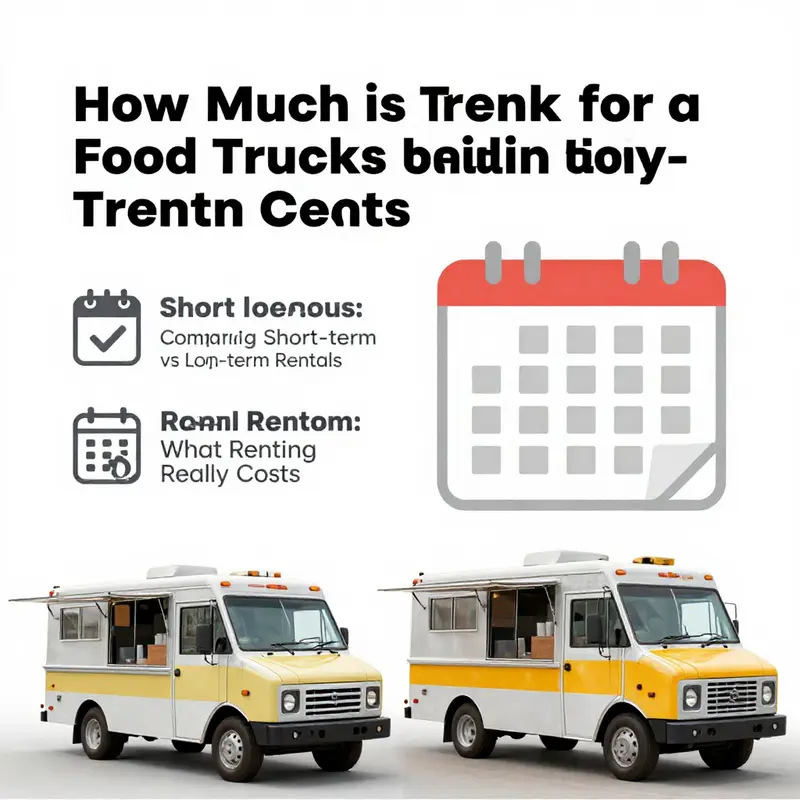
Rent on wheels is a practical decision about resource management for food truck startups. Choosing between short-term and long-term truck leases affects cash flow, flexibility, and growth velocity. The cost of renting a food truck is not a single invoice; it includes daily or monthly base rates, add-ons, maintenance, insurance, and the value of available operational support. In practice, you are negotiating a package rather than a price tag, so you should compare terms side by side to understand true cost and strategic fit.
Short-term leases offer agility for market tests, pop-ups, or peak-event coverage. They typically carry higher daily rates to cover immediate availability and operational risk. For example, daily quotes can range widely by city and season. Expect to pay more if you need power hookups, waste management, or on-site staffing. The upside is precise cost control and the ability to scale or pause quickly.
Long-term leases provide price predictability and potential discounts for multi-month commitments. The monthly rate is usually lower than the equivalent number of short-term days, but you trade flexibility for stability. For operators planning expansion or entering a core market, long-term leases can simplify budgeting and fleet management.
Other factors influence the total cost: vehicle condition and equipment, whether branding is included, whether a driver or setup crew is provided, and the geographic location of events. Higher demand markets may carry higher base rates but also higher revenue opportunities, which can justify the rental choice if throughput is strong.
To make informed decisions, request quotes in writing, ask what is included, and clarify hidden fees such as power, water, cleaning, deposits, or cancellation penalties. Build scenarios that compare daily costs against expected service days, and consider a blended approach of testing markets with short-term rentals while preserving a longer-term option in a core location.
External resources can help with budgeting and financing, but the best guidance comes from mapping the rental terms to your business plan, cash flow, and growth trajectory. For example, you can explore practical budgeting resources and financing tips for first-time truck owners, and compare offers across local vendors. The goal is to translate the sticker price into a reliable daily or monthly rhythm that your business can sustain.
Bottom line: the right lease choice aligns with your current needs, growth goals, and risk tolerance. Short-term rentals win on flexibility; long-term leases win on predictability and scale. Treat the rental decision as a core component of your business plan, not an afterthought, and you will set a steady pace for your kitchen on wheels.
null
null
Final thoughts
Renting a food truck can be an exciting venture, offering a unique dining experience for all types of events. The journey to understanding how much it costs begins with recognizing the many variables at play—ranging from location, size, and equipment to rental duration and other influencing factors. By arming yourself with this knowledge, you’ll be better prepared to navigate the landscape of food truck rentals, ensuring that your experience is not only delicious but also budget-friendly. Whether you’re planning a corporate gathering, a community festival, or a private party, you have the resources to make your food truck dreams come true.