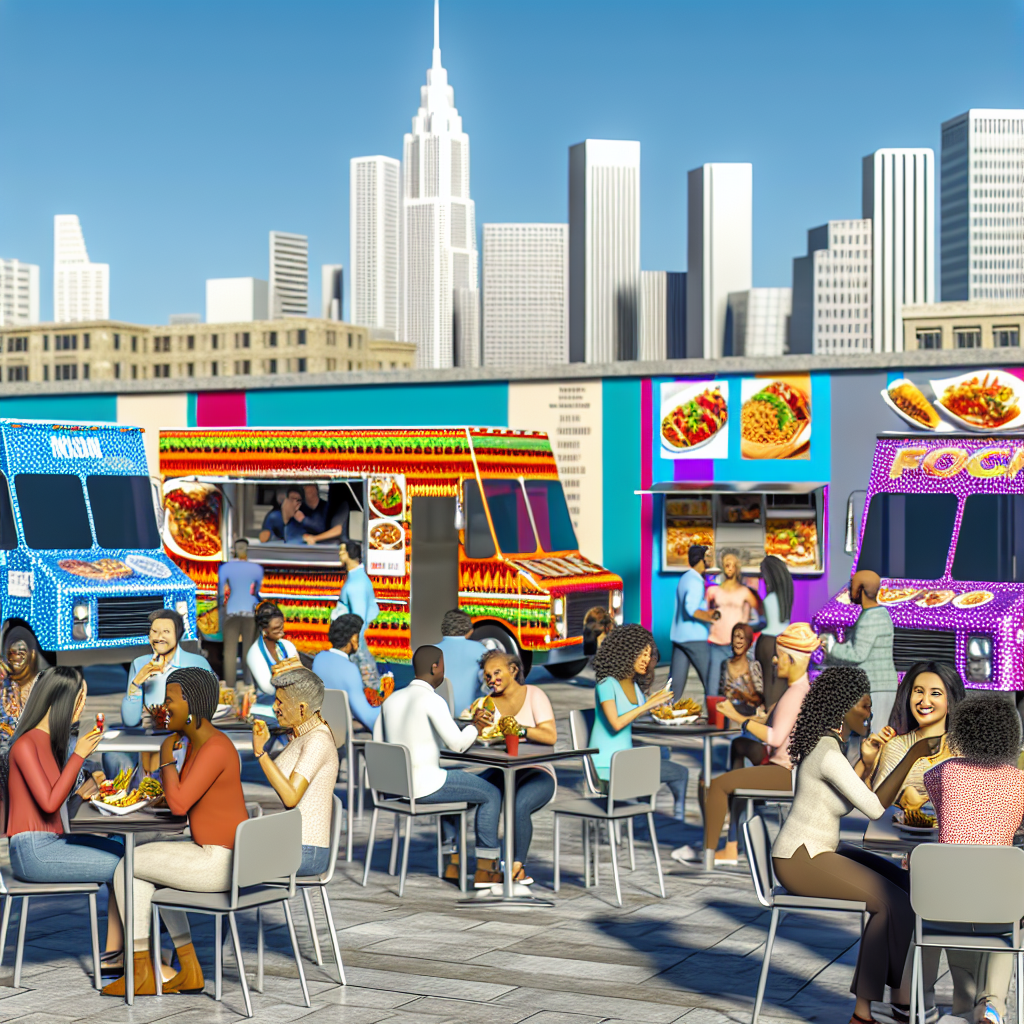
Food trucks embody culinary adventure and the thrill of street-side dining, yet surprisingly, they often carry a tarnished reputation. This paradox invites curiosity, especially among event planners, corporate teams, community groups, and food enthusiasts alike. Several core issues contribute to the negative perception surrounding food trucks, including food safety concerns, regulatory inconsistencies, hygiene challenges, noise disruptions, and biases regarding food quality. Each chapter of this article dives deep into these critical aspects, shedding light on the hurdles faced by food truck operators while urging diners to look beyond appearances. By understanding why food trucks are frequently misunderstood, we can appreciate the passion, creativity, and flavors they bring to our communities.
Riding on the Edge: How Food Safety, Regulation Gaps, and Urban Life Shape the Food Truck’s Bad Rep
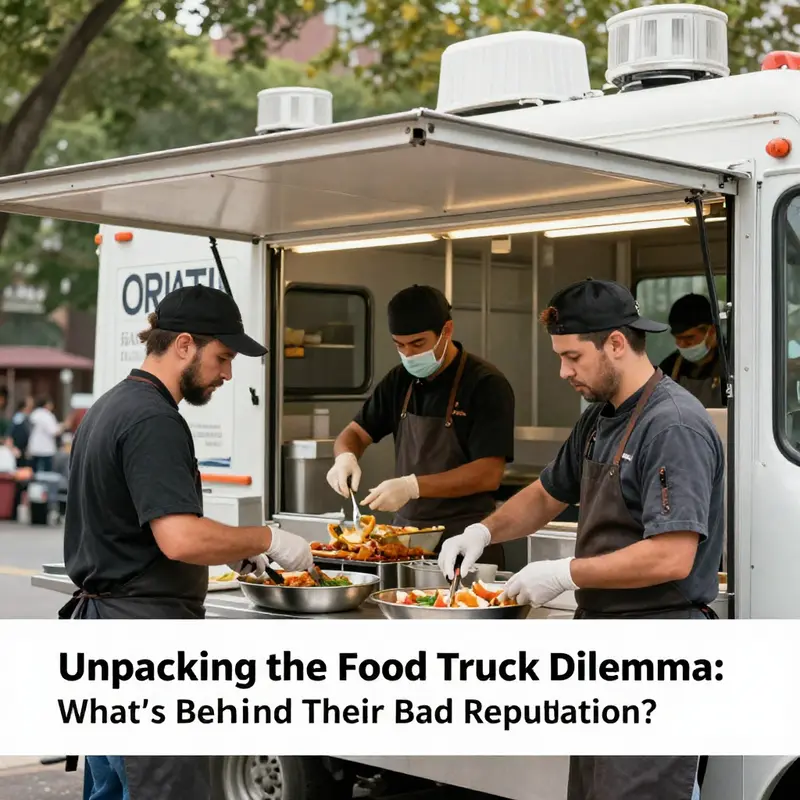
The reputation of food trucks in many cities hangs on a delicate balance between vitality and risk. They embody mobility, accessibility, and culinary curiosity, yet the image that lingers for some diners is less about flavor and more about safety. The urban food scene thrives on variety, but that same variety can cast shadows when concerns about handling, cleanliness, and oversight surface. The result is a narrative that frames mobile kitchens as inherently risky, even when the majority operate safely. To understand this tension we need to look closely at how safety practices are tested by the realities of the road, how regulation sways with jurisdiction, and how public perception can be as influential as any health inspection score.
At the heart of the safety conversation is the portable kitchen itself. Unlike fixed kitchens, a food truck compresses food preparation, cooking, and storage into a compact space that moves through traffic, markets, and street corners. Temperature control becomes a daily challenge: keeping cold ingredients cold enough, hot foods above safe thresholds, and raw and cooked items separate to prevent cross-contamination. These are not theoretical concerns. Inspectors have repeatedly found lapses that are small in scale but significant in consequence—gaps in glove use, missed handwashing, or inadequate separation of ingredients. In a 2016 investigation, health inspectors documented such violations that underscored a broader vulnerability: the constraints of the mobile environment can complicate even routine safety practices. The risk is not that every truck is negligent, but that the operating conditions can magnify simple missteps into public health concerns.
Sanitation compounds these challenges. The logistics of cleaning and waste disposal in a limited space can impede routine sanitization. When sinks, water access, and cleaning supplies are not readily available, routine cleaning intervals slip. The risk isn’t always about a single contaminated item; it’s about the cumulative effect of inconsistent sanitation practices over a shift, a day, or a week. The visual cues customers rely on—how clean a prep area looks, whether gloves are changed, whether utensils are stored properly—often shape judgments as much as the actual safety metrics. When a truck scene lacks obvious cleanliness signals, fear can take hold even in the absence of an incident. Public perception has a way of filling gaps with doubt, and media coverage can amplify those impressions, creating a lasting stereotype that stickers safety ratings with a broad brush.
Regulation adds another layer of complexity. In many jurisdictions, oversight of mobile food operations is uneven by design. Some cities maintain rigorous inspection regimes with frequent visits and clear requirements; others rely on looser guidelines or scatter enforcement in a patchwork system. In practice, this means that two trucks parked on the same street can operate under very different safety expectations. The result is a perceived or real uneven playing field. Operators who comply and invest in proper training can feel undercut by peers who sidestep certain regulations or inspections. The lack of standardized inspection protocols across regions makes it harder for consumers to compare influences or trust what they see on a given day. When enforcement is inconsistent, the message to the public can be unclear: is the food safe, or is it risky, depending on where you buy it?
The growth of food truck popularity compounds these regulatory and safety dynamics. A surge in popularity often accompanies rapid expansion. A 2022 study highlighted how the sector’s explosive growth can outpace the infrastructure meant to keep safety front and center. When demand spikes, operators balance demands for speed, cost, and flavor against the need for rigorous safety practices. Training opportunities may lag behind the pace of growth, and new operators can enter the market with limited experience in formal safety protocols. The result is a higher potential for variability in practices from truck to truck, city to city. The perception of risk can rise even as the actual rates of incidents remain low or manageable, simply because more trucks are on the street and more often reported.
Hygiene, too, sits at the crossroads of practicality and expectation. The mobile nature of trucks makes impeccable hygiene harder to demonstrate consistently. Proper waste disposal, access to clean water, and dependable handwashing facilities are not always straightforward in a curbside setting. When waste streams appear haphazard or when deliveries occur in spaces that do not resemble a kitchen, the public can interpret these realities as a signal of poor hygiene. Incidents—whether a pest sighting, spoiled ingredients, or a mislabeled item—can travel quickly through social media and traditional outlets, reinforcing a stereotype of mobile vendors as less sanitary than fixed restaurants.
Noise and traffic disruption are less technical but no less persuasive elements of the bad rep. A parked truck can transform a neighborhood block, sometimes blocking crosswalks or creating bottlenecks near busy intersections. The soundscape of a line of customers, sizzling griddles, and exhaust makes an impression even before a customer bites in. Urban planners and residents often weigh the trade-offs between the economic and cultural benefits of street food and the friction it creates for foot traffic, signage visibility, and pedestrian safety. When a food truck becomes a source of congestion, it feeds a broader urban narrative about street markets as unruly rather than integrated parts of the city’s food ecosystem.
Another dimension is the perception that mobile food might be lower in quality or reliability. The episodic nature of street service—short-lived stalls, flexible menus, and rapid turnover—feeds a stereotype that can be hard to dispel. Consumers may interpret a busy pop-up as a sign of popularity, yet when a menu shifts abruptly or a truck closes early, the same dynamics can translate into concerns about consistency. The challenge is not only about food handling or cleanliness but about trust. When customers cannot rely on predictable hours, standardized menus, or consistent service levels, they read risk into the experience itself, even if the product is safe on most days.
This skepticism is not purely internal to the industry. It is reinforced by broader regulatory gaps that echo through other mobile supply chains. The discussion around transportation of perishable goods—though focused on larger freight systems—illustrates a broader pattern: oversight can falter when it travels across modes and scales. A widely cited concern about the handling of delicate cargo underscores a systemic vulnerability in how we monitor and enforce safety across dynamic environments. The essence of the lesson for food trucks lies in recognizing that mobile operations exist within a web of standards, inspections, and public trust. When any link in that chain weakens, reputational damage can quickly follow, regardless of individual truck performance.
Amid these challenges, however, there is an equally important countercurrent. A growing body of research indicates that the public’s perception of safety is not fixed. A 2025 study found that a positive brand image and transparent safety practices can substantially reduce perceived risk. When operators publish clear sourcing information, provide visible evidence of hygiene training, and maintain open channels for customer questions, the stigma around risk can soften. This points to a practical countermeasure: safety branding and transparency as strategies to rebuild trust, rather than a pure compliance posture. In other words, how a truck communicates its safety story matters as much as the story itself.
The academic literature provides another lens. The Journal of Food Protection has published comparative analyses that test the boundaries between mobile vendors and traditional restaurants. Though the context includes diverse settings, the core finding emphasizes nuance: safety outcomes depend on the specifics of implementation, environment, and oversight. Mobile operations are not inherently riskier by default, but their unique constraints demand targeted strategies—structured training for rapid kitchens, portable cold-chain solutions, and standardized inspection criteria that travel with the vehicle rather than stay fixed to a location. For readers who want to explore the empirical side in depth, the chapter’s references point to a detailed study that directly compares risk across formats and offers a rigorous, data-driven view of the mobile food safety landscape.
To connect the dots between policy, practice, and perception, consider how readers might deepen their understanding of how regulation shapes daily operations. A resource focused on navigating food truck industry regulations offers practical guidance for operators and city officials alike. It illuminates the steps a truck can take to align with local expectations while preserving the flexibility that defines its appeal. For those who want to explore this topic further, the piece serves as a bridge between the theoretical concerns raised here and the concrete actions that can reduce risk while supporting urban street food culture. Navigating food truck industry regulations provides a pragmatic look at how cities can harmonize safety with entrepreneurial energy.
Yet the story remains more than a catalog of risks. It is a portrait of a growing, evolving sector that has not yet settled into a universal standard. The best way forward blends rigorous oversight with practical support for operators: clearer, standardized inspection protocols; convenient training paths; accessible infrastructure for cleaning and waste management; and a public education effort that explains what safe practice looks like on the street. If communities want the warmth of a diverse, mobile food scene without compromising health, they must invest in both enforcement and empowerment. The goal is not to suppress innovation but to channel it through safety-conscious norms that are visible, verifiable, and trusted by everyday diners. In that sense, the bad rep is not an indictment of all food trucks but a wake-up call to elevate safety as an integral feature of the urban culinary landscape.
External reading for further context: Food Safety Risk of Food Trucks Compared with Restaurants.
Regulatory Gaps on Wheels: How Weak Enforcement Shapes the Bad Reputation of Food Trucks
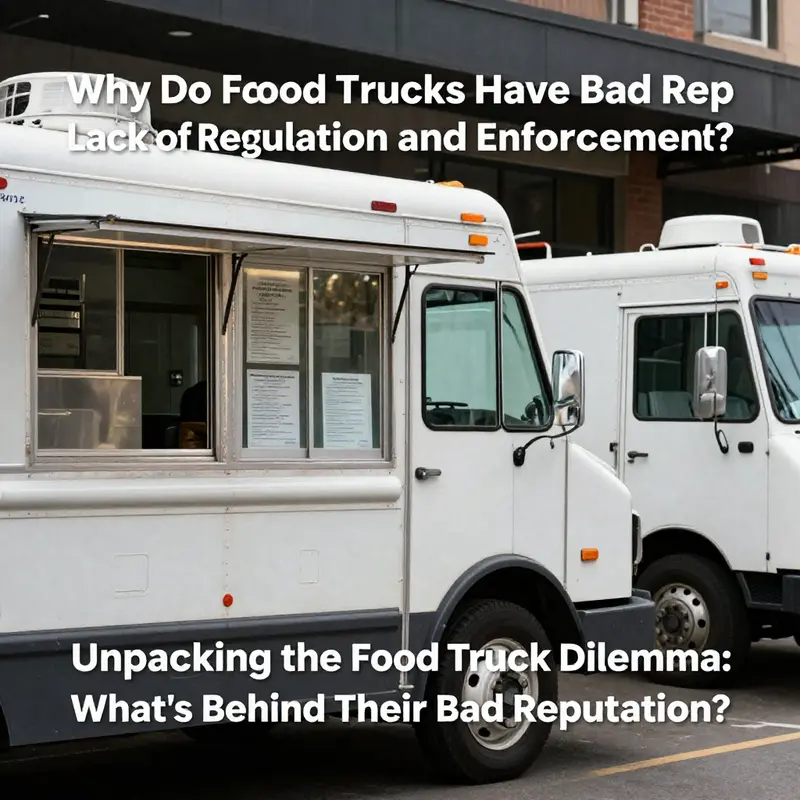
On crowded city streets, food trucks glide into the everyday rhythm of urban life, offering novelty, speed, and a sense of culinary adventure. They appear as flexible, entrepreneurial answers to crowded neighborhoods and evolving tastes. Yet alongside the charm and convenience there persists a stubborn, sometimes echoing doubt: are these mobile kitchens safe and properly regulated, or are they skating on the edge of public health and municipal order? The answer is rarely simple, but a core strand of the reputational thread runs through the heart of the issue: regulatory gaps and uneven enforcement. When rules are ill-defined, inconsistently applied, or simply overwhelmed by rapid growth, the overall system becomes porous. The result is a public conversation that too often frames food trucks as risky outliers rather than as integral components of a resilient urban food landscape. The tension between opportunity and risk centers on governance, and that tension feeds the perception of a bad rep that many operators must contend with, even as many trucks operate with diligence and care.
The most persistent driver of the negative perception is not a single egregious incident but a pattern of regulatory fragility. In many regions, the rules that govern food handling, sanitation, and vehicle maintenance are either vague or vary dramatically from one jurisdiction to the next. Some areas demand robust licensing, regular health inspections, and explicit standards for cold storage, handwashing, and cross-contamination prevention. Others offer far looser oversight, allowing itinerant vendors to circulate with limited checks or enforcement triggers. When this patchwork exists, a few compliant operators can become indistinguishable in the public eye from those who cut corners. The uneven playing field is felt most acutely by operators who comply, train their staff, and invest in proper equipment, yet still find themselves subject to surprise visits or ambiguous guidance that leaves them scrambling to interpret what is expected.
The problem compounds when enforcement is scheduled rather than proactive. Where inspectors rely on complaints or after-the-fact investigations, violations may go unchallenged for weeks or months. By the time a sanitation lapse or improper storage comes to light, the damage to public trust has often already been done. Communities notice more than just violations; they notice the inconsistency in how rules are applied. A truck that is clean and well-maintained in one neighborhood can appear dirtier or less compliant in another, simply due to different inspectors, different checklists, or different interpretations of the same regulation. In such a climate, the public begins to read every mobile vendor as a potential risk, even when a majority are careful and diligent.
To understand why this matters, it helps to see the broader systemic context. The growth of mobile food services mirrors a larger decentralization in how goods and services are produced, transported, and consumed. When regulatory systems struggle to scale with this decentralization, the gaps widen. Resources dedicate to inspection, training, and real-time compliance tracking do not always keep pace with the velocity at which new vendors appear, relocate, and vary their routines. In some places, regulatory agencies are steady but under-resourced, and their staff face long inspection backlogs, limited access to vehicle-specific data, and competing public-safety priorities. In others, oversight is fragmented across multiple agencies—public health, fire safety, transportation, and licensing—making coherent enforcement a challenge rather than a certainty. The cumulative effect is a perception that rules exist in theory but fail to dominate practice, and the public remembers those gaps more vividly than the routine compliance of most operators.
The consequences extend beyond mere perception. Inadequate regulation and weak enforcement create real, tangible risks for public health. Food handling in a mobile setting comes with particular challenges: limited space for separating raw and ready-to-eat foods, cramped prep areas that impede thorough cleaning, and the difficulty of maintaining precise temperature controls while the vehicle is in motion or parked in hot sun. When inspections are infrequent or unclear, those conditions can persist. The risk of cross-contamination grows when operators reuse containers, neglect proper glove use, or fail to sanitize surfaces between different menu items. In the worst cases, unsanitary conditions persist long enough to be noticed by customers, leading to foodborne illness outbreaks or odor and pest issues that nudge the public toward the conclusion that the entire category is unreliable. The reputational damage is not limited to the individuals involved; it frames a whole class of mobile vendors as inherently risky, a frame that makes progress in professional standards harder to achieve.
The cross-pollination of concerns does not stop at food safety. The public also watches how regulators respond to violations and whether there is accountability for poor practices. When a city shows a pattern of lax licensing, inconsistent permit checks, or delayed punishments for repeated offenses, it signals a deeper issue: that enforcement is reactive rather than preventive. This fosters skepticism about the system’s ability to protect citizens and to reward responsible operators. In turn, customers who might have embraced the convenience and variety of street cuisine begin to associate the entire scene with instability—unreliable hours, sudden closures, and inconsistent quality—fueling a broader sense that mobile food is somehow less trustworthy than brick-and-mortar establishments with visible kitchens and established reputations.
The broader narrative here is not that food trucks are uniformly dangerous or unregulated. Rather, it is that the reputational damage often arises from systemic vulnerabilities in how regulation is designed, updated, and enforced. When rules fail to anticipate the realities of mobile food operations—such as the need for standardized sanitation protocols across jurisdictions, or the requirement that a vehicle meet uniform maintenance checks before it is allowed to operate in a given area—the system becomes a patchwork quilt of exceptions, loopholes, and gray areas. The result is a user experience marred by uncertainty: customers may not know whether a particular truck has been inspected recently, or whether its refrigeration equipment is adequate for the climate, or whether it adheres to best practices for preventing cross-contamination. Each of these uncertainties feeds the broader suspicion that mobile food services are less accountable and harder to regulate than their stationary counterparts.
Addressing these challenges requires more than a single regulator’s signature enforcement action. It demands a coordinated approach that aligns standards, monitoring, and education across the regulatory ecosystem. A practical path includes creating standardized, portable checklists for vehicle construction, food handling, and waste management that inspectors can apply consistently, regardless of jurisdiction. It also means investing in proactive inspection programs that use data-driven risk assessments to identify high-probability failure points and allocate resources accordingly. Training programs for vendors—covering temperature control, sanitation, pest management, and allergen awareness—should be standardized and widely accessible, ensuring a baseline level of knowledge for every operator who takes to the street. Public education plays a complementary role too: clear, straightforward guidance for customers about safe handling practices and the basics of what to look for in a compliant operation can build trust without singling out individual vendors.
Readers who want to explore practical, field-based guidance on regulation can consult a concise, accessible resource on navigating food truck industry regulations. It offers a grounded view of how operators can align their practices with common regulatory expectations and how cities can implement more transparent, predictable enforcement. Navigating food truck industry regulations.
Ultimately, a more coherent regulatory framework would not only reduce risk but also restore public trust in the food truck concept. When enforcement is predictable, inspections are timely, and standards are consistent, the image of the mobile kitchen shifts from a loophole-ridden exception to a disciplined, accountable participant in urban food ecosystems. The goal is not to dampen the dynamism of street cuisine but to ensure that dynamism rests on a foundation of safety, reliability, and clear accountability. In doing so, communities can enjoy the benefits of mobile food services while minimizing the misgivings that have long shadowed the conversation about their place in the city.
For readers seeking a broader perspective on how regulatory gaps intersect with public health and supply-chain oversight—beyond the food truck context—the conversation is enriched by recent international investigations into regulatory capture and oversight failures. A detailed report on tank-truck contamination scandals highlights how systemic weaknesses in monitoring and cleaning protocols can elevate risk across moving goods, underscoring why robust enforcement matters for trust in all mobile operations. The Guardian notes how gaps in audits and cleaning protocols can allow hazardous residues to persist across a fleet, with consequences that extend far beyond a single incident. See the report for a comprehensive overview: https://www.theguardian.com/world/2024/jul/09/tank-truck-food-safety-scandal-china
Wheels, Warnings, and the Hygiene Narrative: Public Perception of Mobile Kitchens
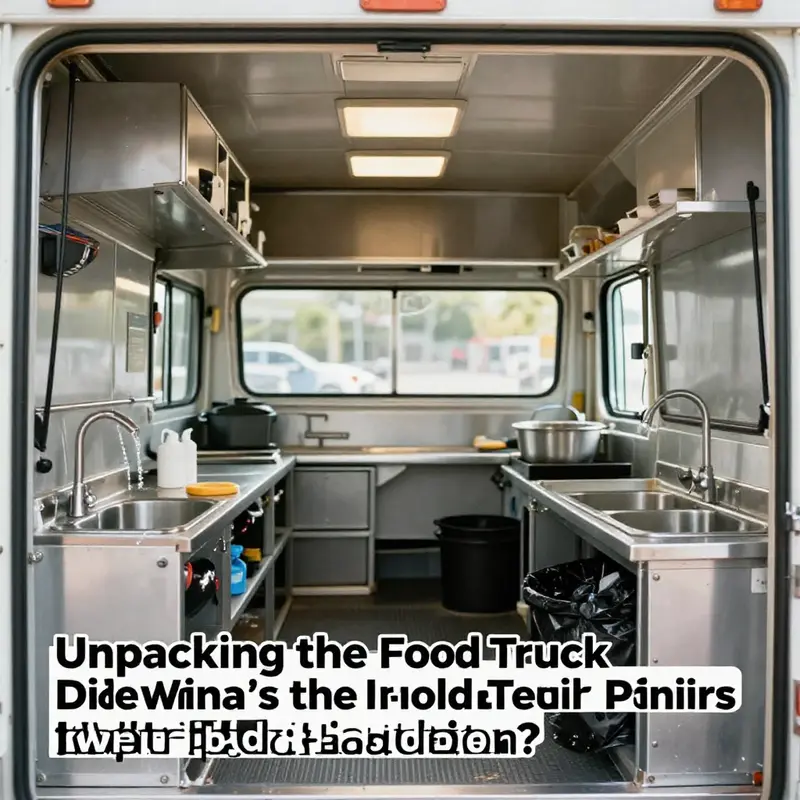
The reputation of food trucks often travels faster than the trucks themselves. They promise quick access to vibrant flavors and a sense of culinary adventure on street corners and festival grounds. Yet whenever cleanliness slips into the picture, the mobile kitchen becomes a flashpoint for public worry. Hygiene and cleanliness issues sit at a critical juncture where operational realities, regulatory gaps, and psychic associations with speed and informality converge. When a customer bites into a taco or a bowl, they are also tasting a judgment about where and how that food was prepared. Hygiene, in this sense, is not merely about doorknobs and soap; it is about trust. And trust is a fragile asset in a business built on speed, mobility, and itinerant locations.
The root of the hygiene narrative begins with the physical realities of operating in a truck. Unlike a fixed brick-and-mortar restaurant, a food truck relies on a compact footprint that must accommodate storage, food prep, cooking, cooling, dishwashing, waste disposal, and staff movement. The result is a system with inherently tighter margins for sanitation. Small kitchen footprints can complicate routine cleaning. Sinks may be shallow, plumbing might be temporary or nonuniform, and access to clean water can swing with location and weather. In some trucks, a steady supply of hot water for handwashing or surface sanitizing is a dependable feature; in others, it can feel like a limping afterthought. When spaces are this constrained, the daily ritual of cleaning—washing surfaces, sanitizing cutting boards, and sanitizing utensils—gets compressed to fit into the rush of service. The risk is not that every truck is dirty, but that the standards can become uneven across fleets, and that inconsistency circulates as a social signal about overall safety.
Documented violations underscore that hygiene challenges are not hypothetical. Health inspections have repeatedly flagged serious lapses in mobile operations. Across various jurisdictions, inspectors have observed employees failing to wash hands and neglecting gloves or other protective barriers during critical points of food handling. A widely cited example from 2016 highlighted 16 violations on a single truck, with three major infractions tied directly to hand hygiene. Those violations are not just numbers on a report; they are vivid reminders of how quickly a routine task—washing hands after handling raw ingredients, sanitizing a surface, or changing gloves—can be skipped in the cadence of a busy night. When such instances surface in public records, they feed a narrative that mobile vendors can be out of step with basic food safety practices. The impact extends beyond the truck involved; it shapes consumer expectations and informs the broader perception of mobile food service as a whole.
The speed and pressure of the trade contribute further to hygiene concerns. The high-velocity tempo of service—short lines, multiple orders arriving in rapid succession, and the constant push to turn orders quickly for the next customer—creates an environment where safety protocols can be rushed or forgotten. In some moments, staff may deprioritize thorough cleaning in favor of maintaining line efficiency. The result can be a cycle: a busy shift leads to quick, imperfect cleaning; imperfect cleaning reinforces public perception of negligent hygiene; the public then doubts the integrity of other trucks in the vicinity, even when those trucks are diligently following best practices. This dynamic underscores a broader truth about the industry: hygiene is as much a cultural artifact as a technical one. It is about habits, routines, and the organizational discipline that lasts beyond a single busy night.
A lack of standardization across fleets compounds the problem. Equipment on mobile platforms varies widely—from trucks equipped with robust water filtration and continuous water supply to makeshift basins and limited drainage. This variation affects the capacity to perform routine cleaning and to maintain sanitary surfaces between customers. Even where teams intend to adhere to high standards, the absence of uniform equipment features can create real gaps in practice. A truck with a reliable, steady sink and a sanitation station can execute a disciplined cleaning regimen; another with just a bucket and a sponge may struggle to replicate those efforts consistently. The broader implication is that the perception of uneven hygiene is not merely about a few bad apples but about structural disparities in how mobile operations are equipped and resourced to maintain cleanliness on the fly.
Industry voices emphasize that cleanliness is a business imperative, not an optional virtue. Within the field, leaders argue for daily, deliberate washdowns of all equipment, regular sanitizing of contact surfaces, and strict separation between raw and ready-to-eat foods. The case for comprehensive hygiene programs goes beyond compliance; it ties directly to product quality, shelf life, and brand resilience. When sanitation routines are visible—when customers see crews actively cleaning prep surfaces, exchanging towels, or sanitizing utensils—perception shifts from skepticism to confidence. Conversely, a lack of visible cleanliness can erode trust even if the actual risk is not as high as assumed. This is where trust becomes a business asset. In a market where customers may investigate a vendor after a bad experience or after hearing a cautionary tale, the reputational cost of lapses can far exceed the immediate financial impact of a single violation.
The reputational calculus for food trucks also intersects with the public narrative about food safety more broadly. Consumers are increasingly aware that sanitation is not merely about keeping a kitchen clean but about protecting the entire supply chain from contamination. Public sentiment has grown more skeptical where oversight appears inconsistent or where incidents have been publicly televised or widely reported. In this ecosystem, a truck’s reputation becomes inseparable from its stated commitments to safety and cleanliness. As one industry observer noted, maintaining cleanliness is not just about preventing recalls; it is about preserving the trust that allows a mobile food business to thrive in crowded urban spaces, markets, and events. The stakes are high because missteps ripple into perceptions of all mobile vendors, not just the one involved.
There is value in acknowledging that the industry is not monolithic, and the majority of operators take hygiene seriously. The problem lies not with the existence of mobile food options but with the gaps between ideal practices and real-world conditions. Public health officials often stress that the right infrastructure can dramatically improve outcomes. Clean water access, proper waste disposal, reliable refrigeration, and safe transport of perishables are not luxuries; they are prerequisites for safe, quality food service on wheels. Acknowledging these prerequisites helps to reframe the conversation from blame to improvement. When operators, regulators, and communities collaborate to raise the baseline, the negative halo can begin to fade. It is possible to celebrate the creativity and convenience of food trucks while maintaining a rigorous standard of hygiene that earns public trust.
This reframing ties into regulatory and educational efforts already underway in many regions. The conversation is not only about policing trucks but about partnering with operators to develop practical hygiene protocols that fit mobile realities. Public education about what clean operation looks like—such as visible handwashing, separate prep zones, and clear labeling of sanitizing processes—can empower customers to assess hygiene practices in real time. It can also empower operators to prioritize sanitation without sacrificing speed. The tension between speed and safety is real, but it is not unbridgeable. When a truck operates with a clear, documented routine—hand hygiene, surface sanitization, proper separation of raw and cooked foods, and routine equipment maintenance—cleanliness becomes a predictable, repeatable outcome rather than an aspirational ideal.
To connect the thread between policy and practice, consider how formal guidance supports day-to-day decisions. Readers can explore resources on navigating food truck regulations and how to align operations with safety standards across jurisdictions. For instance, a concise framework for understanding local rules can be found in resources like Navigating Food Truck Industry Regulations. This kind of guidance helps operators build systematic hygiene programs rather than relying on improvisation. It also helps consumers recognize that hygiene practices are not arbitrary but are anchored in recognized standards and inspections. Ultimately, the path forward rests on stronger enforcement, standardized training, and investments in infrastructure that make daily hygiene routines practical in the field. As a broader note, researchers and industry commentators have highlighted the importance of consistent safety protocols as a foundation for long-term success. A 2026 publication by Glen Ward underscores that safety protocols are essential for business resilience and brand trust. While the voices in the field differ on specifics, the consensus is clear: cleanliness is not optional; it is a strategic priority that shapes how customers experience mobile food vendors.
The hygiene conversation also sits within a larger ecosystem of public health oversight that must balance flexibility with accountability. Why do some trucks spark broad public concern while others are quietly trusted? Because hygiene is a living signal of a business’s integrity. When trucks fail to wash hands, neglect proper glove use, or skip routine surface sanitizing during peak hours, they send a message that can outlive the actual risk. Conversely, trucks that demonstrate consistent, transparent cleanliness practices—accessible cleaning stations, routine sanitation logs, and visible adherence to food safety standards—cultivate a durable trust with their customers. The social contract between mobile vendors and city dwellers hinges on more than flavor; it hinges on the reputation that cleanliness sustains, especially in spaces where food trucks crowd streets, markets, and events and where the line between convenience and risk can feel thin.
In sum, the bad rep around hygiene and cleanliness in the food truck world is not an immutable verdict. It is a set of perceptions rooted in real operational pressures, uneven resource availability, and uneven enforcement. But with deliberate investment in training, standardized equipment, transparent hygiene practices, and robust regulatory alignment, the mobile kitchen can reclaim its standing. The industry has the opportunity to demonstrate that mobility and meticulous sanitation can coexist, delivering both variety and security to consumers. The lesson for operators is straightforward: prioritize daily cleanliness as a core operational discipline, not as an afterthought. For regulators and educators, the imperative is to provide practical, scalable guidance that fits the speed of the street without compromising public health. And for consumers, the expectation should be clear: visible, consistent hygiene practices are a baseline right, not a marketing hook. External resources can offer a deeper dive into nationwide guidance on mobile food safety standards and practical steps operators can take to elevate their hygiene game. External resource: https://www.fda.gov/food/fda-food-safety-standards/mobile-food-vendors
Rolling Disruptions: How Noise, Traffic, and City Living Shape the Reputation of Food Trucks
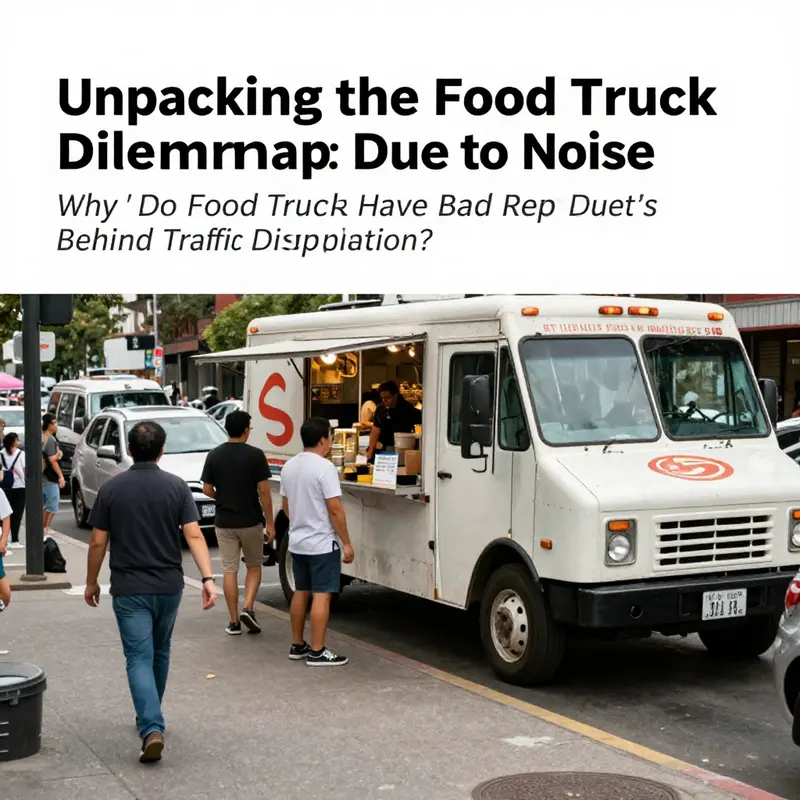
The sounds of a city are a familiar chorus—the hum of buses, the chatter of pedestrians, distant sirens, the clink of utensils from a street stall. When a food truck rolls into a neighborhood, that chorus changes. The sizzle of a grill, the whirr of a blender, a speaker crackling over a crowded curb all become a single, audible argument for or against the presence of mobile kitchens. For many residents, the arrival of a truck is a welcome note of variety and convenience; for others, it is a disruption that tests patience, especially when it arrives near homes, schools, or parks where quiet is valued and where the rhythm of daily life depends on predictable streets. The research behind the chapter on why food trucks have a bad rep consistently points to noise as a primary irritant, but the full picture includes how noise interplays with traffic, curb life, and urban design. Taken together, these forces can transform what should be a spark of culinary exploration into a source of ongoing tension between vendors, neighbors, and local authorities.
Noise is not simply loudness; it is a mood-shaping force that shapes daily routines. The primary noise sources associated with food trucks flow from three arenas. First, the cooking process itself. Industrial-range burners, hood exhausts, blenders, ice crushers, and the mechanical whirs of refrigeration contribute a sonic layer that travels along sidewalks and into open windows. Second, promotional loudspeakers. Many trucks deploy high-energy audio to attract attention in crowded streets, and while they may be effective marketing tools, they also multiply the sonic footprint of a single mobile kitchen. Third, customer activity. Queue movement, conversations at the pickup window, the rustle of paper and plastic, and the occasional cheer when a favorite dish lands on a plate all add to the soundtrack of the street.
Noise becomes most contentious when it intrudes upon places that people expect to be quiet or predictable. A park where families seek shade on a sunny afternoon or a school during afternoon pickup is a difficult place to justify a perpetual buzz. In these moments, the distinction between a vibrant food culture and an intrusive nuisance becomes blurred, and that blur feeds the public narrative about food trucks in general. It is not solely about decibels; it is about the time, place, and context of the sound. In neighborhoods with rising housing costs, the daily decision to tolerate the extra ring of a grill or the volume of a promotional call can become symbolic of broader debates about urban space: who controls it, who benefits from it, and how much friction residents are willing to tolerate in exchange for culinary variety.
Beyond sound, the surface-level appeal of mobility hides a second, equally consequential pressure: traffic disruption. The logistical realities of operating on a dense urban street are not optional; they are constraints that shape every decision a vendor makes. Maneuvering a vehicle through narrow lanes, negotiating tight curb space, and aligning a temporary setup with other street activity are mechanical tasks that can ripple into the broader traffic system. When a truck needs to park, it may occupy a lane or a curb lane for minutes that stretch into quarters of an hour. That can slow buses, hinder delivery trucks, or block the flow of pedestrians at a busy intersection. During peak hours, those small delays become noticeable bottlenecks, especially in neighborhoods that do not have dedicated loading zones or well-marked curbside operations. The result is a pattern: a vibrant economic activity concentrated in a few blocks, paired with a measurable friction point for commuters and residents who count on smooth street functionality.
In cities with a patchwork of regulations, the friction is not merely physical but administrative. Regulation, enforcement, and zoning vary widely from one municipality to the next. Some jurisdictions designate specific zones for mobile vendors, others lack clear guidelines on permitted hours or distance from schools, and a few rely on inconsistent enforcement that can leave well-meaning operators uncertain about what rules apply. This regulatory patchwork translates into a market where compliance is uneven and where the risks of unregulated activity—such as unpermitted setups or questionable waste practices—loom over both neighbors and operators alike. The public then experiences a kind of regulatory whiplash: one street can buzz with permitted, well-managed activity, while another, just a few blocks away, hosts a scene that feels uncoordinated and risky. A community’s tolerance for this inconsistency often follows its exposure to complaints, which can escalate when residents feel that rules do not apply equally.
The consequence is a reputational feedback loop. When noise and congestion appear to cluster in certain neighborhoods, residents begin to associate that experience with food trucks as a whole. The image of a rolling kitchen becomes, for some, a symbol of urban disruption rather than culinary exploration. That perception is reinforced by moments of poor customer service or inconsistent menu offerings, which can create the impression that mobile vendors are fragile or unreliable. While a large portion of food trucks operate with high standards, the public memory latches onto the exceptions and the moments when the experience falls short. In such environments, the negative stories spread more swiftly than the positive cases where trucks operate responsibly at scale, with well-rated hygiene, transparent waste management, and careful attention to local norms.
Understanding these dynamics invites a practical frame for assessing not just what triggers a bad rep, but what can shift the balance toward a more constructive city–vendor–neighbor relationship. The first and most straightforward move is to elevate the standard of operation. That means quieter equipment where feasible, better exhaust management, and sound-attenuating design choices that reduce the audible footprint during peak residential hours. It also means rethinking marketing soundtracks: if a loudspeaker is essential for a stall’s visibility, it should be calibrated with muffled tones or reserved for certain times when the street is already lively rather than contributing to a constant drone. The second move concerns street design and management. Cities can expand the number of designated curbside lanes for temporary setups, create clear, well-lit loading zones, and implement time-limited blocks that prevent bottlenecks while preserving street life. These measures do not suppress the economic value of food trucks; they convert a potential flashpoint into a predictable pattern that residents can accommodate and that vendors can plan around with confidence. A third critical step is stronger, more predictable regulation paired with consistent enforcement. When rules are clear and applied evenly, the competitive playing field is level, and operators can compete on quality, safety, and reliability rather than proximity to loopholes. A consistent framework also supports better public education: residents learn when trucks are present, what to expect, and how to report concerns that are legitimate rather than reactive.
An important layer to consider is how the broader transportation and safety ecosystem colors public perception. The recent discourse around mobile operations—from the oil–by‑oil examples in large freight trucking to the more modest realm of street vendors—signals a wider appetite for tighter oversight and safer handling of perishable goods. Although the oil-trucking case belongs to a different scale, it serves as a reminder that lapses in protocol or fragmented oversight can erode trust in any system that handles food or fuel in motion. For food trucks, this means that a city’s historical tolerance for informality can become an obstacle when public health and safety are at stake. The Urban Land Institute’s 2023 report on urban food truck regulation underscores a straightforward insight: communities with uncoordinated rules experience more complaints about noise and congestion. When governance is coherent, residents are more likely to see the benefit of mobile cuisine rather than its nuisance. For readers seeking a broader framework, the report offers practical guidance on aligning zoning, permitting, and enforcement with community needs.
To connect this discussion to concrete paths forward, consider how a city might balance the appetite for culinary variety with the rights of residents to a peaceful, navigable urban space. A thoughtful approach begins with community engagement—forums where residents, business owners, and operators share expectations and constraints. It proceeds with zoning that designates zones with appropriate buffer requirements, hours that harmonize with school and park activities, and defined routes that minimize cross-traffic disruption. It includes training for operators on safe waste handling, effective means of temperature control, and courteous customer service that reduces conflict in public spaces. Importantly, it invites ongoing evaluation: data on complaint trends, street occupancy, and patient feedback from residents and businesses can inform tweaks to rules and practices, ensuring that the system adapts without stifling the cultural and economic benefits that mobile food brings to neighborhoods.
For readers who want to explore regulatory dimensions more deeply, a robust path is to examine how other cities are shaping their approaches to mobile vendors. The literature shows that when cities invest in clear guidelines, consistent enforcement, and practical infrastructure, the perceived risk associated with food trucks diminishes and the perceived value rises. The goal is not to whitewash the challenges but to reframe the narrative: food trucks become a legitimate aspect of urban life when their presence is predictable, their impact is managed, and they operate with a high standard of health and courtesy. This reframing hinges on policy as much as on practice, and it aligns with a broader urban agenda that seeks to foster local entrepreneurship while protecting public space. To explore these regulatory developments further, readers can delve into the linked resource on city regulation approaches and consider how such models might be adapted to their own communities. navigating food-truck industry regulations.
In sum, the bad rep surrounding food trucks around noise and traffic is not an innate indictment of culinary mobility. It is the result of complex interactions among sound, street presence, governance, and community expectations. When cities invest in design, enforcement, and dialogue, the balance shifts toward a shared street that accommodates innovation without compromising residents’ need for quiet, predictable urban life. The path forward is not about silencing the mobile kitchen, but about integrating it into a city’s soundscape in a way that respects both the appetite for variety and the right to a peaceful neighborhood. As cities learn to normalize the presence of rolling kitchens—through thoughtful zoning, better equipment standards, and active community engagement—the negative perceptions generated by noise and congestion can recede, leaving room for the genuine benefits these mobile eateries offer: culinary diversity, local entrepreneurship, and a more vibrant, accessible urban food culture. External resources provide broader perspectives on how this alignment can be achieved in practice. For further reading on urban regulation trends, see the Urban Land Institute’s 2023 Urban Food Truck Regulation Report: https://www.uli.org/research/urban-food-truck-regulation-report-2023/.
Perceived Imperfections on a Plate: Unpacking the Food Truck Myth of Low Quality and Unreliability
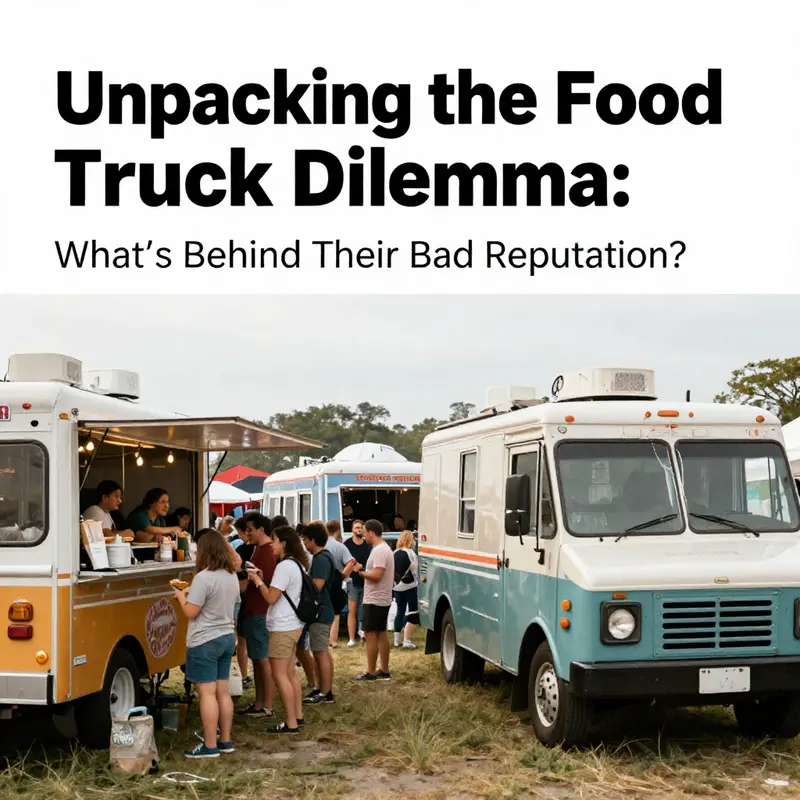
From the curbside glow of a drive-by window to the buzz of a street market, food trucks have the power to elicit appetite and curiosity in equal measure. Yet alongside the aroma of street-food promise sits a stubborn suspicion: that meals sold from a wheeled kitchen are inherently lower in quality or less dependable than those plated in a brick-and-mortar restaurant. This perception isn’t purely about taste or texture; it’s a complex mix of expectations, branding, and lived experience. The mobile, pop-up nature of these businesses, celebrated for flexibility and novelty, can paradoxically provoke doubt. When a cart arrives with a bustling queue and a menu written on a chalkboard, some observers read it as a sign of ingenuity and craft. Others read it as evidence of volatility, a lack of long-term commitment, or a shortcut around established standards. The tension between excitement and skepticism becomes the lens through which many diners judge every bite before they swallow it, and it isn’t easily dispelled by a single standout dish or a heroic origin story.
A primary strand in this perception is the intense competition that characterizes modern street food. In many urban hubs, the market for mobile dining is saturated. Every new truck is a fresh entrant seeking the same finite hours, the same sidewalks, and the same foot traffic. In such a crowded field, operators feel pressure to move quickly—both to earn money and to prove themselves to curious crowds. That pressure can manifest as brisk service and high turnover, which are admirable traits when paired with consistency. But when speed eclipses control, the quality of a single dish can become the casualty. A line of customers orders a caller’s favorites, and if a truck runs out or has rushed prep, the perception of unreliability can outpace the reality of occasional kitchen hiccups. In other words, the very marketplace that fuels excitement can also erode trust. When customers witness frequent menu changes, abrupt closures, or items that disappear from the board without notice, the memory of those gaps lingers. The image of a fun, flexible operation can tilt toward a stereotype of improvisation and impermanence, even if the underlying discipline is solid.
This dynamic intersects with a broader cultural bias toward formality and permanence in dining. A brick-and-mortar restaurant, with a fixed location, polished dining room, and visible health codes displayed for patrons, conveys a sense of stability and accountability. A food truck, by contrast, occupies a liminal space—a mobile kitchen that can be towed away and replaced with another concept overnight. Even when trucks meet or exceed safety standards, the public narrative often frames them as informal ventures rather than serious culinary businesses. That framing matters. If customers arrive with the assumption that a truck’s offerings are casual or experimental by definition, it becomes harder for any exceptional dish to break through and reframe the image. The reputational question then becomes not just about a single meal, but about the credibility of a format that is consistently evolving.
The ingredients and preparation methods available to food trucks are also central to perceptions of quality. Space constraints demand efficiency, and many operators lean into pre-packaged or frozen components to reduce costs and speed up service. In some cases, these choices can deliver reliable, high-quality results that showcase skill, technique, and thoughtful sourcing. In others, they produce a product that tastes convenient rather than vibrant, prompting comparisons to a higher standard of freshness that diners associate with traditional kitchens. When a truck emphasizes speed, it can inadvertently advertise efficiency at the expense of depth in flavor or texture. The result is a double-edged narrative: some customers celebrate the craft embedded in quick execution, while others suspect that the speed comes at the expense of quality. The truth often resides in the middle, where many trucks succeed by balancing clever techniques with careful ingredient choices, yet struggle to communicate that balance to a broad audience.
Another layer of perception arises from the variability inherent in the truck-based model. Ingredients may vary by season, supplier, or regional availability, and a menu that wanders or changes with the day can feel to some diners like inconsistency. Conversely, reliable trucks build a reputation on a relatively stable core menu and a predictable flavor profile, which helps to counteract doubts about reliability. The tension between variation and consistency is a natural outcome of the model: the same operation that can pivot to new concepts in a single week also risks unsettling repeat customers who crave a familiar experience. For some operators, this is a strategic decision—embrace novelty to attract new fans while maintaining a few steadfast staples for regulars. For others, it’s a vulnerability, especially when social media amplifies every menu alteration, shortage, or staffing change into a cautionary tale about quality.
The human element—service dynamics, appearances, and timing—plays a pivotal role in shaping perceptions. A friendly, knowledgeable operator who can discuss ingredients and techniques with enthusiasm can turn curiosity into trust. A rushed or inattentive interaction, however, can reinforce the stereotype of unreliability. Diners remember not only the most flavorful bite but the moment they felt heard or overlooked. In a setting where visibility is high and menus are short, the way a truck handles questions about allergens, substitutions, or portion sizes becomes a proxy for reliability. Cleanliness and organization are equally consequential. A well-kept cart with clean utensils, clear labeling, and accessible handwashing stations communicates care and discipline. In contrast, signs of clutter, unclear food handling practices, or makeshift waste management can signal that standards are uneven, even if the actual practices meet safety requirements. The mobile kitchen’s condition thus speaks even louder than its written menu.
Branding and storytelling also shape how quality is perceived. A truck’s visual identity—logo, color scheme, typography, and even the design of the menu itself—can prime customers to expect certain experiences. A strong, cohesive brand can set a bar for attention to detail that translates into expectations for food and service. When branding aligns with actual performance, the resulting trust is sturdy. When it doesn’t, the disconnect becomes a source of disappointment that colors future encounters with the truck and with the broader category. For some operators, investing in branding is as essential as refining a recipe. It signals professionalism, care, and enduring intent. For others, branding remains secondary to speed and volume, which can reinforce a perception that the business is more about hustle than about sustenance. That perception, whether fair or not, perpetuates the belief that some trucks are temporary or opportunistic rather than established culinary ventures. In the long arc of reputation, branding acts as either a bridge or a barrier between potential customers and a deeper appreciation of what the truck can deliver.
The ecosystem surrounding food trucks—events, parks, and curated markets—also shapes opinions about quality and reliability. In settings where foot traffic is curated, and where responsible vendors are drawn to festivals or foodie hubs, the bar for consistency tends to be higher. Diners expect prompt service, accurate orders, and clean presentation. When trucks fail to meet those expectations, the damage to their reputation can be swift and public, amplified by reviews and social posts that travel farther and faster than ever before. Conversely, when a truck shines in such environments—offering flavors that surprise and delight, executed with precision, and paired with dependable service—the same venues can overturn preconceived notions. The same platform that can elevate a hidden gem can also expose fragility, underscoring how fragile consumer confidence can be when a single misstep lands in the public ledger.
Addressing these perceptions demands a concerted, transparent approach. It begins with acknowledging the tradeoffs of the mobile model while highlighting concrete steps toward reliability. Training and certification matter, not as mere compliance but as a signal of real competence. Clear communication about hours, locations, and menus reduces the cognitive load on customers and builds trust. Visible hygiene practices, accessible ingredient sourcing information, and consistent plating can turn a good meal into a memorable one rather than a rumor that travels. Community engagement—sharing the story behind ingredients, the people who prepare them, and the challenges of operating a mobile kitchen—can transform skepticism into curiosity. When customers feel seen and informed, the perception of informality shifts toward respect for craft and discipline. Beyond tactics, a cultural shift toward consistency and accountability helps redefine what “quality” means in the context of a mobility-driven dining experience. It isn’t a simple transfer of a brick-and-mortar standard; it is a reimagining of how quality can be maintained, tracked, and celebrated in a dynamic environment.
For readers who want to explore the branding aspect as a lever for changing perception, the literature on food-truck identity offers useful guidance. A resource that digs into how visuals, storytelling, and customer touchpoints influence expectations is the branding on wheels guide. It argues that identity is not decoration but a performance cue—one that signals the level of care diners can expect from every interaction. As this chapter threads through the conversation about quality and reliability, the link between the craft of cooking and the craft of presenting that cooking to the world becomes clear. The most persuasive trucks are those that marry thoughtful ingredients with a thoughtful presentation, both in person and online, creating a coherent narrative that resonates with a broad audience. In the end, perception follows performance. When trucks consistently deliver on both flavor and experience, the reputation for quality stabilizes, and the once-evoked doubt softens into genuine appetite and trust. The road to that outcome is not a single detour but a sustained journey of practice, transparency, and engagement.
External resource: The Food Truck Lie: Why Everyone Gets It Wrong – LinkedIn: https://www.linkedin.com/pulse/food-truck-lie-why-everyone-gets-it-wrong-john-doe/
Internal link reference: For a deeper look at how branding shapes expectations and how identity can elevate perceived quality, explore the concept in the branding on wheels guide. https://loschifladostruck.com/branding-on-wheels-the-ultimate-guide-to-food-truck-graphics-and-identity/
Final thoughts
Understanding the challenges faced by food trucks helps us navigate their complexities with empathy. By acknowledging food safety concerns, regulatory gaps, hygiene practices, noise impacts, and public perceptions of food quality, we can reshape the narrative surrounding these vibrant culinary adventures. As consumers, event planners, and community members, we play a role in supporting food trucks that prioritize safety and quality, helping to elevate the entire industry. With a concerted effort to address these issues collaboratively, we can enjoy the delicious and diverse offerings that food trucks have to offer while forging a path towards a more reliable and trustworthy food service experience.