Philadelphia’s food truck scene is a feast for both the eyes and the taste buds, combining the thrill of culinary delight with entrepreneurial spirit. Food trucks have become a staple across the city’s streets, offering everything from gourmet tacos to artisanal burgers. But how much do these moving kitchens really make? This article digs into the earnings landscape of food trucks in Philadelphia, examining the various factors that contribute to their income, the impact of customer demand, and financial projections for future success. Throughout this journey, you’ll gain insights that are particularly valuable for event planners, corporate teams, local community organizers, and food enthusiasts alike. Get ready to discover the potential of Philadelphia’s mobile cuisine and what it means for those looking to join the food truck movement.
Crunching the Numbers: What Philadelphia Food Trucks Actually Earn
Earnings in Practice: Numbers, Costs, and What Owners Really Take Home
Understanding how much a food truck makes in Philadelphia means looking past headlines. Revenue figures and hourly wages are useful, but the real story lives in margins, location, seasonality, and how owners control costs. Metrics you’ll see reported fall into three groups: employee wages, gross sales, and owner net profit. Each group tells a different part of the story.
Employee wages provide a baseline for labor expense. Various data sources show different averages because job roles and hours vary. Frontline staff in Philadelphia food trucks can earn roughly the equivalent of $35,975 per year, or about $17.29 per hour on a 40-hour basis. Managers commonly earn more—around $22.33 per hour, or about $46,440 annually. Other reports covering wider food service roles show hourly rates in the mid-$20s, reflecting differences between restaurant and mobile food work, or between full-time and part-time schedules. Remember, these are employee pay figures, not owner draws; they matter because labor is one of the largest ongoing costs for a truck. For more on salary benchmarks, see the salary data here: https://www.indeed.com/salaries/food-truck-staff-salary-in-Philadelphia-PA
Gross revenue varies broadly in Philadelphia. Smaller or newer trucks that operate limited hours might gross $50,000 to $100,000 a year. Trucks that secure prime daily routes in Center City, near universities, or at recurring large events can exceed $150,000. Anecdotal reports from operators suggest many successful trucks land between $150,000 and $300,000 annually. These figures depend on consistent foot traffic, event bookings, and a menu that balances price and speed. In high-demand neighborhoods and during festival season, a single busy day can significantly boost monthly totals.
Net profit is where owners see the payoff, and that’s where margins narrow. Industry norms for mobile food businesses place net profit margins between 10% and 20% of gross revenue. Apply those margins to common gross ranges and you get a realistic owner income picture: a truck grossing $150,000 with a 10% margin nets $15,000. The same truck at 20% nets $30,000. A $300,000 truck nets $30,000 to $60,000 depending on efficiency. If gross revenue is closer to $75,000, a 10% margin yields only $7,500—too little to sustain an owner who is also drawing a salary.
Why margins vary so much comes down to costs. Primary line items include payroll, food cost, fuel, permits, insurance, equipment maintenance, and marketing. Payroll alone can eat a significant share of receipts. If a truck employs a full crew for lunch and evening shifts, labor costs climb fast. Food cost management matters too: fresh, high-quality ingredients attract customers but raise ingredient spend. Fuel and vehicle maintenance are variable and can spike after long routes or heavy use. Permits and local compliance fees in Philadelphia are ongoing and non-negotiable. Insurance is another fixed cost that can be surprisingly high for mobile food businesses.
Operators who boost profitability focus on three levers. First, revenue growth: increasing daily sales through better routes, event bookings, and catering contracts scales gross revenue. Second, cost control: smart purchasing, menu engineering, and scheduling reduce waste and unnecessary labor hours. Third, diversification: adding weekday corporate lunch contracts or weekend catering can smooth seasonal dips and improve utilization of the truck. Consolidating these levers typically yields the difference between a truck that barely breaks even and one that produces a sustainable owner income.
Seasonality is a steady influence in Philadelphia. Spring through fall bring festivals, street food events, and high pedestrian traffic. Winter months can be slow unless the truck locks in private events or contracts with indoor venues. Savvy owners build seasonal strategies: higher-priced comfort items in winter, lighter fare in summer, and special event menus for festivals. Engaging local communities and rotating locations helps maintain visibility when foot traffic shifts.
Location beats everything else for many operators. A well-placed truck near office clusters can produce consistent weekday lunch revenue. University zones, medical campuses, and transportation hubs also provide steady demand. Conversely, parking in under-trafficked areas yields uncertain returns. Securing reliable parking spots, complying with municipal rules, and experimenting with different neighborhoods are critical. Partnerships with local businesses or venues can create semi-permanent spots that provide repeat customers.
Catering and private events are revenue multipliers. A single private booking can equal several days of street sales. Building relationships with event organizers, wedding planners, and corporate offices expands a truck’s predictable income streams. Fixed contracts for weekly or monthly gigs can transform cash flow, making it easier to cover fixed costs and invest back into the business.
Pricing and menu design matter as much as location. Margins widen when owners design menus with balanced food cost percentages. High-margin add-ons and limited-time specials increase average ticket size. Speed is essential too; menus optimized for quick assembly keep turnover high during peak windows. Keep an eye on local competitors, and position pricing where quality and convenience justify a slight premium.
Owner compensation also depends on how the business is structured. An owner who draws a modest salary and reinvests profits will see different take-home numbers than one who treats the truck as a primary paycheck. Some owners reduce wage expenses by doing much of the work themselves, increasing net profit but limiting personal time. Others hire reliable staff, scale operations to multiple trucks, and trade hands-on hours for management income.
Capital and financing impact take-home pay as well. Loan payments for truck acquisition, equipment upgrades, or a second vehicle directly reduce net profit. Depreciation and resale value matter when planning long-term income. Proper bookkeeping, forward-looking cash flow projections, and emergency reserves mitigate shocks from equipment failures or slow seasons.
Marketing and brand presence can lift earnings without directly increasing costs significantly. Social media, consistent truck locations, and a recognizable menu create customer loyalty. Cross-promotions with local businesses, event sponsorships, and loyalty programs increase repeat business and improve profitability per customer.
In practice, a Philadelphia food truck owner can expect a wide range of outcomes. Conservatively, many owner-operators earn between $30,000 and $60,000 in net profit after expenses. Some trucks that find a strong product-market fit, lock in reliable routes, and manage costs carefully can earn more. Others operate as lifestyle businesses or stepping stones into brick-and-mortar restaurants, accepting lower short-term profits for long-term goals.
Practical next steps for prospective owners include building realistic revenue scenarios, stress-testing costs, and planning for seasonal swings. Resources that focus on early financial planning can be invaluable—see this guide for financial tips for first-time food truck owners that walks through budgeting and cash flow strategies.[1]
[1] Internal resource: financial tips for first-time food truck owners
External reference: salary benchmarks for food truck staff are available here: https://www.indeed.com/salaries/food-truck-staff-salary-in-Philadelphia-PA
What Really Shapes a Philadelphia Food Truck’s Income: Location, Costs, Safety, and Customer Trust
What Really Shapes a Philadelphia Food Truck’s Income: Location, Costs, Safety, and Customer Trust
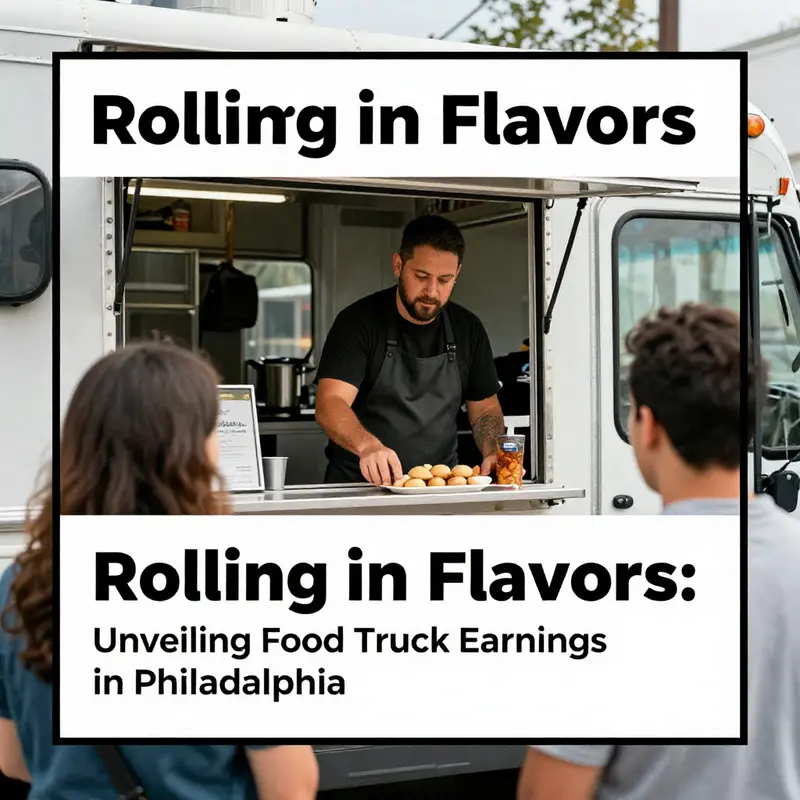
Running a food truck in Philadelphia is a constant set of trade-offs. Each decision you make — where you park, how you price, which permits you keep current, and how you manage safety — moves revenue and profit in clear directions. Although headline numbers vary widely, the story behind them is consistent: location and customer volume create the top-line, while operational costs, compliance, and reputation determine how much of that top-line becomes your paycheck.
Location is the first and most obvious lever. High-foot-traffic corridors like Center City, commercial lunch districts, and popular event spots deliver more customers per hour. Trucks parked near office concentrations can do brisk weekday lunch business. Trucks near tourist areas or parks benefit from weekend and evening flows. But a premium spot often means higher competition and more demanding operating hours. The raw effect is straightforward: double the customers and you double gross sales, all else equal. That makes route planning and spot selection critical tasks. Successful owners map the week, not just a single day, and rotate between high-volume lunch blocks and evening markets to smooth revenue.
Daily sales translate into annual grosses that vary widely. Well-placed, well-marketed trucks in busy corridors can gross $50,000 to $100,000 or more per year. Those figures assume steady traffic and strong product-market fit. Gross revenue, however, is only the beginning. After you subtract direct costs and overhead, the net amount that goes to owners narrows considerably. Industry estimates show typical net profit margins for food trucks sit between 10% and 20% of gross revenue. That means a truck grossing $100,000 might deliver $10,000 to $20,000 in net profit, unless the operator controls costs tightly and builds repeat business.
Operational costs are the margin-crushing force for many operators. These include fixed costs like vehicle financing or lease payments, insurance premiums, and permits. Variable costs such as ingredients, disposable packaging, fuel, and commissary fees rise with sales. Labor is often the single largest variable expense when you grow beyond a one-person operation. Unexpected repairs, maintenance, and equipment replacement can introduce irregular but significant expenses. To protect margins, many operators focus on cost-efficient menus, bulk ingredient purchases, and preventive maintenance plans.
Pricing is another practical lever. Choosing menu items with strong perceived value and healthy contribution margins allows a truck to serve fewer customers while maintaining revenue. Higher-priced artisanal offerings can work in neighborhoods with customers who value novelty and quality. In contrast, high-volume street fare needs tight cost control and fast service to make money. Balancing perceived value with ingredient and labor costs is a daily operational discipline.
Customer demand in Philadelphia is shaped by tastes, seasonality, and events. The city’s dining scene leans toward experimental flavors, craft burgers, and fusion street food. Trucks that align with these preferences often get faster traction. Demand spikes around festivals, sports events, and midday rushes during the workweek. Conversely, winter weather and rainy days reduce foot traffic and sales. Smart operators diversify income streams by catering events, partnering with breweries, or offering delivery to offices to offset slow street sales. These strategies require different permits and logistics but can smooth income over the year.
Regulatory complexity affects both when and how you can sell. Philadelphia requires health permits, business licenses, and adherence to zoning rules. Compliance costs and administrative time add up. Regulatory constraints can also limit access to the most lucrative spots. Navigating that landscape efficiently reduces downtime and legal risk. For operators seeking practical guidance on compliance, a local resource about navigating food truck industry requirements is often helpful. navigating food truck industry regulations provides step-by-step advice on paperwork, inspections, and best practices for staying on the right side of local rules.
Safety and insurance have become more prominent income factors. A high-profile 2025 incident, widely covered in local media, highlighted the risks around fuel handling and equipment safety. The fallout increased liability concerns and raised insurance premiums across the market. Beyond premiums, serious accidents create prolonged legal exposure and reputational harm. Customers may avoid trucks they perceive as unsafe, reducing sales even before fines or lawsuits occur. That incident pushed many operators to invest in upgraded fuel systems, staff safety training, and third-party inspections. Those investments increase near-term costs, but they help protect long-term income by reducing the chance of disruptive incidents.
Perception matters as much as reality. The perceived authenticity and quality of your food influence repeat business and word-of-mouth referrals. In Philadelphia’s competitive street-food ecosystem, customers often seek unique, high-quality experiences. Trucks that cultivate a strong brand, consistent quality, and visible cleanliness earn loyalty. Clean, clear communication about ingredients and preparation reduces perceived risk and builds trust. Conversely, even minor lapses in service or consistency can trigger negative reviews that meaningfully depress sales.
Perceived risk is a moderating force on demand. If potential customers think a truck is unreliable, unsafe, or unclean, they will simply choose alternatives. That reduces conversion of foot traffic into sales. To mitigate perceived risk, operators maintain visible safety protocols, post permits and inspection results, and manage social proof through reviews. Clear, simple signage about allergen handling and food sourcing can also reassure wary customers.
Operational strategy ties all these factors together. Trucks that combine smart spot selection with disciplined cost management and strong branding tend to do best. Many successful operators track daily sales by location, adjust menus seasonally, and run targeted social media to signal presence. Others develop recurring corporate or private-event contracts that provide steady revenue during slow street periods. Diversifying income while maintaining a core, high-margin menu item is a common pattern.
Wages for employees are another piece of the puzzle. Data from local job platforms indicate food service workers in Philadelphia earn roughly $23.36 to $27.22 per hour in full-time roles. Those figures matter when you plan labor costs. If you hire experienced cooks or add staff for busy shifts, labor quickly becomes a major expense. Balancing staff levels against peak demand and using flexible scheduling helps control this input.
Ultimately, the take-home for an owner-operator varies. With disciplined management, a food truck can produce net profits in the range of $30,000 to $60,000 annually. For some, especially those who scale or secure regular catering contracts, earnings can exceed that range. For others, high costs or poor location choices compress profits. The key determinants are consistent customer flow, controlled costs, adherence to safety and regulation, and a reputation that converts casual buyers into repeat customers.
Each factor influences the others. Location increases sales but may raise costs. Safety compliance increases expenses but reduces risk and insurance costs in the long term. Brand and quality boost sales but require consistent execution. Entrepreneurs who map these trade-offs and optimize across them stand the best chance of turning a busy truck into a reliable income stream.
For further reading on the legal and financial aftermath of safety incidents in the local market, see the coverage of the Philadelphia Food Truck Explosion lawsuits (2025): https://www.philly.com/food-truck-explosion-lawsuits-2025
Margins on the Move: Reading Philadelphia’s Food Truck Economics After Expenses
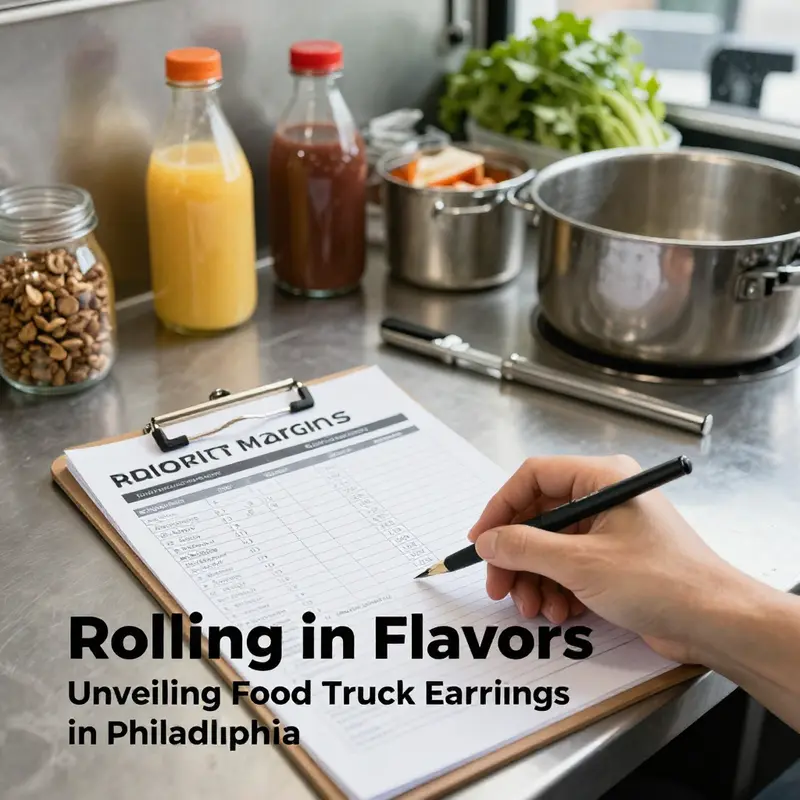
In Philadelphia, the street-food landscape moves with seasons, events, and the rhythm of foot traffic that paints the city’s blocks with hungry revelers and office workers alike. The economics of operating a food truck here are not a single, uniform figure but a tapestry of variables that must be understood in concert. Location remains the most powerful lever. Trucks that set up in high-visibility corridors—Center City, near major transit hubs, or adjacent to large event venues—tend to see higher sales volumes. Yet those advantages come with costs: premium permits, higher street fees, and fierce competition for the most coveted spots. The same dynamics that draw crowds can also tighten margins if a truck becomes tethered to a handful of lucrative locales without flexible routing, diversified hours, or a plan for shoulder seasons. The resulting picture is not simply about a price tag on a menu but about a system of inflows and outflows that requires disciplined management and opportunistic execution to translate daily sales into meaningful profit.
From a top-line perspective, the industry tends to see gross revenue in a broad band. In urban, high-traffic neighborhoods, a food truck can gross roughly fifty thousand to over a hundred thousand dollars in a year, with peak periods—think lunch rushes, post-work crowds, and city events—driving spikes. This is a landscape where a well-timed shift and a crowd-pleasing, repeatable menu can push annual numbers toward the upper end of that range, especially when the operator capitalizes on recurring events, seasonal festivals, and partnerships with nearby offices or institutions. But the same grain of salt that seasons the numbers also emphasizes volatility. Dips in winter, the unpredictability of events, and the constraints of a finite operating window all shape the trajectory of a truck’s yearly performance.
When the smoke clears after the costs are paid, the numbers that truly matter for a Philadelphia truck owner are the margins—the percentages that remain from every dollar earned. On a gross margin basis, many operators report that their direct costs—the core ingredients, packaging, and fuel needed to keep the line moving—land in a solid range of roughly 30% to 50%. This marks the portion of revenue that is left after paying for the raw inputs that directly enable service. A 30% to 50% gross margin suggests that, at a high level, the business can convert a meaningful slice of sales into profit before considering the rest of the operating costs that sit beyond the kitchen counter.
But those operating costs are what ultimately compress the bottom line. Labor, insurance, permits, regular equipment maintenance, and marketing each take a bite from the gross revenue. In Philadelphia, labor costs are a particularly salient line item. The local market for food service workers often places wages in a range that reflects the city’s cost of living and competitive demand—roughly in the mid to upper twenties per hour for full-time positions. For an owner-operator who adds staff for peak periods or events, this labor envelope can noticeably shape profitability. Insurance, permitting, and licensing fees are not just regulatory hurdles but recurring expenditures that make up a predictable portion of monthly budgets. Maintenance for grills, coolers, generators, and the vehicle itself adds another layer of ongoing expense. Then there is marketing—though it can be modest in a gears-turned-by-word-of-mouth business, it remains essential for sustaining steady customer flow, attracting event organizers, and building repeat visits.
Taken together, net profit margins in this market typically compress to a more cautious band. After subtracting labor, insurance, permits, maintenance, and marketing, many operators see net margins in the range of about 10% to 20%. That translates to a take-home that fluctuates with sales, costs, and the efficiency with which a truck is run. A conservative interpretation is that a truck grossing fifty thousand dollars could net between five thousand and ten thousand dollars, while a truck at the upper end of the revenue spectrum—toward the one hundred thousand mark—might net roughly ten thousand to twenty thousand dollars under typical conditions. Importantly, the numbers do not exist in isolation. They respond to how well a business manages energy costs, minimizes waste, negotiates ingredient and supply costs, and leverages labor without sacrificing speed or service quality. In other words, good margins hinge as much on disciplined operations as on appetizing menus.
Yet there is a broader viewpoint to consider. The narrative around profitability is not only about what ends up in the bank account each year. It also includes the strategic choices that determine risk, resilience, and scalability. While the standard ranges lay out a plausible framework, some operators report higherPerformance in the right mix of scale, locations, and efficiency. In practice, this means that a truck with a more expansive footprint, more stable event scheduling, and a streamlined kitchen that minimizes waste can push toward the upper ends of both gross and net margins. Conversely, a truck that remains tethered to a handful of sites with costly permits or an erratic schedule may settle into the lower ends of the spectrum, even if its menu is strong and its customer base loyal.
The seasonal heartbeat of Philadelphia also shapes profitability. Warm months bring a longer outdoor season and more frequent street events, while winter can shrink foot traffic and compress sales. A savvy operator often responds with adaptive strategies: shifting to a smaller, more flexible footprint during shoulder seasons, partnering with indoor venues for winter pop-ups, or adjusting hours to align with commuter patterns around office clusters and transit hubs. Seasonality is not merely a challenge to revenue; it is a signal to optimize costs, diversify offerings, and recalibrate marketing outreach so that the truck stays visible when foot traffic wanes and remains efficient when demand peaks.
From a product and pricing perspective, menu strategy plays a central role in profitability. Successful trucks typically combine two elements: high-volume appeal and higher-margin items. In other words, they offer crowd favorites that people will queue for, paired with signature plates or gourmet twists that command premium pricing without bloating ingredient costs. This approach allows operators to widen the gross margin by selling high-margin items alongside staples. Smart portioning, careful supplier selection, and disciplined waste management help push the ratio of cost of goods sold downward, which in turn strengthens gross margins and provides more room to absorb the fixed costs that are part of any mobile operation.
Maintenance of the business engine—operational efficiency—matters as much as menu design. The best-managed trucks maximize the number of customers served per hour, reduce the distance traveled between shifts, and minimize downtime caused by mechanical issues. In a city where a single missed lunch rush can mean a noticeable gap in sales, speed and reliability become competitive advantages. Operational efficiency feeds directly into the bottom line by reducing labor hours per service period, lowering fuel and depreciation costs per meal, and enabling a more predictable cash flow. As with any service-oriented business, repeat customers and word-of-mouth referrals build a foundation for stable revenue. A dependable product delivered with consistency creates a loyal following, which helps smooth out seasonality and dampen the impact of occasional weather or event cancellations.
For operators who want to anchor their expectations in practical terms, consider a typical investor’s lens: a truck anchored in a hot market with strong event opportunities and a steady schedule can produce a healthier take-home when paired with tight cost controls and a smart marketing plan. Conversely, a truck that chases a narrow set of venues, pays premium rents, or maintains a sprawling but inefficient supply chain may struggle to translate sales into meaningful profits, even if the per-ticket economics look favorable on paper. These realities underscore a central theme: profitability in Philadelphia’s mobile food economy is as much about managing the flow of resources as it is about serving up crave-worthy food.
For readers seeking a practical starting point on turning a recipe into a viable business, there is value in grounding the plan in disciplined financial thinking and a clear understanding of the local landscape. A helpful resource for first-time owners focuses on the financial fundamentals behind starting and growing a mobile food operation. It lays out budgeting, cost control, revenue forecasting, and the critical distinction between gross revenue and take-home profit. By anchoring strategy in those fundamentals, an owner-operator can build a roadmap that aligns ambition with achievable milestones.
In sum, Philadelphia’s food-truck economics rewards savvy operators who optimize location, menu mix, and cost structure, while staying adaptable to the city’s seasonal and event-driven rhythms. The margins exist on a spectrum shaped by the choices a business makes every day—from where it parks to what it serves, how it buys, and how efficiently it runs. The result is not a single number but a picture of potential, tempered by practical discipline. A truck that combines visibility with a lean cost structure and a compelling menu can push beyond basic profitability toward a more robust, sustainable income. And even at the modest end of the spectrum, a well-managed operation offers a lifestyle and a business built on mobility, community, and the city’s enduring appetite for street-level flavor.
For readers who want to explore more concrete financial guidance tailored to the realities of starting and running a food truck, a practical reference on the financial aspects of first-time ownership can provide actionable ideas and templates. financial tips for first-time food-truck owners offers step-by-step considerations on budgeting, pricing, and cost control, helping new operators translate the general economics described here into a personal plan. Beyond the numbers, the key is to translate insight into action: test pricing in the market, monitor waste and labor costs daily, and build a reliable event calendar that keeps the truck moving toward a healthier bottom line.
For readers seeking a broader, data-driven look at Philadelphia’s food-truck profitability landscape, a detailed regional study provides a data-backed snapshot of operating costs, daily sales, and profitability strategies. External resources can illuminate patterns and help calibrate expectations against real-world performance. External resource: https://www.phillyburbs.com/business/food-truck-profitability-study-2024.
Demand on the Move: How Customer Footfall Shapes Philadelphia’s Food Truck Profits
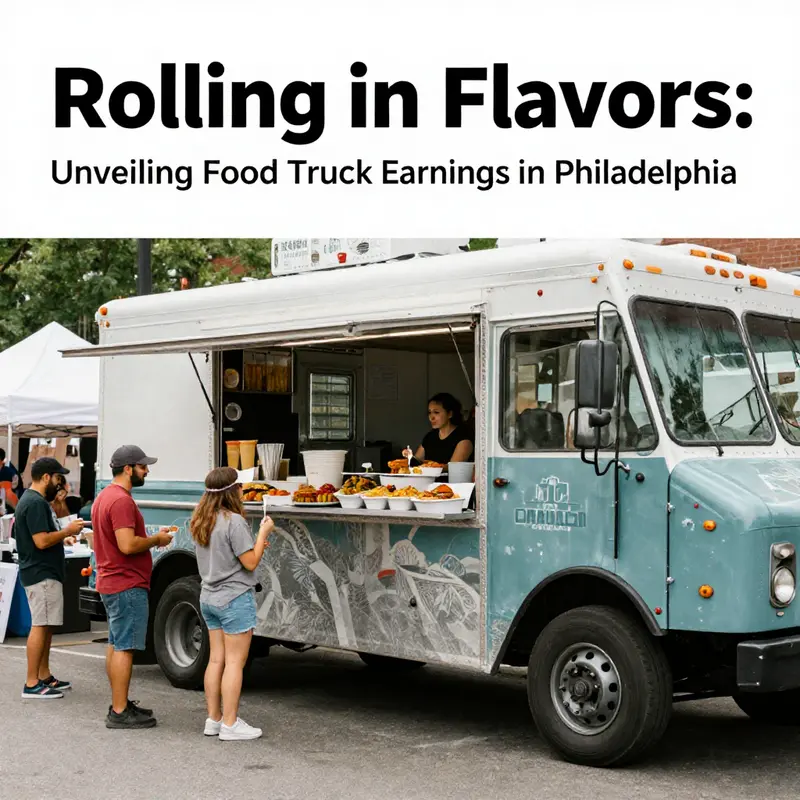
In the dense mosaic of Philadelphia’s streets, the tempo of a food truck’s day is dictated as much by people as by recipes. Demand in this city is a fluid force, swelling in the core business districts and shrinking along quieter corridors. The revenue a truck can generate hinges on where it parks, when it parks, and how well it translates foot traffic into plates and cups. Center City, the Arts District, and neighborhoods that pulse with commuters and post-work crowds become natural magnets, but even in those hotspots, the shape of demand shifts with the hour, the season, and the calendar of events that turn ordinary blocks into short-lived markets. A truck that understands this rhythm—where people gather, what they crave during a lunch rush, and how long they linger after work—tends to convert energy from passersby into repeat sales and higher daily turnover.
The city’s streets offer a spectrum of demand that is almost as varied as its neighborhoods. In a typical workday, a unit stationed near a transit hub might ride the wave of a steady lunch crowd, with office workers seeking quick, well-priced meals. Nearby parks and plazas become magnets on sunny afternoons when students and families spill out of classrooms and museums, turning a line into a longer, more profitable queue. Weekend foot traffic can swing dramatically, depending on street fairs, parades, or casual strolls through older districts where tourism flows year after year. Seasonal shifts compound this variability: warmer months invite al fresco dining and longer peak periods, while the chill of late fall can compress sales into shorter windows when people prefer hot, comforting flavors. The path to profitability, then, is not a fixed map but a continuous negotiation with the city’s pacing of people.
What sustains this negotiation is not merely a well-loved recipe but a menu that resonates with local tastes and a spot that makes those tastes easy to reach. The Philadelphia market rewards cuisine with character: options that feel distinctive, authentic, and timely attract more attention and quicker decision-making from hungry passersby. A truck that leans into this by offering a tight, purpose-built selection—one that can be understood at a glance and prepared in minutes—reduces the friction that often erodes impulse purchases. Yet demand isn’t only about what’s on the plate; it’s about how a truck communicates its presence. In districts dense with eateries, standing out requires signaling—clear, appetizing signage, a clean and efficient service flow, and, increasingly, real-time visibility about location. Social channels and location-enabled apps let curious customers find the truck, chase it down the block, and share a quick update with friends who suddenly crave what they see posted in a feed. This is where brand and demand collide; a strong, coherent presence can turn a casual lookie-loo into a steady customer.
The economics of demand translate into revenue potential in straightforward, but often overlooked, ways. In high-demand environments, daily sales can reach levels that push gross revenue toward the higher end of the typical Philadelphia range. It’s not unusual for trucks operating in well-trafficked corridors to approach substantial annual totals when consistent daily volumes compound over months. Yet the picture of profitability remains anchored in the same practical truth: volume must be managed against costs. Fuel for mobility, fresh ingredients, permits, insurance, maintenance, and the labor to cook and serve all eat into the gross. The industry has long described net profit margins for mobile operators as modest but meaningful—roughly 10% to 20% of gross revenue in many urban contexts. In Philadelphia, where demand can be robust in the right spots, those margins can yield meaningful take-home when a truck maximizes what the crowd will bear and minimizes waste. If a truck earns 50,000 or more in gross revenue in a year, a 10% to 20% margin translates to five thousand to twenty thousand dollars in net profit. The broader narrative in industry reports, however, suggests that the most successful operators in dense urban markets may push higher profitability through disciplined operations, kitchen efficiency, and a keen eye for peak demand times. A 2024 National Restaurant Association analysis notes that urban centers with diverse, high-quality street food can unlock stronger profitability, especially when operators mesh culinary appeal with timely presence and reliable service. This is the essential hinge point: demand becomes profit not simply because more meals are sold, but because more meals are sold at the right price, with controlled costs, and in a way that compels customers to return.
In this light, the business of chasing demand in Philadelphia resembles a continuous optimization problem. The price point for a given item must reflect both the willingness of the nearby customer base to pay and the cost of producing that item in a mobile kitchen. A menu that’s too broad can dilute service speed and strain ingredients, while a narrowly focused lineup can improve throughput and consistency, directly affecting the number of transactions per hour. The most resilient operators keep a pulse on what people want in real time, employing flexible pricing strategies during lunch peaks or post-event windows where demand surges yet supply opportunities (and space) are limited. This agility is often where the difference lies between a steady, modest daily cadence and a surge that translates into meaningful quarterly gains. And because demand is not merely a function of location but of timing, operators imagine and test schedules that align with expected flows of people. A truck may flourish by targeting lunch-hour peaks near office districts and near major transit lines, then pivot toward dinner crowds around entertainment zones on weekends or during outdoor concerts. Seasonality further shapes this pattern; the city’s festival calendar and outdoor markets elongate the window for high sales, while winter conditions compress it, making efficiency and inventory management more critical.
Marketing plays a pivotal role in shaping demand as well. A truck that leverages social media to announce its current location or to tease a limited daily special can generate a flurry of spontaneous customers who otherwise might have walked past. Real-time location updates and a clear, appealing feed help convert curiosity into foot traffic. The best operators recognize that demand is not just about attracting new customers; it’s about cultivating loyalty so that first-time visitors return, seek out a favorite truck, and spread word-of-mouth in the neighborhood. In practice this means pairing a memorable culinary identity with reliable service, minimal wait times, and approachable price points. The branding of a mobile kitchen—its logo, its color palette, its personality on signage and packaging—becomes a driver of repeated visits. It’s not an abstract asset; it’s a live amplifier of demand that translates into more consistent sales across weeks and months. For those seeking concrete guidance on how identity and marketing can sharpen demand on wheels, the example of branding in practice offers a useful template: branding on wheels is not only about aesthetics but about creating expectations and familiarity that bring customers back time after time. See more about how branding shapes the customer experience in this guide: branding on wheels: the ultimate guide to food truck graphics and identity.
The reader might wonder how this translates into numbers. In a city like Philadelphia, where demand can be strong in targeted districts, a truck can achieve significant movement in daily gross revenue during peak periods. If daily sales are high enough to sustain favorable flow and keep customers returning, the annual figure—while highly variable—could approach tens of thousands in gross revenue, with net profits riding on disciplined cost control. The key takeaway is that demand creates the market for price and efficiency; it doesn’t just fill a truck, it determines how well a truck can sustain operations across weeks and seasons. The spring and summer months, when street activity is richest, can be particularly lucrative for trucks positioned near major corridors and near venues that draw large crowds. Conversely, in slower months or along less trafficked routes, demand wanes and profitability can contract. Operators who schedule their days to align with the crowd—planning for peak hours, special events, and market days—tend to experience more predictable earnings and fewer days with underutilized capacity. The urban pattern in Philadelphia rewards those who adapt and who invest in the elements that drive demand: location, timing, product alignment, speed of service, and a signal to the street that invites curiosity.
From a policy and practical standpoint, operators also consider the costs of staying in demand. Permits, insurance, vehicle maintenance, and the ongoing need to refresh inventory all eat into gross revenue. A well-run truck not only maximizes the number of sales but also minimizes waste and avoids spoilage that erodes margins. The most durable profit story arises when demand-driven revenues are matched with careful cash flow management, smart procurement, and a lean kitchen operation that keeps labor and ingredients aligned with sales tempo. It’s a balance of what the city is willing to buy at the moment and how efficiently a truck can deliver it. This balance is not static; it is recalibrated continually as new competitors arrive, as neighborhoods shift, and as the city’s own events calendar evolves. The economic narrative in Philadelphia, then, is less a single formula and more a disciplined practice: observe demand, align the menu to what customers crave in a given neighborhood, optimize service speed, and maintain a brand presence that makes the street feel like a place where people want to spend a few moments and a few dollars.
For readers seeking a structured framework on market demand that complements these observations, the U.S. Small Business Administration offers a comprehensive guide on understanding market demand. It provides concrete steps to assess local demand, identify customer segments, and translate those insights into a plan for a mobile food business. External resource: https://www.sba.gov/business-guide/plan-your-business/understanding-market-demand. This chapter’s exploration of demand and its impact on revenue is meant to echo that guidance, illustrating how the abstract concept of market demand plays out on Philadelphia’s sidewalks every day. The core idea remains simple: the more precisely a truck can read the street—where people are, what they want, and when they want it—the more effectively it can turn foot traffic into consistent, profitable sales. The path to stronger earnings for Philadelphia’s food trucks lies in turning demand into an actionable plan—one that blends smart placement, a focused menu, rapid service, and a compelling, recognizable brand that travelers and locals alike learn to seek out as part of their city experience.
Where the Numbers Meet the Street: Earnings, Trends, and Projections for Philadelphia Food Trucks
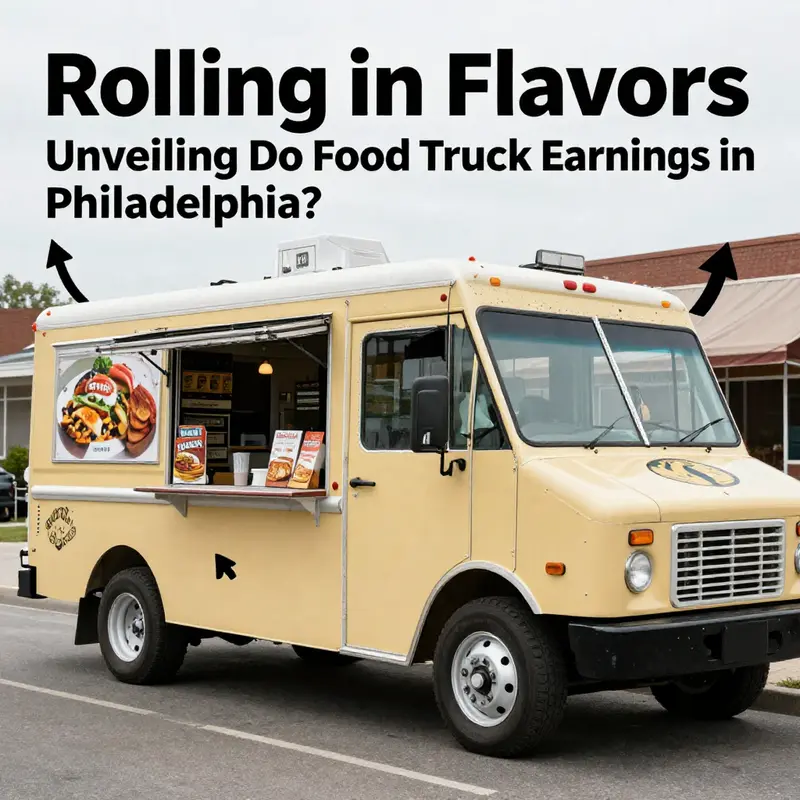
Philadelphia has become fertile ground for food trucks to earn meaningful revenue while staying lean. The city’s dense neighborhoods, busy daytime work hubs, lively night scenes, and frequent events create opportunity. Yet opportunity alone does not guarantee profit. Earnings depend on location choices, menu strategy, labor management, and the ability to scale operating hours around demand. This chapter lays out the trends shaping income, the realistic ranges for gross and net returns, and practical ways operators can tilt the balance toward higher take-home pay.
A clear starting point is the wage landscape. Job postings and salary surveys reveal that food truck staff in Philadelphia earn around $35,975 per year on average, roughly equivalent to $17.29 per hour. Managers tend to command higher hourly pay, averaging about $22.33. Those numbers matter because labor is one of the top recurring costs for mobile food operations. When a truck is busy, payroll scales up; when sales dip, labor costs may remain sticky. For owners who work in the truck, paying oneself a wage while covering payroll for others changes the arithmetic of profit versus revenue.
Gross revenue depends heavily on daily sales volume. Busy trucks in high-traffic corridors such as Center City, South Street, and near large venues can gross between $50,000 and $100,000 or more annually. These figures reflect consistent placement, a compelling menu, and often, presence at multiple events or private bookings. Gross revenue is only the first metric. After subtracting food costs, labor, fuel, permits, insurance, maintenance, and marketing, most operators find net profit margins cluster in the 10 to 20 percent range. That means a truck grossing $100,000 may yield $10,000 to $20,000 in net profit, while one that grosses $50,000 may see $5,000 to $10,000. When owners also draw a salary for on-truck labor, the net owner profit shifts accordingly.
Startup and ongoing investment shape long-term returns. The initial buy-in for a food cart or a small mobile setup can be modest. Converted figures show entry-level carts sometimes cost the equivalent of a few hundred US dollars, while larger, fully equipped trucks cost several thousand. Outside of initial vehicle and kitchen costs, recurring expenses include fuel, commissary fees, food supplies, repair work, and mandatory permits. In Philadelphia, permitting and health inspections add a layer of overhead and complexity that varies by location and service type. Insurance and liability coverage are non-negotiable, and their premiums grow with sales and with the size of the operation. Smart operators treat those costs as fixed elements of pricing strategy.
Seasonality and events create revenue waves. Spring through fall yields higher foot traffic and outdoor dining; winter months tend to compress sales unless the truck secures catering contracts or indoor placements. Events such as festivals, concerts, and sports games can produce concentrated spikes in revenue and, when planned well, boost annual gross substantially. Successful operators build a calendar that mixes consistent daily placements with periodic event gigs. They also diversify revenue by offering private catering for office lunches and private parties. This combination reduces downtime and steadies cash flow throughout slower months.
Location strategy is the single most powerful lever for revenue. A great menu in a low-traffic area underperforms the same menu on a busy corner or at a corporate lunch hub. Factors that shape a location’s value include pedestrian traffic, proximity to office buildings, parking convenience, and visibility from main streets. Some city regulations limit where trucks can operate, so understanding local rules is essential. Operators who can adapt quickly, moving between lunch crowds and evening nightlife spots, often extract more value from a single truck than those fixed to one location.
Menu design and pricing affect both top line and margins. Food cost targets typically aim for 25 to 35 percent of menu price for many street-food formats, but that depends on cuisine. Higher-priced specialty items can carry larger margins if customers perceive clear value. Consistency matters: a concise, repeatable menu reduces waste and speeds service, improving throughput during peak periods. A balanced approach combines popular, lower-cost items to drive volume with signature, higher-margin dishes that elevate average ticket size.
Operational efficiency trims costs and protects margins. Efficient prep routines lower labor hours per service. Inventory controls prevent spoilage and limit overbuying. Scheduled maintenance reduces the risk of costly breakdowns during a high-revenue day. Energy-efficient equipment reduces fuel or generator costs. Even modest operational tweaks compound over months to protect profit. Owners should track key performance indicators such as average ticket, items per transaction, food cost percentage, and labor hours per revenue dollar.
Marketing and brand presence amplify earnings potential. A simple social media cadence keeps regulars informed about daily locations, while clear branding improves curb appeal. Partnerships with local businesses and event organizers open high-traffic windows. Repeat customers form the backbone of consistent weekday sales, while one-off event sales can boost weekend performance. Investing in a professional-looking truck wrap and consistent messaging pays off by drawing attention and encouraging social media shares that attract new customers.
Scaling opportunities are real but complex. A second truck multiplies revenue potential, but also multiplies overhead and management challenges. Many operators expand by adding catering services, wholesale partnerships, or branded pop-ups. Growth requires solid systems, consistent labor, and reliable supply chains. Profitability at scale often hinges on replicable recipes, trained staff, and centralized prep that preserves quality while increasing throughput.
Looking ahead, the Philadelphia food truck sector is positioned to keep growing as diners value convenience and culinary variety. Operators who combine strategic location choices, disciplined cost control, and strong branding will capture the most upside. For first-time owners, practical financial planning matters. A concise guide to the basics of cash flow, expense allocation, and pricing can accelerate profitability and reduce missteps. For additional guidance tailored to new operators, see these financial tips for first-time food truck owners.
When modeling expected income, be conservative on revenue and generous on costs. Plan for slow months and allocate funds for equipment repairs and permit renewals. Track daily sales and costs, and refine pricing or menu mix based on actual data. With careful execution, many trucks reach net income ranges between $30,000 and $60,000 annually for owner-operators who take a modest wage, while high-performing units in premium locations can exceed that range. The path to those numbers requires work, but the structural advantages of mobility and lower fixed overhead make food trucks an attractive small business option in Philadelphia.
For a snapshot of local wage benchmarks and staffing costs, review recent salary data for food truck staff in Philadelphia. https://www.indeed.com/cmp/Philadelphia,-PA/salary/food-truck-staff-salary?currency=USD&radius=25
Final thoughts
As we navigate the vibrant streets of Philadelphia, it’s clear that food trucks aren’t just about serving delicious meals; they embody the entrepreneurial spirit and culinary diversity of the city. The income potential of food trucks can be significant, influenced heavily by factors such as location, operating decisions, and customer demand. With projections indicating a continued rise in the popularity of food trucks, both seasoned operators and newcomers can capitalize on this thriving market. Whether you’re planning an event, working within a corporate structure, or simply a food lover at heart, understanding the dynamics of food truck earnings can help you appreciate the flavorful journeys each truck brings to the streets.