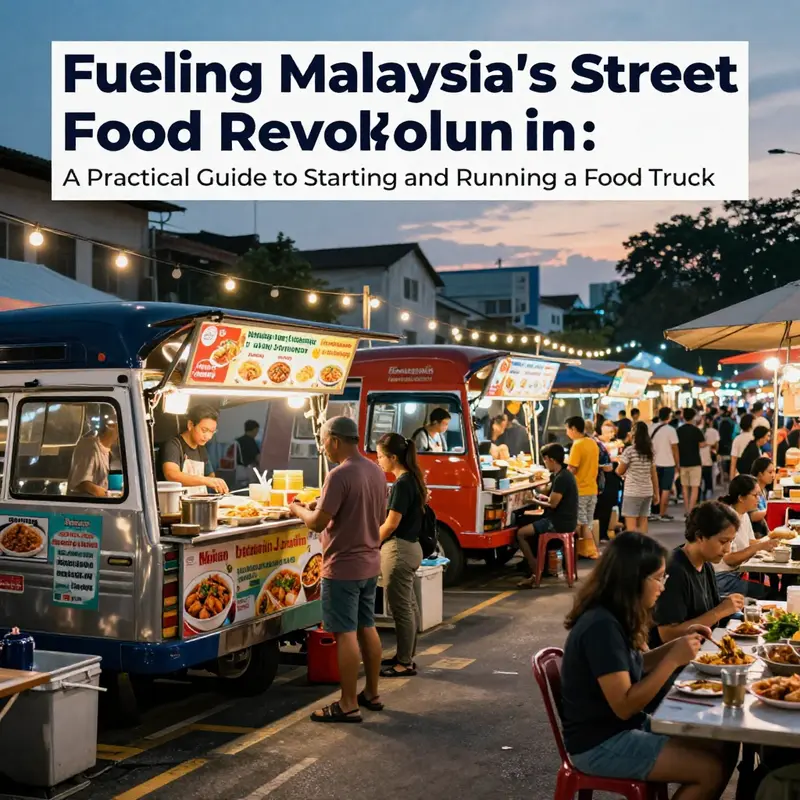
Malaysia’s cities buzz with flavor, culture, and opportunity, making the food truck model a vibrant solution for events, offices, campuses, and communities. A well-run mobile kitchen delivers fresh flavors at fair prices, wrapped in a friendly, welcoming vibe that resonates across Malaysia’s diverse audiences. This guide speaks to event planners shaping engaging experiences, corporate HR and Admin teams organizing outings and wellness weeks, local community groups celebrating neighborhood pride, and individual food enthusiasts eager to discover new bites. It threads together regulatory diligence, strategic location choices, lean operations, smart menu design, and modern technology, showing how to plan, operate, and scale a Malaysian food truck with halal and safety at the core. Each chapter builds toward a practical rhythm: secure the right licenses, pick high-impact spots, control costs, design appealing menus, and leverage partnerships and digital tools to grow. Read with your role in mind—whether you’re coordinating large events, managing workplace dining, organizing community markets, or hunting for delicious, dependable street food—and discover how to align permissions, partners, and day-to-day practice to sustain a thriving mobile dining experience that serves Malaysia’s diverse palate.
On Wheels, Within Bounds: Navigating Malaysia’s Licensing Landscape for Food Trucks
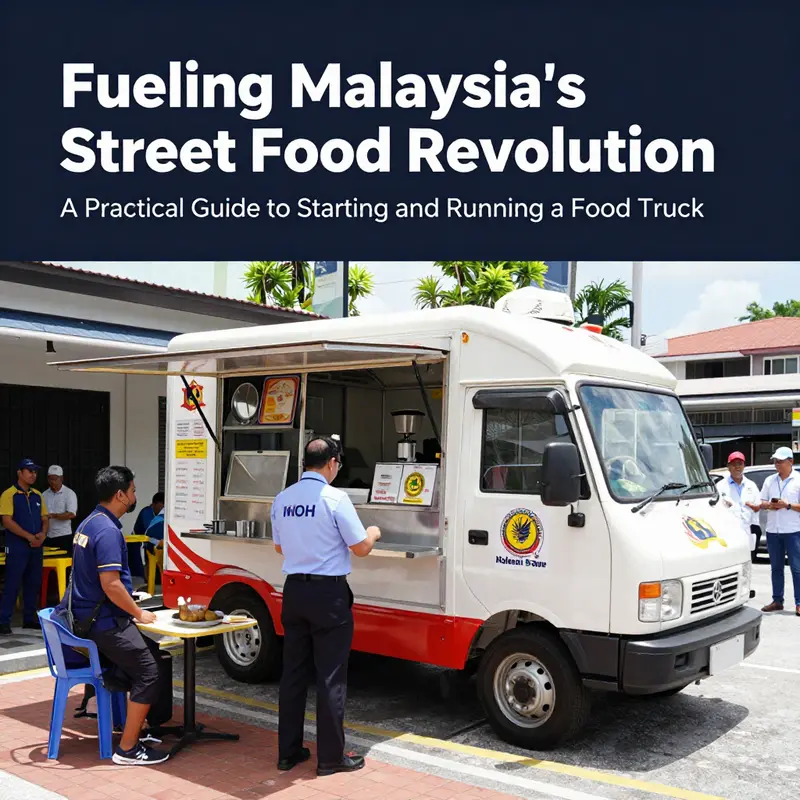
Malaysia does not operate a single, nationwide regulatory framework designed exclusively for food trucks. Instead, operators must navigate a layered mosaic of health, safety, and municipal requirements that blend federal food standards with city or state-specific rules. The result can feel labyrinthine, but it is a system built to safeguard public health while allowing mobile vendors to flourish when they demonstrate reliability, hygiene, and value. At the heart of this framework is the recognition that a food truck is both a kitchen and a public-facing business on wheels. It must meet the same or higher standards as a brick-and-mortar outlet, even as it gains the flexibility to move through crowded urban spaces, campuses, and event venues. Understanding this dual nature helps entrepreneurs align their concept with compliance from day one, reducing delays and improving long-term viability.
The primary regulatory anchor for food safety in Malaysia lies with the Ministry of Health (MOH) and the National Food Safety Agency (NFSA). Together, they implement the Food Act 1983 and the Food Regulations 1985, which set the baseline for how food is handled, stored, prepared, and presented to the public. For mobile operations, these statutes translate into a requirement for trained food handlers, proper equipment, and a clean, well-maintained kitchen environment—even when that kitchen is a converted van or a compact trailer. The emphasis on training is not cosmetic; it underpins traceability, allergen management, and rapid response in the event of a complaint or audit. A food truck can be inspected at any time, and the standards are designed to be enforceable across fixed premises and mobile setups alike.
In practice, moving from theory to everyday compliance involves several concrete licenses and permits, most of which are issued at the local level by the relevant municipal council or local authority. The business license, or perniagaan, is the foundational permit that legitimizes any business activity within a city or district. It enables you to operate within a designated zone and during specific hours, while also signaling to suppliers, customers, and lenders that your enterprise is recognized by the local authority. Alongside this, a Food Hygiene and Safety Permit is required after a successful inspection of the truck’s equipment, storage facilities, and hygiene practices. This permit confirms that the mobile kitchen adheres to national safety standards and is prepared to serve the public without compromising health. The inspection process typically examines the layout of the kitchen, the ventilation and fire safety provisions, the cold chain for perishables, handwashing facilities, waste management, and the availability of clean water and proper drainage.
Beyond these core documents, most jurisdictions require Local Authority Permits that govern where and when a food truck can operate. These permits may specify parking zones, operating hours, and designated selling locations. In some places, a separate “Kereta Jualan” or mobile vending permit is imposed to regulate the specific act of moving a vehicle through streets and into consumer-facing spaces. For operators who plan to cook with gas or engage in high-heat cooking processes, a Fire Safety Certificate from the Fire and Rescue Department may also be mandatory. The certificate signals that fire suppression equipment, gas lines, and ventilation meet safety codes. In short, the regulatory environment treats the food truck as a mobile restaurant, subject to the same health and safety expectations as a fixed-location outlet, but with added considerations for mobility and public space access.
Halal compliance adds another layer for operators serving Muslim customers or who market halal-certified menus. While halal status is not universally required for every Malaysian food truck, obtaining certification from JAKIM or a recognized state-level authority broadens market access and signals trust to a large segment of consumers. Halal verification extends to ingredient sourcing, supplier certifications, and proper segregation of halal and non-halal items within the truck and its storage areas. For some operators, the decision to pursue halal certification becomes part of a broader branding strategy, while for others it is a practical necessity tied to the expected customer base in certain districts, events, or precincts. Regardless of the path chosen, maintaining rigorous supplier documentation and clear, label-level transparency helps with audits and customer confidence.
From the operator’s vantage point, the licensing journey begins with due diligence and documentation. Since licensing processes and fees vary by city and state, it is prudent to engage with the local council early. A proactive approach includes collecting basic business documents, vehicle information, safety plans, and a menu overview. Simultaneously, outreach to MOH inspectors or the state health department ahead of the inspection can clarify what expectations will be set during the evaluation and what records must be maintained on an ongoing basis. The goal is not to rush the process but to demonstrate preparedness: a clean, organized truck layout; a formal food safety plan; proper storage and temperature control logs; and a staff roster with documented hygiene training. This level of readiness directly affects inspection outcomes and can shorten the timeline to operation, a crucial consideration given the seasonality and event-driven nature of Malaysian street food activity.
Haltingly, the regulatory landscape across Malaysia reveals notable regional variation. While the MOH and NFSA provide nationwide guidelines, local councils wield significant authority over parking zones, hours, and the actual issuance of licenses. In some cities, a single, consolidated permit package is available, while in others, operators must navigate a sequence of approvals that can include health, licensing, parking, and occasionally a separate hawker or mobile vending permit. This variation is not a flaw but a reflection of urban planning and public space management in a densely populated country with diverse consumer patterns. The practical implication is simple: before finalizing a concept, speak with the intended operating district’s authorities about the precise permits required, expected inspection standards, and any annual renewal obligations. Documenting these requirements helps build a credible regulatory timeline and reduces last-minute compliance stress when licenses approach expiration.
The practicalities of compliance also extend to ongoing operations. The Food Act and its regulations require not only a robust initial setup but continuous adherence to hygiene, allergen management, and traceability standards. A transparent menu with clear ingredient lists, visible hygiene practices, and a simple system for tracking suppliers and batch records can support both audits and customer trust. In an increasingly health-conscious market, customers often form perceptions about safety from the visible cues a vendor provides: clean hands and surfaces, a properly organized cold chain, labeled allergen information, and evidence of regular cleaning schedules. These cues matter as much as the food itself, because they influence repeat business and the willingness of event organizers or campus managers to grant recurring slots.
An important strategic decision for operators is whether to pursue halal certification. Even for non-halal menus, considering halal verification can unlock additional venues and audience segments, particularly in Muslim-majority districts or during religiously significant seasons when footfall spikes. If halal is pursued, the process typically involves supplier verifications, documentation of ingredient sources, and strict separation of halal and non-halal items at all stages of preparation and storage. The certification journey is not merely a badge; it requires ongoing compliance and periodic audits, which should be factored into the business plan’s budgeting and scheduling.
For practitioners, the most effective way to manage this regulatory complexity is to view licensing as an ongoing discipline rather than a one-time hurdle. Start with a realistic concept that matches the target locale’s density, tastes, and affordability. Build a compliance-first culture in the kitchen, with standard operating procedures that capture the essentials: temperature logs, handwashing records, cleaning rosters, and a simple system for tracking delivery and supplier documentation. Keep a regulatory binder that consolidates all permits, inspection reports, and renewal dates, and set calendar reminders for renewals well in advance. By integrating compliance into daily operations, the business reduces the risk of fines, forced shutdowns, or negative publicity that can derail momentum during peak seasons or at high-profile events.
For readers seeking a practical entry point into this regulatory terrain, an early step is to review how different operators in your target city have navigated licensing challenges and what timelines they encountered. A resource worth consulting is the article on navigating food-truck industry regulations, which provides a concise blueprint for aligning your concept with local rules while preserving the flexibility of a mobile model. You can explore that guidance here: Navigating food-truck industry regulations.
Ultimately, the licensing journey in Malaysia is a test of foresight, organization, and professional credibility. It rewards operators who plan for inspections, secure the necessary permits before launching, and maintain rigorous hygiene and safety practices from the first day. The payoff is not only legal clearance but smoother operations, better vendor relationships, and a stronger platform for growth as you move between markets, campuses, festivals, and urban night economies. As you scale, the same discipline—documented processes, transparent sourcing, and proactive stakeholder engagement—will help you navigate new districts with confidence, while preserving the quality and trust that make a mobile kitchen compelling in a crowded marketplace. For deeper, regulator-facing detail, the official MOH and NFSA resources remain essential touchpoints: they provide current guidelines, forms, and contact points that keep operators aligned with evolving standards. External readers may refer to these official portals to confirm current requirements and updates, ensuring that the business remains compliant as rules evolve and new opportunities arise. For further official guidance, see NFSA: https://www.nfsa.gov.my
External Resource: https://www.nfsa.gov.my
On the Move: Market Intelligence, Location Chess, and Competitive Edge for Malaysia’s Mobile Kitchens
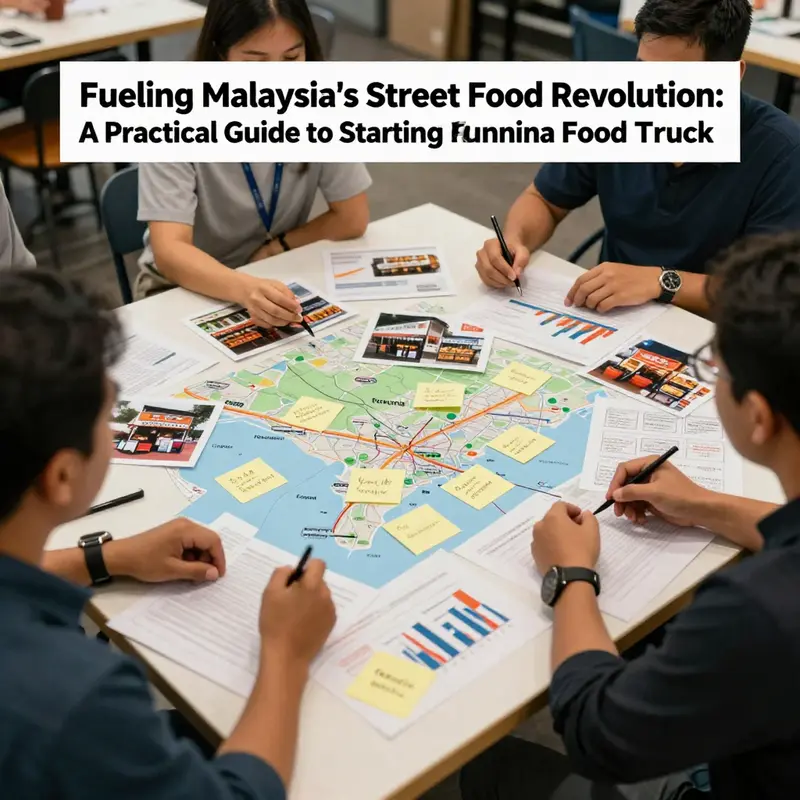
Malaysia’s street-food heritage is a living heritage, and the food truck movement sits at an energetic intersection of tradition, urban life, and digital storytelling. In cities like Kuala Lumpur, Penang, and Johor Bahru, a mobile kitchen doesn’t just serve food; it offers a portable experience that blends speed, novelty, and cultural resonance. The recent surge of more than a hundred distinct food truck concepts across the country has been powered as much by social media as by appetite. Yet growth comes with a set of practical challenges: navigating licenses in multiple councils, securing parking in crowded districts, and overcoming the initial skepticism toward the perceived informality of mobile vendors. The path to steady profitability, therefore, begins with disciplined market research, deliberate location planning, and a careful, differentiating approach to competition. These pillars form the spine of a modern Malaysia-focused strategy for anyone looking to launch or scale a food-truck venture.
Market research in this context serves two fluid purposes. First, it maps who is willing to pay for a mobile dining experience and what they expect in return. Second, it reveals the social dynamics that turn a one-off dinner into a repeat visit and a brand story. Evidence from recent studies points to a rising willingness to pay for mobile dining among younger consumers who prize convenience, novelty, and social currency. They seek food that is not only tasty but also Instagrammable, with a quick, reliable service that feels personal even as it travels. A 2026 survey of about 200 customers highlighted core preferences—cuisine types with local flavor infusions, clear menu labeling, visible hygiene practices, and transparent ingredient sourcing. A 2025 industry report underscored that service quality—speed, consistency, and attentiveness—strongly shapes customer satisfaction and loyalty in the mobile-food segment. This is not merely about fancy concepts; it is about aligning operational discipline with the promotional spark that draws people to a truck in the first place.
In Malaysia, price sensitivity remains a central reality. Consumers evaluate value not only by plate price but by the perceived freshness, portion size, and the trust they place in the vendor’s cleanliness and halal compliance where appropriate. A successful market research process, therefore, starts with a clear concept and a plan to verify assumptions in real-world settings. Methods range from simple customer interviews and short surveys at recurring locations to quick social listening analyses on platforms like Instagram and TikTok. The latter is especially potent for mobile concepts that thrive on trends, quick feedback loops, and visual storytelling. Data gathered should feed more than a menu; it should shape where you park, when you operate, and how you present your brand to the public.
The second purpose—the location strategy—answers a recurring question for mobile vendors: where do you cluster your effort for maximum impact without diluting your brand or busting your budget? Location is the heart of a food truck’s economics. In dense urban cores, prime parking spots and approved hours bring visibility but also stiff competition and higher permit friction. Conversely, offbeat locations—university campuses, industrial parks, or residential clusters during lunch and evening peaks—can yield reliable volumes with lower operating costs. The practical approach is not to chase the busiest block every day but to orchestrate a rotating, predictable pattern that builds habit. A truck that parks near the same campus every Thursday and attends a weekday lunch crowd in a business district can convert casual passersby into regulars and even become part of the daily rhythm of a locale.
This is where the connective tissue of regulatory realities and practical strategy must be woven together. Malaysia’s licensing ecosystem involves multiple agencies and councils. For food safety and hygiene, the Ministry of Health guides the Food Act and Regulations; halal considerations may involve JAKIM or state-level authorities; and street-vending or mobile-licensing requirements sit with local councils such as DBKL in Kuala Lumpur or MBPP in Penang, among others. The implications for location strategy are straightforward: where you operate, how you operate, and what you offer must align with local rules, safety standards, and community expectations. A solid market-entry plan acknowledges these constraints up front and treats licenses not as a gate to be cleared but as a scaffold that supports predictable operations and customer trust. In practice, this means building a relationship with inspectors early, documenting a clean food-handling culture, and designing a menu that respects halal or non-halal designations where necessary. It also means preparing for seasonal shifts and event-driven revenue: night markets, campus fairs, corporate gatherings, and festival circuits offer windows of opportunity that can stabilize cash flow during slower periods.
As a concept matures, competitive analysis naturally follows, not as a stack of numbers but as a narrative about where the market is undersupplied and where it can be reimagined. In Malaysia’s evolving food-truck scene, competition isn’t only about price or flavor; it’s about the total brand experience. Direct competitors may offer similar cuisines in mobile form, while indirect competition includes fixed restaurants and delivery platforms that capture the same audience when a truck is parked elsewhere. The most compelling differentiation often arises from three intertwined vectors: concept and cuisine, service quality and consistency, and the alchemy of branding and digital presence. If most trucks are focused on Western fast-care themes, there is room to spotlight authentic Malay or regional Southeast Asian street foods presented in a modern, premium format. If a rival emphasizes speed, a truck can lean into an elevated but still portable experience—well-designed packaging, a memorable ritual around customization, and a story that invites customers to feel part of a culinary journey.
Pricing, too, deserves a thoughtful, value-driven approach. Market realities mean that pricing should reflect ingredient costs and labor while remaining accessible to the target demographic. A layered menu—featuring core crowd-pleasers with a few premium, chef-curated items—can accommodate both price-sensitive students and working professionals seeking a quick, satisfying lunch or a post-work indulgence. Loyalty programs and bundled offerings can uplift average ticket size without eroding margins. The digital layer of competition—social media engagement, online reviews, and a responsive customer-service ethos—sometimes decides a customer’s choice more than the plate itself. It is not enough to serve well; one must also be seen as reliable, responsive, and aligned with the community values of cleanliness and safety.
The three pillars—market insight, tactical location planning, and a sharp competitive lens—must be integrated into a single operating rhythm. The best operators continuously test hypotheses: they track what combinations of days, times, and places yield the strongest performance, and they adjust the menu and the branding to fit evolving tastes and safety expectations. They also cultivate partnerships. A robust network with event organizers, campus administrations, and corporate clients can transform a single truck into a steady calendar of engagements, thus smoothing revenue across seasons. This network-building is not merely about securing more slots; it is about embedding the truck into the social fabric of the places it serves. In practice, this means offering consistency and reliability, maintaining transparent hygiene practices, and delivering a brand experience that resonates with local norms and tastes.
An explicit resource that captures the practical nuances of parking and location strategy is the guide focused on navigating parking challenges and permissions for food trucks. It provides a compass for selecting routes, understanding zoning constraints, and arranging recurring spots that align with the cadence of a locality. For operators who want a concrete starting point on location planning, this guide can be a valuable reference while remaining adaptable to the unique conditions of different cities. You can explore it here: mastering food truck parking challenges.
The interplay of market intelligence, location execution, and competitive differentiation is not an abstract exercise. It translates into daily decisions—from when the cart is moved to which menu items are adjusted for a campus lunch crowd to how a stall’s branding is refreshed before a festival weekend. To stay ahead, operators should also lean into data-driven approaches: monitor sales by hour, track which dishes are most resilient to changes in weather or event scheduling, and observe how customers engage with the brand online. The modern Malaysian mobile-food operator benefits from maintaining a tight feedback loop with patrons and from embracing a culture of continuous improvement rather than resting on a single successful launch. This is how a truck evolves from a curiosity to a trusted, familiar presence in the urban landscape.
Finally, the external landscape offers further viewpoints for those who want to deepen their understanding of mobile dining ecosystems. For a broader perspective on the Malaysia mobile food van concept, structure, and performance optimization, consider exploring external analyses that contextualize regulatory, logistical, and market dynamics beyond the local scope. One resource that broadens the lens is a comprehensive article on Malaysia’s mobile food vans, detailing types, structure, and performance optimization within the industry, which can complement your own field experiments and data collection. External resource: https://www.graceholden.com/malaysia-mobile-food-van-types-structure-and-how-to-optimize-performance-in-industry/.
In sum, a successful food truck venture in Malaysia starts with disciplined market research that targets the right customer segments and assesses willingness to pay. It then translates that insight into a precise location strategy that balances visibility, accessibility, and regulatory compliance. Finally, it deploys a differentiating competitive stance that blends cuisine, service quality, and branding into a memorable customer experience. When these elements are aligned, a mobile kitchen becomes not only a business model but a dynamic participant in the urban and cultural life of Malaysian cities, ready to adapt as markets shift, events evolve, and tastes transform. As the sector continues to grow, those who couple data-driven decisions with authentic culinary storytelling will find the most sustainable path to profitability and resilience.
On Wheels and Into Revenue: Mastering Operations, Costs, and Cash Flow for Malaysia’s Food Truck Business
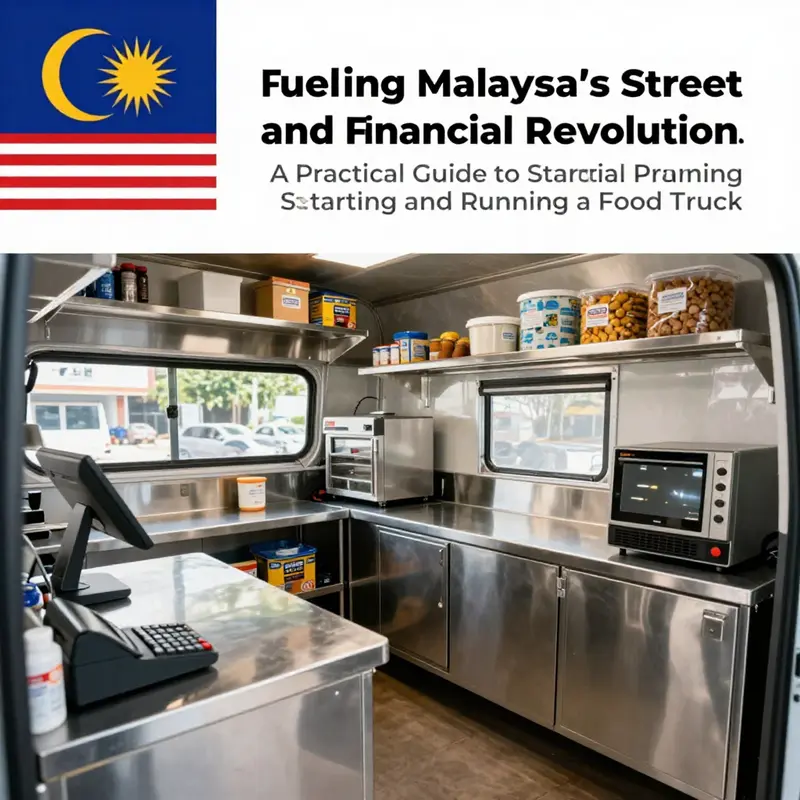
A thriving food truck venture in Malaysia rests on a disciplined blend of efficient operations, tight cost control, and prudent financial planning. When these elements align, a vehicle that once stretched down a street becomes a reliable source of consistent revenue, even amid changing regulations, weather, and consumer tastes. The essential idea is simple: design a mobile kitchen that can deliver quality quickly, at a price that feels fair to a diverse customer base, while keeping a clear eye on cash flow and regulatory obligations. In practice, that means starting with a concept that resonates with local palates and halal expectations, choosing a vehicle and kitchen setup that meet safety standards, and then layering in process discipline that can scale as demand grows. It also means recognizing that the road to profitability is paved not just with great food but with rigorous planning, smart technology, and relationships with suppliers, event organizers, and municipal authorities. The first decisions are foundational. Choose a concept that fits local trends—perhaps nasi lemak with a modern twist, roti canai in a handheld form, or a fusion concept that combines familiar Malaysian flavors with international techniques. The goal is to offer a predictable experience: consistent taste, reliable portion sizes, and a clear value proposition. The vehicle choice follows. A mobile kitchen must be built to comply with JPJ safety standards and pass regular inspections. Alongside the vehicle, a permit from the local municipal council is mandatory, typically including a food vendor license and hygiene certification from the national health authority. If halal offerings are part of the plan, securing certification from the appropriate authority opens access to a large segment of Muslim consumers. Fire safety, proper storage, and a functional handwashing station are not optional luxuries but operational essentials that reassure customers and ease audits. Once the concept and vehicle are secured, the daily rhythm begins to emerge: inventory management that respects cold chain integrity, a small but capable crew, and a location strategy that favors high-footfall areas during lunch, evenings, and weekend markets. The operational backbone includes a simple but robust system for tracking orders, managing stock, and ensuring food safety at every step. Temperature and cross-contamination controls should be visible to staff and, when possible, to customers as part of a hygiene-forward brand story. In Malaysia’s urban centers, the best opportunities sit in busy business districts, near campuses, at night markets, and at large events. A well-planned route or a rotating schedule helps build habitual customers who know where to find you and when. Digital touchpoints amplify this effect; a concise, transparent menu posted online and a social media presence that announces daily specials or location shifts can create momentum between peak hours. The interactions with customers matter as much as the food. Clear ingredient lists, allergen information, and visible hygiene practices foster trust in a market where price sensitivity and perceived freshness strongly influence choices. On the cost side, initial outlays carve the shape of your financial runway. Expect a broad spectrum of upfront investments, depending on whether you buy a pre-built unit or customize a truck. Vehicle acquisition, licensing, and kitchen fit-out can range from modest to substantial, with the more comprehensive stainless-steel kitchens and advanced safety features driving higher upfront costs. Licensing and permits add another layer of expense, including business licenses, health permits, and possibly halal certification, depending on the concept. These are typically one-time or annual obligations that must be budgeted for distinctly from ongoing operating costs. The ongoing monthly costs are the heartbeat of the model: fuel, maintenance, insurance, and utilities if you rely on external power sources. Ingredient costs, often the largest variable line, typically consume 30 to 40 percent of sales, depending on menu complexity and sourcing strategy. Labor costs vary with hours, service intensity, and the local market for cooks and service staff; many operators find two to four staff sufficient for peak periods, with more help during events. Parking or stall rents at prime spots can range from modest to significant in centers like Kuala Lumpur, depending on location and time of day. Large cities require careful cash flow discipline, as revenue can swing with weather, festivals, and school calendars. Technology helps smooth these fluctuations. A mobile point-of-sale system with integrated payments accelerates turnover and reduces cash handling risk. Inventory management software can alert you when stock runs low and help prevent waste, while remote monitoring can catch issues with power, water, or refrigeration before they become problems. The financial planning aspect translates the day-to-day into a credible path to sustainability. A 12 to 18 month runway is a practical minimum for covering operating costs and license renewals, especially in the early stages where demand is still being tested and brand awareness is being built. The targets matter: aim for gross margins in the 60 to 70 percent range by carefully balancing ingredient costs and menu pricing against labor and overhead. In a typical Malaysian urban context, a mid-sized truck might generate roughly RM1,500 to RM3,000 in daily revenue, a range that, when coupled with disciplined procurement and efficient operations, can produce a comfortable annual turnover. Achieving break-even within six to twelve months is feasible if sales are consistent and costs stay within the planned bands. It helps to build a financial buffer—a cash reserve equal to three to six months of operating expenses—to weather the inevitable dry spells and regulatory shifts. Government programs and grants designed to support small businesses can ease the early burden. For instance, digital and marketing incentives can help accelerate growth without eroding margins, allowing you to invest more in branding and customer engagement. When it comes to pricing, a well-structured menu that reflects ingredient costs, preparation time, and location demand is essential. A tiered approach—core items at a stable price with rotating specials—can help lift average ticket size without alienating price-sensitive customers. The pricing logic should be transparent and reflected on the menu to reinforce trust, an important factor in a market where perceptions of freshness and hygiene carry weight. The regulatory framework shapes almost every operational decision. Vehicle compliance with JPJ, local council hawker or street vending licenses, and health and safety certifications from the relevant authorities form the non-negotiable baseline. Halal certification remains a strategic consideration, expanding market access in Muslim-majority segments and many urban neighborhoods with strong halal expectations. Fire safety certification, routine equipment inspections, and staff hygiene training are ongoing commitments. Insurance coverage—general liability, vehicle, and workers’ compensation where applicable—acts as a safety net that protects the venture from unforeseen events and helps secure financing if needed. Within this regulated environment, the practical path to resilience lies in supply chain diversification and proactive risk management. Build relationships with multiple suppliers for key ingredients to mitigate disruption. Maintain minimum stock levels and establish clear vendor scorecards to compare reliability and quality. Consider seasonality in ingredient sourcing and adjust menus to reflect local harvests, festivals, and weather patterns. Waste and sustainability should be woven into daily practice. Favor packaging alternatives that minimize waste, establish clear waste disposal routines, and encourage customers to bring reusable containers through small incentives. These practices not only attract conscientious customers but can also align with municipal goals around environmental sustainability and public health. The growth trajectory for a successful Malaysian food truck usually includes expansion through additional units or a shared kitchen network. A single truck can scale by adding vehicles, forming a commissary, or participating in more going-forward formats like pop-up collaborations. Partnerships with events, campus life, corporate settings, and food parks help secure steady, high-visibility locations and recurring revenue streams. Digital engagement is a force multiplier. A consistent social media presence, proactive community engagement, and data-driven refinement of menus and locations expand reach and loyalty. Customer data can guide menu optimization and help predict demand, refining both cost control and marketing investments. In practice, this means framing a plan that treats operations, costs, and finance as a single continuous system. The day is defined by efficient prep, careful inventory, and reliable service, but it is guided by a financial compass that keeps the business solvent and adaptable. A practical path to execution blends meticulous planning with flexibility: test concepts in incremental steps, measure performance with clear KPIs—grocery cost percentage, labor cost as a share of revenue, and overhead intensity—and adjust routes and menus in response to data, seasonality, and feedback. The aim is to build a brand that travels well and returns consistently. For operators starting out, the path also includes a clear awareness of regulatory timelines and inspection criteria, mapping out a calendar that aligns with license renewals and potential audits. In tandem, nurture supplier relationships founded on reliability and transparency, document all transactions for traceability, and maintain a clean, organized kitchen that earns customer trust and regulator confidence. A language of openness—visible ingredient lists, explicit allergen notes, and a predictable hygiene routine—helps customers feel safe and respected, a key driver of repeat business in a market where trust translates into revenue. As you scale, maintain the same core discipline across locations. Standardize operating procedures, train staff thoroughly, and ensure every unit upholds the same safety, cleanliness, and hospitality standards. The goal is not merely to survive in Malaysia’s vibrant street food ecosystem but to thrive by delivering outstanding value with every customer interaction, every day. For readers seeking practical steps that translate these concepts into a concrete plan, consider resources focused on financial preparation and early-stage execution. Financial tips for first-time food-truck owners offers structured guidance on budgeting, cash flow, and funding options that align with the realities described above. External resource: https://www.nfsa.gov.my
Rolling Appetite: Equipment, Menu Craft, Safety, and Supply Chain for Malaysia’s Food Truck Business
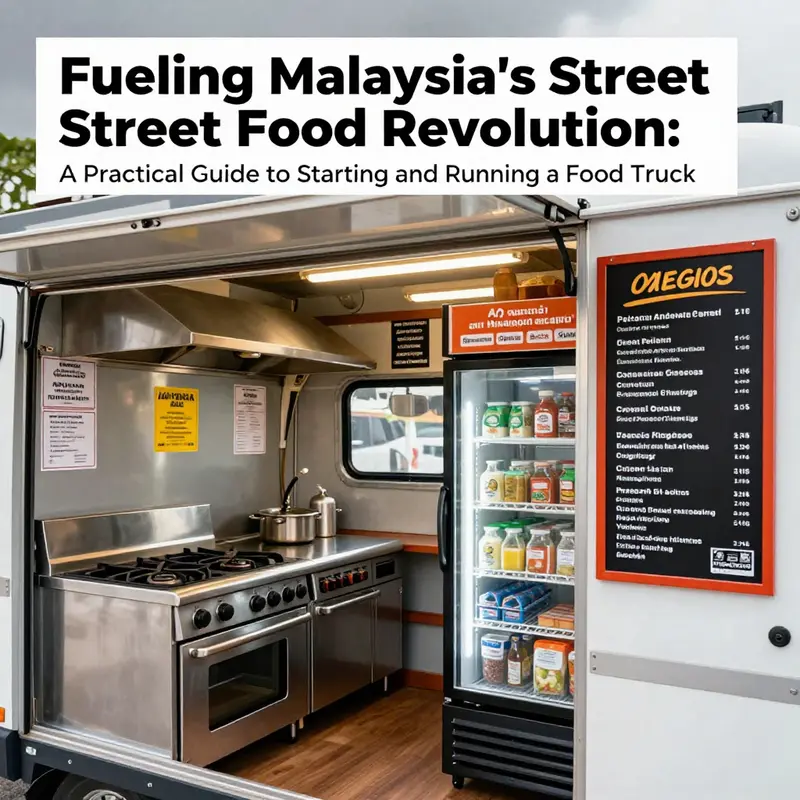
In Malaysia, a food truck is more than a kitchen on wheels; it is a mobile engine that translates local taste, regulatory discipline, and urban rhythms into a portable dining experience. The cityscape—from Kuala Lumpur’s bustling corridors to Penang’s waterfront lanes and Johor’s night markets—demands a kitchen that is compact, reliable, and adaptable. The path to success blends thoughtful equipment choices with a menu that travels well under pressure, and a safety and supply chain spine that can weather weather,Permits, and supply disruptions. Crafting this spine begins with a clear concept and ends with a logistics routine that keeps food safe, affordable, and delicious. The regulatory framework—comprising the Ministry of Health, halal authorities, and city councils—shapes the hardware you can use, the layout you must maintain, and the records you must keep. A well-planned truck thus becomes a platform for trust as much as for taste, where the visible cleanliness of the operation, the predictability of service, and the honesty of ingredient lists speak just as loudly as the plate that leaves the window. To navigate the regulatory framework smoothly, see navigating food-truck industry regulations, which anchors decisions about permits, inspections, and ongoing compliance.
Equipment and vehicle selection anchor the entire enterprise. A mobile kitchen can be a converted van or a purpose-built trailer, and the choice should reflect durability, ease of cleaning, and long-term cost of ownership. The core kitchen line typically centers on a balanced cook-and-serve workflow: a robust cooking surface or line, a ventilation hood with appropriate clearance, a fire-suppression system compatible with mobile equipment, reliable cold storage, and a prep zone that minimizes cross-traffic and contamination. Stainless steel remains the default for its sanitation advantages, but the key is modularity. A layout that allows you to swap items in and out, depending on the menu rotation or event requirements, guards against unused space and unnecessary gear. Power and water systems demand equal attention: plan for shore power where available, with a generator as a flexible back-up, and size it to support concurrent cooking, refrigeration, and lighting without nuisance voltage drops. A practical water system—hot and cold supply, adequate handwashing, and a cleanable drainage plan—sustains hygiene while preventing downtime caused by scarcity. Waste and grease management should be invisible to customers but rigorous in practice; a compact grease interceptor, sealed waste bins, and a licensed disposal routine prevent odors and regulatory scrutiny. The layout should provide safe, ergonomic access to every station, with clear routes for staff movement and easy access to fire extinguishers and emergency shutoffs. In addition to the hardware, the vehicle’s mobility, insurance, and maintenance schedule matter. A well-maintained chassis, regular servicing, and pre-event checks on gas lines, wiring, and cooling units reduce the risk of on-site failures that erode trust.
Menu design and concept flow from the equipment to the customer in a tight loop. In a price-sensitive market with strong halal expectations, the menu must be compact yet expressive. Menu engineering—prioritizing high-margin items, minimizing redundant prep steps, and ensuring consistent portioning—drives profitability without sacrificing speed. The culinary concept should weave local favorites with selective fusion accents that can travel across diverse urban palettes. A well-curated menu also clarifies ingredients and allergen information, with transparent sourcing that reassures customers about freshness and safety. Halal compliance cannot be an afterthought; if halal options are central, securing certification and maintaining segregation in storage and preparation are essential to access Muslim consumers in both urban centers and community markets. Packaging choices deserve equal care: sturdy, leak-resistant containers that keep food hot or cold while minimizing waste. The packaging should align with a brand story—earth-friendly materials or recyclable options can become a talking point with customers and evaluators alike. Ultimately, a focused menu reduces waste, speeds service, and provides a predictable baseline for training and scale.
Safety and hygiene rise from daily habits into a formalized discipline. A HACCP-like approach underpins every operation, with documented critical control points for temperature, cross-contamination, and storage. Digital thermometers guide cooling and reheating, while a rigorous sanitation schedule—cleaning, sanitizing, and sanitizing again on a fixed rhythm—keeps equipment reliable and containers safe for reuse. Staff training translates into practical routines: washing hands between tasks, separating raw ingredients from ready-to-serve items, and maintaining clean prep surfaces at every shift change. Allergen management becomes a living policy, with updated ingredient lists, supplier certifications, and clearly labeled storage zones. For mobile kitchens, fire safety is non-negotiable. A compliant system includes properly secured gas cylinders, a rated hood and exhaust, easily accessible extinguishers, and an evacuation plan that staff rehearse. Documentation of inspections and maintenance is a signal to regulators and customers that this operation takes safety seriously. The regulatory mindset identifies good operators through consistency, not grand gestures; a kitchen that shows records, conducts routine checks, and responds quickly to issues earns smoother license renewals and greater customer trust.
The conversation about sustainability, packaging, and waste management is not a side note but a central performance metric. Urban space is precious, and city authorities increasingly reward vendors who reduce single-use packaging, implement effective waste separation, and optimize energy use. Choose packaging that protects food integrity while combining practicality with environmental responsibility. A simple separation scheme—organics, recyclables, and general waste—becomes a shared practice with customers who learn to recycle or return packaging in exchange for small incentives. The branding can celebrate this commitment, turning responsible choices into a competitive edge for the truck during markets and festivals. Waste strategies also intersect with menu design; if a dish routinely produces more scrap, you can redesign it to use every edible part, or you can swap to a closely related ingredient with less waste. A straightforward waste policy lowers disposal costs and improves margins over time, especially when peak demand creates spikes in material usage.
Supply chain resilience is the quiet engine behind consistent service. A local-first sourcing approach benefits freshness, reduces lead times, and supports community economies, all of which resonate with Malaysian consumers who value story and provenance. Build a network of trusted suppliers for produce, dairy, and proteins, and establish criteria for quality, lead time, and reliability. Halal verification might require supplier certifications and regular audits, and it’s wise to maintain multiple vetted partners for key categories to mitigate disruption. Inventory management should blend a just-in-time mindset with safety stock for critical items and peak periods. A practical system tracks deliveries, tests shelf life, and triggers automatic reorder points when stocks dwindle. In a mobile setting, first-in-first-out discipline is crucial; rotate stock with clear labeling and date dots to minimize waste and ensure safety. A well-documented receiving process—inspection of temperature, packaging integrity, and labeling—prevents hidden spoilage and upholds quality.
Technology ties equipment, menu, and operations into a single, functioning organism. Modern mobile kitchens use a connected set of tools: a POS that accepts multiple payment forms through secure channels, a simple order-ahead capability for busy campuses and events, and an inventory dashboard that reveals live stock and waste patterns. Route planning helps you map a repeatable circuit that maximizes footfall, with seasonal events and pasar malam calendars serving as anchors. Data from sales, waste, and supplier deliveries feed forecasting, enabling more accurate planning for ordering quantities and staff scheduling. Even the smallest tech choices matter: a robust note-taking system for customer feedback, a digital display of allergen information, and a transparent menu board that communicates daily specials to passersby create a sense of reliability. A well-integrated system reduces downtime, improves consistency, and makes the operation scalable as demand grows—whether you add a second unit or join forces with others to share a commissary and procurement network.
Compliance awareness remains a constant companion as you build and expand. Local councils and MOH offices are not merely gatekeepers; they are partners who can unlock smoother licenses and faster inspections when you demonstrate a culture of safety, traceability, and consumer protection. Keep licenses current, renewals timely, and inspections documented—these habits prevent the surprise shutdowns that derail growing narratives. The ability to rotate menus seasonally while preserving core offerings supports cost stability and predictable kitchen workflows. Staff development should be ongoing: hygiene, safety, and customer service skills mature with experience and feedback. A disciplined approach to compliance communicates professionalism to customers and lenders alike, making it easier to attract investment or lines of credit for expansion.
In the end, the mobile kitchen is a balance between craft and compliance, between the warmth of a well-seasoned sauce and the rigor of a documented safety plan. The equipment you choose—its footprint, power needs, and ease of cleaning—sets the tempo for service. The menu you design speaks to identity and efficiency, while safety and packaging choices protect both people and margins. The supply chain you cultivate—local, verifiable, and flexible—gives you the stamina to meet demand across seasons and events. And technology—simple yet integrated—binds these threads into a reliable, repeatable experience for customers who become regulars and advocates. As the truck rolls through markets, campuses, and neighborhood fairs, it becomes more than food on wheels; it becomes a trusted fixture in Malaysia’s vibrant street-food ecosystem. For broader regulatory context, consult official sources such as the Ministry of Health, and remember that a strong compliance posture is the best business partner you can have on the journey to growth.
External resources for regulatory context and safety guidelines can offer deeper detail as you plan. See official guidance from the Ministry of Health for current standards and inspections. https://www.moh.gov.my/
Wheels, Weights, and Wins: Tech-Driven Marketing and Strategic Partnerships for Malaysia’s Food Truck Growth
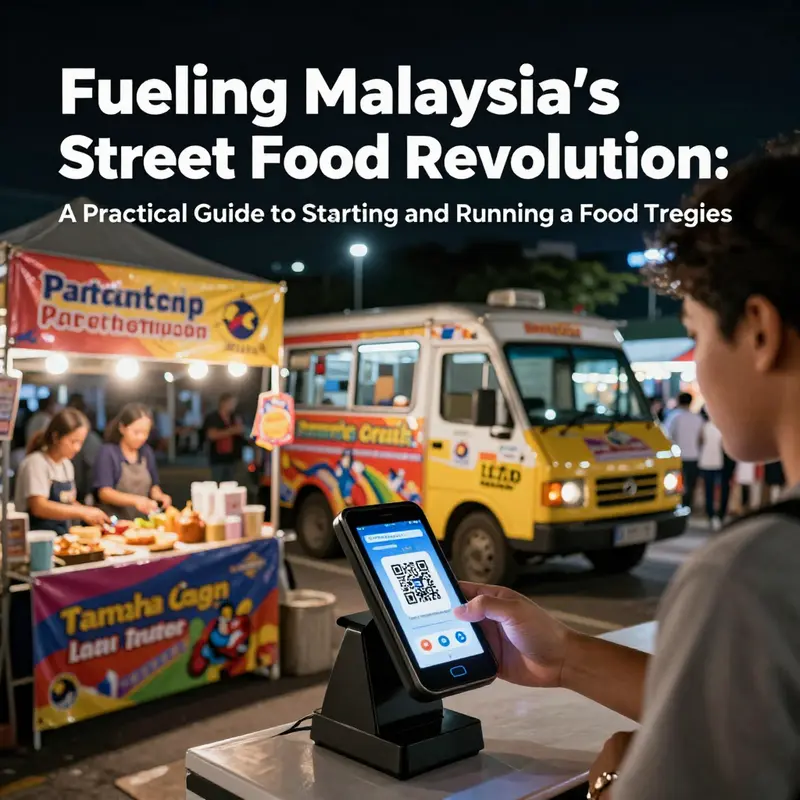
A food truck in Malaysia operates at the crossroads of speed, flavor, culture, and connection. The most resilient operators don’t rely on appetite alone; they blend technology, marketing savvy, and purposeful partnerships to turn a moving kitchen into a scalable, recognizable brand. The country’s urban tapestry—KL’s high-rise density, Penang’s street-food reverence, Johor’s dynamic markets—provides a rich stage where a well-executed mobile concept can thrive. The driving force behind sustainable growth is not just the menu but the system built around it: a technology stack that tracks demand and quality, a marketing rhythm that invites regulars and new customers alike, and partnerships that extend reach beyond a single vehicle. When these elements align, the truck becomes a platform for steady revenue, brand equity, and opportunistic expansion, even in a landscape of price sensitivity, halal expectations, and seasonal events.
Technology adoption sits at the heart of this transformation. A cloud-based POS that syncs with a mobile card reader is the first quiet revolution, replacing cash-only constraints with real-time sales data, item-level profitability, and seamless reconciliation. In practice, this means an operator can see which dishes fly during lunch in business districts and which snacks catch on at night markets, guiding menu tweaks and inventory orders without guesswork. Integrated payment options—local e-wallets that Malaysians routinely use—sharpen conversion rates at the moment of decision. Digital receipts, loyalty prompts, and push messages can be deployed without human delay, turning occasional visitors into returning customers who feel rewarded for their choices.
Beyond the register, inventory and supply-chain systems become a guardrail for consistency. Digital stock tracking helps maintain the freshness that Malaysians expect—especially for halal-conscious customers who demand clear segregation of ingredients. A simple alert for low-stock items can prevent a sudden gap in popular offerings, while a centralized supplier portal supports price comparisons and lead-time transparency. When a truck can forecast demand by hour and by location, it can optimize preparation, reduce waste, and increase throughput, a practical advantage during festival seasons and campus rotations where footfall can swing dramatically from one day to the next.
Order flow visualization through automated kitchen display systems or integrated apps streamlines the kitchen’s choreography. When orders come in from a delivery platform or a walk-up line, the display guides cooks to the next task, minimizing cross-contamination risks and keeping the pace aligned with customer expectations. The result is a tangible reduction in wait times—an influence on perceived value that often matters more to customers than the exact price point. Customer relationship management, powered by email or SMS campaigns, closes the loop. Segmented messaging—seasonal menus for rainy-season comfort foods, or loyalty bursts for repeat visitors near a campus hub—helps maintain top-of-mind awareness without becoming intrusive.
Marketing in this space is less about shouting and more about storytelling that resonates with the city’s diverse food culture. A strong brand identity acts as a north star for decisions about menu design, truck graphics, and social media voice. The brand should reflect more than a single dish; it should convey a promise—consistency, a sense of place, and a commitment to community. Social media becomes an ongoing conversation where high-quality photography of signature dishes, short videos from the truck’s window, and behind-the-scenes moments invite engagement rather than just exposure. In Malaysia, where regional tastes and halal considerations shape dining choices, marketing must be transparent about ingredients, preparation methods, and safety practices. A clear labeling strategy, visible hygiene protocols, and the ability to articulate halal compliance where applicable can convert curiosity into trust.
Strategic partnerships extend the truck’s reach in practical, revenue-enhancing ways. Suppliers that offer reliable local produce at predictable prices reduce the volatility of ingredient costs and improve menu planning. A centralized commissary or a shared kitchen network can stabilize production capacity and offer a staging ground for new menus, bulk procurement, and waste reduction programs. Venue hosts—corporate campuses, co-working spaces, malls, and event organizers—offer recurring slots that transform a mobile operation into a predictable income stream. Rather than chasing random one-off gigs, operators can negotiate regular schedules, seasonal pop-ups, and even catering for corporate events, weddings, or private functions, where higher-ticket orders and menu flexibility are the norm.
Government and non-profit programs can provide a support backbone. Grants, halal-certification subsidies, and food-safety workshops reduce friction and build credibility in a market where compliance signals buy-in from both regulators and customers. A sound approach to regulatory expectations—registering the business, obtaining any necessary hawker permits, and ensuring fire safety and hygiene standards—avoids shutdowns and delays that erode momentum. In parallel, a robust insurance plan protects against the unpredictable realities of street commerce, from weather disruptions to equipment failures.
Growth and expansion hinge on a disciplined framework that translates lessons from one truck into scalable systems. The fleet strategy begins with standardized kitchen specifications, ensuring that a second or third unit can be deployed with minimal bespoke build-out. Route planning software or logistics coordination tools enable multi-truck operations to share back-end services, including procurement, inventory, and staff scheduling. Catering and corporate event packages become a natural extension of the core business, offering higher-margin revenue and broader exposure. Ghost kitchens or shared commissaries can anchor delivery-focused growth, allowing a brand to test new concepts without the capital intensity of a full brick-and-mortar site.
Franchising presents a path to rapid scale, but only when founded on rigorous SOPs, tested recipes, and quality assurance processes. A training program that preserves brand standards and a system of audits keeps a dispersed network aligned. For brands seeking international growth, pop-up opportunities in neighboring markets can serve as low-risk experiments that validate concept transferability, unit economics, and local preferences before a broader rollout. The most successful operators treat growth as a series of carefully managed experiments, each iteration designed to affirm or revise the model rather than a single, risky leap.
Technology again plays a central role in growth. Data collection on sales by location, by time of day, and by menu item informs location planning and menu design. A data-informed approach reduces guesswork, helping management decide not only where to place the next truck but which dishes to promote during certain events or seasons. The marketing engine can scale in parallel with growth, turning a handful of loyal followers into a community of advocates who share experiences and amplify word-of-mouth through thoughtful content and exclusive offers. In all this, a cautious returns-to-risk posture matters: maintain sufficient liquidity for license renewals, maintenance, and staff training, and build contingency plans for weather, policy shifts, or supply disruptions.
A practical thread through all these considerations is the emphasis on branding and experience. In a market where food culture is intensely local yet globally informed, the truck’s visual identity must reduce friction for new customers while rewarding repeat visits. The aesthetics—truck wrap design, colors, typography, and menu boards—should convey warmth, cleanliness, and reliability. The copy and tone should speak to Malaysian sensibilities, acknowledging halal expectations, regional flavors, and the social nature of street dining. For operators looking to elevate their branding, a dedicated resource on graphics and identity provides actionable guidance on building a consistent look that travels well across locations and over time. branding on wheels: the ultimate guide to food truck graphics and identity.
With these threads in place, the path from a single truck to a growing, resilient business becomes a question of orchestration. Start with a concept that can travel well across Kuala Lumpur’s business districts and Penang’s night markets, blending local flavors with a few crowd-pleasing staples. Invest in a technology stack that not only records transactions but also informs decisions about staffing, inventory, and location. Build a marketing cadence that treats social media as a living portfolio, highlighting the craft of cooking and the personality of the team, while leaning into collaborations with local businesses and community groups. Seek partnerships that bring value beyond money—shared kitchens, co-hosted events, and supplier relationships that emphasize quality, traceability, and consistency. And finally, design growth as an ecosystem: additional trucks, off-site catering, ghost kitchens, and selective franchising that preserves brand integrity while expanding geographic reach.
In this approach, the food truck becomes less a temporary roadside curiosity and more a coherent, scalable business model embedded in Malaysia’s vibrant urban life. It is a model that respects regulatory requirements without being immobilized by them, that uses technology not as a gimmick but as a lever for efficiency and insight, and that treats marketing as an ongoing dialogue with communities across cities and seasons. It is a model that understands that success hinges not on a single clever dish but on a reliable system—a system that can adapt to weather, to changing consumer tastes, and to the dynamic rhythms of Malaysia’s street-food ecosystem. The opportunity is real: to turn a mobile kitchen into a brand with value, influence, and lasting connection to the places it serves.
External resource: For practical safety guidelines and best practices in food handling and public health, consult FAO/WHO food safety resources at https://www.who.int/health-topics/food-safety.
Final thoughts
Starting and growing a food truck in Malaysia blends regulatory savvy with creative localization, smart location planning, and efficient operations. By aligning licensing, halal considerations, and safety with targeted events and communities, you build trust and repeat business across diverse audiences. Layer on lean cost control, menu design that honors local tastes and sensitivities, and technology-driven service to enhance speed and consistency. For organizers, corporate teams, and community groups, a well-run mobile kitchen becomes a reliable partner for memorable experiences. The path is practical: define your concept, secure the right permits, map high-potential locations, optimize your supply chain, and embrace partnerships that extend your reach. With preparation and adaptability, your Malaysia food truck can thrive in a dynamic market that rewards freshness, reliability, and warm hospitality.