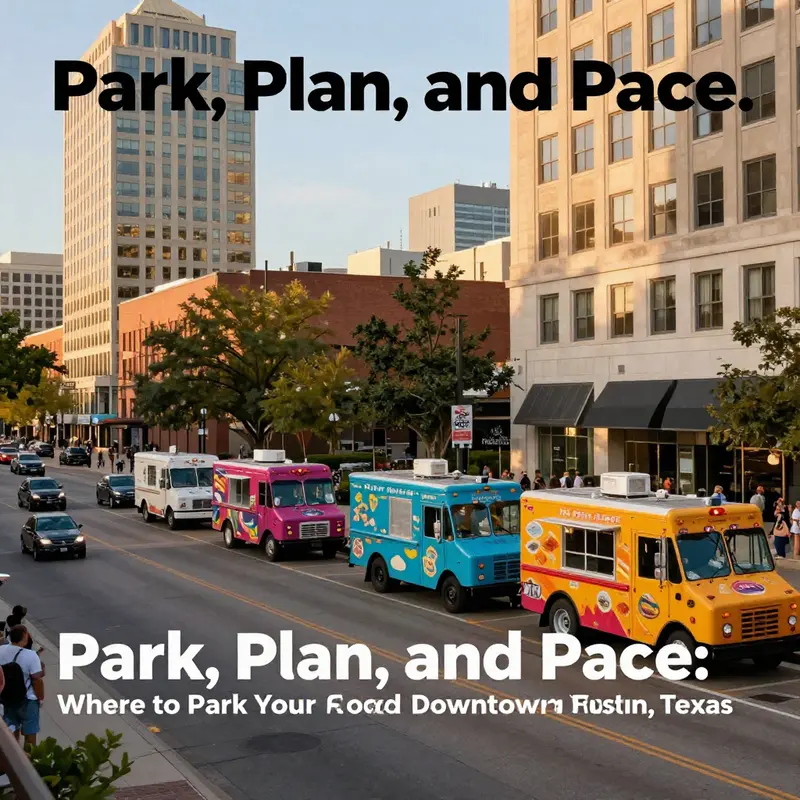
Downtown Austin is a magnetic stage for street food, where energy, culture, and city life collide in a daily dance of pedestrians, events, and office crowds. For event planners, corporate teams, neighborhood groups, and curious food enthusiasts, knowing where a food truck can legally park is as important as the menu itself. The city’s regulatory framework shapes not only where you park but how you operate safely, how you interact with surrounding businesses, and how you deliver a permissions-backed experience that fits the rhythm of the downtown core. This guide breaks the topic into three focused chapters. Chapter 1 maps the regulatory framework, permitting, and compliance so your truck starts on solid ground. Chapter 2 dives into designated zones, parking hours, and location policies so you can plan with confidence. Chapter 3 highlights real-world venues and market dynamics, spotlighting The Picnic, East 6th Street, and the downtown pattern where trucks meet people. Read as a cohesive map: you’ll understand the rules, the preferred spots, and the buzzing hubs that make downtown Austin a hotspot for mobile cuisine. Whether you’re coordinating a large-scale event, supporting a community gathering, or simply lining up a pop-up lunch, the right parking strategy combines compliance, visibility, and community spirit to create memorable experiences.
Chapter 1: Navigating Downtown Austin’s Parking Map—Permits, Pods, and Policy for Food Trucks
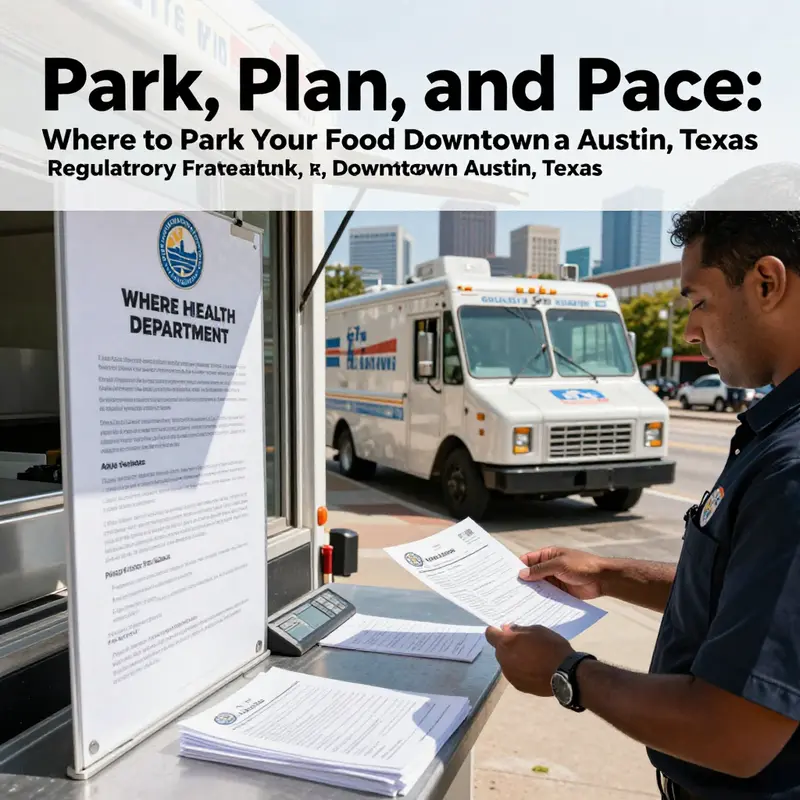
Downtown Austin presents a compelling stage for a food truck to thrive, where dense foot traffic meets a vibrant mix of office workers, residents, students, and visitors drawn to the city’s live music and culinary diversity. But the city’s energy also comes with a precise set of rules designed to balance street vitality with safety, pedestrian flow, and brick-and-mortar competition. The path to a downtown spot is less about a single parking choice and more about understanding how permits, zones, hours, and venue policies weave together to create workable opportunities for mobile vendors. This chapter unfolds that landscape not as a mere checklist but as a navigable map—one that vendors can use to align speed, accuracy, and opportunity with the rhythm of downtown life. The objective is simple in theory: park where you can legally operate, at hours that fit the market, with a truck that complies with health and safety standards, while maintaining the flexibility to respond to changing conditions—events, street closures, and seasonal fluctuations in crowd density. In practice, success comes from anticipating the regulatory framework and translating it into a reliable, repeatable routine for site selection, setup, and rotation throughout the week. The city’s design for downtown food vending aims to keep streets open and welcoming for pedestrians, while enabling a thriving micro-economy around pop-up culinary experiences. Achieving this balance requires a vendor to think holistically: not only where to park, but how to park, when to park, and with whom to coordinate. It means recognizing that the downtown parking map is not a single landmark but a constellation of designated zones, park pods, and event-driven sites, each with its own timing, permissions, and amenities. The official guidance makes that map legible by outlining core requirements: permits issued by the Austin Public Health Department, the need for liability coverage, and a clear understanding of where and when a truck may operate in proximity to other trucks or permanent restaurants. These rules are not mere formalities; they establish a baseline that protects public health, preserves pedestrian space, and ensures a fair field for competing vendors. They also shape the practical questions that guide a vendor’s nightly strategy: Which zone is open this week? Is this plaza hosting a special event that requires a temporary permit or a different set of operating hours? Where can a chef’s curiosity find a ready-made audience while staying within the law? The answers are found in the regulatory framework, the venue ecosystem, and the dynamic rhythm of downtown life. To place these pieces in practical terms, one must begin with the permit itself. A Mobile Food Establishment permit, issued through the Austin Public Health Department, acts as the gateway to legitimate operation. It confirms that the truck meets sanitary and operational standards, and it signals to the city that the operator intends to manage food safety, waste, and sanitation with a professional discipline. The permit is not granted in a vacuum; it is conditioned on proof of liability insurance and compliance with health codes. The standard baseline in many discussions is liability coverage of around $100,000 for third-party claims, a threshold that provides financial protection for patrons and the city alike. But the exact requirements can vary by venue or event, so the most reliable approach is to document and prepare the full set of compliance materials before approaching a downtown space. In this sense, the permit is a passport to every zone and every pod, but it is also a commitment to ongoing compliance: regular health inspections, proper cold-holding and handwashing practices, waste disposal, and a clean vehicle presentation that reinforces trust with customers and officials. The permitting process is complemented by a separate licensing pathway for business operations managed by the City of Austin’s licensing divisions. A local business license and associated permits may be required, depending on the operator’s structure and location. The ecosystem is designed to be navigable, with clear portals that guide vendors through application forms, fee schedules, and renewal timelines. Vendors who want a concise compass should consult the city’s official channels, including the Food Truck Permits and Mobile Food Establishment sections. These pages consolidate the core rules and direct operators to the precise documentation required for licensing, health certifications, and compliance. Yet even with the permit in hand, downtown Austin demands a precise understanding of where a truck may park. The city identifies designated zones for food trucks—zones that concentrate in downtown-adjacent corridors, plazas, and high-traffic streets where city oversight can be readily applied. These Designated Food Truck Zones are the backbone of predictable operation, offering a framework within which vendors can plan their rotations and schedule. Proximity rules further structure the marketplace: trucks may not operate within 300 feet of another truck or a restaurant with a permanent structure unless participating in an approved event. This rule is not merely a numeric constraint; it is a crowd-management measure that reduces market cannibalization and street congestion while encouraging diverse culinary offerings across the same patch of sidewalk. For a vendor, this translates into a thoughtful approach to site selection and rotation. Rather than aiming for a single, bumper-to-bumper placement, the strategy becomes a choreography of nearby options, timing, and audience analytics. In practice, a downtown operator learns to read the day’s foot traffic patterns, the likely tempo of lunch crowds, and the after-work surge that follows typical office hours. Operating hours are aligned with the city’s time windows, often spanning from early morning hours around 7:00 a.m. to evening closures around 10:00 p.m. Special events, city-wide festivals, or street closures can extend hours beyond these defaults, but such extensions require permits or event-specific authorization. The result is a downtown food truck environment that balances late-night vibrancy with structured oversight, where operators plan for night shifts with appropriate security, sanitation, and waste management measures. The actual experience of parking in a designated zone or a venue-driven site depends on the unique characteristics of each space. Some zones are stable and predictable, with established hours and a steady rhythm of vendor rotation. Others operate as flexible venues that rely on event calendars and vendor partnerships, requiring operators to stay in constant contact with venue managers, park coordinators, and the city’s transportation and enforcement offices. A downtown operator must be ready to adapt to changes in occupancy, access to utilities, and the availability of restrooms, electricity, and waste receptacles. From the operator’s perspective, this means building relationships with venue management and city agencies, documenting approvals, and maintaining a transparent line of communication about placement, rotation, and schedules. The Picnic Austin, located at 1309 S Lamar Blvd, represents a high-density example of a downtown food park where multiple trucks congregate and a lively dining scene unfolds. The venue’s leasing dynamics illustrate an important, sometimes non-obvious reality: space on a given day may be governed by leasing terms, occupancy policies, and direct venue communications rather than a fixed on-site guarantee. Prospective vendors should reach out through official channels—whether via the venue’s website or social channels—to learn current occupancy policies and availability. This is not a case of “set it and forget it”; it is a continual conversation about capacity, timing, and alignment with the park’s visitor cadence. East 6th Street Food Truck Park adds another layer to the downtown tapestry. Known for late-night energy and a broad mix of offerings, this park demonstrates how hours can extend beyond the typical daytime window, particularly on weekends. While the typical daily pattern may run from around 10:00 a.m. to 10:00 p.m., the reality on the ground is more nuanced. Individual trucks may stay open later, sometimes until 1:00 a.m. or 3:00 a.m., depending on park policies, crowd density, and special events. Vendors must rely on up-to-date listings, which are often provided through the park’s own channels and aggregator platforms that track current hours. Some operators reference Yelp or park listings for live updates, but the most reliable approach remains direct contact with the park coordinators or the individual truck operators who share timely information. Beyond these venues, downtown Austin features a network of other high-traffic corridors—areas like Congress Avenue, certain blocks adjacent to major entertainment districts, and plazas that can host pre-approved pods or event-driven setups. Each location carries its own set of zone designations, restrictions, and enforcement nuances, so it is essential to verify zone designations for each segment or plaza before parking. In this context, the city’s policy framework gains practical texture. An operator’s planning ritual often includes a pre-visit to the site, a quick check of the city’s online permitting system for any event-driven rotations or temporary closures, and a routine that anticipates potential changes in street configurations or pedestrian access. The result is a vendor who can move with confidence through downtown’s fluid environment rather than react to it after the fact. This is where the broader discourse about compliance and community standards becomes most tangible. Sanitation remains a non-negotiable priority. In a dense urban setting, waste management practices, proper cold-holding, clean equipment sanitation, and routine cleaning protocols are critical not only for health reasons but for neighborly relations and city inspections. Regular health inspections reinforce a shared baseline of quality, while noise controls, especially for late-night operations, ensure that an ebullient nightlife does not become a nuisance. The urban scaffolding supporting these practices includes designating zones and venues, coordinating with the Transportation Department for enforcement in some areas, and ensuring that event permits are secured for special occasions or for extended hours. The practical takeaway for a downtown operator is clear: treat the downtown map as a living document. It changes with the city’s events calendar, with seasonal markets, and with the evolving landscape of venue contracts. The most successful vendors approach downtown parking as a disciplined routine rather than a one-off position. That discipline begins with verification. Always cross-check the latest requirements on official city portals for mobile food vending, zone designations, and health requirements. Then confirm the exact status of the venue—The Picnic, East 6th Street Park, or another hub—regarding availability, leasing terms, and any place-specific policies or temporary restrictions. Preparation for compliance goes beyond having the permit. It includes ensuring you have the necessary liability coverage, evidence of health certification, a documented waste disposal plan, and a strategy for late-night operations that respects noise and safety guidelines. If your plan includes late-hour service, you must align that plan with the designated hours, ensure you can manage the security needs of an after-hours operation, and be prepared for the possibility that some venues will operate with more flexible timeframes on weekends or during events. The economic calculus of downtown parking also matters. The permit costs, insurance premiums, and health inspection fees all factor into a truck’s bottom line. While the liability threshold of around $100,000 provides a baseline, the exact figures may be shaped by event contracts, venue terms, or city directives. Build a budgeting framework that accounts for recurring annual permits, periodic health inspections, and any venue-specific fees or temporary permits for festivals and street closures. The market dynamics of downtown Austin—heavy foot traffic, proximity to office clusters, and a robust late-night economy—are compelling, but they come with heightened regulatory scrutiny and competition for the most desirable spaces. A sound approach is to target venues known for steady crowd flow and predictable hours, while maintaining flexibility to rotate through other zones as occupancy shifts. This is not only about maximizing revenue but also about sustaining community goodwill. Public safety and urban vitality must be foregrounded in every decision. Clean trucks, proper waste management, quiet operation during late hours, and courteous neighbor interactions contribute to a positive feedback loop with residents, visitors, and city officials. When a vendor demonstrates consistent compliance and constructive engagement with venue managers, it becomes easier to navigate the occasional changes in policy or access. The downtown ecosystem benefits from such responsible operators, and the city’s permitting and enforcement apparatus responds to this reliability with a smoother process. For operators seeking a concise lens on how these rules fit into a vendor’s lifecycle, consider the broader guidance on industry regulations that informs the daily practice of downtown vendors: Navigating food-truck industry regulations. This resource helps translate the regulatory text into actionable routines, such as how to prepare for a permit renewal, track inspections, and maintain compliance as you move between zones and venues.
As a closing thought, the downtown Austin map for food trucks is not a rigid grid but a living system that rewards proactive planning, disciplined execution, and transparent collaboration with venue operators and city agencies. The most successful operators function as part of the city’s street-level economy, balancing the thrill of bringing fresh, creative offerings to a hungry urban audience with the responsibility of serving the public safely and respectfully. By anchoring your strategy in the permitting framework, confirming venue-specific terms, and maintaining robust safety and sanitation practices, you create a durable platform for growth within downtown Austin’s vibrant, evolving food truck scene. For ongoing guidance and the most up-to-date procedural clarity, the City of Austin’s official mobile-food-vendor permit resource remains the essential starting point, and it is wise to view it as a living document that evolves with the city’s priorities. External resources provide further context about city processes, but the real value comes from translating rules into a dependable, repeatable parking playbook that respects both the letter of the law and the spirit of Austin’s downtown economy.
External reference: https://www.austintexas.gov/department/mobile-food-vendor-permit
Finding Prime Parking Downtown Austin: Zones, Hours, and Location Rules for Food Trucks
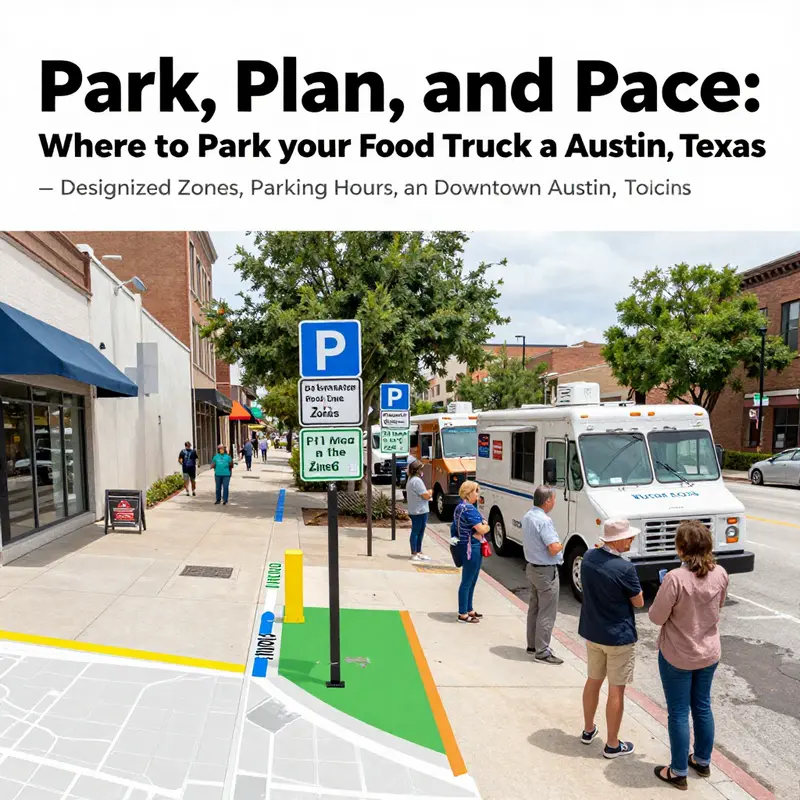
Downtown Austin rewards food truck vendors who pair great food with smart location strategy. Success depends on more than a menu. It depends on knowing where the city allows you to park, when you can operate, and how to work within location policies that protect safety, neighbors, and local businesses. This chapter walks through the practical realities of designated food truck zones, typical parking hours, and the rules that shape where a truck can — and cannot — make its stand. The goal is a clear, operational view: where to aim, what to check, and how to avoid costly mistakes.
Austin’s approach balances public space use, restaurant interests, and pedestrian flow. The city’s designated zones concentrate mobile vending in high-foot-traffic corridors. Expect clusters around entertainment and transit nodes. East Sixth Street, Congress Avenue, and portions of South Lamar are common hubs. These areas attract office workers, tourists, and evening crowds. They also draw competition. Knowing the pattern of zones helps you pick spots that fit your concept and hours. It also reduces the risk of enforcement actions that come from parking in undesignated areas.
Before you plan a spot, verify the zone designation. The City of Austin maintains official maps and guidance. These resources show approved street segments, plazas, and park sites that accept mobile food vending. Municipal oversight is often handled by transportation and public health teams. They set both where trucks may park and how close they can be to fixed restaurants. A minimum distance rule typically keeps mobile vendors from operating right beside an existing brick-and-mortar restaurant. That buffer is part of a broader aim to manage competition and preserve pedestrian access.
Distance rules can vary. Many areas enforce a minimum separation between trucks and permanent restaurants. A common threshold is a few dozen feet, designed to prevent crowding and maintain sidewalk flow. The city also enforces a limit between trucks themselves. In practice, you may be prohibited from locating within 300 feet of another truck, except during permitted events or in sanctioned food truck parks. That rule matters in dense clusters. If you arrive at a popular corridor and find space taken, relocating two blocks over could not only avoid enforcement, but also expose you to a different customer mix.
Operating hours in downtown zones reflect the neighborhood context. Standard windows generally span morning through evening. Typical downtown hours run from early morning around 7:00 AM to late evening near 10:00 PM. These windows accommodate daytime workers and evening crowds. Weekend nights tend to push later, particularly in entertainment corridors. Some vendors stay open until 1:00 AM, or even later, during busy weekends and special events. Those extended hours normally require event-specific permits or venue agreements. Always check the local rules before committing to late-night service.
Event calendars change daily in a city with Austin’s live-music and festival scene. Conventions, street closures, and large performances can create temporary restrictions. During events near the convention center or in cultural districts, the city may designate alternate traffic patterns. That can alter where trucks may park and when. Permit applications for event vending generally pass through the special events office. If you want to park near an event, you must coordinate with organizers and city staff. Last-minute assumptions about being allowed to vend near an event can result in citations or forced moves.
Designated food truck parks offer a workable alternative to street parking. Spaces like The Picnic operate as managed clusters. These venues consolidate trucks, seating, and programming. They simplify logistics for operators because venue management often handles coordination, parking rotation, and customer flow. That convenience usually comes with a relationship: lease terms, vending agreements, or day passes. Contact venue managers directly to learn about availability and fees. Do not assume a static opening; spaces at popular parks fill quickly and turnover policies change.
Individual parks set their own rules. East Sixth Street Food Truck Park, for example, has become a late-night hub. Many trucks there target nightlife hours. Park policies can be flexible, but individual vendors often set their own schedules as well. Even within managed parks, you should confirm assigned hours and any expectations around noise, lighting, and waste management. Bringing clear documentation of your city permits and insurance can smooth onboarding at parks and plazas.
Parking on public streets requires attention to multiple municipal departments. Transportation staff manage curb use and parking meters. Public health oversees food safety and mobile establishment permits. Special events staff regulate temporary street closures. This multi-agency environment means you should keep a checklist before you park downtown: valid mobile food permit, proof of liability insurance, a current business license, and compliance with health inspection requirements. Some venues require additional insurance thresholds or indemnification clauses for events.
Liability insurance is non-negotiable. The city commonly expects third-party liability coverage as a condition of permitting. Coverage minimums often start around $100,000, but event contracts or venue leases can require higher limits. Keep your policy documents current and on hand. Event organizers and venue managers frequently request copies when you apply to vend.
Sanitation and waste rules are enforced strictly downtown. High pedestrian density and limited space make proper waste handling essential. Expect inspections that cover cold-holding, cross-contamination prevention, handwashing facilities, and disposal procedures. You also need a plan for gray-water and refuse. Some parks provide centralized disposal. City street vending locations may not. When choosing a downtown spot, factor in waste access and the time it takes to empty bins without violating sanitation rules.
Noise and lighting expectations increase in nightlife districts. Residents in mixed-use buildings often respond to late-night operations. Maintain respectful sound levels and avoid blasting music from generators. Use directional lights and shield your service area where possible. These small adjustments reduce complaints and lower the risk of enforcement actions that could curtail your hours.
Beyond compliance, think about customer flow and visibility. A prime downtown spot balances foot traffic with accessibility. Avoid blocking sidewalks, transit stops, or bike lanes. Position your service window to face pedestrian flow when possible. Consider line management tools. City inspectors watch for obstructed sidewalks and traffic hazards. A truck that creates a safety issue, even unintentionally, risks a citation or removal.
When competition is tight, rotating locations can work. Some vendors operate daytime in business districts and shift to entertainment corridors at night. That mobility requires careful permit management. Ensure each spot you park in is authorized. Temporary event permits can authorize short-term moves. Alternatively, partner with managed venues that offer regular shifts. Rotation can broaden your customer base without violating proximity rules.
Economic realities should guide location choices. Downtown permits, insurance, and venue fees add to operating costs. Factor those into your pricing and hour decisions. High-traffic areas can yield greater sales, but also higher costs and tougher competition. Running a detailed break-even analysis at prospective spots helps. You can estimate expected sales against permit costs and venue fees to choose locations that make financial sense.
Community relations matter. Building goodwill with local restaurants, property owners, and residents reduces friction. If your concept complements nearby businesses, share that with venue managers and city staff. Demonstrate how you manage waste, noise, and crowding. Consistent, respectful operations make it easier to negotiate for longer hours or favorable spots.
Finally, use resources that make parking practical. The city provides official maps and permit information. Consult those before arrival. For practical, field-oriented advice on dealing with parking and street-level challenges, see this guide on mastering parking issues. It offers hands-on strategies for site selection, permit coordination, and operational best practices: Mastering food truck parking challenges.
For immediate, authoritative zone maps and permit procedures, consult the city’s parking and transportation resource. It lists approved food truck zones and application steps. Check it before you plan each shift, especially around large events: https://www.tspb.state.tx.us/SPB/Plan/Parking.htm
Adapting to downtown Austin means combining legal compliance with operational flexibility. Choose designated zones thoughtfully. Respect distance and hour regulations. Coordinate with venues and event teams. Maintain insurance, sanitation, and noise controls. When you do, you position your truck to capture downtown traffic without surprises. The street is competitive, but informed operators find dependable spots that match their brand, hours, and community values.
Prime Spots and Practical Moves: Parking Your Food Truck in Downtown Austin
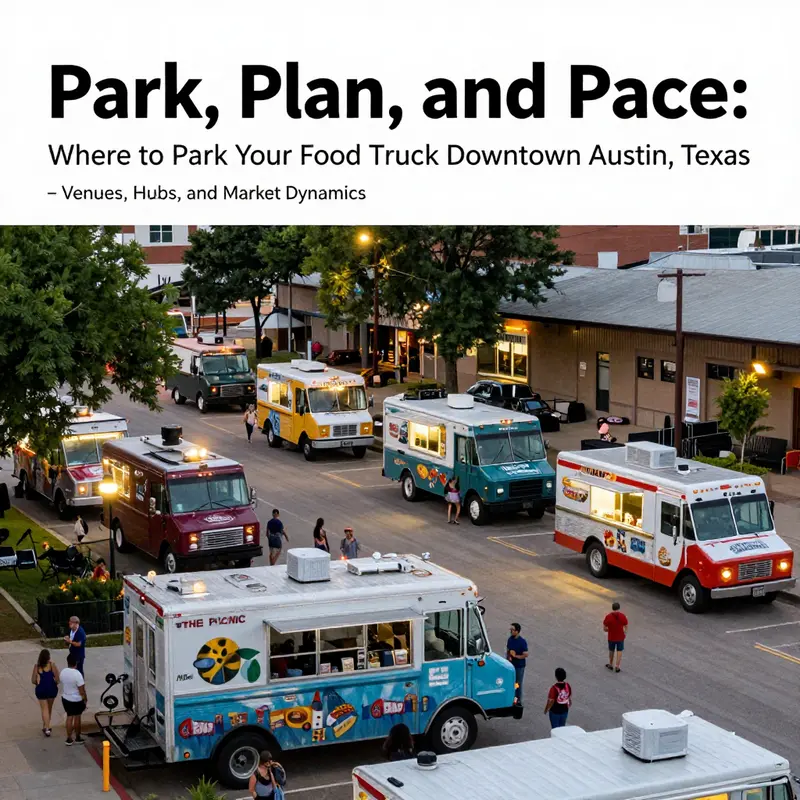
Where you park a food truck downtown Austin matters more than almost any other operational choice. Your location affects customer flow, permit complexity, nightly revenue, and the daily rhythm of running a mobile kitchen. Downtown Austin offers a mix of structured food parks, high-traffic corridors near music venues and offices, and event-driven pop-ups. Each option carries trade-offs that shape how you schedule shifts, staff your truck, and plan for compliance.
Start with the hubs that deliver reliable foot traffic and infrastructure. The Picnic stands out as a managed outdoor park that provides stability. It gives trucks assigned spaces, utilities access, and a consistent crowd drawn by the park’s curated vendor mix. That predictability makes inventory planning and staff scheduling easier. A reliable weekend schedule at a stable venue reduces waste and improves service consistency. Many operators treat The Picnic as a base of operations. They use it to anchor the week while rotating to other downtown spots for special events.
East 6th Street operates differently. It is a corridor shaped by late-night entertainment and live music venues. Foot traffic there spikes after shows and late into the night. Trucks that succeed on East 6th adapt to a late rhythm. They staff later shifts, streamline menus for rapid service, and plan for peak windows after 10 PM. The street also carries higher volatility: special events, bar crowd flows, and weather quickly change demand. Trucks that read the crowd and pivot menu or prep levels make the most of those late-night surges.
Beyond The Picnic and East 6th, downtown patterns extend along South Lamar, Congress Avenue, and near the Austin Convention Center during large events. These corridors serve different customer mixes. South Lamar attracts neighborhood diners and day traffic. Congress Avenue pulls tourists and office workers during lunchtime. The Convention Center corridor sees massive spikes tied to conferences and festivals. Understanding those differences helps you choose menu size, pricing, and staffing. It also dictates which permits and venue contacts you need to secure.
Regulatory limits shape where you can park. Austin enforces designated Food Truck Zones, distance rules, and operating-hour windows. A key constraint is the proximity rule. Trucks may not operate within roughly 300 feet of another truck or a permanent restaurant unless the trucks are part of an approved event. That rule aims to limit direct competition and control sidewalk congestion. Practically, it forces vendors to think in blocks and pods. You either secure a spot inside an approved cluster or find a stretch with enough separation from other mobile or brick-and-mortar vendors.
Hours matter as much as place. Downtown vendors typically operate from early morning through late evening. But the downtown commercial pulse favors evening and late-night sales within entertainment districts. Many successful trucks open for dinner and stay late. On event nights, hours extend even more. If you chase late-night customers, expect higher staffing costs, security needs, sanitation adjustments, and sometimes noise restrictions. Plan for lighting, safe cash handling, and clearing waste before sunrise to stay compliant and neighborly.
Temporary event zones are another practical avenue. City-authorized pop-ups and festival clusters open short-term windows to high volumes. Event activation often requires coordination with the city’s special events office and adherence to event-specific health and public-safety protocols. These slots offer concentrated sales potential, but they demand flexible supply chains and quick setup. Treat them as high-variance opportunities: big returns when executed well, but also costly if you misjudge demand.
Safety and sanitation are non-negotiable in all locations. The Austin Public Health Department requires mobile food establishments to maintain strict food-safety standards. That includes correct cold-holding, secure waste disposal, and documented cleaning schedules. Downtown settings intensify these needs. High traffic increases the odds of litter, pests, and public interaction. Invest in robust waste containment and quick-clean procedures. Keep inspection records, insurance proof, and permits accessible at all times. Doing so reduces disruption from surprise inspections and builds trust with venue managers and customers.
Insurance and permits add fixed costs that influence site choices. Liability insurance thresholds commonly start around $100,000 for third-party coverage. Permit fees, temporary event charges, and venue leasing costs layer on top. These costs eat into margins, so weigh them against projected foot traffic. A high-permission cost location can still be profitable if it reliably brings concentrated sales. For many operators, the smartest play is diversifying: secure a reliable home base while selectively pursuing high-return event opportunities.
Competition is real and spatially governed. Because downtown Austin concentrates both demand and vendors, prime spots become contested resources. Establishing a consistent schedule at a well-trafficked spot builds repeat business, which is especially important for lunch crowds among office workers. Conversely, late-night crowds are less about repeat customers and more about capturing the flux of entertainment seekers. Consider rotating your presence across days and venues to avoid direct competition and to stay within distance rules. A disciplined rotation can create multiple micro-markets for your truck without violating proximity constraints.
Operational logistics shape where you should park. Downtown spaces with reliable utilities, staging areas for deliveries, and clear waste pickup policies reduce friction. The Picnic, for example, provides infrastructure that simplifies deliveries and power needs. Street parking requires more on-the-fly problem solving: generator access, delivery timing to avoid traffic, and space to stage supplies. If you plan to park near entertainment districts, factor in public safety and lighting. Late hours increase the need for secure cash management and staff safety measures.
Relationships matter. Vendor managers, venue operators, and city staff influence where you can set up. Reach out early to confirm availability, lease terms, and any site-specific rules. The Picnic and other managed parks typically have direct channels for vendor inquiries. For street zones and pop-ups, develop rapport with the city’s permitting office and neighborhood associations. These relationships pay off when events overlap or when temporary permissions are needed.
Technology and communication are practical differentiators. Use real-time channels to alert customers to your site and hours. Social posts, location pins, and timely updates reduce no-shows and help customers find you in a dense downtown fabric. For multi-site operations, publish a weekly schedule so regulars know where to find you. This clarity converts occasional daytime visits into loyal repeat patronage.
Cost-benefit thinking helps allocate scarce prime time. Downtown weekends and festival days deliver peak returns but also command higher labor and supply intensity. Create a playbook for those days: simplified menus, scaled staff levels, and prepackaged items for speed. Inventory control matters more downtown. Running out of a key item during a high-traffic window is a lost opportunity and harms reputation. Use historical patterns to forecast demand and set conservative inventory buffers.
Community impact and neighbor relations influence long-term viability. Clean operations, quiet generators, respectful staff, and swift waste removal make you welcome in shared spaces. Negative externalities—litter, noise, or blocked walkways—invite complaints and enforcement action. Prioritize being a good neighbor to protect your ability to operate downtown.
Finally, be adaptable. Downtown Austin’s patterns oscillate with festivals, tourism cycles, and shifting nightlife. Treat your choice of parking as a testable strategy. Track sales by location and hour. Rotate trial spots into your schedule. Keep permit and insurance documentation up to date so you can pivot to temporary opportunities quickly. For deeper operational guidance on managing parking challenges, read Mastering Food Truck Parking Challenges for hands-on tactics and checklists.
For precise, up-to-date rules about permitted locations, distance limits, and permits, consult the City of Austin’s official mobile food vendor program. The city site lists current Designated Food Truck Zones, application procedures, and contact points for event coordination. https://www.austintexas.gov/department/mobile-food-vendor-program
Final thoughts
Downtown Austin offers a vibrant, walkable, and highly curated food truck ecosystem. The keys to success lie in understanding the regulatory framework, obeying designated zones and hours, and leveraging top hubs that amplify visibility and crowd flow. By aligning your event or venue strategy with permits, proximity rules, and venue policies, you can maximize exposure while maintaining a safe, compliant operation. The three chapters together form a practical playbook: Chapter 1 equips you with the legal green light, Chapter 2 gives you the map of where and when you can park, and Chapter 3 connects you with the bustling live markets that make downtown Austin come alive. With thoughtful planning, cross-checks with venue managers, and a commitment to hygiene and service, your truck can join the city’s iconic street-food tapestry with confidence and consistency.