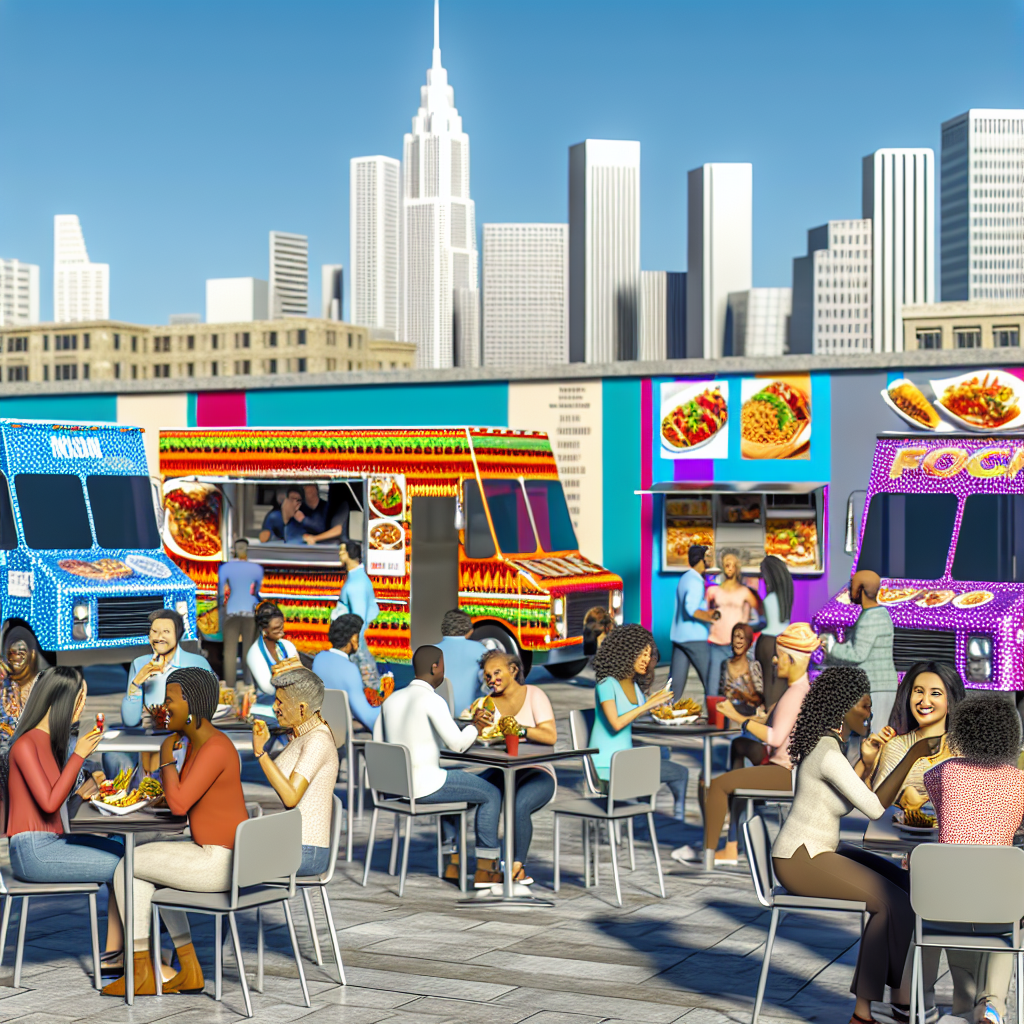
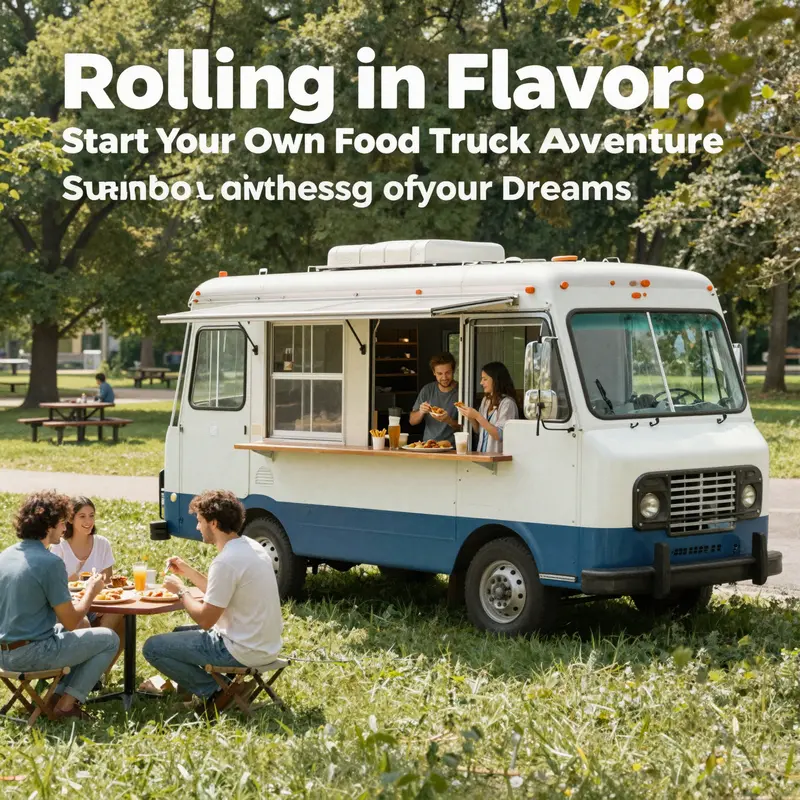
Embarking on a food truck journey is more than just cooking on wheels; it’s about creating a festive culinary experience that brings communities together. Whether you’re an event planner seeking delicious catering options, a corporate team looking to spice up lunch breaks, or a food enthusiast with a dream of owning your mobile kitchen, this guide is your roadmap to success. Each chapter will empower you with the insights needed to navigate market research, develop a solid business plan, grasp necessary regulations, secure insurance, and find the perfect food truck – all tailored to meet the dynamic needs of the food truck community and your customers.
Market Research as Your Compass: Charting a Profitable Course for Your Food Truck
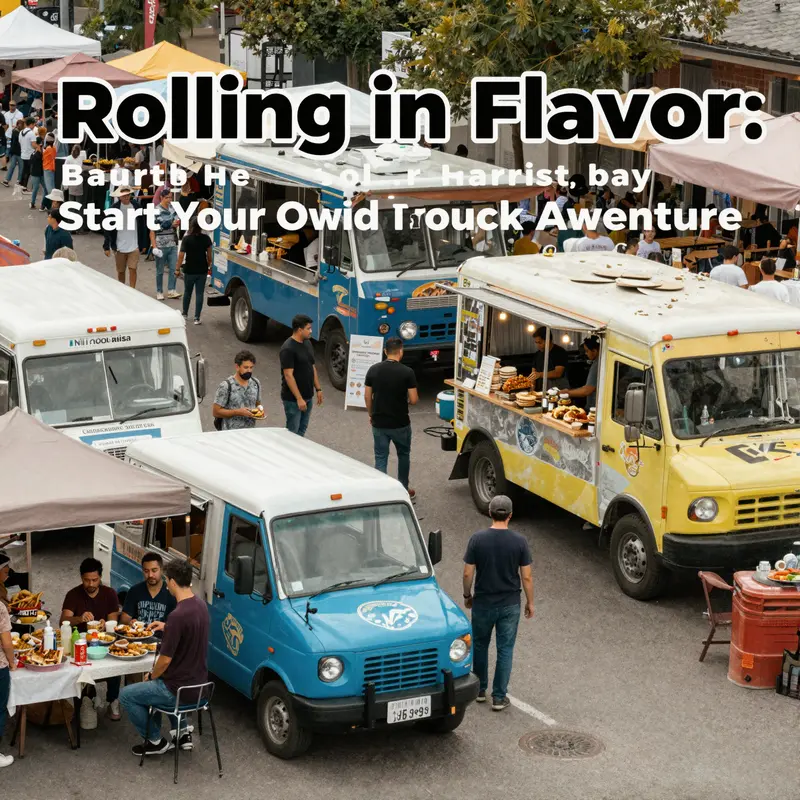
Market research may not be glamorous, but it is the compass that keeps your food truck concept pointed toward real demand rather than a hopeful guess. When you start with a clear picture of who will actually buy your food, where they will find you, and how much they are willing to pay, you unlock a sequence of decisions that align taste, price, and location with the rhythms of your city. This is not a one-and-done task; it is a continuous conversation with the market that evolves as you test menus, locations, and service models. The aim is to uncover a niche where your unique offering can stand out without pushing the limits of supply, regulation, or budget. In practice, market research becomes a living framework that informs your concept from day one and guides your growth as you scale from a single truck to a broader fleet or multiple locations.
Begin with the people who will actually reach for your cart. Understanding your target audience means more than listing age brackets or income ranges; it means mapping daily rhythms, snacks, and cravings around the places you plan to operate. Office workers searching for a quick, satisfying lunch, families seeking weekend treats near parks, students craving something affordable yet adventurous, or event-goers looking for a cultural anchor after a concert—each group has distinct needs, expectations, and willingness to pay. Your market research should translate these distinctions into concrete attributes for your menu, your hours, and your branding. You’ll learn not only what people want to eat, but when and where they want to eat it. This insight helps you decide whether your truck best serves a lunch crowd near a transit hub, a late-night niche around a stadium, or a weekend glow in a farmers’ market.
Field observations become the backbone of this understanding. Spend time in popular food truck hubs, stroll farmers’ markets, and attend community events. Watch what lines form, which vendors offer a steady cadence of dishes, and where the demand outpaces supply. Take notes on the types of cuisines that draw attention and the gaps in the current offerings. Are there opportunities to blend two concepts into a single, affordable option? Are customers signaling fatigue for a certain flavor profile or price point? Even small observations—how long a queue lasts, how families move through a stall, or how a particular vendor rotates its menu—can shape a more resilient concept. These field experiences anchor your assumptions in reality and prevent you from chasing trends that don’t resonate with the local palate.
Competitor analysis is not about copying what works elsewhere; it is about understanding the existing ecosystem and identifying where you can create value. What are the most successful trucks in your target neighborhoods offering, and what are they missing? Look for patterns in menu breadth, price bands, portion sizes, and dietary accommodations. Are there popular flavors that are underrepresented, or seasonal specials that create a spike in foot traffic? The goal is to delineate a space where you can differentiate without overstretching your operations. This might mean focusing on a core set of dishes that you can execute with speed and consistency, while offering occasional, limited-time items that respond to shifting tastes. The better you know the competition, the more confidently you can craft a value proposition that feels fresh without feeling out of reach for your kitchen crew.
Technologies and online signals augment what you observe on the street. Tools like search trend analytics reveal rising interests in certain cuisines or dietary trends within your city. Social media engagement around similar concepts provides a pulse on what resonates—visual appeal, flavor narratives, and the kind of packaging that invites shareable moments. Local directories and maps offer a broader map of the competitive landscape, showing you where clusters of trucks gather and which neighborhoods attract recurring events. The conversation you build with these signals should be iterative: you test a hypothesis with a small menu tweak or a pilot location, collect feedback, and refine your approach. A data-driven mindset helps you avoid over-investing in a single idea and instead build a portfolio of options that can be scaled or pivoted as demand shifts.
Direct feedback from potential customers is a powerful complement to observed data. Short, focused surveys or informal conversations can reveal price sensitivity, flavor preferences, and the kind of dining experience people expect from a mobile vendor. For example, you might learn that your target office workers crave a robust lunch option that travels well and remains satisfying after a short ride, while your neighborhood might prize affordable, family-friendly plates that can accommodate crowds during weekend markets. You don’t need a formal research department to capture these insights. Simple in-person chats, quick online forms, or social media polls can uncover signals that big market reports miss because they’re tied to real people in real places. Documenting these responses helps you quantify qualitative impressions and weave them into your pricing and menu decisions.
All of this information should feed a structured decision-making framework. Start with a clear value proposition: what problem are you solving for which customers, and how does your food truck differentiate itself? From there, build a map that links audience segments to specific menu items, price points, and service formats. A pragmatic approach is to test a small, focused menu in a few locations and measure success through simple metrics: turn rate, ticket size, and repeat encounters. As you gather data, you’ll learn where the highest gross margins live, which items travel best, and which hours align with the sharpest demand. Your menu, therefore, becomes a living document that evolves with your market, not a fixed showcase that limits your adaptability.
The planning horizon for market research should be intentionally strategic yet flexible. Early-stage research might emphasize where to launch, when to operate, and which flavors to stack in your first lineup. As you establish a foothold, your research shifts toward optimizing profitability, refining the customer experience, and identifying opportunities for expansion. Consider seasonality, events calendars, and weather patterns; these factors often determine the viability of certain spots and the success of promotional strategies. A location that is consistently strong in spring could be underperforming in the dead of winter, unless you adapt by offering a warm, comforting option or a mobile dessert concept that rides the post-dinner crowds. The beauty of robust market research is its ability to illuminate these shifts before they derail your plans.
In your journey from research to rollout, you’ll also encounter regulatory realities that shape what you can and cannot offer. Market research should naturally lead you toward a concept that aligns with local health codes, permitting requirements, and basic safety expectations. A strong understanding of the regulatory landscape helps you avoid costly missteps and accelerates approval processes. To navigate this dimension without losing momentum, frame compliance as part of your value proposition from the start and build it into your operations playbook. When your research reveals a concept that is both appealing to customers and compliant with local rules, you have a foundation that is robust, scalable, and safer for your team and guests. For a quick look at how regulatory considerations can intersect with planning, you can explore resources that discuss navigating food truck industry regulations.
All of these threads—audience insight, field observations, competitive intelligence, online signals, direct feedback, and regulatory awareness—need to be documented in a way that informs your business plan and day-to-day decisions. The act of documenting is not clerical; it is a strategic map. Capture your target customer profiles with their preferred menus and price sensitivities, note the hours that yield the highest foot traffic, and record the locations that offer a sustainable throughput while minimizing risk and stress on your team. Translate this map into a practical plan: a menu that can be cooked quickly with high consistency, a pricing structure that covers costs and is competitive locally, and a location strategy that leverages peak times and builds a loyal following across neighborhoods. When you present this plan to lenders, partners, or co-founders, it will be clear that you understand the market’s true contours and that your concept has a credible path to profitability.
As you turn market research into action, keep a keen eye on the balance between novelty and practicality. It’s tempting to chase the newest trend, but a truck thrives when there is enough demand to sustain it beyond a single season. A well-researched concept offers a blend of authenticity, quality, and speed that fits into the urban rhythm. This approach reduces waste, keeps payroll lean, and makes it easier to train staff to execute consistently under pressure. It also gives you room to experiment with limited-time offerings that test new flavors or cultural influences without risking a full-scale overhaul of your core menu. The most successful operators treat market research as an ongoing dialogue rather than a one-time audit; they listen, adapt, and continually refine their concept to honor both customer desire and practical constraints. If you want a broader view of how research informs regulatory and operating considerations, you can explore resources that discuss navigating the food truck industry regulations.
In short, market research is not merely a box to check before you buy a truck. It is the living framework that aligns your culinary idea with real people, meaningful locations, and sustainable economics. When you approach your research with curiosity, structure, and humility, you build a foundation that supports bold creativity without drifting into reckless risk. The more deeply you understand the people you intend to serve, the more precise your menu, pricing, and location strategy can become. And when you couple that insight with a flexible, data-informed mindset, your road to a successful food truck venture becomes a measured, repeatable journey rather than a leap of faith. For a structured framework to begin with, consult the SBA’s market research guide, which outlines practical steps to perform market analysis and connect it to a broader business plan: Perform Market Research.
From Vision to Viability on Wheels: Crafting a Bulletproof Business Plan for Your Food Truck
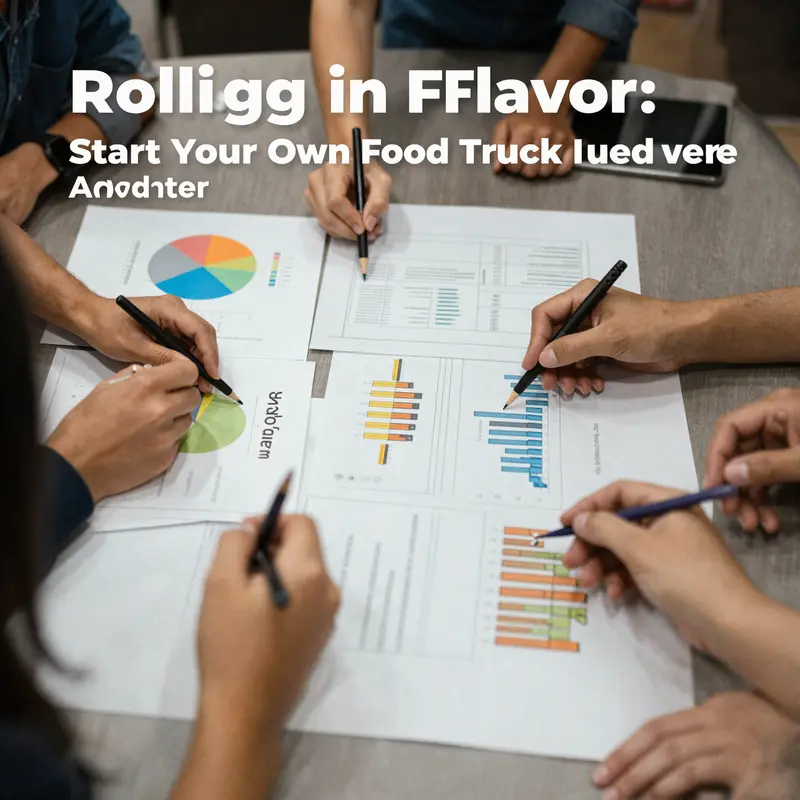
Turning a kitchen dream into a rolling, profitable operation begins with a business plan that acts as both compass and anchor. A solid plan does more than outline menus and prices; it clarifies your purpose, maps the path to growth, and becomes the one document lenders, partners, and mentors return to for confidence. In the world of food trucks, where your first impression is often your only impression and your location can change by the hour, a well-crafted plan translates into predictability, resilience, and speed. The chapters of this plan interlock into a single narrative: a story of a culinary concept that rides on wheels and travels toward sustainability. Think of your plan as an elevator pitch written in detail, a blueprint for daily decisions, and a persuasive case for investment, all at once. It begins with a precise executive summary and folds into a practical, numbers-driven financial framework, without losing sight of the people who will buy your food and the partners who will help you grow.
The executive summary is your opening note to the reader and, paradoxically, the section you should write last. It distills the essence of your truck—the name, the concept, and the mission—into a one-page snapshot. If you were to describe your truck to a friend who has never tasted your food, what problem are you solving? The answer should be concrete: perhaps you’re offering quick, healthy meals for busy professionals, or you’re delivering nostalgic flavors with a modern twist to festival-goers. Your mission statement then crystallizes how you intend to solve that problem: solid, affordable, sustainably sourced street food that stands out in a crowded market. The executive summary also highlights the target market, your unique selling proposition, and the financial heartbeat of the venture—startup costs, projected revenue, and the break-even point. Precise figures matter here, but avoid drowning the reader in pages of numbers; let the numbers illuminate the story, not overwhelm it.
Moving from overview to foundation, the company overview grounds your plan in structure and leadership. You’ll specify the legal form—whether a sole proprietorship, an LLC, or another entity—because that choice shapes taxes, liability, and growth options. You’ll define where your truck will primarily operate, which in turn influences permits, inspections, and staffing needs. Founders’ bios should connect relevant culinary skill, hospitality know-how, and small-business discipline. A strong vision emerges when you articulate not just what you serve, but how you conduct business. Values like food safety, consistency, customer care, and community engagement become your operating compass, guiding decisions from supplier selection to event participation and branding choices.
Market analysis follows like a trusted friend who knows the neighborhood’s rhythms. It’s not enough to know your food and price; you must understand where your truck fits in the local ecosystem. Industry trends show that the mobile food service sector has grown steadily as consumers seek convenience, customization, and experiential dining. Health-conscious options and locally sourced ingredients are increasingly valued, and the ability to adapt to weather, location, and event calendars is a competitive advantage. Your target market is defined with precision: primary and secondary segments, along with psychographic profiles that reveal motivations, shopping habits, and preferred channels for discovery. This is where you compare competitors—other trucks, popup concepts, and nearby eateries—and ask where you can excel. Your differentiation might be a signature approach to flavor, a dietary niche, or a service model that makes ordering effortless. The market analysis should translate into a practical plan for location strategy, pricing, and the cadence of promotions that keep your truck visible without oversaturating a single area.
The products and services section translates concept into kitchen reality. You’ll identify 5–8 signature dishes that are both crowd-pleasing and conducive to rapid turnover. In a mobile setting, efficiency matters; you want items that can be prepared quickly, with consistent portions, and with margins that sustain profitability. Consider dietary diversity, offering vegan, gluten-free, or allergen-conscious options to widen your audience without complicating your workflow. Seasonal specials can spark repeat visits, and limited-engine items create a sense of urgency. Packaging becomes part of the product experience, too; eco-friendly materials align with consumer values and can reduce waste costs in the long run. If your truck features a standout beverage component or house-made sauces, position these as premium differentiators that can justify higher price points and higher perceived value.
Marketing and sales strategy turns your plan into a growth engine. Branding should be coherent across every touchpoint—from the truck wrap and menu boards to social media and pickup interfaces. A memorable name, a recognizable logo, and a distinctive color palette become shorthand for trust and quality. Digital presence is non-negotiable: an active Instagram and TikTok profile that shares behind-the-scenes prep, customer stories, and real-time location updates builds community and anticipation. Promotions, loyalty programs, and first-visit incentives encourage trial and repeat business, while partnerships with local events, breweries, gyms, and coworking spaces create steady streams of foot traffic. The location strategy should be data-informed: identify high-traffic zones with manageable competition, and use a rotating schedule to reach multiple communities without exhausting any single lane or venue. In this section, you’ll also describe your approach to online ordering, reservations where applicable, and responsive customer service that converts curiosity into loyalty.
The operations plan ties the plan to daily routines. A clear picture of the truck’s specifications—refrigeration, cooking equipment, sinks, and safety features—anchors the project in reality. Staffing models should align with peak times and locations, with defined roles and training protocols to ensure consistency in quality and service. Your supply chain is built on relationships with reliable local suppliers, enabling freshness, traceability, and minimal waste. Permits and compliance form a non-negotiable backbone; you can map out the licenses required in your jurisdiction and how you’ll maintain ongoing adherence through audits and staff training. A well-structured operations narrative reduces downtime, streamlines setup and break-down, and supports scalable growth as demand expands or you add more trucks.
The financial plan is the engines room of the entire operation. Start with transparent startup costs that reflect real-world pricing rather than optimism. Consider truck purchase or lease in the range of tens of thousands to six figures, plus kitchen equipment, initial inventory, marketing, and permits. The model you present should translate daily activity into revenue—with a realistic average ticket price and a credible daily customer count. A simple projection framework is enough to begin, but you should also include a break-even analysis that shows how many meals must be sold per day to cover fixed and variable costs. The P&L statement should forecast costs of goods sold, labor, rent for parking spots if applicable, utilities, and other operating expenses across 12 to 24 months. A cash flow projection keeps the business solvent, highlighting periods of tight liquidity so you can plan for lean months or seasonal slowdowns. If you are seeking funding, the plan must clearly articulate the amount of capital required, its intended use, and the anticipated path to profitability. In practice, many founders supplement the plan with a concise financial appendix or an interactive model that can be updated as actual data arrive. For practical guidance on drafting financial projections, see financial tips for first-time food-truck owners.
Risk management and an exit mindset complete the blueprint. No plan is risk-free, and acknowledging weather, supply chain volatility, regulatory shifts, and competitive pressure is essential. Your plan should outline concrete mitigations: diversified locations to dampen one-off declines in foot traffic, contingency funds, and robust insurance coverage that spans general liability, property, and commercial auto scenarios. An exit strategy may appeal to investors by describing how an eventual transition—whether through sale, franchising, or acquisition—could occur after a defined period, with potential value recovery. This section is not doom and gloom; it is a disciplined preparation that strengthens your credibility and resilience, ensuring you can adapt quickly when the market moves. Throughout the document, emphasize the people who will taste and experience your brand—from suppliers who help you protect quality to staff who carry your mission in daily interactions. The clarity of your plan becomes the promise you make to customers, partners, and lenders that this venture will endure.
As you assemble these elements, keep the narrative tight and actionable. Use concrete numbers where possible, anchor assumptions in verifiable data, and maintain a consistent voice that reflects your brand identity. The best plans are living documents: they evolve with feedback from pilot runs at farmers markets, pop-ups, and neighborhood tastings. Before you launch, test critical assumptions with a lean pilot in one or two venues, gather customer responses, and adjust the menu mix, pricing, and location strategy accordingly. This iterative process preserves momentum while ensuring you don’t chase vanity metrics. The end result is not only a document but a decision-making framework that guides capital allocation, staffing choices, marketing moments, and daily operations.
For readers who want template-driven speed, several reputable sources offer robust frameworks and editable models that adapt to the food-truck world. These templates help you translate theory into a practical, investor-ready file. And as you approach lenders or partners, remember that the plan’s power lies not in pages of aspirations but in the evidence you present—tested assumptions, credible forecasts, and a clear path to profitability. A strong plan helps you protect your idea from the friction of startup reality while inviting others to join your journey on wheels. For further practical guidance, you can explore industry templates and templates that guide you through the process of drafting a food truck business plan, while keeping your unique concept at the center of every financial, operational, and marketing choice. Finally, the external resource below provides a structured starting point to turn this narrative into a formal document.
External resource for practical guidance: https://www.shopify.com/blog/how-to-write-a-food-truck-business-plan
Legal Groundwork on Wheels: Registering Your Food Truck and Securing Permits to Roll
Launching a food truck isn’t just about a great recipe or a catchy name. The road to a compliant, profitable operation runs through a landscape of licenses, registrations, and inspections that vary from city to city and state to state. Yet once you understand how the pieces fit, licensing becomes less a hurdle and more a framework that supports every other decision you’ll make—your menu, your locations, even how you price your offerings. This chapter follows that logic, treating regulatory steps not as red tape but as the essential scaffolding that keeps your business standing and your customers safe.
Your first decision is choosing the legal form of your business and giving it a solid, recognizable identity. The business structure you select—whether a sole proprietorship, a limited liability company (LLC), or another entity—will influence everything from taxes to liability protection to how you apply for permits. Even before you roll the truck, you should register your business name with the appropriate state authority and obtain an employer identification number (EIN) if you plan to hire staff. A clear business structure helps you separate personal and company finances, which is not just prudent but often a prerequisite for opening a business bank account and managing cash flow as you scale.
With the entity in place, the practical next move is to secure a business license or certificate of occupancy from your city or county. This is often the foundational permit that proves your venture is recognized as a legitimate business operation. The process typically requires proof of identity, a description of your operations, and sometimes evidence of a dedicated commercial space or vehicle base. In the context of a mobile operation, this license signals to regulators that you intend to operate within the rules, not in the gray areas of street vending. While the exact paperwork can differ, the underlying principle remains the same: you’re declaring your intent to do business in a manner that the local government can oversee.
Alongside your business license, most jurisdictions require a health-related permit to ensure food safety. A health department permit, sometimes called a food service permit or a food handler’s permit, requires your kitchen, even a mobile one, to meet standards for hygiene, sanitation, and temperature control. Inspectors will examine your truck’s layout, storage facilities, handwashing stations, and how you manage waste. They’ll also check that your staff’s food handling practices align with safety guidelines. In many places, individual staff members will need valid food handler certificates, which involve training and testing. This layer of regulation is not punitive; it’s about guaranteeing that the food your customers consume is prepared, stored, and served under conditions that minimize risk.
Operating a food truck on public streets or in designated zones typically requires a mobile vendor permit or a parking/operating permit. These permissions grant you the right to pull into specific locations at specific times. They also come with rules that may limit where you can operate near schools, parks, or competing businesses and may impose fees based on vehicle size or annual operating days. The process often includes vehicle inspections and proof of compliance with fire codes, safety standards, and environmental regulations. The upshot is straightforward: the permit is your permission slip to operate in the community, and it binds you to operate within defined boundaries.
A vehicle and equipment inspection is another critical milestone. Your food truck must pass a structural and equipment inspection to verify that equipment functions correctly and safely. Inspectors will look at refrigeration units, cooking appliances, hot and cold holding, handwashing capabilities, waste disposal, and electrical and gas systems. This isn’t a single hurdle to clear and forget; it’s a checkpoint that ensures ongoing safety as you move from one commissary or curbside location to another. After the check, you’ll likely receive conditions or recommendations that you’ll want to address promptly, not only to pass future inspections but to avoid disruption to your service.
No matter the jurisdiction, you’ll need to handle tax-related registrations with care. After your license and permit approvals, you’ll register with the IRS and your state revenue department. Opening a dedicated business bank account is a practical extension of this discipline, helping you keep clean books, track costs, and prepare for tax season. The separation between personal and business finances isn’t merely a bookkeeping best practice; it’s a compliance safeguard that can save you headaches and financial exposure later.
Insurance is another critical pillar. A robust package protects you, your truck, your crew, and your customers. General liability insurance covers slips, falls, and other mishaps that may occur as you serve meals in public spaces. Property insurance guards your truck and equipment against damage or loss. If you hire employees, workers’ compensation is not optional in many places; it’s often a statutory requirement. Commercial auto insurance ensures your vehicle in motion is protected, especially important given the mobile nature of your business. In most jurisdictions, obtaining the right coverage isn’t merely prudent; it’s a prerequisite for securing the permits that keep you legal. Insurance costs vary depending on coverage limits, your crew size, and your location, but the return on that investment is the peace of mind that your business can weather the unexpected while staying compliant.
As you thread these requirements together, it’s important to recognize that the exact sequence and specifics will depend on where you operate. Some cities require firesafe plans or additional mandates tied to the types of foods you serve or the hours you operate. Fees can range widely, and renewal cycles may demand periodic inspections or updated certificates. The interplay between licenses, permits, and inspections means you’ll often encounter several concurrent processes. Planning a timeline that accommodates background checks, inspections, and payment of fees will reduce downtime and keep your launch on track. The key is to treat regulatory tasks as a coordinated project rather than a series of one-off hurdles. When you approach them with a schedule, you gain predictability that translates into smoother procurement, better vendor negotiations, and a more confident prelaunch phase.
A practical way to handle this complexity is to map the requirements to your business plan and map a realistic timetable. Start by listing the core permits you’ll need and the typical turnaround times in your jurisdiction. Reach out early to your local licensing office, building department, and health department to gather their checklists and any preferred formats for applications. Some offices publish online portals with step-by-step guides; others require in-person visits. If you can identify a single point of contact or a “one-stop” permit center, that can save a lot of back-and-forth. Keep a shared folder with electronic copies of everything you submit, including identification, business formation documents, vehicle registrations, and any inspection reports. Digital records not only speed things along; they make renewals easier and support better compliance tracking over time.
To help you put this into practical motion without getting bogged down in jargon, consider this gentle nudge toward a clearer map of the regulatory landscape: you’ll benefit from looking into resources that summarize local rules and relate to a mobile operation. For a focused overview of navigating the regulatory terrain in the food-truck world, see Navigating food-truck industry regulations. This kind of guidance can provide language you can carry into conversations with inspectors and clerks, helping you understand the emphasis regulators place on things like vehicle design, water systems, backflow prevention, and waste handling. It’s not about guessing what the city wants; it’s about confirming what the city requires and aligning your setup accordingly.
As you finalize your compliance framework, don’t overlook the long game. Licensing and registration are ongoing commitments. They require renewals, periodic inspections, and sometimes additional training or certification for staff. Build a calendar that tracks expiration dates, mandatory training windows, and expected renewal fees. Create a routine for maintaining your documents—inspections should be archived, permits renewed before they lapse, and insurance policies reviewed for coverage adequacy as your business grows. The discipline you apply now compounds later, preventing late fees, shutdowns, or gaps in coverage that could ripple across every other aspect of your operation. In the end, the licenses and registrations aren’t obstacles; they’re the reliable rails that guide you through a compliant and resilient food-service business on wheels.
All of this sets the stage for what comes next: turning compliance into operational excellence. Once you have the legal pieces in place, you can focus on the practicalities of menu design, sourcing, staff training, and the choreography of daily service with confidence. You’ll sleep better knowing you’re serving food that meets safety standards and that you’re not risking fines or closures because a permit wasn’t renewed or a required inspection wasn’t scheduled. The regulatory puzzle is intricate, but it’s solvable—and with careful planning, it becomes the backbone of your truck’s steady, scalable growth. For more official, city-by-city guidance, consult the U.S. Small Business Administration’s starting-a-food-truck resources, which provide step-by-step instructions and links to state-specific information: https://www.sba.gov/business-guide/starting-a-business/start-food-truck-business.
Insurance as the Anchor: Safeguarding Your Food Truck Start-Up from Risk
Beneath the sizzle of a hot grill and the hum of a mobile kitchen lies a tight web of risk. A food truck sits at the intersection of travel, food safety, and constant public interaction. That brings with it not just opportunity, but a spectrum of potential losses: a fender bender on a busy downtown street, a slip and fall at a crowded event, or a refrigeration failure that spoils hundreds of dollars of perishable ingredients. To navigate this terrain, securing the right set of commercial insurance policies is not simply a purchase; it is an essential anchor for the entire venture. The goal is to protect your personal assets, ensure continuity of operations, and project stability to lenders, vendors, and customers who rely on you week after week.
The backbone of coverage starts with Commercial Auto Insurance. Your food truck is a vehicle first and a kitchen second, driven across neighborhoods, parking lots, and festival grounds. This policy covers more than collision damage to your own truck. It also guards against third‑party property damage or bodily injury arising from accidents you may cause while on the road or during loading and unloading at events. Given how often trucks share street space, this protection is indispensable. It also extends to the cargo that travels with you—your equipment, generator, and even perishables—ensuring that a covered incident doesn’t destroy your entire business model in one costly event. The emphasis here is on both the vehicle and the contents, because many losses begin with a simple mishap behind the wheel.
Next comes General Liability Insurance, a broad shield against everyday risks that arise when customers interact with your operation. A customer could slip on a wet surface near your setup, or a bite of undercooked food could spark a claim of foodborne illness. General liability helps cover legal defense and any damages awarded, up to your policy limits. In the high-traffic environments where trucks tend to operate—near offices, stadiums, or farmers markets—the volume of potential claims grows. Even with rigorous food safety procedures, accidents happen. A well‑structured general liability policy helps prevent a single incident from turning into a financial catastrophe that siphons capital away from growth plans, equipment upgrades, or staff training.
A third essential layer is Commercial Kitchen or Food Service Insurance. This coverage is tailored to the realities of a mobile kitchen’s vulnerabilities. It protects against equipment breakdowns, such as refrigeration failures that threaten inventory and food safety. It can cover damage to kitchen appliances, sinks, and other critical infrastructure inside the truck. If a key piece of equipment fails during a busy service window, the impact isn’t only the loss of that appliance; it’s the potential spoilage, service disruption, and reputational hit that follow. This policy also helps with contamination or accidental spoilage claims tied to food safety events. In a business where timing is everything, having coverage that addresses the kitchen’s specialized risks pays dividends in resilience and peace of mind.
A fourth coverage area that often goes overlooked but proves vital for mobile operations is Inland Marine Insurance. Despite its nautical name, it applies to the property you transport daily—inventory, equipment, cash registers, display components, and even portable storage during events. Inland Marine policies protect against theft, damage, or loss while the goods are in transit or temporarily stored away from your home base. For a business model built on moving from location to location, this coverage reduces the chance that a single transport mishap derails an entire week’s sales.
When you think about these layers together, a clear picture emerges: your coverage must align with how you operate. The risk profile shifts with routes, event schedules, and staffing. A truck that logs long commutes between venues will have different auto exposure than one that stays local but operates at frequent pop‑ups. Similarly, if you rely on seasonal events where crowds surge, you’ll want higher general liability limits and robust equipment coverage to account for larger volumes and more extensive catering setups. A thoughtful broker can tailor a package that recognizes these nuances rather than offering a one-size-fits-all policy.
Beyond the core policies, there are practical considerations that keep the protection aligned with real‑world needs. Start by gathering a precise inventory of what you own: the truck’s value, all cooking and cold‑storage equipment, generators, POS systems, and display fixtures. List your routes, typical hours, and the average number of daily transactions. If you employ staff, document payroll, hours, and any driving roles. These details matter because insurers price risk with careful attention to exposure. A well‑prepared submission also includes a plan for food safety and equipment maintenance. Demonstrating that you perform routine calibrations of thermometers, clean and sanitize regularly, and test backup power systems shows you actively mitigate the very risks insurance covers.
Choosing the right limits and deductibles is a balancing act between protection and cost. Higher limits reduce the risk of a catastrophic outlay, but they come with higher premiums. A practical approach is to start with a base level that protects against the most likely losses—the cost to repair or replace your truck, the potential for a serious claim against you at an event, and the spoilage risk from a refrigeration outage. Then, layer in higher limits for situations with greater probability or consequence, such as foodborne illness claims or a major roadway accident involving your vehicle. Your broker can perform a risk assessment that translates into coverage quantities aligned with your revenue projections, typical batch sizes, and the frequency of events you attend.
A crucial step in the process is obtaining a certificate of insurance (COI) for events, vendors, and partners. Many venues require proof that you carry the necessary coverage before you’re allowed to operate. A COI is not just paperwork; it’s a bridge of trust with organizers and collaborators. It signals that you have planned for risk responsibly and reduces the friction of onboarding at markets and festivals. With a well‑organized policy, you’ll be able to secure space more readily and respond to opportunities that arise without scrambling to shore up gaps after the fact.
To make insurance more approachable, consider how these policies fit into your broader financial planning. Insurance is not merely a line item; it’s an enabling asset that supports growth by stabilizing cash flow and protecting investment in equipment, staff, and recipes. When you project costs, include the premium as a predictable operating expense and weigh it against the potential loss exposure you’re mitigating. This perspective helps you trade off premium versus risk in a rational way, rather than reacting to every scare story with a last‑minute policy purchase.
For practical budgeting and strategy, you can consult specific tips designed for first‑time truck owners. financial tips for first-time food-truck owners offers actionable steps on aligning insurance with startup finances, selecting coverage levels, and avoiding common missteps. While the guidance is framed for new entrants, the underlying principle remains the same: align coverage with the operating reality, not with aspiration alone.
In the end, the right insurance program for a food truck blends protection with agility. You want to be prepared for the unexpected without overinsuring in ways that strain your budget. That means working with a broker who understands mobile food service and who can translate your business model into precise coverage. It also means staying engaged with your policies over time. As your menu expands, you hire more staff, or you begin servicing larger events, you’ll need to revisit limits, add riders, and adjust deductibles. Insurance should scale with your growth, not remain a static safeguard.
External resources provide additional context on how these policies fit into the regulatory landscape and the broader risk framework for small businesses. For authoritative information on insurance regulation and standards, see the NAIC site: https://www.naic.org/.
null
null
Final thoughts
Starting your own food truck is an exciting journey that combines your passion for food with the thrill of entrepreneurship. By conducting thorough market research, developing a robust business plan, understanding licensing needs, obtaining the right insurance, and customizing your food truck, you will be well on your way to delighting customers and making your culinary mark on the world. Remember, the heart of the food truck experience lies in the flavor, community, and creativity you bring to the table. So roll up your sleeves, ignite your culinary passion, and pave the road to your food truck success!