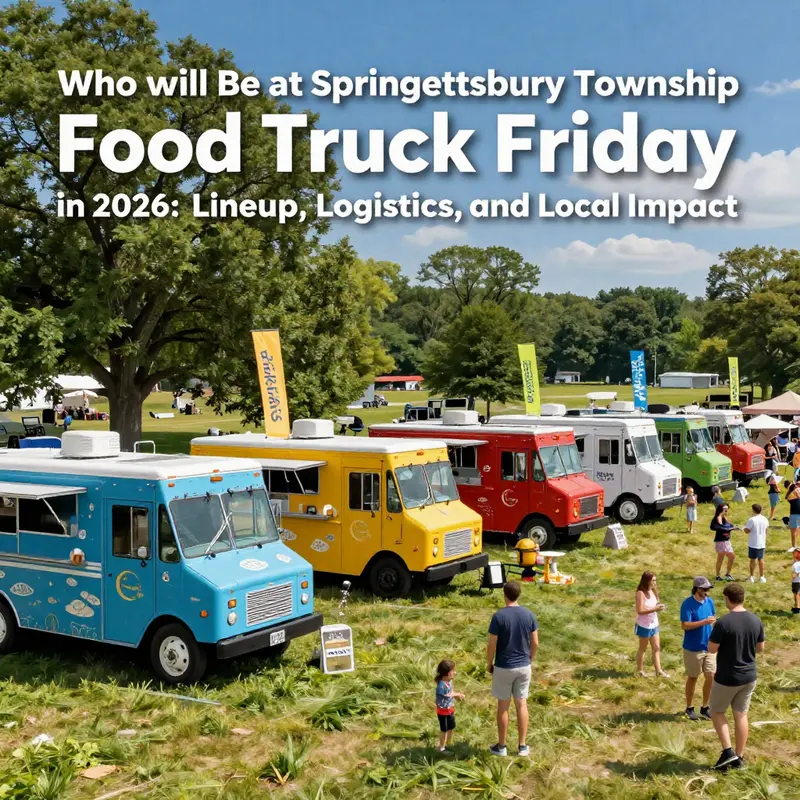
Springettsbury Township’s beloved Food Truck Friday returns to Springettsbury Park with fresh energy in 2026. Local planners, HR teams, community groups, and food enthusiasts will find this guide valuable as it highlights who’s currently lined up, how to plan around scheduling and access, the economic ripple for vendors and neighbors, and the channels you’ll rely on to stay informed. From the current vendor lineup to safety considerations and digital announcements, this overview helps you coordinate visits, sponsor participation, or host group outings with confidence. As you read, you’ll see how each chapter connects planning needs with real-world details, ensuring a smooth, enjoyable experience for attendees and vendors alike.
What Will Roll into Springettsbury Park: Reading the 2026 Food Truck Friday Vendor Lineup
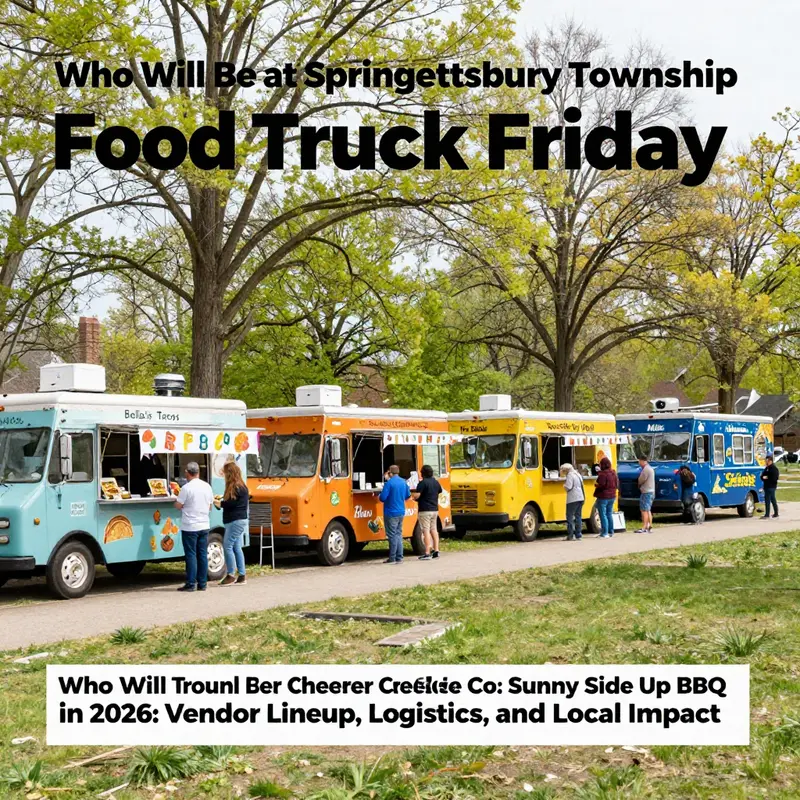
Every spring and summer, the rumor mill among families, neighbors, and local food lovers swells with anticipation for Springettsbury Township’s Food Truck Friday. The setting is simple yet inviting: Springettsbury Park, a short walk from sidewalks that know the rhythm of urban and suburban life, comes alive on Friday mornings into a seasonal ritual. The question that lingers each year, of course, is who will roll up to the park with steam, sizzle, and something sweet to share with the crowd. The reality, as with many community-driven events, is dynamic. The official word trails the calendar, updating as new permits are issued, vendors confirm, and weather patterns shape who can participate from week to week. What remains constant is the idea that Fridays in late spring through the summer become a playground for families, neighbors, and visitors who want a quick, flavorful meal or a tasty treat while they linger in the park’s green shade and sunlit paths. It is a simple premise, yet it invites a broad spectrum of possibilities, from spice-laden street-food influences to comfort-food staples, all curated to fit a family-friendly, outdoor-friendly schedule that honors the rhythm of the workweek and the pull of the weekend.
As of early 2026, the most reliable window into the current vendor lineup comes from the event’s official pages, which list the participating stalls and their general offerings. The information reflects an effort to balance variety with accessibility, aiming to provide options that appeal to different ages and tastes while keeping the experience manageable for families who rely on brief, predictable windows of time. Rather than naming brands or single dishes, the official notes describe a set of vendor categories that tend to rotate over the season. Visitors can expect a Mexican-inspired street-food stall offering handheld favorites with fresh salsas, a creative cheese-stand that specializes in comforting grilled sandwiches and accompanying sides, a barbecue vendor featuring slow-smoked meats and house-made sauces, and a dessert cart that highlights handmade ice creams and sweets. This quartet of categories signals not a fixed parade of names, but a dependable structure: one stall for bold, handheld meals; one for indulgent comfort fare; one for smoky, slow-cooked proteins; and one that satisfies with frozen and frozen-like treats. That structure is designed to be accessible to a broad audience and to maintain a steady cadence across weeks, even as individual offerings come and go.
The precise lineup in any given week can shift for a variety of practical reasons. Permits, equipment needs, and staffing realities all come into play, and the event organizers often adjust the schedule to accommodate weather forecasts and community feedback. The schedule itself remains straightforward: Food Truck Friday runs on Fridays during the broader season, typically aligning with Springettsbury Park’s outdoor calendar, and the event hours are structured to capture the lunch crowd without overlapping too aggressively with early afternoon commitments. In practice, this means families can plan a post-work or post-school visit that unfolds at a relaxed pace: arrival, a quick bite from a chosen stall, a short stroll along the park’s paths, and perhaps a stop for an icy dessert as a reward after the first round of tastings. The cadence invites a slow-paced exploration, where attendees can sample across categories, compare textures and flavors, and discover a few hidden favorites that feel unique to the park’s Friday vibe.
For those who want to anticipate what’s on offer without committing to a single vendor, the best strategy is to monitor the official event page as spring progresses. The page functions as the primary source of truth for the current vendor lineup, seasonal changes, and any adjustments to hours or location within the park. It also serves as a practical guide for planning: it often includes tips on preferred parking areas, accessibility notes, and weather contingencies that can influence the day’s flow. Because the lineup can evolve, visitors who intend to make a special outing of Food Truck Friday are wise to bookmark the official page and check it shortly before heading out. In addition to official updates, local community groups and neighborhood social feeds often echo the latest announcements, providing a quick, informal way to confirm any last-minute changes before setting out.
For readers who like to widen their understanding of how food-truck events manage fluctuating lineups and keep communities informed, there are helpful perspectives from industry-focused discussions and blogs that track the life cycle of a truck gathering in a suburban park setting. These sources offer broader context on how organizers coordinate with vendors, how rotating menus can attract repeat visitors while still delivering variety, and how events cultivate a sense of trust with attendees who come back week after week. To delve into this broader conversation, you can explore the Loschifladostruck blog, which maintains a thoughtful catalog of insights on food-truck operations and event dynamics. Loschifladostruck blog
As Springettsbury Township prepares for another year of Food Truck Friday, the emphasis remains on accessibility, consistency, and community. The park serves as the shared stage, while the trucks bring the varying acts of flavor and texture that keep attendees returning. The four vendor categories described by the official page provide a reliable scaffold, but the actual lineup—what types of dishes will be offered on any given Friday, which specific stalls will be present, and what the shareable specials might be—will reflect the practical realities of the season. This is not a fixed roster etched in stone; it is a living plan shaped by permits, logistics, and the evolving tastes of a community that values both novelty and nostalgia in the same breath.
For visitors planning a visit, a practical mindset helps. Arrive with a light plan: identify the stalls that align with your group’s preferences, sample across categories, and allow for a comfortable window to enjoy the park’s ambiance in between bites. Bring a small amount of cash if some vendors prefer it, though many now accept cards or mobile payments. Hydration is essential, given the outdoor setting and the seasonal heat, and a light foldable chair or a blanket can transform a quick lunch into a relaxed pause in the day. With kids or grandparents in tow, it helps to select a starting point near restrooms or shaded benches, then transition to a dessert stop as a natural finale, a gentle rhythm that keeps the afternoon flowing without fatigue.
The community dimension should not be forgotten. Food Truck Friday is as much about neighbors reconnecting as it is about trying new foods. It’s a place where conversations can begin with a shared bite and end with plans for a weekend outing or a future visit to the park. The evolution of the vendor lineup—driven by permits, weather, and the desires of park-goers—becomes a small reflection of how Springettsbury Township sustains a dynamic, participatory public life. In this sense, the event is less about a fixed cast of characters and more about a recurring invitation: to sample, to listen to the city’s culinary voices, and to enjoy a community ritual that aligns with the town’s seasonal tempo.
As the calendar moves toward spring and early summer, the most reliable path to the exact, current lineup remains the official event page. It will publish the confirmed vendors, hours, and any noteworthy changes as the season approaches. For those who wish to explore related themes of how outdoor food events adapt and endure, the broader discourse available on the Loschifladostruck blog provides helpful context that complements the tangible details of Springettsbury’s Friday gatherings. And when the latest details are needed, the township’s page will be the definitive source of truth, anchoring expectations in a clear schedule and a transparent process that keeps the community informed and engaged. Official updates can be found at the township’s event page: https://www.springettsburytownship.org/events/food-truck-friday
Rolling Through Springettsbury Township Food Truck Friday: A Practical Guide to Scheduling, Venues, and Access
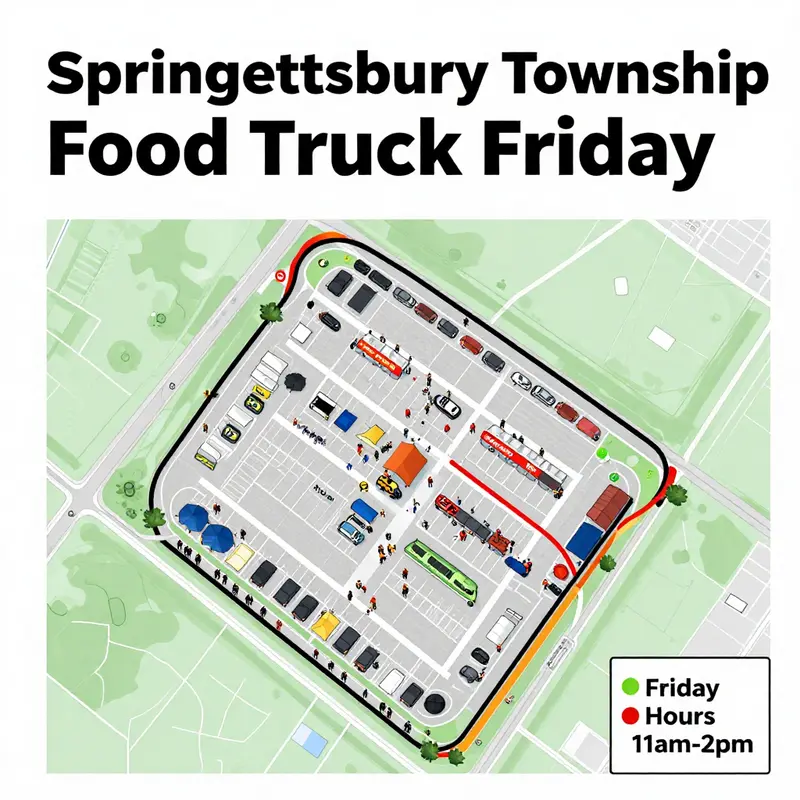
When a community gears up for a Friday ritual of sizzling aromas and the shared energy of neighbors gathering to savor street fare, the real question often isn’t just what will be on the menu. It’s who will show up, where precisely the action will unfold, and how best to move through the scene with ease. In Springettsbury Township, Food Truck Friday has established itself as a seasonal rhythm—an open-air kitchen that moves with the calendar, drawing locals and visitors to a central greenspace each week. Yet the lineup, the exact lot layout, and the day’s access details are not static. They ride the same tide of updates that shape any outdoor food event, where last week’s roaster or taco stand might take a night off while a new dessert cart rolls in. The reliable thread, however, is that the organizing page remains the compass. It is the primary source for scheduling, venue specifics, and the logistics that empower attendees to plan their visit with confidence.
In practical terms, the question of who will attend is answered not by anticipation alone but by checking the event’s official updates. The township’s Food Truck Friday page intentionally functions as a living document, reflecting the rotating nature of mobile vendors and their itineraries. As of late January 2026, the official update highlighted a rotating mix of vendors that cover a spectrum of tastes—Mexican-inspired offerings, artisan grilled cheese, slow-smoked barbecue, and dessert creations. This is not a fixed lineup, but a preview of the kinds of experiences you can expect to encounter on any given Friday. The emphasis is on variety and quality, with each participating stall bringing its own twist to a familiar street-food format. For readers who crave specificity, the official page is the place to monitor when the next wave of rosters becomes public. The fact that the list is updated periodically is not a drawback; it is a reflection of how the event supports dynamic, small-business participation while maintaining a steady schedule for the township’s residents.
Time also plays a crucial role in how attendees experience Food Truck Friday. The event has historically run during the late spring to late summer window, typically on Fridays from 11:00 a.m. to 2:00 p.m. The objective is compact, intense enjoyment rather than a long, sprawling food crawl. With this three-hour window, guests can sample a few different stalls, share a seating space, and stroll through the park’s pathways without missing the core momentum of the day. The precise dates and any seasonal shifts in timing are clearly posted on the official events calendar, ensuring that families planning a weekend outing or a workday lunch break can align their schedules. It is worth noting that the 2026 season was being prepared with the expectation of a stable Friday rhythm, but the exact roster would still be subject to final confirmations closer to the kickoff. In other words, the most reliable way to know who will be present on any given Friday is to revisit the official event page as the date approaches, especially in the weeks leading up to the May start.
Beyond the obvious question of who will be there, the venue itself shapes the experience. The event unfolds at a park setting that offers an open-air stage for culinary showcases and ample room for lines to form without crowding any single point. The layout typically positions participating trucks along accessible edges of the park, with a cluster of picnic tables and shaded spaces nearby. This arrangement encourages a casual, family-friendly atmosphere where conversations can unfold as people sample a bite from one stall and discuss toppings, spice levels, or spice-free alternatives with the folks in line behind them. Because the lineup rotates, the day’s flavor profile may pivot week to week—from bold spice blends to comfort-food favorites—allowing regular attendees to discover new favorites while preserving the sense of discovery that keeps the event lively.
Access logistics are the practical backbone of this experience. Parking is usually arranged in proximity to the park, with clear signage to guide visitors from major surrounding roads into the park grounds. For those who rely on transit or prefer not to drive, sidewalks and crosswalks provide safe routes from nearby neighborhoods, and the park’s pedestrian entrances are kept well lit during operating hours. For families with small children, the accessibility of restrooms and a straightforward path between the parking area and the dining clusters is a meaningful factor in planning. The event’s staff and volunteers often emphasize a patient, friendly atmosphere, which matters when the day’s energy rises—there are lines to navigate, curious little ones to entertain, and a shared sense of savoring a community moment together.
In terms of preparation, a balanced approach helps maximize enjoyment without overplanning. A practical mindset is to check the official page early in the week for any vendor announcements and again on Thursday or Friday morning for last-minute changes. Arriving a little before the official start time makes it easier to secure a good seating area and to observe the setup before the crowd peaks. If you intend to sample multiple stalls, consider a route that starts with lighter bites—perhaps a small sampler from the taco-focused or sandwich-style stalls—and then proceeds to heartier choices from the grill or barbecue offerings, finishing with a dessert cart to round out the palate. These micro-plans do not just improve throughput; they also help preserve the joy of the experience, turning a bustling event into a series of small, satisfying moments rather than a rushing, frenetic dash.
A note on storytelling and the evolving nature of the event: because the vendor roster changes, each Friday carries a thread of exploration. Regulars might discover a new take on a familiar format, such as a twist on a classic meat and cheese pairing or a reinvented sauce that adds brightness to a familiar dish. The rotating lineup invites conversation—about spice, texture, and balance—and invites attendees to compare experiences from week to week. For operators and organizers, this cadence serves the broader purpose of sustaining interest, encouraging repeat visits, and supporting a diverse micro-economy tied to local food culture. The result is a communal tableau that celebrates variety while anchoring participants in a shared routine. For readers who want deeper context on how mobile food ventures craft their identities on the road, the broader storytelling around branding can be as instructive as the menus themselves. A useful resource on branding in the food-truck space is available at branding on wheels: the ultimate guide to food truck graphics and identity, which offers practical insight into how mobile vendors present themselves to diverse audiences. You can explore that perspective here: branding on wheels: the ultimate guide to food truck graphics and identity.
As the season progresses, another layer of the experience reveals itself: the way attendees use the information ecosystem around the event. The official page is the authoritative source for the current and upcoming rosters, the hours, and the venue specifics. Social media channels linked to the township’s government accounts often carry timely reminders, weather-related notices, and last-minute changes that can affect a Friday plan. Those planning attendance should become familiar with both the core official page and the township’s broader social channels, recognizing that a small weather shift or a spontaneous vendor shift can alter the day’s flow. This dynamic is not a sign of instability but a reflection of a vibrant, responsive local gathering where the small business owners adapt to the conditions and the community responds with flexibility and good humor.
For travelers seeking a broader context or researchers tracing community-led culinary events, the official township site remains the most reliable anchor. It provides the current list of participating vendors, the schedule, and the venue layout—information that is essential for planning a successful visit. In the spirit of accessibility and informed decision-making, it is wise to treat the event as a living organism: expect changes, cherish the rotation, and approach each Friday with curiosity about what the park will offer that day. The broader ecosystem—local parks, community groups, and small-business operators—benefits from transparent communication, and the Food Truck Friday page embodies that ethos by aligning updates, logistics, and storytelling into a cohesive, user-friendly interface.
External resource: https://www.springettsburytownship.org
Who’s Coming to Springettsbury Township Food Truck Friday—and Why It Matters for Local Vendors and the Community
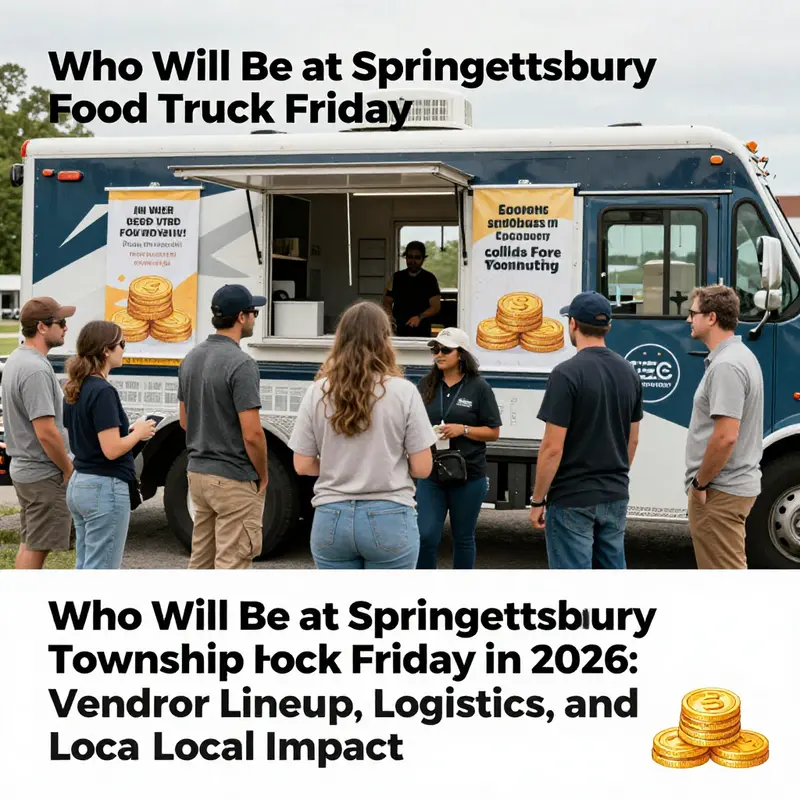
As spring settles over Springettsbury Township, neighbors ask a simple, almost ceremonial question: who will be at Food Truck Friday this year? The excitement around such a weekly gathering comes not from a single identity but from a shifting, evolving roster that mirrors the season, the weather, and the energy of the town. What makes the question compelling is not merely curiosity about the menu, but the larger idea of a shared space where food, foot traffic, and neighborhood life intersect. In this setting, the official word from local government and the event organizers remains the most reliable compass. At the moment, the latest public updates point to a summer-long rhythm but stop short of pinning down a definitive list of participants. For anyone who wants to plan a Friday outing—or a family evening that includes a stroll through the park and a bite to eat—the path to clarity runs through the official event page and the township’s communications channels. The official page is the best single source for the most current lineup and any schedule changes, and it should be the first stop for prospective attendees. food-truck-friday official page.
The event’s history adds depth to the current moment. Food Truck Friday has become a recurring late-spring and summer ritual, rooted in a pattern that extends from the first mention of a 2018 rollout through subsequent seasons. The format places vendors in Springettsbury Park on Fridays from late morning into the early afternoon, a window that invites both casual walkers and more determined food explorers. The routine establishes a predictable cadence that helps families, workers, and visitors plan their visits. Yet predictability here does not mean stasis. Vendors arrive and depart, tastes shift with seasons, and new faces join familiar favorites. The public narrative around the lineup is therefore a blend of continuity and change, a reflection of how small, local businesses adapt to seasonal demand and how the community responds to fresh offerings.
What, exactly, might show up on a given Friday is best described in terms of categories rather than as a fixed cast of names. A typical assortment at similar gatherings tends to feature a lean, complementary mix: a stall or two offering Mexican-inspired items such as tacos or tortas with house-made salsas; a vendor serving grilled cheese sandwiches and artisan sides; a barbecue-focused booth with slow-smoked meats and signature sauces; and a dessert-and-sweets station featuring handmade ice creams or shakes. The emphasis is not on lineup perfection but on balance—an inviting spread that draws a diverse crowd while maintaining a clear sense of place. The absence of a published, final list at this moment does not diminish the event’s potential. Instead, it highlights the collaborative, participatory nature of such community initiatives. Vendors come forward, organizers review applications, and the roster tightens as the season approaches. The result is a living, responsive lineup that reflects both local appetite and the practical realities of food-truck operations.
From an economic perspective, the event operates as more than a weekend pleasure. It acts as a catalyst for local spending—a small but meaningful infusion into nearby businesses and the township’s broader commercial ecosystem. Even without a single sponsor or brand in the spotlight, the presence of food trucks can extend the reach of surrounding establishments. A family might arrive in the park with plans to dine nearby after checking the trucks, turning a Friday into a mini local tourism moment. For workers who park and then walk to a cluster of nearby services, the Friday ritual can become a predictable anchor that supports casual, repeat footfall. In the broader pattern of small-to-mid-sized towns, such events are often cited for their ability to extend customer dwell time, encourage impulse purchases, and foster a sense of place that makes residents feel more connected to their town. The economic ripple is not quantified in the available sources, but the qualitative impact is widely acknowledged: more visitors, longer visits, and stronger ties between vendors and the people they serve.
The potential economic benefits radiate beyond the food itself. Local lodging, hospitality, and retail can experience increased activity when a steady stream of visitors filters into the area on Friday afternoons. A nearby hotel, for instance, can see guests extending their stay by combining a park visit with a meal from a truck and a stroll through surrounding shops or parks. The synergy among the park, the event, and the broader commercial landscape illustrates why communities invest in these weekly gatherings. They are not isolated entertainment but a platform for small businesses to showcase resilience, story, and craft. The vendors, in turn, gain valuable exposure to a broad cross-section of the town—families, workers, and visitors from nearby areas—creating networking opportunities that may lead to repeat business and even future collaborations. While the precise returns in monetary terms remain to be quantified in official reports, the qualitative benefits—community engagement, business visibility, and a strengthened sense of shared space—are readily observable.
Given the timing, the most reliable path to certainty for would-be attendees and potential vendors alike is to monitor official announcements as the season nears. The township’s event calendar typically releases updated information in late spring, with April and May often setting the stage for the summer run. Until then, the best approach is to stay connected through the township’s official channels and to prepare for a lineup that is dynamic rather than fixed. The process by which vendors are selected and confirmed often involves a combination of application cycles, board approvals, and sometimes public input. This approach underscores the event’s community-driven character: while organizers implement a structured process, the ultimate flavor of Food Truck Friday emerges from the contributions of many voices in the town—from volunteers who help set up and coordinate operations to residents who participate in the weekly ritual.
For those who want to plan ahead, it is worth reflecting on what a Friday afternoon in Springettsbury Township can feel like even before the specific trucks arrive. The park becomes a meeting point for neighbors who care about food, conversation, and shared spaces. The smells of different cuisines mingle with the chatter of families and friends. Kids’ laughter competes with the hum of conversations about schedules and discoveries. The park, a natural stage, invites people to linger, to sample, to reconnect, and to discover new favorites in a setting that values accessibility and inclusivity. The sense of anticipation is part of the event’s magic: each Friday promises a fresh possibility, a chance to encounter a dish that becomes a new preference, and an opportunity to meet a neighbor who is part of the same weekly ritual.
As the weeks draw closer to the season, the exact lineup will begin to crystallize. Community members who follow the township’s official announcements will likely see a blend of familiar favorites and new entrants, a pattern that mimics the town itself: familiar roots with occasional, welcome surprises. In the meantime, those planning visits should bookmark the official event page and check back regularly for updates, especially as spring transitions into summer. The anticipation is not simply about what is on the grill or in the freezer; it is about the ongoing story of a town that, through a weekly, shared meal, reinforces its social fabric and economically sustains its local vendors.
External resource: for a broader understanding of how such community events support small businesses and local economies, see https://www.sba.gov.
In the end, the question of who will be at Springettsbury Township Food Truck Friday is less a matter of a fixed guest list and more a reflection of a collaborative civic project in which vendors, organizers, and residents co-create an occasion that extends beyond food. The season will arrive with its own surprises and familiar pleasures, and the town’s commitment to keeping the event open, inclusive, and responsive will shape the experience for years to come.
null
null
Who Will Be at Springettsbury Township Food Truck Friday: Health, Safety, and Compliance Amid a Seasonal Food Circuit
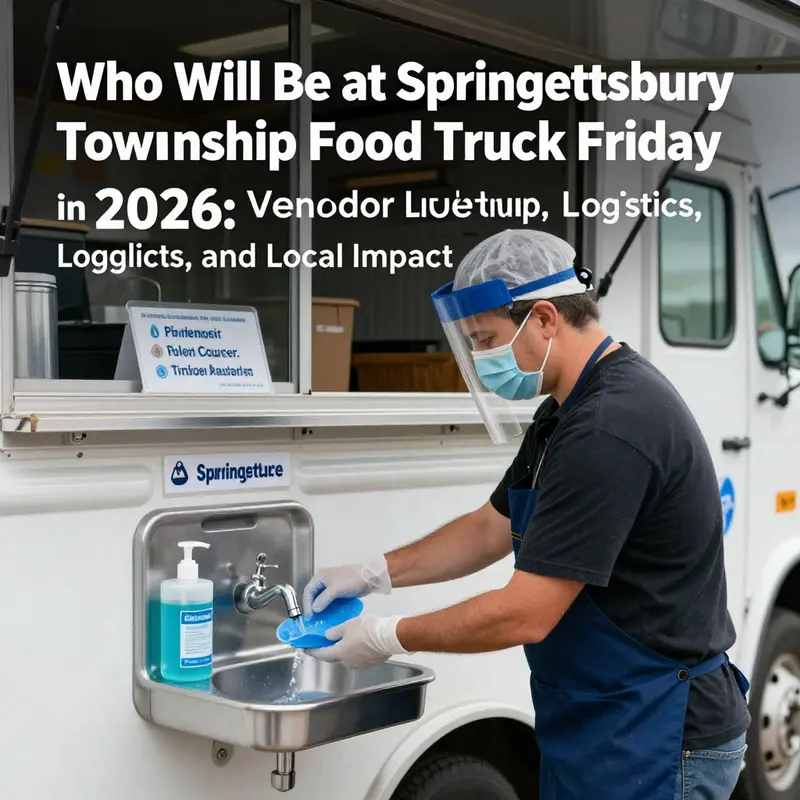
Springettsbury Township Food Truck Friday operates as a community ritual in which a rotating cast of mobile kitchens arrives at the park, bringing aromas, music, and a shared appetite for tasting adventures. Yet behind the welcoming façade of a bustling outdoor dining scene lies a meticulous framework designed to protect public health while sustaining the spontaneity that makes the event so appealing. The organizers, working with the municipal health department, require every participating operation to hold a valid temporary food service permit and to conform to routine sanitary inspections. These requirements are anchored in state health regulations administered by the Pennsylvania Department of Health and translated into on-site practices that govern time‑tested procedures for safe food handling, correct temperature control, and clean, orderly service. The overall aim is clear: allow residents and visitors to enjoy a diverse range of offerings without compromising safety or reliability. The on-site reality mirrors this aim in tangible ways. A dedicated food safety inspection station operates during event hours, staffed by professionals trained to perform random checks on carts, their logs, and their sanitary setup. The focus is practical: temperature logs are reviewed, handwashing facilities are verified for operability, utensils are checked for cross-contact risks, and the overall cleanliness of preparation and service areas is assessed. In practice, this translates into simple, repeatable routines that vendors execute with precision. Perishables are kept at safe temperatures from storage to service, ingredients are kept separate where necessary to prevent cross-contamination, and staff members adhere to established hygiene practices—from clean uniforms to proper hand hygiene and glove use when appropriate. The public health framework recognizes that the appeal of the event hinges on consistency as much as variety. A weekly cadence creates a predictable rhythm for inventory management, cooling equipment, and staff scheduling, while the outdoor setting demands vigilance about weather-related temperature changes and equipment readiness. Because the event is municipally sponsored, oversight extends beyond individual carts to site safety, traffic flow, and accessibility. Coordination with local services helps ensure that the park remains navigable for families with strollers, pedestrians, and people with disabilities, while still preserving the sense of openness that makes an outdoor market feel inviting rather than congested. For those curious about how compliance translates into everyday practice, there is a concise body of guidance that explains how the rules shape cooking, storage, and serving in mobile contexts. It covers the rationale for temperature controls, cross-contact prevention, and the etiquette of clean, responsible food service. For deeper insight on the regulatory dimension of food trucks, you can consult Navigating Food Truck Industry Regulations. This reference is not just a bureaucratic ledger; it helps illuminate the shared expectations that guide both vendors and organizers toward a safe and enjoyable dining experience, week after week. The 2026 spring season marks a moment when the lineup is still taking shape as the calendar turns toward the season. Official sources describe a mosaic of offerings that reflects the township’s culinary diversity, from compact handhelds to more substantial plates, all designed to fit the park’s open-air, family-friendly atmosphere. The emphasis remains on safety, quality, and reliability, and early pre-season assessments suggest that participating operators are meeting the required standards. It is important to note that while the roster can vary from week to week due to supply, weather, or operational considerations, the fundamental principle endures: every vendor must demonstrate their ability to maintain safe handling and rapid, orderly service within an outdoor environment frequented by the public. Attendees play a pivotal role in sustaining safety through everyday choices. Observing long queues can be an indicator that turnover is healthy and that the cooking equipment is functioning as intended. Watching how carts manage waste, how lines are organized, and how food is presented can convey much about a vendor’s commitment to safety. For individuals with allergies or dietary restrictions, proactive communication with staff is essential. Asking about ingredients, confirming cross-contact precautions, and requesting separate utensils or preparation surfaces when needed are prudent steps that reflect a cooperative, community-minded approach to safety. These micro-decisions accumulate over the season, contributing to a safer, more enjoyable experience for everyone who attends. The event’s success rests on a shared sense of responsibility across all participants. Vendors are tasked with maintaining hygienic facilities and compliant operations; organizers ensure that all permits are in place and that on-site checks occur in a timely fashion; attendees contribute by staying informed, following basic safety practices, and supporting operators who meet high standards of cleanliness and service. The dynamic nature of a weekly outdoor food circuit means some weeks will feature more experimental concepts, while others lean toward comforting classics. The balance between variety and safety is achieved not by constraining creativity but by pairing it with transparent safety protocols and clear, accessible communication about what to expect each Friday. The internal discussion about health and safety is more than a theoretical debate; it shapes what you taste, how long you wait, and whether you feel confident returning the following week. If you are curious about the broader regulatory logic that underpins these practices, the internal link above points toward a broader discussion about the regulatory landscape that mobile food operators must navigate. As spring gives way to summer and the season’s schedule stabilizes, the township’s event page remains the central hub for up-to-date vendor rosters, hours, and operational notes. By design, the page serves not only as a catalog of carts but also as a real‑time bulletin board for notices about weather-related changes, temporary closures, or other adjustments that affect strollable access and dining plans. For residents and visitors alike, staying connected to that official source—while embracing the everyday safety measures that keep the experience dependable—turns a casual Friday into a reliable routine. In other words, the safety framework is not a barrier but a foundation for trust. It enables people to sample a range of flavors, linger with friends, and walk away with the sense that a local government and its partners are stewarding a lively, inclusive, and health-conscious community gathering. The final word is one of balance: celebrate the diversity of outdoor food while recognizing the essential practices that ensure the event remains safe, accessible, and enjoyable for every neighbor who chooses to visit. With that balance in mind, keep an eye on the township’s official event page for the most current information about schedules and participating operators, and remember that the health and safety standards described here are designed to protect the public while supporting a vibrant, weekly cultural exchange. For the latest official details, including current rosters and seasonal notes, consult the township’s event page at the official site: https://www.springettsburytownship.org/food-truck-friday
Final thoughts
As Springettsbury Township plans for 2026, communities of planners, HR teams, and food lovers can anticipate a well-orchestrated blend of vendor variety, accessible scheduling, and strong safety standards. The four confirmed vendors—Bella’s Tacos, The Grilled Cheese Co., Sunny Side Up BBQ, and Sweet Treats by Mimi—offer a snapshot of the diverse experience to expect, with room for new partners as the season approaches. Stay engaged through official Springettsbury Township channels to catch the official vendor roster and any updates. With careful planning, Food Truck Friday can continue to boost local business, strengthen community ties, and deliver delicious, memorable moments for everyone involved.