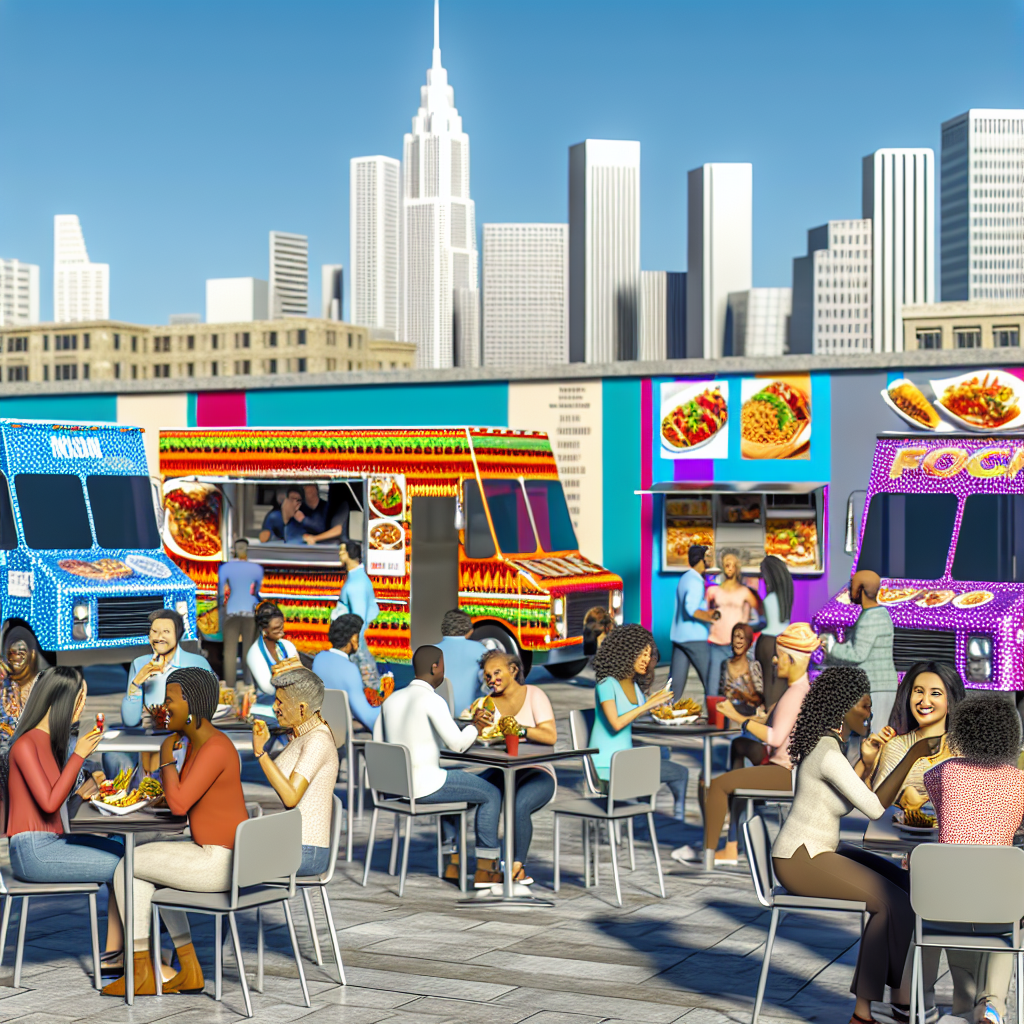
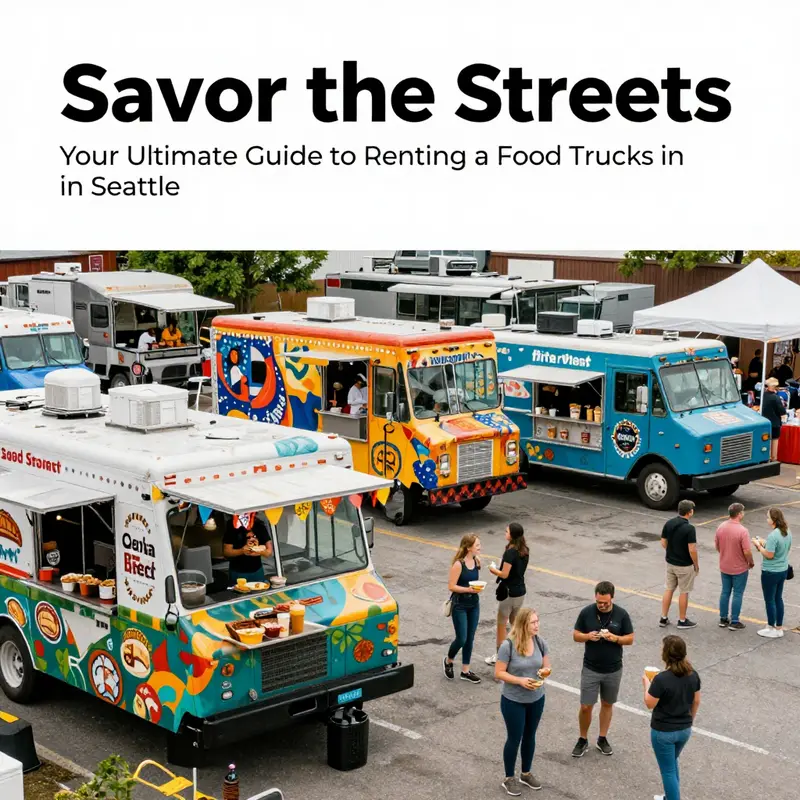
Seattle’s vibrant food truck scene is more than just a culinary trend; it’s an essential part of the cultural tapestry that adds flavor to events and gatherings. Whether you’re an event planner looking to tantalize guests with gourmet food, a corporate team aiming to provide the perfect catering solution, or simply a food enthusiast eager to explore new tastes, understanding how to rent a food truck in this bustling city is vital. This guide will take you through the essential chapters—from discerning your needs and exploring catering services to weighing leasing versus buying and navigating operational costs and permits. Dive in to unlock the delicious possibilities that await your next event!
Match Your Vision to the Vehicle: Defining What You Need When Renting a Food Truck in Seattle
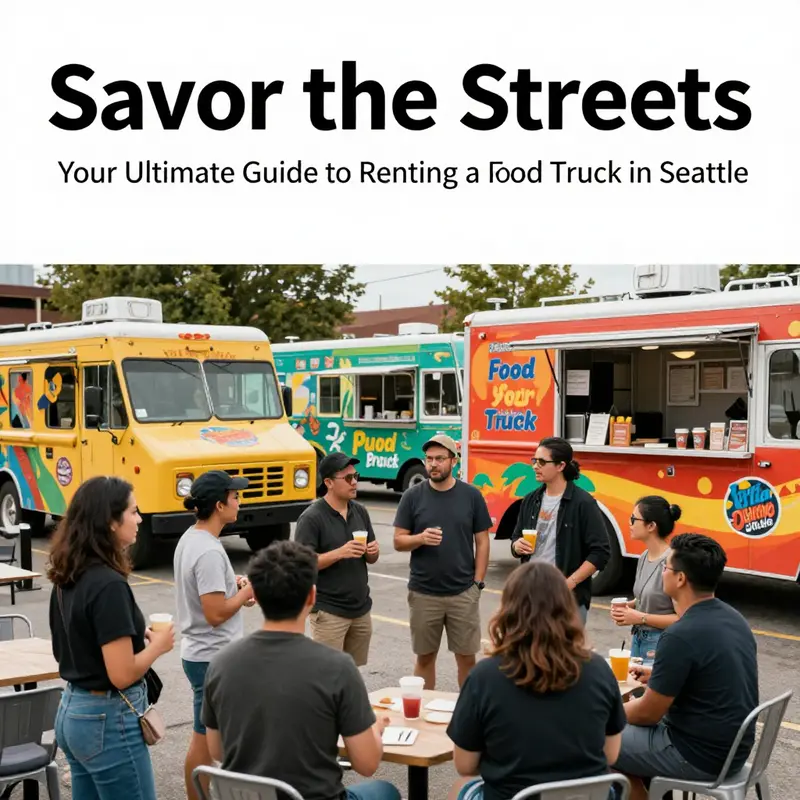
Aligning your culinary concept with a truck begins with clear goals. Decide first whether you need a truck for a single catered event, a series of pop-ups, or to launch a full-time mobile business. These choices shape everything that follows: the truck size, kitchen layout, insurance needs, permit types, and budget. A one-off catering gig calls for a different setup than a long-term lease meant for regular street service.
Think about your food and service style. Fast-serve taco setups need high-volume fryers, steam tables, and quick assembly lines. A pizza-focused menu requires a full-size oven, ventilation, and dough prep space. If you plan plated service with staff plating behind the counter, you need more prep room and storage. Match equipment to menu before you inspect trucks. That prevents costly modifications later.
Kitchen footprint matters. Measure realistic prep and storage needs against the truck layout. Many trucks are narrow and efficient. That works well for high-turnover, simplified menus. A wider kitchen is better for multi-step cooking and plating. Check refrigeration capacity. Small under-counter fridges are fine for short events. For multi-hour shifts or large crowds, you need full-size refrigeration and separate chilled storage for raw ingredients. Cold chain management affects food safety and service speed.
Service flow determines window placement and staffing. Side window trucks allow customer-facing service at the curb. Rear service windows can be useful at festival stalls or private venues. Notice where the order station, pickup window, and cashier position are relative to the cook line. A smooth flow reduces customer wait time. It also helps staff work safely in confined spaces.
Power, fuel, and ventilation are non-negotiable. Some trucks rely on shore power at events. Others use onboard generators or propane. Confirm generator capacity, fuel type, and maintenance history. The truck must have adequate ventilation and exhaust for your cooking equipment. Ask about grease trap systems and waste disposal. Events and health inspectors will ask for those details.
Seattle has distinct operational realities. Downtown neighborhoods see huge foot traffic during weekdays. Neighborhood parks and markets draw families on weekends. Seasonal weather affects sales patterns and service plans. Consider where you plan to park and operate. Some locations need event permits in addition to the mobile vendor permit. If you hope to attend festivals or neighborhood markets, find out whether the event organizer requires specific insurance levels or commissary use.
Permits and compliance shape the rental decision. Renting a truck and operating it yourself means you must obtain the city’s mobile food vendor permit and comply with local health rules. If you hire a truck that includes staffing and service, the rental company may handle permits. Clarify who holds responsibility for the permit, the vehicle registration, and health inspection compliance. Misunderstandings can halt service the day of an event.
Insurance protects you and your guests. Whether renting short-term or leasing long-term, you’ll need liability coverage. The city often specifies minimum limits for events. Ask whether the vehicle owner’s insurance covers hired operators or renters. If it doesn’t, plan to add a rider. Confirm whether insurance covers alcohol service, if you plan to serve drinks. Unexpected gaps in coverage create financial risk and may violate venue rules.
Inspect the truck carefully. Treat any potential rental like a short-term purchase. Check the engine, brakes, and vehicle inspection records. Look through the kitchen. Test burners, ovens, fryers, and refrigeration. Confirm the condition of hoods and fire suppression systems. Look for leaks, worn seals, or signs of poor maintenance. Ask for a test run. A trial shift will reveal service ergonomics and equipment quirks.
Negotiate lease terms with precision. If you’re leasing for a season or longer, define responsibilities in writing. Agree on maintenance schedules, who pays for repairs, and limits on mileage. Specify allowed modifications and the process for returning the truck. Include clear exit clauses and penalties for damage. If the owner provides staff, list duties, schedules, and payroll responsibilities. If you will staff the truck, confirm whether training is included.
Consider operational costs beyond rent. Fuel, propane, generator maintenance, commissary fees, permit renewals, and staffing add up. Budget for consumables, packaging, cleaning supplies, and waste hauling. Many urban operators use a commissary kitchen for prep and storage. Commissary fees can be monthly or per-use. Verify local rules about where trucks must store or clean equipment overnight. These rules affect daily routes and storage needs.
Find the right match through community networks. Local vendor groups, online forums, and regional associations connect prospective renters with truck owners. Owners who rent out their trucks often prefer fellow vendors with industry experience. Networking helps you find honest brokers and owner-operators. Look for peer recommendations and recent rental stories. Local groups also offer practical tips on event timing, high-traffic spots, and neighborhood preferences.
Vet the truck’s previous usage. A truck used for deep-frying every day will show different wear than one used mainly for cold sandwiches. Ask about menu history, event types it served most often, and any modifications made for past renters. These details indicate how well the truck might support your menu and service pace. They also hint at future maintenance needs.
Plan staffing and training around the truck layout. Space constraints make cross-training staff valuable. Map out roles for peak hours. Decide who handles orders, who cooks, and who manages cash and online orders. Practice with your crew in the truck environment before a paying event. Rehearse peak scenarios. A well-practiced team reduces service errors and improves throughput.
Prepare for city-specific restrictions. Parking rules, noise ordinances, and neighborhood agreements can limit where and when you operate. Some areas restrict serving near brick-and-mortar restaurants during certain hours. Others require coordination with local business improvement districts. Ask the truck owner about locations they frequent and any problems they faced. Their experience helps you navigate local sensitivities.
Align branding with practical limits. A rented truck may have existing wraps or paint. Decide whether you will cover or work with that branding. Temporary vinyl wraps or magnet panels can adapt a truck for a short campaign. For long-term leases, negotiate repainting or new graphics. Branding also includes menu signage, lighting, and music. Ensure any additions comply with city rules.
Think about contingency and continuity. Plan for equipment failure, staff illness, and bad weather. Arrange backup suppliers and temporary staffing options. Know where to get emergency parts or repair services in Seattle. Keep a spare set of critical tools and safety gear on board. A contingency plan keeps service reliable and protects your reputation.
Finally, build a realistic financial model. Project revenues for different locations and days. Factor in rent, fees, fuel, labor, insurance, and permit costs. Test multiple scenarios for busy festivals, slow weekdays, and special events. Use conservative estimates for initial months. Financial clarity guides how much lease you can afford and whether a catering-only approach makes better sense than leasing long-term.
If you want to deepen your understanding of how local rules apply, see the detailed guidance on navigating food truck industry regulations for practical compliance steps and checklists. For browsing available trucks and rentals in Seattle, explore recent listings and reviews at this external resource: https://www.yelp.com/search?cflt=foodtrucks&find_loc=Seattle%2C+WA
Catering on Wheels: How to Rent a Food Truck in Seattle for Events and Startups
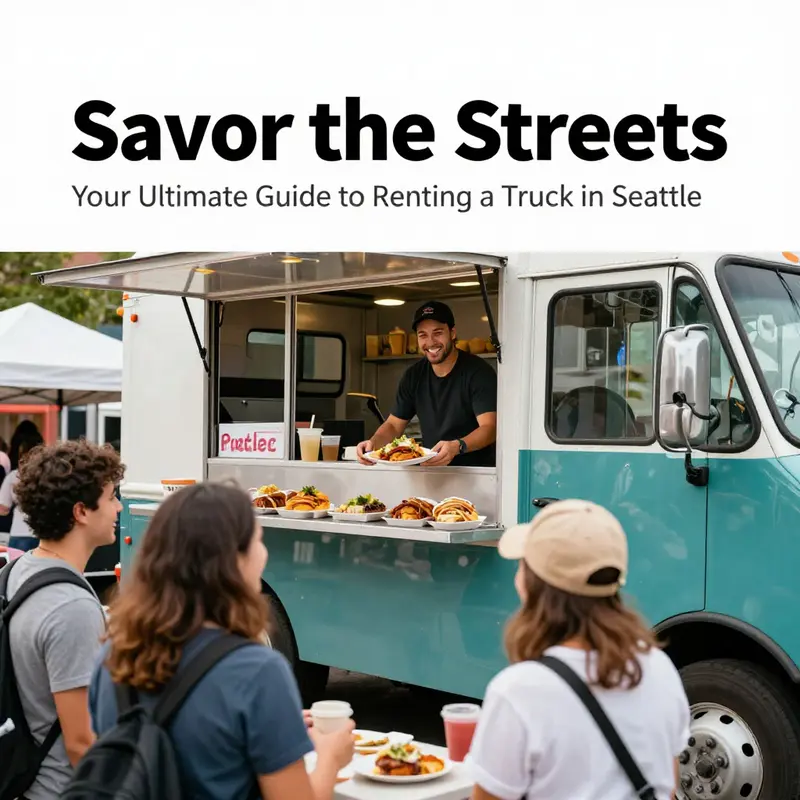
Renting a food truck in Seattle gives catering hosts and new vendors a nimble way to serve crowds without a permanent kitchen. Whether you want a truck for a single wedding or to test a menu before committing to ownership, understanding what rental packages include, how city rules shape operations, and how to manage logistics will determine success.
Start by clarifying the role the truck will play. A one-off catering booking needs a different approach than a leased vehicle for regular street service. For events, most rental providers supply a turnkey experience. They handle the vehicle, kitchen setup, and sometimes staff. For longer-term use, leasing a truck transfers more responsibility to you. That means arranging insurance, meeting inspection schedules, and ensuring continuous permit compliance.
Seattle’s permitting framework is central to any plan. The city requires a Mobile Food Vendor Permit and enforces health, sanitation, and location rules. Permits dictate where trucks can operate, what food safety measures must be used, and which inspections are required. These regulations are nonnegotiable and factor into costs and planning timelines. Allow time for applications, scheduled inspections, and potential adjustments to your equipment or layout to meet code.
When evaluating rental companies, look beyond the advertised photos. Request detailed inventories of kitchen equipment, refrigeration capacity, power sources, and any additional supplies you may need. Ask how the water and waste systems are handled. Confirm the availability of propane, generators, or shore power hookups, depending on your cooking needs. A truck that looks ideal may lack a critical piece of equipment for your menu.
Rental packages often vary by the level of service offered. At the basic level, you may rent the vehicle alone. Mid-tier packages typically include equipment, basic staffing, and liability coverage. Premium offerings can add fully trained kitchen staff, servers, menu customization support, and event logistics coordination. Decide which components you need and which you can supply. Staffing a truck yourself saves rental fees but introduces scheduling, payroll, and training obligations.
Menu development is another frequent rental service. For catering, simplicity matters. Rental providers understand the balance between variety and efficiency. They can recommend dishes that travel well, use shared ingredients, and maintain quality over service periods. When designing a menu, prioritize items that can be prepared quickly and plated consistently. That reduces service time and waste during high-volume events.
Contracts and payment terms deserve careful review. Typical rental agreements cover rental duration, mileage, cleaning responsibilities, damage provisions, and cancellation policies. Ask about overtime rates and what constitutes damage versus normal wear. Clarify who is responsible for fuel, parking fees, and fines. Many providers require deposits and carry strict cancellation windows; negotiate these where possible. If a provider offers event coordination, confirm what parts of the event they actually manage.
Insurance and liability protections protect both the renter and the owner. Most owners require commercial general liability coverage, and often an auto physical damage policy. If you hire staff through the rental company, confirm employer liability coverage. For leased trucks, you will likely need to add the vehicle to your commercial policy and meet minimum limits. Keep proof of insurance accessible during events; many venues will ask for it before allowing service.
Operational logistics span everything from staffing patterns to waste management. For catering events, rental firms typically provide servers and a point person to liaise with event coordinators. If you are staffing the truck, plan for at least two trained people per service hour: one to cook and one to handle orders and payments. High-volume events may require extra hands for plating and crowd control.
Parking and site layout are crucial. Work out arrival and setup times well before the event. Confirm load-in routes, electric access, and proximity to service entrances. A good layout includes clear lines for order queues, a shaded waiting area if possible, and efficient flow from cooking to pickup. Ask the event organizer about peak times, VIP schedules, and any restrictions on signage or music.
Food safety and waste disposal cannot be overstated. Rental trucks should have hot-holding equipment, refrigeration that meets temperature standards, and approved handwashing stations. Plan for trash and grease disposal; many events or venues require you to remove all waste. Discuss waste handling with the rental company. Some include post-event cleaning and waste removal; others do not.
Costs vary widely by package, truck size, and service level. Expect rental fees to reflect equipment quality, staffing, and the local market. Factor in fuel, permit fees, insurance, staffing wages, and any event fees charged by venue organizers. For recurring operations, calculate a per-service break-even to understand pricing needs. Budget for unexpected costs like repairs or extended service times.
Networking and local partnerships accelerate bookings. Partnering with event planners, corporate caterers, and festival organizers can create recurring work. Rental companies often have established relationships and can place your concept at the right events. If you plan to transition from renting to owning, these connections also help build a customer base.
Negotiation is possible. Owners prefer reliable, well-prepared renters. Show professionalism with timely paperwork, clear staffing plans, and proof of insurance. That can result in better rates, flexible cancellation windows, or included services. Be upfront about your needs and limitations; a transparent agreement prevents surprises on event day.
For those launching a catering-focused truck, scale carefully. Start with a manageable menu and a regular cadence of events. Use rentals to test menu items and service flow before investing in a custom truck. Track sales by event type, time of day, and menu item. Use those insights to refine offerings and improve margins.
Marketing remains important. Even when renting, treat each event as a chance to build your brand. Use consistent branding on menus and staff attire. Collect customer contact information where possible. Encourage reviews and social shares. If your rental package includes branding support, evaluate what will remain during a transition to ownership.
Finally, learn from resources and regulations. Seattle’s health department outlines permit requirements and inspection criteria essential for mobile vendors. Local guides explain how to manage zoning and event permissions. For deeper regulatory guidance, consider reading about navigating food truck industry rules and compliance in the linked resource below. That material helps you understand what inspections involve and how to keep operations compliant.
By combining clear contracts, diligent permitting, thoughtful menu design, and practical logistics, renting a food truck in Seattle becomes a reliable path to catering success. Use rentals to minimize upfront risk, develop processes, and build relationships. Over time, informed choices about leasing, staffing, and equipment will let you scale from occasional events to a thriving mobile catering operation.
For practical details on local permit requirements, see Seattle Public Health’s mobile food vendor information: https://www.seattle.gov/health/permits-and-licenses/mobile-food-vendor-permit
Internal reference: For guidance on rules and compliance across operations, explore this resource on navigating food truck industry regulations.
Lease or Buy: Choosing the Right Path to Rent and Run a Food Truck in Seattle
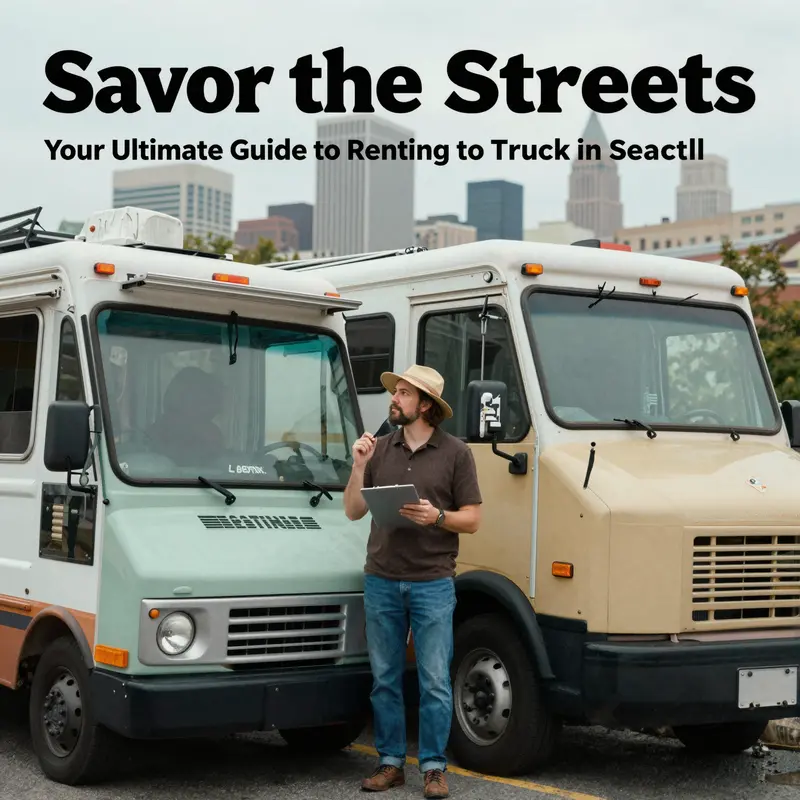
When you decide to enter Seattle’s mobile food scene, the choice between leasing and buying a truck shapes nearly everything. Your decision affects cash flow, scheduling freedom, brand identity, and how quickly you can respond to neighborhood trends. This chapter walks through the practical trade-offs you’ll face. It focuses on cash needs, operational control, maintenance responsibilities, regulatory compliance, and long-term strategy. Read it as a single, connected guide to help you choose the path that fits your goals and the realities of operating in Seattle.
Leasing a truck often appeals to operators who want agility. Monthly payments are usually lower than loan payments. That means you can preserve working capital for food supplies, marketing, staff, and events. Many leasing arrangements include scheduled maintenance. That reduces surprise repair bills and helps keep a truck on the road. In Seattle, where weather and heavy use can accelerate wear, predictable maintenance can be a huge advantage. Leasing also makes it easier to swap models when your menu or service style changes. If wood-fired ovens, espresso machines, or more refrigeration are needed later, a leased truck can sometimes be replaced with one better suited to your evolving concept.
But leasing has limits you must accept. Lease terms can restrict modifications and branding. If you want custom graphics, a unique service window, or a specific kitchen layout, leases may require returns in near-stock condition or charge penalties for permanent changes. You also face ongoing lease payments. Over time, those fees add up and can exceed the cost of ownership for steady, long-term operators. Leasing contracts may carry mileage caps or usage limits. If you expect heavy festival schedules or long-distance catering, verify those clauses. Finally, leased trucks rarely build equity. You pay for use rather than ownership, which matters if you plan to keep your truck long term.
Buying a truck gives you control and flexibility. Ownership lets you customize the vehicle freely. You can brand every visible inch, alter the kitchen to match your workflow, and install equipment that defines your menu. For a business aiming to build a local reputation, ownership simplifies consistent branding and scheduling. Ownership also removes lease fees, which may lower costs after the loan is paid off. If you plan to operate for several years, owning often becomes cheaper than leasing.
However, buying carries a higher upfront cost. A well-equipped truck often costs tens of thousands to well over one hundred thousand dollars. That includes the truck, kitchen build-out, and safety or health upgrades. Loans spread that expense over time, but monthly loan payments tend to be higher than lease payments. Ownership places maintenance responsibilities squarely on you. That means you must budget for unexpected engine repairs, equipment replacement, and regular inspections. In Seattle, those expenses can be significant because of salt air corrosion near the water and the high mileage many popular routes demand.
There are financial considerations beyond basic payments. Leasing can free up capital for marketing, inventory, and staff training. It can also make you more attractive to investors who prefer a lower capital commitment. Ownership may improve your balance sheet in the long term. You can take depreciation and other tax deductions, and you may be able to sell the truck later. A well-maintained vehicle retains resale value, which can offset part of the initial investment. Explore tax and depreciation rules with an accountant, and use them to forecast two- to five-year scenarios.
Operational logistics also differ. Leased trucks sometimes come with service agreements that cover roadside assistance or scheduled tune-ups. That reduces downtime during busy weekends and festivals. If a leased truck breaks down during a multi-day event, some contracts supply a temporary replacement. When you own a truck, you must build your own contingency plan. That could mean a mechanic on call, a secondary vendor relationship, or insurance that includes downtime compensation. Think about how permit renewals align with your chosen path. Both leasing and ownership still require you to meet Seattle’s permit rules. The city enforces health codes, vehicle inspections, and liability insurance standards regardless of whether you lease or own.
Branding and customer experience deserve careful thought. A leased truck with a neutral exterior can work well for pop-up concepts that rotate themes. But if you want a permanent presence at farmers markets or neighborhood hubs, a custom wrap and tailored service setup help your brand stand out. Owning your truck makes it easier to create a recognizable presence. If brand recognition and a signature customer experience are central to your plan, ownership often makes sense.
Risk tolerance and growth plans matter too. If you prefer to test a menu, target different neighborhoods, or spend months building demand before committing, leasing reduces risk. If your strategy is to scale quickly with predictable routes and consistent equipment, ownership becomes more attractive. Consider hybrid approaches. Some operators lease a truck for the first season, refine their concept, then buy or custom-build a truck that reflects proven demand. This staged approach balances market testing with eventual investment in a tailored vehicle.
Insurance and liability are non-negotiable. Whether leased or owned, your policy must meet Seattle’s minimum requirements for mobile food vendors. Ownership usually requires commercial auto insurance and broader coverages such as general liability and product liability. Leasing contracts may mandate specific insurance limits and can limit who can be listed on the policy. Confirm these details before signing. Insurance costs vary with vehicle value, driver history, and coverage limits. Factor them into monthly budgets and project profitability conservatively.
Maintenance planning changes depending on the path you choose. Leased trucks often come with maintenance schedules included in the contract. That can simplify operations and give predictable costs. Ownership requires a proactive maintenance fund and trusted service providers. Build relationships with local mechanics who understand mobile kitchens and with electricians familiar with onboard systems. In Seattle, work with vendors who know local inspection standards. Proactive maintenance prevents service interruptions and preserves resale value.
Regulatory compliance interacts with leasing versus buying. Permits generally follow the operator and the vehicle. If you lease, ensure the vehicle’s history meets Seattle’s mobile vendor requirements. Inspections may be required before the truck can be permitted. If the truck has a permit in the owner’s name, transferring or gaining a new permit may require additional steps. When you buy, you inherit the vehicle and its compliance history, but you must update registrations and permits. Plan permit timing around your event bookings and seasonal peaks to avoid losing revenue to bureaucratic delays.
Finally, think beyond the truck itself. Staffing, inventory management, and route optimization influence whether leasing or buying suits you. Lower upfront payments from leasing can let you hire a trained cook or a dedicated shift manager sooner. Ownership may require waiting to build a full team while you service a loan. Consider your staffing model and how it aligns with your founding capital. Also, look at resale strategies. If you plan to upgrade after a few years, maintain records of repairs and upgrades. Good documentation supports resale value and helps future buyers trust the vehicle’s condition.
If you want practical next steps, start with a realistic financial model. Project revenue for the first 12 to 36 months. Include lease or loan payments, insurance, permits, maintenance, staffing, and fuel. Stress-test the model with low and high revenue scenarios. Talk to vendors and other operators. Join local forums, attend market days, and ask about unseen costs like generator replacements or refrigeration breakdowns. Read focused guides on financial planning for new operators, such as the available guidance on financial tips for first-time food truck owners. That resource can help refine your budgeting and long-term planning.
Choosing whether to lease or buy is not strictly binary. It is a strategic choice that reflects your appetite for risk, desire for control, and long-term vision. Leasing accelerates market entry and preserves capital. Buying rewards long-term commitment and brand permanence. Whichever path you select, align it to a clear business plan, secure the required local permits, and build relationships with trusted service providers. Those steps ensure that the truck you rent or own becomes a reliable, profitable asset in Seattle’s competitive food landscape.
For official information about municipal financial regulations and related city services relevant to mobile vendors, consult the City of Seattle Department of Finance: https://www.seattle.gov/finance
Renting on the Seattle Road: Balancing Costs, Permits, and a Practical Path to a Mobile Kitchen
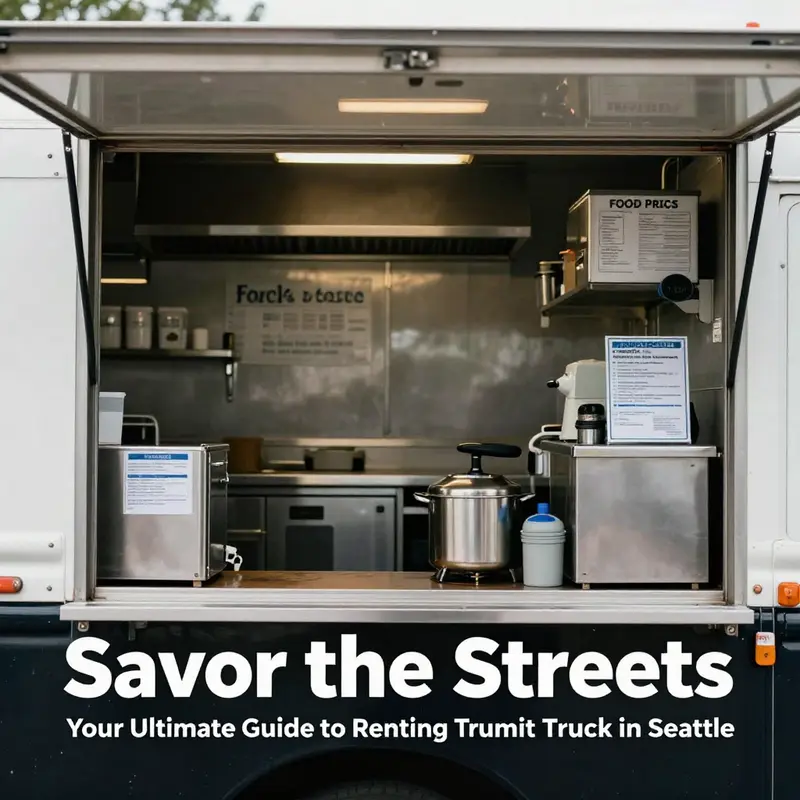
When you set out to rent a food truck in Seattle, you’re stepping into a city that embraces street food as part of its culinary fabric yet treats it with careful guardrails. The goal isn’t just to find a vehicle you like; it’s to align a rolling kitchen with a robust plan for costs, compliance, and day-to-day operations. In Seattle, there isn’t a single, universal car-rental style option for food trucks. Instead, most operators either lease a truck from an owner or hire a mobile kitchen for events. The decision hinges on your immediate needs—whether you’re catering one-off gatherings or launching a mobile food business intended to move through the city’s neighborhoods and venues over weeks and seasons. This chapter threads through the practical realities you’ll face, from the steady drumbeat of operating expenses to the layered permit ecosystem that protects public health and orderly competition. It’s a narrative about budgeting with honesty, then building a pathway that keeps you compliant without smothering your entrepreneurial spark.
Operational costs form the backbone of a renting strategy in Seattle and they don’t end with the monthly rental. The base rental price you’ll see can swing widely—from roughly two thousand five hundred dollars to six thousand dollars per month—depending on the truck’s size, age, equipment, and the reputation of the seller or the broker. These numbers aren’t just fees; they map onto the daily reality of a mobile kitchen that must travel, park, and serve. Yet the sticker price is only part of the picture. A well-run operation layers in fuel, insurance, maintenance, staffing, ingredients, and marketing. For many operators, the total monthly operating budget sits in a broad band, often eight thousand to fifteen thousand dollars or more. The exact figure hinges on scale and ambition: a truck that aims to serve gourmet fare with artisan prep will incur higher ingredient costs and more specialized equipment than a lean street-food concept focused on quick, crowd-pleasing bites.
To translate those numbers into a practical frame, imagine two contrasting paths. One truck, compact and efficient, focuses on a limited menu of approachable staples. It travels to a handful of events each month and parks in designated zones with minimal signage and modest staffing. Its fuel consumption stays reasonable, its equipment is dependable but not excessive, and its marketing leans on repeat business from event organizers who value reliability. The other path pursues a more complex, higher-end menu that rotates with seasonality, features premium appliances, and ramps up staffing to maintain service speed during peak windows. The budget in this scenario swells with premium ingredients and the cost of qualified staff who can run a high-volume service under pressure. The reality is that most successful operators find a middle ground, but they only reach it after fully accounting for the variable costs woven into the rental agreement and the city’s operating environment.
Beyond the rent line, operational discipline matters as much as appetite. In Seattle, a well-run mobile kitchen isn’t just about cooking; it’s about logistics and governance. The truck must travel to events, park legally, and then deliver a consistent product across multiple shifts. That requires a clear plan for fuel management, downtime for vehicle maintenance, and a process for sourcing ingredients in a way that minimizes waste. Insurance is not optional. Commercial auto liability protects you against the risks that come with moving a kitchen that travels through busy streets and crowded venues. You’ll need coverage that understands the unique hazards of a food operation on wheels, including equipment breakdown, slip-and-fall scenarios, and product contamination risks. Maintenance isn’t merely keeping the engine running; it’s safeguarding the quality and safety of what you serve, from refrigeration uptime to the reliability of your generators, if you rely on them for power.
Pricing, though, remains a negotiation with the realities of the market. When you’re renting, you’re not just buying equipment; you’re buying uptime—the ability to deploy quickly at a moment’s notice for a birthday party, a corporate luncheon, or a festival. The economics of this choice touch your calendar and your cash flow. If you’re booking a one-off event, the rental arrangement may include a period of setup, service, and breakdown with a predictable price, plus possible add-ons like staffing, power supply, and waste disposal. If you’re leasing to build a business, the terms will often hinge on a longer commitment, maintenance responsibilities, and the possibility of upgrade options as you scale. In either case, you’ll want a clear understanding of what the monthly fee covers and what falls outside it—such as fuel, insurance, and routine maintenance that can drift with usage.
A steady understanding of permits helps connect the math with compliance. Renting a truck in Seattle comes with more than a bill; it requires navigating a constellation of permits and licenses designed to safeguard health, safety, and fair competition. The centerpiece is the Food Service Establishment Permit, issued by the Seattle Department of Health. This permit is not just a stamp of approval; it’s a signal that your operation has passed a health inspection and that your truck meets sanitation standards crucial for protecting the public. It’s common to pair this with a City of Seattle Business License, typically a separate annual step with its own modest cost, and you’ll want to budget for this renewal even as you plan month-to-month operations. If your concept involves selling alcohol, a Liquor Control Board permit adds another layer of compliance and complexity, which in turn influences your staffing, training, and point-of-sale processes.
But the permit landscape doesn’t stop at licensing. Seattle’s Mobile Food Vendor Program governs parking, location options, and event access. Depending on where you want to operate—whether at farmers’ markets, festivals, or scheduled food truck zones—you’ll encounter additional permits or location-specific fees. Those location and event permits can range from a modest sum to a few hundred dollars per site or event, and they are often time-bound, requiring renewal or periodic reapplication. One practical constraint to keep in mind is Seattle’s zoning rule that prohibits trucks from operating within 300 feet of another licensed food service establishment unless you’re in a designated zone. This rule isn’t just red tape; it influences where you can realistically locate your truck and the cadence of your events. It also means careful site planning, including proximity to potential customers and alternative venues on slower days.
If you’re new to this regulatory maze, the way forward is strategic planning rather than waiting for a perfect opportunity to fall into your lap. Start by clarifying your needs. Do you want a one-time catering solution, or are you building a business that will leverage multiple permits and a consistent schedule? For event-based work, you’ll focus on permits and the ability to respond quickly to bookings. For a business, you’ll map a longer runway: securing a truck, aligning with a health inspector during inspections, and setting up a system to maintain compliance across daily operations. In either scenario, you’ll want to build a culture of ongoing compliance, where licenses, insurance, and inspections are treated as core operating costs rather than afterthought obligations. The process often unfolds in stages: plan, apply, inspect, and renew. Each stage has its own timelines and checks, and having a reliable administrative partner—whether a consultant or a clear internal process—can save you time and stress.
To connect these ideas to concrete actions, consider the path a new operator follows when seeking to rent a truck and operate legally in Seattle. First, you determine whether your objective is a one-off event or a longer-term business venture. This decision guides how you approach the vendor who owns or manages the truck and the kind of lease or rental agreement you pursue. Second, you prepare the essential documentation and insurance coverage that lenders and regulators typically require. You’ll want to anticipate the health inspection process by ensuring your truck’s kitchen meets equipment standards, cold-holding capabilities, and sanitation practices consistent with SDH expectations. Third, you engage with the authorities and the permit processes early, recognizing that timelines matter. Permits and licenses often have annual or seasonal renewal cycles, which means budgeting not only for the initial application fees but also for ongoing compliance costs throughout the year.
As you navigate this journey, a practical approach is to build a network that can guide you through both the transport and regulatory sides of the business. You can connect with veteran operators who have already traversed Seattle’s permit terrain and who understand how to negotiate terms with truck owners or brokers. While the market for truck ownership and leasing is not universally advertised, relationships and informal networks can reveal opportunities that aren’t visible in broad searches. These connections may also point you toward trusted professionals who can help you interpret the specific terms of a lease, including maintenance responsibilities, insurance thresholds, and what happens if a vehicle needs repair during a busy weekend. When you’re ready to explore more about the regulatory environment and how it shapes the market, a detailed overview of navigating food-truck industry regulations provides a broader context for the rules you’ll encounter and the best practices for staying compliant over time.
From a practical standpoint, it’s wise to keep a running checklist that aligns your budget with the permit calendar, vehicle upkeep, and staffing needs. The cost of a Business License, typically around a modest annual figure, sits alongside renewal fees for the Health Permit, which may require periodic updates or inspections. Event-specific fees require foresight if you plan to participate in multiple markets or festivals. A responsible operator maintains a balance: they safeguard guests by ensuring health standards are met, and they protect their own investment by budgeting for inspections, insurance, and preventive maintenance. This balance is what turns a rented kitchen on wheels into a sustainable enterprise rather than a short-lived venture.
In the end, Seattle rewards operators who come prepared with realistic expectations about both the cash flow and the regulatory rhythm. The city’s rules can feel exacting, but they are also designed to support a healthy, vibrant, and fair marketplace for mobile food businesses. A well-structured plan minimizes last-minute scrambles and helps you present your concept with credibility to truck owners, insurers, and health inspectors alike. If you’ve followed the threads of planning—clarifying your needs, compiling your documentation, and budgeting with both upsides and contingencies in mind—you’ll find yourself with a path that respects the city’s framework while preserving the agility necessary to seize opportunities when they arise. The practical insight you gain from this approach isn’t just about rent or permits; it’s about building a sustainable model that can adapt to shifting demand, seasonal events, and the evolving tastes of Seattle diners.
For readers seeking a broader lens that connects regulatory considerations with industry dynamics, a deeper dive into navigational guidance around food-truck regulations is a helpful companion resource that illuminates how these rules influence decisions about equipment, staffing, and location strategy. This broader perspective can be especially valuable when you’re evaluating whether to lease a truck now or to wait for a more favorable market window, ensuring your choice aligns with both immediate needs and long-term growth. Finally, while the exact figures you’ll pay for permits and insurance can vary by year and by circumstance, the principle remains clear: budget thoughtfully, plan ahead, and treat compliance as a core element of your business model rather than an afterthought. Seattle’s landscape rewards operators who pair sound financial planning with disciplined regulatory adherence, turning the road to rent into a roadmap for sustainable success.
External resource: To ground your planning in official guidance, consult the Seattle Department of Health – Mobile Food Vendors page for current permit types, inspection processes, and fee structures. https://www.seattle.gov/health/programs/mobile-food-vendors
Final thoughts
Renting a food truck in Seattle opens up a world of culinary creativity and convenience, whether for special events or launching your own mobile business. By understanding your needs and navigating the various catering options, you can find the perfect food truck partners to delight your guests. If you’re leaning towards a full-time venture, consider the exciting possibilities of leasing or buying a truck tailored to your vision. Finally, don’t forget to keep an eye on operational costs and permits to ensure everything runs smoothly. Embrace the city’s vibrant food scene and turn your event or business idea into a flavorful reality!