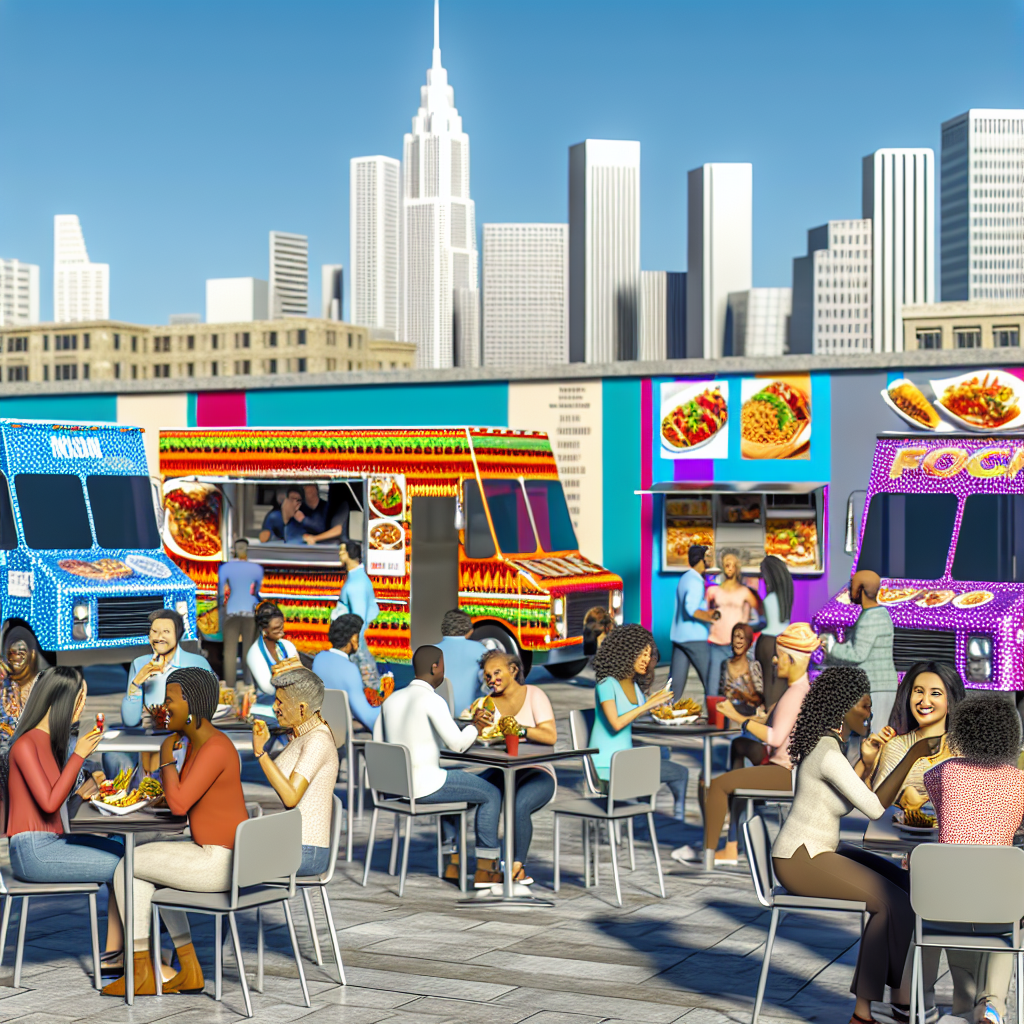
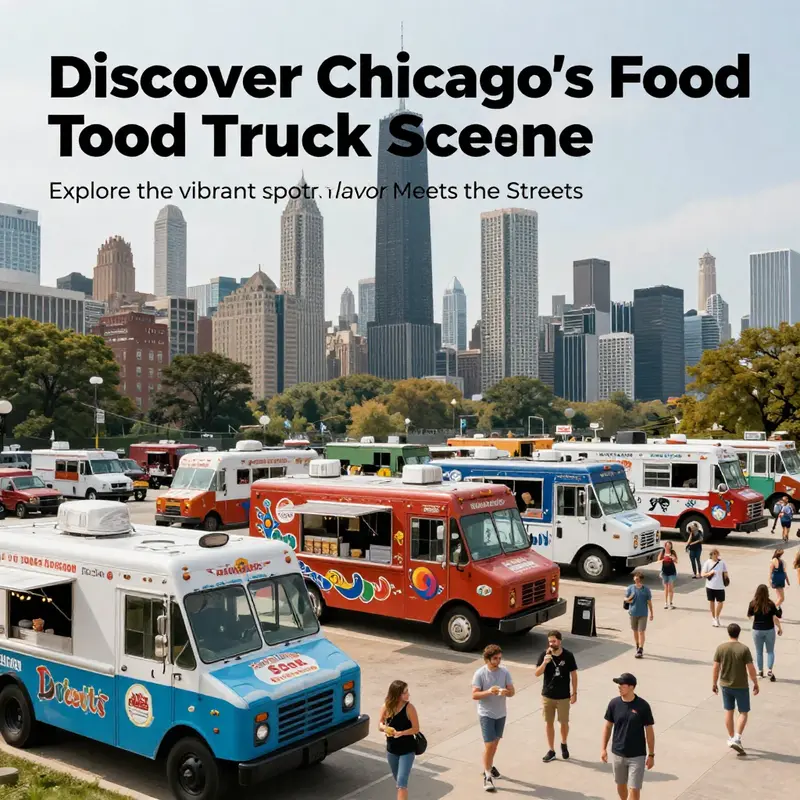
Chicago is a city known for its culinary diversity, and the food truck scene is a testament to this vibrant culture. From savory tacos to gourmet burgers, today’s food trucks in Chicago are serving up delicious eats across various neighborhoods. Whether you’re an event planner looking to cater a gathering, a corporate team seeking lunch options, or a local foodie eager to try something new, there’s a food truck waiting for you. This article delves into the current locations of food trucks, the special events they participate in, and the digital tools available to help you find your next meal on wheels. With each chapter, you’ll gain insights into the flavors and experiences that make Chicago’s food trucks a beloved part of the city’s food landscape.
Wheels on the Map: Tracing Chicago’s Food Truck Landscape in Real Time
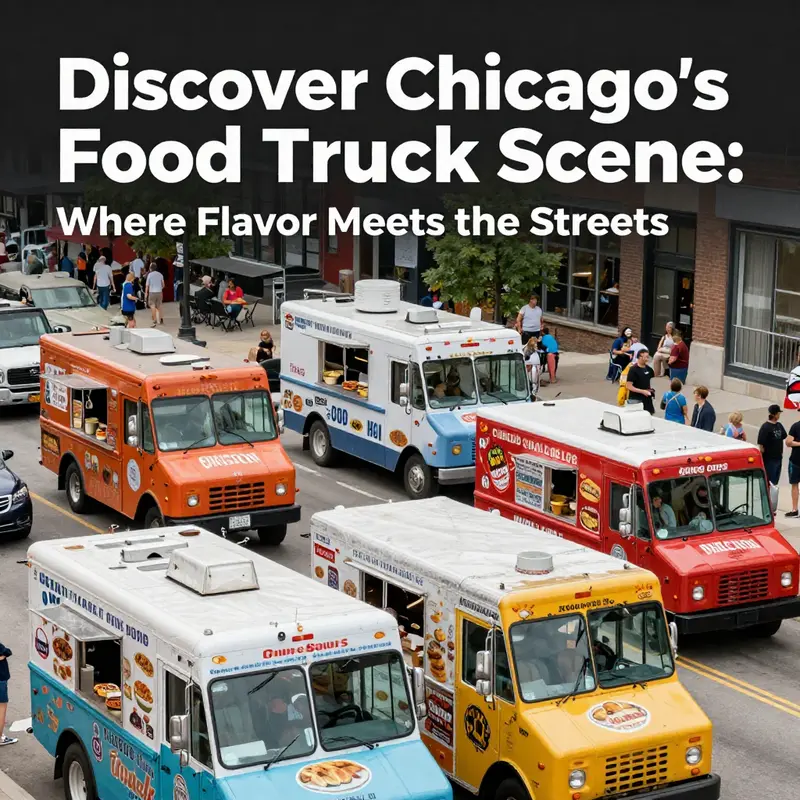
The streets of Chicago today look less like a static map and more like a living, rolling pantry. Across the city, businesses that once operated from brick-and-mortar walls now travel with the pulse of the day, riding toward the next lunch crowd, dinner hour, or after-work wanderer who wants a bite that feels both convenient and crafted. On February 22, 2026, the food truck scene in Chicago has evolved into a coordinated mosaic of hubs, rotating menus, and neighborhood pockets where a person can chase a different flavor with the same ease that they chase a train or a bus. What makes the current layout particularly interesting is not just the variety of cuisines but the way the city partners with events, markets, and public spaces to turn ordinary corners into stops on a culinary circuit. To read the terrain today is to trace the city’s appetite across a living itinerary that shifts with seasons, festivals, and weekday rhythms, giving locals and visitors alike a continuously evolving sense of discovery.
In the heart of the Loop and nearby corridors, certain locations function as reliable magnets for mobile kitchens. A rotating hub near the Chicago Riverwalk, where Michigan Avenue meets Wacker Drive, serves as a daily crossroads for a dozen vendors and more as the day wears on. The concept is simple and effective: a central gathering place with a steady stream of crowds, a curated lineup of vendors, and a cadence that invites a loop of exploration rather than a single destination. The Riverwalk hub becomes especially appealing on weekdays, when the steady foot traffic of workers and tourists converges with an after-work appetite. Here, the scent of sesame seeds, citrus, and sizzling meat travels along a scenic promenade, inviting passersby to pause, sample, and decide what to carry to a nearby bench or open-air table. This is not the same as walking into a fixed restaurant; it is a dynamic street-food experience, a festival that travels with the sun.
Meanwhile, another significant anchor in the city’s food-truck ecosystem sits at the 1145 West 18th Street area, where a dedicated space hosts a rotating lineup of vendors across the day. This hub is designed to offer a predictable heartbeat for the neighborhood while still preserving the flexibility that makes food trucks uniquely responsive to demand. On clear mornings, the trucks roll in with fresh ingredients and a lineup that reflects the day’s inspirations. By afternoon, the stalls fill in, and conversations between cooks and curious eaters become as much a part of the menu as the dishes themselves. The 18th Street hub operates with a rhythm that makes it easy for both locals who live nearby and visitors who are exploring the city to chart a path that includes variety without the friction of scouting new spots every hour. The effect is a citywide culinary calendar that feels intimate, despite the scale and density of Chicago’s urban fabric.
There are also civic spaces that function as seasonal or weekly stages for street food. In the heart of the city, public plazas and park-adjacent venues transform into bustling food neighborhoods when events are in full swing. Daley Plaza, for example, becomes a reliable weekday institution outside of peak festival seasons, offering accessible meals for workers and visitors who want a quick, flavorful stop as they navigate downtown. The plaza’s open layout and proximity to looped transit routes make it an ideal setting for a rotating cast of trucks that bring a variety of cuisines into a compact, walkable area. The interplay between a busy commercial district and a temporary fleet of mobile kitchens highlights one of Chicago’s most compelling urban-food dynamics: the ability to reimagine space into a culinary conduit, where a square can become a tasting menu, a corner can become a curbside kitchen, and a pedestrian path can morph into a dining corridor.
To understand today’s distribution, it helps to think in terms of patterns rather than fixed pins on a map. Some days prioritize lunch-hour nourishment in the Loop, with trucks parked along major avenues and near office towers to catch the midday crowds. On other days, evenings bring a different energy as residents and tourists stroll along the river, family picnics in Grant Park, or a post-event wind-down near Millennium Park. The result is a city where the same week might present a dozen distinct culinary routes, each with a distinct vibe and a distinct crowd. This fluidity is what keeps the scene fresh, inviting, and infinitely legible to those who treat food-truck hopping as a form of urban exploration rather than a shopping errand.
A key aspect of this landscape is its diverse menu slate, which mirrors Chicago’s own cultural tapestry. In one neighborhood, a truck might serve a modern take on a classic hot dog, adhering to traditional Chicago configurations that celebrate heritage with mustard, onions, pickle, and sport peppers. In another quadrant, you might encounter a taco stand worth savoring for its balance of citrus, smoke, and bright salsa, offering a quick, satisfying bite after a morning at a museum or a stroll along a waterfront trail. Along the Riverwalk and near the River’s edge, Korean barbecue skewers and other vibrant, spice-forward offerings can appear in the same day as a more restrained seafood bite or a plant-forward option. The city’s appetite represents a spectrum of preferences, from comforting nostalgia to bold innovations, and the trucks themselves act as traveling notes in a larger city symphony of flavor.
For anyone who relies on real-time information to decide where to eat today, Chicago’s appetite for mobility is matched by a robust ecosystem of tracking platforms and official boards. The city government and the local restaurant association maintain a hands-on approach to data, providing daily updates about which trucks are in operation, their menus, and their hours. For visitors and residents, this translates into practical tools that reduce guesswork and increase delight. Real-time listings are essential when the goal is to sample a cross-section of offerings on a single outing, rather than choosing a single stop and staying put. People can pull up live maps on their phones, compare distances, check on which vendors are present at a given hub, and plan a route that stitches together several flavors into one memorable stroll or afternoon itinerary.
The practical rhythm of scouting trucks today often begins with the major hubs and then ripples outward into neighborhood clusters. The Riverwalk hub near Michigan Avenue and Wacker Drive is not just a waypoint; it’s a living barometer of the day’s passenger traffic and weather, a place where a person can decide whether to lean into a heavy seafood bite, switch to a spicy street-food option, or sample a more subdued, comforting dish. The 18th Street hub provides another axis of variety, acting as a satellite that feeds energy into the surrounding neighborhoods and absorbs the spillover when crowds swell at riverfront events or during a busy downtown lunch hour. These hubs anchor a network that also includes seasonal sites, pop-ups outside major venues during sports tournaments, and ongoing curbside setups in popular pedestrian corridors where foot traffic is thick and curiosity is high.
In such a network, the calendar matters as much as the map. Weekdays around the Loop typically bring a steady cadence: a handful of trucks perched at the edges of business districts, tempting workers with quick, flavorful bites that pair well with a lunch break and a dip into a nearby park or gallery in the afternoon. Weekends often expand the field, as festival organizers, cultural celebrations, and special events add hundreds, sometimes thousands, of additional potential eaters along the river, in parks, and near transit hubs. The city’s parks and streets are thus reframed by this mobile culinary economy, where a single block corner can host two or three different vendors in rotation, each one offering a taste that invites comparison and a story to share with friends and colleagues.
For those who want to be precise about today’s lineup, the simplest route is to lean on platforms that integrate live data from multiple trucks and organizers. A trusted city-supported source provides a real-time feed of locations, menus, hours, and customer feedback. Visitors who want to plan ahead can also consult widely used consumer platforms to see what’s trending on a given day, which cuisines are in demand, and where the closest gathering point is located. The synergy between these data streams—official feeds, user-generated maps, and community calendars—creates a robust, near-omniscient view of where to find food trucks at any given hour. It is a practical system that aligns with Chicago’s ethos: a city that moves, grows, and evolves while staying rooted in its neighborhoods and its public spaces.
In the midst of this dynamism, even the truck stops themselves reflect Chicago’s culinary identity. One enduring image is the classic hot-dog truck line, delivering historically rooted sandwiches tucked into a sturdy, traditional bun. The technique and the ingredients—100% beef sausage, a faithful application of mustard and onions, a few sensitive picks of vegetables, and, importantly, the absence of certain condiments—signal a respect for local culinary history while allowing for creative riffs that appear in other trucks. Across the spectrum, other vendors lean into globally influenced flavors: smoky, street-level Korean BBQ, bright Latin American street fare with corn tortillas or pupusas, comforting Mediterranean wraps, and vegetarian-forward plates that leverage the city’s produce offerings with bright dressings and balanced herbs. The result is not simply a menu, but a curated urban tasting tour—something that the city’s residents and visitors repeatedly choose to undertake because it remains, at its core, accessible, affordable, and deeply social.
Beyond flavor, the scene also teaches a practical lesson about urban mobility and community-building. The trucks are inherently temporary guests in public space, and their success depends on harmonious coordination with city regulations, safety rules, and neighboring businesses. For readers of this chapter who have wondered how such fleets operate within the daily rhythms of a sprawling metropolis, there is a clear through-line: success comes from predictable, well-communicated schedules, flexible but reliable locations, and an ability to respond quickly to shifting crowds and weather. This is where the idea of a living map becomes more than a metaphor; it becomes a blueprint of how to experience the city through food that travels with the day. The easiest way to stay current is to rely on the official real-time listings, plus the familiar consumer platforms that many Chicagoans already use to track dine-out options. If you want to dig deeper into the governance and practicalities that enable these mobile kitchens to operate in a busy urban environment, a useful entry point is a dedicated resource on navigating the regulatory landscape for food trucks—an indispensable companion to today’s on-street reality. You can explore this through the internally linked discussion titled Navigating Food Truck Industry Regulations.
The city’s food-truck ecosystem therefore invites a careful, patient approach. It rewards curiosity, because each stop on the route can offer a small, perfect encounter: a bite that makes you linger, a scent that reminds you of a neighborhood you hadn’t planned to visit, a conversation with a driver who has a story about sourcing from nearby markets, or a family tradition expressed through a plate that travels from kitchen to curb with pride. In this sense, today’s Chicago food-truck landscape is not merely about convenience or novelty. It is about a shared, mobile culture that threads through parks and piazzas, office corridors and riverbanks, and—most crucially—through the social fabric of the city. The real-time map is less a static picture than a living narrative of where Chicago’s appetite goes next, and how the city, with its public spaces and its people, accommodate the appetite as it shifts with the hour and the season.
For those who want a reliable, up-to-the-minute beacon while they wander the city, several official and widely trusted resources are kept up-to-date to guide the trip. These sources compile location data, hours, menus, and reviews into a single view that is easy to navigate on a phone or a tablet. The advantage of using a central hub, a rotating facilities site, or a plaza-based grid is that you can plan to ride or walk to a place that has more than one vendor and a clear sense of crowd density. It’s this planning finesse—knowing when and where to go and what you will likely find—that makes today’s food-truck landscape in Chicago feel both intimate and expansive. The city’s layers of public spaces, event calendars, and mobile kitchens converge to transform ordinary streets into a tasting itinerary, inviting people to move through time and space with their lunch in hand.
In closing, while no singular map can capture every truck or every minute-to-minute shift, today’s Chicago offers a remarkably navigable, richly flavored route through its public spaces and neighborhoods. The hub-and-spread model—whether anchored at a central site, such as the riverfront hub, or dispersed across parks, plazas, and event venues—provides both predictability and surprise. It invites you to imagine a day in the city as a loop of bites, conversations, and discoveries, a loop that can be started at a river promenade in the afternoon, then echoed in a downtown corridor later that evening, and finally wrapped up in a community plaza on the weekend. The map is alive, and so is the appetite. For anyone who wants to track the lane of today’s trucks with precision, ongoing updates on the ground are your most reliable compass. Real-time location services, city-maintained feeds, and widely used review platforms converge to offer a practical, navigable, and delicious way to experience Chicago at street level. The next bite could be just around the corner, waiting for you to turn the corner and follow the scent toward a new flavor, a new chat with a vendor about a family recipe, or a new vantage point from which to watch the river flow by as another truck doors open and another crowd gathers.
Internal link reference for readers seeking the regulatory backdrop: Navigating Food Truck Industry Regulations.
External resource for real-time locations and current truck lineups: https://www.chicagofoodtruckfinder.com/.
Pop-Ups, Hubs, and Weekday Streets: Navigating Chicago’s Food Truck Scene Today
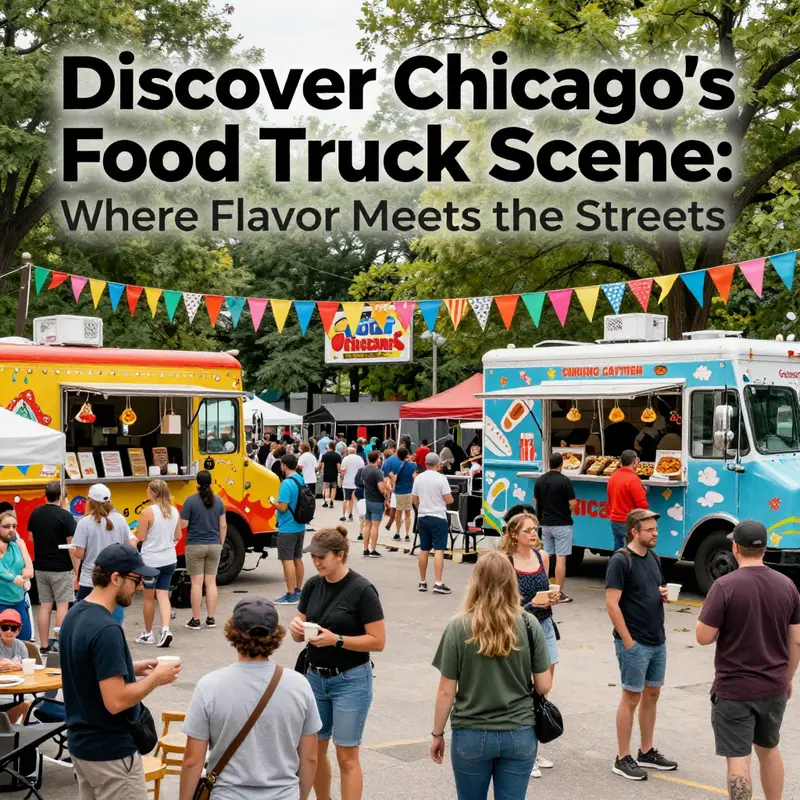
Chicago keeps its culinary pulse visible from riverfront parks to the tall glass canyons of the Loop, and the food truck scene is a lively mirror of that energy. Even as the calendar for grand food truck festivals is quiet in early 2026, the city’s mobile vendors continue to shape a steady, accessible feast that travels with neighborhoods, calendars, and weather. The current reality is less about a single, marquee gathering and more about a distributed, citywide ecosystem that folds into daily life, business districts, parks, and cultural events. Across this landscape, two venues stand out for their reliability and diversity of offerings. The Food Truck Hub at 1145 W 18th Street acts as a dedicated micro-market where a rotating cast of vendors parks up day after day, turning a single lot into a continually evolving tasting menu. This hub has become a dependable destination for locals who want variety without chasing down each truck individually. The other anchor, Daley Plaza in the Loop, keeps a steady cadence on weekdays outside of the peak festival window, offering a convenient option for downtown workers and visitors who crave a fast, flavorful lunch or a casual dinner on a weeknight. Taken together, these hubs represent a pragmatic approach to street food: they provide predictability for diners and a stable platform for cooks to experiment with menus and formats. The rationale is simple but powerful. In a city known for its culinary diversity, providing a rotating roster of trucks under one roof or in a central square makes it easier for a first-time truck lover to sample many kitchens and for seasoned enthusiasts to chase a specific vibe or cuisine without wandering aimlessly across disparate blocks. The daily rotation also helps cooks plan logistics, from ingredient procurement to truck maintenance, and gives park managers and event organizers a reliable rhythm they can lean on when city programming is in flux. These hubs, however, do not function in isolation. They exist in a broader network that includes neighborhood street corners, park events, and city-sanctioned initiatives that celebrate food, culture, and community. In this sense, the Chicago food truck scene today resembles a mosaic rather than a single portrait. Diners encounter familiar faces in familiar places yet are always surprised by what arrives on any given day. A noon rush at Daley Plaza might feature spicy noodles one week and smoky barbecued tofu the next, while the 18th Street hub could host a pair of trucks born in different culinary ecosystems—one serving Korean-inspired taco fare, another offering vibrant Colombian arepas—shaped by day-to-day decisions rather than a fixed menu. The city’s weather, too, plays a decisive role in where and when trucks appear. Warm days tend to scatter more trucks across open plazas, lakefront paths, and riverfront parks; cooler days keep the crowd close to sheltered spots or indoor-outdoor venues that can accommodate a steady flow of diners without compromising comfort. The result is a rhythm that rewards those who learn to read the city’s micro-seasons the way a seasoned traveler learns the best times to catch a bus. The present moment, as of late February 2026, also highlights how Chicago’s food truck ecosystem blends with official event programming. Chicago Restaurant Week, which began on February 14 and runs through February 27, is not a dedicated truck festival. Rather, it is a citywide culinary celebration that invites participating restaurants to extend their reach through pop-up formats, shorter menus, and, occasionally, mobile dining concepts. While not all participating venues will deploy trucks, many vendors seize the opportunity to connect with a broader audience, either by joining up with brick-and-mortar participants or by staging pop-ups in streets, parks, or other public spaces that lend themselves to a temporary, festival-like atmosphere. The effect is twofold: diners gain exposure to a wider range of flavors, and mobile cooks gain impetus to expand their visibility, test new dishes, and cultivate a following beyond their regular schedule. For someone cruising the city with a hunger mapped to a calendar, this translates into a flexible itinerary where a truck sighting might align with Restaurant Week promotions or with a cultural event nearby, turning a simple lunch into a mini-adventure. In this sense, the best way to approach Chicago’s current food truck calendar is to treat it as a living map rather than a fixed itinerary. Regulars and newcomers alike should plan with a bias toward discovery, embracing the fact that the city’s trucks respond to micro-markets that shift with time, season, and local partnerships. If your goal is to time a visit with a particular cuisine or concept, the most dependable approach is to monitor the city’s primary aggregators, check in with the hubs’ daily announcements, and keep an eye on the Loop’s weekday patterns. Yelp, in particular, has become an essential tool for those who want real-time schedules and quick updates on what trucks are parked and what menus they are offering on any given day. The platform aggregates vendor lists, hours, and sometimes even menu highlights, giving diners a practical window into the city’s mobile offerings. The dynamic is further enriched by collaborations that arise between restaurants and trucks as part of larger city initiatives. Chicago’s tourism and cultural programming occasionally invites food trucks to participate in special experiences that blend dining with culture, art, or craft. A notable example of this cross-pertilization is the “Pen and Taste” cultural experience series, which, during February 16–27, is hosted at a lakefront venue associated with a local dining project. While not a traditional festival or a pure truck showcase, the event integrates interactive dining elements—dumpling making, calligraphy, and a celebration of culinary tradition—into a broader cultural frame. It demonstrates how the city’s food ecosystem can merge with cultural programming, turning a restaurant-focused week into a multisensory exploration that includes mobile concepts as part of the experience. This kind of hybrid programming also reflects broader urban trends: cities seek ways to keep street-level commerce vibrant while offering audiences value beyond a single-format event. In Chicago, that means trucks are not merely curbside vendors; they are partners in a city’s ongoing celebration of food, craft, and community engagement. The result for diners is a city that offers both the comfort of known favorites and the thrill of timely discoveries. If you know where to look and how to plan, you can align a busy day in the loop with a quick lunch from a truck in Daley Plaza, then roll into a lakeside park for a sunset bite from another vendor, and end the evening with a cultural pop-up that folds a chef’s interpretation of street food into a curated experience. The more you lean into the city’s rhythm, the more you’ll appreciate how the food trucks integrate into Chicago’s urban fabric. They are not isolated street vendors but part of a network that supports neighborhood economies, connects residents with diverse cuisines, and complements traditional dining by offering speed, variety, and accessibility. For readers who want to understand the practicalities of entering or expanding within this space, consider the broader implications of choosing a vehicle, a menu, or a city permit strategy. The decision to invest in a food truck, to partner with a hub, or to align with a festival or week-long city program hinges on a clear assessment of goals, audience, and logistics. Insights from industry resources emphasize that success in this field depends on more than culinary skill. It also relies on operational resilience, efficient supply chains, and the ability to adapt menus to changing customer preferences and regulatory environments. Those who plan for these realities tend to build a following that travels with them—from a fixed hub to a pop-up at a festival, and back to a corner in a neighborhood where locals come to recognize the truck as a familiar, trusted option for a dependable bite. The Chicago landscape rewards the prepared and curious, those who treat street food as a constant conversation with the city rather than a sporadic appearance. For readers who want to delve into the practicalities of bringing a mobile kitchen to life, a useful point of reference is the resource about choosing the right food truck model, which offers guidance on balancing mobility with stability, cost with value, and a chef’s vision with a business plan. You can explore that discussion here: Choosing the Right Food Truck Model. While the source is embedded in the broader industry conversation, the underlying principle remains the same: successful mobile dining requires alignment between concept, schedule, and place. In Chicago, the alignment often emerges most clearly through the city’s collaborative spaces. The Food Truck Hub at 1145 W 18th Street stands as a practical example of how to cultivate a consistent, rotating lineup that benefits both diners and vendors. The hub’s daily rotation invites a degree of serendipity that is essential to street food’s appeal, while its structure offers a predictable anchor for those who want to plan a lunch or dinner around a truck lineup. Daley Plaza functions differently but complements the same ecosystem. It serves as a central, accessible node for downtown workers who want a quick, flavorful break during a workday, and as a checkpoint for tourists who want a bite before a museum visit. The combination of these spaces—an anchored hub and a central plaza—demonstrates a pragmatic strategy for sustaining mobile dining in a dense urban environment where space is a premium and demand is high. For readers who are curious about how the logistics of mobile food operation translate into real-world opportunities, the cross-cutting takeaway is that the success of today’s Chicago trucks rests on a blend of mobility, adaptability, and partnerships. The drivers behind a truck’s daily schedule include not just the chef’s creative impulse but also the pressure to maintain a steady income, to balance supply with demand, and to comply with local regulations that shape where a truck can stand and when it can operate. As you navigate the city’s current landscape, you’ll notice that trucks often respond to partnerships—whether with a restaurant, a cultural program, or a city initiative—that amplify their reach and diversify their menu. This is not a static map but a dynamic ecosystem whose contours shift with events, seasons, and shifts in the urban rhythm. If you’re planning a visit, think of your day as a sequence of opportunities: a quick bite from a hub truck for lunch, followed by a stroll through a cultural experience that aligns with your appetite, perhaps a dumpling demo or a calligraphy workshop, and then another bus-stop-style bite as you explore more neighborhoods. The city’s appetite is large, and its trucks are ready to feed it in small, meaningful doses. The key is to stay flexible, to use credible sources for real-time schedules, and to remember that the most satisfying bites often arrive when you least expect them. In this sense, Chicago’s food truck scene today is less about chasing a single festival and more about reading the day’s map as it unfolds. It’s about recognizing the value in a rotating menu at a reliable hub, savoring a weekday concession in an iconic plaza, and seizing a cross-disciplinary experience that fuses food with culture. For readers who want to anchor their plans with a reliable source of updates, remember that Yelp and the city’s official channels offer day-by-day schedules to help you track which trucks are where and what they’re offering on any given day. And if you want to anchor your exploration in a broader educational frame, the linked resource on choosing the right food truck model provides a practical lens for understanding how these mobile kitchens move, adapt, and thrive within Chicago’s vibrant urban ecosystem. External resources and real-time updates remain essential tools in navigating this landscape, especially when city programming and vendor rotations create fresh opportunities—opportunities you can capture with timely checks on event listings and restaurant-week collaborations, which often bring trucks into the open-air dining conversation in new and surprising ways. For readers who want a deeper dive into how these venues shape vendor strategy and culinary repertoires, the following path can guide the next steps: engage with the rotating hub committees, attend a Daley Plaza weekday shift, and keep a lookout for cross-promotions linked to Chicago Restaurant Week or cultural experiences along the lakefront. It is precisely this blend of steady fixtures and opportunistic pop-ups that makes Chicago’s food truck scene today both accessible to the casual diner and compelling to the dedicated street-food enthusiast. Real-time information is the companion that turns curiosity into a meal, and curiosity into a memory that lasts beyond the bite. External resource: https://www.eventbrite.com/
Tracking Chicago on the Move: Real-Time Paths to Today’s Food Truck Landscape
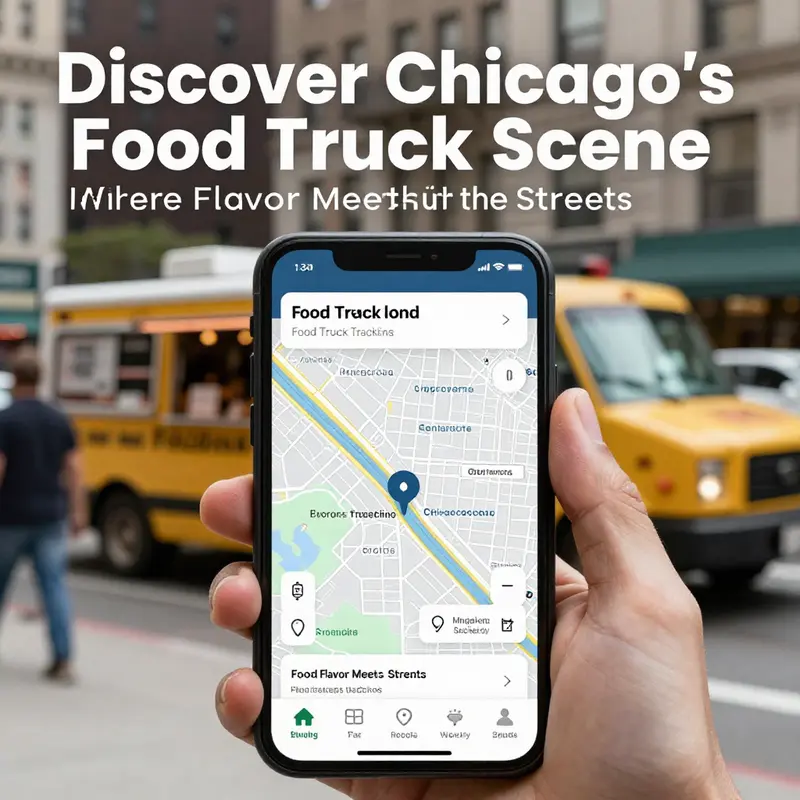
Chicago is a city that moves in tempo with the street sounds, the clatter of carts, and the aromatic pull of diverse cuisines that roll through its neighborhoods. If you know where to look, you can chase a new flavor down any block, from the early-morning runs around the riverfront to the late-night pulls along the busy arteries that cut through the Loop and beyond. The food truck scene is not a single, static lineup but a shifting panorama. Trucks arrive with the dawn, circle a few strategic hubs, and vanish as the sun slips behind skyline silhouettes. What makes the current moment especially vibrant is the blend of physical hubs with digital tools that let you locate, compare, and order with astonishing ease. In Chicago today, the most reliable way to chart a day’s culinary route is to read the street not just with your feet but with your phone’s map and a plan formed by real-time information. The city’s rotating hubs, year-round and seasonal, create a dynamic buffet of options that can surprise locals and visitors alike, and the digital layer has become the essential compass for navigating this mobility with clarity and efficiency.
The most tangible anchors in the Chicago food truck map are the places where trucks live and work on a daily rhythm. The Food Truck Hub at 1145 W 18th St stands out as a dedicated space that hosts a rotating roster of vendors each day, offering a reliable touchstone for food lovers who want predictable variety. Visitors can wander from truck to truck, sampling different cuisines without wandering far, while vendors enjoy a compact, focused customer base that shifts with the calendar. Daley Plaza, meanwhile, remains a convenient focal point in the Loop on weekdays, stepping forward outside of peak festival seasons to serve workers and residents who crave a quick, satisfying meal. It is a reminder that, even in a city famous for its towering structures, pocket-sized culinary clusters can define a city’s daily rhythm. These hubs are not relics of the past but living objects, feeding off the energy of foot traffic, office hours, and the city’s own habit of turning a street corner into a culinary stage.
To understand where these wheels are today, digital tools play a crucial role. Real-time location services, up-to-date menus, and the ability to order ahead create a seamless experience that matches the speed of Chicago’s commute. A core advantage is immediacy: you can locate trucks near your current position, compare menus instantly, and decide where to line up without wandering aimlessly. The ability to pay with a tap and pick up curbside reduces friction and keeps the line moving, which is especially valuable during the peak lunch window when a few minutes can mean the difference between a hot plate and a long wait. The real-time element matters as much as the guaranteed option to see what is available at any given moment. In a city where a single block can hold a dozen culinary geographies, the capacity to search by proximity, cuisine, or price point transforms a casual stroll into a purposeful scavenger hunt for flavor.
In practice, the digital tools that Chicagoans rely on work by triangulating your location with an evolving map of trucks that post live statuses. The most effective platforms provide a concise mix of proximity data and menu snapshots. You can glimpse the day’s offerings, compare a few nearby trucks, and decide which queue to join based on your mood and hunger level. Ordering ahead is a particularly powerful feature: it lets you secure a preferred dish before the truck arrives, dramatically reducing wait times and letting you time your meal with a walk through a nearby park, a quick ride on a nearby bus line, or a moment to stretch your legs before heading to the next destination. The value proposition scales with the diversity of options. Chicago’s street-food ecology thrives on variety, and digital tools help you map a route that moves you through different regional flavors without requiring a car or a long sit-down meal. You can sample a first course from a Mexican-inspired cart, pivot to a Korean-inspired taco, and then pivot again toward a Cuban sandwich, all in the same afternoon, guided by live updates and the ability to save favorites for future trips.
There is a social element to this digital navigation as well. Beyond the formal menus and live locations, people share discoveries, post short reviews, and tag neighborhoods that are particularly vibrant on certain days or times. A good digital navigator blends these community signals with official schedules, creating a more complete picture of what the city is serving at any moment. In a city whose character is defined by neighborhoods, this blend matters. The same street where you found a beloved dish yesterday might not show the same lineup today, and that is not a flaw but a feature of a living food ecosystem that adapts to weather, events, and the city’s own pulse. The best navigators acknowledge this and present you with options that reflect the moment rather than a fixed, unchanging roster.
For readers who want the most accurate, immediate results each day, the emphasis should be on a single, reliable digital tool that aggregates real-time truck locations and menus. In Chicago today, such tools excel when they integrate real-time location sharing with an actionable ordering flow, so you can decide, then execute, in a few taps. The experience is not merely about finding food; it is about controlling the pace of the day and shaping a sequence of bites that matches your itinerary. You might begin with a quick, spicy starter from a truck near the river, then move toward a heartier main from a rotating vendor at a hub, and finish with a sweet treat or a coffee from a small cart tucked in a shaded corner of a street that seems to shift with the season. The combination of real-time data and the flexibility to order ahead makes the city’s food trucks feel less like a random draw and more like a curated, continuously updated map of choices designed to fit a busy urban life.
A practical approach to using these tools is to develop a simple plan that respects timing and proximity. If you know you will be in the West Loop around noon, you can target the daily hub routes and the surrounding blocks where trucks tend to concentrate. If you are exploring a neighborhood, you can set a radius filter and let the app tell you what is nearby within walking distance, allowing you to design a course that follows a curious appetite rather than a fixed plan. The best navigators also allow you to save favorite trucks and builds a short list of reliable go-to options. These functions are more than conveniences; they are especially helpful for visitors who want to maximize taste with minimal detours and for locals who want to rediscover the city’s culinary corners without overcommitting to a single destination.
In considering user experience, it is worth noting how the digital layer can reveal hidden gems. The most satisfying discoveries are often those that the map brings to light—small carts tucked into a corner of a parking lot, a temporary window at a market, or a pop-up setup near a transit hub that you would not have known about without a live feed. The real-time nature of these tools makes it possible to chase the city’s culinary surprises in a way that matches its energy: quickly, opportunistically, and with the confidence that comes from having a plan that adapts as you move. This is where the city’s food truck story truly comes alive—when you can transform a casual curiosity into a deliberate, satisfying tasting tour, guided by live data and the promise of something new on every corner.
The social fabric surrounding these digital tools is also important. Local enthusiasts share their favorite routes, recommend specific trucks for particular times of day, and post pictures that help others judge a truck’s current quality and portion size. This communal dimension helps deal with the inevitable variability in truck availability and menu offerings. A truck that is excellent one week may be elsewhere the next, and the ability to follow a few trusted sources within the app ecosystem adds a degree of reliability to an experience that is inherently variable. The city rewards curiosity, and digital navigation channels are the most efficient way to satisfy that curiosity without losing precious time in transit or standing in a line that moves too slowly. The end result is a more democratic, more accessible way to enjoy Chicago’s mobile culinary scene where tastes, budgets, and schedules converge.
To ground this discussion in a practical path forward, consider this process: first, identify the day’s likely hubs and a couple of nearby blocks that consistently host trucks; second, open a real-time locator and survey the current menu snapshots; third, pick up a small starter and a drink to pace your exploration; fourth, walk or ride to an alternate vendor if the first choice has a long line; fifth, in the late afternoon, use the app to check if any pop-up trucks have started their routes toward transit corridors or parks where people gather after work. This method turns a city known for its towering steel and glass into a flexible, flavor-forward itinerary that unfolds in real time. It also helps you understand the underlying logic of where these trucks appear: proximity to offices and transit, cluster points around the core urban grid, and a willingness to adapt to the day’s weather and crowd dynamics. In other words, the map is the city’s appetite made legible, and your plan is the method by which you move through it.
For readers who want to deepen their understanding of how such systems operate within the regulatory and logistical frame of Chicago, a deeper dive into the rules and practicalities that shape where trucks can park, how they operate, and what neighborhoods host what kind of programming can be found in dedicated resources. navigating-food-truck-industry-regulations. That exploration helps connect the on-the-ground experience of chasing carts with the larger picture of urban mobility, small-business realities, and the city’s evolving approach to street food as a vibrant, legally compliant form of culinary entrepreneurship.
From a broader perspective, the integration of real-time location data with the physical infrastructure of Chicago’s food trucks signals a shift in how cities can celebrate street food while maintaining order and accessibility. The city’s planners and vendors collaborate, often using shared calendars, permit windows, and event calendars that align with peak pedestrian flows and seasonal festivals. The digital tools serve as a bridge between policy and practice, enabling vendors to arrive where demand is highest and diners to discover flavors that reflect Chicago’s multicultural makeup. The result is not merely a menu of options but a living system of supply and demand that responds to weather, events, and community energy with a level of responsiveness that would have seemed unlikely a decade ago. In this sense, the narrative of Chicago’s food truck scene is a story about real-time adaptation and connection—how technology translates street-level creativity into a citywide, time-sensitive culinary dialogue.
As the day progresses, the city’s appetite shifts. Early hours may favor pastry carts and coffee stands that skim the edges of business districts; late mornings bring up a wider mix of savory offerings as office workers flood the streets; lunch hours explode with a chorus of lines at hubs, parks, and riverfront approaches. The afternoon can tilt toward comfort food and international flavors as residents finish errands, and the evening often reveals a renewed interest in diverse, lighter snacks that align with after-work strolls and family dinners. The digital tools that track this choreography enable you to ride the wave rather than chase it, to discover what is next without losing sight of where you already are. This is the essence of finding food trucks in Chicago today: a balance between spontaneity and planning, between the city’s fixed locations and its fluid rhythms, all navigated with data that moves as swiftly as the wheels themselves.
Ultimately, the city rewards those who leverage both the physical and digital landscapes. A thoughtful approach blends a short, flexible plan with the freedom to improvise when a truck’s line is short, when a street corner opens up, or when a new stall appears near a major transit hub. Digital tools are not a replacement for curiosity; they are amplifiers of it. They extend the reach of the food you crave and shorten the distance between your appetite and a satisfying bite. And because Chicago is a city of neighborhoods—each with its own food culture and parade of small-scale entrepreneurs—the ability to hop from one local favorite to another, induced by a real-time signal, makes food-truck exploration feel less like a random errand and more like a guided tour through the city’s culinary imagination.
If you plan to explore in the coming days, consider carving a route that threads together an official hub with a couple of nearby street-side pockets and a final stop at a park or plaza where the day’s trucks tend to concentrate around popular transit lines. Let the live data lead your feet, but let your curiosity guide your taste buds. In a city like Chicago, that combination is your best map: a living, breathing itinerary that adapts as the day unfolds, turning the act of choosing where to eat into a narrative of discovery that mirrors the city’s own energy. The streets are always open, and the wheels are always turning; the question is whether you will ride along with them, hungry for what comes next, or wait for a static menu to appear in a fixed place. The reality today is that you do not have to choose a single destination. You have a city of pockets, a timetable of possibilities, and a real-time navigator as your compass—an arrangement that makes Chicago’s food trucks not just a way to eat but a way to experience the city itself.
Final thoughts
As you navigate the streets of Chicago, the food truck scene offers an exciting array of flavors and experiences. From the bustling hubs like Daley Plaza to special events that bring together the community, there’s a culinary adventure waiting around every corner. Utilize the digital tools available to ensure you never miss out on your favorite trucks or the new vendors popping up around the city. Embrace the vibrant street food culture that makes Chicago a lively destination for food enthusiasts and event planners alike.