Bothell, WA, is a hidden gem when it comes to food trucks, where diverse flavors and culinary traditions come together. For event planners, corporate teams, and food enthusiasts alike, this vibrant collection of mobile kitchens offers something for everyone. Whether you are looking to spice up a corporate event, organize a community gathering, or simply satisfy a craving, Bothell’s food trucks are ready to impress. This article will take you on a journey through the multiple cuisines available, focusing on the thrilling diversity of offerings in food trucks, the rich tapestry of authentic Mexican dishes, and the unique specialty meats that can elevate any catering experience. Each chapter will illuminate how Bothell’s food trucks cater not just to palates, but also to varied event needs, making them a delicious choice for all.
A Street-Side Mosaic: Exploring the Diverse Tastes that Define Bothell’s Food Truck Scene
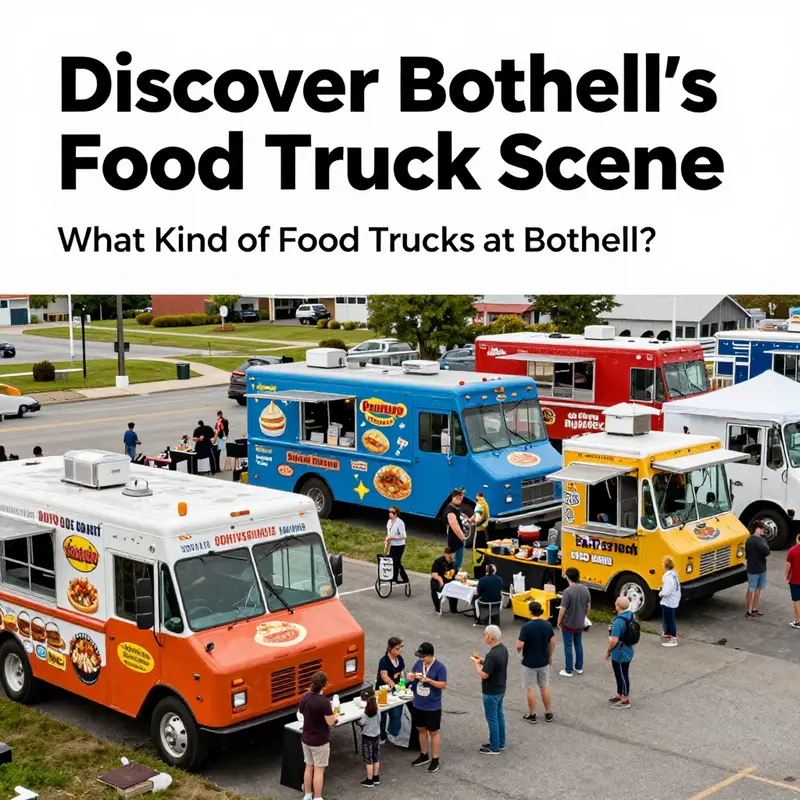
Bothell sits at a crossroads of culture, appetite, and street-level commerce where the hum of conversations and the scent of far-off kitchens mingle on sidewalks and under awnings. The city’s food truck scene is not a single flavor but a spectrum, offering a daily microcosm of how communities define comfort, curiosity, and discovery through their meals. In Bothell, you can find a robust array of bites that move with the city’s rhythms—from weekday lunch crowds chasing something familiar to weekend wanderers chasing something bold. The result is not just a menu dump but a narrative of how food travels, adapts, and settles into a local cadence. What kind of food trucks define Bothell, then? The answer is less a catalog of cuisines and more an ongoing conversation among cooks, neighbors, and passersby who listen to the stories behind the steam and smoke and decide to sit, share, and return another day for a new chapter in this living map of flavors.
Begin with the heartbeat of Bothell’s most recognizable food heritage: Mexican street fare. It is a common refrain in the city to savor a well-crafted taco or a burrito that tastes like it came straight from a bustling taqueria in a sunlit plaza. But in Bothell, the Mexican-influenced trucks are not monolithic. They carry distinct touches that speak to tradition and local sourcing as much as to technique and spice. One truck trio tends to craft tacos and burritos with a reverence for the classics—corn tortillas warmed to the point of softness, meat seasoned with a balance of tang, earth, and smoke, and toppings that finish the bite with bright onions, cilantro, and lime. In another approach, cooks lean into contemporary mariachi of flavors: salsas with an herbaceous brightness, chiles that ignite but don’t overwhelm, and fillings that blend traditional textures with a few modern twists to keep the palate alert. The best of these Mexican trucks in Bothell achieve a quiet mastery: they honor authenticity while inviting curiosity, inviting diners to test a bite, then chase the memory of that bite with a second, slower, more reflective one.
Beyond the border of tortillas and carne asada lies a more experimental camp, one that sees the street as a laboratory. An Asian-fusion bent appears on the scene in Bothell as a counterpoint to the familiar. Here, rice bowls and bento-inspired plates arrive with bold flavors that feel both comforting and avant-garde. The stack of grains and vegetables may carry a glaze that echoes familiar street-food sweetness, yet the sauce logic behind it can carry peppery notes, herbal brightness, and a whisper of sesame. The experience is less about sticking to a single tradition than about blending textures and temperatures—soft grains against crisp vegetables, a warm protein against a chilled pickled accent, and so on. It is a reminder that fusion, at its best, is not about erasing borders but about inviting the senses to negotiate them and find a common ground where harmony sits between contrasts.
Pacing the edge of the Mexican and Asian lanes, Bothell’s truckers also cultivate a more rustic, elemental counterpoint: wood-fired pizzas. In this lane, the craft of dough and flame becomes a shared stage in a mobile kitchen. The crust, blistered and blistering, carries a scent that turns the air into an invitation. Toppings are kept simple and bold, allowing the smoke to marry tomato and cheese in a way that fees the moment with a comfort that belongs to a long tradition of Italian-influenced street food reimagined for the open air. The pies travel with a maniacal care for crust texture and high-quality toppings, turning even a quick lunch into a small ritual. You may find yourself watching the wheel of the oven for a few minutes, noticing the way the cheese melts and the tomatoes release their bright acidity into the steam. This pizza-forward option adds a convivial, almost communal feel to Bothell’s street food map, reminding patrons that the food truck world can be a festival of textures, aromas, and social space, not merely a sequence of meals.
A few lanes over, the culinary map broadens again to include a deeply comforting, Southern-inspired soul-food thread. In Bothell, a truck that serves slow-cooked, heartwarming staples supplies a sense of home for many diners. Fried chicken that boasts a crackling exterior and juicy interior can sit alongside creamy mac and cheese, collard greens, and cornbread that tastes like Sunday leftovers reimagined for the street. The preparation here leans into time and patience; dishes may appear on wheels as a gentle reminder that some of the most satisfying flavors come from method and memory as much as from seasoning. The result is a counterpoint to the fast pace of the city’s commerce: a reminder that slow-smoked, slow-simmered fare has a place on the curb, beside dishes that arrive ready to eat in seconds. It’s in this juxtaposition, a sort of culinary dialogue, that Bothell’s food truck ecosystem shows its full range—where a crowd will cluster for a quick bite and linger for a story of how that bite came to be.
If there is a single thread that threads through these diverse gastronomic offerings, it is the sense that Bothell’s vendors value freshness, craft, and a connection to the community. Ingredients are described as locally sourced when possible, not as a marketing flourish but as a practice. This matters beyond taste. It speaks to a city that supports its own, a network of farmers and small businesses that makes the food truck scene feel less like an itinerant kitchen and more like a neighborhood kitchen that happens to be in motion. The trucks come to the city at different times and places, chasing events, weekday lunches, and weekend gatherings, each location offering a new context in which the same high standards of preparation can shine through. In this sense, Bothell’s diverse food trucks act less as a static menu and more as a seasonal cuisine of the streets, a living collection of stories that shift with the seasons, with the weather, and with the city’s own pulse.
The social dimension of Bothell’s street food economy should not be overlooked. Food trucks in this city often serve as social anchors—places where neighbors meet, families gather, students compare notes on a shared menu, and first-time visitors discover a favorite corner of the town. The mobility of the trucks invites a sense of exploration: you may begin your afternoon with a certain curiosity and end it with a sense of having uncovered a small but meaningful corner of Bothell’s cultural geography. In this way, the scene is not only about what the trucks serve but about what the curbside experience creates—a sense of place, a micro-celebration of craft, and a style of eating that feels both casual and ceremonial at once.
Operationally, Bothell’s mobile kitchens reflect a spectrum of business models that contribute to the city’s culinary resilience. Some vendors are family-run operations that have quietly grown from a single shared recipe to a fleet of mobile kitchens, multiplying the ways they reach customers while preserving a lineage of taste. Others are chef-driven, experimenting with menus that rotate with the seasons or with the chef’s current fascination. This mix matters because it embeds a sense of variety and risk-taking into the city’s food economy. It allows for both the stability of long-standing recipes and the energy of new explorations, ensuring that Bothell doesn’t settle into a single flavor profile for long. The city’s street-food map thus resembles a living organism, capable of adapting to demand while maintaining a sense of identity that is recognizably Bothell. To patrons, this translates into trust: you know you can find a reliable favorite and also stumble upon something unfamiliar and exciting on a return visit.
Of course, like any food ecosystem, Bothell’s truck landscape contains a spectrum of experience in terms of reliability, pricing, and accessibility. Some trucks establish stable routines with predictable hours, regular stops, and welcoming servers who remember regulars. Others move with a more flexible schedule, chasing opportunities at farmers markets, local events, or school functions. The timing of a truck’s arrival can shape the city’s daily cadence just as much as the menu itself. A brisk lunch hour might showcase a lineup of affordable, quick bites, while a late afternoon or evening presence may lean toward more robust dishes or dessert offerings that complement the day’s activities. The surrounding environment—parking availability, foot traffic, and proximity to parks or transit hubs—also helps determine where and when a truck can thrive. In Bothell, the interplay between these logistical realities and the culinary aims of the cooks creates a dynamic, dynamic landscape where the best stories often emerge from the intersection of place, people, and plate.
What, then, makes Bothell a meaningful destination for those who seek out street food? Beyond the obvious appeal of variety, the answer lies in how the scene cultivates a sense of openness—an invitation to taste, to learn, and to engage with cooks who often become unofficial ambassadors for their communities. The best trucks in Bothell invite conversation, asking for feedback, offering a glimpse into their cooking routines, and sharing the origins of a recipe with a curiosity that turns eating into education. In such spaces, a simple meal becomes a portal to broader cultural exchange, and the curb becomes a classroom where curiosity is fed alongside appetite. The city’s diners respond in kind: with patience, with questions, and with a willingness to come back for a second bite, not merely to chase a repeating favorite but to see what the next stop in Bothell’s culinary itinerary will bring.
Real-time updates and detailed reviews about these food trucks can be accessed through platforms like Yelp, which has become a practical compass for locals and visitors alike. When a location shifts, or a truck changes its hours, the social feed becomes a map you can trust. This real-time dimension is crucial because the streets demand agility. A vendor might run a pop-up at the edge of a park, then move to a gallery district, then switch to a farmers market in a neighboring town. The Yelp review culture helps the curious decide where to begin, what to order, and when to arrive to maximize the experience. The result is a culture of informed wandering—an approach that respects both the craft of the cook and the community that wants to meet them where their wheels turn. In Bothell, the street food map is not a fixed diagram but a living outline that evolves with the city’s tempo and with the cooks’ evolving passions.
To accompany this narrative, consider the practical and regulatory underpinnings that enable this mobility. The street-side kitchens operate within a framework of licenses, health inspections, and safety standards that ensure meals patrons can trust. The rules may differ from one jurisdiction to another, yet Bothell has cultivated a milieu where vendors can navigate these requirements with a sense of legitimacy and professional pride. For readers curious about how these guidelines shape the day-to-day realities of food-truck life, one resource offers a grounded overview: Navigating Food Truck Industry Regulations. This reference can help illuminate the process by which a mobile kitchen transitions between neighborhoods, manages waste and food safety, and collaborates with city authorities to keep curbside dining a vibrant, lawful tradition. Navigating Food Truck Industry Regulations
Bothell’s food truck story is also a social one about community habits and shared experiences. The city’s residents weave a daily practice around scoops of street flavor, listening for the sound of a diesel engine that signals something comforting and nourishing is arriving. Families with small children learn the rhythms of certain truck stops, while workers in nearby offices plan their lunch breaks around their favorite savory or spicy choice. Friends meet at a corner as if drawn by a chorus of irresistible smells. The trucks, in turn, respond by offering consistent, warm welcomes and a sense of culinary belonging that the traditional brick-and-mortar world sometimes can struggle to reproduce. This exchange—between baker’s patience and the street’s immediacy, between tradition and experimentation—gives Bothell’s food truck scene its heartbeat and its staying power. It is a place where people come not just to eat but to be part of a shared, evolving ritual of tasting and telling stories.
The broader cultural implication is that Bothell’s street food map helps reinforce local identity while inviting new voices to join the chorus. It functions as a stage where immigrant narratives, culinary innovation, and neighborhood pride intersect. A Mexican-influenced taco can honor ancestral techniques while leaning into a bright contemporary garnish. An Asian-fusion bowl may carry the comfort of home cooking while presenting a playful, global perspective. A wood-fired pizza becomes a social hub that turns a curbside stop into a small, intimate gathering. The Southern staples provide a sense of hospitality and warmth that makes everyone feel invited. The barbecue stall adds aroma, patience, and a ritual of slow-cooking that turns ordinary meals into memorable experiences. In Bothell, food trucks are not simply venues; they are cultural conduits that carry both memory and possibility.
In the end, Bothell’s diverse food trucks are not just about what is plated but how it is shared. They remind us that food is often a gateway to conversation, and conversation, in turn, can create a sense of belonging in a city that keeps moving. The trucks teach us that variety does not dilute a city’s culinary identity but instead enriches it, giving neighbors more ways to connect and more paths for visitors to discover something that resonates with who they are or who they might become. The street becomes a classroom and a living plaza at once, where the art of cooking meets the joy of meeting strangers who become neighbors over a plate. In Bothell, the kinds of foods you encounter on wheels map directly onto the city’s values: openness, experimentation, shared meals, and the belief that good food should travel as freely as the people who crave it. For anyone curious about what Bothell has to offer in terms of street cuisine, the answer is not a single profile but a gallery of flavors that invite ongoing exploration—and a reminder that taste, in its most generous form, is a path to community.
External resource: For ongoing updates about Bothell’s food trucks and the places they visit, you can explore Yelp’s local listings: https://www.yelp.com/search?cflt=foodtrucks&findloc=Bothell%2C%20WA
Street-Truths and Tacos: Finding Authentic Mexican Food Trucks in Bothell
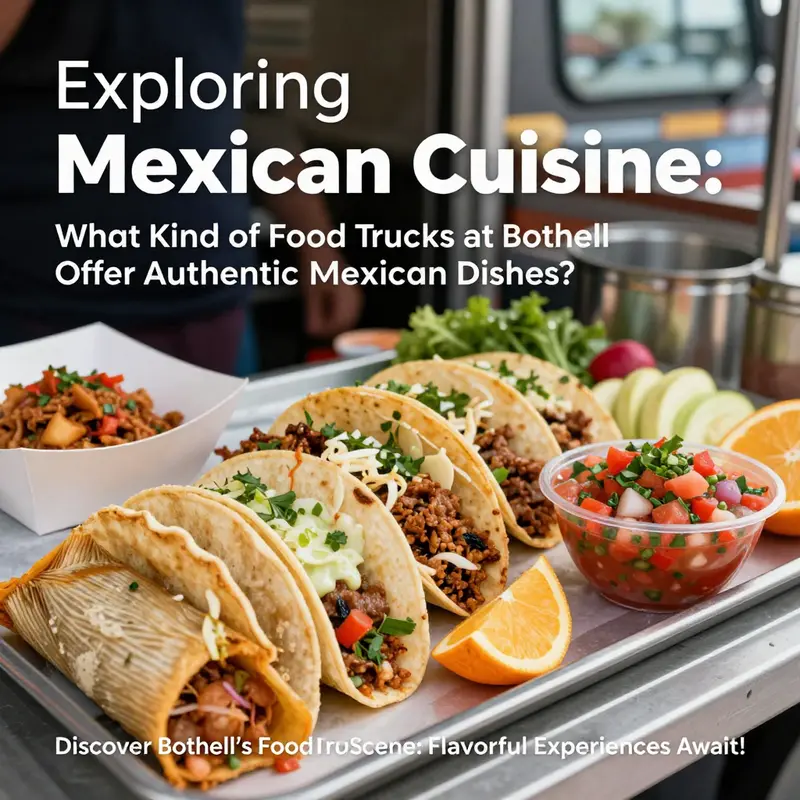
Bothell’s food truck scene offers a concentrated taste of Mexico’s street food culture. Walk a few blocks, visit a weekend market, or follow social updates and you will find a wide range of Mexican offerings. These range from straightforward al pastor tacos to inventive fusion plates that respect Mexican techniques. The food trucks here are small operations with big flavor. They focus on particular dishes, commit to specific cooking methods, and often bring family recipes to the counter. Understanding what counts as “authentic” in this context helps you choose where to eat.
Authenticity is not a single trait. It is a set of choices about ingredients, technique, and respect for culinary traditions. In Bothell, many trucks prioritize fresh, narrowly sourced ingredients. Look for slow-cooked meats, house-made tortillas, and salsas prepared from roasted chiles and fresh herbs. These details tell you a truck is trying to preserve traditional flavors. You will also see trucks blending Mexican recipes with local produce and Pacific Northwest tastes. That blending does not necessarily erase authenticity. Instead, it shows how traditions adapt. When technique remains faithful, and the heart of the dish is preserved, a new twist can still feel genuine.
Several local trucks have earned a reputation for delivering that sense of authenticity. Some focus on tacos the way they are made in central Mexico: pork marinated in a pineapple-scented adobo, thinly sliced and served on warm, slightly charred tortillas. Others present regional specialties from Oaxaca, Puebla, or Baja. Expect to encounter slow-braised barbacoa, tender carnitas, and richly spiced mole variations. Trucks that invest time in slow cooking and in making sauces from scratch often win loyal followings. The contrast between a mass-prepped filling and one simmered for hours becomes clear in the first bite.
Beyond cooking time and homemade components, an authentic truck often relies on traditional service style. Simple plating, focused menus, and a rhythm of repetitive excellence—tacos made to order, garnished with cilantro, diced onions, and a squeeze of lime—are signs that the truck values quality over gimmick. You might also see regional touches: a quesadilla folded and toasted on a plancha, tlayudas piled with refried beans and local cheese, or antojitos served from a small, steam-warmed tray. These offerings reveal a truck’s culinary identity.
One common theme across Bothell trucks is ingredient transparency. Operators will talk about their meats, explain their salsas, and point out if tortillas are made by hand. This openness is a marker of integrity. If a vendor proudly says they slow-cook pork shoulder overnight, or they roast chiles daily, it usually means they are committed to a particular standard. When possible, they will source local produce to ensure freshness, but keep core techniques and seasoning true to Mexican profiles.
Fusion appears in many places, and it can be authentic in its own right. Trucks that pair Asian influences with Mexican foundations do so by applying Mexican techniques to unexpected ingredients. For example, an adobo-marinated protein might receive an Asian-inspired glaze, or a classic carne asada could be served with a citrusy slaw that nods to other cuisines. Fusion stalls expand what authenticity can mean today. They do not have to depart from traditional textures, temperature contrasts, or spice balances to remain respectful.
Practically, Bothell’s food truck options break down into a few types that help guide your choices. First, there are tacos-focused trucks. These narrow menus mean high repetition and refined execution. You will see a concise list: al pastor, carnitas, carne asada, fish taco, and a vegetarian option. Expect tortillas that are either handmade or sourced from specialty tortillerias. The attention to tortilla heat and texture often distinguishes the best taco trucks from the rest.
Second, trucks offering regional specialties highlight state-specific techniques. Some bring Oaxacan-style tlayudas and mole, while others present Puebla-influenced dishes or Baja-style fish tacos. Regional offerings often use distinct ingredient profiles: different chiles, unique herbs, and particular grinding methods. A mole from Oaxaca, for example, may use a complex blend of chiles, seeds, and chocolate to achieve depth. These dishes require preparation time and knowledge, and trucks that serve them usually commit to making batch components in-house.
Third, there are trucks that specialize in both tacos and fuller plates. These menus include sides like esquites, sopes, and tamales. Salsas here can range from bright green tomatillo sauces to deep, smoky red chiles. If you want to taste the breadth of a tradition in one visit, choose a truck with a broader but coherent menu. The presence of items like handmade tamales or fresh esquites suggests a deeper engagement with Mexican culinary practices.
Fourth, you’ll find fusion-forward manufacturers that emphasize creativity. They often present burritos or bowls combining Mexican techniques with other influences. While their presentations might look modern, the base components—grilled meats, pickled vegetables, fresh cilantro—remain familiar. These trucks attract diners looking for robust flavor and novel combinations without losing the dishes’ cultural anchors.
Recognizing authenticity by taste takes a few practical steps. First, assess the tortilla. A good corn tortilla should smell of corn and steam. It should be pliable, slightly chewy, and lightly browned where it contacts the griddle. If the shell tastes generic or is overly processed, the taco will lack depth. Second, sample the salsas. Fresh salsas are bright, layered, and balanced. They show the difference between raw acidity, roasted depth, and the clean heat of fresh chiles. Third, examine the meat texture. Proper carnitas will have both crusted edges and shreds of tender fat. Barbacoa should pull apart easily. Al pastor should show a mixture of charred edges and juicy interior.
Ordering strategies help too. Ask how items are prepared if you are unsure. Vendors are usually happy to explain their methods. If a truck lists a regional specialty, ask whether its components are made on-site. Ordering a trio of tacos lets you taste range. Add a simple side, like a cup of esquites, to round the palate. And always sample a house salsa. It reveals the vendor’s balance between heat and flavor.
Atmosphere matters. Authentic Mexican food trucks often have a casual, efficient setup. A small counter, a modest menu board, and a steady stream of regulars are typical. Trucks that aim for theatrical presentation or overly elaborate plating sometimes prioritize looks over traditional execution. That said, a clean, sanitary, well-run operation with clear food-safety habits is equally important. Many trucks in Bothell maintain rigorous standards, balancing authenticity with public health requirements.
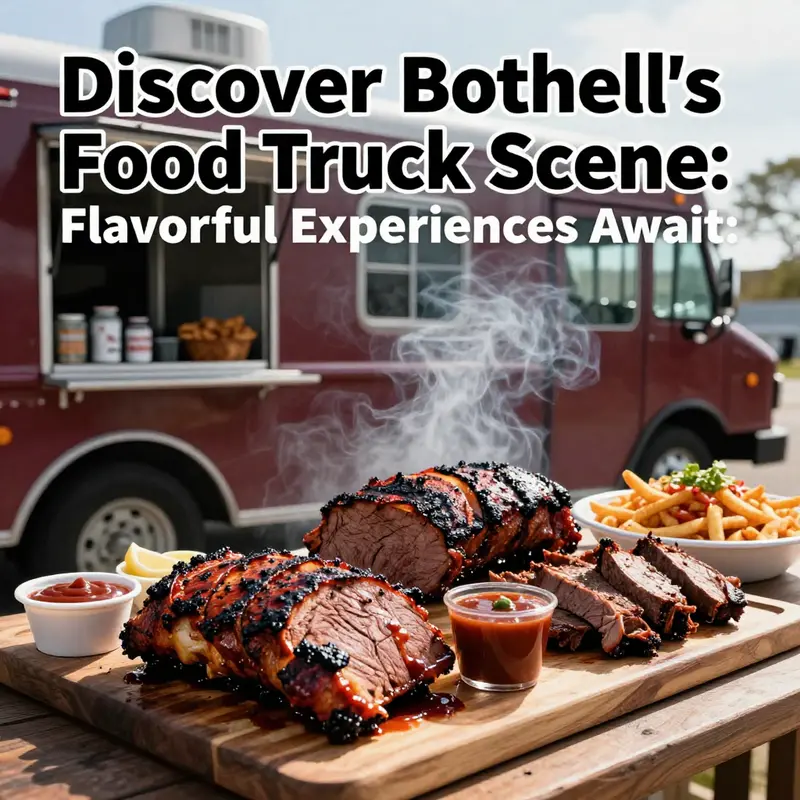
While most trucks focus purely on Mexican flavors, Bothell also hosts vendors who specialize in Texas-style barbecue. These operations offer grilled and smoked meats, with on-site preparation that produces char and smoke. They bring a very different tradition to the same street corners. If you want grilled brisket and smoked ribs with robust rubs, these trucks deliver. They show how regional American barbecue traditions coexist with Mexican street food in this city.
The local review ecosystem helps you keep track. Real-time updates from review platforms and social feeds tell you where trucks will park and which items are selling out fast. Reviews often highlight signature items and the times when the best dishes are available. Use those resources to plan visits. When a review repeatedly praises a specific taco or mole, chances are that dish has become a local staple.
One practical note relates to operations and compliance. Food truck owners navigate regulations that govern where they can park, how they prepare food, and the permits they must display. These rules shape daily service. If you want to understand more about how vendors maintain consistent quality while following legal requirements, the resource on navigating food truck industry regulations offers useful context. It explains how permits, inspections, and operational constraints influence menu choices and food preparation rhythms. Embedding these constraints explains why some trucks focus on a few dishes rather than an expansive menu. The link is a good primer for readers curious about the business side.
When you visit, timing can change your experience. Many trucks sell out of their most popular proteins early. Arrive at a mid-day rush for peak variety. If you prefer quieter lines, visit during late afternoon or early evening on weekdays. Weekend markets and festivals often host multiple trucks, providing a sampler of styles at once. If a vendor posts a special—say, a seasonal mole or a limited-run tlayuda—arrive early.
Pay attention to community roots. Some operators are second- or third-generation cooks who bring family recipes. Others are newer chefs who learned techniques through apprenticeship or culinary school. Both types contribute to a living tradition. The best vendors maintain respect for the original techniques while negotiating supply realities in the Pacific Northwest.
For vegetarians and those with dietary restrictions, many trucks offer thoughtful options. Grilled cactus, seasoned mushrooms, and roasted vegetable fillings can be deeply satisfying substitutes for meat. Authenticity in vegetarian dishes is possible when textures and seasonings are handled properly. Seasoned beans, house-made queso fresco, and charred squash all maintain traditional profiles when prepared with care.
Desserts and drinks complete the picture. Expect aguas frescas made from fresh fruit, horchata with cinnamon and rice, and paletas when available. Desserts like buñuelos or sweet empanadas show how street sweets balance textures and flavors. A quality beverage pairing enhances the meal and rounds your understanding of the truck’s culinary approach.
Finally, support local operators in ways that matter. Tip generously when service is fast and friendly. Leave reviews that detail what you ordered and what you liked. Vendors rely on word of mouth and repeat customers. Your feedback shapes their menu decisions and helps them refine their craft.
Bothell’s Mexican food trucks are not a replication of any single place in Mexico. Instead, they are a meeting point between tradition and local reality. The best trucks translate old techniques into dishes that sing in a new environment. They keep tortillas smoky, salsas bright, and meats slow-cooked. Whether you want the simple perfection of al pastor, a complex mole, or a modern fusion taco, Bothell delivers. Learn to read the signs of authenticity, follow local updates, and taste widely. You will find trucks that honor Mexican street food with respect and skill.
For up-to-date reviews and vendor locations, check the local review page here: https://www.yelp.com/biz/that-taco-truck-bothell-wa
null
null
Final thoughts
In the bustling food truck scene of Bothell, culinary diversity is the star of the show. Event planners can rest easy knowing they have a plethora of choices to make any occasion memorable while food enthusiasts are in for delectable surprises. The mix of authentic Mexican offerings and specialty barbecue makes Bothell’s food trucks a delightful option for any palate. As these mobile kitchens continue to showcase the richness of flavors and cultural heritage, one thing is clear: Bothell isn’t just another stop on the culinary map; it’s a destination bursting with vibrant tastes waiting to be explored. Dive in and savor the experience!