Thinking about launching your own food truck? You’re in the right place! Understanding how much a food truck costs is essential for event planners, corporate HR teams, community groups, and food enthusiasts alike. With options ranging from basic mobile kitchen units to fully customized premium designs, knowing what’s out there can help you make informed decisions that align with your needs. In the chapters that follow, we’ll dive into the world of food truck pricing, breaking down the foundational costs, exploring the factors that contribute to premium pricing, uncovering hidden expenses, and examining how prices vary by region. Let’s roll up our sleeves and dig into the ins and outs of food truck costs!
Budget Trails on Wheels: Decoding the Starting Price Tag of a Food Truck Venture
When people ask how much a food truck costs, they usually want a single number. The truth is more nuanced. The starting price tag for rolling a kitchen on wheels depends on the path you choose, the size of the operation, the level of equipment, and where you plan to operate. Rather than a fixed figure, the cost exists as a spectrum that expands or contracts with decisions you make before you even flip the sign to open. This chapter looks at the practical entry points, the typical price ranges you’ll encounter, and what those numbers mean for your business plan, all in a way that helps you move from idea to menu without getting tangled in a forest of quotes. At the core, there are a few core routes that shape the initial investment: a basic, ready-to-roll unit; a used vehicle that already functions as a kitchen on wheels; or a chassis you buy and outfit to your exact specifications. Each path carries its own rhythm of cost, risk, and speed to launch, and each aligns differently with the vision you have for your menu, your crew size, and your location.
A practical starting point is to anchor expectations around a few explicit price bands. A basic mobile kitchen that is fully equipped and pre-built can start around three thousand six hundred to four thousand seven hundred dollars. These lean, ready-made units are designed for straightforward operations—coffee, light snacks, or simple breakfast concepts. They deliver the essential kitchen layout in a compact footprint, with dependable electrical and plumbing hookups, and a basic range of equipment that supports a modest menu. For someone testing a concept with a tight initial budget, this tier represents a lower-risk entry, a way to validate demand before committing to a larger capital outlay. The trade-off is clear: fewer features, less capacity, and a ceiling on menu complexity. If your vision includes a broader culinary footprint or higher-volume service, you’ll likely outgrow this baseline sooner rather than later.
By contrast, the other end of the spectrum features premium, customized mobile kitchens. These units are larger, better equipped, and tailored to specific menus or service patterns. In many markets, the price gap between a basic unit and a high-end, fully customized trailer can be substantial. In certain regions, premium mobile kitchens in the mid-range of the market can run into the tens of thousands, with fully customized, high-capacity units featuring advanced features and larger gas and electrical capacities often priced well above fifty thousand dollars. The Dubai example, cited in market analyses, demonstrates how customization, high-end equipment, and larger footprint can push units into a premium bracket—roughly forty-five thousand to fifty-five thousand dollars. The important point is that “premium” is not merely a better stove; it is a bundle of capacity, efficiency, durability, and adaptability that can dramatically change throughput, service style, and the kinds of events you can credibly pursue.
Between these two poles lies a more hands-on approach that many operators use as a bridge to ownership. Buying a used food truck opens a viable pathway for those who want to minimize upfront cash while still entering the market. A used truck typically ranges from about fifty thousand to one hundred thousand dollars, depending on its condition, age, and the equipment it already carries. The attractiveness of a used unit is clear: lower initial cost and quicker time to market compared with starting from scratch. However, buyers should be prepared for more variability in performance and ongoing maintenance. A used vehicle may require more immediate updates, recalls, or replacements for wear and tear, and while it reduces initial cash outlay, it can introduce unpredictable maintenance costs in the first year of operation. The decision to buy used is often about balancing cash flow flexibility against the certainty of your kitchen’s reliability and the long-term depreciation of the asset.
Another common path is to purchase a truck chassis and outfit it with a brand-new kitchen. This option typically ranges from about eighty-five thousand to one hundred fifteen thousand dollars, depending on how much of the kitchen is rebuilt, the quality of appliances, and the engineering work needed to fit the space. Chassis-plus-outfitting can be appealing for operators who want a newer truck frame with a modern electrical system and a brand-new kitchen, but who also want the certainty and speed of a professionally installed layout. It can shorten the ramp-up to a fully operational concept because the core truck is newer, yet it allows customization that aligns to your exact workflow and menu. The upfront cost is higher than buying a used truck, but the resulting reliability and potential resale value can make the equation attractive for certain business models.
For those who prefer flexibility and experimentation, renting a food truck for a defined period offers an entirely different calculus. A six-month lease, for instance, can cost roughly two thousand to three thousand dollars per month. Shorter rental terms often carry higher monthly rates, reflecting the expedited turnover of capital and the convenience of not tying a large asset to a concept you’re testing. Renting gives you the chance to pilot a concept across several events, seasons, or neighborhoods without committing to ownership. It also alleviates the burden of maintenance, insurance, and long-term depreciation. The downside is the absence of asset equity and the potential mismatch between the rented unit’s setup and the precise needs of your menu or service model. For businesses still validating demand or exploring multiple geographies, renting can be an effective temporary measure that informs a future purchase decision.
Money aside from the chassis and the kitchen itself matters as well. Shipping, import duties, and installation fees can add a meaningful layer of expense, and these costs can swing widely by region. Freight charges, duties, and the logistics of getting a mobile kitchen to your town can tilt a project’s total by several thousand dollars or more, especially if you’re crossing borders or dealing with a high-touch supply chain. Some suppliers offer online protections and after-sales support, which adds value, but the freight element must be confirmed directly with the seller or manufacturer. In a global market, such foggy edges are a real part of budgeting because a price tag on paper may still require a sizable add-on to bring the kitchen from factory to curbside.
Location is another critical driver of cost. In some markets, the price of baseline equipment may be roughly aligned with global averages, while in others, regulatory requirements, permitting, and parking regulations can influence the kind of unit you buy and the features you insist on. A region with stricter health codes might push operators toward higher-end outfitting, larger exhaust systems, better ventilation, and more robust safety features, all of which add to the upfront sticker price. Conversely, a market that is friendlier to pop-up concepts and shorter-term events may encourage smaller, cheaper units designed for rapid deployment and easy relocation. The point is not to chase the highest price bracket but to align your unit with the service style, event calendar, and geographic footprint that best matches your concept and cash flow.
To navigate these options with clarity, it helps to translate the price bands into practical implications. If you are condensing your menu and serving a tight set of items with a quick sprint to throughput, a basic, ready-to-roll unit or a well-maintained used truck can sustain a credible startup phase at a relatively modest outlay. If your concept demands a long, highly efficient service window, a larger kitchen with specialized equipment, or the capacity to handle high-volume events, investing in a premium, customized unit or a newer chassis outfitting may provide long-term benefits in reliability, energy efficiency, and service speed. In either case, the key is to forecast the menu, the staffing model, the event mix, and the geographic reach, then gauge how those variables align with the chosen asset class. It is not just about the initial price tag but about the total cost of ownership, including insurance, maintenance, fuel, parking, and the inevitable repairs that arise when a kitchen moves from concept to curbside.
For readers who want a clearer map to the options, it can be helpful to approach the decision the same way a restaurant chooses a concept. Start with a vision of the menu, the target events, and the expected cadence of service. Then translate that vision into a set of specifications: size, power, refrigeration capacity, ventilation, water supply, waste handling, and the types of cooking appliances you need. The more precise you are about these needs, the easier it becomes to compare apples to apples across different offers and to obtain meaningful quotes that reflect your true requirements rather than generic, one-size-fits-all packages. If you want a focused exploration of the different truck models and configurations available, you can consult resources such as Choosing the Right Food Truck Models, which lays out the tradeoffs between different chassis and kitchen layouts and helps you align design with your business goals. Choosing the Right Food Truck Models.
Beyond the numbers, a disciplined budgeting approach also considers ongoing costs. The initial investment is only the first chapter of the story. Insurance, licensing, health and safety compliance, equipment maintenance, fuel, and periodic upgrades to keep the kitchen modern all take bites out of monthly cash flow. A sound plan will include a conservative estimate for maintenance—especially for used units—along with a realistic projection for fuel and utilities, even when a truck operates in a cost-efficient, compact footprint. These ongoing costs often sway the long-term viability of a concept as much as the upfront price tag does. The core insight is simple: your starting price is not just a ceiling; it is a ceiling on the speed at which you can responsibly scale your operation. If you aim to grow into multiple events, expand to new neighborhoods, or add more staff, your financial planning should account for that growth from day one. You should also remember that some of the most successful models are built not on the largest, flashiest kitchen, but on the most thoughtfully designed one, where the investment returns come through reliable service, consistent quality, and smart asset management.
To bring these considerations into a practical plan, many aspiring operators begin by talking to suppliers early and often. A thorough quote will factor in the menu type, the expected size of the operation, and the desired features, from refrigeration and heat sources to water capacity and waste management. Asking the right questions up front helps prevent sticker-shock later on. It also clarifies whether a given option fits your timeline and your target launch window. If you’re still unsure where to start, you can follow a structured path of evaluating the core routes—used truck, chassis and outfitting, basic pre-built, or rental—and then compare not just upfront price but also the reliability, uptime, and potential resale value of each choice. The goal is to arrive at a decision that supports both your dream and your budget.
As you map the numbers to your concept, keep an eye on the level of customization you truly need. A highly customized unit can unlock a more efficient workflow and a broader menu, but it also raises the price ceiling and the risk of becoming over-engineered for your early stage. In many cases, operators begin with a lean configuration and upgrade as demand proves itself. That approach preserves cash flow while preserving the confidence to invest more deeply later on. The story of cost, then, is really a story of balance: a balance between capital outlay, speed to market, long-term reliability, and the flexibility to adapt as the business grows. When you consider all of these elements together, the starting price of a food truck becomes less a single figure and more a strategic decision about how quickly you can launch, how smoothly you can operate, and how well your kitchen can scale with the hunger you create for customers.
For readers who want a concise snapshot of the main options and their price ranges, the figures from market guides are helpful references: a basic, fully equipped unit can begin around $3,600 to $4,700; used trucks sit roughly in the $50,000 to $100,000 range; buying a used chassis and outfitting it typically lands in the $85,000 to $115,000 band; premium, customized units can push toward $45,000 to $55,000 in some markets, with larger, high-end configurations commanding higher prices. Renting a truck for a six-month period can cost between $2,000 and $3,000 per month, a pathway that aligns with a concept-detection phase where cash flow is tested before a full commitment to ownership. The numbers illustrate the spectrum, but the real decision rests on a thoughtful projection of menu, scale, events, and the pace at which you want to grow. For many operators, the right price is not the lowest price but the price that aligns with a clear plan to reach customers, deliver consistently, and reinvest in the business as the market responds to the story you tell on wheels.
External resources can provide additional context on operating costs over time. For a broader look at ongoing startup and operating costs in 2025, consider resources that synthesize the experience of many operators and offer practical budgeting guidance: https://www.foodtruckbusiness.com/food-truck-startup-costs-2025
Beyond the Badge and Grill: Decoding the Price of a Custom, High-End Food Truck
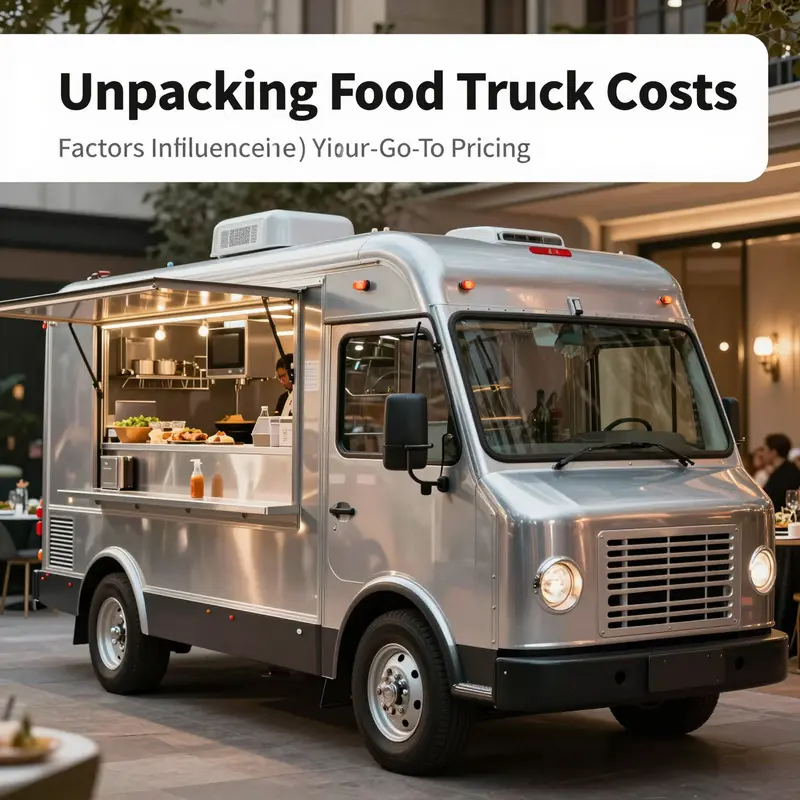
When people ask how much a food truck costs, they usually expect a single number. The truth is more nuanced. A premium, customized unit is not just a purchase; it is an investment in a carefully choreographed kitchen on wheels. The price reflects decisions about layout, materials, technology, regulatory compliance, and long-term operating costs. In practice, customers who want a top-tier mobile kitchen must think like architects, engineers, and restaurateurs all at once. The result is a price tag that mirrors the complexity of the project and the ambitions behind it. This chapter explores the main forces that propel high-end pricing and shows how each choice pushes the final figure higher while delivering tangible gains in efficiency, reliability, and brand power. It is a conversation about value as much as cost, because premium trucks often pay back their premium through smoother service, happier customers, and fewer shutdowns caused by avoidable failures.
At the heart of any high-end build is customization. Basic mobile kitchens exist in a familiar spectrum: compact units that handle coffee, light snacks, or simple prep. They come with pre-fabricated layouts that satisfy standard workflows and require minimal adaptation to local regulations. But once a buyer asks for a kitchen that fits a precise cuisine, an optimal service counter, and a branding system designed to turn heads, the project steps into another league. Bespoke layouts are not merely about placing appliances in a row; they are about imagining the entire service cycle from a customer’s first glance to the last wipe-down at the end of the day. Each choice cascades through the design. A shawarma-focused truck might need a vertical spit support, a grease management strategy, and a cooling zone shaped to maintain meat at peak quality during back-to-back orders. A coffee-forward concept may prioritize a compact espresso module, a precise grinder workflow, and a steam-ventilation arrangement that minimizes odor leakage into the street. These are not exotic options stitched on as an afterthought; they are integral to the kitchen’s rhythm and reliability. When designers tailor these layouts, they are accounting for the cuisine’s unique demands and the operator’s day-to-day realities. The result is a machine that looks and feels efficient, but that efficiency comes at a premium. The cost is not the sum of shiny surfaces; it is the price of precision in every square foot, every line, and every hinge that glides with surgical ease.
Branding is the second major driver. A premium truck does more than feed people; it broadcasts a story. The cost of branding is not limited to a glossy wrap or a striking logo. It includes the integration of graphics with the kitchen’s function, the placement of branding elements for optimal line-of-sight, and the durability of coatings that survive heat, steam, and frequent cleaning. Unique branding components can extend to interior finishes that mirror the exterior story, creating a cohesive experience for customers who step into the truck for a moment of theater as much as sustenance. The investment in branding often translates into higher ticket values per sale because customers perceive a more professional operation, trust the brand more, and are more likely to return. A fully customized mobile concept with distinct branding packages can push the price well beyond standard, off-the-shelf configurations, and the premium can be justified by stronger sales conversion and repeat business. In some regions, this branding work is treated as an asset that enhances resale value as well, because a well-branded unit tends to attract buyers who want a turnkey, immediately operable platform rather than a bare-bones shell.
The third axis is equipment selection and the sophistication of the mechanical systems. High-end builds often require robust refrigeration, advanced ventilation, and highly efficient cooking lines. A premium truck may feature energy-efficient induction ranges, high-Btu gas appliances, or specialty steamers tailored to a menu. Refrigeration becomes a system, not merely a box, with dedicated products for reach-ins, undercounter storage, and blast chillers designed to stabilize products between orders. Ventilation is not a cosmetic add-on; it influences fire safety, air quality, and kitchen temperature control. When a truck includes multiple cooking modules, each with precise temperature control and optimized airflow, the electrical load increases and the electrical design becomes a critical component of the build. The cabling, breakers, and safety interlocks must be engineered to handle peak demand, which adds to engineering labor and materials costs. The upshot is a more reliable kitchen that can operate at high volume with less downtime, but the price rises in step with the complexity of the systems. Operators who rely on multi-item menus, seasonal rotations, or high-temperature cooking will discover that the premium for advanced equipment pays off in uptime and consistency, even if the initial sticker price is steep.
Compliance and certification form a fourth, crucial pillar. Local health codes, fire safety standards, and environmental requirements do not simply add paperwork; they shape the machine’s geometry, the escape routes, the types of materials allowed for wall finishes, and the way waste is collected and handled. Meeting these standards often requires extra engineering work, third-party simulations, and formal inspections. In some markets, certifications are routine and included in the build; in others, they are an ongoing process with renewal requirements. The cost here is both upfront and recurring: initial compliance engineering and inspection can add thousands to the initial cost, while ongoing regulatory updates can trigger periodic retrofits or documentation updates. For operators who plan to scale or to operate in multiple jurisdictions, this investment ensures that the vehicle remains compliant across a broad map of regulations, which reduces the risk of costly delays and fines in the future. The value lies not only in avoiding penalties but in creating a purchasing certainty for lenders and insurers who weigh risk when a lender evaluates a premium mobile kitchen.
Beyond compliance, there is the economic layer of ongoing operational expenses. The most transparent is fuel consumption, which rises with larger, heavier shells and more powerful, perpetually running equipment. Maintenance costs also scale with the complexity of the build. Premium trucks often require specialized technicians, heavier components, and more frequent service to keep everything performing at peak. The lifetime cost of ownership can be markedly different from a basic model, because premium features demand higher-quality parts and trained service networks. Yet many operators find that the longer service life, reduced downtime, and greater throughput offset these higher recurring costs. In practice, the total cost of ownership becomes a balance sheet calculation: initial price plus ongoing expenses versus the expected revenue impact from faster service, higher quality food, and stronger customer perception. The math is not always straightforward, but the pattern is clear—premium builds tend to offer a more stable operating profile and a stronger brand footprint, which many operators view as essential for a restaurant-on-wheels seeking sustainable scale.
The numbers that anchor this discussion are as telling as the narrative. A basic, fully equipped mobile kitchen can start in the mid thousands in some markets, with pre-built units often offered around three thousand six hundred to four thousand seven hundred dollars. These figures are typical for compact, simple formats designed for coffee, snacks, or breakfast items, and they reflect a reliable, lower-friction entry point into mobile food service. When you tilt toward customization and premium specifications, the price can surge dramatically. In high-cost regions and for fully bespoke builds, the headline numbers can land in the tens of thousands, sometimes approaching fifty thousand dollars for fully customized, high-capacity units with advanced features. A notable regional example cited in research is premium mobile kitchens in Dubai, where prices for high-end, fully customized units can range roughly from forty-five thousand to fifty-five thousand dollars. The contrast between these two bands highlights how much a few choices—layout, materials, and systems—can swing the final figure. It also underscores why prospective buyers must be clear about the scope of the project before engaging suppliers. The cost picture becomes much clearer when you start with a menu concept, a service model, and a target customer experience, then align the build to those pillars rather than letting the build chase fashion or novelty.
Another layer of reality that buyers should account for is shipping, import duties, and installation. For equipment sourced across borders, freight costs can add a meaningful bump to the final price. Import duties vary by country and even by state or province, and installation fees may include site-specific customization, commissioning, and training. Suppliers often offer protections for online payments and after-sales support, but those protections do not replace the reality that logistics can alter the bottom line. It is wise to obtain a detailed, written quote that breaks out materials, labor, equipment, and regional extras. The reality is that two trucks that appear similar on a spec sheet can diverge by thousands after you factor in logistics, taxes, and region-specific requirements. This is not a cautionary tale about overpaying; it is a reminder that the best value comes from a transparent dialogue with suppliers. You tell them your menu, service model, peak hours, and geographic footprint; they respond with a proposal that reveals where extra dollars are going and what you gain in return. The aim is not to chase the most features, but to build the right combination of layout, equipment, and compliance that delivers reliability, speed, and brand equity on your specific street corners.
In evaluating a premium, customized unit, many operators find it helpful to anchor their thinking to the practical benefits they expect. A well-designed custom truck can dramatically shorten service times during peak hours by optimizing the move from order to plate. It can improve food quality by enabling precise temperature control and safer food handling. It can also extend the life of costly appliances by using insulated walls and controlled ventilation that keep heat from harming delicate equipment. These improvements contribute to a more consistent customer experience, which builds loyalty and justifies higher price points on menu items. When a operator weighs the upfront cost against these long-term advantages, the math often supports a higher investment as a strategic choice rather than a simple expense. Yet the decision remains highly contextual. The best path forward is a careful scoping session with a trusted builder, a clear menu and service plan, and a realistic projection of expected sales, which will illuminate the size and feature set that truly deliver value rather than mere vanity.
To round out the picture, a practical takeaway is to treat pricing as a spectrum rather than a fixed barrier. On one end sits the basic, ready-to-go unit that minimizes risk and accelerates launch; on the other, the high-end, customized system that reflects a convergence of cuisine, branding, and smart engineering. Most buyers land somewhere in between, choosing a level of customization that aligns with their menu, location strategy, and growth plans. For anyone assessing whether to invest more for premium features, a balanced question emerges: will the extra spend translate into a meaningful gain in throughput, quality, and brand affinity in the markets you plan to serve? If the answer is yes, then the higher price is not an impulsive splurge but a deliberate choice anchored in the project’s core objectives. In that sense, the cost of a customized food truck becomes less about the price tag and more about the extent to which the truck advances the business model, reduces friction, and elevates the consumer experience over the lifecycle of the unit.
For readers seeking a broader sense of pricing trends and specifications across the industry, a current market resource provides a real-time view of how customization and pricing interact in practice. It offers context for shifts in the supply chain, consumer demand, and regional regulatory environments that influence cost. The link below provides an external perspective on pricing and customization trends that can help shape decision-making as you design or evaluate a premium build. External resource: https://www.foodtruckbusiness.com/industry-reports/2026-food-truck-pricing-trends. Within this landscape, one internal touchpoint can guide you toward choosing the right model and balance of features, ensuring your investment aligns with your culinary ambitions and your business plan. For those who want to see how branding informs the journey and how to fuse identity with function, the following article offers a comprehensive look at the branding side of the wheel: branding on wheels—the ultimate guide to food-truck graphics and identity. This resource is not a marketing flourish; it is a practical reference to shaping a truck that communicates your concept with clarity from the moment a customer approaches the window.
In summary, high-end, customized food trucks command prices that reflect a bundle of choices that go beyond mere equipment. The level of customization, the quality of materials, the sophistication of mechanical systems, and the rigor of compliance and certification together push the price upward. Operational realities—maintenance, fuel, and the risk profile of more complex builds—also factor in, but they are part of a larger calculation about return on investment and competitive positioning. If you approach the project with a clear menu concept, a defined service model, and a well-scoped profile of the ideal customer experience, you can translate premium features into reliable performance, strong branding, and enduring value on the street. The journey from concept to custom kitchen is not just about spending more; it is about aligning every dollar with a deliberate business strategy that turns a mobile kitchen into a durable, profitable asset that can move with you through markets and seasons, always ready to deliver the vision that sparked the project in the first place.
null
null
Costs on the Map: How Regional Differences Shape the Price of Food Trucks
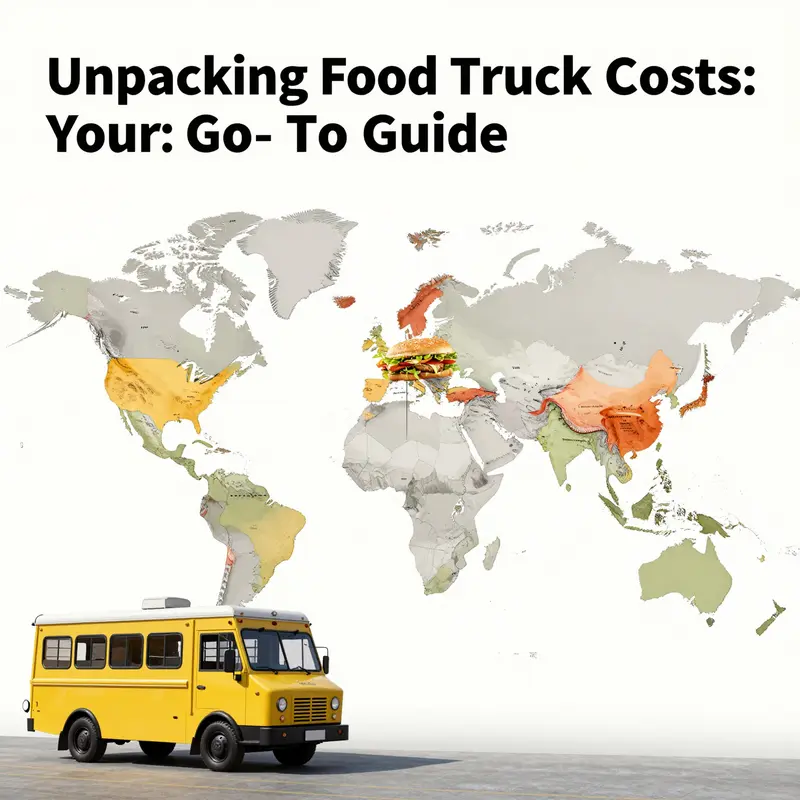
Prices in the food truck market do not sit still. They move with the map, shifting based on the rules of each region, the rhythm of local labor markets, the cost of real estate, and the way suppliers structure their networks. If you chart the typical starting price for a basic, fully equipped mobile kitchen against the backdrop of different regions, you begin to see that the dollar amount is less a single sum than a story of supply chains, compliance, and opportunities. The broad takeaway is simple and practical: where you set up shop matters as much as what you put on the truck. The cost you face at the outset, and the ongoing expenses that accompany daily operation, are colored by jurisdictional color and local market dynamics. As one thinks through the numbers, the page grows from a neat line item into a living map of decision points that will shape both the price and the payoff of the venture.
In many markets, the baseline for a ready-to-roll kitchen starts with the kind of unit you choose and how much customization you demand. Basic mobile kitchen units can begin in the mid three-thousands, even below five thousand dollars when they come in standard, off-the-shelf configurations. These are the workhorses that towns and campuses often see used for simple operations—coffee, pastries, or quick-service snacks. They provide a pathway for entrepreneurs who want to test ideas with relatively modest risk, and they highlight a fundamental truth of the broader market: you can enter with a lean footprint, then scale as demand and cash flow permit. Yet beneath that initial price tag lies a cascade of regional factors that can bend the total investment in surprising ways. Shipping costs, duties, and installation can turn into a sizable portion of the package, depending on where the unit is built, how it is exported, and the regulatory environment it must meet before it can legally serve customers.
Germany, for instance, illustrates how quality standards and branding expectations intersect with price. In this market, the appearance of the truck and the perceived professionalism of the operation carry weight. They influence customer trust, permit negotiations, and even the types of equipment vendors willing to supply certain configurations. The costs here are not just for the hardware; they roll up into a premium for materials and construction that meet stringent European safety and durability standards. The payoff is a truck that can project reliability and compliance, but the price tag reflects that reliability. For operators who plan to run in busy urban zones or hospitality districts, those higher costs can be a threshold to entry, but they often translate into smoother operations, lower long-term maintenance surprises, and the ability to command a premium on the menu when the brand feels trustworthy and polished. The German example is a reminder that regional mood, regulatory rigor, and consumer expectations can co-create a premium that shows up in the upfront price and, potentially, in the long-run revenue stability.
Across the globe, manufacturing centers and supply chain ecosystems also steer cost structures in markedly different directions. In China, the market benefits from a dense, vertically integrated supply chain network that spans steel fabrication, electrical systems, and the essential parts of professional kitchen equipment. The dominance of certain provinces in large-scale production translates into shorter lead times and more favorable pricing for buyers who are able to source from these hubs, especially when orders are sizable or when bulk purchasing is possible. For international buyers, the attraction here is not simply the price tag on the unit itself but the overall efficiency—how quickly a truck can be built, shipped, and delivered ready to operate. The cost advantages become particularly pronounced for those seeking multiple units or standardized configurations across a fleet. Yet Chinese manufacturing intensity also invites careful considerations around quality control, after-sales support, and the long-term reliability that operators depend on. A decision to source from this heart of production implies weighing lower unit costs against the diligence required to ensure component quality and consistent service after delivery.
In the United States, the mixing bowl looks different. Consumers often enjoy affordably priced meals in many urban and suburban environments, with entrées commonly found under ten dollars in markets that are accustomed to high volume and fast service. For operators, however, the picture is more complex. The upfront dollars spent on permits, licenses, and regulatory compliance can be substantial, with estimates around twenty-eight thousand dollars or more in some cities when you add the layered requirements of health inspections, fire codes, and business registrations. Parking and zoning present recurring friction, especially in densely populated areas where legal spaces are scarce and negotiating with multiple authorities becomes part of the job. Nevertheless, the U.S. market also presents a robust revenue canvas for operators who can secure the right spots, maintain quality, and consistently serve appealing menus. The permit and licensing cost becomes a fixed feature of the business model, not a one-off line item. It is a reminder that a market’s consumer price point does not automatically translate into a proportionate operation cost; instead, it reflects a more complex ladder of regulatory and logistical realities that a successful vendor must climb.
The thread that ties these regional narratives together is the way local factors shape both the initial commitment and the ongoing viability of a food truck operation. Regional regulations dictate safety standards, which in turn influence equipment choices and the materials used in construction. Local labor costs set the baseline for staffing, service speed, and the ability to price items competitively, especially in cities with strong unions or high minimum wages. Real estate and parking costs influence where a truck can park, how long it can stay, and what kind of foot traffic the operator can expect. The availability of suppliers and the efficiency of the supply chain affect both the upfront investment and the maintenance costs that accrue over time. Even consumer behavior plays a role: in markets with a culture of street food and casual dining on the move, a higher-cost truck might still achieve healthy turnover if the menu resonates and traffic patterns are favorable.
When you step back from the numbers and look at the entire cost structure, a pattern emerges: the base price is only one piece of the puzzle. The true investment in a food truck is the sum of the unit, the customization, the regulatory and permitting framework, the local labor and insurance environment, and the ongoing costs of maintenance, fuel, and marketing. In some regions, the baseline equipment is inexpensive, but the regulatory gatekeeping makes the total entry cost higher. In others, the upfront price may be steep, yet the operating landscape offers smoother navigation and clearer pathways to profitability. The challenge for aspiring operators is to build a realistic budget that captures these regional realities—and to do so early in the planning phase so that the business model can adapt to the realities of the chosen locale.
For those who want to begin with a lean footprint, a basic, pre-built unit in the lower price range can be a prudent starting point. This path can be especially suitable for testing a concept, validating a menu, and gaining practical experience with the day-to-day rhythms of running a mobile kitchen. The flip side is that higher customization or larger capacity remains a possible future step, and the cost trajectory will reflect that potential. In contrast, for operators who have a target market in mind that demands premium branding, superior materials, and a high-capacity kitchen, the German or European model—with its emphasis on aesthetics, durability, and compliance—may be more appropriate, even if it requires a higher initial outlay. The movement from a basic unit to a premium custom kitchen is not merely a financial jump; it is a strategic shift in how an operator positions their brand, models their menu, and engages with customers.
As this chapter has wandered across continents and policy landscapes, a practical take-away crystallizes: to anticipate the true cost of entering the food truck business, you must map not only the price tag on the chassis but also the regulatory route you will navigate, the parking realities you will face, and the supply chain you will lean on. The numbers in one country do not simply translate into another; instead, they require interpretation through a lens that weighs compliance, local demand, and the ease with which a fleet can be scaled. An accurate forecast, therefore, starts with a candid assessment of where you plan to operate and how your concept will align with that environment. It should also recognize that the cheapest path today might impose higher costs tomorrow, in the form of frequent repairs, limited brand reach, or constrained location options. Conversely, a more expensive, well-branded setup can set a durable foundation for growth if paired with a sustainable location strategy and a well-curated menu.
To those mapping their path forward, a few guiding questions can anchor the planning process. What is the maximum upfront investment you are willing to make, and how quickly do you need to reach break-even? How important is brand perception in your target area, and what level of equipment quality will that demand require? Which local authorities will govern parking, health and safety, and labor practices, and how steep are the permit costs? How will you source parts and service, and what kind of after-sales support do you need to avoid downtime? These questions help translate regional price signals into a coherent business plan. The reality is that the cost landscape is not a single price point but a spectrum informed by geography, regulation, and market demand. And while a given chapter of a business plan may begin with a cost estimate, it is the regional narrative that gives life to that estimate and turns it into a credible path to success.
For anyone exploring or expanding a food truck venture, these regional variations are not merely curios. They define the practical boundaries of your ambition. A plan anchored in Germany will read differently from a plan anchored in China or the United States, and those differences should be embraced as part of due diligence rather than as obstacles. The wise operator looks at the map, estimates the full journey from chassis to menu to parking, and then builds a strategy that pairs the right unit with the right market conditions. In doing so, the alignment between cost, capability, and consumer demand becomes visible, and the path toward profitability becomes clearer. If you’re ready to translate these regional signals into actionable procurement steps, consider the broader landscape of options and the concrete steps to secure reliable equipment, dependable partners, and compliant, efficient operations. A starting point is to engage directly with suppliers to tailor a configuration to your menu, space, and local rules, and to incur the least amount of risk while building the foundation for scale. And as you plan, remember that the most durable trucks are not defined by their price alone but by how well they navigate the constraints and opportunities that their region presents. For more on navigating the regulatory landscape and structuring a compliant, resilient truck of your own, see the dedicated guide on navigating food truck industry regulations.
https://loschifladostruck.com/navigating-food-truck-industry-regulations/
External Resource: For a broader market context and ongoing trends in the global food truck sector, refer to this external analysis: https://www.researchandmarkets.com/reports/598742/global-food-truck-market-analysis-by-application-sale-volume-market-share-regional-outlook-and-forecast-from-2026-to-2033
Final thoughts
Navigating the cost landscape of food trucks can seem daunting, but with the right information, event planners, corporate teams, and individual enthusiasts can make informed choices. From understanding the basic costs to recognizing the hidden fees and regional price variations, each aspect offers invaluable insight into your investment. Whether you are gearing up to launch your food truck or simply organizing an event to feature these culinary delights, being aware of the pricing dynamics can set you on the path to success. Remember, every food truck tells a story, and the right budget merely lays the foundation for that story to unfold.