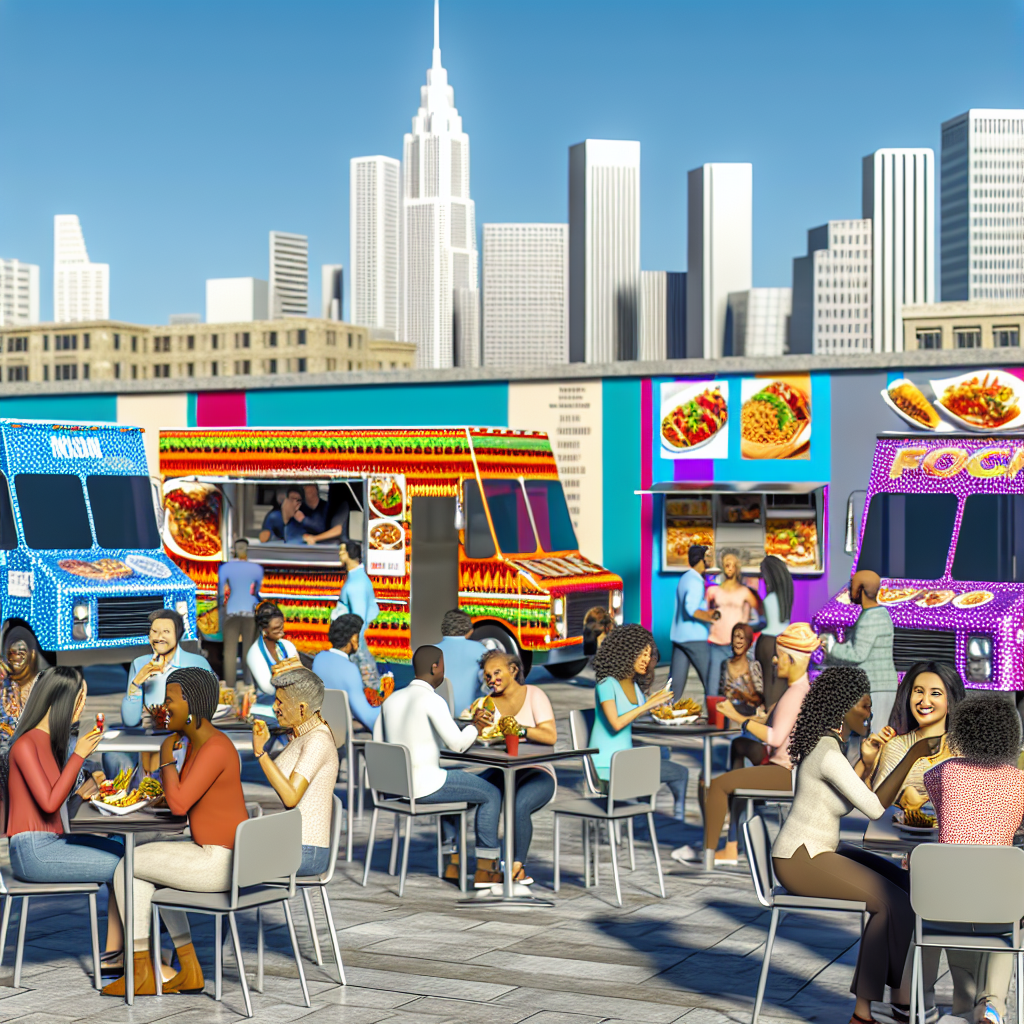
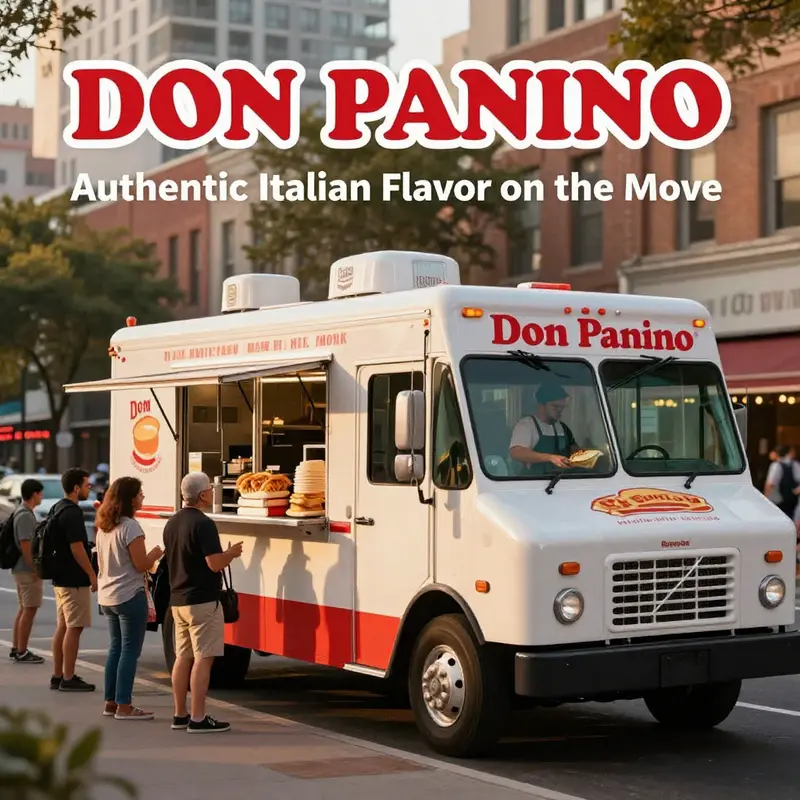
A good panino can turn a quick lunch into a memorable moment, and a well-run food truck can turn a city’s busy streets into a thriving gathering. Don Panino Food Truck imagines a mobile Italian sandwich concept that blends authentic flavors with sharp operations, delivering consistent quality to diverse audiences—from corporate campuses and school clusters to neighborhood markets and festival floors. While the initial search for an exact Don Panino Food Truck entity showed gaps in public records, the concept remains highly viable when approached with brand clarity, efficient workflows, and smart compliance. In the chapters that follow, we’ll map out a complete picture: how an identity grounded in Italian street-food heritage informs menu and service; how market segments and location strategy shape profitability; how a compact, tech-enabled kitchen drives throughput; and how regulatory, geopolitical, and social dynamics influence every mile of the journey. The goal is to provide event planners, HR teams, local groups, and foodie enthusiasts with practical lenses to evaluate, partner with, or even launch a Don Panino-inspired mobile experience that’s aligned with real-world constraints and community values.
null
null
Panino on Wheels: Market Dynamics, Customer Segments, and the Economics of a Mobile Italian Sandwich Venture
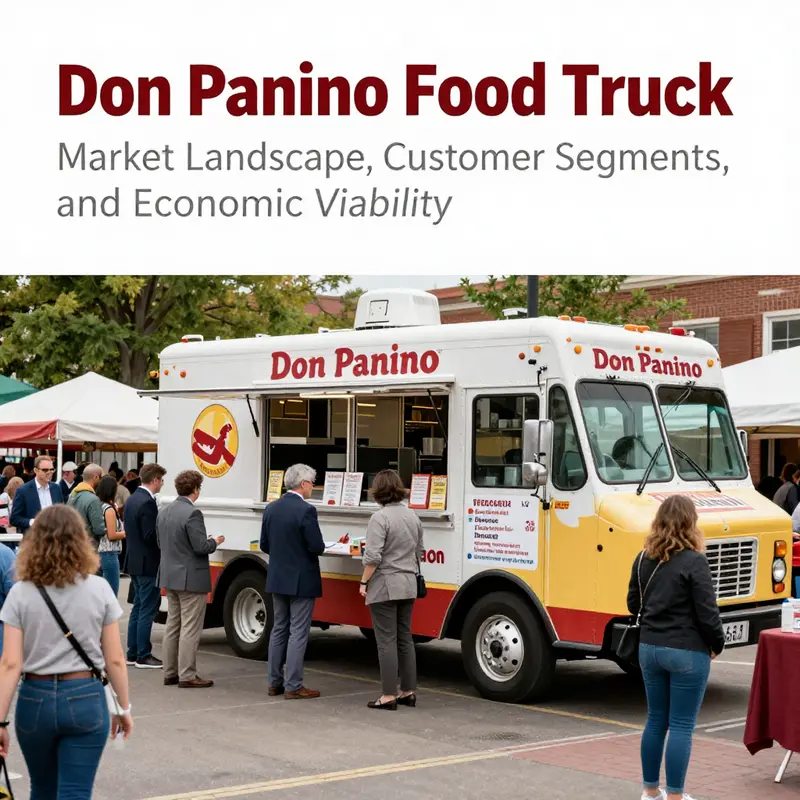
Panino on Wheels: Market Dynamics, Customer Segments, and the Economics of a Mobile Italian Sandwich Venture
The idea of a panino-focused mobile concept drifting through city streets speaks to a particular moment in urban dining: high-quality, affordable, and fast food that carries a sense of place. In Florence, a historic hub for art, culture, and food, the appetite for authentic Italian flavors delivered with speed and convenience creates a fertile ground for a panino-on-wheels venture. The regional market context—where restaurants number in the thousands and travelers continually seek a bite that feels both familiar and freshly crafted—frames the opportunity in terms of accessibility, throughput, and sensory impact. A panino that is made to order, with attention to bread texture, cheese melt, and the balance of cured meat or vegetables, can become a rapid favorite for busy professionals, curious travelers, and students alike. Yet the success of such a concept hinges on understanding how the broader market is evolving, who the core customers are, and how the economics of a mobile operation can be managed without sacrificing the experience that makes Italian street food distinctive.
The market landscape for mobile dining in Florence and similar urban centers reveals a trend toward mobile, authentic, and quick-service formats. On the surface, the city presents a dense competitive field. The local dining scene, ranked among thousands of Italian and international options, illustrates both the appetite for variety and the strong preference for quality. In this context, a panino-on-wheels concept must leverage the advantages of mobility and customization to stand out. The broader global pattern toward electric, sustainable mobile kitchens amplifies the case for a smaller, efficient footprint. Electric platforms promise quieter operation, reduced emissions, and lower long-term maintenance—factors increasingly valued by city authorities, landlords, and discerning customers who want their meals to align with eco-conscious norms. Industry analyses emphasize that, from 2020 onward, the electric food-truck model has gained traction as a scalable, investment-friendly approach, with projected growth through the next decade. For readers seeking a lens on the larger market dynamics, the Global Electric Food Truck Market report provides context on how energy-efficient platforms influence route planning, location strategy, and operating costs in urban centers.
Within this landscape, the customer becomes the focal point of strategic design. The panino-on-wheels concept often targets a triad of segments that align with Florence’s rhythm: urban professionals seeking a reliable, high-quality lunch option; tourists looking for a portable, authentically Italian experience that echoes street-food traditions; and younger diners—students and young adults—who value customization, fresh ingredients, and a sense of occasion even in a quick meal. Each segment brings a different set of expectations: professionals want speed with a sense of premium quality, tourists seek a taste of local culture in a convenient form, and younger customers look for vibrant branding and menu flexibility that can accommodate dietary preferences. The challenge lies in harmonizing these demands so that the line moves quickly without compromising on the integrity of the dish. Fresh pasta, when offered, works particularly well as a signature element, providing a perceived premium with a relatively streamlined cooking workflow when designed for a compact mobile kitchen. The concept thrives when the menu is tight enough to ensure efficient service, yet flexible enough to incorporate seasonal ingredients, rotating specials, and vegetarian or vegan adaptations. In practice, this balance translates into a cockpit of throughput-oriented operations, where each station is calibrated for speed and consistency, from bread handling and toasting to cheese melt and finishing touches. The customer experience then becomes a narrative of aroma, texture, and visual appeal—a sensory cue that signals authenticity and care.
The economics of a mobile panino operation are shaped by location, scale, and the collision of high-velocity service with relatively modest overhead. A practical starting point for capital budgeting often centers on a mid-sized trailer or unit retrofit, equipment, and initial inventory. In many market analyses, startup costs for a trailer and basic outfitting hover around a figure in the range of tens of thousands of dollars, with a substantial portion allocated to a reliable kitchen setup, a compliant sanitation station, and a secure power source. While those figures vary by regulatory environment and vehicle specifications, the underlying principle remains constant: the mobile format reduces fixed costs compared with a brick-and-mortar restaurant, enabling leaner overheads and faster path to cash flow. Operating costs then break down into several predictable categories: fuel or energy, vehicle maintenance, permits and insurance, staff wages, food costs, and waste management. The aim is to maintain a food-cost percentage consistent with quick-service norms while preserving the premium perception of ingredients and technique. The scalability of the model adds another layer: a single truck can be the seed in a portfolio, with a strategy to expand to multiple units in parallel or to enter adjacent markets or events. This path depends on securing reliable locations, a network of event organizers, and the ability to adapt the menu to different crowd dynamics while maintaining brand coherence.
Location strategy emerges as a crucial determinant of profitability. The most successful mobile concepts often secure a mix of high-foot-traffic street corners, business districts during lunch windows, university campuses, and curated markets or festivals. The exact yield per day fluctuates widely, contingent on weather, competition, and the size of the customer pool. In general terms, revenue-per-day in urban food-truck contexts can span a broad spectrum, with top-performing sites delivering several hundred to a few thousand dollars daily under favorable conditions. Such variability underscores the need for careful scouting, permit management, and a flexible route plan that can pivot between peak hours, event days, and seasonal festivities. Seasonal demand plays into pricing and menu planning as well. While a core offering might remain steady, limited-time flavors or regional specialties can drive incremental traffic and higher average checks, especially if accompanied by targeted promotions at the right locations.
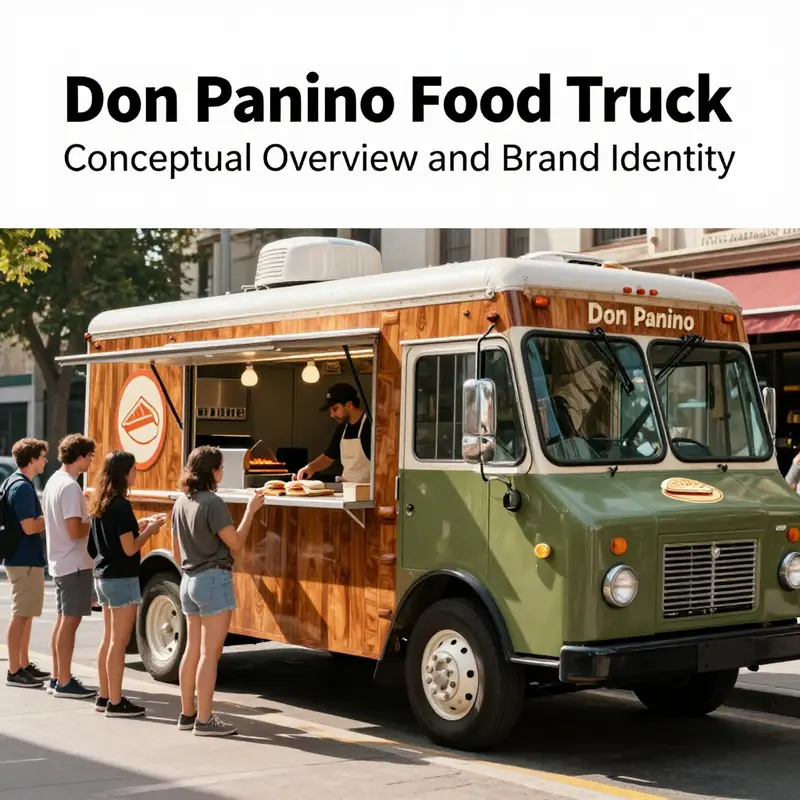
A critical component of long-term viability is the brand and its ability to communicate authenticity, reliability, and a distinct personality. In a market saturated with options, a clear identity helps customers remember the experience and return for more. The branding strategy should translate across the fast, on-site service and the social dynamics of urban dining. Visual identity, packaging choices, and the way the product is presented at the point of sale all matter. The device by which the brand communicates—through signage, color palettes, typography, and the story that the menu conveys—must be cohesive and legible from a distance and compatible with a fast-paced queue. The branding should also extend to digital discoverability and social engagement, which increasingly drive foot traffic through word-of-mouth and targeted promotions. A practical approach is to treat the branding as an on-wheels storefront that reflects the tradition of Italian street food while adapting to contemporary expectations for curbside service, sustainability, and convenience. This is where a well-considered identity becomes a practical asset, guiding decisions about menu design, equipment configuration, and the layout of the serving counter.
In this regard, it is useful to consider one practical resource that explicitly addresses branding for mobile kitchens: Branding on Wheels the Ultimate Guide to Food Truck Graphics and Identity. This internal reference emphasizes how typography, color, and graphic composition can transform a simple cart into a memorable, branded experience. The guide also underscores the importance of consistency across touchpoints, from the cart exterior to napkins and packaging, ensuring that customers perceive a cohesive, reliable brand at every encounter. branding-on-wheels-the-ultimate-guide-to-food-truck-graphics-and-identity. Integrating such branding discipline is not merely cosmetic; it informs on-site operations, menu design, and even the flow of customers in a line, all of which feed into throughput and guest satisfaction.
The supply chain for a mobile panino operation plays a decisive role in consistency and profit. Fresh bread, mozzarella or provolone, and vegetables form the core toolkit, with olive oil and other pantry staples completing the mix. The sourcing strategy must account for shelf-life, refrigeration needs, and vendor reliability, especially when attention to regional authenticity matters. Local procurement can serve as a differentiator, enabling the menu to reflect seasonal produce and regional specialties while reinforcing a narrative of freshness and locality. For items with longer shelf life or specialty ingredients—such as cured meats or cheese varieties—the supplier relationship needs to be well-structured to avoid stockouts during peak demand. In addition, food safety protocols are foundational: HACCP-based controls, allergen management, and strict separation of prep areas. These measures are essential for maintaining trust with customers and ensuring compliance with health regulations. The operational footprint should include adequate cold storage, a reliable water supply, a drainage plan, clean-in-place routines, and a clearly defined plan for waste disposal. All these elements feed back into the financial model, as better supply-chain discipline translates into reduced waste, more predictable costs, and improved menu reliability, which in turn supports customer loyalty.
Regulatory and societal context cannot be overlooked. Mobile food businesses operate within a mesh of permits, health inspections, and local ordinances that vary by city and country. In Florence and similar jurisdictions, success depends on securing the right permits, adhering to permissible locations and hours, and maintaining fire-safety standards and vehicle compliance. Labor policies, including aspects related to gig workers and seasonal staff, intersect with broader regulatory frameworks and can influence wage structures and scheduling. Society at large values culinary authenticity, cleanliness, and reliability in street food. In this sense, a panino-on-wheels venture is as much a cultural project as a commercial one, contributing to urban culinary diversity while reflecting evolving expectations around sustainability, convenience, and experience. The remote or pop-up nature of mobile dining can also offer a platform for experimentation with new menus and formats, enabling the operator to read customer preferences quickly and adjust both product and pricing in response to demand and feedback.
Economic viability, then, rests on a combination of location discipline, menu design, and branding discipline that translates into customer flow and high-throughput operations. The lean structure of a single mobile unit allows for rapid iteration and a relatively fast path toward profitability, provided that the operator remains attentive to the day-to-day realities of street vending. The cost structure—vehicle retrofit, equipment investments, insurance, fuel or energy, licensing, payroll, and ongoing inventory—needs to produce a sustainable margin even as revenue fluctuates with location and season. In practice, a well-scoped launch plan estimates a reasonable runway before break-even, with the ability to bootstrap growth through a combination of strong site selection, robust event participation, and a brand that resonates with both locals and visitors. The broader industry context supports this approach: the mobility of the model aligns with demand for flexible dining, and the shift toward electric platforms reduces ongoing energy costs and can simplify regulatory compliance in many markets.
As this landscape unfolds, the panino-on-wheels concept can be designed to maximize resilience and adaptability. A strategic blend of core offerings—such as a tight core menu plus rotating seasonal specials—helps manage inventory, minimize waste, and accelerate service. A thoughtful location mix—combining daily street corners, weekly markets, and occasional festivals—can stabilize revenue while keeping the operation dynamic. The potential for scale exists not only in a second truck but in a network of units deployed across complementary markets, each with a shared brand framework, standardized recipes, and consistent service practices. This approach requires nurturing relationships with event organizers, municipal authorities, and property owners who can provide reliable short- and long-term access to spaces with predictable foot traffic. It also demands vigilant cost management and a data-driven mindset: tracking plate throughput, labor hours per shift, food-cost percentage, and waste streams to drive continuous improvement. In short, profitability emerges from a disciplined synthesis of location strategy, operational efficiency, and a brand that communicates trust, authenticity, and care.
The journey from concept to viable operation is not linear, yet the underlying logic remains clear: connect a compelling, authentic Italian flavor profile with a fast, friendly, and reliable service experience; select locations with predictive demand; optimize the kitchen workflow to maximize throughput; and steward costs so that the business can weather weather and competition while still delivering a premium-feeling product. The market environment—whether in Florence’s historical lanes or other bustling corridors—rewards operators who can articulate a strong sense of place while maintaining the operational discipline that price-sensitive urban diners expect. In doing so, the panino-on-wheels model becomes more than a quick meal; it becomes a traveling ambassador for Italian street-food craft, a compact platform that demonstrates how mobility, sustainability, and flavor can come together in a single, delicious, and repeatable experience.
For readers seeking broader industry dynamics that shape these opportunities, see the Global Electric Food Truck Market 2025 report, which frames the energy and efficiency trends that increasingly influence site selection, unit economics, and long-term viability across cities and regions. External resource: https://www.marketresearchfuture.com/reports/electric-food-truck-market-17895
Don Panino on Wheels: Orchestrating Operations, Technology, and a Resilient Supply Chain
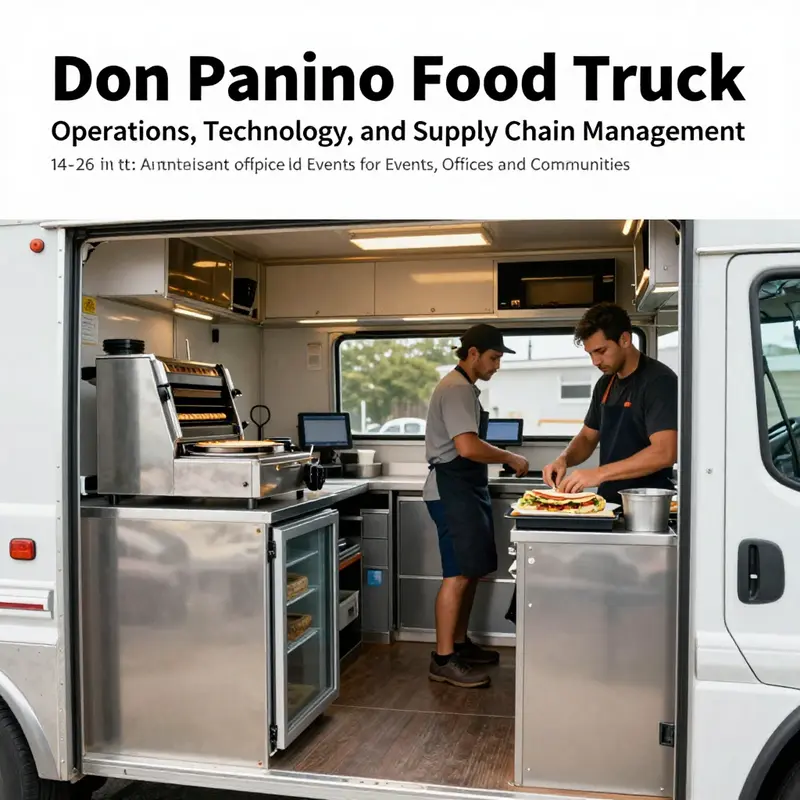
Don Panino on Wheels unfolds as a study in disciplined improvisation. The concept exists in the realm of hypotheticals for this chapter, yet it reads like a blueprint drawn from the most reliable playbooks in mobile food service. The absence of publicly verified operational data about a specific entity with this exact name does not dull the real-world value of examining how such a truck would function. The insights that follow synthesize established street-food practices, the nuances of gourmet panini culture, and the economic realities that govern any successful mobile kitchen. At its core, the Don Panino model relies on three interlocking pillars: precise operations, intelligent use of technology, and a tightly managed supply chain. When these elements are aligned, the truck becomes more than a vehicle; it turns into a moving kitchen, a brand, and a logistics hub all at once. The narrative here treats Don Panino as a working archetype rather than a single, verifiable case, and in doing so it sketches a practice that any serious street-food operation could aspire to replicate or adapt.
Operational agility sits at the heart of a successful panino truck. People often think of a food truck as a portable grill and a counter, but the real magic lies in how that compact space is organized to sustain high-volume throughput without sacrificing quality. The typical mobile kitchen for a premium panino program emphasizes a streamlined workflow, a compact footprint, and a deliberate sequence of tasks that translate into speed without compromise. In practice, this means a kitchen layout that minimizes movement, with a dual-panini press capable of handling two hot sandwiches simultaneously, a small but efficient refrigeration zone for perishables, and a dedicated prep area that keeps workstation clutter to a minimum. Space planning is not a luxury; it is a mandate. A well-designed rig reduces bottlenecks during rush moments and provides a stable rhythm that staff can rely on, regardless of whether the truck parks on a bustling street corner, at a corporate campus, or within a festival footprint.
Route optimization and location strategy extend the operational narrative beyond the confines of the truck itself. The most successful street-food brands treat geography as a controllable variable: where, when, and how long to stay at a given site. In urban environments, this means using data-driven scheduling to identify high-traffic corridors and predictable footfall windows. Office clusters during lunchtime, university precincts during exam weeks, and event days when markets and street fairs dot the calendar become anchor points for the week. But operational excellence also requires the ability to pivot. A truck must be able to shift from a planned route to a spontaneous pop-up when a nearby event opens up, or when weather or local conditions demand adaptability. The goal is not to chase every potential crowd but to chase the right crowds with a plan that scales. The consequence is higher average order value, improved turn rates, and a more predictable labor rhythm that helps control costs while preserving service speed.
In this framework, customer experience is inseparable from throughput. The truck must offer a responsive ordering pathway, not just a fast grill. Digital channels have risen to meet the demand for convenience and safety, and the Don Panino model would likely embrace a multi-channel approach. A robust online ordering platform can enable pre-orders and timed pickups, while a well-integrated point-of-sale (POS) system ties sales directly to inventory and labor planning. The best operators create a seamless handoff where digital orders translate into a smooth, on-site experience: the kitchen pulls items with precise timing, the pickup area mirrors the queue discipline of a dine-in restaurant, and the service staff maintain personal warmth despite a high pace. Even a casual customer walking up to the truck should feel attended to, with a clear path to ordering, payment, and pickup that minimizes wait time. Industry indicators suggest a growing share of sales moving off-premises, and a customer base that increasingly expects contactless options. In this context, Don Panino’s mobile front end would be a blend of speed, reliability, and a personable brand voice that translates into repeat visits.
Technology is the operating system that coordinates people, products, and places. The backbone of modern food trucks is a tech stack that merges ordering, payments, inventory, and analytics into a single, accessible interface. A cloud-based POS is not merely a checkout tool; it becomes the nerve center for real-time decision-making. Inventory levels are updated in real time as sandwiches are built, allowing managers to see what’s selling faster in a given location and adjust procurement thresholds accordingly. Digital ordering, when integrated with the POS, reduces errors and improves order accuracy, a crucial benefit when a truck handles dozens or hundreds of orders per shift. Loyalty programs, triggered by CRM data, unlock opportunities to tailor promotions to local demographics, campus populations, and recurring event attendees. The promise of such systems is not just efficiency but a virtuous cycle: better data leads to better forecasting, which reduces waste and improves profit margins over time.
From a supply chain perspective, the Don Panino concept places a premium on reliability and freshness. Core ingredients—bread, cheese, fresh vegetables, olive oil, and specialty components that give panini their distinctive profile—require disciplined sourcing and inventory management. Bread and cheese demand careful handling, with attention to crust integrity, crumb texture, and moisture levels that affect slicing and melting. Perishables must be forecasted with location- and time-specific accuracy, since a West End lunch crowd will behave differently from a university campus crowd on exam week. A practical sourcing strategy blends local partnerships with selective, controlled imports when authenticity demands it. Bread for panini is more than a vehicle for fillings; its texture and aroma shape the entire eating moment. Cheese selection matters just as much, balancing flavor intensity with melt characteristics. A reliable supplier network, with clear lead times and agreed fill rates, becomes the backbone of consistent quality across multiple stops or days. Vendor reliability translates into menu consistency, which in turn reinforces brand equity and customer trust. Inventory management, in this sense, becomes a disciplined practice of forecasting demand, setting par levels, and implementing a robust waste-management protocol that minimizes both spoilage and overproduction.
A rigorous supply chain also acknowledges the realities of mobility. A mobile kitchen may rely on a rotating set of suppliers depending on the location and season, but it must maintain consistency in core components. This includes a dependable bread supplier that delivers fresh loaves suitable for panini daily, a cheese program that balances meltability with flavor, and a selection of cured items only if the concept explicitly embraces a regional Italian influence. Perishables require cold-chain integrity from supplier to truck and from truck to plate. This is where technology and logistics intersect: real-time inventory data can flag potential stockouts before a customer-driven demand spike occurs, enabling proactive procurement decisions. Waste management then completes the loop, with precise tracking of what is discarded and why, alongside practices that reduce waste through accurate portioning, informed by historical sales patterns and live data. The overarching aim is to maintain tight control over freshness and quality while preserving flexibility to adapt to shifting demand across locations.
Even when the exact business name is not publicly verifiable, the regulatory and operational environment frames every strategic choice. Mobile food businesses operate within a mosaic of local permits, health inspections, and safety standards that vary by city, neighborhood, and even block. A Don Panino style operation would need to map out where and when the truck can station, understand street-vending constraints, and align with event organizers for peak moments. Food safety demands rigorous separation of raw and ready-to-serve components, clear allergen labeling, and strict cleaning protocols. Fire safety, including extinguishers and suppression systems if required by local codes, is non-negotiable. These regulatory conditions influence menu design, equipment choices, and even the layout of the kitchen. The economic implications are tangible: permit fees, insurance, maintenance, and labor costs all shape the bottom line. For any brand contemplating a Don Panino on wheels, the path to profitability rests not only on culinary excellence but on disciplined regulatory execution.
The customer is at once the driver and the beneficiary of this integrated approach. A panino that delivers consistent quality across a busy lunch hour or a late-night festival run is a narrative about reliability as much as flavor. That reliability comes from aligning the kitchen’s operational tempo with the rhythms of the locale. It means knowing how long a line takes to clear, how long it takes to assemble each panino, and how long the pickup window should be. It means testing and refining workflows, from the moment a guest places an order to the moment the sandwich reaches their hand. The brand value grows as a function of this reliability—customers come back not only for the taste but for the predictable, fast, and friendly service that accompanies it. The Don Panino model, in this sense, transcends a single menu item and becomes a system—a moving, responsive micro-restaurant that can travel with the city’s seasons, events, and everyday bustle.
For readers seeking practical touchpoints beyond the narrative, the broader industry literature highlights the importance of regulatory clarity and continuous learning. A helpful resource covers navigating the regulatory terrain for mobile operators and offers practical frameworks for permits, inspections, and safe operations. Folks who manage such ventures often begin with a thorough site assessment, map out a permit matrix, and build a compliance calendar that tracks renewal dates and training requirements for staff. The iterative nature of this work means that the startup phase gives way to a mature operation in which the kitchen, the wheels, and the data system all operate in concert. As the Don Panino concept demonstrates, achieving this harmony is less about chasing novelty and more about refining a repeatable, scalable model that can endure the uncertainties of weather, location, and foot traffic. The end result is a brand that travels with purpose, delivering consistent quality and an experience that makes customers feel that a panino is never just a sandwich but a reliable moment in their day.
Internal link for deeper exploration: a practical overview of the regulatory landscape is available at navigating food-truck industry regulations. This resource reinforces how the operational discipline described here translates into compliant, sustainable growth across markets. As with any modular business like a mobile kitchen, the road to success is achieved through tight coupling of workflow, technology, and supply chain logic—each reinforcing the others and delivering a seamless, signature Don Panino experience wherever the truck stops.
In sum, the Don Panino on wheels concept privileges an architecture of precision. It is about designing a compact yet capable kitchen that can churn out high-quality panini on demand, powered by a tech ecosystem that reduces friction and builds loyalty, and anchored by a supply chain that treats freshness as a non-negotiable standard rather than a best-effort aspiration. It is a chapter in the larger story of mobile gastronomy where speed does not erase sophistication, where portability does not dilute authenticity, and where a well-managed truck becomes a living argument for why street food can be as refined as it is accessible. The fusion of operations, technology, and supply chain management is the engine that allows a panino to travel—from a single curious street corner to a constellation of locations—while keeping the core promise intact: a sandwich that feels crafted, timely, and intimately connected to the place it serves. External perspectives on best-practice benchmarks, sourced from comprehensive industry guides, can further illuminate how a Don Panino style operation may evolve within evolving consumer expectations and regulatory landscapes. See a global reference for best-practice context at https://www.statista.com/topics/6254/restaurant-best-practice-guide/ for broader benchmarking.
Don Panino on Wheels: Regulation, Geopolitics, and the Social Pulse of an Italian Panino Truck

A Don Panino on wheels would sit at the intersection of craft food, urban mobility, and the city’s appetite for quick yet thoughtfully prepared meals. This chapter uses the concept as a lens to explore how regulatory regimes, global supply dynamics, and social expectations converge on mobile street-food ventures. It treats Don Panino as a case study in navigating licenses, health inspections, vehicle requirements, and location permits, while balancing throughput and safety in a compact kitchen. The text emphasizes HACCP-like controls, allergen management, clear labeling, and transparent customer communications as foundations of trust. It discusses how zoning, permits, waste management, and packaging shape operations, and how digital ordering and data protection add a modern layer to compliance. Geopolitics influence ingredient availability and pricing, encouraging relationships with local producers for staple items while recognizing the role of selective imports. The social dimension highlights fair labor practices, community engagement, and sustainable sourcing as essential to building a credible brand. The synthesis shows how regulatory discipline, supply realities, and social expectations inform route planning, menu design, and pricing, turning Don Panino into a portable culinary identity that remains reliable, flavorful, and responsible in changing urban environments.
Final thoughts
A Don Panino Food Truck concept hinges on a crisp brand story, a focused menu that travels well, and a kitchen that moves as fast as the day’s demands. When we align identity with audience—from office courtyards to lively festivals—through efficient operations, reliable supply chains, and compliant practices, the mobile Italian experience becomes not just a meal but a social moment. The most successful iterations will partner with venues and organizers who value speed, quality, and a touch of authentic regional character, turning each stop into a doorway to community and conversation. The takeaway: a well-executed Don Panino Food Truck can become a trusted, beloved fixture in urban life, delivering flavor, consistency, and connection—one panino at a time.