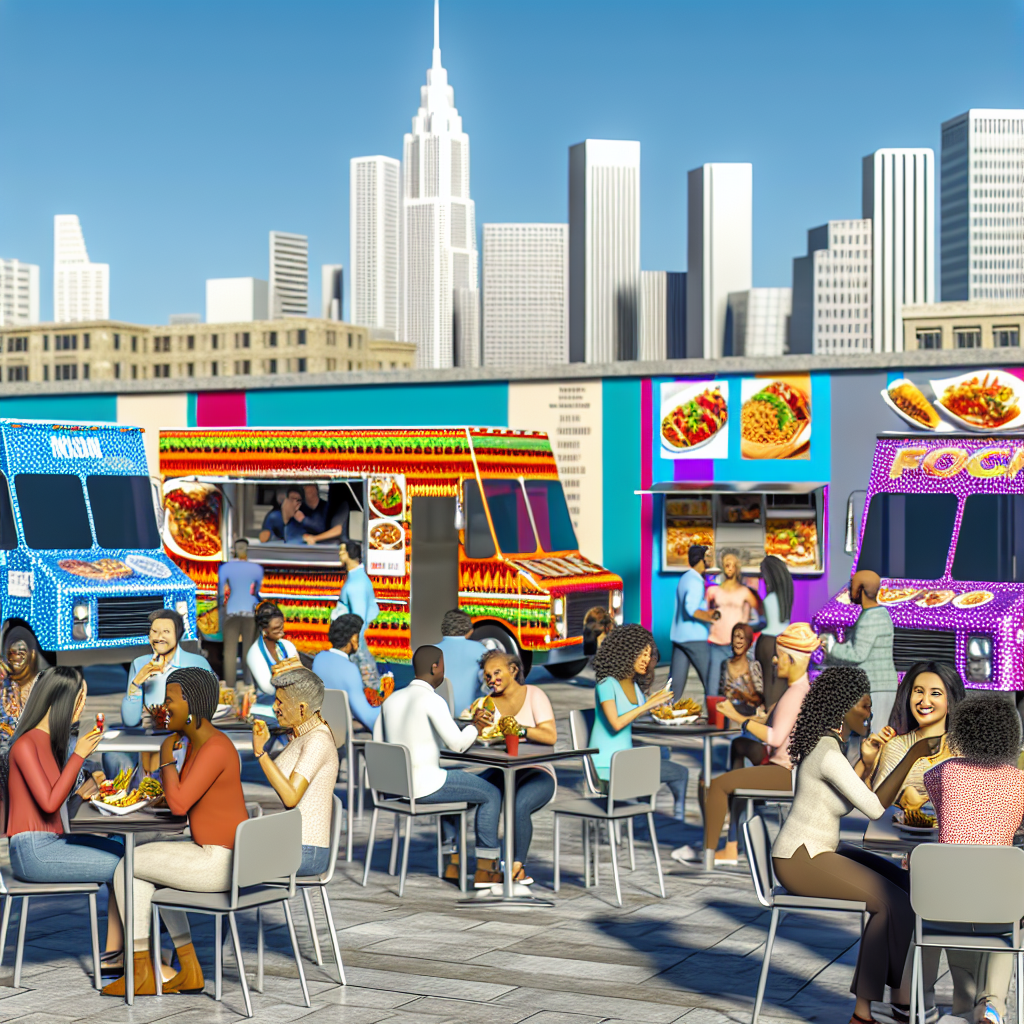
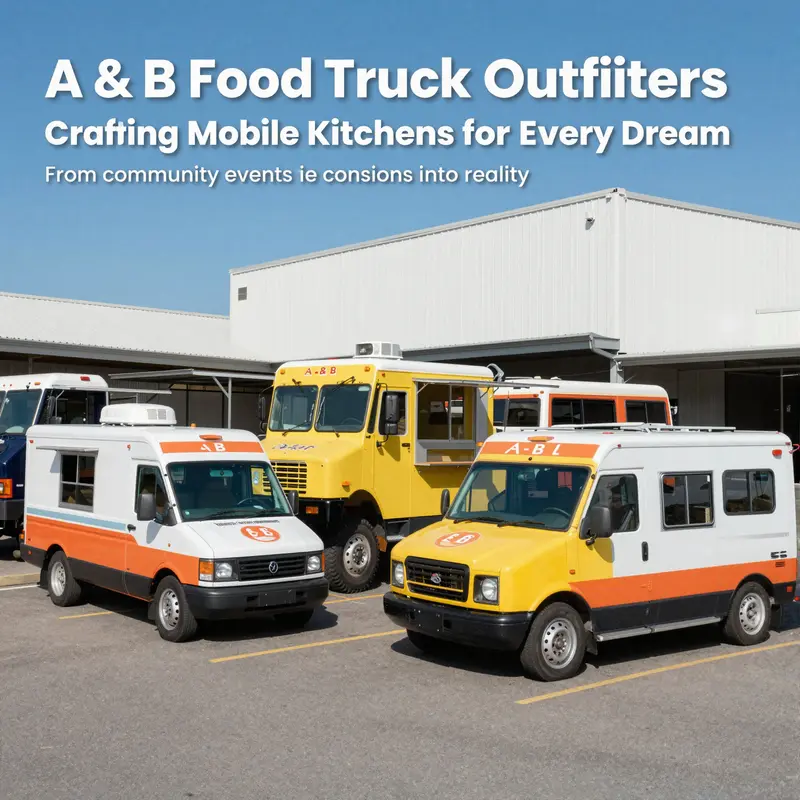
Across Victoria’s bustling event scene, food trucks have become the heartbeat of street dining culture, and behind many of these rolling kitchens stands A & B Food Truck Outfitters Australia Pty Ltd. Based in Thomastown, this passionate team crafts bespoke and fully equipped food trucks that are more than just vehicles – they’re mobile culinary hubs. Whether you’re an event planner seeking unique catering solutions, a corporate HR team aiming to spice up a staff gathering, or a community group looking to engage your audience, A & B transforms your concept into a vibrant reality. In the following chapters, we’ll explore who they are, the magic they bring to every build, the variety of clients they serve, how you can connect with them, and where to find their footprint online.
Moving Kitchens, Growing Dreams: How A&B Food Truck Outfitters Australia Shapes Melbourne’s Mobile Food Scene
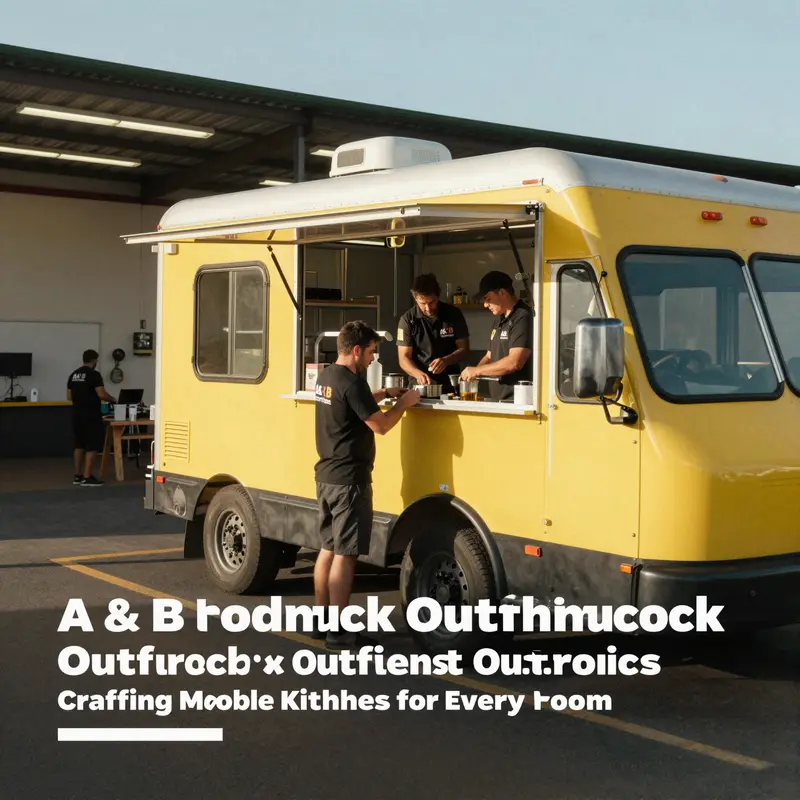
Across Australia’s dynamic food landscape, the rise of mobile dining has shifted from novelty to necessity for many aspiring restaurateurs. Within this evolving ecosystem, A&B Food Truck Outfitters Australia Pty Ltd stands out as a practical catalyst for local entrepreneurs who want not just a vehicle, but a complete, compliant, and efficient mobile kitchen. Nestled in Thomastown, Victoria, at 7 Spencer Street, the company situates itself at a junction where manufacturing capability, urban demand, and supportive small-business networks converge. The address is more than a map pin; it functions as a functioning hub where ideas are sketched, space is offered for discussion, and the logistical heartbeat of a mobile food venture begins to thrum into a tangible plan. For many clients stepping into the world of street food, that first visit—talking through space, flow, and function—transforms an abstract concept into a realizable project. When a would-be operator calls the line at 0418 646 188, they are not just arranging a consult; they are taking the first step toward a scheduled collaboration that blends craft with commerce, design with duty, and appetite with infrastructure.
What sets A&B apart in a market crowded with options is a commitment to end-to-end outfitting rather than a single-solution purchase. The company positions itself as a partner capable of turning a blank vehicle into a turnkey kitchen, complete with the essential systems that keep a mobile operation compliant, safe, and reliable. The services encompass the full spectrum required for a food truck’s daily life: layout planning and custom design, the installation of kitchen appliances, efficient storage solutions, plumbing that supports clean-in-place routines and sanitary workflows, and electrical systems that power refrigeration, lighting, and cooking equipment without compromising safety or performance. These elements are not merely features; they are the scaffolding that sustains a business, especially when operators must navigate inconsistent foot traffic, weather variability, and tight margins.
From the outset, the philosophy at A&B emphasizes adaptability. Each project begins with listening. Prospective operators come with stories—about menu concepts, target customers, and the geographic rhythms of their chosen neighborhoods. The team translates these narratives into practical space planning, ensuring that a compact footprint can handle the expected kitchen throughput while preserving a safe and ergonomic work environment. The emphasis on workflow is not incidental. In a mobile kitchen, the sequence from receipt to preparation to service must be seamless because delays compound costs in a small, time-bound operation. A&B’s approach acknowledges this reality by prioritizing a logical arrangement of zones, minimizing cross-contamination risks, and weaving in easy-access points for cleaning and maintenance. It is a holistic approach that respects both the craft of cooking and the constraints of mobile life on the road.
The physical footprint of a food truck matters as much as the menu. The company’s specialization in outfitting means it can tailor a vehicle’s interior to the specific needs of a menu style, whether it’s a compact, sauce-forward setup for specialty bites or a more expansive kitchen that supports a broader range of equipment. The absence of brand-name specificity in this chapter mirrors a practical truth of the trade: reliability, serviceability, and adaptability often trump the allure of high-profile gear when a truck must perform day in and day out in public view. Instead of aligning with a fixed specification, A&B works within client budgets and regulatory realities to sequence the installation in a manner that optimizes space usage, improves energy efficiency, and supports long-term sustainment. The design dialogue naturally extends beyond aesthetics. It covers how the truck will be refueled during peak season, how waste streams will be managed in compliance with local health rules, and how the electrical load can accommodate growth as a business expands its crew or adds new equipment.
Thomastown’s practical proximity to Melbourne’s broader supply networks gives clients a tangible advantage. Being rooted in a regional hub means access to a diverse pool of suppliers, technicians, and services that understand the rhythms of mobile food operations. The base at 7 Spencer Street serves as a launching point for consultations, design iterations, and the commissioning of a kitchen that must withstand daily use, seasonal variances, and the unpredictable ebb and flow of urban events. The location itself becomes a learning environment where clients can observe, in person, how a well-planned space supports efficiency, cleanliness, and safety. This is not a showroom mentality; it is a workshop ethos geared toward turning plans into functioning realities. For operators, that translates into smoother launches, fewer post-installation surprises, and a clearer path to profitability.
Beyond the physical build, the value of partnering with a dedicated outfitter extends to ongoing support. Mobile food ventures live in a fragile ecosystem where equipment downtime can translate into missed sales. A&B’s model includes a structured aftercare mindset: guidance on maintenance schedules, practical advice for routine checks, and a readiness to respond when urgent repairs or adjustments are needed. In a market where regulations and safety standards are non-negotiable, having a trusted local ally who understands both the equipment and the regulatory environment can be the deciding factor between a launch that falters and a launch that scales. The company’s ability to integrate plumbing, electrical, and kitchen systems into a cohesive whole reduces the friction many operators experience when coordinating multiple contractors. This integrated approach also supports easier compliance reviews during inspections, since the layout and systems have been designed with consistent operating parameters and documented workflows.
For readers who are exploring the broader landscape of mobile food trucks, a bit of guidance can be helpful as they compare models, layouts, and service philosophies. A key question often revolves around how to balance initial fit-out costs with the lifetime value of a durable, adaptable kitchen. A&B’s approach—emphasizing modularity, robust design, and scalable electrical and plumbing configurations—offers a pathway to growth without forcing a complete reinvestment every few years. It invites operators to think not just about today’s menu but also about how the truck can evolve over time, accommodating new dishes, changing customer preferences, and seasonal shifts in demand. This long-term perspective matters when budgets are tight and every dollar must contribute to a clear return on investment. In the world of food trucks, where the street is as competitive as the kitchen, such foresight can determine whether a concept thrives in a single market or expands into multiple locations.
The narrative of A&B feeds into a larger story about how the mobile dining sector in Victoria and the surrounding regions is maturing. As municipalities refine permits, parking regulations, and health standards for street food, the role of a capable outfitter becomes more crucial. A&B’s local presence means clients can navigate these regulatory waters with less friction, leaning on the company’s experience to anticipate common hurdles and craft compliant layouts from the outset. Clients gain not only a vehicle but a carefully engineered platform from which to tell their culinary story—one that respects local rules, optimizes service speed, and preserves the integrity of the food and the brand. This is more than construction; it is governance in motion, where design, functionality, and compliance converge to create a reliable business engine.
In the broader arc of the article, the Thomastown chapter exemplifies how a single outfitter can anchor the growth of an entrepreneurial ecosystem. The company’s location, capabilities, and client-focused approach illuminate a pathway for aspiring operators: start with a clear concept, engage with local experts who understand the realities of mobile kitchens, and invest in a space that can adapt as the business scales. The practical wisdom embedded in this model—prioritize workflow, invest in durable infrastructure, plan for maintenance, and lean on local networks—resonates across regions where street food is more than a trend; it is a trusted, beloved way to feed communities while building sustainable enterprises. And for those who want to dig deeper into the decision-making framework that guides choosing the right model for a given concept, a comparable discussion is available in a detailed guide from a related resource: Choosing the right food truck model.
As clients reflect on their next steps, the moral is straightforward: a well-designed outfitting project does more than install equipment. It creates the stage on which a business can perform consistently, safely, and with the confidence that the space will support growth rather than constrain it. In Thomastown, that stage is built with care, rooted in practical know-how, and positioned to serve a community of food lovers who appreciate the craft of moving kitchens and the stories they enable. The journey from concept to street corner is accelerated when operators partner with an outfitting team that treats the vehicle as an evolving asset—one that will carry their cuisine, their brand, and their ambitions to markets they have yet to imagine. The result is not just a truck that cooks; it is a carefully engineered vehicle for opportunity, a mobile platform where culinary ideas can meet real-world commerce, day after day, mile after mile.
External resource: https://maps.google.com/?q=7+Spencer+St,+Thomastown,+Victoria+3074,+Australia
Chapter 2: Crafting Mobility on Wheels — Core Services of A&B Food Truck Outfitters Australia: Custom Modifications and Equipment for Mobile Kitchens
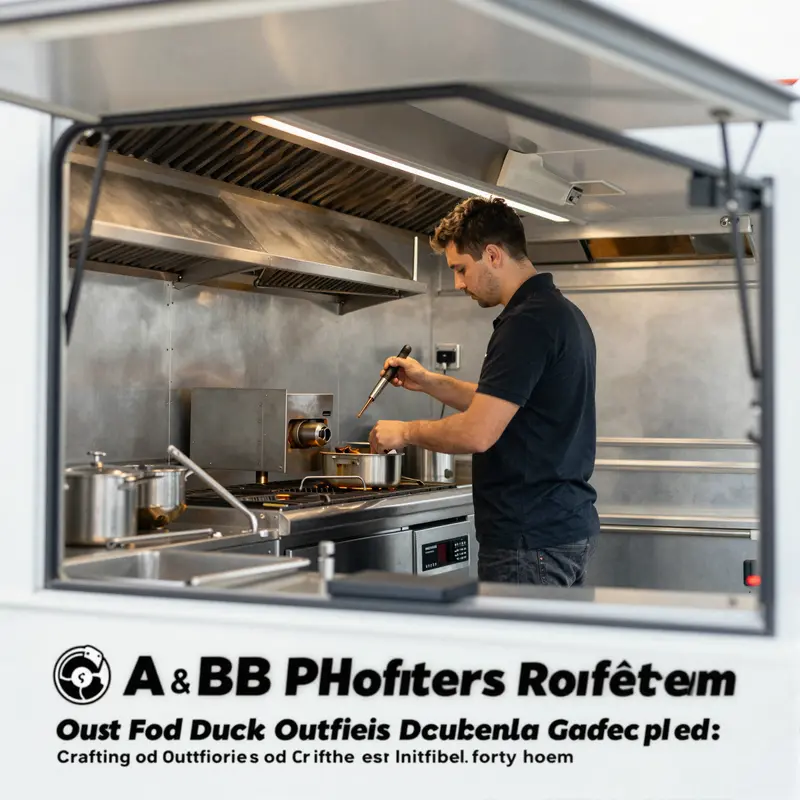
In the thriving architecture of Australia’s street-food economy, the ability to move without losing control of a kitchen is a competitive edge. A&B Food Truck Outfitters Australia Pty Ltd sits at the intersection of engineering discipline and culinary ambition, converting ordinary trailers into high-functioning mobile kitchens that can stand up to the demands of a fast-paced service environment. Based in Thomastown, Victoria, their workshop is a focal point where clients’ ambitions meet practical feasibility. The work is not simply about adding bells and whistles; it is about shaping a space where a cook, a server, and a customer experience a seamless flow from first contact to last bite. The core services—to modify and outfit mobile kitchens—are designed to be turnkey, allowing aspiring operators and small businesses to progress from concept to opening with confidence and minimal friction.
At the heart of A&B’s offering is custom modification. This goes beyond cosmetic touches and extends into the strategic reimagining of space, workflow, and safety. Mobile kitchens respond to unique site constraints and customer expectations, and every layout decision is measured against the realities of travel, parking, and the variability of events and locations. The design phase begins with a practical inventory of the client’s menu, peak service times, and the desired service model. From there, the team negotiates a footprint that maximizes usable workspace without overburdening the vehicle’s frame or compromising stability on the road. Bespoke cabinetry is crafted with precision to fit awkward nooks and to optimize both storage and access. These are not generic boxes; they are tailored enclosures that respect ventilation clearances, cable routing, and cleanability—factors essential to speed and hygiene in a mobile kitchen.
Equipment integration is another pillar of the custom approach. The process treats each installation as a systems puzzle: refrigeration, cooking, cleaning, and waste management must all communicate cleanly and safely within a compact envelope. Bespoke refrigeration units are designed to align with the kitchen’s workflow, ensuring ingredients flow smoothly from delivery to prep to service. Cooking equipment—whether flat-top surfaces, broilers, fryers, or ovens—must thread into the layout in a way that preserves a logical work triangle, reduces cross-traffic, and keeps high-heat zones safely segregated from prep and service areas. In these designs, a small footprint does not equate to compromised capability. Rather, it invites a disciplined arrangement that supports quick, repeatable service while maintaining energy efficiency and ease of maintenance. Waste management is treated with equal care. Integrated grease traps, drain lines, and waste streams are planned to minimize contamination risks and to meet regulatory expectations without complicating daily cleaning routines.
The value of a turnkey mindset becomes especially evident when a client confronts the realities of starting a mobile business. A&B’s offerings are not a catalog of parts but a guided, end-to-end service. From the initial consult to the final test run, the objective is a cohesive, ready-to-operate vehicle. The design phase may reveal needs that influence the chassis, electrical load, or ventilation strategy. fabrication and installation follow, with meticulous attention to fit, finish, and durability. Once the fit-out is complete, the team tests all systems under realistic conditions. Electrical panels are checked for safety margins and fault tolerance, while ventilation and fire-suppression considerations are validated in a controlled sequence that mirrors daily operations. The aim is a reliably performing kitchen that can respond to sudden bursts of demand during a lunch rush or a late-night overflow, without compromising safety or sanitation.
A&B’s approach to equipment is equally thoughtful. The company curates a comprehensive range of stainless steel work surfaces, storage solutions, and compact, commercial-grade appliances designed for mobile use. The emphasis is on modularity, with components that can be upgraded or reconfigured as a business grows or pivots to a new concept. This modular philosophy is not merely about flexibility; it is about future-proofing, enabling operators to adjust to shifting menus, new service formats, or evolving health and safety requirements without a total rebuild. The focus on durable materials and straightforward maintenance reflects a recognition that a food truck must endure long hours and harsh environments, maintaining a professional appearance while delivering consistent performance.
The Australian context adds an amplified layer of responsibility to every project. Health and safety standards, electrical safety regulations, and hygiene guidelines form a baseline that informs every decision. The installations are designed to meet or exceed these standards, not merely to comply. Fire suppression systems are integrated with accessibility and serviceability in mind. Sanitation workflows are planned so that cleaning can be performed quickly and thoroughly between shifts, a critical capability for operators who rely on short turnarounds and high table turnover. This risk-aware approach is what helps ensure legal operation in Australia’s competitive market and builds trust with venue managers, event organizers, and paying customers who expect consistent quality.
Behind the technical rigor lies a practical empathy for the people who will actually run these mobile kitchens. A&B’s engineers and culinary consultants collaborate with operators to translate a menu into a spatial reality. The result is more than a vehicle outfitted with appliances; it is a carefully choreographed space where every movement—prepping, cooking, serving, cleaning—has a defined path that minimizes fatigue and accelerates throughput. The conversations with clients often revolve around how to balance speed with quality, how to preserve the integrity of ingredients in varying climates, and how to preserve hygiene standards despite the demands of a bustling service window. In this sense, customization is not a one-off design choice but a long-term partnership aimed at sustaining a small business through growth, seasonality, and market shifts.
For operators seeking practical guidance during the planning phase, resources that illuminate design choices and the implications of different layouts can be invaluable. For example, resources exploring how space and chassis choices influence workflow provide a grounded perspective on modularity and flexibility. A helpful reference in this regard is the article Choosing the right food truck model, which offers a clear lens on how different configurations affect service speed, crew safety, and maintenance. This kind of guidance complements the engineering mindset with frontline practicality, helping entrepreneurs picture how their brand, menu, and service model will unfold in real space on wheels. Choosing the right food truck model offers a pragmatic starting point for those weighing layout options before engaging a outfitter like A&B. The aim is to align technical feasibility with the culinary vision from the outset, reducing the risk of costly mid-project changes and preserving momentum toward a timely opening.
The broader arc of A&B’s work demonstrates how a successful mobile kitchen emerges from the fusion of design intelligence and culinary pragmatism. A&B sees each project as a story of transformation—from a blank trailer to a vibrant, on-demand kitchen that can travel with a brand, stand up to scrutiny from health inspectors, and deliver a consistent customer experience. The company’s commitment to high standards and practical engineering translates into tangible benefits for clients: shorter lead times, predictable performance, easier maintenance, and a professional finish that signals reliability to clients and customers alike. Such outcomes are essential in a market where the competitive edge belongs as much to reliability and speed as it does to flavor and concept.
As the mobile food landscape evolves, the ability to rapidly adapt remains central. A&B’s modular, safety-conscious, and design-forward approach helps operators stay nimble while protecting the investment behind each truck. It is a philosophy that respects the realities of street service while elevating what a food truck can be—an extension of a brand, a platform for creativity, and a dependable engine for growth. The journey from concept to kitchen, from chassis to service window, is thus not a single step but a continuous cycle of refinement, testing, and adaptation. In that cycle, the core services of custom modifications and equipment outfitting act as the dependable fulcrum around which every successful mobile culinary venture balances.
External Reference: For a direct example of the broader organizational approach and commitment to safety and customization in this sector, https://www.aandbfoodtruckoutfitters.com.au/ offers additional context and detail about operating principles, standards, and capabilities that frame the day-to-day realities of turning a trailer into a professional food truck.
External Linking Note: This chapter builds on the understanding that mobile kitchen projects in Australia demand a rigorous, safety-conscious, and client-centered process. The insights above reflect a synthesis of best practices in custom modifications and equipment outfitting, anchored by the real-world capabilities described by the leading outfitter in this space.
From Workshop to Street: The Clientele, Market Position, and Value Proposition of A&B Food Truck Outfitters Australia
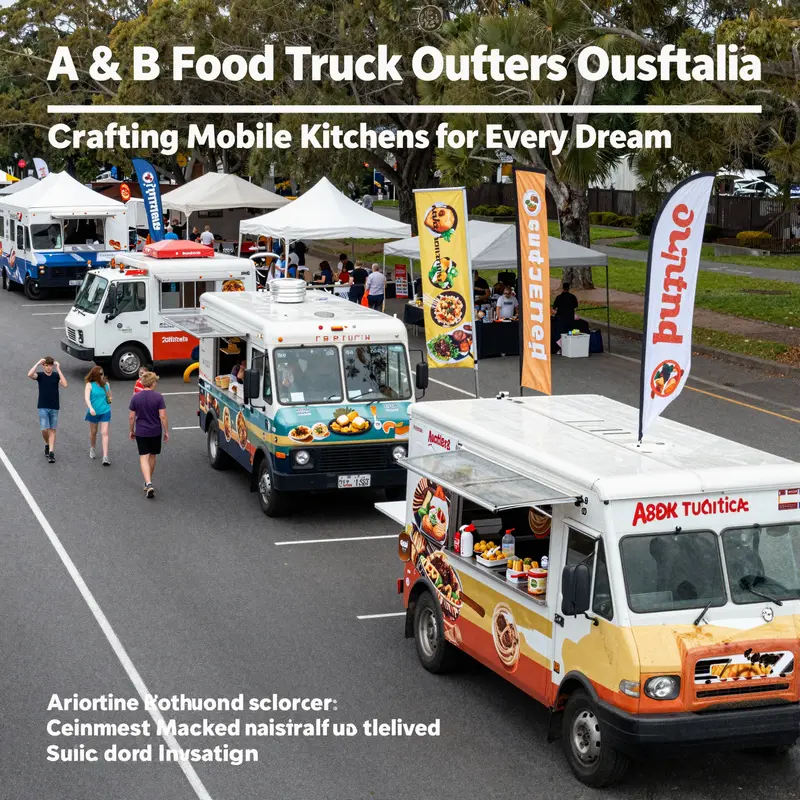
In the Victoria region, a business that outfits and equips food trucks sits at a critical junction where artisanal cooking meets mobile logistics. A&B Food Truck Outfitters Australia, based in Thomastown on Spencer Street, operates within a landscape defined by small- and medium-sized food entrepreneurs who seek reliable mobility, scalable design, and compliance-driven operations. The chapter that follows explores three interwoven threads—clientele, market position, and value proposition—that together reveal how a local outfitter can shape the trajectory of clients who are choosing to build or upgrade a cooking operation that travels beyond the confines of a brick-and-mortar kitchen. The geographic context matters. Thomastown’s proximity to Melbourne’s expanding culinary markets and event-driven hubs offers a steady cadence of opportunities for mobile vendors. Within this locale, the demand for turnkey solutions that marry design, engineering, and regulatory alignment is not merely about customizing a kitchen on wheels; it is about delivering a dependable platform where a cook’s craft can be scaled, reproducible, and ready to perform across a spectrum of venues—from busy urban markets to late-night pop-ups. This is the sweet spot where client needs and a vendor’s capabilities intersect, and it helps explain why a local outfitter can cultivate a distinctive market presence without chasing a pan-continental footprint. The clientele that emerges from the available material is best understood as a spectrum rather than a single archetype. It includes independent operators who run solo or with a small team, budding entrepreneurs who see a mobile kitchen as a first foothold in the hospitality industry, and smaller rental or operations companies that manage fleets of trucks for events and pop-ups. This mix reflects a practical demand: a demand for customization, full-service support, and an equipment baseline that promises longevity and safety under the pressures of continuous service. The material hints at customers who prioritize three things in equal measure. First is the ability to tailor the space to specific cooking styles and menu complexity. Second is the assurance that the vehicle can be operated with predictable maintenance costs and compliance with regulations that govern mobile food preparation in Australia. And third is the brand story that travels with the truck itself—the visual and experiential elements that turn a passing crowd into a line of eager customers. In dealing with such clients, a local outfitter must translate culinary vision into a physical platform that is resilient under varied weather, foot traffic, and time constraints. It becomes clear that the value of the service lies not only in the chassis and the installation but in the facilitation of ongoing operations: a kitchen-on-wheels that can be scaled as the business grows, revised for seasonality, or retooled to support new menu directions without sacrificing reliability. The market-position narrative that emerges from the sources presents a composite identity. The outfitter is described as a specialist capable of delivering both design and practical execution across a complete spectrum of needs. This includes internal layout optimization to boost workflow, robust construction to withstand the daily grind of street service, and a level of responsiveness that small operators find reassuring as they navigate licensing checks, health inspections, and other regulatory checkpoints. The emphasis is on professional-grade service that aligns with the realities of running a mobile food business in Australia: a combination of engineered durability, regulatory awareness, and user-centric design that makes the kitchen easier to operate, easier to clean, and easier to repair when needed. In a region where venues vary—from street corners to organized markets and festival grounds—the value proposition appears anchored in three core benefits. The first is efficiency: faster service and better throughput because the kitchen layout has been engineered to minimize movement and maximize safety. The second is durability: equipment and fittings selected to endure hours of continuous use, weather exposure, and routine cleaning. The third is compliance: a focus on building systems and workflows that satisfy local health codes and transport regulations, reducing the friction points that creators often encounter when expanding a mobile operation. This triad—efficiency, durability, and compliance—frames the market position as both practical and aspirational. It suggests a firm that understands the day-to-day realities of the street, as well as the longer-term ambitions of operators who want to grow from a single cart into a small fleet. The storytelling around the value proposition mirrors these themes in a more explicit way. A&B Food Truck Outfitters Australia is portrayed as delivering high-performance, custom-built kitchens designed to match the specific operational demands of modern, mobile culinary ventures. The narrative emphasizes the integration of advanced design principles and industry-standard practices to optimize kitchen efficiency, ensure long-term durability, and secure regulatory alignment. The result is a platform that supports a broad spectrum of mobile activity—from everyday lunch crowds to special events and late-night service windows—while preserving the flexibility to accommodate evolving menus and service models. The emphasis on professional-grade equipment is not incidental. It signals a confidence that the mobile kitchen can sustain consistent food quality and service speed, even under pressure. In such a setting, a pizza concept, a grilled specialties concept, or any other cooking approach that relies on reliable heat and precise timing benefits from a kitchen built to endure. The narrative underscores the potential for branding and visual appeal to become an integral component of offerings, a factor that can elevate a truck from a mere cooking space to a recognizable mobile storefront. In this sense, the chapter’s insights resonate with a broader industry trend: the fusion of engineering excellence with culinary storytelling on wheels. The vehicle becomes not only a workplace but a moving billboard that communicates a vendor’s identity, menu, and values to passersby who may become customers in a moment. The brands on wheels idea, explored by practitioners and scholars alike, highlights how design choices on a truck can become a powerful asset in attracting and retaining attention in crowded streets and markets. For readers seeking a practical lens on how such branding plays out in the real world, one can explore a widely circulated guide that delves into the branding and identity aspects of food trucks, offering a structured approach to graphic design, signage, and visual storytelling on the go. This internal perspective helps connect the functional and aesthetic dimensions of mobile food operations, illustrating how a well-executed brand can complement, rather than compete with, a strong kitchen proposition. The chapter’s complexity is amplified by the recognition that public knowledge about this particular outfitter remains piecemeal. Some research notes highlight the company’s local focus and capacity for end-to-end solutions, while others warn of gaps in publicly accessible data regarding exact clientele demographics, pricing, and detailed market positioning. In other words, the story is as much about what is known as what remains to be verified. The knowledge gaps remind readers that corporate storytelling for small, service-oriented manufacturers often rests on a mix of official communications, industry analyses, and user experiences. They also suggest that to form a precise, data-driven view of client segmentation and value capture, direct engagement with the company or its publicly available materials would be necessary. The caveat is not a deterrent but a reminder of the layered nature of market intelligence in the mobile food space. The sources converge on a central theme: A&B’s local roots provide a platform for specialization, while the market’s breadth demands a flexible, end-to-end offering that can support a diverse set of operators through growth stages and changing culinary trends. The brand’s ability to speak to independent operators and small enterprises, while ensuring that the vehicle adheres to regulatory expectations, positions it as a credible partner in a crowded field. The lure for clients, beyond the immediate transformation of a truck into a kitchen, rests on the promise of a reliable, scalable, and visually cohesive platform. It is a promise that links kitchen ergonomics to customer experience, safety standards to operational consistency, and street-ready aesthetics to brand recall. The narrative also nods to practical realities: a local outfitter cannot rely on generic solutions when every operator’s menu, service hours, and event calendars differ. Customization becomes the keystone, with the capability to adjust interior layouts, electrical provisioning, ventilation strategies, and water management in ways that optimize the cook’s workflow while meeting health and safety requirements. In short, the clientele, market position, and value proposition described across the sources form a coherent triad for a local mobile kitchen outfitter. The client base is diverse yet cohesive in its pursuit of efficiency and reliability. The market position is defined by specialization, full-service capacity, and a strong regional footprint. The value proposition translates these strengths into tangible outcomes: faster service, consistent quality, durable builds, and branding potential that makes a street-side business feel like a curated experience rather than a one-off cooking rig. As the chapter concludes, readers should view A&B not as a generic supplier but as a local partner whose strength resides in aligning culinary ambition with the realities of mobile commerce in Australia. For those seeking to see how such principles translate into practice, a visit to the official site offers a window into the design philosophy and project capabilities that underpin this narrative. branding-on-wheels-the-ultimate-guide-to-food-truck-graphics-and-identity. The broader takeaway is that a well-positioned outfitter can become a catalyst for a mobile culinary venture’s growth by providing not just a vehicle, but a platform for entrepreneurial identity and day-to-day operational excellence. External reference: https://www.abfoodtrucks.com.au
Chapter 4: Opening Doors on Wheels — Contact Points, Accessibility, and the Inquiry Path with A & B Food Truck Outfitters Australia
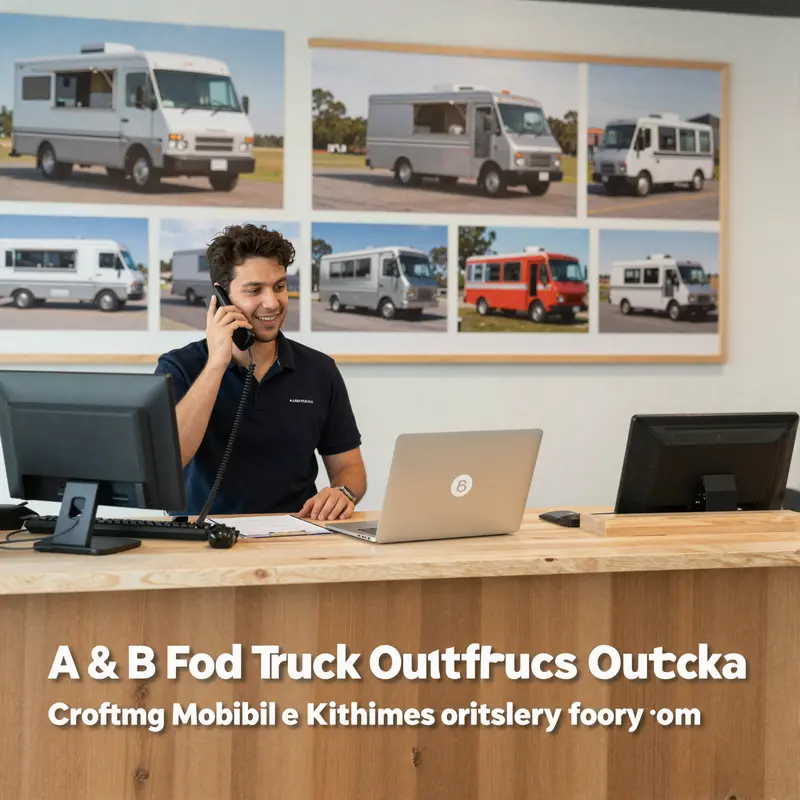
A & B Food Truck Outfitters Australia Pty Ltd stands at a practical crossroads for aspiring and expanding mobile food ventures in Victoria. Nestled in Thomastown, not far from Melbourne, the company functions as more than a workshop for trailers and vending infrastructure. It is a launchpad for cooks, caterers, and small business owners who want to turn a portable kitchen into a reliable, compliant, and scalable enterprise. In this chapter we explore how the outfitters connect with clients, how accessible their services are in a busy market, and how inquiries move from initial curiosity to a concrete, customized solution. The thread that ties these elements together is straightforward: accessibility isn’t a peripheral feature of a modern outfitting partner. It is a defining part of the service itself, shaping trust, speed, and ultimately the ability of entrepreneurs to bring their ideas to life on wheels.
The first link in this chain is direct contact. A&B makes itself available through multiple channels that reflect the realities of a working kitchen on a timetable. The primary landline that clients can reach for bookings, questions, or consultations is supported by a mobile contact, ensuring responses can come even when teams are bouncing between job sites. The numbers themselves are not just digits; they are the first handshake of a relationship, signaling readiness to listen, clarify, and collaborate. Then there is the physical address at 7 Spencer Street, Thomastown, Victoria 3074. For some clients, a face-to-face discussion is not merely a courtesy; it is a critical step toward designing a custom mobile space. A site visit offers an opportunity to discuss layout constraints, access for delivery and maintenance, and the rhythms of peak service. It invites potential owners to picture how equipment, storage, and workflow will function under real-world conditions. In practice, this visit can turn early sketches into tangible plans, aligning ideas with practical feasibility.
But contact in the modern business landscape extends beyond the door and the phone line. A&B emphasizes accessibility through an online RFQ—an information-rich channel where prospective customers articulate their specifications, timelines, and customization desires. The RFQ process serves as a structured conversation starter: it invites clients to describe their target cuisine, the scale of their operation, preferred timelines, and any site-specific constraints. The company’s willingness to engage in this level of detail signals a partnership mindset. It signals that the outfitters view the client not as a transactional buyer but as a co-designer of a mobile kitchen that must endure long hours, unpredictable weather, and the hustle of high-demand events.
This multi-channel approach to accessibility is complemented by visibility in industry directories. Being listed in professional resources ensures that serious entrepreneurs, even those just beginning to explore options, can locate the outfitters quickly. In practice, this means that when a planner or chef starts mapping out a mobile venture, A&B is among the accessible, credible options that appears higher in search results and directory listings. Accessibility, in this sense, becomes a reputational asset—one that supports informed decision-making, reduces friction, and accelerates the path from concept to execution.
Transparency is another cornerstone of accessibility. The company provides access to key legal and policy documents, including a User Agreement and a Privacy Policy. These documents address the terms of service and data practices in clear, user-friendly terms. For clients who operate under evolving regulatory environments—and who may also work across borders—these disclosures are a signal of professionalism and accountability. The mention of privacy rights, specifically Your California Privacy Choices, underscores a broader commitment to data protection and regulatory compliance. Rather than treating privacy as an afterthought, A&B frames it as an integral part of building trust with clients who will share project details, timelines, and sensitive business information. This transparency matters because the creation of a mobile food operation involves not just physical assets, but also sensitive business data, strategic plans, and operational calendars.
The practical implications of accessibility extend into the RFQ workflow. For an entrepreneur, providing a thorough RFQ response reduces back-and-forth, speeds up budgeting, and clarifies delivery timelines. The RFQ is not a one-way request; it is a collaborative artifact that captures the owner’s operational realities—where the truck will operate, what zoning or licensing steps must be navigated, and how the mobile kitchen must interact with local food-safety regulations. A&B’s readiness to work with this level of detail reflects a mature understanding of the realities of kitchen-on-wheels. It also signals that the company expects an active role from the client in the design process, which helps prevent misalignment and delays later in the project.
Incorporating a broader regulatory frame into the conversation is not merely prudent; it is essential. When new business owners consider a mobile kitchen, they face a tapestry of regulations touching health code compliance, vehicle standards, parking constraints, and temporary-site permissions. For readers seeking a consolidated view of how these rules shape day-to-day operations, a useful companion resource is Navigating Food Truck Industry Regulations. The guidance offered there complements the hands-on, transaction-focused discussions that typically accompany outfitting projects. It helps businesses prepare for inspections, understand permit requirements, and anticipate the kinds of questions that regulators may ask during site visits or periodic reviews. Navigating Food Truck Industry Regulations
The interplay of contact, accessibility, and inquiry efficiency translates directly into client outcomes. When a customer reaches out, the path from inquiry to quote can be remarkably smooth if the initial information exchange is precise and complete. A&B’s process invites clients to layer their needs: the purpose of the mobile kitchen, the expected service area, the type of service model (catering, storefront substitute, or street mobility), and any branding or customization preferences that will influence trailer layout and equipment configuration. The RFQ becomes a map, guiding both sides toward a shared understanding of scope, milestones, and deliverables. In turn, this creates a foundation for trust, a critical currency for ventures that are, by their nature, high-stakes investments. The trust relationship is reinforced by the company’s public-facing policies. The presence of a User Agreement and a Privacy Policy, together with the Your California Privacy Choices note, reaffirms a commitment to ethical handling of data and transparent business practices. For clients, these documents are a sign that the outfitter takes responsibilities seriously—from contract terms to the safeguarding of personal information and project-sensitive data.
The accessibility approach also reflects an awareness of the practical realities faced by clients. Many aspiring operators juggle day jobs, family responsibilities, and the complex logistics of launching a mobile business. Easy access to information, prompt responses, and opportunities to visit a physical workspace can make the difference between a delayed launch and a timely deployment of a mobile kitchen. The Thomastown location plays a meaningful role here. It is not just a postal address; it is a hub that signals a tangible commitment to service infrastructure. Prospective clients can map their travels, plan site visits, and visualize how a custom-built trailer will anchor a business within a local ecosystem. The address also anchors trust in a way that virtual-only interactions cannot—an on-ground footprint that supports maintenance visits, demonstrations, and in-person discussions about safety, workflow, and efficiency.
In a market where speed, reliability, and legitimacy matter as much as price, the ability to adjust inquiries into actionable plans matters deeply. A&B’s blend of phone accessibility, in-person consultation, and structured RFQ engagement provides a balanced model. It respects the realities of early-stage entrepreneurship while maintaining professional rigor that seasoned operators appreciate. The resulting relationships tend to be longer-lived than simple customer-supplier interactions. They become collaborations in which the client’s learning curve is shortened through direct dialogue, practical site visits, and the possibility of iterative design enhancements as the business grows.
For readers who want to explore how to navigate controls, licensing, and day-to-day compliance while building a mobile kitchen, the combination of accessible contact points and documented policies offers a robust blueprint. It demonstrates how a dedicated outfitter can bridge the gap between an entrepreneur’s vision and a practical, compliant, and reliable mobile dining operation. The chapter’s closing thought is straightforward: accessibility is not a convenience; it is the engine that moves a project from concept through configuration to deployment. And in the context of a vibrant food economy where streets, events, and festivals demand a rapid, scalable, and compliant solution, that engine matters.
External resource: https://www.abfoodtruckoutfitters.com.au
Chapter 5: Crafting Mobile Kitchens — How A&B Food Truck Outfitters Australia Shapes Local Culinary Ventures
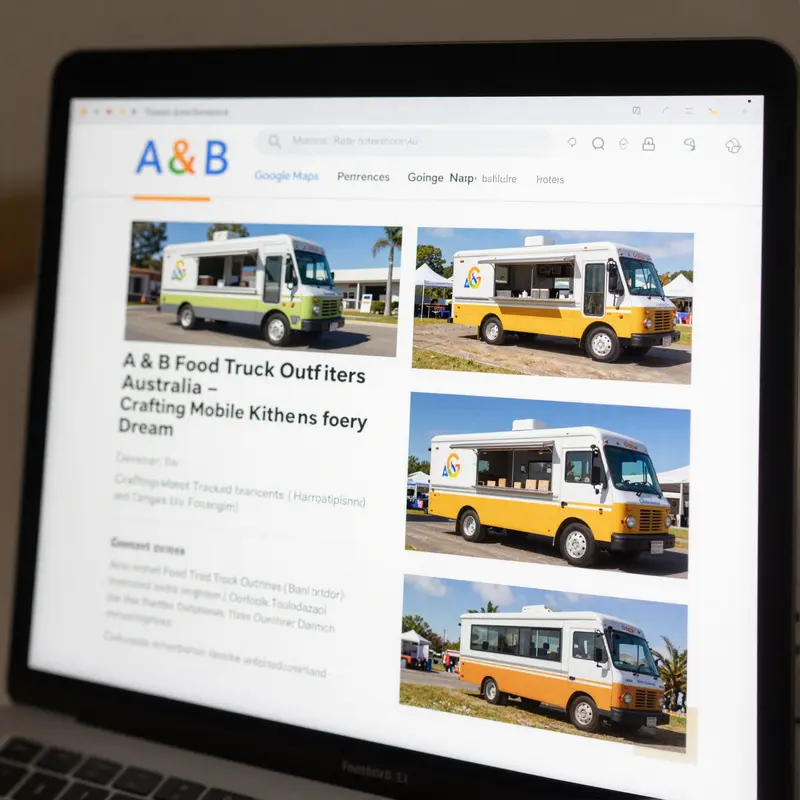
Chapter 5 offers an overview of how A&B Food Truck Outfitters Australia shapes mobile culinary ventures in Victoria. Based in Thomastown and operating from 7 Spencer Street, the company guides clients from concept to compliant, operational mobile kitchens. It emphasizes tailored outfitting, workflow optimization, and compliance with Australian standards, including electrical, gas, ventilation, and safety requirements. The process blends design, procurement, installation, testing, and training, ensuring a durable kitchen that supports branding, efficiency, and growth. The chapter also highlights the human dimension, local knowledge, and transparency through an online portfolio and client testimonials. It concludes with guidance on choosing the right outfitter and references for further context.
Final thoughts
A & B Food Truck Outfitters Australia has become a cornerstone for culinary entrepreneurs, event organizers, and food lovers aiming to take their concepts to the streets. Their combination of technical skill, customization expertise, and understanding of the vibrant event and street food scene means they don’t just build trucks—they empower mobile food ventures to thrive. Whether it’s boosting a festival’s flavor profile or giving a corporate gathering a street-food twist, A & B is helping shape Australia’s food truck future one set of wheels at a time.