
Embracing the Vibrant Food Truck Culture in San Francisco
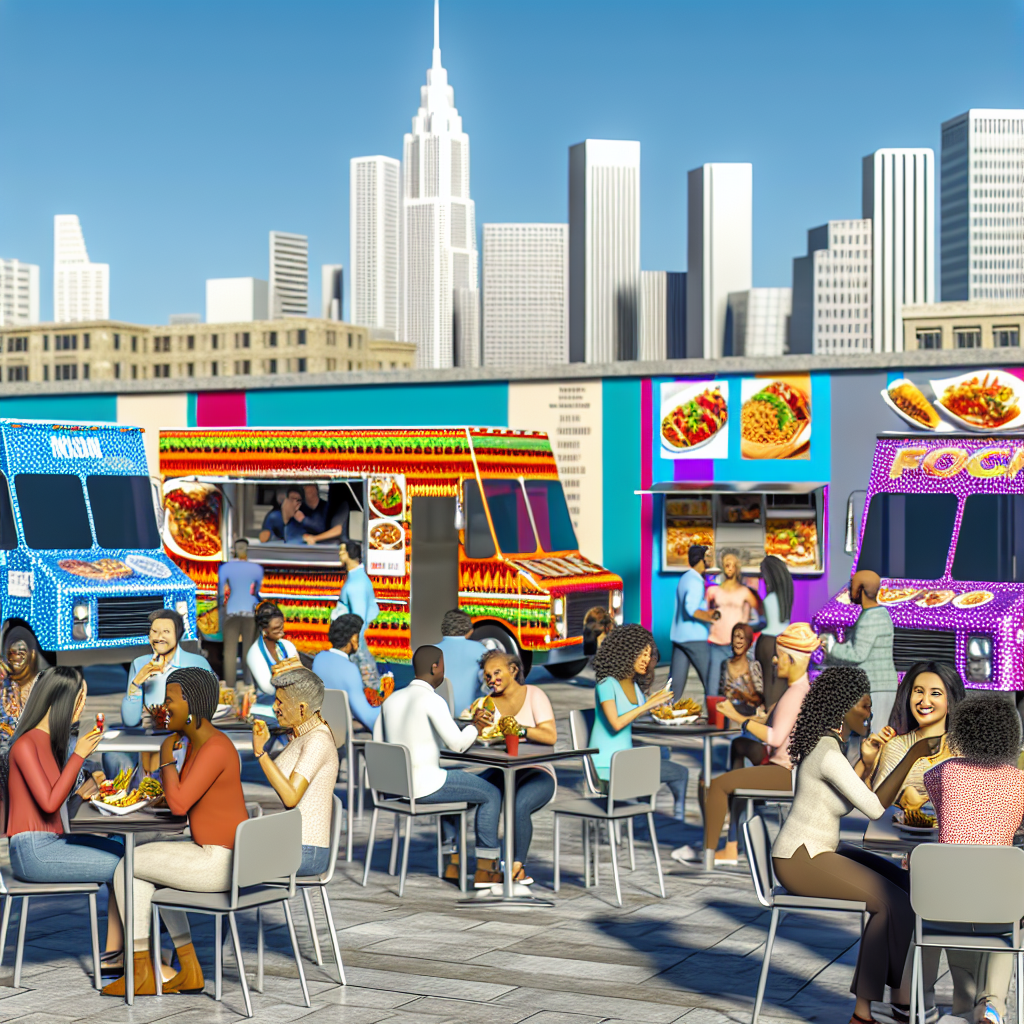
San Francisco thrives on its culinary diversity, and at the heart of this vibrant scene lies an exhilarating food truck culture. From the bustling streets of the Mission District to the sun-soaked waterfront at Embarcadero, San Francisco food trucks serve up a dazzling array of flavors from around the globe. Each truck tells a unique story, representing the dreams and hard work of passionate chefs and food entrepreneurs looking to share their delectable creations with the world. However, navigating the complexities of launching a food truck can be daunting, especially when it comes to the essential step of registration. This is where Foodeaze steps in-making it simpler for aspiring food truck owners to register a food truck and kickstart their culinary journey. Foodeaze acts as a bridge, connecting food truck vendors with necessary resources and streamlining the registration process, empowering them to focus more on their food and less on the paperwork. For event planners, corporate HR teams, and local community groups, registering with Foodeaze not only opens doors to a vibrant array of gourmet options but also supports local businesses that enhance the San Francisco food truck landscape. Join us as we delve into the details of registering your food truck with Foodeaze and become part of this electrifying community! If you’re interested in understanding more about the different models for food trucks, learn more about choosing the right food truck model that aligns with your culinary vision.
Essential Documents Needed to Register a Food Truck at Foodeaze in San Francisco
Navigating the world of food trucks can be as exhilarating as a new menu item! If you’re ready to roll your culinary creativity on wheels at Foodeaze in San Francisco, you’ll need to gather several essential documents to ensure a smooth registration process. Here’s a friendly list to get you started:
- Business License: Apply for a business license along with the required tax registration. This often involves filling out an application and paying a fee.
- Health Permit: You’ll need to pass an inspection by the San Francisco Department of Public Health. This ensures that you meet all kitchen operation safety standards and food safety regulations.
- Vehicle Registration: Your food truck needs to be registered with the California Department of Motor Vehicles (DMV) to obtain the necessary plates.
- Local Operating Permit: Acquire a permit that is specific to food truck operations in the locality. This may involve following certain area regulations and requirements.
- Additional Permits: Depending on your menu, you might need extra permits, such as a seller’s permit or possibly an alcohol sales license if you plan to serve beverages.
Getting these documents together is crucial for your food truck venture. By staying organized and compliant with all applicable licenses and health regulations, you’ll be set for success on the streets of San Francisco! To dive deeper into these processes, you can learn more about food truck regulations or explore branding your food truck effectively.
How to Register a Food Truck at Foodeaze: A Step-by-Step Guide
Starting your own food truck business is an exciting venture, especially in a vibrant city like San Francisco. If you’re looking to register a food truck with Foodeaze, follow these clear and concise steps to ensure you meet all the requirements and navigate the application process smoothly.
Step 1: Gather Required Documents
Before you start the registration process, compile all necessary documents. You will typically need:
- Business Registration Certificate: Applies to any food business in San Francisco.
- Certificate of Sanitation: Issued by the San Francisco Department of Public Health.
- Proof of Worker’s Compensation Insurance: Ensure your employees are covered during operations.
- Health Permits: Verify proper permits for food handling and storage.
Check out this guide by SF.gov for a comprehensive look at the required documents.
Step 2: Complete the Application Form
Visit the Foodeaze website and complete their online food truck registration form. Be sure to fill out each section thoroughly to avoid delays. Include details about your food offerings, operational plans, and any unique aspects of your service.
Step 3: Permits and Compliance
Once you submit your application, the city’s relevant departments will review it to ensure all local regulations and health guidelines are met. This can include:
- San Francisco Public Works Review: Check for adherence to construction and operational codes.
- Fire Department Inspection: Essential for kitchen setup and safety compliance.
For further insights on the necessary permits, refer to the SF Public Works page.
Step 4: Pay Associated Fees
Be prepared to cover registration fees, which often range from $800 to $1,500 depending on your location and the scale of your operations. Ensure you budget for these costs beforehand.
Step 5: Schedule a Health Inspection
After your application is approved, schedule a health inspection with the Department of Public Health. This step is critical to obtain your operational permits. Make sure your food truck meets all health and safety standards to pass this inspection on the first attempt.
Step 6: Begin Operations
With all permits secured and inspections passed, you’re ready to operate your food truck in the Foodeaze network! Promote your food offerings through social media or local events to attract your initial customers.
Final Thoughts
Launching a food truck might seem daunting at first, but following these steps can streamline the registration process. A solid understanding of the application process and compliance with requirements will put you on the right path toward culinary success. Good luck, and happy serving!
For more tips on navigating food truck regulations, check out our article on navigating food truck industry regulations.
Food Truck Registration Timelines Comparison
Here’s a comparison of typical food truck registration timelines between Foodeaze and other popular platforms. Unfortunately, exact data is scarce, but this summary provides context.
| Platform | Registration Timeline | Notes |
|---|---|---|
| Foodeaze | N/A | No specific data found. |
| Food Truck R | N/A | No specific data found. |
| Launch Food | N/A | No specific data found. |
| EZ Register | N/A | No specific data found. |
Summary
- Foodeaze: The registration timeline is not explicitly detailed, and there may be variability depending on local regulations.
- Other Platforms: Similar situations with ambiguous timelines.
It’s crucial for prospective operators to check local regulations, as food truck licensing can vary significantly from one state to another. For further insights on navigating these requirements, you can learn more about industry regulations.
Despite the challenges in finding precise data this year, understanding the registration landscape is vital for any aspiring food truck owner.
To visually represent the registration timelines, check the following chart:
As you embark on your food truck journey, be aware of the local regulations that will shape your experience. For more comprehensive tips on functioning in the food truck industry, consider exploring our financial tips for first-time food truck owners.
Common Challenges in Registering a Food Truck with Foodeaze
Starting a food truck is an exciting journey bringing culinary delights to the streets, but it can also come with its fair share of obstacles. Here are some common challenges that food truck owners face when registering their business with Foodeaze and some helpful tips to overcome them:
1. Understanding Local Permits and Licenses
Navigating the maze of permits and licenses can be daunting. Each location has specific requirements regarding food service, health inspections, and operational guidelines.
Tip: Research your local regulations thoroughly and create a checklist of necessary permits. Consider visiting this helpful guide on food truck licenses and permits. This proactive approach minimizes legal obstacles down the road.
2. Regulatory Compliance
The food industry is heavily regulated, and non-compliance can lead to fines or even business closure. Compliance includes everything from health regulations to safety standards.
Support: Join local food truck associations or networks where seasoned owners share their experiences and offer support, enabling new entrants to learn best practices in compliance.
3. Overcoming Zoning Restrictions
Finding the right location to park and operate your food truck can be challenging. Many areas have zoning laws that restrict where food trucks can operate, making it essential to do your homework.
Tip: Utilize online mapping tools or local food truck forums to find out about popular food truck areas in your city.
4. Maintaining Food Safety Standards
Food safety is paramount in the food industry, and mishaps can severely damage your brand. Regular inspections and training ensure that your staff adheres to strict food preparation and hygiene standards.
Support: Invest in training programs or workshops that focus on food safety best practices to avoid pitfalls that could jeopardize your business.
5. Operational Logistics
From supply chain issues to managing staff, operational logistics can present significant obstacles for food truck owners. Ensuring a smooth operation requires planning and adaptability.
Tip: Create a detailed operational plan that includes supply sourcing, staff schedules, and a backup plan for unexpected events. Check out our article on navigating food truck industry regulations for additional insights.
6. Marketing and Competition
In a bustling food landscape, standing out is crucial. Innovative marketing strategies are essential but can often overwhelm new food truck operators.
Support: Consider social media promotions, local partnerships, or even food truck events to enhance visibility. Engage your community to stand out in a competitive market.
Conclusion
Registering a food truck with Foodeaze may feel overwhelming, but with the right resources, support, and proactive planning, you can successfully navigate these challenges. Embrace the journey, tap into local networks, and remember that you’re not alone in this exciting venture!
Here’s a thoughtful quote that embodies the spirit of entrepreneurship and community within the food truck industry:
“Food is the great unifier, and food trucks bring everyone together. It’s not just about selling food; it’s about creating a bond with our community and sharing stories through our dishes.”
This quote reflects the essence of what many food truck entrepreneurs strive for-the blend of culinary innovation and community engagement.
For further insights into the world of food trucks, you can learn more about choosing the right food truck model to fit your entrepreneurial vision!
Additionally, if you are keen on enhancing your food truck’s branding, check out our guide on branding on wheels to attract your community’s attention!
Frequently Asked Questions (FAQs) for Food Truck Registration at FoodEaze in San Francisco
1. What do I need to register my food truck in San Francisco?
To register your food truck, you typically need:
- A valid business license.
- A food service permit from the health department.
- Vehicle registration documents.
- A permit to operate from the city (such as a Mobile Food Facility Permit).
- Proof of insurance.
Be sure to check with the San Francisco health department for specific requirements.
2. How much does it cost to register a food truck?
The cost can vary based on various factors like the permits needed and the city fees. Expect registration fees to range from $100 to $500, depending on the nature of your operations and permits required.
3. How long does the registration process take?
The registration process can take anywhere from a few weeks to a couple of months. It largely depends on how quickly you gather your documents and comply with local regulations. Make sure to start the process well in advance of your intended operation date.
4. Do I need a special license for my food truck?
Yes, you will need a Mobile Food Facility Permit issued by the health department in addition to a business license. Specific licenses may vary by type of food served and location.
5. Are there zoning laws I need to be aware of?
Definitely! Each district in San Francisco may have different zoning laws that govern where food trucks can operate. Check local regulations to find out where your food truck can park and operate legally. You may also want to look into any street permits or specific parking regulations for food trucks.
6. What health and safety regulations do I need to follow?
Health regulations are critical for food truck operations. This includes:
- Complying with the California Retail Food Code.
- Ensuring that your food preparation areas meet sanitary standards.
- Regular inspections may be required from the health department.
You can find additional guidelines in the California Cart Builder page for better clarity on health regulations.
7. What should I consider when choosing a food truck model?
When selecting a food truck model, consider:
- Size and layout suitable for your menu.
- Equipment needs (kitchen appliances, storage).
- Compliance with local health regulations.
You can learn more about choosing the right food truck model here.
8. What are the best locations for food trucks in San Francisco?
Popular locations include special events, parks, and business districts. The city has also developed additional parking spaces through initiatives like Shared Spaces, enhancing opportunities for food trucks!
9. How can I better market my food truck?
Marketing is essential! Ideas include:
- Engaging social media profiles showcasing your food and daily locations.
- Participation in local events and food festivals.
- Collaborations with local businesses for cross-promotion.
10. What should I do if my food truck gets unwanted fines?
If you receive a fine, ensure to review the ticket details regarding the violation. Most fines can be contested if valid reasons or evidence (like permits) can be provided. It’s wise to be proactive and stay informed about parking regulations to minimize fines.

This FAQs section provides a comprehensive view of the common concerns for potential registrants looking to operate their food truck in San Francisco. With the right information and preparation, you can successfully navigate the registration process and join the vibrant food truck community!
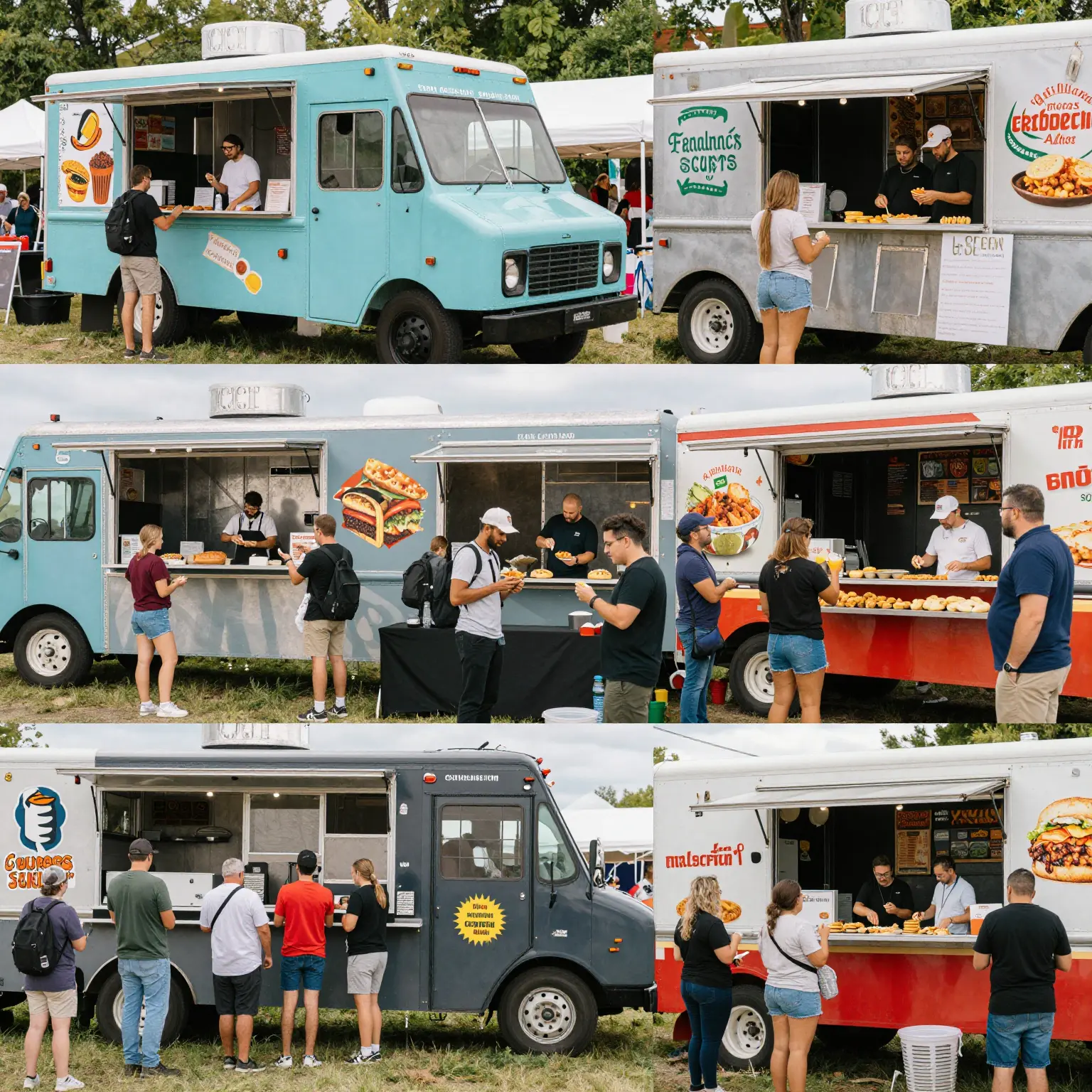
Conclusion: Join the FoodEaze Revolution!
Ready to elevate your food truck business? Registering your food truck at FoodEaze isn’t just about compliance; it’s about unlocking a treasure trove of opportunities. With tools like live data analytics and real-time sales metrics, you can gain deep insights into customer preferences and peak sales times. This information empowers you to tailor your offerings to meet the demands of hungry patrons, ensuring improved service and boosted sales. Plus, with features allowing customer location tracking and favorites, you can effectively engage your audience and keep them coming back for more!
Picture this: a bustling street filled with enthusiastic customers, all gathered around your food truck, eager to taste the culinary delights you have to offer. That’s the reality when you register with FoodEaze. Plus, your visibility will skyrocket-not only through the FoodEaze app but within the larger San Francisco food scene, which is thriving with food enthusiasts and event planners just waiting to discover your truck.
But wait, it gets even better! Not only can you enhance your food truck’s performance with the right business registration, but you can also take advantage of Summit Fairings. With their high-quality motorcycle fairings, you can ensure your food truck is not only efficient but also aesthetically pleasing and aerodynamically promising!
So what are you waiting for? Dive into the FoodEaze community today and transform your food truck journey. Make your mark in the vibrant food truck industry and grab the attention your business deserves! Register now at FoodEaze and get excited about the endless possibilities that await you!