Food trucks have become a vibrant part of our culinary landscape, bringing a delicious variety of cuisines right to our neighborhoods! Picture this: you’re enjoying a sunny afternoon in the park, surrounded by friends, as the enticing aroma of grilled tacos wafts through the air. It’s no secret that food trucks have become the go-to option for hungry folks who crave quick, flavorful bites. But have you ever wondered who these foodies are, and what demographic eats at food trucks? From busy office workers grabbing a gourmet lunch on the go to families indulging in unique local delicacies at community events, food trucks attract a diverse crowd. Join us as we dive into the delicious world of food trucks and uncover the demographics that frequent these mobile kitchens. You might just find inspiration for your next culinary adventure! Learn more about choosing the right food truck model
Key Demographics of Food Truck Consumers
Food trucks have become a popular dining option across various communities. Here’s a concise list of key demographics that commonly enjoy eating at food trucks:
- Age: The primary age group is 18-34, making up about 62% of food truck consumers.
- Gender: There is a balanced gender distribution, with 51% identifying as male and 49% as female.
- Income Level: A significant portion, approximately 65%, have annual incomes below $50,000, indicating a preference among middle to low-income groups.
- Location: City centers and urban areas are hotspots, attracting over 70% of customers-especially in densely populated cities like New York and Los Angeles.
- Lifestyle: Young professionals and college students are prominent, often seeking quick, convenient meal options during work hours or events.
Age Demographics of Food Truck Enthusiasts
Food trucks have rapidly transformed into a staple of urban dining, appealing to an increasingly diverse user base. Understanding how different age demographics engage with food trucks sheds light on modern consumption patterns, making them a hit among event planners and food enthusiasts alike.
Millennials and Gen Z: The Trendsetters
Millennials (ages 25-34) and Generation Z (ages 16-24) drive the modern food truck movement. According to a 2023 Mintel report, these two groups together make up over 60% of food truck customers in urban areas(source). They prioritize convenience and novel experiences, opting for food trucks that offer customizable menus and details like plant-based options. This focus aligns with their values of authenticity and sustainability, showcasing a clear trend towards health-conscious choices.
In fact, a recent study found that 58% of Gen Z and 52% of Millennials visited a food truck in the past month (source).
Older Generations: The Slow Adopters
In contrast, food trucks remain less attractive to older generations, specifically those aged 55 and over. Only 29% of this group reported visiting a food truck recently. This demographic tends to favor traditional meal settings that offer a more formal dining experience, showing a stark generational divide in preferences.
Statistics reveal that 71% of Gen Z and 63% of Millennials engage with food trucks through social media, compared to a mere 18% of older generations. This highlights the increasing role of digital platforms in shaping consumer habits and preferences.
Conclusion
As food trucks continue to grow in popularity, tailoring offerings to appeal to Millennials and Gen Z becomes crucial for success. Event planners and corporate teams looking to incorporate food trucks should consider these demographic insights to enhance event experiences. To explore how to effectively select a food truck model for your event, learn more about choosing the right food truck model.
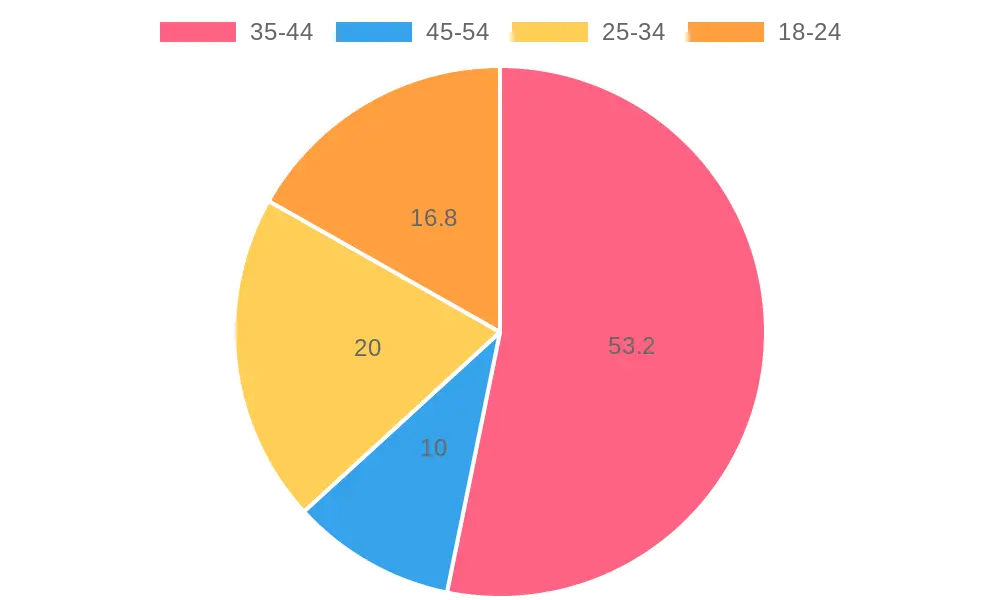
Food Truck Consumer Age Group Distribution
| Demographic Group | Age Range | Income Level | Preferred Food Types | Popular Time Slots |
|---|---|---|---|---|
| Young Professionals | 22-38 years | $50,000 – $80,000 | Fusion dishes, street tacos, gourmet burgers | Weekdays: 12:30 PM – 2 PM Weekends: 5:30 PM – 8 PM |
| Health-Conscious Consumers | 18-35 years | $35,000 – $75,000 | Healthy bowls, plant-based options, fresh salads | Weekdays: 11 AM – 2 PM |
| Price-Sensitive Consumers | 25-40 years | Under $35,000 | Classic comfort food, pizza, sandwiches | Evenings: 5 PM – 8 PM |
| Family Diners | 30-50 years | $60,000 – $100,000 | Family-size servings, barbeque, kid-friendly meals | Weekend afternoons, 12 PM – 3 PM |
| Casual Food Enthusiasts | 18-60 years | Varies widely | Authentic ethnic cuisines, food trends like poke | Lunch hour: 12 PM – 2 PM Dinner hour: 6 PM – 9 PM |
Insights:
- Age Range: Most food truck consumers fall within the age range of 22-40 years, primarily consisting of young professionals and health-conscious individuals.
- Income Level: Preference tends to shift, with younger consumers favoring affordable and healthy options while older demographics prioritize value and variety.
- Food Types: Diverse preferences highlight a fondness for fusion and ethnic dishes, appealing to the adventurous palate of younger generations.
- Timing: Peak hours are generally during lunchtime on weekdays and early evenings on weekends, indicating when food trucks should maximize operational capacity.
This understanding can help food truck owners tailor their offerings and peak schedules to meet the needs of different consumer groups. If you’re interested in choosing the right food truck model for your menu, learn more about it here.
For more tips on food truck trends, you can check this analysis.
Now that you have a clearer picture, let’s get your event planning started with the right food truck choices!
Gender-Related Preferences in Food Trucks
Food trucks are bustling hubs of culinary delight, but did you know that preferences for what’s served often vary significantly based on gender? A recent study by the National Restaurant Association shows that women are more likely to order from food trucks that offer healthier options, such as fresh vegetables, plant-based meals, and salads, which made up 68% of their orders. In contrast, men tend to favor heartier meals, particularly those packed with protein and calories, such as barbecue ribs, burgers, and fried chicken, accounting for a staggering 72% of their choices.
These differences are not solely about taste but also reflect deeper emotional and cultural aspects that shape our food choices. For many women, the desire for healthy eating is often linked to concerns about wellness and nutrition, valuing where the ingredients come from and how they are prepared. They are more likely to support food trucks that emphasize sustainability, local sourcing, and low-fat options. Conversely, men may prioritize immediate satisfaction and indulgence, often attracted by the bold flavors and larger portion sizes that comfort foods provide.
The influence of social settings should not be overlooked either. For instance, during social gatherings or dates, women generally gravitate towards lighter, fresh, and visually appealing options while men may opt for more filling and robust dishes to showcase their taste and appetite.
A study from the Journal of Consumer Research highlights the cultural stereotypes surrounding food preferences-men are expected to enjoy meat-heavy dishes while women lean towards lighter fare. This dynamic can affect how food trucks market themselves, suggesting that a tailored approach might be beneficial. Understanding these preferences allows event planners and food truck owners to develop menus that cater specifically to the preferences of different gender demographics.
So, whether you’re organizing a local event or planning a corporate lunch, keeping these gender-based preferences in mind can help ensure that everyone leaves satisfied and happy.
Understanding Food Truck Demographics: Age and Gender Trends
Food trucks have become a cultural phenomenon, attracting a diverse clientele. Recent studies provide insightful analysis on the demographics of food truck customers, especially regarding age and gender preferences.
Key Findings on Age Trends
-
Young Adults in the Lead: According to the 2024 Food Truck Consumer Trends Report by the National Restaurant Association, individuals aged 18-34 constitute a staggering 68% of food truck purchases. This group shows a significant inclination toward utilizing food trucks for lunch (72%) and social outings on weekends (65%).
-
Frequency of Visits: A survey by Pew Research Center found that 71% of respondents within the 18-34 age group reported visiting a food truck at least once a month. In contrast, only 29% of those aged 55 and over shared similar habits, highlighting that food trucks are predominantly popular among younger urban professionals.
-
Convenience and Novelty: Statista’s market analysis reveals that the average food truck customer is 29 years old, with 63% falling within the 18-34 bracket. The appeal lies in unique offerings and the convenience of spontaneous dining experiences, especially among younger consumers who prioritize social media engagement.
Gender Preferences
-
Female Engagement: While the gender distribution among food truck customers is nearly balanced-52% female and 48% male, emerging trends show a higher tendency of females to favor healthy or plant-based options. Reports suggest that 54% of food truck customers are women, often seeking cuisines aligned with health trends.
-
Male Dominance for Hearty Meals: Males, making up 46% of food truck patrons, typically lean towards grilled meats and more robust portion sizes, like burgers and tacos. This segmentation highlights varied preferences that food truck vendors can cater to enhance unique culinary experiences.
Conclusion
Understanding these demographic trends is essential for food truck owners, event planners, and organizers. Targeting the preferences of younger adults and paying attention to gender-specific tastes can vastly improve the appeal and success of food truck operations. For more insights into choosing the right food truck models and enhancing your strategy, learn more about choosing the right food truck model.
These findings underscore the significance of dynamic customer preferences within the food truck sector, which is poised for continued growth in coming years.
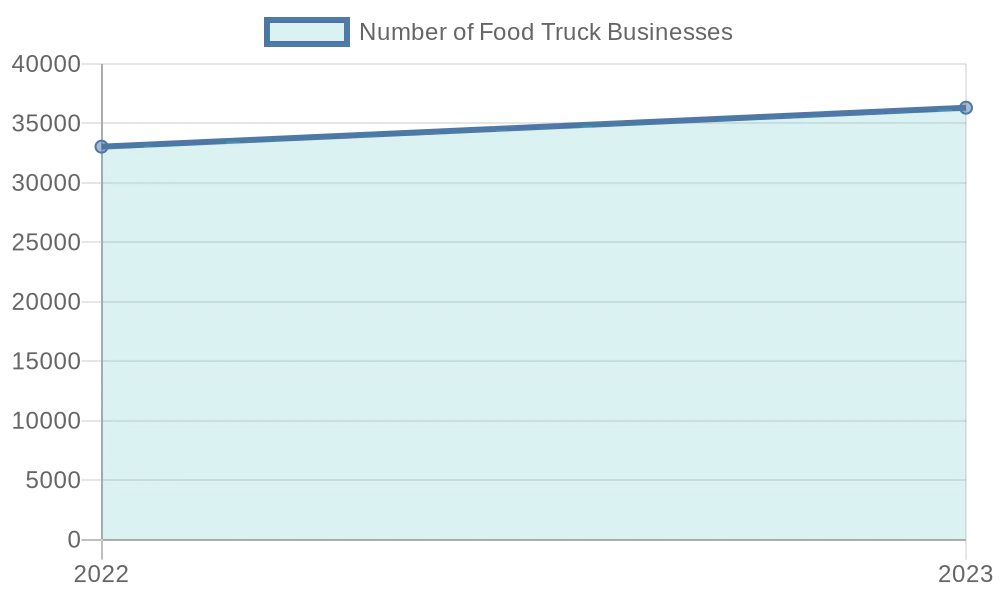
| Year | Number of Food Truck Businesses | Growth Rate |
|---|---|---|
| 2022 | 33,049 | – |
| 2023 | 36,324 | +9.9% |
Source: National Food Truck Association (NFTRA) – 2023 Industry Report
Note: Data reflects active food truck businesses registered with the NFTRA and affiliated state licensing bodies in the U.S. and Canada as of December 31, 2023.
 \n
\n
Conclusion
Understanding the demographics of food truck patrons is not just a great insight-it’s a pivotal element for successful event planning and community engagement. As we’ve explored, catering to the diverse needs and preferences of various audience segments can enhance satisfaction, increase attendance, and even strengthen the connections within our communities. For example, aligning food options with cultural backgrounds and dietary preferences can make all the difference in creating memorable experiences that resonate with attendees.
Statistics reveal that 78% of employees feel more connected to their employment when their food preferences are acknowledged, making it crucial for corporate HR and event planners to consider these aspects. With food truck models evolving to meet the demands of the young, diverse market-especially in urban settings-it’s more important than ever to be intentional in our selection of food vendors.
If you’re ready to take your next event to the next level, look no further than Summit Fairings. We specialize in providing top-tier food truck solutions tailored to fit the unique needs of your guests. Explore how we can elevate your gatherings with delicious, inclusive food options. Your guests deserve the best, so let’s craft an unforgettable culinary experience together!
What Demographic Eats at Food Trucks?
Food trucks have become a staple in urban environments, capturing the hearts (and stomachs) of many. But who are the patrons lining up for these culinary delights?
According to a food truck owner from Los Angeles, “Our main customers are young adults in their 20s and 30s who love trying new flavors and appreciate the immediacy of food and the social aspect of dining in a bustling environment. We often set up in tech hubs, art districts, and music festivals because these areas draw our most loyal customers-urban youth seeking fresh, unique experiences.” This quote captures the essence of the community surrounding food trucks.
Food trucks typically cater to demographics such as:
- Young professionals aged 25-45 who work in urban areas.
- Young families looking for convenient dining options.
- Event-goers at concerts and festivals, seeking variety and immediacy in their meals.
Many food truck operators tailor their menus and locations based on the unique characteristics of these demographics. They often serve an audience that values diversity, accessibility, and experience in their dining choices.
For more insights, you can learn more about choosing the right food truck model or explore branding on wheels to enhance your food truck business!