Introduction
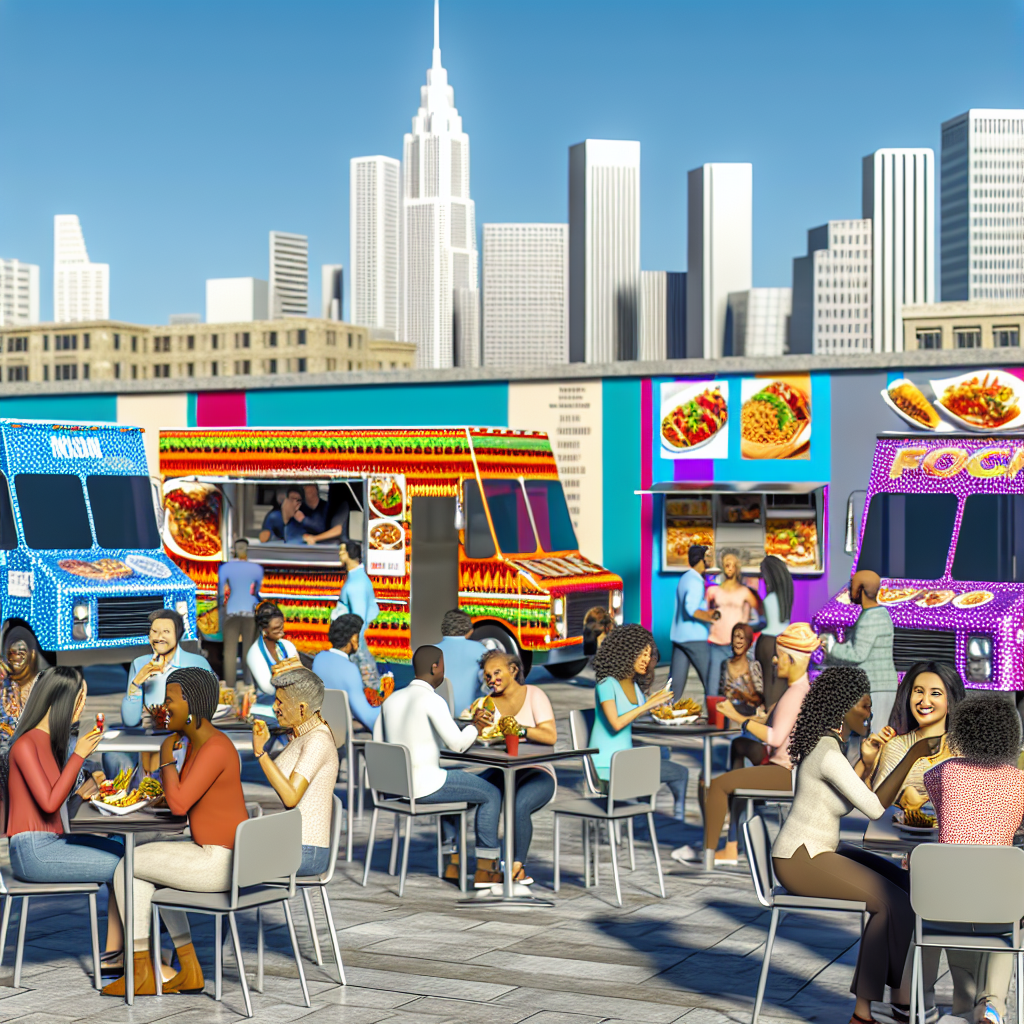
Food trucks are rolling culinary sensations, booming across city streets and festivals, attracting food lovers and adventurous eaters alike! These mobile kitchens have not only revolutionized dining experiences but have also given rise to an innovative, tech-savvy movement. From gourmet tacos to artisanal coffees, food trucks serve up an inspired variety, transforming how we celebrate events, engage communities, and indulge our taste buds.
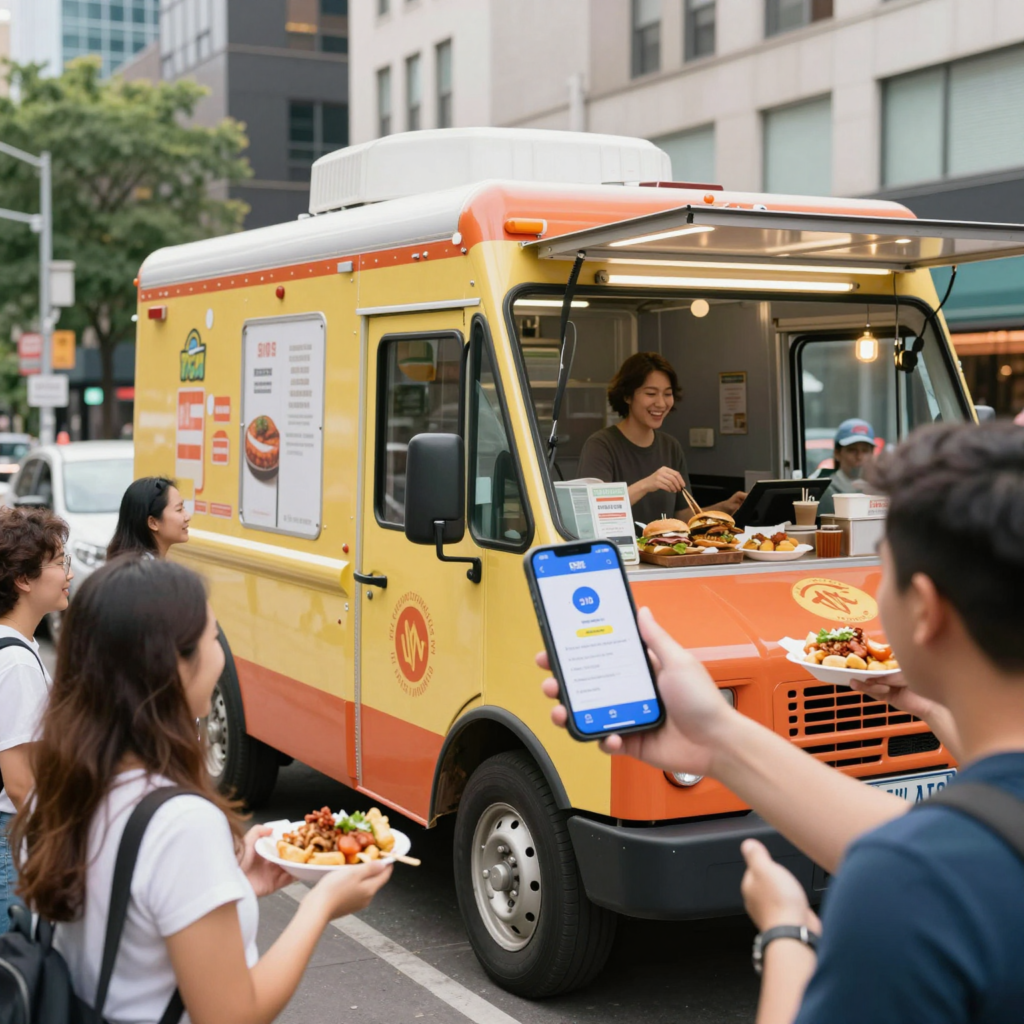
But what’s driving this tasty trend? The excitement doesn’t just come from flavors; it’s fueled by exciting technological advancements reshaping the industry. GPS routing apps, mobile payment systems, and social media marketing strategies have empowered food truck owners to connect with customers like never before. Imagine tracking your favorite truck through a user-friendly app or pre-ordering that hot, fresh meal from your smartphone! The growth and adaptability of food trucks, combined with these innovations, are revolutionizing how we think about food service. Curious about the technological trends impacting this industry? Let’s dig in and explore how these advancements are reshaping the culinary landscape on wheels
How Mobile Point-of-Sale Systems are Revolutionizing Food Truck Operations
In a world where speed and convenience are key, mobile point-of-sale (mPOS) systems are making waves in the food truck industry. These systems are not just about taking payments; they’re changing how food trucks operate, enhancing speed of service and boosting customer engagement.
Speed of Service: A Game Changer
Imagine the scene: a bustling outdoor festival where customers are lining up for their favorite gourmet tacos. With a mobile POS system, food truck operators can process transactions right at the point of customer engagement. According to the National Restaurant Association’s 2023 Industry Insights Report, more than 75% of food truck operators now utilize mPOS, which has led to smoother and quicker service. As lines move faster, customers aren’t left waiting, and the overall experience becomes more enjoyable.
For instance, platforms like Square or PayPal Point of Sale enable food trucks to accept various payment methods, including contactless options. This versatility ensures that regardless of how a customer wants to pay-be it with a card, mobile wallet, or cash-the transaction is seamless. This flexibility can be crucial in event settings, where customers may be short on cash but not on hunger!
Boosting Customer Engagement
But speed is just part of the story; mobile POS systems also play a significant role in enhancing customer engagement. By utilizing these systems, food truck owners can gather valuable data about customer preferences and sales trends.
The ability to analyze this data allows owners to tailor their offerings more effectively. For example, they can identify peak sales hours and adjust staff scheduling, ensuring that the customer experience remains top-notch even during busy times. This analytical edge empowers food entrepreneurs to make informed decisions about menu pricing and promotions, enhancing not just sales but overall customer satisfaction.
Moreover, 78% of food trucks are now adopting these systems, as highlighted by Statista. When customers see that their favorite food truck is modern and efficient, they are more likely to return, creating a loyal following.
In Conclusion
In conclusion, mobile point-of-sale systems are more than just technological upgrades; they are essential tools that are redefining the landscape of food trucks. From speeding up service to enriching customer engagement, mPOS systems are integral for food truck owners looking to thrive in today’s fast-paced environment. Whether you’re an event planner looking for the perfect food vendor or a food enthusiast keen to explore the latest trends, knowing how these systems integrate into the food truck experience is a must.
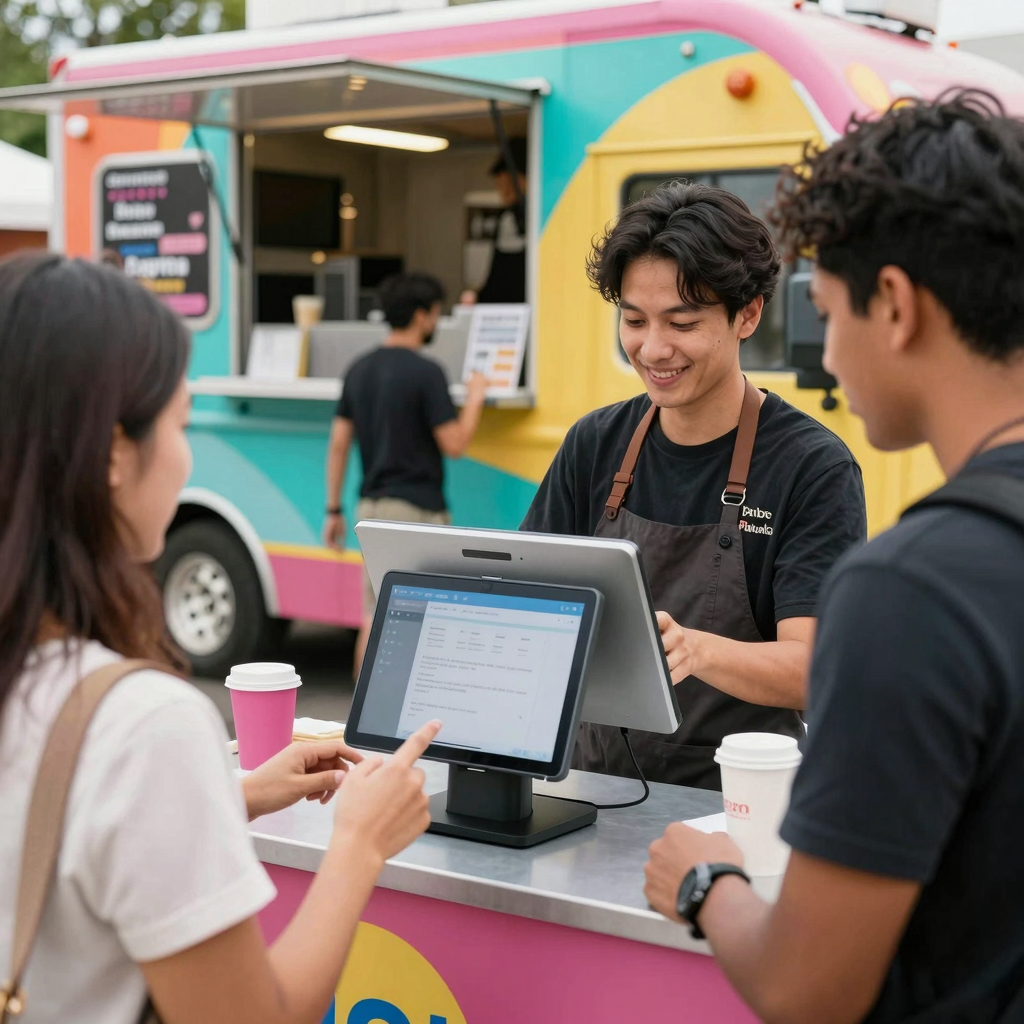
A vibrant food truck scene showcasing a mobile point-of-sale (POS) system in action.
Explore more about choosing the right food truck model and how it can complement the latest food tech advancements in our guide: Choosing the Right Food Truck Model!
Comparison of Popular Mobile POS Systems for Food Trucks
Choosing the right mobile POS (Point of Sale) system is vital for food truck operators and event planners alike. The following table highlights the features, pricing, and pros/cons of popular mobile POS systems used in food trucks.
| Feature / Aspect | Square POS | Clover (by Fiserv) | Toast | Lightspeed Retail | Shopify POS |
|---|---|---|---|---|---|
| Best For | Small to medium food trucks, startups | Multi-location operations, high-volume restaurants | Full-service restaurants, high-volume kitchens | Multi-channel retail & hospitality | E-commerce integrated food trucks, branded experiences |
| Pricing (Monthly) | $0 base + 2.6% + $0.10 per transaction (credit) | $99-$149/month + 2.3%-2.6% + $0.10-$0.25 per transaction | $89-$179/month + 2.3%-2.6% + $0.10-$0.25 per transaction | $79-$299/month + 2.3%-2.6% + $0.10-$0.25 per transaction | $29-$299/month + 2.9%-2.6% + $0.10-$0.25 per transaction |
| Hardware Costs | Starter kit: ~$500 (includes tablet, receipt printer, card reader) | Varies by model; tablet and peripherals start at ~$600 | Varies; includes tablet, receipt printer, card reader (~$1,000+ for full setup) | Varies; includes tablet, receipt printer, card reader (~$800-$1,200) | Starter kit: ~$500 (includes tablet, receipt printer, card reader) |
| Key Features | – Cloud-based, real-time sales tracking – Inventory management – Employee scheduling – Basic reporting – Online ordering integration |
– Customizable interface – Advanced inventory control – Integrated payroll – Detailed reporting – Support for multiple payment types |
– Menu management with modifiers – Table management – Kitchen display system (KDS) – Advanced analytics – Integrated delivery management |
– Inventory management – Customer loyalty programs – Multi-store support – Point-of-sale integrations – Comprehensive reporting |
– Deep e-commerce integration – Inventory sync across channels – App store for add-ons – Customer profiles & marketing tools – Mobile checkout capabilities |
| Pros | – Simple, intuitive interface – Low barrier to entry – Strong mobile app support – Excellent for basic food truck needs – Free hardware with first year of service (limited offer) |
– Highly customizable – Robust reporting & analytics – Scalable for growing businesses – Excellent customer support – Built-in payroll |
– Industry-leading restaurant features – Powerful kitchen workflow tools – Seamless delivery & pickup integration – Real-time KDS for efficient order processing |
– Flexible for both retail and hospitality – Strong multi-location support – Great for omnichannel strategies – Reliable performance |
– Seamless integration with Shopify online store – Powerful marketing and customer engagement tools – Extensive app ecosystem – Ideal for brand-focused food trucks |
| Cons | – Limited advanced restaurant-specific features – Transaction fees can add up quickly – Less robust for complex kitchen workflows – Limited customization options |
– Higher monthly cost – Steeper learning curve – Hardware can be expensive – Less suitable for very small or simple operations |
– High price point – Overkill for very small food trucks – Complex setup for beginners |
– Can be overcomplicated for small food trucks – Pricing tiers can be confusing – Less specialized for pure food service |
– Less focused on restaurant-specific workflows – Requires strong e-commerce presence to maximize value – Transaction fees higher than some competitors |
Conclusion
Choosing the right mobile POS system can significantly enhance the efficiency and customer experience of your food truck. Depending on your specific needs, whether it’s integration with e-commerce or robust restaurant management features, the options above will help food truck operators make informed decisions.
For more insights, explore how to choose the right food truck model for your business.
Social Media Marketing Trends in the Food Truck Industry
In today’s fast-paced digital world, food trucks are finding innovative ways to engage with their audiences through social media platforms like Instagram and TikTok. These platforms enable food truck owners not only to promote their delicious offerings but also to connect with local communities authentically. Here’s how they are leveraging these tools for marketing success in 2024.
Emphasis on Visual Storytelling
With the popularity of visual content on platforms like Instagram, food trucks are focusing significantly on beautiful imagery and engaging videos. High-quality photos of mouthwatering dishes, lively events, and behind-the-scenes shots are making their way into feeds, inviting food enthusiasts to indulge not just in food, but also in the stories behind the dishes. Creating a visual narrative helps food trucks express their unique identity and appeals to the cultural diversity of their customer base.
Utilizing Short-Form Videos
TikTok and Instagram Reels are all the rage, with food trucks taking advantage of these short video formats. By showcasing cooking processes, chef personalities, and customer testimonials in just a few seconds, they capture attention effectively. These clips can go viral, leading to a significant uptick in followers and customers. In fact, a report from Forbes revealed that food truck brands utilizing these video strategies experienced a follower growth rate exceeding the industry average by 40%.
Live Interactions and Virtual Events
Live streaming has emerged as a powerful tool for food trucks, allowing them to host virtual events and engage directly with their audience. From live cooking demonstrations to menu reveals, these events provide a unique opportunity for real-time interaction, fostering a sense of community. Customers feel more connected when they can directly engage with the brand and its offerings. Popular hashtags like #MyFoodTruckMoment are encouraging user-generated content and fostering a sense of belonging among followers.
Collaboration with Local Influencers
Partnering with local influencers has become a key trend for food trucks aiming to reach broader audiences. By working with influencers who resonate with their brand’s values, food trucks can tap into new customer bases and enhance their visibility online. This strategy not only facilitates brand promotion but also strengthens ties within the local community, connecting diverse cultural narratives through food.
Personalized Content through AI
As artificial intelligence (AI) continues to advance, more food trucks are incorporating AI tools to generate personalized content. By analyzing audience data, these tools help create targeted promotions and recommend menu items based on preferences, allowing food trucks to engage more meaningfully with their customers.
Conclusion
Social media marketing is central to modern food truck success, bringing cultural authenticity and community engagement to the forefront of their strategies. By harnessing the power of visual storytelling, interactive video content, real-time engagement, local influencer partnerships, and personalized marketing, food trucks are not just selling food but are creating vibrant communities and experiences that reflect their diverse cultural heritage.
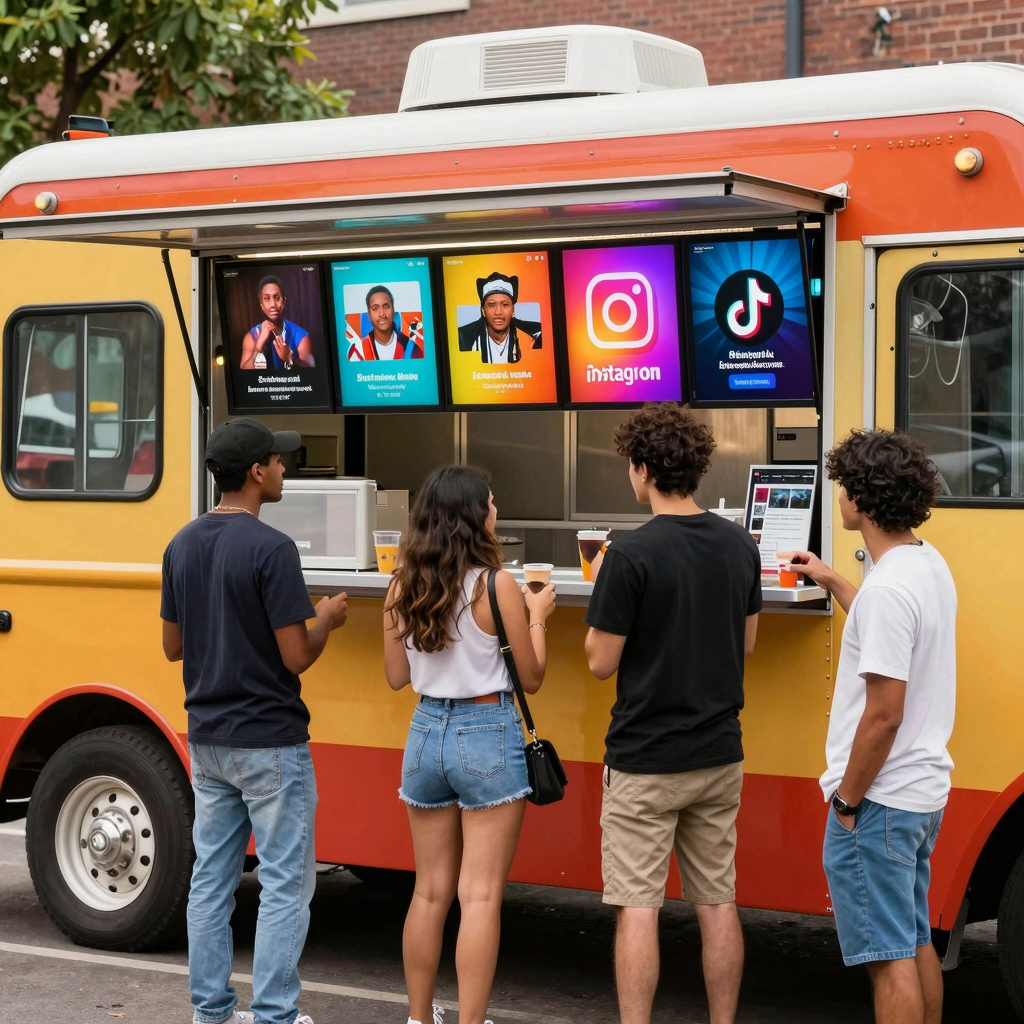
Food trucks are creatively using social media to enhance community engagement and showcase their authenticity.
For more insights, check out how food truck branding can elevate your business or explore the right food truck model for your needs.
“Technology has become a cornerstone of modern food truck operations. The integration of mobile POS systems and real-time inventory tracking has significantly reduced operational friction. Furthermore, QR code menus and mobile ordering apps have enhanced customer engagement, leading to increased retention by up to 35%. Social media platforms are now essential for marketing, helping food trucks connect with their community and drive sales.”
- National Restaurant Association Insights Report 2025
In this era of rapid technology advancement, food trucks are not just mobile kitchens; they are evolving into brands that leverage technology to optimize operations and enhance customer engagements.
Don’t forget to learn more about choosing the right food truck model to suit your tech-savvy vision!
Also, explore how branding on wheels can elevate your identity and create lasting impressions!
Online Ordering and Delivery Services: Transforming the Food Truck Industry
The food truck industry has traditionally been characterized by its vibrant, on-the-go nature, but in recent years, online ordering and delivery services have taken this to new heights. With the growing reliance on digital technologies, food trucks are adapting to meet the evolving demands of consumers who prioritize convenience and quick access to diverse culinary offerings.
The Consumer Perspective
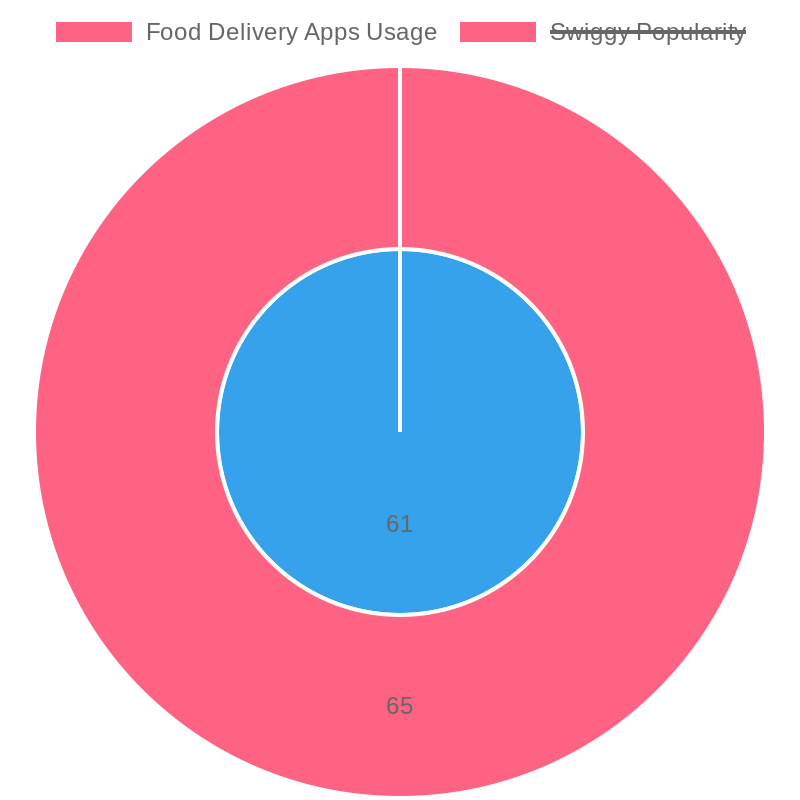
Consumers today are seeking more than just food; they desire a seamless experience. Studies show that 65% of consumers now use food delivery apps, with Swiggy being the most popular, preferred by 61% of users. This shift has been significantly influenced by the COVID-19 pandemic, which accelerated the adoption of online platforms for safety and convenience. According to a report on consumer behavior, this quick pivot to online ordering has reshaped how people interact with food services, making the process faster, easier, and generally more satisfying.
“In a world where time is of the essence, food trucks that embrace technology can maximize convenience while delighting customers with their unique cuisines!”
Benefits for Food Truck Operators
For food truck operators, online ordering platforms not only ensure customer satisfaction but also boost operational efficiency. Many food truck owners leverage systems like Food Truck Pub, which integrates real-time order processing and menu updates with popular POS systems. This integration reduces wait times and leads to a smoother service experience. Enhanced visibility through online platforms allows food trucks to reach more customers and cater to the increasing demand for flexibility in dining.
Moreover, analytics from these platforms provide insights into consumer preferences and peak ordering times, allowing operators to optimize their menu and streamline their services effectively.
Conclusion
In summary, online ordering and delivery services are reshaping the food truck sector by fostering a symbiotic relationship between consumer expectations for convenience and operators’ capabilities to deliver quickly and efficiently. As the trend continues to grow, food trucks that adapt to these changes will thrive in a competitive landscape.
To find out more about selecting the right food truck model for digital integration, learn more here. Also, check out our tips on mastering food truck parking challenges to ensure you’re well-equipped for the future!
Trends in Food Truck Technology Adoption
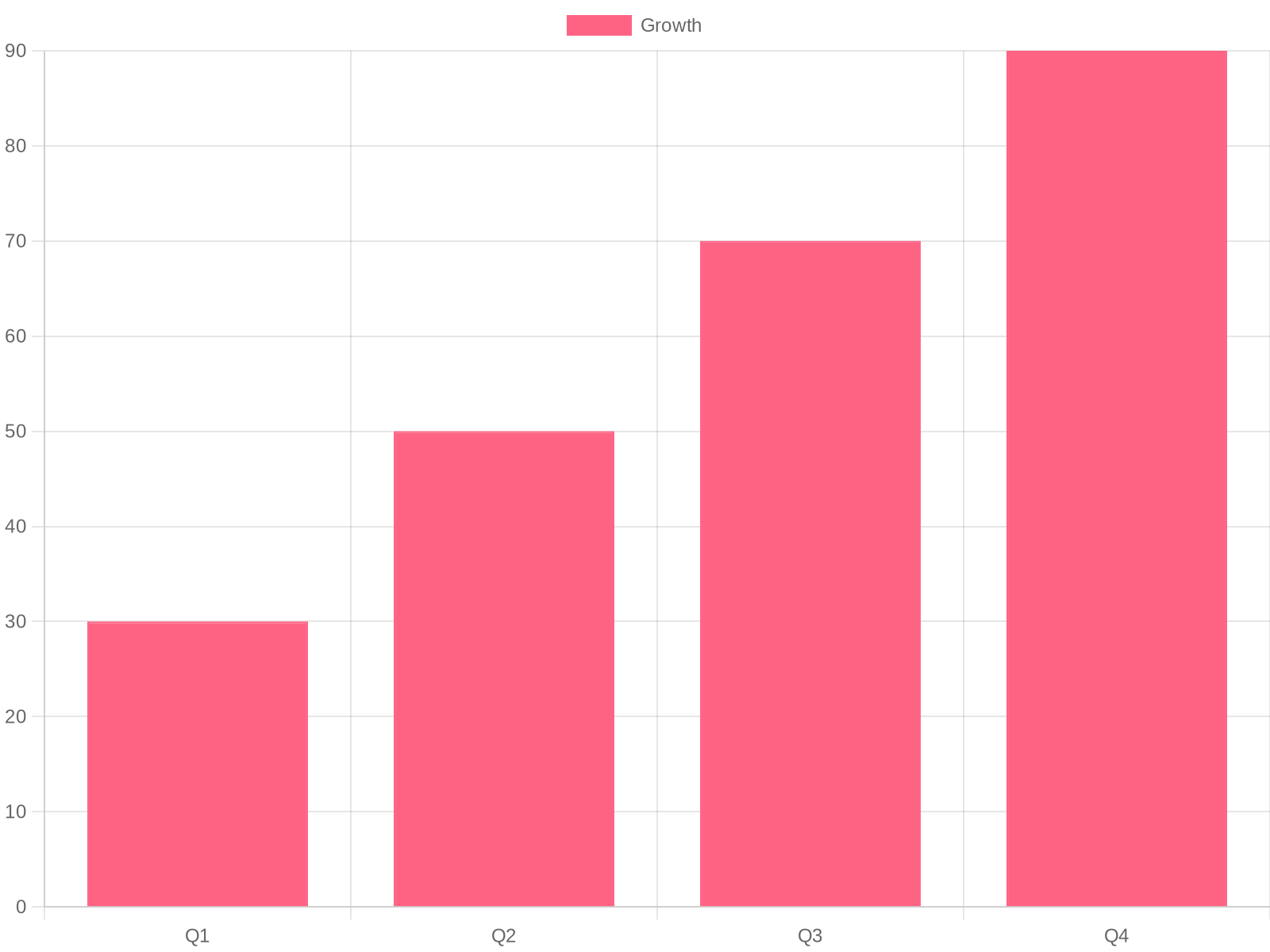
The adoption of technology in the food truck industry has surged over the last five years, reflecting a broader trend towards digitalization and innovation in mobile dining. The chart below illustrates the significant rise in adoption rates of various technologies such as mobile payments, online menus, and customer engagement tools from 2021 to 2025.
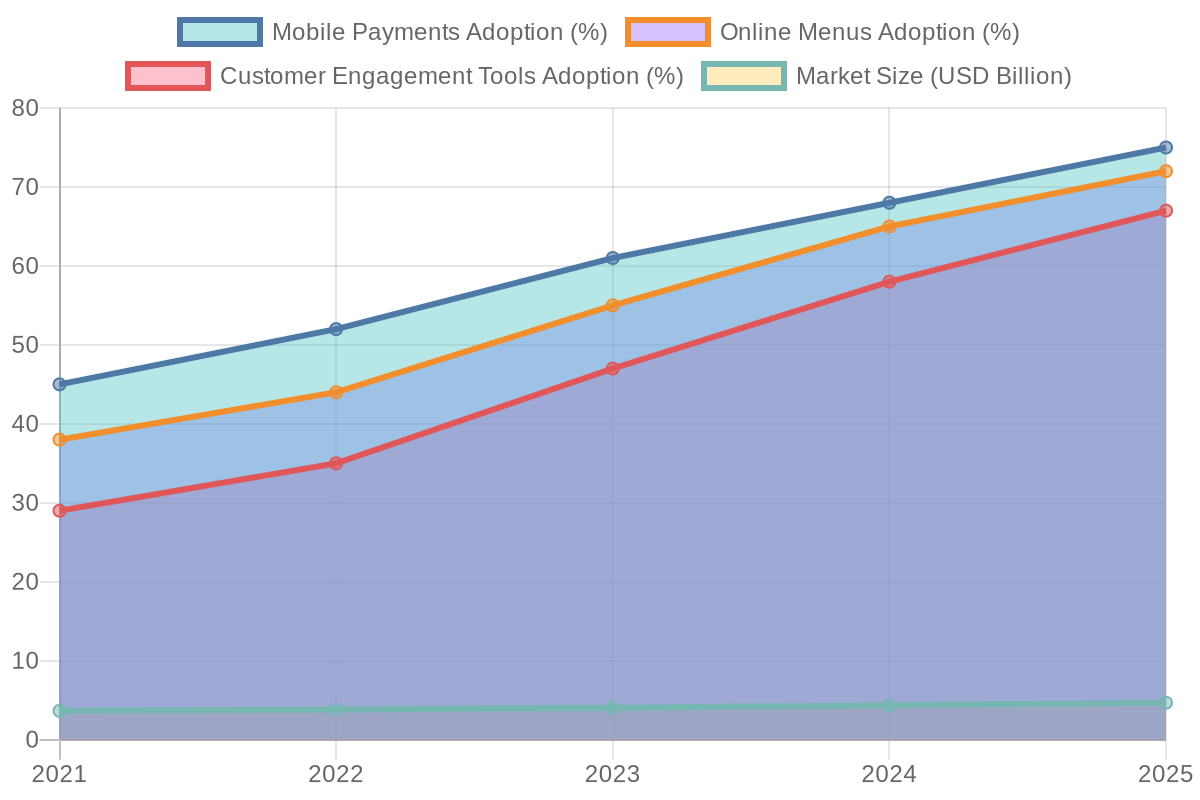
| Year | Mobile Payments Adoption (%) | Online Menus Adoption (%) | Customer Engagement Tools Adoption (%) | Market Size (USD Billion) | Key Trend |
|---|---|---|---|---|---|
| 2021 | 45% | 38% | 29% | 3.65 | Early digital transformation in food truck operations |
| 2022 | 52% | 44% | 35% | 3.82 | Increased reliance on contactless transactions post-pandemic |
| 2023 | 61% | 55% | 47% | 4.04 | Integration of cloud-based POS systems and real-time analytics |
| 2024 | 68% | 65% | 58% | 4.36 | Rise of AI-powered customer insights and dynamic pricing |
| 2025 | 75% | 72% | 67% | 4.68 | Full-scale adoption of omnichannel platforms and automated marketing |
This growth is driven by a younger demographic craving convenience, innovative food experiences, and the establishment of trust in food quality and safety facilitated by technology. For food truck operators keen to stay competitive, embracing these technological advancements is key to enhancing customer satisfaction and operational efficiency. If you’re looking to get started with the right technology for your food truck, you can learn more about choosing the right food truck model.
In conclusion, the food truck industry is rapidly evolving due to several key technological trends that are reshaping the landscape of mobile dining. The integration of automation and efficiency enhancements is paramount; food trucks are increasingly adopting smart cooking equipment and automated systems to streamline operations and offer faster service without sacrificing quality.
Additionally, data analytics and personalization are becoming crucial as food truck owners leverage customer data to tailor their menus and marketing strategies. The use of mobile applications allows them to connect directly with patrons, facilitating a personalized dining experience that meets consumer preferences.
Furthermore, a shift towards sustainable packaging and practices is not just a trend but a necessity in today’s eco-conscious market. Implementing upcycled food products and reducing waste not only benefits the environment but can also attract a customer base that values sustainability.
As we embrace these changes, food truck operators can expect better business outcomes, from enhanced customer loyalty to increased operational efficiency. Now is the time to harness the power of technology in the food truck industry, ensuring that you stay ahead of the competition and cater to the diverse needs of your consumers. To learn more about how to choose the right food truck model and boost your business, check out our guides on choosing the right food truck model and financial tips for first-time food truck owners.
Elevate Your Food Truck Experience with Premium Motorcycle Fairings
As passionate food truck enthusiasts, you know the importance of quality equipment to deliver unmatched experiences to your customers. Just like a well-designed food truck can elevate your brand on the culinary scene, top-notch motorcycle fairings can offer unparalleled performance and style for your motorcycle.
Why Choose Summit Fairings?
Summit Fairings is the go-to destination for premium motorcycle fairings that merge technology with trendsetting designs. Whether you’re a food truck owner who loves motorcycle riding or an enthusiast who values aesthetics, Summit Fairings has something exceptional to offer:
- Durability: Made from high-quality materials, their fairings withstand the tests of time and elements.
- Customization: Choose from various styles and colors to match your personality and motorcycle design.
- Aerodynamics: Enhance your bike’s performance with aerodynamic designs that improve speed and stability.
Connect with Your Community
Join the celebration of the modern food truck lifestyle by exploring how premium products can elevate both your culinary and riding experiences. At Summit Fairings, you’ll find a community of riders who share similar values in quality and performance, making it an ideal place not just to shop but to connect.
Take Action Now!
Don’t wait to enhance your motorcycle experience with Summit Fairings! Visit their site today, and discover the perfect fairing that resonates with your adventure and style. Embrace the passion, and let your motorcycle stand out on the road, much like your food truck does at events!
Ready to Ride?
Explore professional craftsmanship and hit the road with confidence. Visit Summit Fairings and transform your motorcycle experience today!