Introduction
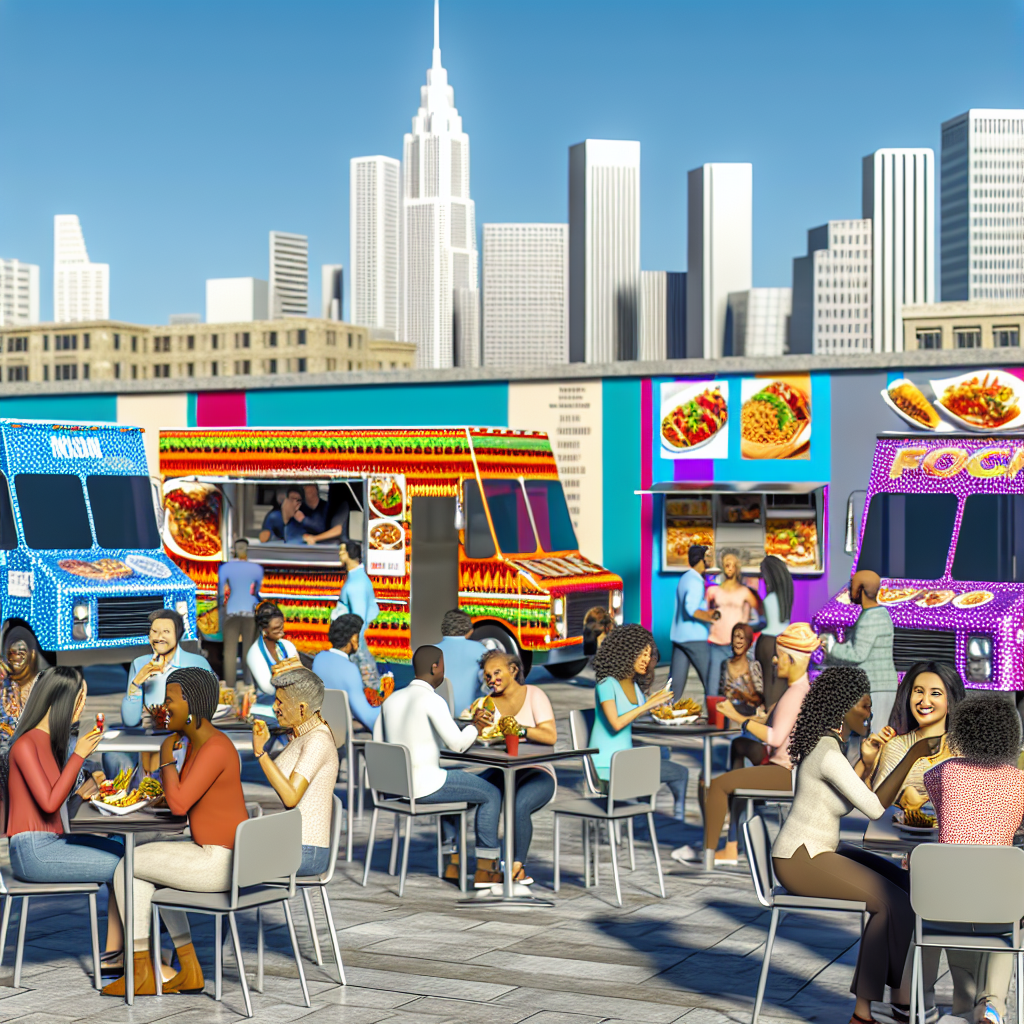
Welcome to the vibrant world of food trucks in Indiana, where delicious flavors and spirited community collide! Picture this: the tantalizing aroma of barbacoa tacos wafting through the Indiana State Fair while friends and families enjoy live music, laughter, and the joy of eating together. Running a food truck in Indiana isn’t just about serving meals; it’s about creating a memorable experience that celebrates Indiana’s rich culture, festivals, and culinary diversity. With lush cornfields and bustling city streets, the Hoosier state is the perfect backdrop for food entrepreneurs looking to share their passion for food on wheels. Whether you’re an event planner scouting food for your next big occasion, a corporate HR team organizing a team-building lunch, or an enthusiastic foodie, the adventure of launching a food truck is as exciting as it is rewarding. In this guide, we’ll explore the ins and outs of running a successful food truck, offering tips, tricks, and industry insights that will have you dishing out deliciousness in no time! Get ready to park your culinary dreams right here in your beloved Indiana!
Steps to Legally Operate a Food Truck in Indiana
Operating a food truck in Indiana can be an exhilarating venture, but navigating the legal requirements is crucial for success. Here’s a friendly guide outlining the essential legal steps:
-
Research Local Regulations
Ensure you understand the local zoning laws as they can vary by city or county. Check areas where you intend to park your food truck during service. -
Register Your Business
Register your food truck business with the Indiana Secretary of State to obtain the necessary legal recognition. -
Apply for Food Truck Permits
Obtain a State Food Service Permit from the Indiana Department of Health, which is essential for serving food. You will need to provide proof of food safety training, such as ServSafe certification. -
Local Business License
Acquire a business license from your local government. This is often required to operate legally within your municipality. -
Health Regulations Compliance
Adhere to all health regulations, which include: -
Maintaining proper food storage temperatures.
-
Implementing cross-contamination prevention strategies.
-
Following regular cleaning protocols.
Check the detailed health and safety regulations provided by the Indiana State Board of Health. -
Vehicle Registration and Driver’s License
Ensure your food truck is properly registered with the Indiana Bureau of Motor Vehicles (BMV) and that you possess a valid driver’s license. -
Food Safety Plan
Develop a written food safety plan that details how you will handle food products, including preparation methods, storage, and sanitation practices. -
Staff Training and Certification
Ensure all employees have valid health certificates and food handler’s permits in accordance with Indiana food laws. -
Inspection Preparation
Be prepared for health department inspections by maintaining detailed records of food inventory and sanitation practices. Regularly check and document temperatures of holding equipment.
Navigating these requirements might seem daunting, but staying organized and informed will set you on the path to food truck success in Indiana!
Navigating Food Truck Regulations in Indiana
Starting a food truck in Indiana can be an exciting venture, but it’s essential to know the local regulations to operate smoothly. Here’s a summary of key regulations you need to be aware of:
1. Food Service Permit
All food trucks in Indiana must obtain a valid food service permit from the local health department. This permit ensures that your truck complies with state sanitation standards, which include proper refrigeration, cooking equipment, and regular inspections. For more information on the application process, visit the Indiana Department of Health’s food safety division.
2. Zoning and Location Restrictions
Zoning laws are determined at the city or county level. For instance, in Indianapolis, food trucks must secure a mobile vendor permit and operate in designated “mobile vendor zones” often located near parks or popular event spaces. Some municipalities might impose additional restrictions, such as requiring food trucks to maintain a specific distance from established restaurants. It’s crucial to contact your local city planning or zoning office for exact rules applicable to your area.
3. Business Licensing
Beyond the food service permit, food truck operators must secure a business license from the local government where they intend to operate. This includes registering with the Indiana Secretary of State if you plan to form an LLC or corporation. Liability insurance is also necessary to protect your business against potential claims.
Understanding and complying with these key regulations is vital for running a successful food truck business in Indiana. Make sure to plan ahead and gather all necessary permits to ensure a smooth launch of your culinary adventure!
Tips for Selecting the Best Food Truck Menu
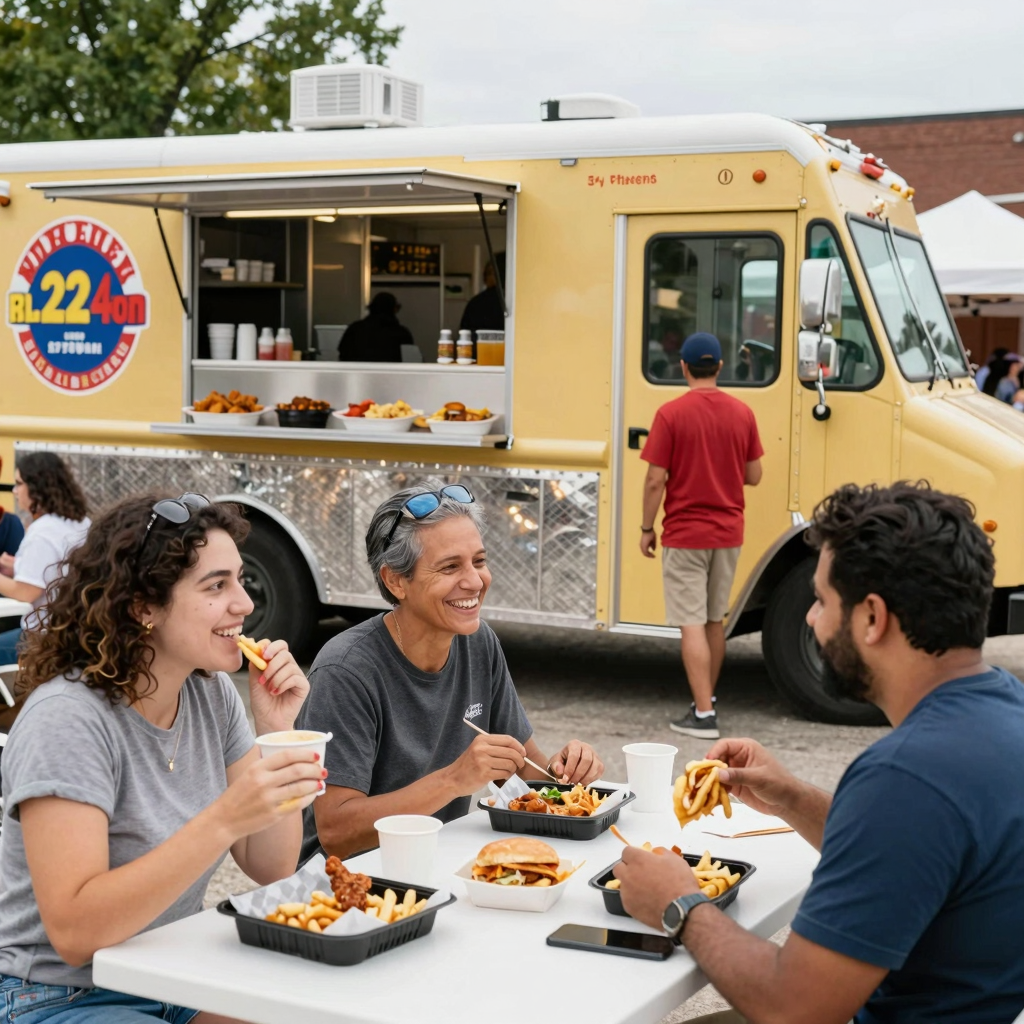
Curating an outstanding food truck menu in Indiana is all about blending creativity, local flavors, and current trends. Crafting a menu that resonates with local tastes and event themes can make a significant difference in the success of your food truck. Here are some essential tips to help you select the best food truck menu:
1. Start with Local Ingredients
Using locally sourced ingredients can enhance the flavors of your dishes and create a connection with the community. Popular food items in Indiana include:
- Midwest-style BBQ ribs: Known for their sweet tomato-based sauce.
- Coney Island hot dogs: A beloved Indianapolis specialty.
- Seasonal produce: Incorporate items like corn and tomatoes when they’re fresh and in season.
2. Incorporate Comfort Foods
Indiana’s food culture loves comfort foods with a local twist. Dishes like deep-dish meatloaf sliders, fried chicken sandwiches, and pork tenderloin sliders can evoke nostalgia and attract customers looking for hearty meals at events. Consider offering combo meals that pair these dishes with local craft sodas to cater to the growing beverage scene in Indiana.
3. Be Mindful of Special Dietary Needs
With a rising demand for vegan and gluten-free options, it’s crucial to include health-conscious choices on your menu. Items such as jackfruit tacos and quinoa bowls are increasingly popular and can help you reach a broader audience at festivals and community gatherings.
4. Align with Event Themes
Each event may have a different crowd with varying tastes. Check the local event schedule and tailor your menu accordingly. Seasonal offerings like pumpkin spice bratwursts for fall festivals or peach cobbler pie pops during summer events can draw in curious customers. Making a note of major events like the Indiana State Fair can help you plan specific dishes that match the event’s vibe.
5. Stay Updated on Trends
Keep an eye on current food trends, as the food truck industry is ever-evolving. Popular trends in Indiana for 2023 include:
- Comfort foods with a gourmet twist.
- Interactive dining experiences, such as allowing customers to customize their tacos or bowls.
Conclusion
Curating the ideal food truck menu requires a deep understanding of local preferences and trends. Following these tips can help ensure your food truck in Indiana stands out at events and captures the hearts (and appetites) of your customers. If you’re interested in learning more about how to effectively choose the right model for your food truck to complement your menu, check out our article on choosing the right food truck model.
Comparing Costs of Starting a Food Truck Business
Starting a food truck business can be an exciting venture, but it’s essential to understand the costs involved. Below is a comparison of key costs associated with launching a food truck in Indiana versus other states, focusing on permits, equipment costs, and initial investment.
| Category | Indiana | California | New York | Texas |
|---|---|---|---|---|
| Average Total Initial Investment | $105,000 | $160,000 | $150,000 | $135,000 |
| Permit Costs | $150 – $850 | $1,500+ | $1,200+ | ~$700 |
| Equipment Costs | ~$45,000 | ~$50,000 | ~$48,000 | ~$42,000 |
| Additional Notes | Lower permit fees and moderate equipment costs make it favorable for startups. | High permit and licensing complexity increase costs; higher city-specific fees possible. | Elevated regulatory requirements contribute to higher overall startup cost. | Moderate costs with lower barriers in some cities. |
Sources:
- National Restaurant Association – Industry Research Report
- Food Truck Startup Costs 2026: How Much to Open a Food Truck?
- State Licensing Databases & Industry Surveys (2026)
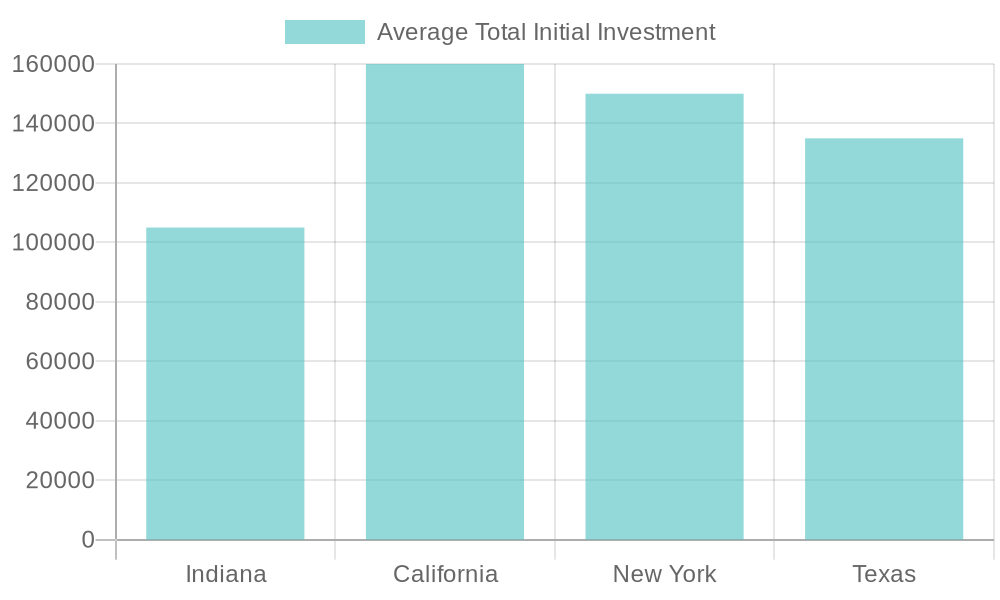
This table demonstrates that Indiana offers a more economical entry into the food truck market, particularly with its lower permit costs. For more in-depth information about choosing the right truck model and additional financial tips, check out this article on food truck models and financial tips for first-time food truck owners.
“每一次挑战都是让你的生意更强大的机会。”
- 凯莉·詹金斯, 印第安纳州食品车老板
凯莉·詹金斯的经历和鼓励的话语无疑为新兴的食品车经营者提供了启示。无论是为了克服初期的挑战,还是在竞争激烈的市场中找到自己的位置,借鉴成功者的经验往往能够帮助很多人走出困境。她强调学习和适应的重要性,这是每个食品车运营者在创业过程中都应当铭记的教训。
在印第安纳州,像凯莉这样的食品车经营者所传递的正能量,正是激励更多人进入这一充满挑战与机会的行业的动力。
Effective Marketing Strategies for Food Trucks in Indiana
Running a food truck in Indiana can be an exhilarating journey, but successfully marketing your delightful culinary offerings is crucial for attracting hungry customers. Here are some highly effective marketing strategies tailored for Indiana’s unique community and culture to help you ensure your food truck thrives.
Leverage Social Media Platforms
In today’s digital landscape, social media platforms like Instagram and Facebook are powerful tools for food truck marketing. Utilize these platforms to engage with your audience effectively:
- Visual Appeal: Share high-quality photos of your signature dishes to entice viewers and showcase your unique menu. Posting behind-the-scenes content like cooking processes can humanize your brand.
- Real-Time Updates: Use social media for real-time updates about your location and hours. Posting stories like “We are at City Park now! Come grab lunch!” helps your followers know where to find you.
- Engagement: Interact with your followers through polls, Q&As, and customer-generated content campaigns. Prompt followers to share their experiences and photos to foster a sense of community.
- Creative Promotions: Consider running promotions such as “Follow us for a free side dish!” to increase followers and engagement.
Participate in Local Events
Becoming a part of the community is pivotal for food truck success in Indiana. Participation in local events can ramp up your visibility:
- Local Festivals and Farmers’ Markets: Attend community events such as farmers’ markets or local festivals across Indiana cities like Indianapolis, Fort Wayne, and Bloomington. These venues provide ideal spaces for food trucks to showcase their offerings and connect with local customers.
- Partnerships: Collaborate with local breweries, event organizers, or businesses for co-promotion. This can significantly boost visibility, helping you tap into new audiences and drive foot traffic.
- Food Trails: Work with local tourism boards to be featured in food trails. Indiana’s “Hoosier Flavors Route” is one such initiative that has proven successful in boosting sales for participating vendors by an average of 25%.
Build a Strong Local Presence
A recognizable and reliable brand can significantly impact your success:
- Unique Brand Identity: Establish a unique brand by developing eye-catching truck graphics. This not only captures attention but also leaves a lasting impression on potential customers.
- Customer Loyalty Programs: Implement loyalty programs that reward repeat customers. Incentives like discounts or freebies can motivate customers to return.
- Online Advertising: Utilize targeted online ads to reach specific demographics within Indiana counties. Aim to create ads that offer value to potential customers and drive engagement.
Data-Driven Insights
According to a recent report, food trucks that actively engage on social media experience up to 40% higher customer retention rates. Understanding customer behavior through platforms like Yelp and Google My Business will allow you to refine your menu, identify peak times, and optimize locations effectively.
Implementing these marketing strategies will not only strengthen your food truck’s presence in Indiana but also enhance community relations, helping your business soar in this competitive market. Embrace the local culture and stay engaged with your audience to make the most of your food truck adventure!
For more insights into branding and operational excellence, check out this detailed guide on food truck graphics.
Trends in Food Truck Popularity in Indiana
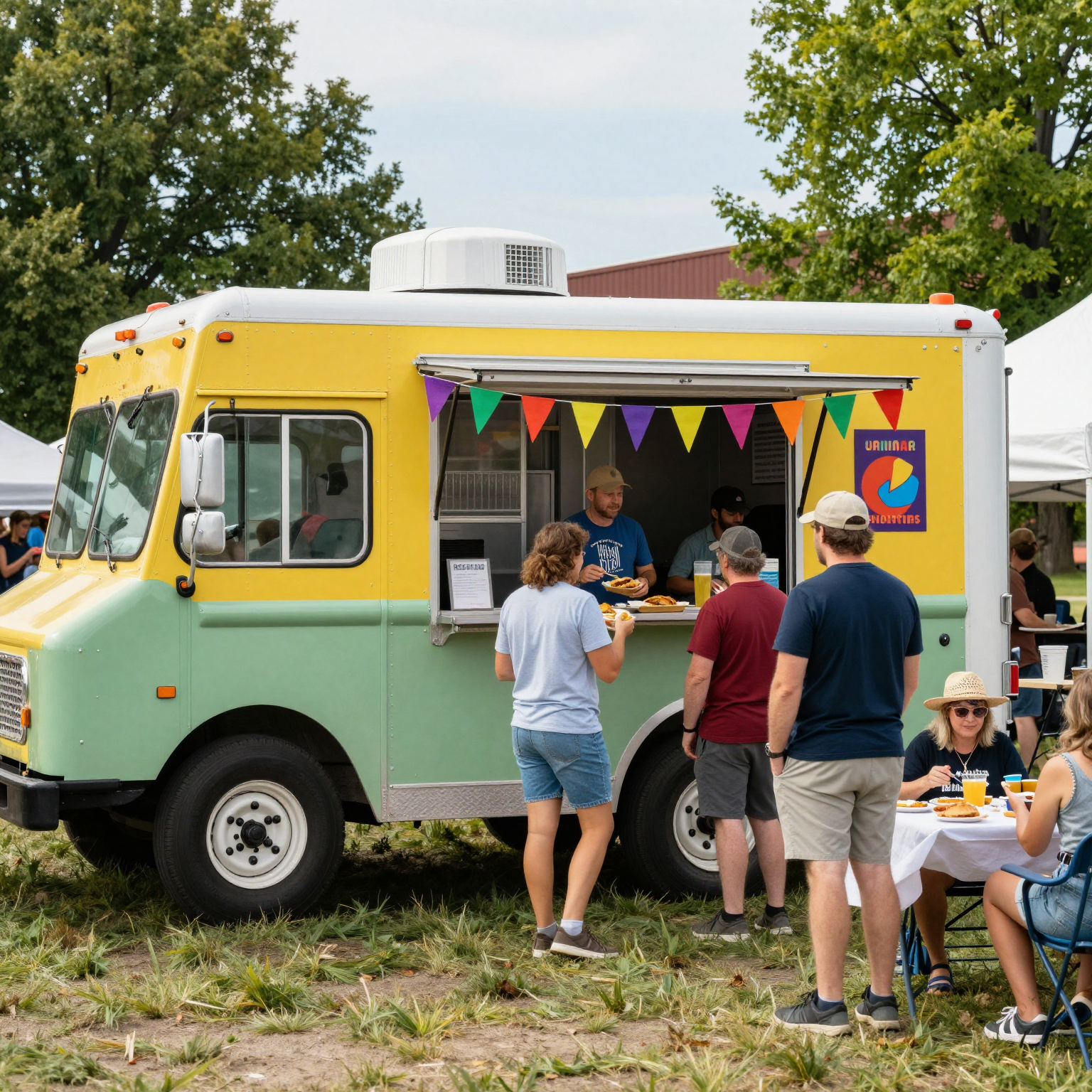
Food trucks have been making a significant impact in Indiana over the past five years. The following chart illustrates the growth of food trucks in the state, indicating a clear upward trend in popularity.
Growth of Food Trucks in Indiana (2020-2025)
| Year | Number of Food Trucks | Popular Food Types (2020-2025) |
|---|---|---|
| 2020 | 200 | Mexican, Barbecue, Vegetarian |
| 2021 | 220 | Mexican, Barbecue, Vegetarian |
| 2022 | 260 | Mexican, Barbecue, Vegetarian |
| 2023 | 280 | Mexican, Barbecue, Vegetarian |
| 2024 | 300 | Mexican, Barbecue, Vegetarian |
| 2025 | 320 | Mexican, Barbecue, Vegetarian |
Source: Indiana Department of Agriculture, State Food Truck Survey Reports (2020-2025), Indiana Tourism Board – Food Trends Report 2025.
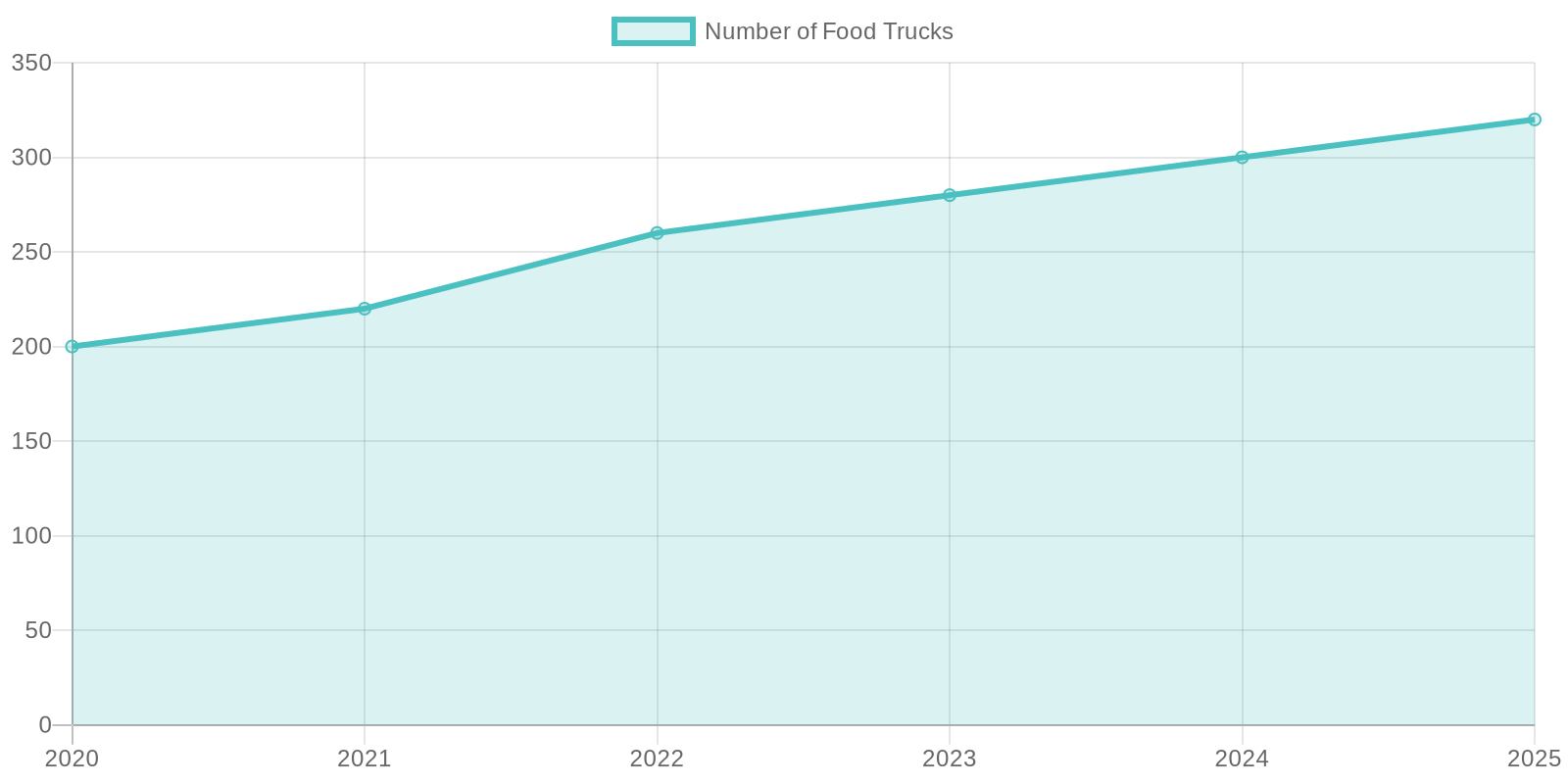
Visual representation of the growth of food trucks in Indiana.
This increase is attributed to various factors, including:
- A surge in consumer demand for mobile dining options that offer convenience and unique culinary experiences.
- A robust presence of food trucks at seasonal events such as festivals and markets, which has become a core avenue for their operation.
- A noticeable shift towards health-conscious and local ingredients among consumers.
- The increasing popularity of digital payment and online booking systems that make it easier for customers to enjoy food truck services.
As Indiana continues to embrace food trucks, event planners, corporate teams, and food enthusiasts can expect to see a vibrant and diverse culinary scene driven by these mobile vendors.
Learn more about choosing the right food truck model and maximize your investment in mobile dining!
Conclusion: Dive Into Indiana’s Food Truck Adventure!
As we wrap up our exploration into the dynamic world of food trucks in Indiana, it’s time to reflect on the thrilling opportunities waiting for you! Whether you’re an event planner seeking unique catering options, a corporate HR team looking to enhance team-building experiences, or simply a food lover eager to celebrate local cuisine, the food truck business is your gateway to unforgettable moments.
Indiana is witnessing a surge in food truck popularity, driven by changing regulations and a growing demand for diverse, delicious options. With projected growth rates of over 13% annually for the food truck industry (source), now is the perfect time to position yourself in this delicious marketplace. The warm community vibe and supportive local infrastructure make it easier than ever to thrive.
Imagine the scent of your culinary creations wafting through vibrant local festivals, parks filled with hungry patrons, or corporate events seeking unique treats. Many food trucks are already capitalizing on these chances, and you can too! Don’t let hesitation hold you back-embrace your passion for food and create extraordinary experiences for everyone.
So, are you ready to hit the road and transform your vision into reality? Don’t wait another minute! Reach out to Summit Fairings today to get started on your journey to operating your very own food truck. With the right guidance and tools, you could be serving up sizzling dishes in no time!
Unlock your potential in the flourishing food truck business in Indiana; make your dream a reality!