
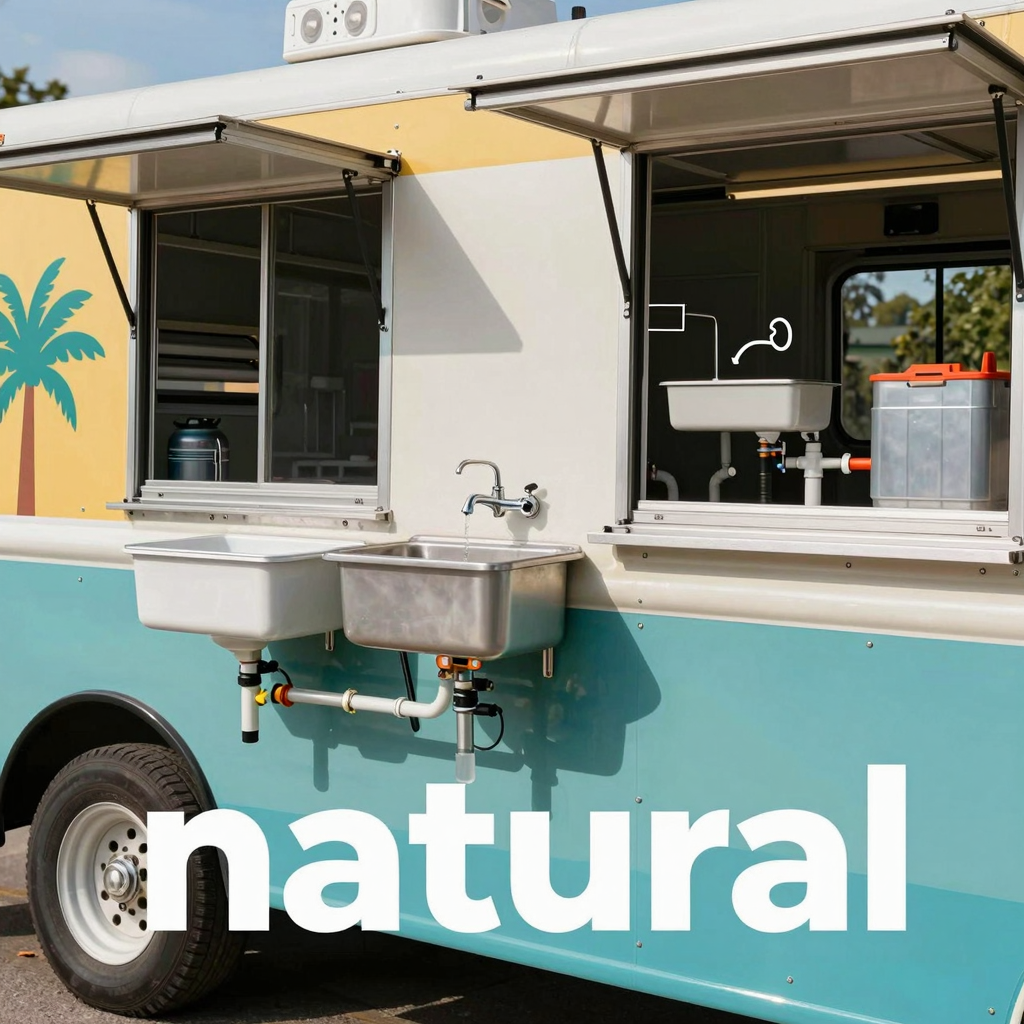
Food trucks have taken the culinary world by storm, captivating taste buds with their vibrant menus and unique offerings while serving as the ultimate symbol of culinary creativity and community spirit. However, behind the scenes of every successful food truck lies a less glamorous but equally crucial aspect-plumbing. Understanding plumbing costs is essential for food truck owners, as efficient water systems are vital for food safety, cleanliness, and overall operations. Whether you’re an event planner anticipating gourmet delights at your next festival or a food enthusiast dreaming of that perfect taco, grasping how plumbing expenses factor into your favorite food truck experience is paramount. In this article, we’ll break down the plumbing costs associated with running a food truck and offer insights that resonate with both newcomers and seasoned food truck aficionados alike. So, let’s dive in and make that vision a reality! If you want more tips on managing your food truck finances, check out our guide on financial tips for first-time food truck owners.
| Setup Type | Materials | Labor | Average Total Cost | Key Features |
|---|---|---|---|---|
| Basic | Standard stainless steel fixtures, simple plumbing lines, basic water heater | Minimal installation labor, standard fittings | $2,500 – $4,500 | Suitable for limited menu items; includes sink, water supply, and basic drainage |
| Expanded | Durable stainless steel components, dual sinks, commercial-grade water heater, improved drainage system | Moderate labor; custom piping and installation required | $7,000 – $12,000 | Supports multiple cooking stations, larger volume prep, and additional appliances (e.g., dishwasher) |
| Upscale | Premium materials (e.g., commercial-grade sinks, insulated piping, high-efficiency water heater), integrated waste management, advanced filtration | High labor cost; professional plumbers, compliance with health codes | $15,000+ | Full kitchen functionality, multiple water zones, built-in ice maker, compliant with strict health regulations |
Essential Plumbing Components for a Food Truck
When setting up the plumbing for your food truck, it’s important to ensure that you have all the necessary components for smooth operations. Here are the essential plumbing components needed:
- Sinks: Essential for food preparation and dishwashing, often including a three-compartment sink for cleanliness.
- Water Filtration System: Helps ensure clean water for cooking and cleaning.
- Water Heaters: Provides hot water for sanitation and cooking needs, crucial for compliance with health regulations.
- Waste Water Tank: Collects used water from sinks, ensuring proper disposal.
- Fresh Water Tank: Holds potable water for cooking and cleaning.
- Pipes and Fittings: Connects all components and ensures efficient water flow.
These components are vital for maintaining hygiene and operational efficiency in your food truck. For more insights on starting your food truck, check out our financial tips for first-time food truck owners. Additionally, you can learn more about food truck regulations.
Factors Affecting Plumbing Costs in the Food Truck Industry
When it comes to plumbing costs in the food truck industry, several key factors can influence your budget. Understanding them can help you make informed decisions when planning your food truck venture.
1. Location Matters
The geographical area where you operate your food truck can significantly impact plumbing costs. Urban areas often have tighter regulations regarding sanitation and waste disposal, which may require additional equipment or modifications to your plumbing system. For instance, if you’re setting up in a bustling city with strict health codes, expect to invest more due to the need for advanced filtration systems and compliance with local health department standards. On the other hand, rural areas may have more lenient regulations, potentially lowering your costs.
2. Design and Layout
The way your food truck is designed plays a critical role in plumbing expenses. Standardized kitchen layouts can reduce costs by up to 40% since they use pre-engineered components. However, if you opt for a custom design, particularly one that integrates complex equipment like espresso machines or additional sinks, you might see costs rise by 20-35%. For example, a truck equipped with multiple sinks and dishwashers can rack up plumbing costs anywhere from $2,000 to $6,000.
3. Regulatory Compliance
Adhering to local, state, and federal regulations is essential for any food truck. Regulations may mandate the inclusion of features such as handwashing sinks and greywater tanks. Non-compliance can lead to fines and operational delays, making the upfront investment in sturdy plumbing a necessity. Each inspection can reveal hidden plumbing expenses if you haven’t followed the proper guidelines. Ensuring your plumbing meets all standards from the outset can save you a lot of headaches down the road.
4. Quality of Materials
The choice of materials you use can also impact plumbing costs. While PVC may be cheaper, opting for stainless steel might save you money in the long run due to its durability and resistance to corrosion. This initial investment in quality materials can provide long-term savings and reliability.
5. Indoor vs Outdoor Operations
Lastly, whether your truck operates primarily indoors at events or outdoors can affect plumbing costs, especially in weather-proofing your systems. Outdoor setups might require additional insulation or weather-resistant fixtures, adding to your total costs.
By taking these factors into account, you’ll be better prepared to budget for your food truck’s plumbing needs. If you’re interested in diving deeper into the financial aspects of starting a food truck, check out our financial tips for first-time food truck owners.

User Testimonials on Food Truck Plumbing
Navigating the plumbing needs of a food truck is crucial, and countless operators have shared firsthand experiences that shed light on the costs and challenges involved. Here are some key insights from food truck owners regarding their plumbing journeys:
-
Investment Pays Off: One insightful owner remarked, “We thought we were saving money by skipping a proper grease trap, but it cost us $3,000 in fines and repairs!” This highlights the importance of initial investment in proper plumbing systems to prevent costly mistakes down the line.
-
Emergency Repair Costs: A Reddit user shared an experience of having to shut down for two days due to a burst pipe, leading to significant revenue loss. This reinforces how critical a reliable plumbing system is for operational continuity.
-
Professional Installation: Many operators recommend hiring a licensed plumber familiar with food truck regulations. One owner noted, “Investing in quality fittings saved us from multiple costly repairs and headaches!”
-
Cost Breakdown: According to recent findings, installing a complete plumbing system can range between $3,200 to $7,500 depending on various factors like the size of the truck and complexity of the system. Investing in durable and efficient plumbing components ensures better service and customer satisfaction.
For more detailed insights, check out our financial tips for first-time food truck owners and understand the importance of proper plumbing in your operations!
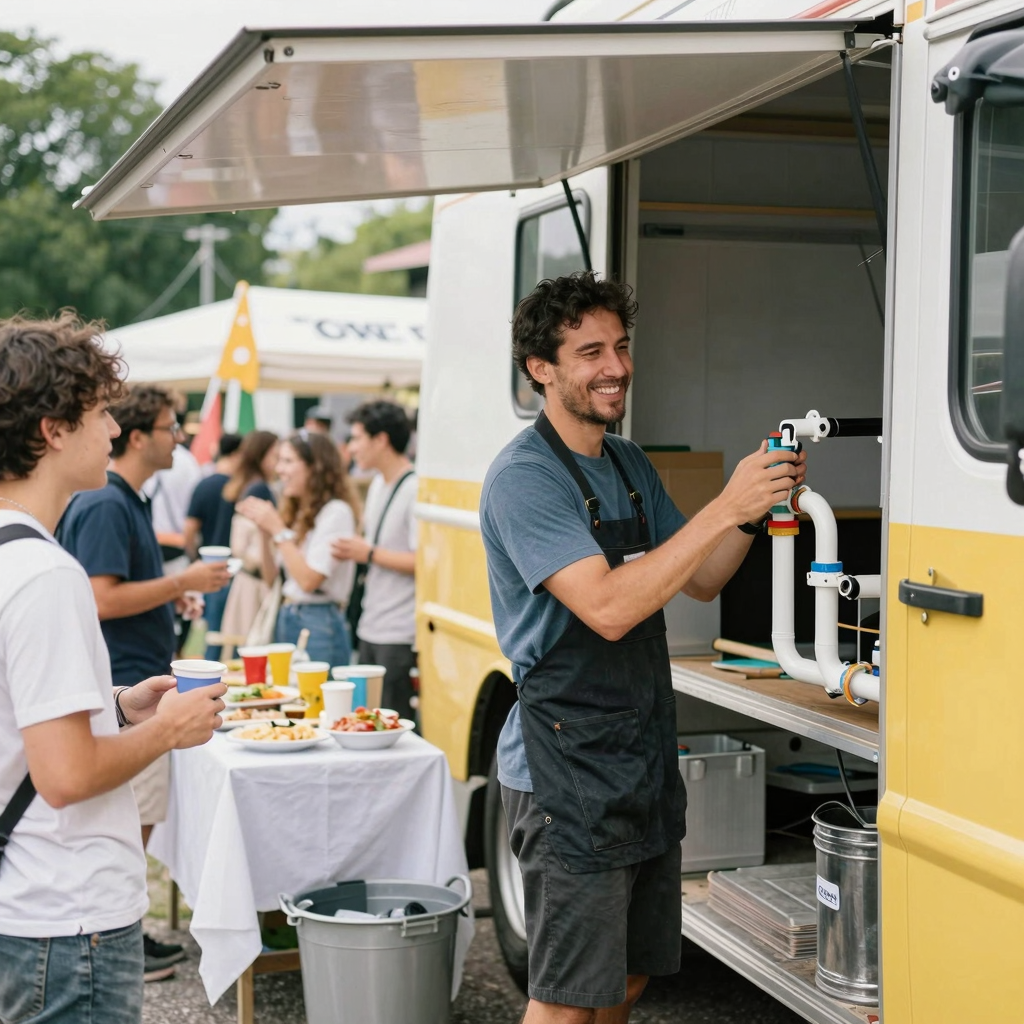
An energetic food truck owner tackling plumbing challenges, ensuring smooth operations while serving happy customers.
Success Story of Plumbing Cost Management in Food Trucks
Meet Joshua, the owner of a growing network of food trucks known as Joshua’s Food Truck Journey. What started as a backyard operation has escalated into managing four successful food trucks. Such a rapid expansion may seem daunting, but a major factor in Joshua’s success was his strategic approach to plumbing costs.
Joshua recognized the importance of setting up a modular, standardized kitchen system compliant with local health codes from day one. By investing in high-quality plumbing infrastructure-such as properly sized water supply lines, efficient waste disposal systems, and compliant greywater storage-he effectively reduced both installation and maintenance costs. This thoughtful planning meant avoiding costly retrofits and ensuring smooth operations right from the start.
Interestingly, Joshua learned that the costs associated with plumbing could be significantly mitigated if addressed early in the setup process. For instance, by choosing simpler systems and streamlining water usage, his food trucks are now able to save up to 40% on plumbing-related expenses, allowing them to invest more in ingredients and marketing.
Joshua’s story serves as an inspiration for aspiring food truck operators. With smart planning in plumbing investments, they too can enhance operational efficiency and glean the rewards of a thriving food truck business.
If you’re curious about more tips on managing finances for food trucks, check out our financial tips for first-time food truck owners.
“The plumbing system in food trucks is central to operational safety and compliance. A well-designed commercial kitchen plumbing system not only ensures adequate water supply for handwashing and cleaning food items and equipment, but it also prevents issues like grease blockages with properly installed grease traps. Maintaining a compliant plumbing layout is vital even in a mobile environment to ensure food safety and worker health.” – Expert from Plumbing Today
This perspective adds authority and credibility to the discussion about plumbing costs and considerations for food trucks.
If you’re interested in the financial aspects and first-time ownership tips, feel free to check out our article on financial tips for first-time food truck owners.
In conclusion, understanding plumbing costs for your food truck is not just about budgeting; it’s about ensuring the success and sustainability of your culinary venture. From the must-have sinks to proper drainage systems, every investment in plumbing is an investment in your reputation and operational efficiency. As you make plans to dazzle your audience with delicious offerings, keeping these costs in mind will guide you toward smarter financial decisions that directly impact your bottom line. Whether you’re an event planner looking to add unique culinary experiences or a food enthusiast excited for the next big trend, knowledge is power! So, take charge of your food truck journey today. If you’re ready to dive deeper into the financial aspects of owning a food truck, check out our financial tips for first-time truck owners and make your dream deliciously attainable!