
The Allure of Food Trucks Serving Alcohol
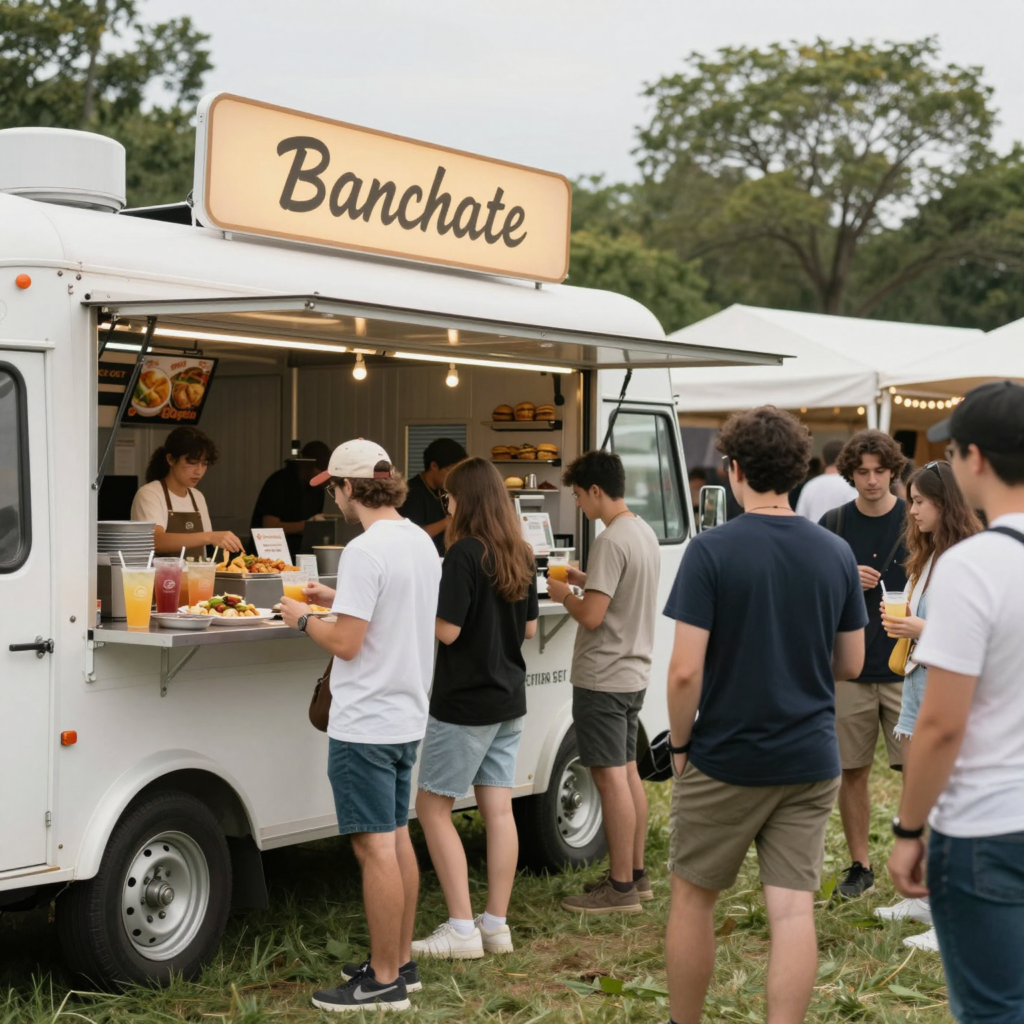
Imagine a bustling outdoor festival, the sun shining brightly, and the aroma of gourmet food wafting through the air. Now, add to that scene the colorful creativity of food trucks serving not just tantalizing dishes but also unique alcoholic beverages. The trend of food trucks offering alcohol is surging, captivating food enthusiasts and casual diners alike with the blend of culinary innovation and vibrant drinking options. For event planners and community groups, this presents a thrilling opportunity to elevate gatherings-from intimate weddings to lively corporate parties or engaging community events. The marriage of gourmet offerings with expertly crafted cocktails or local brews can transform any occasion into a memorable experience. It creates an inviting atmosphere where guests can savor diverse flavors while mingling with friends and meeting new people. As the popularity of food trucks continues to rise, those who embrace this trend can set their events apart, ensuring a blend of quality food and drink that leaves a lasting impression. To learn more about navigating food truck industry regulations, check out our insights on food truck regulations.
The Benefits of Having a Liquor License for Food Trucks
Having a liquor license can substantially elevate a food truck’s offerings, particularly at events such as festivals, weddings, and corporate gatherings. Here’s how securing a liquor license can enhance the appeal of your food truck, boost revenue, and satisfy customers:
1. Increased Revenue Potential
With a liquor license, food trucks can significantly increase their daily revenue. Reports indicate that food trucks serving alcohol can experience an average revenue increase of 30-40% per day compared to those that do not. By offering drinks like craft cocktails, beers, or wines, food trucks can encourage higher spending, as patrons often purchase beverages alongside their meals, enhancing their overall dining experience.
2. Broader Appeal
Serving alcohol makes a food truck more attractive to a wider audience, especially during evening hours or special events. Customers are often drawn to food trucks that offer a full culinary experience, which includes alcoholic beverages. This combination makes your food truck a go-to choice for event planners looking for unique and engaging options.
3. Improved Customer Satisfaction
A diverse menu that includes alcoholic beverages can elevate customer satisfaction. Event attendees enjoy the convenience of pairing their food with a drink, creating a more enjoyable experience. This can lead to increased loyalty as customers may be more inclined to return for future events.
4. Branding Opportunities
A liquor license allows food truck owners to create unique brand partnerships, such as collaborations with local breweries or wineries. These partnerships can enhance marketing opportunities, differentiate your food truck from others, and foster community engagement.
In summary, investing in a liquor license can be a strategic move for food truck owners who want to thrive in the competitive food service market and please their clientele. For more insights, check out our financial tips for first-time food truck owners.
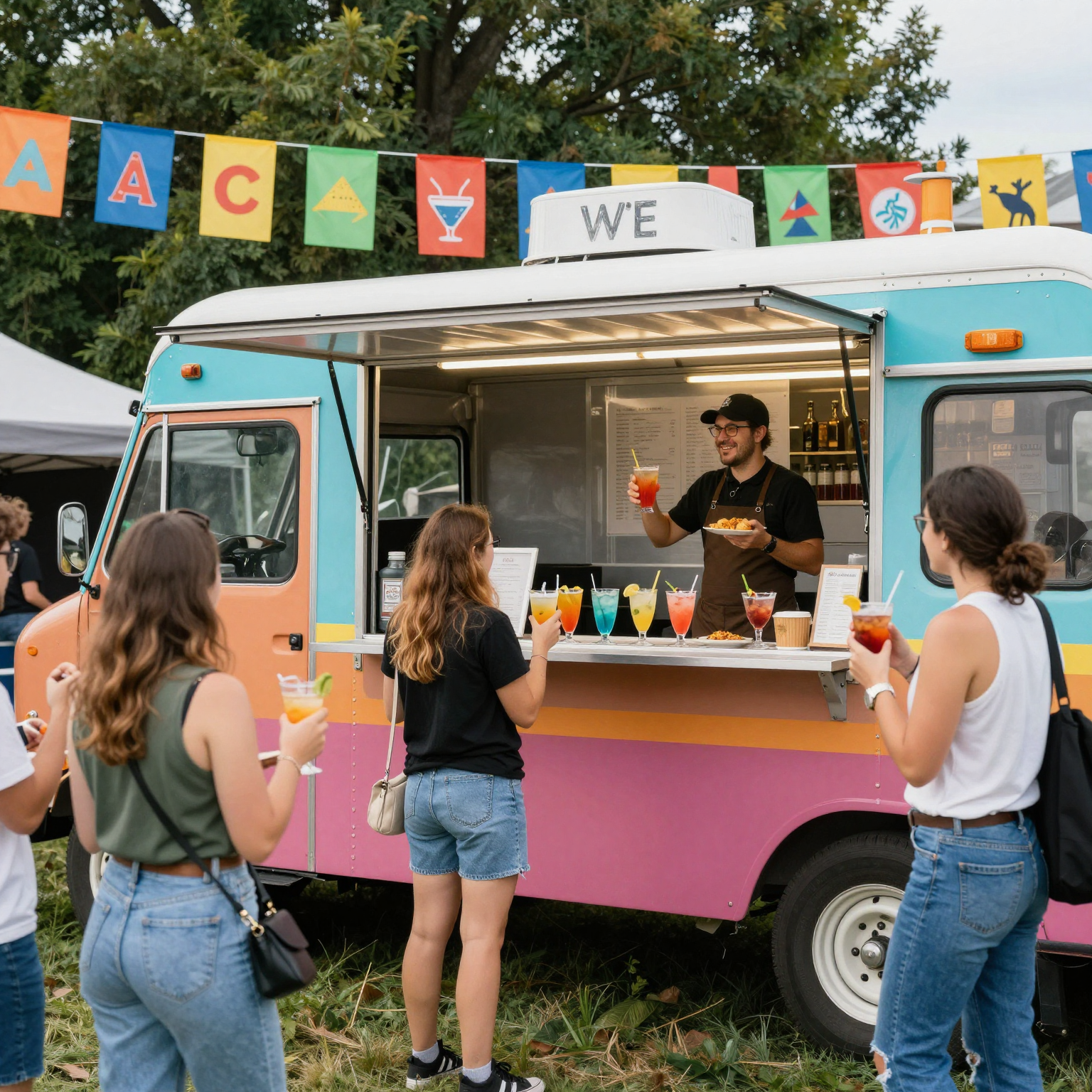
Image illustrating a vibrant food truck serving drinks at an event.
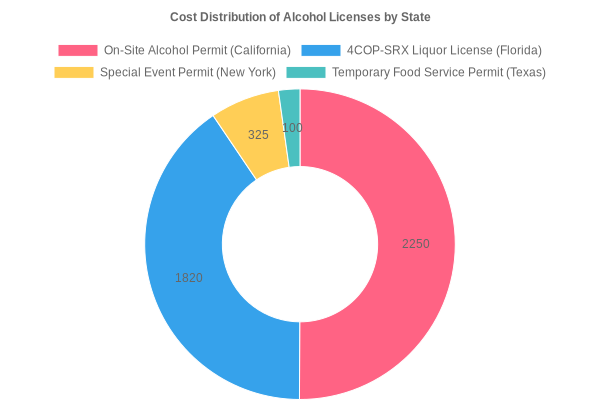
| State | License Type | Cost Range (USD) | Key Regulations |
|---|---|---|---|
| California | On-Site Alcohol Permit (for food trucks) | $1,500 – $3,000 | Requires a primary business license; must be approved by the Alcoholic Beverage Control (ABC) board; food truck must be located at an event or venue with a valid special event permit. |
| Florida | 4COP-SRX Liquor License | $1,820 | Must be applied for through the Florida Department of Business and Professional Regulation (DBPR); limited to food trucks operating at events or festivals; requires proof of location and event authorization. |
| New York | Special Event Permit (for temporary alcohol service) | $150 – $500 (plus additional fees) | Issued by the New York State Liquor Authority (NYSLA); valid only for specific events; food truck must operate under the supervision of a licensed manager; no permanent on-site alcohol sales allowed. |
| Texas | Temporary Food Service Permit (with alcohol) | $50 – $150 | Issued by the Texas Alcoholic Beverage Commission (TABC); applicable for short-term events; food truck must have a valid TABC permit; alcohol can only be served during approved events. |
Sources:
- California Alcoholic Beverage Control Board – Permits & Applications
- Florida Department of Business and Professional Regulation – Liquor Licenses
- New York State Liquor Authority – Special Events
- Texas Alcoholic Beverage Commission – Temporary Permits
Steps to Obtain a Liquor License for Food Trucks
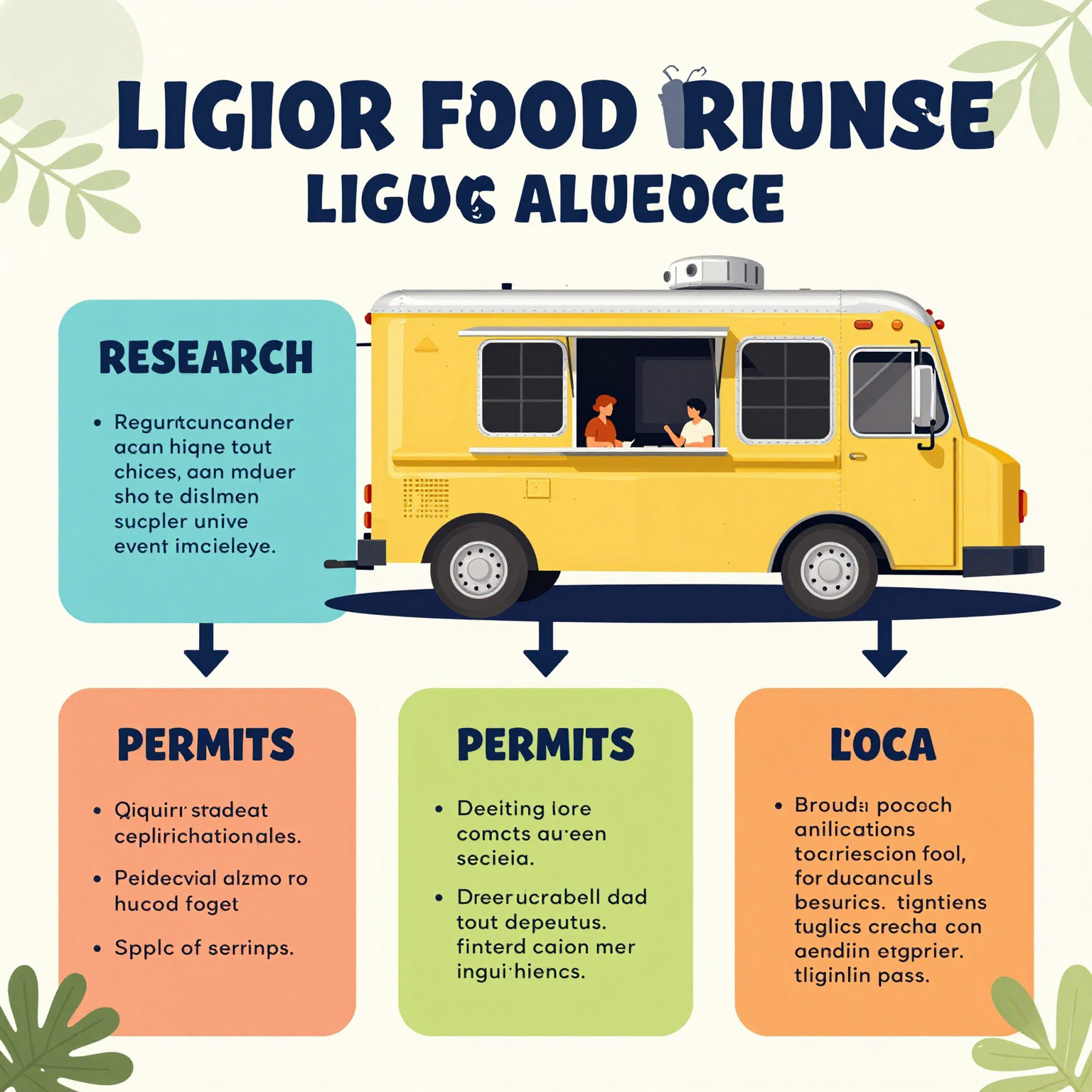
Navigating the world of alcohol licensing can feel daunting for food truck entrepreneurs, but with the right steps, it’s entirely manageable. Securing a liquor license is essential for event planners and food truck owners who want to provide an exciting array of beverages alongside their culinary offerings. Below, we’ve outlined a detailed breakdown of the common steps you need to follow to obtain a liquor license for your food truck.
1. Research Local Regulations
Before diving into applications, start with thorough research on your local laws. Not all states and municipalities allow food trucks to serve alcohol, or they may have specific restrictions. Check with your local Alcohol Beverage Control (ABC) agency or state liquor board for regulations specific to mobile vendors.
2. Determine Licensing Requirements
Once you’re familiar with local laws, identify the type of liquor license you need. This could be:
- Temporary Licenses for special events (e.g., festivals or fairs).
- Mobile Vendor Licenses that allow on-the-go alcohol sales.
- Full Liquor Licenses that cover all types of alcoholic beverages.
3. Prepare Required Documentation
Applying for a liquor license requires several documents, including:
- A completed liquor license application.
- Proof of business registration.
- Detailed operating plans that outline how you will handle alcohol sales.
- A site plan showing designated areas for alcohol service.
- Proof of liability insurance (often a specific amount is required, such as $1 million).
4. Public Notice Requirements
In many areas, you must notify the public of your intention to apply for a liquor license. This is typically done through:
- Posting a notice at your proposed service location.
- Publishing a notice in a local newspaper for a specified duration.
5. Submit the Application
Once you’ve compiled all your documents, file your liquor license application with the appropriate state agency. Be sure to verify payment methods and anticipated processing times since fees and timelines can vary significantly based on your location.
6. Background Checks
Many states require a background check for the owners and operators of food trucks applying for liquor licenses. Be prepared to provide personal information and undergo local law enforcement scrutiny.
7. Attend a Hearing (if required)
Depending on your locality, attending a public hearing may be necessary. Here, community members, local officials, and the licensing board will discuss your application, and your presence can help clarify any questions they have.
8. Await Approval
After your application is submitted, there’s typically a waiting period for approval, ranging from a few weeks to several months. Stay in contact with the licensing board for any updates or additional requirements.
Important Considerations
- Always keep in mind that liquor license laws can change or vary significantly by city or county, even within the same state. Make sure to stay informed of any modifications to regulations that might affect your licensing status.
- Additionally, some localities have special permits for events or short-term alcohol service that might not fall under typical liquor licenses. Always check specifics.
Connect with the Experts
For more tips and insights, consider visiting our blog at Los Chifladitos Blog where we discuss business challenges and solutions tailored to food truck owners.
With careful planning and a proactive approach, securing a liquor license for your food truck can open new opportunities for enticing your customers and enhancing their dining experience. Happy truckin’!
Compliance Tips for Food Trucks with Liquor Laws
Servicing alcohol from a food truck can be a rewarding venture, but it also comes with its own set of regulations that vary by state and locality. Here are some practical tips for food truck owners to stay compliant with liquor licensing laws while promoting community engagement and responsibility:
1. Obtain the Right Licenses
Ensure you have the appropriate liquor license for your food truck. Many states require a mobile-specific liquor license. Consult local authorities to understand what type of license you need to operate legally. Learn more about alcohol licensing for mobile vendors.
2. Know Your Local Laws
Liquor laws can differ significantly between municipalities. Familiarize yourself with state and local regulations regarding alcohol service locations (e.g., avoiding proximity to schools or parks) and the types of alcohol you are allowed to serve. For example, in Texas, food trucks must display a sign stating ‘Alcohol Served by Permit Holder.’ Explore Texas food truck regulations here.
3. Train Your Staff
Invest in responsible alcohol service training for your staff. Staff should understand how to identify intoxicated customers and the importance of verifying ages to prevent underage drinking. Regular training updates can help ensure compliance and promote safe service.
4. Maintain Proper Recordkeeping
Keep meticulous records of your alcohol inventory and sales. Many jurisdictions require you to maintain logs for accounting and compliance audits. This includes having clear checks for who is allowed to serve alcohol and when.
5. Implement Clear Policies
Draft and enforce policies for handling over-service situations and dealing with intoxicated customers. Create a clear protocol for denying service and ensure all staff members are well-informed.
6. Community Engagement
Engage with your local community to promote responsible drinking. Partner with local events or organizations that focus on public safety. Promoting responsible service can enhance your brand’s reputation and encourage community support.
Conclusion
Staying compliant with liquor laws is crucial for the success of your food truck business. By following these guidelines, not only can you avoid legal pitfalls, but you can also foster a welcoming environment for your customers and your community. To learn more about navigating food truck industry regulations, check this resource.
The Growing Trend of Liquor Licenses in Food Trucks
The food truck industry has witnessed significant growth over the past few years, and a critical aspect of this expansion is the increasing popularity of obtaining liquor licenses. Let’s dive into some compelling statistics and insights that illustrate the trend of liquor licenses among food trucks across various regions, particularly focusing on data from the United States.
Trends Overview (2021-2023)
The growth in liquor licenses for food trucks can be attributed to changing regulations in various states and increasing consumer demand for diverse food and beverage offerings at events and festivals. Here are some key trends observed:
- Overall Market Growth: The food truck market is projected to grow at a compound annual growth rate (CAGR) of approximately 6.3% between 2025 and 2030. Although these reports do not directly cite liquor license statistics, they reflect a broader acceptance of mobile dining experiences, likely contributing to increased licensing opportunities for alcohol sales.
- Regulatory Changes: In Oregon, food trucks can obtain year-round liquor licenses, a significant advantage that has led to a notable increase in licenses issued. Texas is also seeing a rise in bar trucks, which are mobile units allowed to serve alcohol, reflecting a market shift where food trucks are increasingly integrating alcohol services to boost revenue.
- Consumer Preferences: There has been a higher trend towards mobile dining experiences that offer not just food but also drinks, particularly alcoholic beverages at events, which evidences a shift in consumer preferences.
Liquor License Statistics by State
Recent data from Oregon and Texas illustrates the adoption rates of liquor licenses for food trucks in these regions:
| Year | Oregon (Licenses Issued) | Texas (Licenses Issued) | Notes |
|---|---|---|---|
| 2021 | 42 | 18 | Oregon saw a moderate increase; Texas had limited adoption due to stricter regulations. |
| 2022 | 67 | 35 | Oregon’s growth accelerated; Texas began relaxing rules slightly, allowing more food truck alcohol sales. |
| 2023 | 91 | 62 | Oregon continued strong growth; Texas showed notable improvement with expanded licensing. |
Sources:
- Oregon Liquor and Cannabis Commission – Annual License Reports (2021-2023)
- Texas Alcoholic Beverage Commission – Food Truck License Data
The Implications of Increased Licenses
The increasing number of liquor licenses for food trucks opens up various opportunities:
- Increased Revenue Potential: With the ability to sell alcoholic beverages, food trucks can significantly enhance their revenue, making them more competitive.
- Attracting Diverse Crowds: Events that feature food trucks with liquor licenses tend to attract larger crowds, catering to both food enthusiasts and those looking for a unique dining experience.
However, the regulatory landscape remains complex, and not all states have embraced such flexibility. For instance, while Oregon leads in year-round licensing, many other states still impose temporary or strict limits on liquor licenses for food trucks, impacting the potential growth across the country.
Conclusion
In summary, the trend of securing liquor licenses is becoming increasingly prevalent in the food truck industry, influenced by changing regulations and growing consumer demand. As this trend continues, food truck owners may find themselves better positioned to increase their market presence and profitability by expanding their beverage offerings. For more insights into starting and operating a food truck, check out our financial tips for first-time food truck owners.
Inspiring Testimonials from Successful Food Truck Owners
“Securing my TABC mobile beverage permit was a game-changer for my business! It opened doors to partner with wedding planners and festivals. The licensing process was complex, but the higher margins from alcohol sales have significantly boosted my revenue!”
- Maria Lopez, Owner of Shake & Sip Mobile Bar
“The key to our success has been early compliance with TABC regulations. Obtaining that liquor license was not just a legal requirement but a strategic move that doubled our event revenues!”
- James Reed, Owner of Sundown Spirits
These testimonials from passionate food truck owners reflect the exciting possibilities that come with navigating the liquor licensing process. Not only does it increase profitability, but it also enhances the overall event experience, making your food truck a standout at gatherings. For more insights into managing your food truck business, check out our blog for valuable tips!
Revenue Comparison for Food Trucks with and without Liquor Licenses
Exploring the financial benefits of adding alcohol to your food truck menu? A comparative analysis reveals that food trucks with liquor licenses not only boost their annual revenue but also enhance overall customer engagement.
Key Metrics Comparison
| Metric | Food Trucks with Liquor Licenses | Food Trucks without Liquor Licenses |
|---|---|---|
| Average Annual Revenue | $285,000 | $216,000 |
| Customer Spending Per Visit | $22 | $15 |
| Increase in Repeat Customers | 40% higher | Baseline (no increase specified) |
| Peak Hour Revenue Boost | 28-35% increase | 0% increase |
As illustrated in the chart below, food trucks with liquor licenses enjoy a significant edge in revenue streams, making it a compelling consideration for any food truck owner!
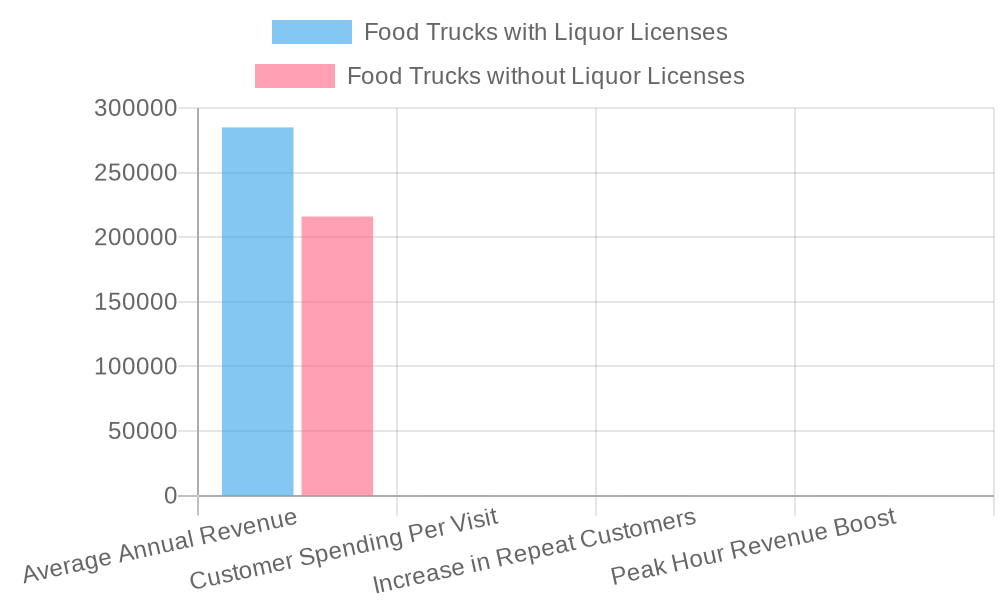
This data highlights the potential increase in profitability and customer retention that liquor sales can provide. For those looking to maximize their food truck’s revenue, obtaining a liquor license may just be the key!
For more insights into food truck finances, check out our financial tips for first-time food truck owners.
Conclusion and Call to Action
Securing a liquor license for your food truck can open up exciting new avenues for revenue and customer engagement. As discussed, licensed food trucks often experience significant boosts in sales-up to 25-40% during major events-thanks to the ability to offer beer, wine, and cocktails. This not only enhances the customer experience but also positions your brand uniquely in a competitive market, allowing you to tap into more affluent clientele and high-margin markets.
Additionally, establishing partnerships with local breweries and wineries further elevates your brand visibility and fosters community ties, which is essential for any food truck business aiming to thrive in a bustling event scene.
If you’re ready to take your food truck business to the next level, securing a liquor license is a vital step. Don’t let this opportunity pass you by! For more insights on navigating the complexities of regulations and maximizing your profitability, browse our blog or learn financial tips for first-time truck owners. We at Summit Fairings are here to assist you every step of the way-reach out today and let’s make your food truck a success!