
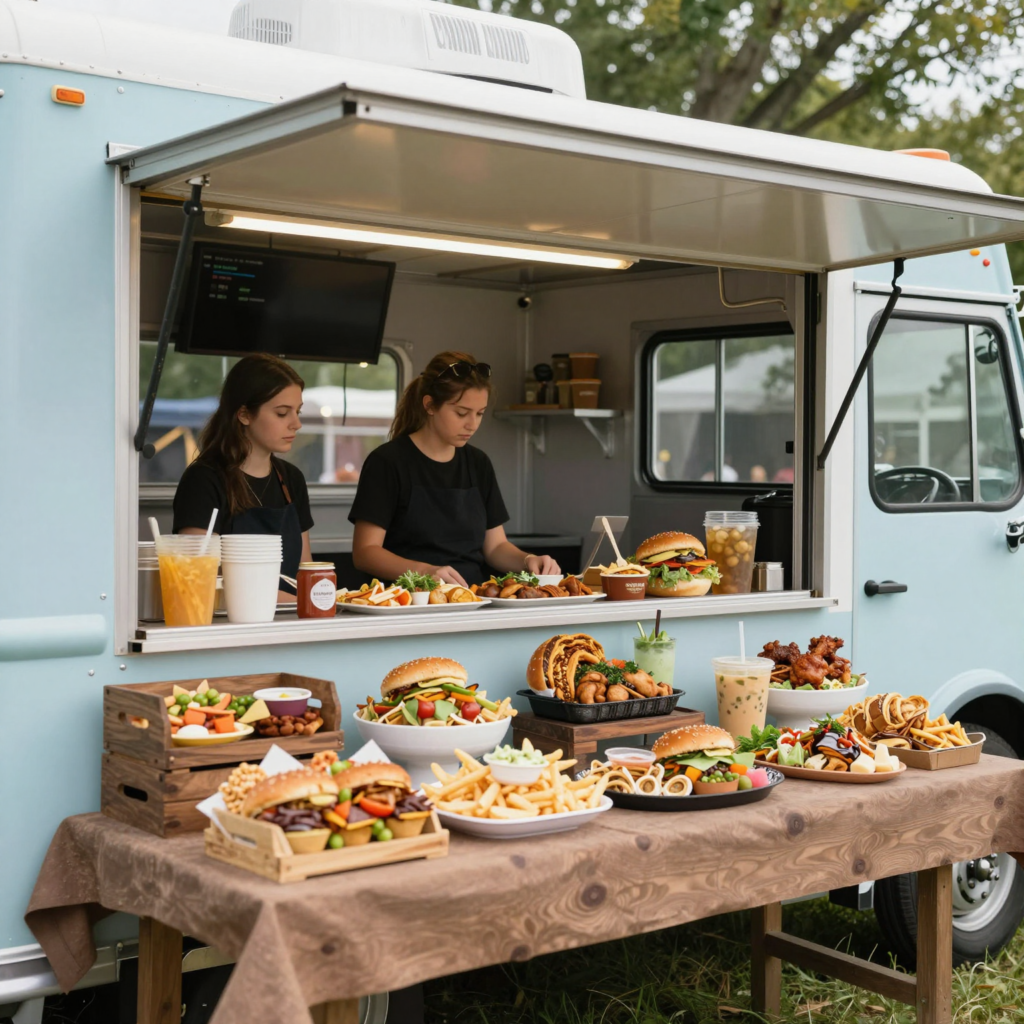
In recent years, food trucks have taken Ohio by storm, transforming the culinary landscape with their vibrant offerings and unique flavors. From gourmet tacos and artisan burgers to vegan delights and decadent desserts, these mobile eateries are becoming a beloved staple at events, festivals, and pop-up gatherings across the state. As they roll up to local gatherings, food trucks not only satisfy cravings but also create a lively atmosphere, bringing diverse culinary experiences right to the heart of communities. This explosion in culinary creativity has sparked interest from various corners-from event planners and corporate teams looking to spice up their next function to community groups eager to host delicious gatherings. If you’ve ever wondered, “how much do food trucks make a year in Ohio?” you’re not alone! This article will dig deep into the potential earnings of food trucks in the Buckeye State, providing key insights into the financial landscape for aspiring food truck owners and foodie enthusiasts alike. Whether you’re contemplating launching your own mobile cuisine venture or just curious about the food truck phenomenon, get ready to explore the exciting opportunities that await on four wheels. Let’s dive into the savory world of Ohio’s food trucks and uncover what makes them a deliciously popular choice for both locals and visitors alike! Learn more about food trucks and their impact on the community.
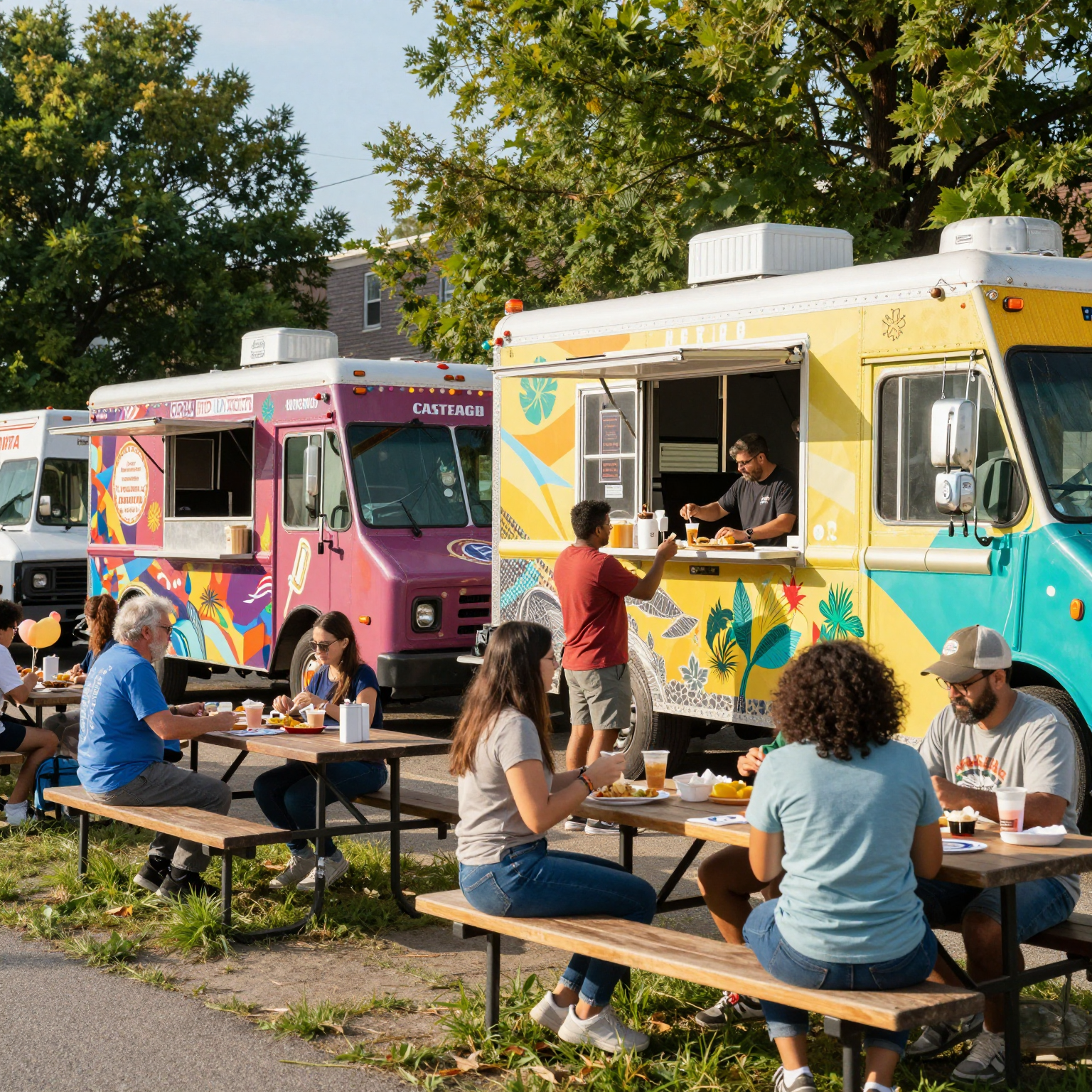
Factors Affecting Food Truck Earnings in Ohio
Operating a food truck can be a lucrative venture, but various factors significantly influence earnings, particularly in Ohio. Here’s a comprehensive look at the key elements that can determine how much food trucks make in this vibrant state:
1. Location
The saying “location, location, location” holds true for food trucks. High-traffic areas such as urban centers, business districts, and near popular attractions tend to generate more sales. For instance, food trucks positioned near college campuses earn, on average, around $11,200 per month during peak semesters as opposed to $6,500 during the summer months. Events like festivals and farmer’s markets further increase foot traffic and sales opportunities.
2. Seasonality
Earnings can fluctuate significantly with the seasons. In Ohio, winter months can lead to a drop in revenue of up to 40% compared to the warmer months, as fewer outdoor events are held and inclement weather deters customers. Conversely, spring and summer are prime seasons for food trucks, especially during fairs, concerts, and regional events. As a result, savvy operators often plan for seasonal fluctuations by adjusting menus and promoting special offers in off-peak times.
3. Types of Cuisine
The type of food being served can also impact earnings. Unique, trending, or gourmet food options often attract more customers than standard fare. Food trucks serving diverse and culturally authentic dishes may see higher interest, particularly if they align with current food trends. Catering to specific diets (vegan, gluten-free) can also tap into niche markets, potentially increasing profitability.
4. Event Participation
Being present at local events can significantly boost a food truck’s income. According to studies, participation in events such as the “Taste of Downtown” or various community festivals can increase earnings by 25-40%. Event organizers often seek unique food offerings to enhance guest experiences, making food trucks an appealing option.
5. Marketing and Social Media Presence
Effective marketing strategies, particularly via social media, can enhance visibility and sales. Food truck operators who actively engage with customers online report up to a 30% increase in customer traffic. Highlighting menu specials, sharing event locations, and showcasing customer reviews can all contribute to building a loyal customer base.
6. Permitting Costs and Regulations
In Ohio, navigating the local regulations and obtaining permits can affect profit margins. Higher permit fees can cut into earnings, making it crucial for operators to budget adequately and stay informed about local laws. Regular attendance at workshops or resources provided by organizations such as the Ohio Department of Agriculture can equip owners with essential knowledge to optimize their operations and increase profit potential.
7. Operational Costs
Factors such as fuel prices, staffing, and ingredient costs play a critical role in shaping net profits. Keeping overhead low through effective inventory management and efficient staffing can help maximize earnings. Operators who track expenditures and adjust operations accordingly can significantly enhance their bottom line.
Conclusion
In summary, the earnings of food trucks in Ohio are influenced by several dynamic factors, ranging from location to the type of cuisine offered. By understanding and adapting to these elements, food truck owners can improve their profitability and thrive in this competitive market.
Comparing Average Food Truck Revenues in Ohio Cities
Food trucks have become increasingly popular in Ohio, attracting both food enthusiasts and event organizers. Here’s a table comparing the average annual revenues for food trucks in major Ohio cities, along with population density and event frequency to provide further insights into their commercially vibrant environments.
| City | Average Annual Revenue | Population Density (people/sq mile) | Major Events Hosted (2023) |
|---|---|---|---|
| Columbus | $285,000 | 290 | 150 |
| Cleveland | $240,000 | 4,567 | 120 |
| Cincinnati | $260,000 | 4,193 | 110 |
| Toledo | $210,000 | 6,925 | 85 |
Insights:
- Columbus tops the list with the highest average revenue of $285,000, benefiting from its vibrant event scene, hosting over 150 events throughout the year, including cultural festivals and sports.
Case Study: The Success of The Grilled Cheese Truck in Ohio
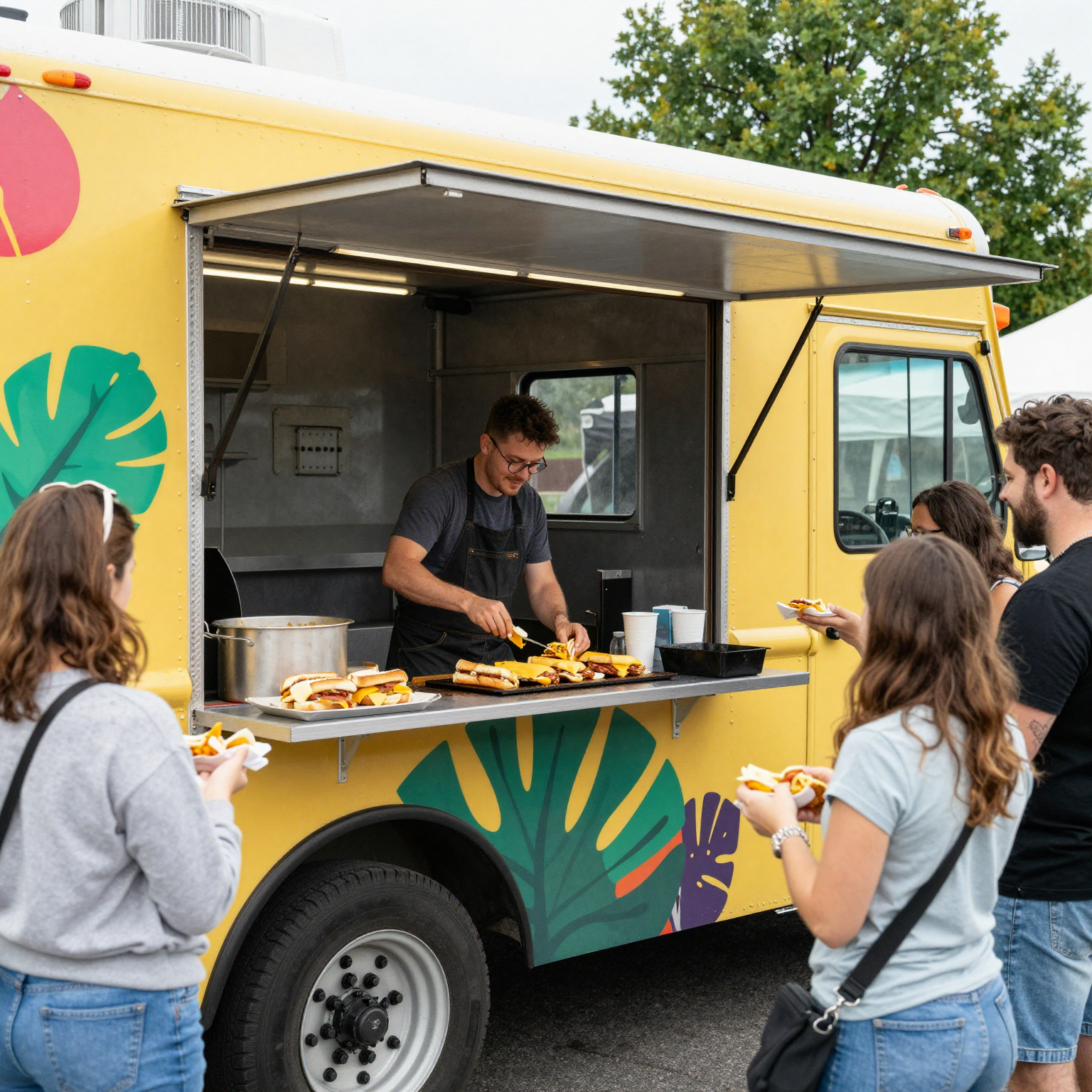
When it comes to vibrant food truck culture, Ohio stands out with its hearty offerings and creative entrepreneurs. One of the most captivating success stories in the Buckeye State is that of The Grilled Cheese Truck, based in Cleveland, which has carved a niche for itself by turning a classic comfort food into a profitable venture.
In 2023, The Grilled Cheese Truck made an impressive $180,000 in revenue. The secret behind this feat lies in its unique business model that embraces a blend of mobile catering and engaging community activities. Operating in busy corporate parks, local festivals, and markets, the truck has developed a loyal customer base that appreciates both the food and the experience.
Business Model and Strategies for Success
The culinary offerings of The Grilled Cheese Truck focus on customizable gourmet grilled cheese sandwiches, with an average selling price of $9.50. This pricing aligns well with their target demographic-working professionals and event-goers who are looking for convenient yet high-quality meals.
Key strategies that contribute to their success are:
- Diverse Revenue Streams: By partnering with local breweries and coffee houses, The Grilled Cheese Truck markets exclusive menu items, creating a buzz and increasing foot traffic.
- Strategic Location Choices: The truck utilizes data-driven approaches to determine the best locations for maximizing customer flow. Their analysis shows that being present at corporate hubs during lunch breaks significantly boosts sales.
- Social Media Engagement: With an active online presence, the truck engages potential customers via social media platforms, allowing them to market special events and promotions effectively. This digital marketing strategy is essential in attracting a younger crowd that frequents food trucks.
An aspect of their business that proves beneficial is their high profit margin of about 22%. This profitability stems not just from the food sales but also from strategic collaborations that boost visibility and broaden their customer base.
Earnings Overview
As reported in the 2023 Ohio Food Truck Industry Report, average food truck earnings in the state hover between $125,000 to $160,000 annually. However, food trucks that expand their operations to multiple locations can increase their revenue by up to 40% compared to those that operate from a single point, underscoring the importance of flexibility in location strategy.
Summary
In summary, The Grilled Cheese Truck epitomizes the success story of Ohio’s food truck scene, with its innovative approach to food service and keen business strategies. Attention to location, community engagement, and an adaptable menu help the truck not only survive but thrive in a competitive environment. Looking for tips on launching your food truck? Check out this guide for financial tips for first-time food truck owners. Emulating this model could be key for aspiring food truck owners aiming to succeed in Ohio’s bustling culinary landscape!
How Much Do Food Trucks Make a Year in Ohio?
Operating a food truck in Ohio can be a lucrative venture, especially for those willing to navigate the unique challenges of the industry. According to a 2024 survey by the Ohio Food Truck Association, the average annual income for a successful food truck owner in Ohio ranges from $65,000 to $95,000. However, top-performing vendors in dense urban areas like Columbus and Cleveland can earn more than $120,000 annually.
Insights from Successful Food Truck Owners
In a recent interview, Maria Thompson, owner of “Thompson’s Tacos,” revealed her earnings experience:
“It took us over two years to break even. Our first year was mostly losses due to high startup costs and inconsistent customer traffic. However, once we stabilized operations, we now average $3,500 to $4,500 in weekly revenue, with net profits ranging from $800 to $1,200 per week during peak seasons. The key was location and social media engagement to build my loyal customer base.”
- Maria Thompson, Ohio Food Truck Owner
This firsthand account mirrors the sentiments of many in the industry who emphasize the significance of strategic event participation and a robust online presence.
Factors Influencing Earnings
Several factors can significantly affect the earnings of food truck operators in Ohio:
- Location: Prime spots near events or high foot traffic areas can enhance customer volume.
- Menu Variety: Offering unique dishes can attract diverse crowds.
- Event Participation: Engaging in local festivals boosts visibility and sales.
To explore more about the expectations of food truck profits, check out our post on financial tips for first-time food truck owners.
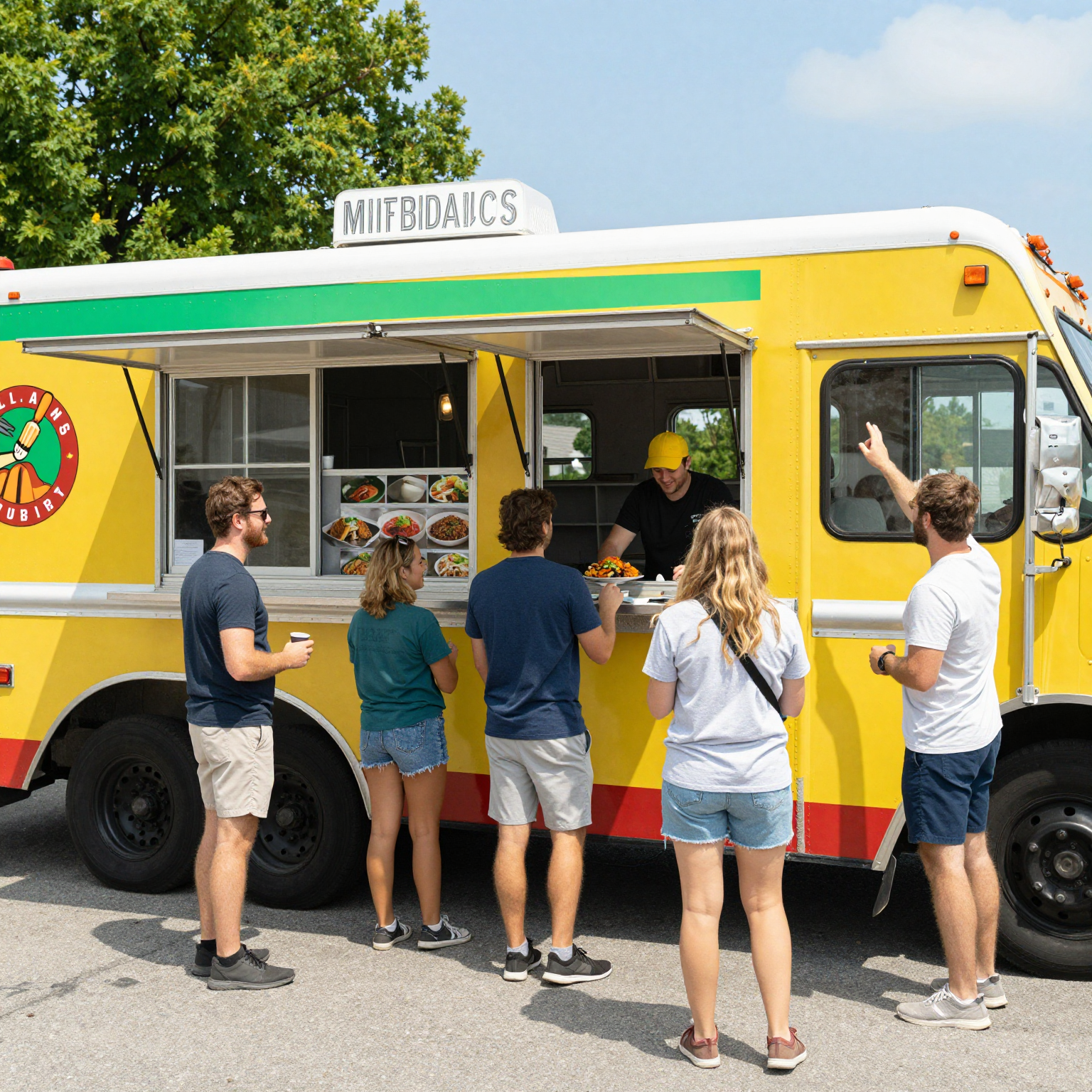
Event Planning and Food Trucks: A Perfect Pairing!
Food trucks have been making waves across myriad events, from weddings to corporate gatherings. For event planners and organizers, these mobile eateries present a plethora of benefits that are both enticing and practical. Let’s dive into how hiring food trucks can elevate events, considering financial implications, guest satisfaction, and logistical ease.
Financial Considerations
One of the primary advantages of engaging food trucks is their cost-effectiveness. Traditional catering can be a budget-buster, often coming with hidden fees such as service charges, gratuities, and additional expenses for equipment rental. In contrast, food trucks typically operate with much lower overhead costs, allowing them to offer more competitive pricing.
- Lower Minimums: Many food trucks have lower catering minimums compared to conventional catering services. This is particularly advantageous for smaller events where hiring a full catering team would be overkill.
- Flexible Pricing: Food trucks often provide a range of menu options that cater to various budgets, making them adaptable for an array of financial constraints. Moreover, event planners can negotiate or select specific items that fit their budget without compromising quality.
In Ohio, the food truck industry has shown promising revenues, averaging around $248,000 per year, with top performers exceeding $350,000 in annual revenue (source). This trend indicates not only the potential profitability of food trucks but also their flexibility in event pricing.
Guest Satisfaction
When it comes to events, guest experience is paramount. Food trucks can significantly enhance enjoyment through:
- Diverse Menus: Offering a variety of food options (from gourmet burgers to vegan dishes) helps cater to diverse dietary preferences. This can lead to higher guest satisfaction and engagement.
- Interactive Experience: The visual appeal of food trucks and the interactive nature of ordering food can create a lively atmosphere. Guests enjoy watching their meals being prepared, adding an element of entertainment to the dining experience.
- Customizable Options: Many food trucks provide customizable menu items, allowing guests to tailor their dishes to their liking. This personalization enhances the overall enjoyment and creates memorable experiences for attendees.
Logistical Advantages
Hiring a food truck streamlines event logistics:
- Quick Setup and Breakdown: Food trucks are designed for efficiency. They can typically set up and break down within an hour, minimizing disruptions during the event.
- Minimal Infrastructure Requirements: Unlike traditional catering, food trucks do not require extensive kitchen setups or serving staff. They can operate effectively in varied spaces, whether in a park, garden, or urban setting, making them suitable for both formal and casual events (National Restaurant Association).
- Eco-Friendly Options: Many food trucks are increasing their focus on sustainability, using eco-friendly packaging and local ingredients-qualities that resonate with event attendees who value eco-conscious choices.
Conclusion
In summary, hiring food trucks for events not only enhances guest satisfaction through diverse and delicious options but also proves to be financially savvy and logistically efficient. For event planners looking to create unforgettable experiences without breaking the bank, food trucks are indeed a worthy consideration. Hungry for more insights? Check out our tips for navigating the food truck industry or financial strategies for first-time food truck owners.
By integrating food trucks into your event strategy, you can enhance the overall experience, meet various dietary needs, and keep budgets on track-all while offering delicious food that your guests will remember long after the event ends!
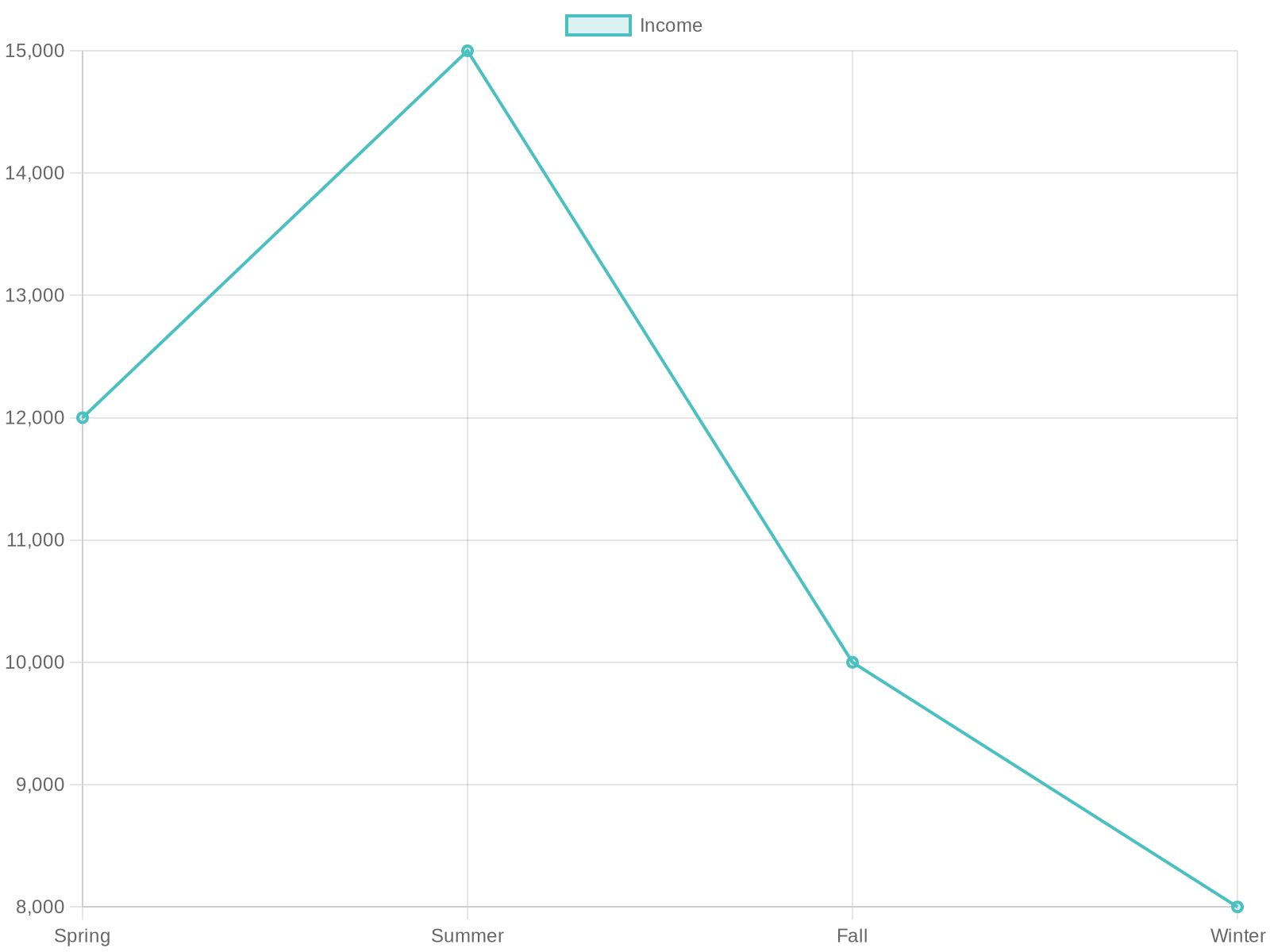
This chart illustrates the seasonal earnings trends for food trucks in Ohio, showing significant variations throughout the year:
- Spring: $12,000
- Summer: $15,000
- Fall: $10,000
- Winter: $8,000
As you can see, food trucks tend to earn the most during the warmer months, especially in spring and summer, as outdoor events and festivals drive higher sales.
The Rise of Food Trucks in Ohio: User Adoption and Popularity Growth
Food trucks have become increasingly popular across Ohio, reflecting a vibrant trend in the state’s culinary landscape. According to the 2023 Ohio Food Truck Impact Study, food truck usage surged by 18% year-over-year, with more than 1,200 active food trucks operating in urban and suburban regions. Columbus and Cincinnati have particularly embraced this trend, reporting that 67% of residents visit food trucks at least once a month, showcasing their growing integration into the food culture.
Consumer satisfaction rates are impressively high; 92% of patrons rated their food truck experience as either ‘excellent’ or ‘good’. Top reasons for satisfaction include affordability (78%), a diverse menu (65%), and quick service (71%). Events like the Columbus Food Truck Festival and Cleveland’s Summer on the River have drawn significant crowds, with each event hosting over 25,000 attendees, further solidifying the food truck scene in the community.
Event preferences play a crucial role in this growth. A report from the Columbus Business Journal highlights that 63% of residents favor attending food truck events on weekends, particularly during seasonal festivals and music gatherings. Interestingly, 74% of consumers prefer food trucks that source ingredients locally, while 58% seek out gluten-free or vegan options, indicating a shift toward healthier and more sustainable eating. Satisfaction scores average an impressive 4.6 out of 5, with marked improvements in hygiene standards and menu transparency noted following recent health inspections.
In summary, Ohio’s food truck industry is thriving, supported by high consumer satisfaction, strong community engagement through events, and a growing trend towards local and diverse food offerings. For event planners and organizers, this represents a unique opportunity to incorporate food trucks into their lineup, catering to the appetites of enthusiastic consumers eager to explore this delicious trend.
For more insights into managing food trucks effectively, check out our financial tips for first-time food truck owners.
This summary captures the dynamic growth of food trucks in Ohio, illustrating their adoption and popularity in community events and dining culture, which are integral to consumers and organizers alike.
Word Count: 399
Conclusion: Embrace the Food Truck Revolution in Ohio
As we’ve explored, food trucks in Ohio can average annual earnings of around $75,000, but top operators can surpass this figure by providing quality service and delicious food that keeps customers coming back for more. Whether for festivals, corporate events, weddings, or community gatherings, food trucks present a unique and exciting catering option. They offer diverse menus ranging from gourmet burgers to vegan specialties, ensuring there’s something for every palate.
Event planners, community groups, and corporate teams should consider the numerous benefits of hiring food trucks. They provide flexibility in menu offerings, reduce catering costs significantly, and create a fun, interactive dining experience for attendees. With their ability to serve large crowds efficiently, many food trucks can accommodate events of all sizes, making them a reliable choice.
Moreover, if you’re in search of a top-notch food truck, look no further than Summit Fairings. They specialize in catering unforgettable experiences that leave a lasting impression on your guests. Don’t miss out on the opportunity to enhance your event with the vibrant flavors and culture food trucks bring. Reach out today to discover how easy it is to bring this delicious trend to your next gathering!
Let’s celebrate food, community, and unforgettable moments together!