Food trucks have taken the dining scene by storm, bringing diverse cuisine straight to events and gatherings. Whether you’re planning a corporate function, a community festival, or just want to elevate a backyard party, hiring the right food truck can make all the difference. This article is your go-to resource, breaking down the essentials into manageable steps. First, we’ll explore how to define your event needs and research food truck options. Next, we’ll dive into the legalities and vendor agreements that ensure a smooth collaboration. Finally, we’ll cover the crucial aspects of logistics, how to promote the food truck at your event, and the importance of gathering feedback afterward. With these insights, you’ll be well-equipped to create a memorable culinary experience for your guests.
From Needs to Nosh: Designing Your Event’s Food Truck Strategy and the Art of Smart Discovery
Choosing to hire a food truck for an event is more than selecting a vendor; it is a deliberate shaping of the culinary experience your guests will remember. This chapter outlines turning a vague appetite for variety into a rigorous plan that aligns taste, logistics, and budget into a coherent delivery. Start by sketching a portrait of your event: type, scale, and guests, so you know what kind of truck, menu, and service style fit. Then move into discovery: evaluate options with credibility, check licenses and insurance, read reviews, and request sample menus and written quotes. Use a simple scoring rubric to weigh cuisine fit, price, dietary flexibility, reliability, and service style. Align vendors with venue requirements, assess scalability and accessibility, and schedule site visits to assess professionalism and responsiveness. The goal is a transparent contract and a smooth on the day of the event, with clear logistics for setup, power, water, waste, parking, and contingency plans. Finally, weave the truck into your marketing and post-event feedback loop to improve future collaborations. This disciplined approach helps you turn a wandering appetite into a well-orchestrated, delicious moment.
Hiring a Food Truck for Your Event: Mastering Legal Essentials and Vendor Contracts
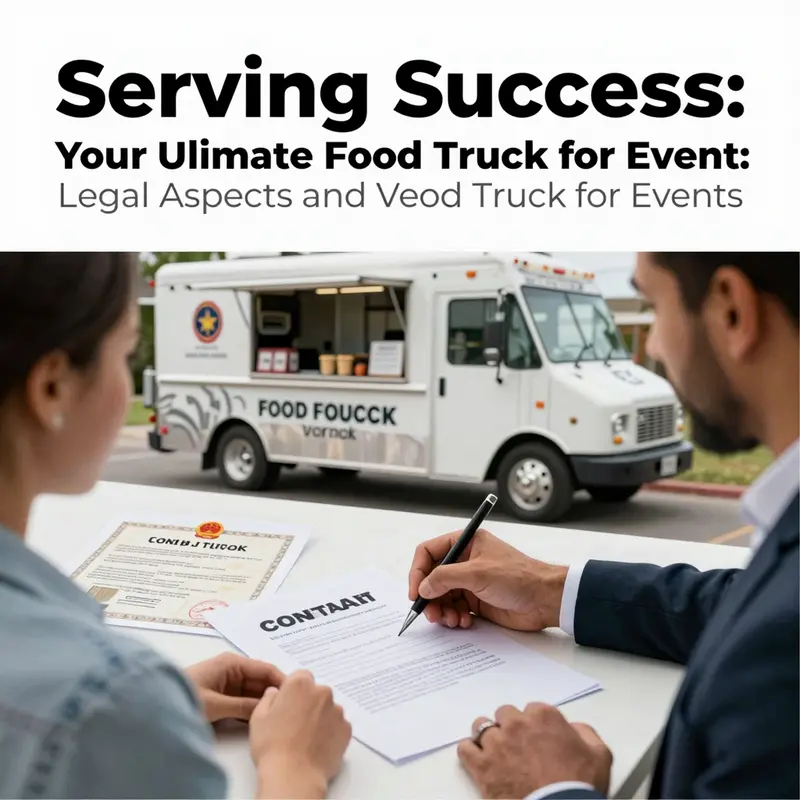
When you set out to hire a food truck for an event, you’re not just matching appetite to options. You are entering a legal and logistical relationship that protects guests, the venue, and your investment. This chapter weaves together the practical steps with the structural guardrails that keep the arrangement clear, enforceable, and adaptable to the inevitable surprises of live events. The aim is not to frighten organizers with red tape but to illuminate a straightforward path: verify what is required, secure a robust written agreement, and align every moving part—from permits to power needs—before the truck arrives. At the core is the idea that a well-crafted vendor relationship is the chassis of a successful service, offering reliability even when weather shifts or schedules slide. By approaching the process with due diligence and a disciplined mindset, you can enjoy the experience of a standout food offering without the anxiety that sometimes follows hasty decisions or vague commitments. The law may feel distant in routine life, but at an event it becomes a practical companion, guiding negotiation, risk management, and accountability so that taste, service, and timing stay in harmony.
Regulatory landscapes differ by city and state, and those differences matter more than most planners anticipate. Before you sign anything, confirm that the vendor possesses the full spectrum of licenses and permits necessary to operate legally in your location. This typically includes a business license to show they are authorized to conduct commercial activity, a health department approval indicating the vehicle and crew meet sanitation standards, and a valid food handler’s permit proving that employees are trained in safe food handling practices. Health and safety rules are not abstract add-ons; they translate into concrete expectations about temperature control, cross-contamination avoidance, and the overall cleanliness of the service area. In many jurisdictions, liability insurance is not optional but a prerequisite for participation in an event. A standard threshold in the industry is around one million dollars in coverage, though some venues or organizers may require more depending on the size of the event and the nature of the cuisine. If a truck cannot show these documents upfront, it is a red flag that should prompt a careful re-evaluation of feasibility. The goal is not to intimidate but to ensure that everyone from guests to staff to vendors operates in a framework that minimizes risk and maximizes the guest experience. Concerns about insurance and permits are rarely about paperwork themselves; they are about creating a reliable baseline so that the food, service, and timing can proceed without impediment. It helps to have a simple checklist in hand when you start conversations with potential trucks, so you can compare apples to apples rather than chasing clarified but divergent assurances over email.
Beyond the basic licenses and insurance, there is a broader regulatory dimension that shapes what you can expect on the day. Some cities require special permits for outdoor cooking, fire safety clearances for certain fuel types, or restrictions on operating hours and noise levels near residential areas. Others may impose specific requirements around labeling and allergen disclosures or compliance with local health department inspections conducted during events. For planners and organizers who want to avoid last-minute scrambles, a prudent approach is to attach a request for copies of all relevant permissions to the vendor’s proposal. Don’t stop at the truck’s own documents; verify that the venue and city records align with what the operator presents. You can reach a deeper understanding of these regulatory threads by reviewing resources that address navigating food-truck regulations and processes. navigating food-truck industry regulations. This link serves as a practical primer and helps you map the regulatory terrain before you begin negotiations.
If you proceed to the contract stage, you are shifting from potential compliance into enforceable economics and service parameters. A formal Food Truck Vendor Agreement is the backbone of this shift. It formalizes the expectations, reduces ambiguity, and creates a framework for accountability. The contract should clearly specify the date and time of service, noting arrival windows and when line service will begin and end. With events that run long or wrap up late, it is essential to capture provisions that handle delays or extensions, including any incremental fees that might apply. The menu, too, should be explicitly defined in terms of offerings, including any dietary accommodations or special requests you anticipate. Vendors may offer a core menu with optional add-ons; ensuring these are spelled out prevents confusion when the check comes or when guests inquire about substitutions.
Pricing in the agreement should reflect a total cost that includes the base service, travel or setup charges, and any equipment fees for electricity, water access, or additional staff. A well-structured contract leaves little room for post-event disputes by enumerating payment terms—whether a deposit is required, when the balance is due, and the preferred method of payment. It also needs a clear cancellation policy, detailing what happens if you or the vendor must withdraw, including any penalties or credits. Sensible cancellation terms protect both sides against unforeseen changes and preserve goodwill for future collaborations. In addition to these financial and timing elements, the agreement should cover equipment and service logistics. It must spell out the electricity needs, whether the truck will require a generator, and if so, who will supply it and how it will be managed. Water access and handwashing facilities, waste disposal, and the layout of the serving area all belong in this section. If the venue has structural or environmental constraints—such as a grassy surface that cannot bear heavy equipment, or a fire lane that demands a specific setback—the contract should capture those constraints and outline responsibilities for satisfying them.
The heart of the document, however, is the allocation of responsibilities. A robust agreement delineates who does what, when, and how, covering not only the kitchen flow but also logistics around parking, access, and unloading. It specifies whether the vendor will handle set-up and break-down, and whether there are any staffing expectations beyond standard service, such as a dedicated manager on-site for coordination. It also obligates the vendor to comply with venue rules, including any restrictions on the use of open flames, lighting, or music in the immediate area. For event organizers, this clarity is invaluable: it reduces the likelihood of operational bottlenecks, such as delays caused by last-minute changes in where the truck can park or how power is routed. Meanwhile, for the vendor, a clear contract sets boundaries that protect against scope creep and ensures that the vendor’s team can deliver a predictable level of service without juggling unexpected responsibilities.
From a safety perspective, the contract should address health and safety protocols in a way that aligns with best practice and legal requirements. It is reasonable to request a brief statement from the vendor about their approach to temperature control for hot and cold foods, cross-contact prevention, and allergen handling. While many food trucks are accustomed to dealing with common dietary requests, a formal commitment to manage allergens and cross-contamination is a valuable addition to the agreement. It also signals to your guests that you take their safety seriously. In this light, consider adding a clause that requires the vendor to report any food safety incidents promptly and to implement corrective actions if a discrepancy arises during the event. While this might seem like overkill for smaller gatherings, it is a prudent measure for any event where guests’ health is a priority and where you want to ensure contingency planning remains in place should a problem occur.
The process of negotiating and finalizing a contract benefits greatly from a collaborative approach that respects both sides’ expertise and constraints. It is rarely productive to treat the agreement as a ceremonial formality to be completed and filed away. Rather, view it as a working document that can be adjusted through constructive dialogue. If something in the proposed terms feels impractical—perhaps a rigid arrival window or a requirement that would be hard to meet given the event’s venue constraints—address it early. Vendors appreciate practical, transparent conversations about how a truck will operate in your space, and they often bring creative solutions that preserve service quality without compromising safety or compliance. This collaborative spirit should not disguise a lack of firmness on essential terms; rather, it should reflect a healthy balance between flexibility and protection. A well-executed contract benefits both parties by setting expectations clearly and creating a record that can be revisited if circumstances change, such as a shift in the event schedule or a late procurement of ability to access a particular utility on-site.
In drafting or reviewing the agreement, you should also consider the legal framework that underpins the relationship. The contract acts as a contract for services, specifying the scope of work, the deliverables, and a liability framework that allocates responsibility for loss, damage, or injury. It is wise to include a clause that limits liability to reasonable amounts, assigns responsibility for any property damage to the party responsible for the incident, and provides a mechanism for dispute resolution. A well-drafted document helps prevent disputes by spelling out what happens if something goes wrong, including whether the client or the vendor bears the risk of weather-related postponements or cancellations. It also clarifies how refunds or credits are handled if the event cannot proceed as planned. When you align the contract with local regulations, the process becomes a coherent system rather than a patchwork of separate documents. This alignment reduces confusion at the moment of delivery and ensures that all moving parts—from insurance confirmation to fuel and electricity arrangements—are consistent with the legal and regulatory framework that governs the operation.
As you move toward finalizing details, remember that the contract is a living instrument that should be supported by careful record-keeping and practical checks. Request copies of all licenses, permits, and the certificate of insurance, ensuring that names, dates, and coverage amounts are up to date. Confirm the contact information for the vendor’s on-site manager and establish a preferred channel for updates as the event approaches. A brief on-site pre-event walkthrough or site visit is highly valuable; it gives you a chance to verify the logistics in person, assess the venue’s access points, and observe how the vendor plans to manage crowds, queues, and service flow. This face-to-face check—whether in person or via video—often reveals questions that a static proposal cannot anticipate.
The final step is to document and archive the arrangements with care. Having a comprehensive vendor agreement, supported by required licenses and insurance, creates a predictable framework for your event. It also leaves room for feedback that can help you improve future collaboration. After the event, providing constructive feedback to the vendor—both positive and critical—helps them refine their operation and enhances your future interactions if you plan to hire the same truck again. The benefit is mutual: clear legal agreements reduce friction, while thoughtful feedback strengthens the working relationship and elevates the guest experience. When you place emphasis on lawful compliance, transparent contracts, and open communication, you position your event to benefit not only from the chef’s creativity but also from the relief that comes with reliable, well-managed partnerships.
For planners seeking deeper templates and executable tools, you can consult resources that explore legal compliance and vendor contracts in greater depth. The Ultimate Guide To Owning A Food Truck From Concept To Serving Your First Customer offers practical insights, checklists, and templates that can support both new entrants and seasoned operators as they navigate the legal terrain and contract expectations. This external resource can complement your internal documents by providing a structured framework for licensing, permits, and contract language that you can adapt to your specific jurisdiction and event profile. https://www.foodtruckbusiness.com/ultimate-guide-to-owning-a-food-truck/
On Wheels for Your Event: A Cohesive Guide to Logistics, Promotion, and Post-Event Insight when Hiring a Food Truck
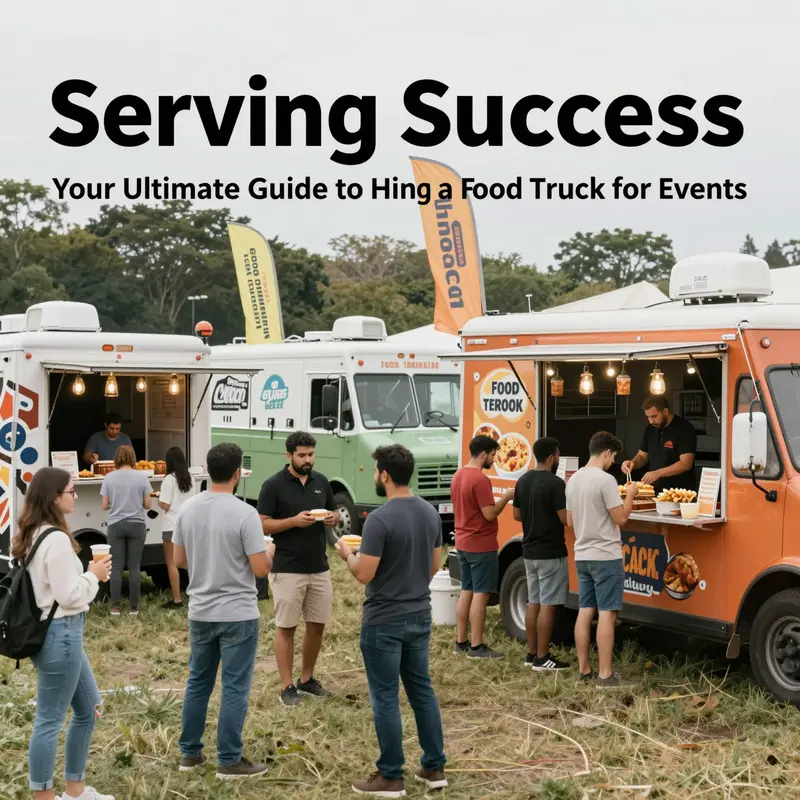
Hiring a food truck for an event is more than choosing a vendor. It is a practical blend of logistics, guest experience, and relationship building that unfolds from the first inquiry to the final thank-you note. When done well, the process turns a meal into an experience, a simple catering choice into a memorable moment for guests and organizers alike. The core idea is simple: anticipate needs, verify capabilities, design a smooth service, and stay engaged enough to improve next time. The work is collective—between you, the venue, and the truck operator—and the magic happens when preparation meets momentum on event day.
Begin with a clear mental picture of the event. Define the core needs in practical terms: what cuisine or flavor profile best fits the audience, how many guests are expected, and how long the service should run. A high-volume corporate affair calls for a larger, multi-station truck with solid refrigeration and capable burners, ensuring quick turnaround and consistent quality during peak moments. A boutique gathering, by contrast, might benefit from a compact dessert or beverage truck that can weave through groups, offering a curated, high-touch experience. The distinction matters because it narrows the field, making it easier to compare apples to apples when you assess menus, staffing, and space requirements. The immediate aim is not simply to feed people but to deliver a pause in the program that feels fresh, resonant, and aligned with the event’s tone.
With needs in hand, the search can move from wishful thinking to practical selection. Rely on platforms that curate local food-truck options by location and cuisine, but also extend the search to social channels where trucks show their personalities and respond to inquiries in real time. While the search is underway, start laying the groundwork for the kind of collaboration that reduces friction later. A reliable truck partner will be open about licenses and insurance, eager to share documentation, and able to articulate how their setup can scale to your guest count. Confirm they can accommodate your preferred service style—whether a counter-service model with fast throughput, a chef-driven tasting line, or a more kinetic, pop-up experience with interactive elements.
As you narrow options, make verification a routine step rather than a formality. Licenses and permits are not mere paperwork; they are indicators of compliance with health codes and local laws, and they reduce risk for you and the venue. Ask for a current mobile food-vendor permit where required, proof of general liability insurance, and any other registration that local authorities may demand. A trustworthy operator will provide these documents proactively or upon request, and any hesitation should be treated as a red flag worth investigating. A potential vendor’s readiness to discuss waste disposal, sanitation practices, and cleanup plans reveals how seriously they take operational realities, especially in venues with strict rules about post-event turnover.
The menu is where your guests’ preferences meet your budget. Request sample menus and a transparent breakdown of pricing. Some trucks excel with sharing-style offerings that encourage tasting and crowd-sourcing feedback, while others deliver a fixed menu with premium items that justify higher price points. Either way, be explicit about dietary restrictions—gluten-free, nut-free, vegan, halal, kosher, or any allergen considerations. A good match will present flexible options or clearly explain if certain items cannot be modified. If your event has a theme, explore whether the truck can blend into that theme—perhaps through color schemes, decor accents, or a limited-edition item that reinforces your branding. Collaboration on menu design can create a more cohesive guest experience than a standalone catering choice.
Before you commit, schedule a meeting or site visit with the operator. In person or via video conference, it becomes possible to discuss every logistical detail that could derail the schedule if left unaddressed. This is your moment to assess professionalism and communication style—critical traits in a service-based partnership. Use the conversation to cover service style, staffing levels, arrival windows, and the ramp-up time needed for service to begin. While you’re at it, confirm the truck’s power needs and whether the venue can supply electricity, or whether the operator will rely on a generator. If your site is remote or has a challenging power situation, this discussion saves surprises and protects your timeline. A practical discussion should also cover access to water, waste management, sanitation facilities for staff, and space for food preparation and queuing that minimizes disruption to other parts of the event.
The formal agreement follows a straightforward logic: a written contract that codifies date, time, menu, pricing, cancellation terms, and any extra fees. Everything important should be spelled out—service duration, delivery or arrival times, the contingency plan for delays, and who bears costs for electricity, gas, or water if those resources are not included in the base price. A contract protects both parties from misunderstandings and helps align expectations. It is worth noting that many reputable operators bring a professional systems mindset to this process; they will treat the contract as a living document that can accommodate changes with minimal friction. When you sign, you create a shared blueprint for the day, which anchors the onsite plan and the post-event evaluation.
Logistics become the backbone of a smooth event. Start by coordinating with the venue to reserve a compliant parking spot near the action. The exact location matters as much as the truck’s ability to access it; a short drive from the loading zone to the service area can add to guest satisfaction if there is minimal interruption to foot traffic. Permitting the truck to operate in the space should be aligned with local rules on temporary vendors, and you should confirm any venue-specific requirements on trash disposal and post-event cleanup. The power and water equation is often the most technical part of the plan. Some trucks come with dual-voltage capabilities and onboard water tanks, which extend their mobility to sites without ready hookups. If electricity is needed, decide whether the venue provides a grid connection or if the vehicle will rely on an onboard generator. Water service must cover cleaning, handwashing, and any food-prep needs, and the crew should have a readily accessible waste station and cleaning stations to manage sanitation throughout service. These details not only prevent on-site hiccups but also signal to your guests that the event is well-managed from the back end.
Another practical layer concerns timeline and flow. The day’s choreography should anticipate peak moments and the natural rhythm of a crowd. A well-timed opening, a steady but not overextended service window, and a closing period that allows guests to sample a dessert or beverage item without feeling rushed create a sense of occasion. It helps to rehearse the flow with the vendor and the venue staff so that queuing and payment take place smoothly, avoiding congestion at entrances or near the main event spaces. If the menu includes items that require assembly at the truck, ensure there is adequate space for the final touches before guests reach the counter. Clear communication about what guests can expect—serving style, wait times, and how to find the truck during the event—reduces confusion and elevates guest satisfaction.
Promotion is a natural extension of the logistics conversation. A food truck is not just a source of nourishment; it is a moving, visible part of your event experience. Begin by weaving the truck into your marketing materials, invitations, and onsite signage. A unified visual identity—color palette, logo placement, and consistent messaging—helps your guests recognize the truck as an integral part of the event’s story. Work with the operator to create a branded presence on the truck, whether that means custom graphic accents, coordinated lighting, or a dedicated call-to-action that aligns with your event goals. A limited-time “event special” dish or drink can generate buzz and encourage guests to visit the truck as a highlight of the day. If you are using a dedicated event app or website, include the truck’s operating hours and location, and consider a QR code that directs guests to a digital menu or ordering system. The aim is to create a sense of anticipation around the truck’s appearance and to guide guests to a clear point of engagement rather than leaving them to wander.
A key practice during promotion is to reinforce the experiential aspect of the truck’s presence. Guests do not just eat; they participate in a social moment. Documenting behind-the-scenes preparation, sharing chef’s notes about ingredients, or posting short clips of the build-out can add a layer of storytelling that resonates with attendees. When planning the event’s branding, consider how the truck can become a mobile ambassador for your theme or brand values. Effective branding on wheels—consistent color, typography, and messaging—turns a functional service into a lasting memory. The opportunity to tailor this branding is often practical and affordable, as many operators can incorporate custom decals, lighting, and signage that complement the venue and overall program.
The day-of coordination requires a calm, proactive approach. A dedicated point of contact should be established for the truck operator and the venue, and a simple contingency plan should cover weather disruption, power outages, or staffing shortfalls. A weather contingency might involve a sheltered area for the truck and guests, or a plan to shift to a different service window if a storm is imminent. Consider how the truck will navigate peak guest flow, whether a separate beverage line will run in parallel with hot items, and how staff will manage waste and cleaning in a busy environment. A well-run operation communicates clearly and commits to a high level of service—an essential ingredient for a positive guest experience. When the service ends, a courteous, timely teardown that respects the venue’s schedule is as important as the delivery of flavorful food. The final impression matters; guests remember not only the dish they tasted but how the moment was handled.
After the event, the conversation shifts toward learning and relationship-building. Collecting feedback is about more than rating the food. It is an opportunity to measure reliability, cleanliness, punctuality, and the degree to which service matched the pre-event agreements. Short digital surveys, sent to guests or attendees through the event app, can capture insights on food quality, variety, and service speed. It is valuable to request staff conduct during-peak feedback from the event team—how quickly did the truck respond to demand, how efficiently did the line move, and how well did the team communicate during a busy period? Some operators also provide sales data or item-level popularity if digital payments were used; these insights offer a way to evaluate menu performance and guest preferences. As you review the results, aim to translate feedback into actionable improvements for future collaborations. A thoughtful follow-up with the vendor demonstrates professionalism and can seed a long-term partnership built on trust and mutual growth.
The most successful hires are those that treat the vendor relationship as a continuum rather than a one-off transaction. A responsible operator appreciates a clear feedback loop and a prospect for future work; you appreciate prompt communication, consistent quality, and a partner who aligns with your event’s values. The process of refining your approach—defining needs, verifying credentials, coordinating logistics, promoting with intention, and evaluating outcomes—prepares you to elevate the next event. In that sense, the journey is less about securing a single meal and more about building a collaborative framework that future events can leverage.
For deeper context on how these practices fit into broader industry considerations, you can explore guidance on navigating food-truck regulations and related compliance topics. Navigating food-truck industry regulations offers a deeper dive into licensing, permits, and standard expectations across jurisdictions, and it complements the operational perspectives discussed here. The combination of hands-on planning and regulatory awareness positions you to manage risk while maximizing the guest experience. On the knowledge side, many event planners turn to reputable guides that summarize the steps of establishing and operating a food-truck business, which can inform your vendor selection and negotiation approach. While the specifics vary by location, the overarching principles—clarity, preparation, and responsiveness—remain constant and serve as a reliable compass when you tackle a first-time hire or a complex, multi-site event.
As you weigh your options and align your team around the plan, remember that the goal is not simply to feed guests but to orchestrate a seamless, engaging, and memorable moment within the event’s broader narrative. The food truck becomes a character in that story, a moving focal point that invites conversation, experimentation, and connection. When you approach the process with a clear brief, a pragmatic contract, and a collaborative spirit, you set the stage for a dining experience that feels both effortless for attendees and rewarding for your organization. The result is a well-executed service that stands up to post-event reflection and becomes a credible model for future gatherings, where each new event benefits from the lessons learned, the relationships formed, and the shared excitement of a well-run food-on-wheels moment.
External reading for further perspective on building a resilient framework for food-truck ventures and events can be found here: https://www.baklib.com/blog/food-truck-business-steps. This resource offers foundational steps for launching or managing a food-truck venture and complements the practical guidance provided in this chapter by situating event hiring within a broader business lifecycle.
Final thoughts
By following these steps to hire a food truck, you’ll not only ensure that your event is deliciously catered but also memorable for all who attend. From defining your culinary desires and tackling legal touches to managing on-site logistics and collecting valuable feedback post-event, everything plays a crucial role in how successful and enjoyable your event will be. So go ahead, unleash the power of food trucks at your next gathering and watch it transform into an experience everyone will talk about for years to come!