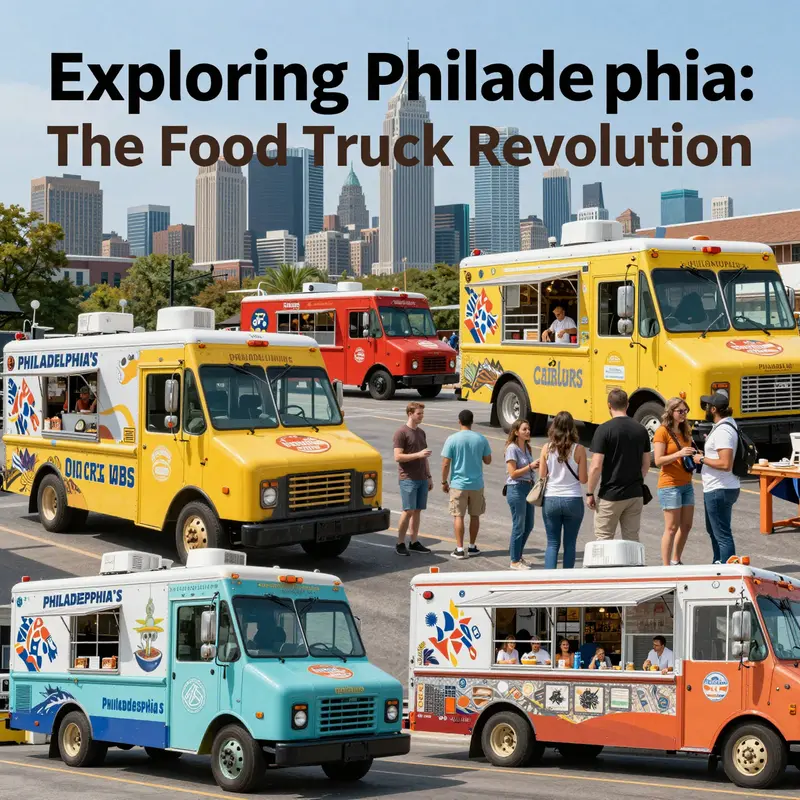
In Philadelphia, food trucks are not just a trend; they’re a culinary movement that mirrors the city’s rich tapestry of cultures. This article dives into where these mobile kitchens can thrive, making them ideal for event planners, corporate gatherings, community events, and food enthusiasts alike. Each chapter will unveil popular locations—from bustling university campuses and downtown hotspots to scenic parks—and we will also touch on the essential licensing and regulations that ensure the city remains as vibrant as its street food scene. Whether you’re organizing a public event, seeking a corporate catering solution, or simply on the hunt for the best bites in town, this guide will help you navigate the fascinating world of Philly’s food trucks.
Riding the Philly Street Rhythm: Where Food Trucks Can Operate and How Regulations Keep the City Moving
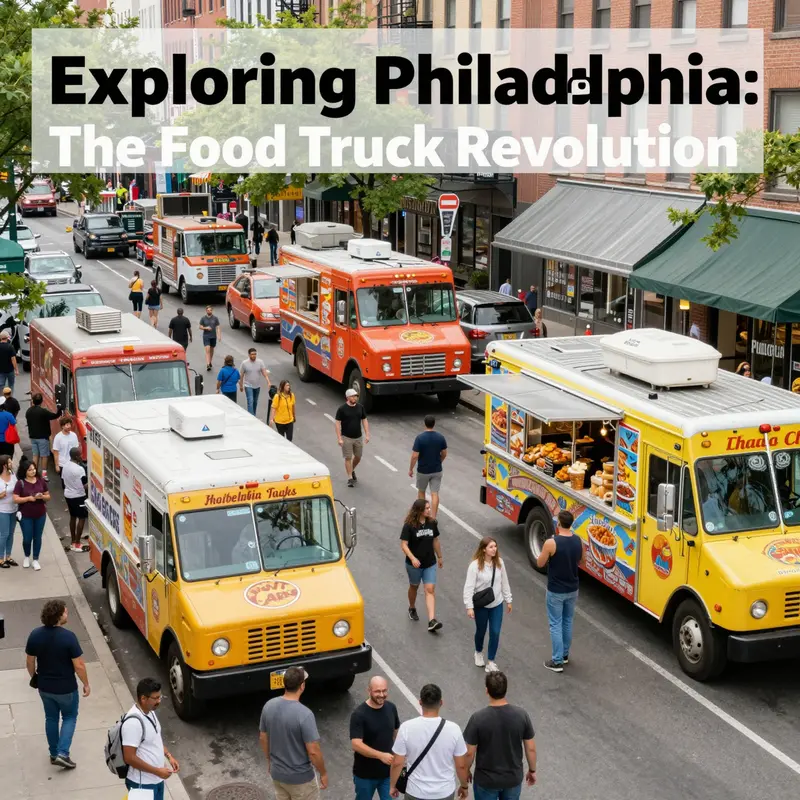
Philadelphia unfolds as a living tapestry of neighborhoods, each with its own cadence, flavor, and pace. Within this dynamic urban landscape, food trucks add a mobile layer of culinary microcosms, drawing people to sidewalks, parks, campuses, and event spaces. But the city’s approach to where trucks may operate is not a free-for-all; it’s a careful choreography that balances pedestrian safety, traffic, noise, waste management, and the need to preserve vibrant public spaces. The result is a system that rewards accessibility and innovation while maintaining order. In this chapter, we weave together the practical geography of operation with the framework of rules that shape daily routes and seasonal showcases, so the idea of a roaming kitchen becomes a workable part of Philadelphia’s public life rather than a disruption to it. For operators seeking a grounded understanding of the regulatory landscape, a detailed framework of navigating these rules is available Navigating food truck regulations. It is essential reading for anyone who wants to move from concept to curb without friction. Real-time information about current locations often comes from community-driven apps and official channels, including city resources that track permits and zones, plus widely used consumer platforms that help residents and visitors discover nearby trucks during lunch hours or after events. This layered approach—location variety, policy structure, and real-time awareness—lets Philadelphia enjoy both the spontaneity of a good meal and the predictability that makes street food a reliable neighborhood feature rather than a nuisance.
The most fundamental truth about where a food truck can operate in Philadelphia is that the city is built on designated zones and shared spaces. Trucks are welcome in public parks when they hold the proper permits, at business districts that attract foot traffic, and around event venues that host festivals, markets, or large gatherings. The common thread is clear: permission must align with the space’s intended use. This means a truck cannot simply pull up anywhere and start serving; it must be anchored in a legal location or at a permitted event, with attention to waste disposal, vehicle parking, and noise controls. The city’s approach to location management helps ensure that a truck’s presence complements the surrounding activity rather than competing with it.
Within these broad permissions, several clusters consistently draw crowds and support a thriving street-food ecosystem. Public parks stand out as especially active venues on weekends, during concerts, and on festival days. Parks like Fairmount Park and surrounding greenspaces become temporary dining hubs when operators secure the necessary permits, coordinating with park services and event organizers to align with park rules and scheduling. On downtown days, business districts—where Market Street and other core corridors pulse with commuters and shoppers—often see trucks clustered near transit hubs and pedestrian arteries, especially during lunch windows. These spaces benefit from a steady stream of passersby and the opportunity to reach office workers, students, and residents seeking quick, affordable meals.
Universities have a distinct rhythm in Philadelphia. Drexel University, the University of Pennsylvania, and Temple University generate persistent demand for mobile options as students and faculty look for varied, affordable meals between lectures, libraries, and athletic facilities. At peak times, trucks congregate in student-centered zones near libraries, student centers, and gyms, where the foot traffic is predictable and substantial. The campus pattern typically sees a surge around mid-day and a second wave after classes, with operators capitalizing on the invitations of campus events or athletic gatherings. This isn’t just about feeding students; it’s about participating in campus life—fueling study sessions, club meetings, and campus-wide celebrations with a convenient, neighbourhood-flavored option.
South Street and Center City represent the city’s most densely traveled food truck corridors. In Center City, Love Park, and Rittenhouse Square, trucks often occupy spaces that balance high pedestrian flow with the need to maintain a calm street environment. The proximity to transit hubs like 30th Street Station amplifies the volume of potential customers, while the architectural and cultural energy of the area adds to the appeal of a quick, flavorful stop on a lunch break or a night out. South Street’s legendary pedestrian energy makes it a natural magnet for trucks seeking a steady stream of curious diners who want something different from the usual sit-down experience. These corridors require careful coordination with street management and local stakeholders, especially during peak events or seasonal celebrations.
Event-driven operation is another essential avenue for Philadelphia’s trucks. The city hosts a calendar of festivals, farmers’ markets, flower shows, beer and food gatherings, and neighborhood fairs where trucks are part of the broader experience. In these contexts, trucks operate under special permissions, often within defined zones or at designated entrances, with heightened attention to waste management, crowd flow, and hours of operation. The rules are not merely bureaucratic steps; they are practical measures designed to ensure that the event’s atmosphere remains inviting and safe for attendees while allowing operators to serve a diverse audience.
To keep this ecosystem orderly, the city enforces a set of core regulations that every operator must observe. A Mobile Food Vendor Permit from the Department of Licenses and Inspections (L&I) is a non-negotiable baseline. The permit signals that a truck has met health, safety, and vehicle standards and is authorized to operate publicly. Beyond the permit, operators must comply with zoning laws and the city’s specific guidelines on where and when trucks may operate. These rules often translate into location restrictions, posted hours, and sensitive considerations around waste disposal and noise. The most widely cited operational constraint is the prohibition on operating within 200 feet of another licensed food truck or restaurant unless the truck is at an approved event or location. This rule helps prevent direct competition in tightly spaced urban areas and protects the customer experience from oversaturation.
The practical upshot for operators is a need for planning and coordination. Before setting a course through Center City or University City, a trucker confirms the validity of the site with L&I, secures any required location permits, and aligns with campus or event administrators when applicable. It is also essential to understand that some spaces are only available during certain times or seasons, and private events require specific arrangements with organizers and the city. Detailed procedures and the latest zone information live on the city’s official channels, and operators are encouraged to consult those resources early in their planning process. For a grounded overview of navigating these rules, refer to the internal resource above.
Beyond permits and proximity rules, operators must adhere to day-to-day responsibilities that allow the street to function smoothly. Waste disposal must be managed in a sanitary, punctual manner; trucks must park in approved areas and avoid blocking bike lanes or pedestrian crossings; noise levels, especially in residential or quiet zones, must be kept within permitted bounds. These expectations reflect a broader philosophy: a mobile kitchen should be a productive part of the city’s rhythm, not a nuisance to nearby residents or workers. In practice, this means careful route planning, timely service during peak windows, and proactive communication with local stakeholders, event coordinators, and campus administrators.
For residents and visitors seeking to locate these moving eateries, the same platforms that map city life—apps like Yelp and dedicated truck finder services—provide real-time visibility into where trucks are operating on a given day. The city’s own resources also offer location maps and permit status for operators, making it possible to plan a lunch or an evening stroll around a reliable lineup of trucks. This shared information network helps maintain a sense of anticipation and reliability around food truck culture while respecting the constraints that keep streets safe and welcoming.
As Philadelphia continues to evolve, the interplay between location variety and regulatory clarity will shape how the city experiences street food. Operators who cultivate flexibility, legality, and neighborhood respect will find not only a path to success but a lasting invitation to be part of Philadelphia’s public life. For those who want to deepen their understanding, the internal guidance remains a compass, and the official external resources provide the authoritative map for permits and zones. The outer edges of this landscape—parks, campuses, festival grounds, and bustling commercial streets—will continue to host a rotating cast of mobile kitchens that add texture, flavor, and communal energy to the city’s daily life.
External resource: https://www.phila.gov/licenses-and-permits/mobile-food-vendor-permit/
Rolling Through Campus and City Streets: A Comprehensive Guide to Where Philadelphia’s Food Trucks Can Operate
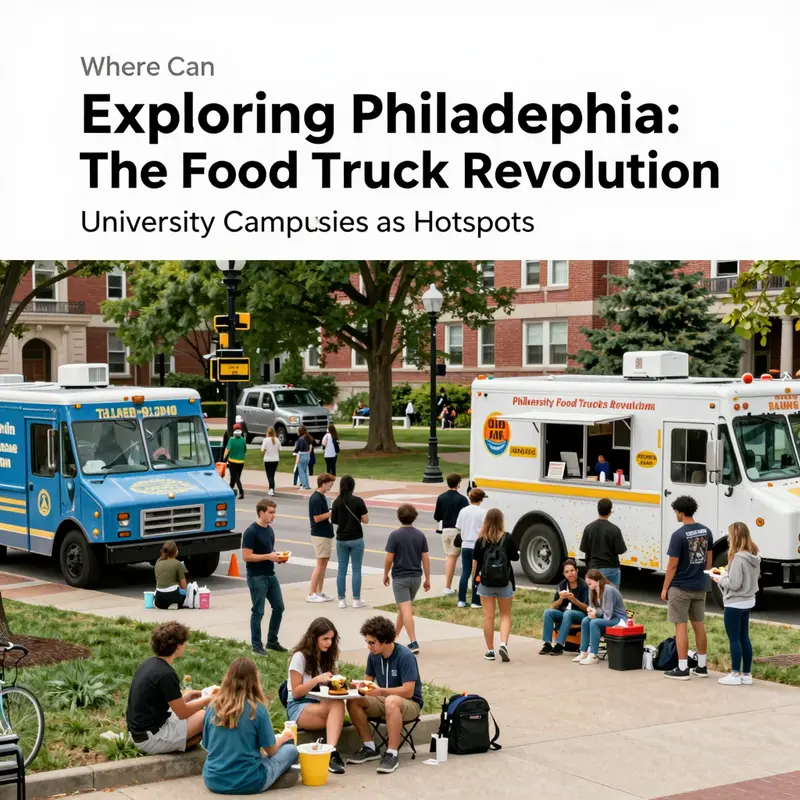
Philadelphia’s street-food scene is inseparable from the city’s rhythm. As seasons change, the scent of fried dough, smoky meat, and bright citrus drifts along sidewalks, inviting a quick bite between classes or a post-work stroll along the Delaware River. Yet where a truck can legally roll matters as much as what it serves. The city’s rules are not merely red tape; they shape where crowds gather, how lanes flow, and how chefs reach customers without disrupting commerce or safety. For operators, understanding the map of authorized zones is the first move in turning street food into reliable, repeatable earners. For eaters, it is a guide to where the city’s most dynamic flavors may appear on any given day. In Philadelphia, the relationship between public space and mobile kitchens is a carefully choreographed dance that rewards planning and adaptability.
At the core of this system lies licensing and location permissions. All operators must hold a valid license issued by the Department of Licenses and Inspections and keep up with health and safety standards. Beyond a general license, many sites require location-specific permits, especially when the truck is scheduled to operate in parks, plazas, or in the vicinity of large public events. The regulatory framework aims to keep sidewalks navigable, protect fire lanes, and ensure food safety from prep to plate. The practical effect is simple: revenue in a congested city like Philadelphia hinges on choosing the right spots at the right times. For those who want a quick primer on the regulatory landscape, see Navigating food truck industry regulations.
Universities anchor the most dependable clusters of foot traffic. In Philadelphia, major campuses attract a steady cycle of students, faculty, and staff whose routines align with class schedules and study breaks. Around the University of Pennsylvania, around Drexel, and near Temple, trucks routinely set up near libraries, student centers, and athletic facilities. The goal is proximity to queues of people who need a fast, affordable meal between lectures or after practice. To preserve flow, campuses often coordinate with campus services, ensuring that vehicle placement does not impede access to entrances or essential services. In practice, this means a rhythm of lunchtime rotations, early-evening repeats, and occasional weekend pop-ups that reflect the campus calendar. The variety of cuisines in these hubs has become a crucial part of the campus experience, adding a layer of culinary exploration to the academic atmosphere.
Downtown and Center City present another robust operating arena. Areas along Market Street, near major transit hubs, and along riverfront corridors become hubs for mobile cuisine as workers, commuters, and visitors search for quick and satisfying options. During peak hours, the emphasis shifts to visibility, accessible queues, and the ability to serve fast, well-made meals without hindering foot traffic. The planning frameworks here stress clear signage, safe stacking, and leaving adequate space for pedestrians to move. Events and seasonal programming can transform a block into a movable dining corridor, turning a routine lunch hour into a festival-like atmosphere. In this city, the street becomes a shared dining room, and the trucks are the expanding menu that keeps pace with demand while respecting existing businesses and the surrounding environment.
Parks and public spaces add a different cadence to operating norms. Places like Fairmount Park, Washington Square Park, and Love Park draw families, casual walkers, and Sunday revelers. In these settings, trucks often join park programming during festivals, concerts, or weekend gatherings. The lure is obvious: shade, open air, and a break from indoor dining within a short walk of the city’s cultural life. But working in parks also means navigating additional layers of permit requirements, noise controls, and sanitation plans tied to the park’s management and city rules. The pattern tends to be seasonal and event-driven: spring through fall, with occasional winter activations when the weather cooperates and events are scheduled. The result is a flexible, responsive model that complements but does not compete with permanent eateries in the area.
Events and farmers’ markets shape the calendar as much as the calendar shapes the trucks. The city hosts a slate of shows, markets, and neighborhood celebrations that offer vendor slots and built-in audiences. For operators, events provide a concentration of potential customers who are already primed to explore a variety of foods. The tradeoff is the need to align with event-specific health standards, secure on-site spaces, and coordinate with organizers for load-in times and power where needed. As festival schedules emerge, trucks map routes that minimize congestion while maximizing exposure. The blend of event-driven turnout and everyday campus and downtown activity creates a robust, layered demand that keeps trucks moving through the year.
Operational realities matter as much as the permits do. Successful mobile kitchens plan their movements with attention to parking geometry, loading zones, and proximity to utilities or waste disposal points. They optimize menu design for quick assembly and short lines, keep a sharp eye on food safety controls, and maintain daily routines that prevent backlog. In dense urban settings, even small inefficiencies—like a slow refill or a crowded queue—can ripple into delays that deter customers. The most resilient operators develop routines for sanitation, packaging, and waste separation, staying mindful of city expectations and neighbor businesses. They also build relationships with property owners, campus planners, and festival organizers so that when opportunities arise, the path to a new location remains clear and collaborative rather than adversarial.
Staying informed is essential for both operators and diners. Real-time updates help people decide where to eat and help trucks adapt to changing conditions. While the official city resources provide the framework, community listings, apps, and campus communications round out the picture. For diners, these signals reveal when a cluster is likely to be buzzing and which neighborhoods are active on a given day. For operators, they offer a pulse on shifting crowds, enabling smarter rotations and safer, smoother operations. The result is a city where mobile food is not a rogue activity but a coordinated, responsive part of the urban landscape.
Beyond appetite, the map of where food trucks can operate reveals Philadelphia’s commitment to accessible, diverse, and entrepreneurial food culture. Truck offerings expand dining options for students and workers, often at prices that fit a student budget or a quick weekday bite. Over time, campus corridors become cultural arteries, inviting conversations about cuisine, identity, and community. In this sense, the geography of permitted locations is a reflection of civic priorities: safe, orderly, and inclusive spaces where people can connect over a shared meal. The interplay of policy, programming, and street-level entrepreneurship gives the city a flexible, resilient food economy that thrives as the urban calendar turns.
Those considering joining the scene should begin by surveying where the city has demonstrated a strong appetite for mobility and flavor. As you map potential sites, secure the required licenses, prepare for location-based permits, and plan for city logistics. A successful approach blends regulatory compliance with creative operation, safety with efficiency, and respect for the neighborhoods it serves. The Philadelphia food-truck landscape rewards planners who listen to the street before they rush to the curb. In other words, know the lanes, the spaces that welcome a truck, and the times when the city’s streets pulse with energy—and then roll with the cadence rather than against it.
External resource: https://www.yelp.com/search?finddesc=food+trucks&findloc=University+of+Pennsylvania%2C+Philadelphia%2C+PA
Rolling Through Center City: The Dynamics of Food Truck Operations in Philadelphia’s Downtown Core
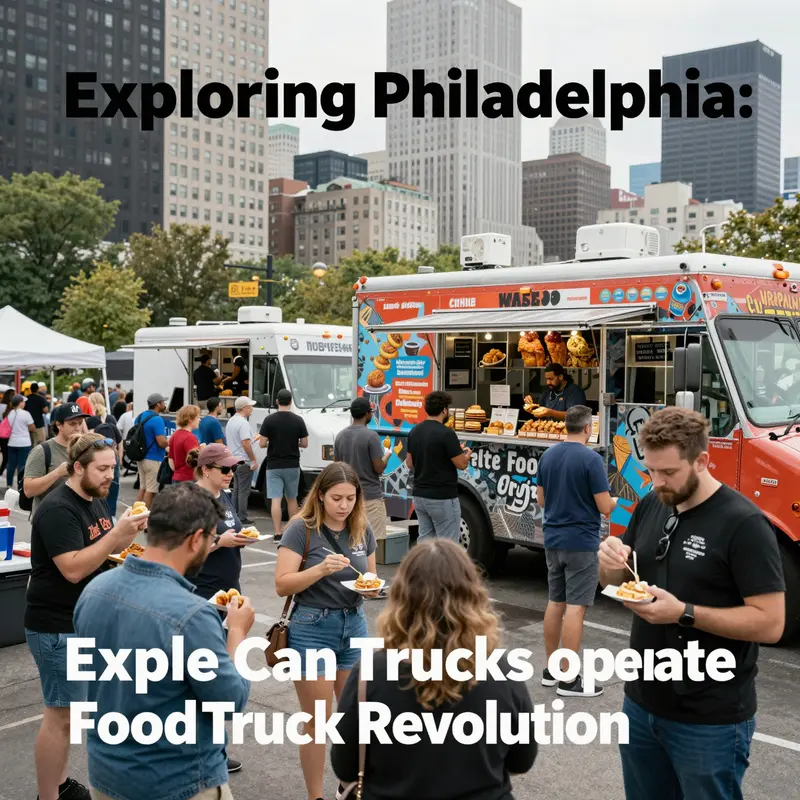
Downtown Philadelphia is more than a business district. It’s a living corridor where the rhythms of work, transit, and culture collide, creating a constant demand for quick, flavorful options. In Center City, the street becomes a flexible dining room, and the trucks that thread through it carry the tempo of the city itself. For operators, this isn’t just about a menu on wheels; it’s about reading crowds, navigating space, and complying with a regulatory lattice that keeps sidewalks navigable for pedestrians and predictable for neighbors, office workers, and visitors alike. The core is structured, yes, but it hums with opportunistic moments—the lull between a conference lunch and an after-work rush, the spillover from a nearby farmers’ market, or the seasonal energy of an outdoor festival. In such a setting, success depends on knowing where to sit, how long to stay, and what those spaces require to stay in good standing with the city and its communities.
Key operating locations in Downtown and Center City center on accessibility and visibility. Public plazas and parks play a starring role. LOVE Park, with its open footprint and constant flow of pedestrians, becomes a stage for lunch lines during the workweek and a social space on summer weekends. Rittenhouse Square, a little more residential and upscale, attracts a steady crowd drawn by nearby offices and boutique happenings, especially when the weather invites people to linger outside and sample snackable fare between gallery visits and coffee breaks. These spaces are not merely backdrops; they shape the kinds of offerings that thrive there. Light, portable, and quick-cooking concepts tend to do well in plazas, while more indulgent or specialized options can carve out a distinct niche during weekend events or special programs that local authorities intentionally cultivate to attract foot traffic.
Transit hubs anchor the corridor with predictable footfall. The vicinity around major stations, including 30th Street Station, functions as a streamlined access point where travelers, students, and commuters create a built-in audience during peak hours. Trucks that situate near entrances and transit corridors do so with a keen awareness of pedestrian flow, safety distances, and the need to clear pathways for wheelchairs, baby strollers, and retail foot traffic. The careful choreography of parking, service windows, and queue management becomes as important as the food itself. It’s a reminder that Center City vendors operate not just as food purveyors but as temporary neighbors who must respect the momentum of ongoing pedestrian and transit operations.
Event spaces punctuate the calendar with high-impact opportunities. The Pennsylvania Convention Center and nearby venues host conferences, concerts, and large gatherings that occasionally converge with outdoor dining zones. When such events materialize, organizers and city officials often coordinate a curated lineup of food trucks to ensure a broad spectrum of cuisines while maintaining safety and orderly traffic patterns. The magnetism of these events is undeniable: they offer vendors a concentrated audience, but they also come with tighter timing, larger queuing expectations, and a stricter set of staging requirements. For some operators, this translates into short, well-timed service blocks and a premium on predictability and speed.
The City of Philadelphia operates food trucks within a carefully defined framework. Licenses from the Department of Licenses and Inspections (L&I) authorize the core business activity, but siting a truck in public space or at private events requires additional permits and location-specific approvals. The system is designed to balance the public’s right to space with the vendors’ need for stable access to customers. In Center City, this means designated streetside locations and public plazas that have been vetted for pedestrian safety, sightlines, and traffic flow. If a truck wants to park on a particular street corner for a shift, the operator will typically confirm the permit status for that location and ensure the vehicle remains compliant with safety codes, including meat handling, refrigeration, cleanliness, and waste disposal. The practical upshot is that whereas the core of Center City is dense and dynamic, it is not a free-for-all; it is a curated environment where permits and space management keep the street alive without turning it into a bottleneck.
For would-be operators and curious residents, the real-time landscape is an essential part of the picture. People planning a lunch excursion or a casual stroll may consult apps like Yelp or dedicated tools that track food truck movements. The city itself provides official resources to help people understand where trucks are most likely to appear on any given day and how to verify that a particular vendor is operating legally and safely. In practice, this means a blend of municipal guidance and community-driven updates. The result is a reliable sense of where the action is likely to be—and a clear reminder that in a compact urban center, yesterday’s prime location can shift with weather, events, or a planned public space renovation.
From the operator’s vantage point, the Centro-like vitality of Center City makes location strategy as important as the recipe. Trucks often optimize their footprint by targeting spaces that combine high foot traffic with predictable dwell times. Public plazas near office corridors can offer consistent weekday streams, while parks and festival grounds deliver bursts of energy on evenings and weekends. The ability to move quickly between zones is a competitive advantage, especially for trucks with rotating menus or weekly specials that keep customers returning to the same mug of appetite with a new twist. Yet mobility must be balanced with compliance. The city’s zoning rules and seasonal event calendars shape when and where a truck can operate, and a misstep can mean fines, relocation, or the loss of a coveted permit. This is where preparation, patience, and a nimble approach to operations converge with culinary craft.
A practical thread runs through the entire Downtown and Center City operating experience: the need for reliable, rule-informed planning paired with a flexible, customer-centric service model. Operators often build a routine around known schedules—lunch windows aligned with nearby offices, post-work wind-down periods, and pop-up collaborations with events that amplify their visibility. The emphasis on coordination with event organizers, property owners, and municipal agencies creates a professional ecosystem where vendors can thrive without compromising public space or pedestrian safety. In this context, the relationship between a truck and the city is less about vendor autonomy and more about a shared commitment to a vibrant, accessible food culture that respects the workspace, the commute, and the neighborhood’s daily life.
For readers who want to dive deeper into the practicalities of parking and street-side logistics, there are guides and resources that offer field-tested tactics. A well-regarded reference point explores how to optimize a truck’s footprint, navigate curb space, and time a service window to minimize conflicts with foot traffic and other street uses. See the practical guide on mastering food truck parking challenges for grounded, actionable strategies that align with the Center City environment. (mastering food-truck parking challenges)
Beyond the physical footprint, the operational heartbeat of Center City rests on relationships. Truck operators frequently coordinate with local property managers, venue coordinators, and city schedulers to align service with calendar events, conference agendas, and cultural happenings. A vendor who understands the flow of Center City—and who communicates early about location, power needs, waste management, and clean-up—gains reliability in a space where foot traffic is itself a moving metric. This collaborative rhythm helps ensure trucks can serve efficiently during lunch peaks, while also preserving the pedestrian experience that defines Center City as a walkable, interactive urban landscape.
The broader arc of Philadelphia’s food-truck ecosystem, while centered on Downtown and Center City, is inseparable from the surrounding neighborhoods and institutions: university campuses, parks, markets, and stadium districts all fold into a larger narrative of mobility and food culture. The Downtown core is the crucible where policy, street design, and culinary entrepreneurship intersect, producing a dynamic that is at once practical and aspirational. For operators, the reward is a chance to be part of the city’s daily ritual—serving a diverse range of palates and providing a quick, satisfying pause in a busy day. For residents and visitors, it is an invitation to explore, sample, and engage with the city’s street-level economy in a way that feels effortless yet is underpinned by a network of permits, safety codes, and scheduled events that keep the experience orderly and welcoming.
External resource: https://www.phila.gov/
Rolling Through Philadelphia’s Parks and Public Events: Parks, Public Spaces, and Festivals as Food Truck Havens
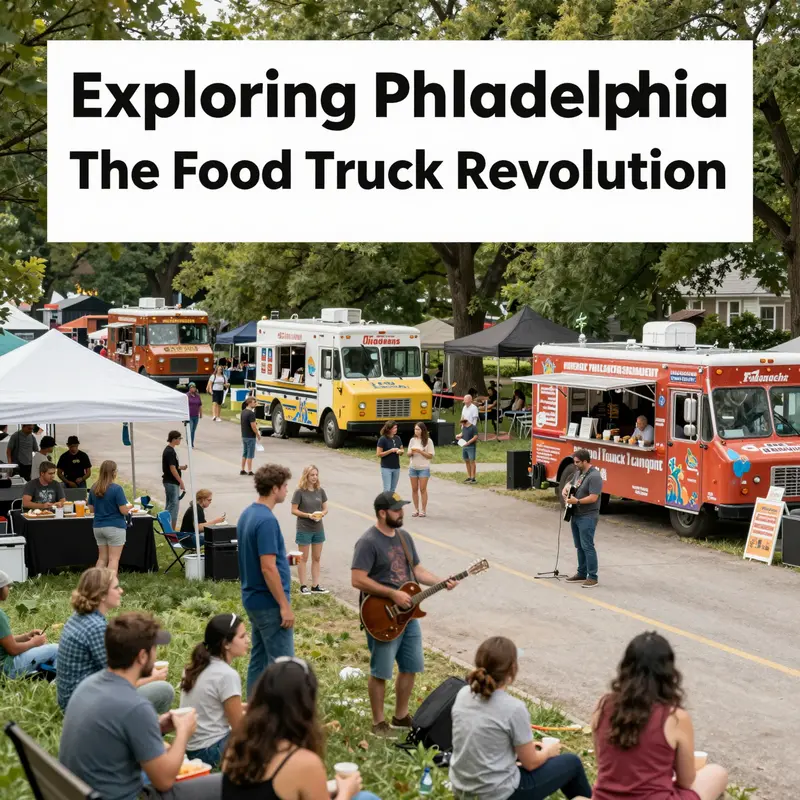
In Philadelphia, the streets that feed the city’s appetite are not just routes for commerce but stages where community life unfolds. Food trucks thrive where foot traffic is sustained, where the city’s neighborhoods meet the river, and where events turn ordinary blocks into temporary town squares. The picture of where a truck can operate is shaped by a careful balance of accessibility, safety, and permit-driven order. Operators move within a framework set by the city, one that rewards mobility and variety while preserving pedestrian space, clean streets, and neighborly trust. Understanding this landscape means seeing not only the recurring spots that welcome bumper-to-bumper lines, but also the seasonal opportunities that turn a curbside bite into a citywide festival of flavors. Parks, plazas, campuses, and festivals each offer a different rhythm, and together they compose a flexible map for a thriving mobile kitchen economy in the City of Brotherly Love.
Parks emerge as the most reliable anchors in this map. They are built for lingering, for the casual bite between a stroll and a story, for the spontaneous conversation that begins over a shared hot sauce or a familiar scent wafting from the grill. A premier example is Parks on Tap at Trail’s End, located at 800 Schuylkill Ave. This spot sits near Penn’s Landing and the Point Breeze neighborhood, creating a natural magnet for both locals and visitors who want a casual meal with outdoor ambiance. It is not merely a stall row; it is a hub where multiple trucks can converge, where outdoor seating and live entertainment often shape the tempo of a weekday lunch or a weekend breeze. The value of such a park-centered hub lies in predictability paired with variety. Vendors know the cadence of daily crowds, and guests expect change in the lineup from week to week, ensuring a fresh experience while maintaining a dependable base.
But parks are not the only stage for mobile food in the city. Seasonal and special events demonstrate the scale and spectacle that can arise when the calendar itself becomes a platform for diversity. Port Richmond’s Campbell Square hosts the 250th and 179th Birthday Festival, a festive environment where local favorites share the curb with community activities, performances, and a sense of neighborhood pride. Likewise, FoodeesFest at Philadelphia Premium Outlets gathers more than forty trucks and craft vendors over a few days, converting a single location into a culinary fair with a spectrum of cuisines and a family-friendly atmosphere. In both cases, the logistics are intricate: permits exist, health codes must be met, waste management is planned, and access for pedestrians and emergency routes remains clear. Yet the payoff is a concentrated audience that arrives ready to explore, taste, and linger. These events illuminate a truth about Philadelphia’s food truck ecosystem: the city can transform vast spaces into floating marketplaces where culture, craft, and cuisine converge.
The city’s parks and public spaces are complemented by the energy of festivals and farmers’ markets that punctuate the calendar. Prime public spots such as Fairmount Park, Washington Square Park, and Love Park function not as fixed storefronts but as evolving canvases for food trucks during concerts, festivals, and weekend gatherings. When a park hosts a concert or a seasonal market, the crowd’s appetite grows, and trucks respond with rotation, speed, and variety. The dynamic is a dance between schedule and spontaneity, where the most successful operators anticipate weather, crowd flow, and the capacity of nearby facilities—restrooms, seating, and trash management—to keep the scene welcoming. The city’s approach to these spaces is less about one-size-fits-all placement and more about enabling a flexible, respectful presence that complements the surrounding neighborhoods.
Beyond parks, the urban core and riverfronts offer corridors where trucks contribute to the city’s tempo during busier hours. Downtown Center City lanes and the riverfront edge near Penn’s Landing become stages for weekday lunch waves and post-work strolls. In these settings, a well-timed lineup can form a culinary itinerary along Market Street, the vicinity of 30th Street Station, or adjacent to the waterfront, inviting pedestrians to curate a personal tasting tour without committing to a single brick-and-mortar option. Yet this mobility comes with a responsibility. The city’s zoning and health codes require operators to plan precisely where they stage, how queues are managed, and how the footprint of each truck fits into sidewalks and curb spaces. Clear pedestrian paths, safe loading zones, and responsible waste practices are part of the choreography that keeps the city walkable and welcoming.
Universities also figure prominently in the operating map, since campuses generate predictable foot traffic at lunch, mid-afternoon, and after classes. Drexel University, the University of Pennsylvania, and Temple University often see trucks near libraries, student centers, and athletic facilities, aligning with peak student needs and campus events. The pattern is not merely about convenience; it is about intentional collaboration with campus planners and student organizations. Truck operators gain steady exposure by aligning with class schedules, while campuses benefit from variety and the cultural energy these mobile kitchens bring to campus life. Still, the onus remains on operators to navigate campus-specific rules and safety considerations, while maintaining respect for academic spaces and the surrounding residential neighborhoods.
The regulatory framework that threads through all these locations is the same compass that helps a city stay orderly while remaining vibrant. Philadelphia requires every food truck operator to hold a valid license from the Department of Licenses and Inspections (L&I). In addition to that core credential, operators must secure location-specific permits for work in public spaces or at private events. The licensing system is designed to protect public health, ensure proper waste disposal, and manage traffic and crowd flow. It is a living set of rules that responds to the city’s evolving food culture, balancing opportunity with accountability. Those who learn the rules early and engage with event organizers, park administrators, and neighborhood associations tend to navigate the process with fewer delays and smoother operations. For a concise overview of the regulatory landscape, readers can consult key guidance on navigating the industry regulations, which offers practical insights into licensing, permits, and compliance.
A useful reminder for those exploring the real-time texture of the scene comes from how people actually discover where trucks are. While city resources and official schedules provide essential foundations, many view a panicked search for the next curb as part of the experience. Apps and community boards help map today’s lineup, and the city’s own channels are often supplemented by crowd-sourced information. For those who want a quick gauge of current locations, a well-known crowd-driven resource can be consulted: a Yelp page that tracks food truck parks near Penn’s Landing. The collective energy of these tools—from formal permits to informal tip-offs—keeps the city’s food trucks elastic, capable of meeting demand as neighborhoods shift from workday lunch to after-hours socializing.
As the calendar turns, the city’s appetite continues to be fed by these mobile vendors. Parks on Tap and Campbell Square demonstrate how public spaces can sustain a year-round conversation between vendors and diners, while seasonal events show how a single venue can host dozens of culinary voices in a single weekend. To readers who imagine starting a food truck business in Philadelphia, the message is clear: prepare for a layered, location-aware approach. Begin with licensing and permits, then craft a thoughtful schedule that balances recurring park slots with flagship events. Build relationships with park administrators, campus coordinators, and event organizers. Practice a rotation that responds to weather, crowd dynamics, and the season’s calendar. In this city, success comes from seeing space as a living ecosystem rather than a single storefront. The trucks become not just competitors or offerings on a map, but integral threads in a urban tapestry that invites exploration, conversation, and shared meals.
For those who want to see the scene in motion, the map exists in pockets of the city—parks that pulse with activity, festivals that crowd the sidewalks, and campuses that hum with student life. The Parks on Tap model shows how a riverfront location can anchor a small, recurring footprint, while festival layouts reveal how fleets of trucks can transform a neighborhood into a temporary culinary quarter. In the end, the city’s street-food culture thrives because operators, neighbors, and visitors alike recognize that food trucks are not just vendors—they are itinerant neighbors who travel with the city’s seasons, offering comfort, novelty, and a shared sense of place. And as long as the rules are respected and the space is treated well, Philadelphia’s parks and public events will keep welcoming the next wave of flavors with open arms and open sidewalks.
To learn more about the regulatory landscape and practical steps for getting started, consider reading about Navigating Food Truck Industry Regulations. For real-time updates on current food truck locations and park rotations, you can explore the Yelp page for Food Truck Parks near Penn’s Landing: https://www.yelp.com/search?finddesc=food+truck+parks&findloc=Philadelphia%2C+PA&start=0
Where Wheels Meet the City: Navigating Philadelphia’s Food Trucks and the Rules That Shape Them
Placed along the curb where foot traffic crowds the sidewalks, near university campuses, and at festival grounds, Philadelphia’s food trucks are part of the urban rhythm. Yet the city balances opportunity with rules designed to protect pedestrians, ensure food safety, and keep streets open. The framework favors predictability and professional operation over red tape.
Two tiers of authorization govern street service. Licensing comes through the Department of Licenses and Inspections, while location control rests with designated hot spots, permits, and seasonal schedules. The Mobile Food Vendor License is the first stop, signaling intent and readiness. Passing health inspections is essential, and the license rests on insurance, vehicle standards, and careful record keeping. Sanitation and temperature control are central, with proper handwashing facilities and waste disposal laid out to prevent spills in public spaces.
Beyond licensing, operators must manage taxes and registrations. A City of Philadelphia Business Privilege Tax Certificate is typically required, along with state registrations. Health inspections reinforce the code for safe handling and storage. The layered oversight helps frame expectations about time and costs to stay compliant.
Location matters. The city designates hot spots in parks, plazas, and event venues, and permits are often seasonal. Parks and Recreation may administer many permits, with availability shaped by calendars, festivals, and crowd patterns. Operators benefit from planning ahead and coordinating drive routes with permit windows.
Universities are a core operating landscape. Around Drexel, UPenn, and Temple, trucks convene near libraries and student centers, with campus policies shaping where and when trucks can serve. Downtown routes and Market Street corridors also offer high visibility, while parks become festival backdrops for weekend gatherings.
The daily life of a licensed truck is a dance with sanitation and safety. Trucks carry handwashing stations, refrigeration, and waste storage. Temperature control remains central for safety, and routine inspections from the health department enforce standards. A disciplined sanitation routine reduces friction and supports reliable service.
To stay informed, operators use city resources and consumer apps that track locations and seasonal opportunities. City channels and the L and I guidelines remain the most authoritative sources for permitted sites and licensing steps. External references and industry guidance can translate regulatory nuance into practical playbooks.
In short, Philadelphia rewards operators who blend street smarts with compliance. Understanding where audiences gather and pairing that with a robust licensing, inspection, and location plan creates a reliable business. The best trucks treat permits and health checks as scaffolding for growth, then focus on cooking, service, and community.
Final thoughts
In conclusion, the food truck scene in Philadelphia is as diverse and dynamic as the city itself. With numerous locations available—university campuses, downtown streets, scenic parks, and vibrant events—there’s something for everyone. The delicious offerings from these mobile kitchens not only satisfy cravings but also bring communities together. Understanding the regulatory landscape will empower event planners, corporate teams, and individual enthusiasts to navigate this culinary world efficiently. By embracing the food truck culture, you’re not just choosing a meal; you’re contributing to a larger community experience that celebrates flavor, convenience, and innovation.