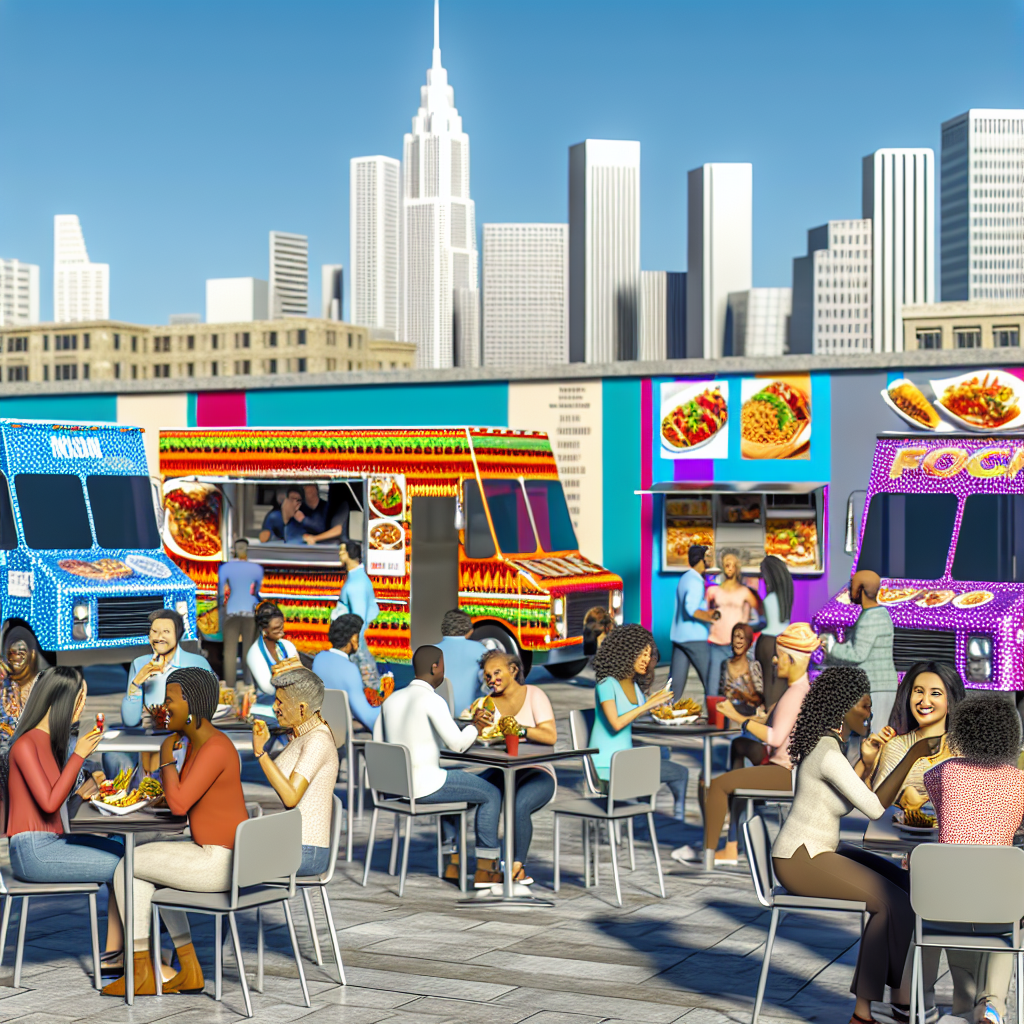
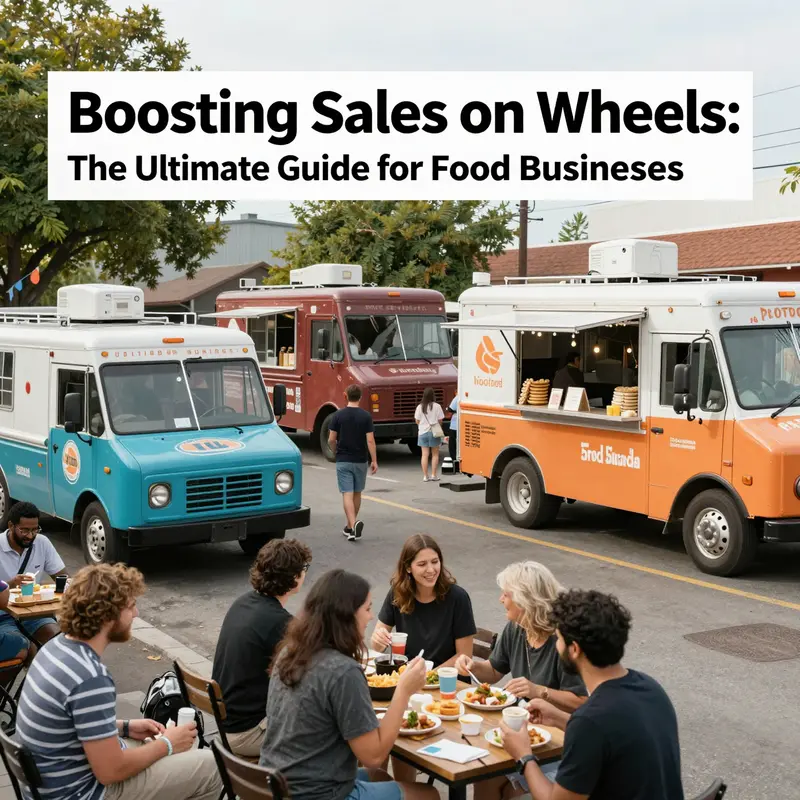
In the vibrant and competitive landscape of food trucks, increasing sales isn’t just about serving delicious food; it’s about creating unforgettable experiences that keep customers coming back for more. Whether you’re an event planner looking to provide great catering, a corporate HR team searching for lunch options, or a food enthusiast eager for the next delicious bite, understanding the multifaceted approach to food truck sales can greatly enhance your experience. Each chapter of this guide will dive into essential strategies: leveraging digital tools, optimizing locations for maximum visibility, and implementing effective social media strategies. Together, these insights will equip food truck owners and their clients alike to thrive in a bustling market while revealing the deliciously unique potential that food trucks offer.
From Wandering Kitchen to Data-Driven Brand: Harnessing Digital Tools to Grow Food Truck Sales
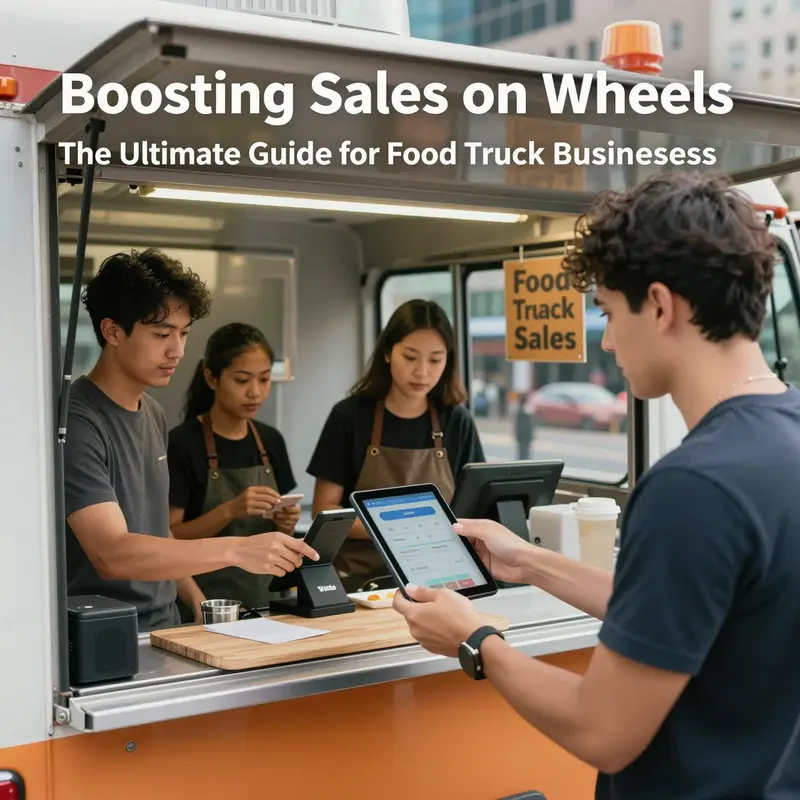
A food truck lives at the intersection of craft and commerce. It moves with the city’s rhythms, yet its success hinges on something more enduring than a clever recipe or a perfect grease trap. Digital tools, when woven into daily operations, reveal patterns that were invisible before. They turn a mobile kitchen into a disciplined sales engine that can anticipate crowds, optimize contact with customers, and turn one-off visits into repeat business. The aim is simple in theory and ambitious in practice: use technology to deliver a faster, friendlier, and more personalized experience while extracting insights that guide smarter decisions about location, pricing, and product mix. When done well, the truck becomes a living case study in how data, design, and dialogue can lift revenue without sacrificing the human touch that makes the experience memorable.
The most immediate changes come from a digital point-of-sale system that does more than ring up orders. A modern POS can track sales in real time, flag inventory depletion, and surface peak demand periods with a clarity no handwritten ledger could provide. It maps the day’s tempo—from the first hour of the morning rush to the lull after lunch, through late afternoon strolls in busy neighborhoods. With real-time data, a truck operator can allocate staff where the demand actually exists, not where theory says it should be. It also builds the backbone for sales predictability. If yesterday’s data showed a two-hour window when the line consistently lengthened around a particular item, the truck can pre-prepare or adjust offerings to capture that incremental revenue next time. In practice, the difference isn’t in a single dramatic pivot but in consistent, small optimizations that accumulate into substantial growth.
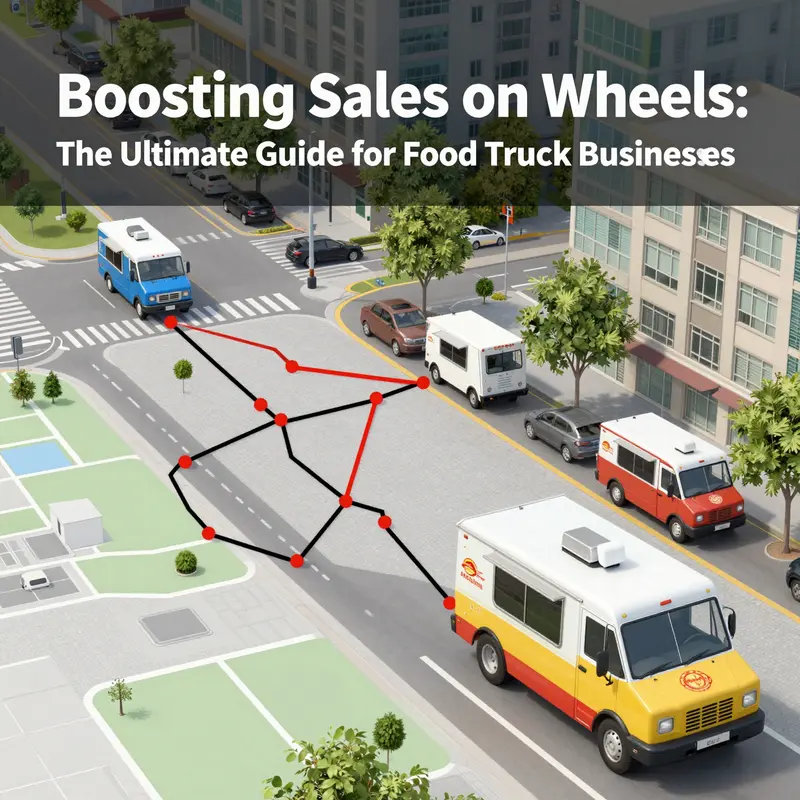
Beyond the register, digital tools extend outward to the truck’s footprint and its relationship with customers. GPS-enabled tracking can be a lifeline for someone who needs a quick lunch on a tight break or a worker who seeks a reliable weekly ritual. Real-time location data lets a customer know where the truck will be and when, reducing uncertainty and wait-time anxiety. When combined with a simple advance-order feature, the customer experience shifts from reaction to anticipation. A worker can place an order on the way to the office, and the truck can prepare a fresh batch so that the pickup is nearly instantaneous. This is not about eliminating spontaneity, but about honoring it with a smoother, speedier transaction. In a city where every minute counts, the ability to estimate wait times and provide a ballpark window for pickup is a powerful differentiator.
Promotions and loyalty live most effectively at the intersection of convenience and personalization. A digital platform makes it easy to deliver timely, targeted offers. Push notifications can announce a limited-time item during off-peak hours to drive footfall when the street is quiet. A simple points-based loyalty program, tied to the customer’s app or phone number, rewards every dollar spent with a future discount or a free item after a set threshold. The math is straightforward: if a customer visits more often, they spend more, and because the program is automated, the cost of sustaining it remains tightly controlled. A 2026 industry assessment notes that businesses implementing automated promotional alerts via SMS or app notifications enjoy higher retention and more predictable visit patterns—up to a 25% increase in customer retention. The takeaway is not over-promising a magic boost but building a reliable cadence where regulars are recognized, and new customers feel welcomed enough to return.
To convert attention into actual purchases, the truck must meet customers where they already spend time: online. Social channels become the storefronts and the story-tellers for the brand. Instagram, Facebook, and short-form video platforms can showcase sizzling dishes, behind-the-scenes prep, and live updates from the truck’s current location. The content should feel human, not polished to a level where it reads like a commercial. A steady stream of authentic posts helps build a sense of community. Followers become an audience that will share, comment, and show up when their feed announces a new item or a pop-up event. Partnerships with local influencers and nearby businesses can extend reach even further. The goal is not to land one viral post but to cultivate a steady stream of engagement that travels from online to offline footfall.
An underutilized yet increasingly powerful digital tool is the QR code. A unique, trackable QR code on packaging or the menu can direct customers to an online experience that feels tailor-made, rather than generic. A scan could invite someone to join a loyalty program, enter a giveaway, or redeem a discount targeted to their past behavior. Because the QR code links are trackable, each scan adds a new data point about customer preferences. This enables a one-to-one marketing approach that feels personal rather than mass. When customers see that their preferences influence rewards or special offers, they are more likely to engage again and to share their positive experiences with friends. The QR code acts as a bridge between the physical and digital worlds, turning a quick bite into a data-rich encounter that informs future menus and marketing messages.
To scale these digital touchpoints into a wider operational advantage, many operators are turning to multi-channel e-commerce platforms that support not only direct consumer sales but also partnerships with larger distributions. A S2B2C approach allows the truck to participate in wholesale arrangements with organizations that need convenient, high-quality meals at scale, such as office parks, event organizers, or community groups. This shifts some revenue from pure walk-up sales to scheduled orders and collaborations, creating a steadier revenue stream and reducing the volatility that can come with relying solely on street traffic. It also pools purchasing power for supplies, enabling centralized procurement and better price negotiation without sacrificing the freshness and locality that customers value.
The interplay between digital tools and branding should not be overlooked. A strong brand identity makes a digital touchpoint feel coherent with the physical experience of the truck. Visuals—color, typography, and imagery—should carry through from the packaging to the online profiles and the QR-driven journeys. A well-executed branding strategy increases perceived value and willingness to pay. It also helps customers recognize the truck across different locations and events, turning each encounter into part of a recognizable, dependable story. For operators who want to see how branding and digital engagement reinforce each other, a visit to dedicated resources on truck graphics and identity can be enlightening. In the spirit of practical, hands-on guidance, consider exploring branding on wheels: the ultimate guide to food truck graphics and identity to align your physical presence with your digital presence. branding on wheels: the ultimate guide to food truck graphics and identity.
The real power of digital tools, however, lies in their capacity to generate insights. Every transaction creates data—what was ordered, when the order was placed, how long people waited, which items were swapped, and who redeemed a loyalty reward. Over weeks and months, these data accumulate into patterns that inform decisions about menu design, pricing, and location strategy. The classic formula for location planning becomes a living, data-informed practice. Consider the daily operating costs and the average ticket price to understand the break-even point at a given location, but supplement that with observed traffic patterns. If a certain route consistently yields faster turnarounds and higher average checks, it becomes a candidate for more frequent deployments. If a particular dish receives consistently longer wait times without corresponding demand, the operator can adjust the workflow, refine the recipe, or promote a different, equally appealing option during peak hours.
This data-driven approach extends to experimentation with dynamic pricing. In off-peak windows, small price incentives can stimulate demand without eroding margins. Early-bird discounts at lunchtime or a two-for-one deal on select items during slower periods can move a quiet day into a productive one. The beauty of digital platforms is that the effect of these adjustments is trackable in near real time. You can compare the same hour across multiple days, assess the lift in traffic, and measure whether the incremental revenue covers the discount it required. If the math works, the practice scales across routes and events. If not, it’s easy to pivot without a lasting impact on core product quality or brand perception.
The journey toward a scalable, data-informed model is not about chasing every new gadget but about weaving the right tools into the truck’s operating fabric. Start with a capable POS that offers inventory visibility and real-time sales data. Layer on location awareness and the option for customers to order ahead. Add loyalty and targeted promotions that reward behavior rather than simply spending. Integrate social media as a two-way channel that amplifies reach while collecting feedback. Use QR codes to connect physical packaging with digital experiences that reward repeat engagement. Explore partnerships through a modern e-commerce framework that can extend your footprint beyond the curb and into scheduled programs and events. Each piece reinforces the others, creating a cohesive system where data informs action, and action reinforces customer trust and loyalty.
The more you treat digital tools as a strategic partner, the more you’ll notice the difference in day-to-day operations. The truck stops being a standalone stall and starts acting like a portable, customer-centric hub. You see who returns, how often they visit, and what they crave. You learn which routes deliver consistent crowds and which hours are most forgiving of mistakes. You test ideas quickly, measure outcomes, and iterate. And you do it all without sacrificing the human relationship that makes a food truck special—the sense that someone is crafting your meal just for you, in a space that feels both familiar and exciting. In this model, technology serves not as a replacement for hospitality but as a facilitator of hospitality at scale.
For operators who want to connect this approach to practical, on-the-ground actions, a gentle, incremental rollout tends to work best. Begin with a robust digital POS and a GPS-enabled location plan. Pair this with a simple loyalty program and a QR-based customer journey that rewards engagement. Then, gradually expand social media activities, aligning posts with the truck’s physical moves and menus. Finally, explore small-scale partnerships and an evolving S2B2C framework to test new revenue streams without overextending. The aim is steady, sustainable growth rather than a single dramatic spike. When these elements are in balance, the food truck earns a stronger presence in its community, a more predictable revenue stream, and a brand that travels with confidence and clarity across neighborhoods, events, and office parks alike.
The path to growth through digital tools is not a one-off choice but a continuous practice. It asks the operator to listen to data, respond with intention, and cultivate a brand voice that remains human even as the technology becomes more sophisticated. If a truck can maintain that balance—speed, personalization, and reliability—then the city’s eyes will follow, and the line will grow not from chance but from a well-executed, scalable, customer-centered strategy. In a landscape where foot traffic ebbs and flows with weather, commute patterns, and seasonal events, digital tools offer the ballast that keeps sales steady and growing. They help you see the city as a moving ecosystem rather than a series of isolated stops, and they invite you to participate in that ecosystem with clarity, consistency, and care.
External resources can deepen the framework described here. To explore the broader landscape of digital marketing tools and their impact on sales performance, consider reviewing established analyses such as the MBA Library resource on how digital marketing tools can boost sales performance. This background supports a practical, data-informed approach to every decision a food truck makes—from when to deploy to where to locate and how to engage customers most effectively. External resource: How to Use Digital Marketing Tools to Boost Sales Performance.
In sum, leveraging digital tools for a food truck business means more than installing keyboards and apps. It means building a disciplined workflow where data, engagement, and branding work in harmony. It means turning every customer interaction into an insight and every insight into a smarter, more responsive operation. It means expanding beyond the curb with a scalable model that preserves the warmth and immediacy customers expect from a mobile kitchen. When you align technology with a genuine commitment to convenience, consistency, and community, you don’t just sell more food—you create a memorable, repeatable experience that customers want to chase again and again, week after week, across the city’s ever-changing street-scape.
null
null
From Posts to Plates: Social Media Tactics That Convert Clicks into Customers for Your Food Truck
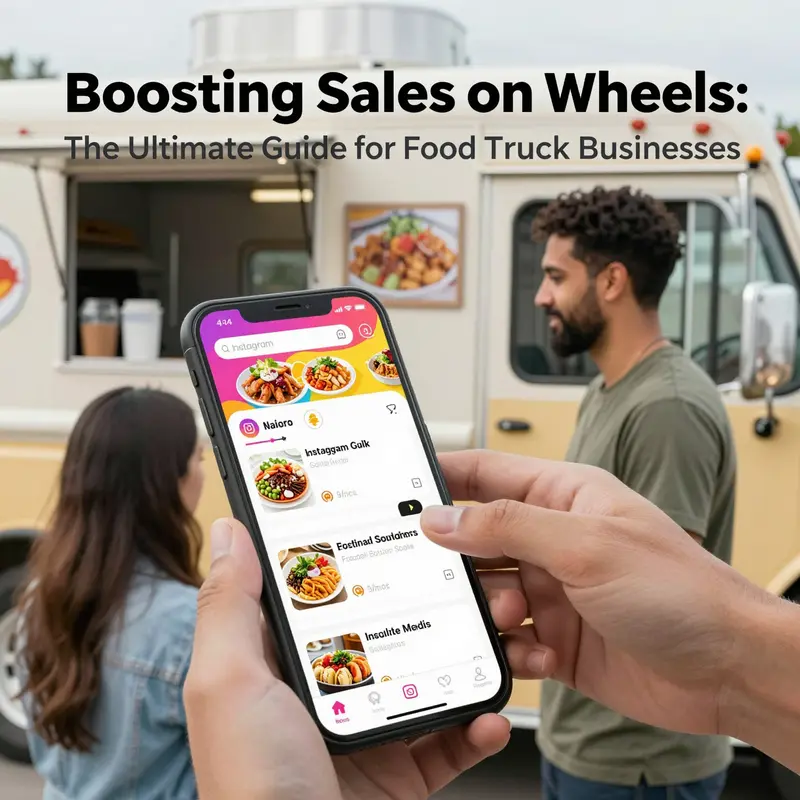
Social media has transformed the way a mobile food business speaks to its neighborhood. The truck that used to rely on corner visibility now negotiates attention in a crowded digital street, where every post, story, and comment can become a queue of hungry customers lining up at the window. In this chapter, the aim is not to narrate a tutorial about posting cadence in isolation but to weave a living, breathing strategy that aligns social content with real-world foot traffic and sales. The challenge and opportunity lie in turning online engagement into tangible, measurable outcomes on the curb. Put simply, social media should be a tool that makes your next location busier and your next menu item more anticipated, not just a gallery of pictures you post while you drive between stops. When done well, a few well-timed posts can translate into a line around the block, a longer corner-to-window queue, and more repeat visitors who come back not just for a single dish but for the experience your brand consistently promises.
The core premise begins with visual storytelling. Food is a sensory product, and social platforms reward imagery and motion that evoke appetite. High-quality photos and short videos of your most popular dishes, the sizzling sound of a grill, a drizzle of sauce, or a carefully plated bowl can make the viewer almost smell the aroma through the screen. This is not about overproducing content; it is about crafting moments of tangibility. The truck’s daily routine, once invisible to the casual passerby, becomes a narrative arc—early morning prep, the first customers’ reactions, a special limited item announced on the spot, the rush that follows, and the triumphant close when the last orders disappear. Each day offers new chapters, and audiences tend to become loyal readers when they feel invited into this ongoing story.
A practical starting point is establishing a few content pillars that reflect both your culinary identity and your local relevance. For a food truck, these pillars can include: a) menu moments that showcase specific items in close-up, b) behind-the-scenes glimpses that humanize the crew and reveal the craft, c) real-time location updates that turn each stop into a micro-event, and d) community connections—collaborations with nearby businesses, local events, and user-generated content from customers who want to share their experience. The idea is to present a balanced mix that feels authentic rather than manufactured, so followers perceive your brand as approachable and reliable, not merely promotional.
The social media platform landscape is best viewed as a spectrum rather than a hierarchy. Visual platforms—Instagram, Facebook, and TikTok—are where appetite and personality converge. Instagram allows you to curate a visually cohesive feed and harness stories for ephemeral updates; Facebook offers a robust event and community-oriented ecosystem; TikTok rewards short, dynamic clips that can quickly go viral, especially when tied to local trends or challenges. Each platform serves a distinct purpose, but the objective remains consistent: to spark discovery, convey trust, and drive people to your physical location at a predictable time. The first requisite is consistency: consistency in posting, in tone, and in the way you present your food. A steady rhythm helps potential customers recognize your brand in a crowded feed and remember you when they need a quick lunch or dinner decision.
Consistency, however, is not mere repetition. It also includes the cadence of your reveals and the variety of your formats. Some days call for a glossy shot that emphasizes color and texture; other days benefit from a quick, raw clip of the grill in action or a candid interview with a team member describing a dish’s inspiration. The audience learns to expect certain moments—today’s special, a behind-the-scenes technique, or a shout-out to a nearby business partner. The more reliably you deliver these moments, the more your followers perceive you as a local institution worth visiting. And as your brand becomes more recognizable, the likelihood that a follower becomes a foot traffic customer grows substantially.
Engagement is the currency of social success, but engagement without direction can be a mirage. To convert likes into visits, you need purposeful interactions that invite action. Polls, prompts, and questions are not filler; they are invitations to participate in the day’s story. A simple poll about which of two new sauces should be featured at today’s stop transforms passive viewers into active participants who anticipate the outcome. Quick Q&A sessions during slower periods can convert idle time into value for your audience by answering questions about dietary options, sourcing, or preparation techniques. The intention is to foster a sense of co-ownership: your audience helps shape your menu and experience, which in turn deepens their emotional connection and willingness to pay a premium for the brand they helped build.
A key tactic is to leverage real-time updates tied to your truck’s exact location. Geotagged posts and location pins turn every stop into a mini-event rather than a one-off transaction. For instance, a bite-sized video announcing your arrival at a bustling office park with a quick show of the menu’s highlights can trigger impulse visits from nearby workers who see the post during a break. Story features on Instagram and Facebook are especially effective for this dynamic because they disappear after 24 hours, so there is a built-in urgency to visit before the window closes. This sense of immediacy is not simply about fear of missing out; it reinforces the social proof that others are already there enjoying the experience. When a local crowd begins to appear at a specific location after a post, it becomes a self-reinforcing signal that encourages more customers to join in.
The content plan should also account for the personality of your brand. A bright, playful voice works well for some concepts, while a more rustic, craft-focused tone may suit another. The brand voice should feel natural on camera and in captions. It should reflect your values, whether that’s sustainability, community focus, or culinary innovation. In addition to voice, visuals matter. Consistent color grading, logo placement, and typography help your feed look like a cohesive channel rather than a random collection of snapshots. The “branding on wheels” approach, which emphasizes a strong, recognizable identity—including graphics, color palette, and logo usage—can be reinforced through social content. A dedicated post series that explains the backstory of a dish, the sourcing of ingredients, and the team behind it builds trust and makes the everyday hustle feel meaningful. For readers who want a deeper dive into the visual identity of a food-truck brand, the guide to branding on wheels offers a comprehensive framework that can be applied to a mobile operation.
This is where the internal link becomes valuable. A well-executed brand identity is inseparable from online behavior. The visually coherent presentation you maintain on social channels sends signals about reliability and value, and those signals influence whether a passerby converts into a customer. See the branding resource for more on how graphics and identity can reinforce what people see online and in line at the window: branding-on-wheels-the-ultimate-guide-to-food-truck-graphics-and-identity. The synergy between in-person experience and online presentation matters because people’s expectations are formed in the digital space before they step into the physical space.
But social media is not a one-way street. It thrives on conversation, not simply broadcasting. The moment a follower comments on a post or asks for the spicy level of a sauce is an opportunity to deepen engagement. Prompt responses, friendly tones, and the willingness to adapt to feedback create a perception of customer care and community orientation. Prompt responses also feed algorithmic visibility. Platforms reward timely replies and meaningful interactions with higher distribution, which means more people see your content and, crucially, more potential customers make the leap from screen to street. The engagement signals you cultivate—comment replies, reshared user content, and positive testimonials—compound over time. A community that feels heard is more likely to become a loyal customer base that shows up not only for the food but also for the shared experience you steward.
Influencer collaborations are a natural extension of social strategy for a food truck. Local micro-influencers, food bloggers, and neighborhood personalities can introduce your brand to audiences that you might not reach through organic posting alone. The most effective partnerships are grounded in authenticity: align with partners who genuinely appreciate your menu, have audiences that overlap with your locale, and bring content formats that resonate with your plan. A successful collaboration should feel like a natural integration into your day’s story rather than a forced advertisement. For instance, a quick tasting session with an influencer in a live video from your location can generate immediate interest and lead to a surge of visits as followers rush to replicate the experience themselves. Equally powerful are user-generated content campaigns in which customers share their own photos and captions using a simple, shareable hashtag. When people see real stories from real customers, it strengthens trust and expands reach in a way that sponsored posts alone rarely achieve.
Targeted advertising should not be neglected, especially when you know your peak stop patterns. Local, location-based ads that spotlight a limited-time offer or a new menu item can be highly effective during lunch hour at business districts or after-hours near entertainment hubs. You don’t need a heavy budget to make a meaningful impact; micro-targeted campaigns that emphasize proximity and intent often yield more efficient results than broad, generic ads. The beauty of social media advertising in this context is that you can test, measure, and adjust quickly—experiment with different visuals, headlines, and calls to action, and observe what prompts the fastest shifts in foot traffic. A disciplined testing approach helps you refine your creative and offers so that your next post or story is more likely to convert a scroll into a line at your window.
Measurement is the backbone of any growth strategy, and social media is no exception. While vanity metrics like follower counts are easy to track, the real value lies in how online activity translates into visits and revenue. A simple dashboard that tracks engagement rate, saves or shares, comments, and click-throughs to a reservation or pickup page is essential. Yet the most important metrics for a food truck are the ones that connect directly to sales: daily stops, average order value, and redemption of location-based offers. A practical aim is to achieve a visible lift in foot traffic at your known stops and to correlate that lift with specific campaigns or content themes. For example, a post featuring a limited-time item with a clear call to action can be reviewed against the following day’s sales data to assess impact. This data-driven approach helps shift resources toward content and experiences that reliably move customers from screen to street.
A central driver of social growth is community integration. A food truck does not exist in a vacuum; it thrives at the intersection of food, people, and place. Businesses near offices, campuses, gyms, or transit hubs represent potential recurring audiences, and social content should reflect those rhythms. A “daily rhythm” approach can be helpful: confirm a predictable daily stop pattern, announce it in advance, and then post live updates as you move through the route. The audience learns your itinerary, and those who are nearby can plan to visit. The real magic happens when content invites collaboration with the local community. Feature other small businesses you encounter on the route, celebrate local events, and participate in neighborhood conversations. The more your feed reflects the neighborhood’s life, the more people will perceive your truck as part of the community rather than a temporary visitor.
Sustainability and transparency reinforce the trust you cultivate online. Consumers increasingly prefer brands that align with eco-friendly practices, and your social presence is a powerful channel to articulate those values. If you use compostable packaging, locally sourced ingredients, or a zero-wail kitchen policy, share that story in posts and captions. Show the practical steps you take: how packaging is sourced, how waste is minimized, and how suppliers are chosen. When audiences see these commitments embodied in your daily operations, they perceive added value and are more willing to support your business at a premium. The social feed then becomes a vehicle for demonstrating accountability and impact, not merely a gallery of appetizing dishes.
The arc of a successful social strategy for a food truck is not a single post or a single campaign. It is the ongoing, adaptive practice of turning online attention into real-world visits. The numbers you cite—the 45% uptick in engagement reported by consistent, visually driven campaigns, or the 25% rise in customer retention associated with digital POS-enabled communication—are not abstract tallies. They are proof that digital tools, when employed with empathy and context, can deepen relationships and stabilize revenue. The key is to design every piece of content with intent: what action do you want viewers to take, what story are you telling, and how does this piece move you toward your next stop and a repeat visit?
In the end, social media is most effective when it amplifies a comprehensive operational strategy. It supports a reliable set of location stops, a compelling menu story, and a brand identity that feels personal and local. If your operations can deliver high-quality food quickly and consistently at each stop, your social content will naturally reflect that reliability and become a magnet for new and returning customers. The channel should reflect not just what you cook but how you cook it, who makes it, and why the community should care. It should also reinforce your broader business model, which may include pre-orders, event catering, or partnership opportunities that expand revenue streams beyond the truck window. The social narrative, in short, is the daily witness to your brand’s growth and its commitment to serve better, faster, and with greater relevance to the people who matter most—the neighbors who share the street with you.
External resources can provide a broader view of how social media trends shape consumer behavior and advertising effectiveness. For further reading on trends and practical strategies, see the external resource linked here: https://www.hootsuite.com/resources/social-media-trends/2023-social-media-trends
Final thoughts
In conclusion, the journey to boost sales for your food truck business goes beyond just whipping up tasty dishes. It involves utilizing digital tools that create seamless customer interactions, strategically planning your locations for optimal visibility, and engaging with your audience creatively through social media. By embracing these strategies, food truck owners can enhance their market presence, captivate their audience’s attention, and build a loyal customer base. So, whether you’re an event planner looking to cater a special event or an individual consumer searching for your next favorite eat, remember that there’s a vibrant world of mobile cuisine waiting to delight your taste buds and your senses.