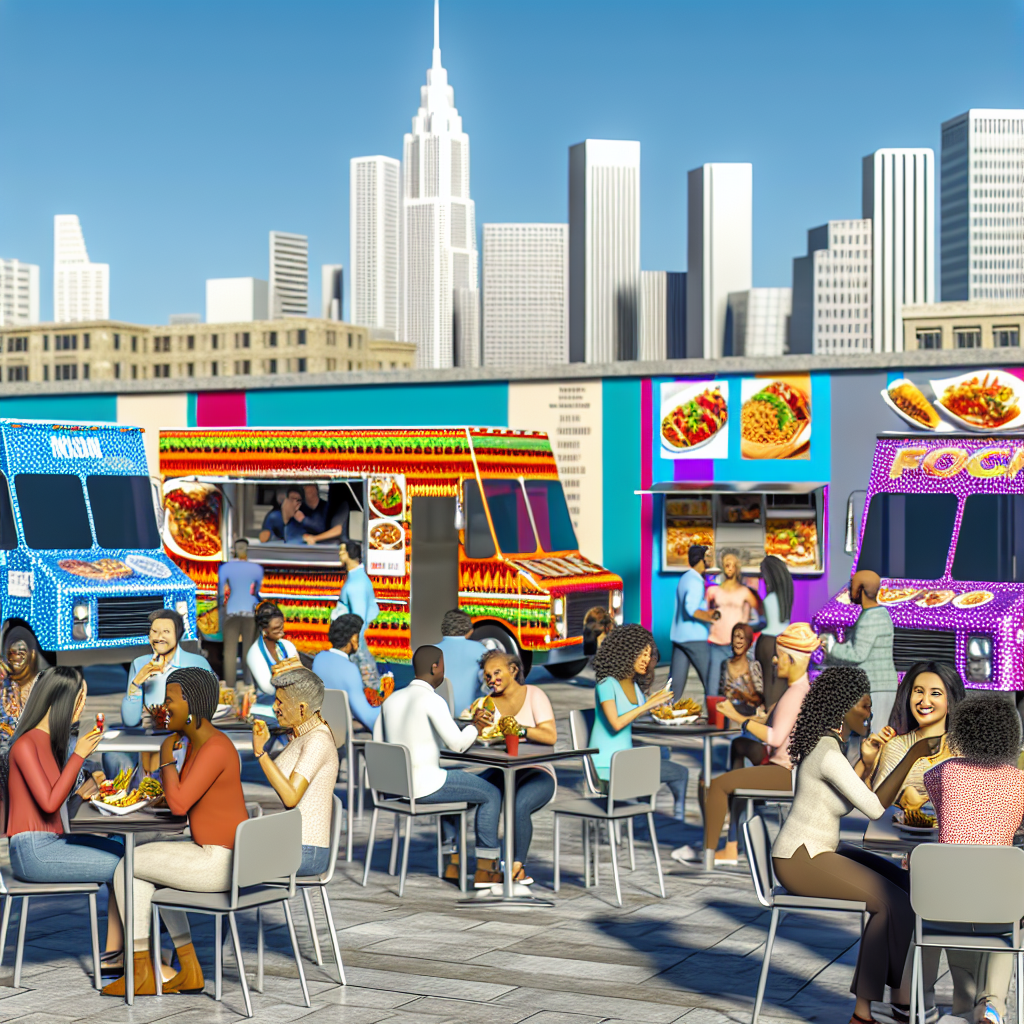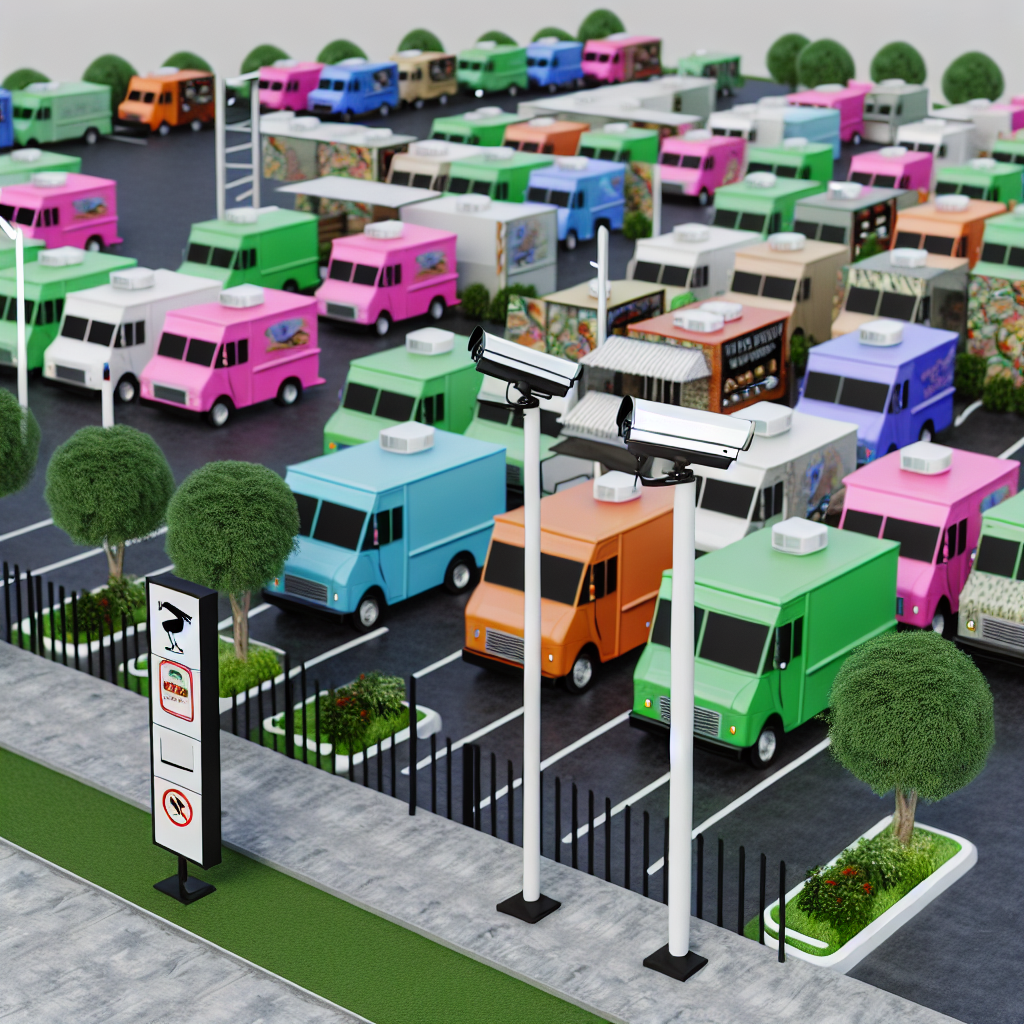
Renting space for a food truck isn’t just about finding a spot; it’s about crafting a culinary experience that delights every patron. Whether you’re an event planner seeking unique food options for a gathering, a corporate HR team looking to treat employees, or a foodie curious about the mobile food ecosystem, understanding the steps involved in securing rental space for a food truck is essential. As we embark on this flavorful journey, this guide will not only help you identify prime locations and navigate regulations but also streamline applications and highlight unique platforms—empowering you to bring vibrant meals on wheels to your locale.
Finding the Right Ground: Identifying and Securing Space for Your Food Truck
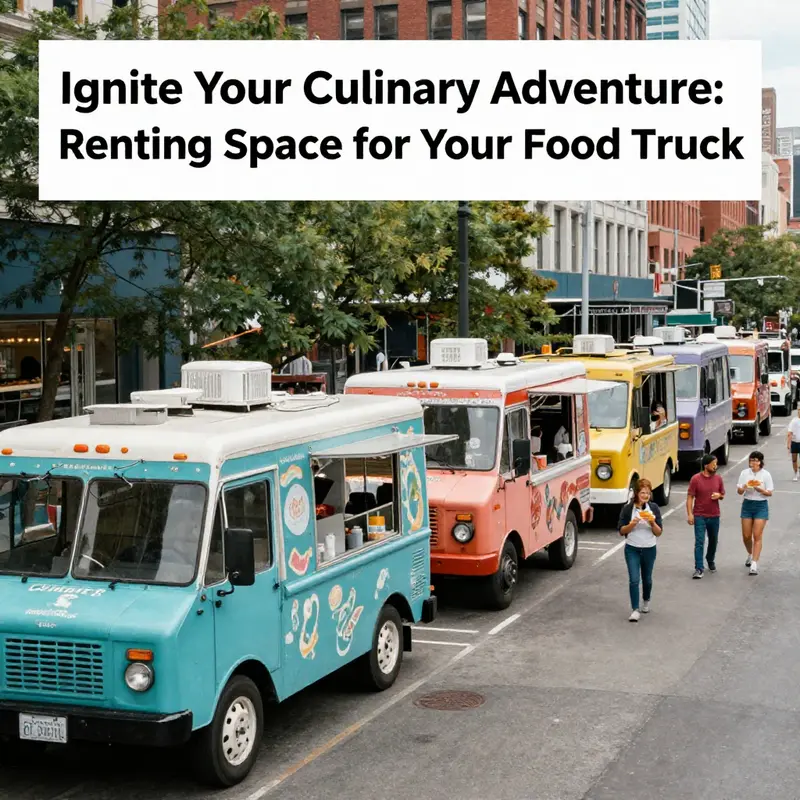
Choosing where to park and operate a food truck is a decision that blends strategy with practicality. It is not just about visibility; it is about sites where your concept can breathe, customers can sample a few items, and regulations will not derail a busy lunch rush. Start with your brand and menu, then map the urban fabric: where people gather, when crowds surge, and which spots align with permitting rules. The result is a curated list of viable spaces, not a blind push for the first available slot.
Public markets, food halls, and office districts often offer steady foot traffic and predictable rhythms that help with forecasting and inventory. Parks, campuses, and event venues can also be lucrative when paired with seasonal or recurring events. More recently, food truck parks or courts provide infrastructure and a supportive ecosystem that reduces the loneliness of the street during lulls.
Regulatory clarity is as important as location. In many regions, operators must verify that a site is legally permitted for vending and cooking, and understand zoning, distance restrictions, and licensing requirements. A designated mobile vendor zone can simplify permits, while other sites may require special licenses or temporary permissions. Keeping a living file of permissible sites, restricted areas, and permit expirations helps you stay two steps ahead instead of chasing a moving target.
Longer term, the path to securing space often follows two tracks: official channels with tenders or leases, and private arrangements with shopping centers, universities, or event organizers. Each route brings different timelines, terms, and infrastructure needs such as electricity, water, storage, and waste management. Platforms that connect vendors with spaces, along with municipal portals that publish opportunities, can reveal openings that are not visible through traditional channels. The right location aligns with your brand story, supports your service model, and fits sustainable and safety standards. Start small with tests at markets or events to validate your menu and flow before committing to a long-term lease, and use the experience to strengthen future proposals or bids.
Navigating the Rules of the Road: A Cohesive Path to Renting Space for Your Food Truck

Stepping into the world of mobile food service means stepping onto a map that blends appetite with policy. A great recipe can attract crowds, but the space you rent—the curb, the lot, the market square—will determine whether your truck becomes a beloved local staple or a costly detour. The journey to finding and securing that space begins long before you steam your first bun. It starts with a clear understanding of the rules that govern where you can operate, what permits you must secure, and how long a space is truly yours. In practice, this means building a plan that respects zoning, health standards, parking rules, and the realities of local governance. When you weave compliance into your strategy, you turn a potentially risky leap into a structured ascent, one that can scale from a single test-day at a farmers’ market to a long-term lease at a purpose-built space.
First, you assess potential locations with a practical eye. Public markets and farmers’ markets are often welcoming to mobile vendors, but they demand adherence to schedules, inspection routines, and community guidelines. Business districts and office parks offer predictable lunch crowds, yet they may require a formal permit to park, display, and service within designated hours. Parks and recreational areas can host seasonal or event-based operations, with paths laid out by park management and sometimes by municipal parks departments. Event venues and festivals present high foot traffic, but they also come with seasonal calendars, payment structures, and sanitation expectations. Then there are dedicated food truck parks, which are increasingly visible in urban cores. They provide built-in audiences and shared infrastructure, but they come with collective rules and a common timetable for neighbor vendors.
The literature of renting space for food trucks becomes even more interesting when you look at official, structured opportunities that blur the line between private venture and public project. In some jurisdictions, governments run lease programs designed to foster vendor ecosystems. A notable example is a county-level initiative that offers long-term leases—up to a decade—in spaces crafted for market activity and vendor development. These tenders usually demand a rigorous application package and are governed by precise planning and design guidelines. In such contexts, the process is less about a single lease and more about a strategic engagement with municipal goals: how your space integrates with a broader marketplace, how your operations align with public safety and sanitation standards, and how your presence supports neighborhood vitality. The experience in Wuxuan County illustrates this approach: the lease process is highly structured, applicants must be legal entities, and proven experience with government or state-owned market renovations is essential. A project implementation plan and a design proposal are not optional add-ons; they are the heart of the bid. The winner gains exclusive rights to develop and operate the space under explicit regulatory frameworks. Reading this kind of tender is less about a one-off rental and more about a long-range partnership with the community.
To navigate these options effectively, you need to balance appetite and obligation. Location matters, but so does the rhythm of your compliance program. It is tempting to chase the most visible spot; yet visibility without compliance can erode profit quickly. That is why a robust set of checks—permits, licenses, health approvals, and zoning compliance—should accompany any scouting trip. Permits are not mere formalities. They define what you can sell, when you can operate, and how your team must behave in and around customers. A mobile food vendor license, health department approval, and a valid business tax registration are common pillars of legitimacy. Zoning laws can restrict activity to designated zones or limit hours of operation. Parking restrictions may require a special permit if the truck is stationed for an extended period. These layers of regulation are not obstacles to be circumvented; they are the backbone of responsible operation, building trust with customers and with the communities that host your truck.
When you are ready to move beyond reconnaissance, the path to application is equally important. If you are attracted to formal lease opportunities, you will typically apply through official channels: government portals, tender dashboards, or municipal procurement platforms. The application itself often asks for a complete business plan, proof of insurance, financial statements or credit history, and evidence of experience in similar settings. The tender may require not only a general plan but also a detailed project implementation plan and a design proposal that shows how you will layout the space, how you will manage waste, and how you will meet safety and accessibility standards. A well-prepared submission does more than describe a tasty menu; it demonstrates logistics discipline, reliability, and a vision for integrating into the local economy. It is a demonstration of your ability to be a good partner to the community and to the city. In some cases, the government will prefer bidders with prior government or state-owned project experience and a track record in large-scale renovations or public-space development. If you have not built such a portfolio, frame your proposal to show transferable strengths—team experience, disciplined project management, and a clear plan for meeting stringent regulatory expectations.
The formal path is not the only route. Private operators—malls, shopping centers, and event organizers—also rent spaces to food trucks. These agreements can be simpler and faster but may come with higher rent, tighter hours, or stricter rules around alcohol, waste disposal, or noise. The upside, however, is access to stable foot traffic, reliable power, water, and a built-in customer base. The choice between public tender routes and private leases should reflect your business model, your tolerance for negotiation, and your appetite for long-term commitment. Some operators opt to diversify, testing concepts with short-term leases at markets or private spaces while building a portfolio of longer-term placements in privately managed parks or food truck courts. This approach can flatten risk, allowing you to learn customer preferences, refine your menu, and calibrate your operations without signing a single, long-term commitment that could become a constraint if your concept evolves.
Even as you search and plan, technology can be a discreet but powerful ally. Online platforms and classified channels connect operators with available spaces in ways that were unimaginable a decade ago. WeChat mini programs and municipal service apps have become particularly influential in regions where they consolidate licensing, permits, and event listings in one accessible interface. Private groups on social platforms, regional classifieds, and local market boards can reveal opportunities not listed on formal tender portals. The approach to online discovery should be deliberate: set clear alerts, verify the legitimacy of the listing, and cross-check any opportunity with your regulatory checklist before you commit. The goal is to assemble a portfolio of options—short-term test sites that validate demand, plus a mix of longer-term spaces that offer stability as you scale. This layered approach mirrors how a seasoned operator would diversify inventory and capacity across different neighborhoods and seasons.
One of the most compelling reasons to pursue a regulated, formal lease is predictability. Long-term spaces often come with consistent hours, a defined footprint, and a well-understood set of rules for maintenance, waste disposal, and safety protocols. A predictable base reduces the uncertainty of daily operations, enabling you to plan menus, staffing, and supply chains with greater confidence. It also unlocks opportunities for branding and customer loyalty, because a stable presence helps you tell a story that people can follow week after week. Yet there is still value in the experimental mindset. Short-term spaces, markets, and events act as living laboratories where you can test recipes, refine your service model, and learn what resonates with different communities. The balance between experiment and stability becomes a strategic choice: start with a few test sites to prove concept, then expand into longer-term leases where the economics and customer base justify the commitment.
To close the loop on compliance and practice, vendors who pursue long-term opportunities often build a compelling, professional toolkit. They draft a clear business plan that outlines their menu narrative, sourcing ethics, and customer promise. They assemble proof of insurance, financial statements, and evidence of prior experience in mobile or public-facing service. They prepare a robust Operations and Design Proposal that maps out the layout of equipment, waste management systems, and sanitation routines. And they tailor their bids to align with local goals—economic development, neighborhood renewal, and cultural vitality. In regions that emphasize public-private collaboration, your proposal can echo municipal objectives, demonstrating how your presence contributes to the local economy and community well-being. This alignment matters as much as flavor and speed; it helps you move from a commodity space to a valued partner space within the locality.
In practice, you will also want to verify every requirement directly with local authorities. Rules change, and what is permissible today might shift with a new policy or a city-wide initiative. The most reliable path is to build your team’s regulatory literacy as a daily habit: maintain current licenses, monitor compliance calendars, and schedule periodic inspections. Treat your compliance posture as a living document that evolves with your business. When you maintain this discipline, you protect your brand, your customers, and your ability to serve reliably over time. For readers seeking a deeper, structured overview of standard procedures and regulatory expectations across various jurisdictions, an external resource offers a comprehensive guide to understanding food truck rent and the standards that govern it. That guide provides a practical reference you can consult as you craft your own bid or negotiate private space. External resource: https://www.foodtruckrentalguide.com/understanding-food-truck-rent-complete-guide-to-standards
As you begin to write your own path, remember the value of connecting with a nearby or regional community of operators. They can share insights about the realities of each space, the reality of peak hours, and the practicalities of waste disposal and customer service in different settings. A single market stall can become a proving ground for your concept, and from that starting point you can build toward a more expansive, compliant, and resilient footprint. The narrative you construct around your space—your design, your hygiene discipline, your operating hours, and your relationship with the community—will be the most durable asset you carry into every tender and every negotiation. The end goal is not to win the most lucrative lease on day one, but to grow methodically, with a clear understanding of the regulatory landscape and a credible, lived experience of operating in the spaces you want to occupy.
To deepen your knowledge about navigating the regulatory landscape, you can explore a detailed, practical perspective on this topic in the linked resource above. And when you’re ready to dive into a specific jurisdiction, use the internal reference to read about Navigating Food Truck Industry Regulations. This template helps you align your plans with the realities of local governance, ensuring that your culinary ambitions can travel as far as your ambition desires without getting stalled by red tape.
With a clear map of the opportunities and a firm grip on what regulators require, you can approach space rental as a strategic project rather than a gamble. Start with the credible test runs in markets that welcome new ideas, then gradually graduate toward spaces with lasting potential. Each step should reinforce your brand, reinforce your compliance posture, and reinforce the trust that customers place in you. The road from kitchen to curb is as much about discipline and process as it is about taste and speed. When you treat the space as a partner—and you treat compliance as a shared responsibility—you build a foundation that can carry your food truck from the first launch to a sustainable, long-term presence in the neighborhoods you serve.
Getting a Space to Roll: A Practical Guide to Renting Food Truck Venues

Renting space for a food truck is more than finding a parking spot. It’s about negotiating a place where your food can meet hungry neighbors, building a predictable routine for your crew, and aligning with local rules that keep your operation healthy, visible, and sustainable. The path isn’t always linear, but with a steady approach you can move from concept to line of customers with confidence. The journey begins with clarity about needs and ends with a lease that respects both your business goals and the community you serve.\n\nFirst, you narrow your options by identifying spaces that naturally fit the tempo of your business. Public markets, farmers’ markets, and festival grounds are traditional starting points because they bring in foot traffic and create a testing ground for your concept. Here you can observe what draws crowds, how long people linger, and what kind of lines your setup invites. This isn’t simply about showing up with a cart and a dream; it’s about tuning your brand to a specific cadence of people who are primed to try something new. If a market is a weekly event, you can map seasonal shifts, peak hours, and the days when competition is most fierce. If the venue is a private lot or a corporate campus, your schedule begins to resemble a beat you can repeat, with predictable shifts in customer flow. The more you understand the daily rhythm, the better you can design a menu that adapts to demand and a station layout that speeds service while preserving quality.\n\nSome operators push farther and explore dedicated food truck parks that are popping up in more cities. These spaces offer a built-in audience and a shared infrastructure—power, water, waste containment, and sometimes even a centralized kitchen. A park can shorten the learning curve because it places your truck in a common ecosystem with other vendors who have already negotiated the dance of space, timing, and customer expectations. When you pursue a park, you aren’t just booking a slot; you’re entering a community where standards and routines are established, reducing the friction of operating in a setting that might otherwise feel unstructured. In some regions, governments have actively encouraged the growth of food truck economies through long-term lease programs and carefully designed marketplaces that are tailored to mobile vendors, including those operating on wheels and in temporary structures. These programs recognize that a fleet of compliant, kitchen-ready trucks can become a permanent feature of a city’s culinary landscape, offering both jobs and cultural vitality.\n\nA telling example of formal opportunity comes from a government-driven lease program that targets multi-year development of markets for vendors. In these arrangements, the space is not merely rented; it is crafted as a public–private partnership with explicit expectations about planning, design, and performance. The successful bidder commonly gains exclusive rights to develop and operate the space under clearly defined guidelines. While the details vary—some programs require that applicants are legal entities, and that they have prior experience managing large-scale market renovations—these tend to share a commitment to safety, hygiene, and a predictable customer experience. If you’re considering this route, you’ll be navigating a structured process that tests more than your cooking; it tests your ability to plan, collaborate with authorities, and deliver a consistent customer journey across seasons and events.\n\nWhether you pursue public or private spaces, your next step is to understand the regulatory landscape. Local regulations cover where you can operate, what licenses you need, and how you must handle food safety, waste, and vehicle compliance. This is not a hurdle so much as a framework that protects customers and vendors alike. Before submitting any application, verify the zoning laws of your desired area. Some districts welcome mobile vendors in core commercial zones, while others restrict where a truck can park, how long it can stay, or what hours it can operate. Then line up the necessary licenses: a business license to operate legally, a mobile food vendor license or permit, and a health department clearance that confirms your food handling, refrigeration, and sanitation meet required standards. In many places, you’ll also need vehicle inspections or approvals for your fire suppression system and gas setup. The point is not to collect paperwork for its own sake, but to demonstrate that your operation is prepared to serve safely and reliably.\n\nIn parallel, you should assess the specific documentation and documentation standards expected when applying for space. When a tender or lease invitation is public, organizers often require a detailed business plan, proof of insurance, financial statements, and proof of experience. The most formal opportunities may ask for a Project Implementation Plan and a Design Proposal that show how you will use the space, how you will manage safety and waste, and how your branding and customer flow will integrate with the site’s design guidelines. The Wuxuan County example illustrates this principle vividly. In that scenario, applicants were required to be legal entities, to demonstrate prior government or state-owned market renovation experience, and to submit comprehensive plans that narrated not only a concept but a structured approach to execution. The winner would gain exclusive rights to operate within the space under strict planning guidelines. It is a reminder that public opportunities demand not only culinary skill but a disciplined, strategic presentation of capability and consistency.\n\nAs you map out your own approach, you should also weigh the benefits and tradeoffs of private operators. Some landlords, whether in malls, office parks, or nightlife districts, rent out space to food trucks on a rolling basis for lunch hours or after-work crowds. Private venues can provide more predictable foot traffic and, in some cases, more favorable payment terms or longer operating windows than city-run markets. The tradeoff is cost and sometimes tighter constraints on hours, alcohol policies, or sales of certain items. This is where a clear budgeting framework becomes essential: you need to understand not only the monthly rent or per-visit fee but also utilities, waste management, insurance costs, staff overtime, and the potential impact of seasonal fluctuations in demand. A well-constructed financial plan helps you decide whether a long-term lease in a park or a shorter, event-driven engagement at a festival is the right move for your concept at this stage of growth.\n\nIn many regions, the landscape is increasingly navigated through online platforms. Platforms that connect operators with spaces come in a range of models—from city-managed portals listing official vendor stalls to private platforms that aggregate available hours in shopping centers and campuses. The use of digital tools is not merely a convenience; it’s a way to access opportunities that would be cumbersome to locate by walking through every block. When you apply through these channels, keep your online materials polished: a compact menu snapshot, a high-quality vehicle photo, a concise safety record, and a look that communicates your concept quickly to decision-makers who may be scanning dozens of proposals. Your business case should emphasize brand clarity, operational reliability, and your capacity to manage waste and sustain hygiene under real-world conditions. In the process of applying, mention how you will meet waste disposal requirements, how you will manage peak times, and how you will maintain the vehicle’s appearance to reflect the standards of the space you are pursuing.\n\nIn preparing for any application, it helps to think of your proposal as a story the site operator wants to tell about their space. The opening scene is your concept and branding—what makes your menu and service model distinctive, and how your truck’s aesthetic and customer interaction will fit the site’s atmosphere. The plot centers on operations: how you schedule prep, drive, and service, how you manage staff, how you maintain food safety, and how you respond to customer feedback. The climax is the implementation plan: your steps, milestones, and risk controls that show you can deliver on promises with a clear budget and a realistic timeline. The denouement is your ongoing contribution to the space’s community—consistent quality, responsible waste management, and a visible commitment to safety and customer care.\n\nEven as you build your case, start with a practical anchor: test your concept in smaller, lower-risk venues before committing to a long-term lease. A farmers’ market or a short-term event is an excellent proving ground. It gives you the chance to refine your menu, test your kitchen flow, and understand the logistics of supply and staffing with real customers watching. This risk-reducing approach also feeds into your larger lease discussions, because it demonstrates a track record of reliability and a willingness to learn and adapt. When operators ask for a performance history or a demonstration period, you can present data from those early engagements to illustrate demand, throughput, and the consistency of your food quality. In a market that prizes speed, accuracy, and flavor, the ability to showcase proven results can be the difference between a polite maybe and a long-term partnership.\n\nThe process is not purely transactional. It is a relationship with a place that will become part of your daily routine and part of your customers’ memories. To nurture that relationship, you’ll want to keep your license and insurance current, stay compliant with health and safety standards, and communicate openly with site managers about changes in your schedule, menus, or branding. When you operate within a community space, your behavior reflects on the entire vendor ecosystem. That means leaving your area clean, respecting other vendors and customers, and contributing to a positive atmosphere that makes the site more attractive over time. The best operators view space rental as a long game—a commitment to building a recognizable, trusted presence that becomes a regular destination for buyers who return week after week.\n\nFrom the standpoint of practical execution, your lease document should be read with care. Pay attention to rental fees, the duration of the lease, renewal options, responsibilities for maintenance, and rules for working hours, noise levels, and waste disposal. Confirm who handles which utilities and where the responsibility lies for repairs or changes to the space. If environmental compliance is demanded, outline your plan for sustainable packaging, waste separation, and recycling. The goal is to enter into a contract that supports your growth while providing clarity on boundaries and expectations so you can run your operation smoothly rather than renegotiate midstream.\n\nAs you move from concept to footprint, remember that the landscape of space rental is diverse and context-dependent. Some regions reward early, well-documented bids with multi-year leases; others favor incremental, flexible arrangements that suit smaller outfits still testing the market. Whether your route involves public tenders, private leases, or shared kitchens with parking access, the core principles remain consistent: know your needs, verify regulations, prepare a compelling and complete application, and demonstrate your capability to deliver safe, high-quality food with consistent service. And above all, treat the space you hope to occupy as a community asset, not just a moneymaking slot. When you approach space rental with that mindset, you’re more likely to secure a space that fits your concept and sustains your operation for the long haul.\n\nFor readers seeking a more formal framework of licensing and regulatory navigation, reference materials such as dedicated guidance on city-level food vending processes can be illuminating. This helps you triangulate your own plan with best practices in urban environments and with the specific expectations of your chosen venue. For example, a comprehensive model like the NYC Green Cart program offers a snapshot of how regulated spaces function in a major market, including online application tools, eligibility criteria, and a structured approach to licensing that many aspiring operators study to understand risk and compliance in practice. This external resource serves as a practical benchmark for how to translate city rules into a clear, organized submission when you bid for a space.\n\nExternal resource: Apply for a Green Cart License – NYC.gov\n\nInternal link to further guidance on regulatory navigation: Navigating food truck industry regulations
Rolling into the Right Space: Private and Online Platforms as Your Gateway to Food Truck Leasing
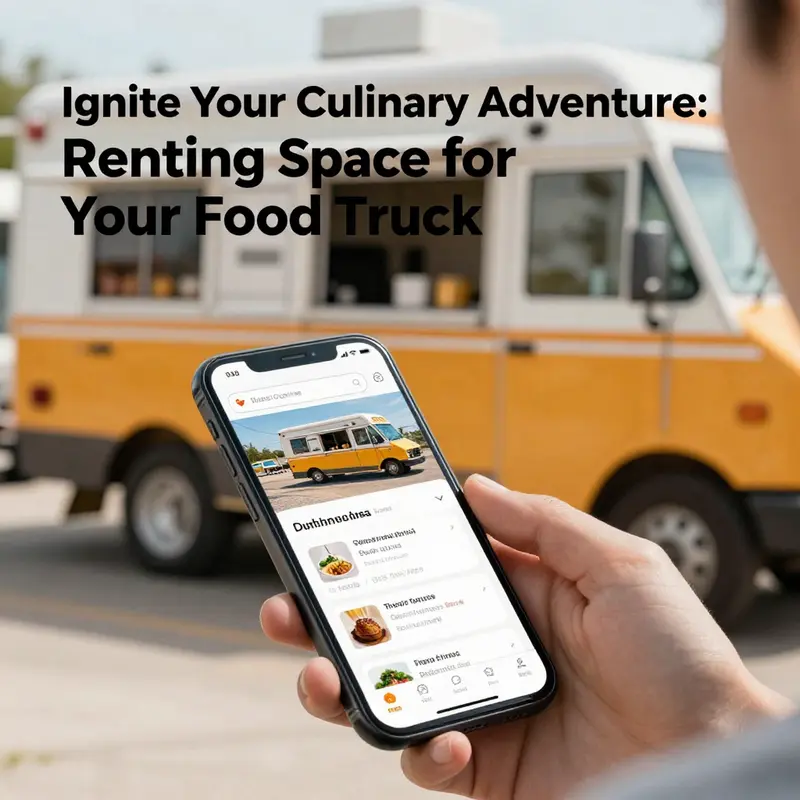
Finding the right space to park your food truck is more than a matter of location; it is the hinge on which your whole operation swings. The right space can transform a good concept into a steady stream of customers, while a poor fit can turn a busy lunch hour into a struggle for visibility. In this chapter, we follow a practical, human-centered path: how private arrangements and online platforms can unlock flexible, scalable spaces for mobile vendors. The aim is not just to park somewhere but to build a durable, compatible relationship with the space you depend on every day. Think of private partnerships as the premeditated, collaborative route to a steady home base, while online platforms act as the matchmaking engine that widens the field, speeds discovery, and helps you manage bookings with the same discipline you apply to your recipes and service standards. Taken together, they offer a way to balance risk and reward while keeping your brand accessible in high-traffic moments that matter most: lunch crowds, weekend events, and the occasional pop-up that can become a seasonal staple.
Private arrangements bring a degree of flexibility that is hard to find in formal, long-walled leases. Property owners and managers—whether a corporate campus, a shopping center, or a community event site—often want partners who will attract people to their spaces while respecting their operational rhythms. A weekly or monthly rental for a designated site can be negotiated to align with peak hours, weather patterns, and seasonality. The beauty of this approach lies in its adaptability. You can pilot a spot for a few weeks, refine your workflow, and adjust your menu to suit the crowd, all without being locked into a rigid, years-long commitment. In practice, a private arrangement might unfold like this: you identify a nearby office park or plaza with a lunch-hour crowd, you reach out with a concise value proposition—clear hours, reliable compliance with safety standards, a clean footprint, and a track record of courteous customer service—and you propose a pilot that spans several weeks. The terms might include a weekly fee, a defined service window, and a plan for waste disposal and traffic flow that minimizes disruption to regular operations. If the pilot proves successful, the agreement can grow into a longer-term arrangement with escalators based on foot traffic, seasonality, and capacity.
To put the private route into sharper focus, the craft lies in presenting a professional, outcomes-focused proposal rather than a simple request for space. A well-prepared prospectus should demonstrate your brand identity and menu concept in a concise, compelling way. It should detail how you handle food safety, allergen management, and daily sanitation, because operators and space owners want reassurance that the vendor will uphold standards they can stand behind. You should outline your logistics plan—how you load, set up, and break down without impeding pedestrians or vehicles—and show a realistic model for traffic management, including queue flow and signage. In addition, consider the environmental footprint of your operation and offer a waste-disposal plan that aligns with the host site’s sustainability goals. The more you can translate your concept into a measurable benefit for the space—greater footfall, longer dwell times, repeat customers—the more persuasive your case becomes. This is where your capacity as a business is tested: not only can you cook well, but you can also choreograph a space so that your truck becomes a convenient, valued feature of the property rather than an unwanted intrusion.
Alongside private arrangements, a growing ecosystem of online platforms connects food truck operators with underutilized spaces—parking lots, open lots, rooftops, and even sidewalks—on a convenient, often short-term basis. The appeal here is not just the breadth of opportunities but the speed with which you can respond to an opportunity and adapt to shifting demand. Digital marketplaces translate scattered availability into a calendar you can navigate with clarity. You might discover a corporate campus wanting a lunch-hour presence during a busy week, a shopping center seeking a weekend draw, or a neighborhood market looking for a seasonal extension. These platforms typically provide tools for booking, scheduling, and even performance tracking. They can also integrate with social media and marketing workflows, helping you announce your location, dates, and hours in a way that amplifies turnout. The strength of online platforms is scale: rather than depending on a single property or a handful of contacts, you gain access to a broader network of potential spaces without the friction of a long formal process.
A key advantage of online marketplaces is that they can be used to optimize your calendar around peak demand while preserving the flexibility you need to test concepts and adjust. For a new menu item or a changing brand identity, you can experiment in multiple spaces with minimal commitment, then use the data you collect to guide more permanent placements. Performance data from these platforms can reveal patterns you might miss when relying on instinct alone: which neighborhoods earn the longest lines, which days show the best conversion, and how weather or events ripple through your sales. This data-driven approach helps you refine not only where you operate but also how you operate. It informs staffing, inventory management, and equipment readiness, so you can respond quickly to demand surges without overextending your resources.
To strengthen the practical value of private and online space strategies, many operators blend the two paths. You might secure a private weekly slot for predictable lunch traffic while using online platforms to fill occasional gaps or test a pop-up concept in a new area. The blend mirrors how a modern consumer brand operates: core stability on a trusted site, plus targeted experimentation across a broader landscape. Even with a strong core presence, the ability to mobilize space quickly is a competitive edge. A sudden festival, a nearby retailer’s promotional push, or a city event can spike demand; having a diversified space strategy makes it easier to scale up or pivot without missing opportunities.
As you navigate this terrain, it is essential to anchor your approach in clarity and reliability. Start by mapping potential space types—from corporate campuses and malls to city parks and event venues—and then assign a decision framework for each. What is the typical lead time to secure space? What are the preferred hours, allowed operating days, and maximum footprint? What does a typical contract look like in terms of liability, insurance, and maintenance responsibilities? Having a standard set of documents and a clean, professional presentation helps you move quickly when a promising opportunity appears. Include a one-page overview of your concept, a short menu snapshot, and a simple, transparent estimate of costs and revenue projections for the space. A well-prepared package reduces negotiation friction and signals to space owners that you treat the relationship as a true business partnership.
One practical step that aligns with both private and online strategies is to cultivate a reputable process for site visits and set-up. Before you arrive, confirm the exact location, access routes, power availability, water supply, and the best sanitation plan for that site. Bring a compact, portable footprint that can be set up and broken down efficiently with minimal disruption. Show that you understand the site’s traffic patterns by mapping entry and exit points, ensuring safe lines of ingress and egress for customers and staff. In addition, align your branding and signage with the expectations of the host site so that your truck feels like a natural extension of the space rather than an afterthought. The more you minimize friction during setup and maximize comfort for guests, the more likely your presence becomes a long-term feature rather than a temporary flourish.
To ensure your approach remains grounded in current regulatory expectations while you leverage these platforms, a quick reference to regulations is prudent. A quick refresher on Navigating food-truck industry regulations can offer guidance as you structure proposals and proposals for permits, health requirements, and site-specific restrictions. Navigating food-truck industry regulations provides context on common permitting steps, safety standards, and zoning considerations that influence what spaces you can access and how you present your case to space owners. It’s not a substitute for local specifics, but it helps you align your business practices with broader industry norms and ensures you are approaching space opportunities with compliant, responsible behavior.
When you evaluate a potential space, remember that private arrangements and online bookings are not inherently opposites but complementary channels. The private route often yields deeper, ongoing relationships with a single host and can grant you a predictable, repeatable footprint. The online route opens doors to diverse locations and time-bound opportunities that can broaden your brand footprint and bring new customers into your orbit. The most resilient operators treat space as a product of strategic planning, not a lucky break. They invest in a strong brand narrative, a clean operational plan, and a professional posture that makes space owners feel confident in hosting a mobile operation on their turf.
Finally, a note on risk management and value alignment. The space you choose should align with your brand’s identity and your customers’ expectations. A glossy proposal will only take you so far if the on-site experience feels chaotic or unsanitary. Keep your hygiene practices consistent, maintain clean footprints, and ensure your team understands the importance of respecting the host site’s schedule and rules. In practice, this means training staff on queue management, depositing waste in designated containers, and keeping noise levels within acceptable bounds. It also means planning for contingencies—what happens if rain disrupts a outdoor event, or if your power needs exceed what a site can provide? Your readiness to handle these moments speaks volumes about your reliability as a partner. As you grow, you may discover that the strongest leases come not from a single grand deal but from a network of consistent, well-managed engagements that reinforce your brand’s visibility across multiple spaces and communities.
Guided by these principles, you can approach space procurement with both discipline and imagination. Private arrangements give you control and predictability; online platforms supply breadth and agility. Together, they form a practical toolkit for building a mobile food business that can respond to the market with speed and professionalism. And as you accumulate data, refine your processes, and prove your value to space owners, you’ll find that the right place can transform a good concept into a lasting, beloved presence in your city’s food landscape. For readers seeking a practical starting point, begin by identifying a few nearby spaces that host lunch-hour crowds and reach out with a concise, outcome-focused proposal. Test concepts at farmers’ markets or festivals to validate demand before committing to a long-term lease. The best operators do not hinge their success on a single break; they craft a diversified space strategy that keeps their wheels turning, their customers delighted, and their business resilient in the face of change.
External resource: https://www.spothero.com/
Final thoughts
In the flavorful world of food trucks, finding the right rental space is pivotal to success. By identifying high-traffic locations, understanding the essential regulations, carefully applying for spaces, and harnessing the power of online platforms, you’re positioned to not only serve delicious meals but also create a memorable experience for your customers. The journey of bringing your food truck to life starts with securing the perfect spot. Embark on this tasty endeavor armed with knowledge and enthusiasm, and watch as your culinary dreams hit the road.