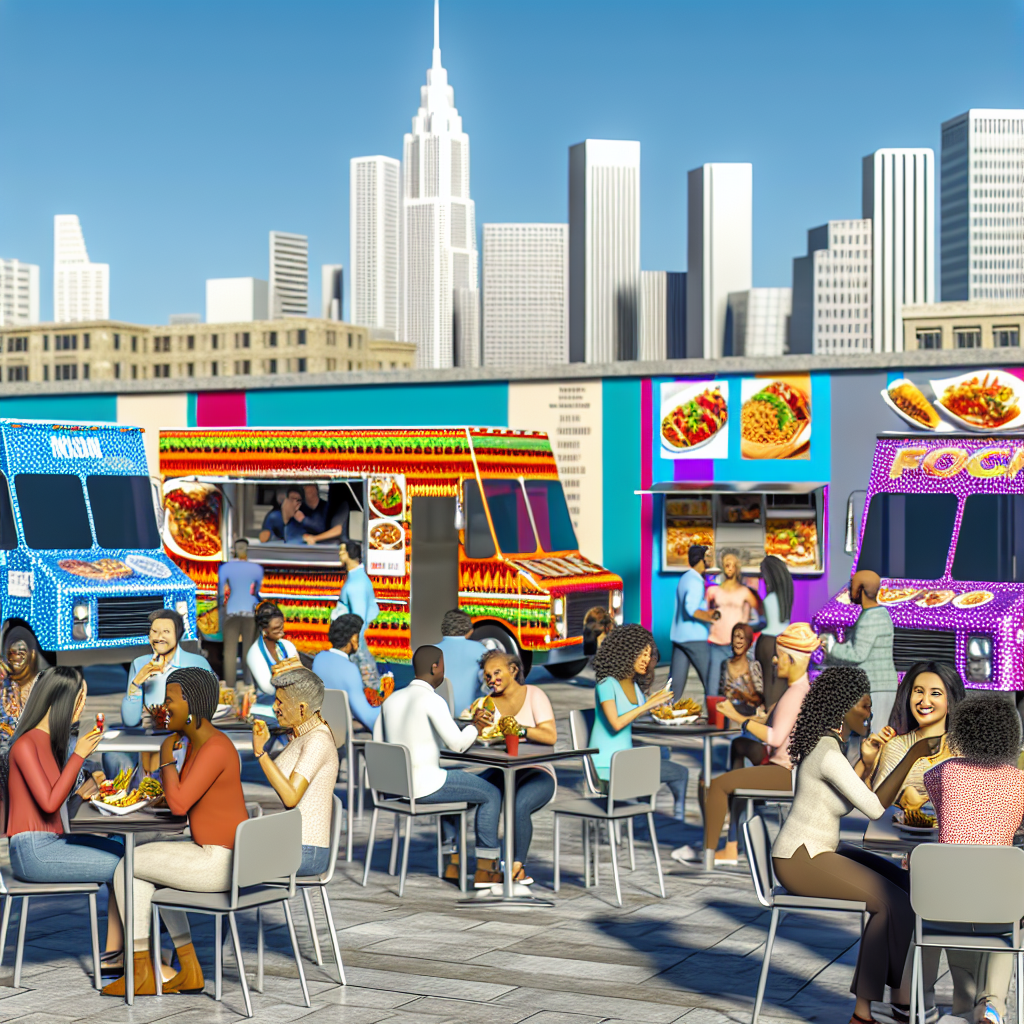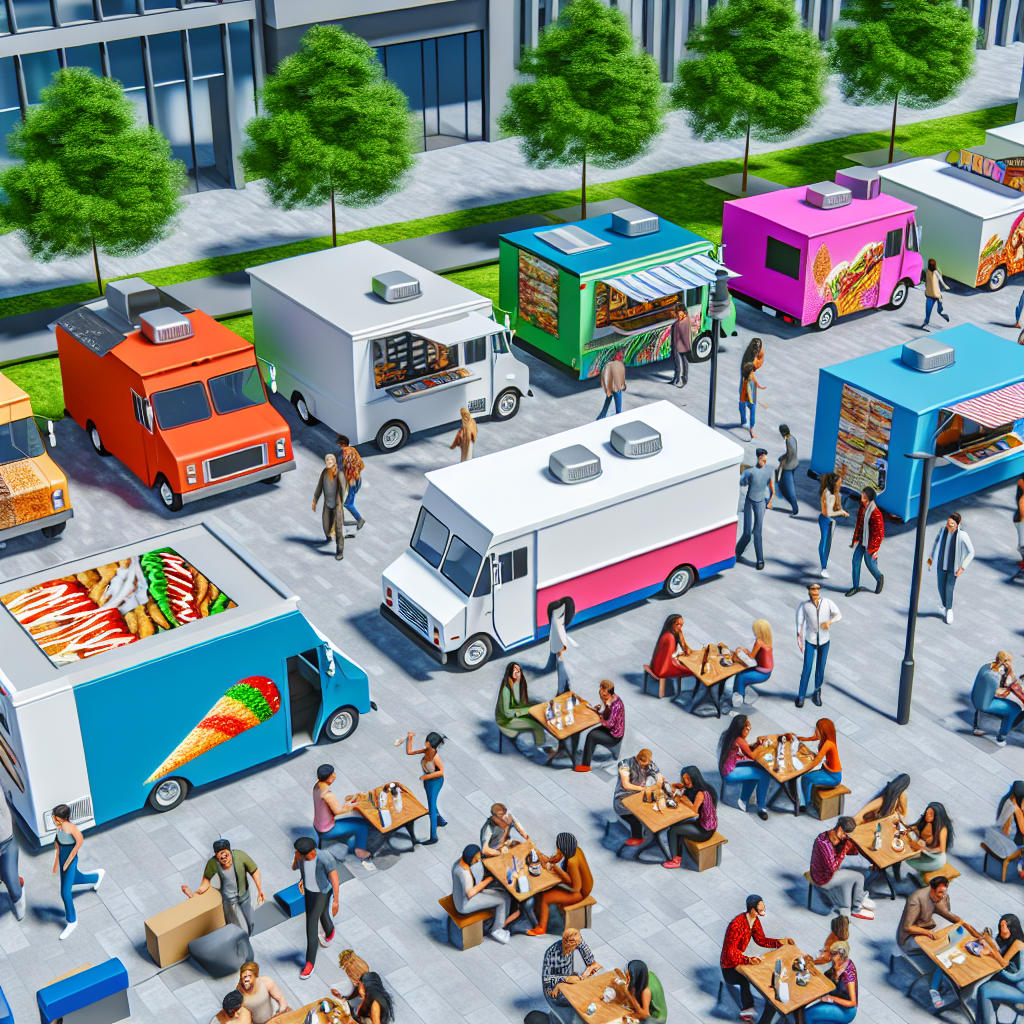
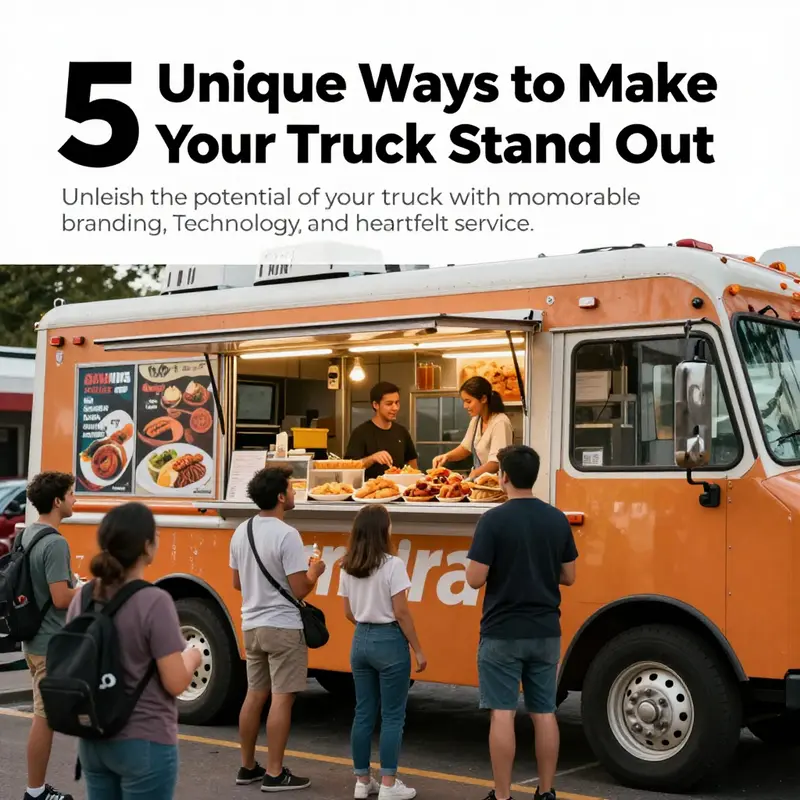
In an ever-bustling food truck market, making your mobile kitchen a must-visit destination can feel daunting. However, with the right strategies, you can create a culinary experience that not only fills bellies but also builds lasting connections with your community. This guide dives deep into effective methods for establishing a unique identity, leveraging your brand’s strengths, and enhancing customer experiences—all geared toward capturing the hearts of event planners, corporate teams, food enthusiasts, and local community groups. Buckle up as we explore the key ingredients for standing out in this dynamic food truck ecosystem!
Stand Out on Wheels: Crafting a Magnetic USP That Turns Your Food Truck into a Destination
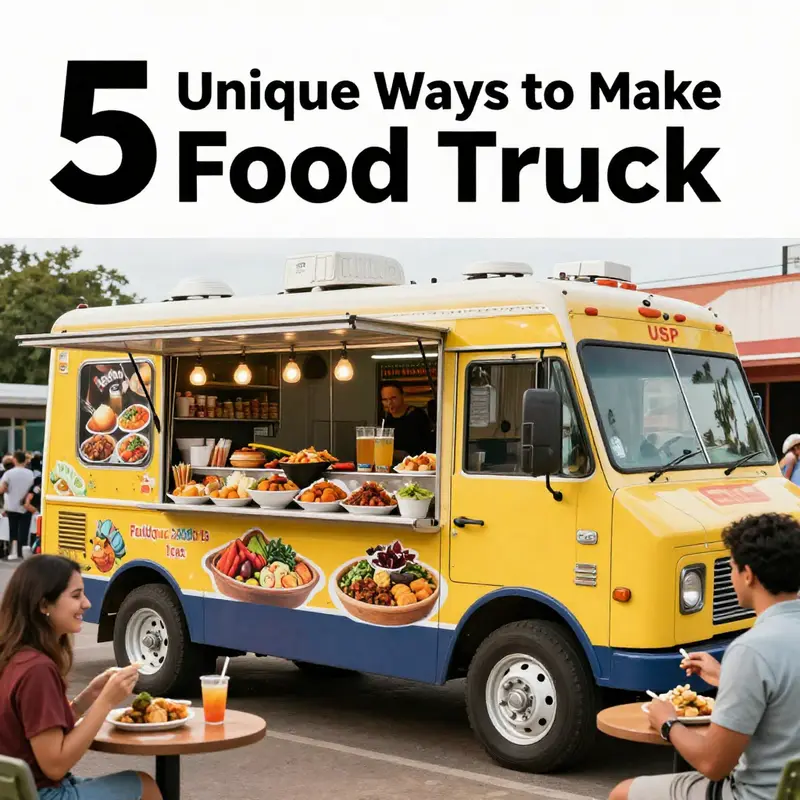
A food truck can be a mobile stage, but only if you give it a promise customers can trust and remember. Your Unique Selling Proposition, or USP, is that promise. It’s not merely a slogan printed on the side of the truck; it’s the clear, compelling reason someone should choose you over every other option on the block. A strong USP guides every decision you make, from the dishes you cook to the way you greet guests, from the design of your vehicle to the cadence of your online updates. When customers understand quickly what makes you special, they stop, they taste, and they tell a friend. The best U.S.P.s don’t just describe what you serve; they describe the value you deliver in a way that resonates with your target audience. In this sense, the USP is a compass that keeps your branding, menu development, and service aligned toward a single, tangible benefit.
To begin, you need to identify your core uniqueness. Think of what you offer that no one else does, or how you deliver it in a way that’s hard to replicate. This can fall into several natural categories. You might lean into a specific cuisine or fusion approach that captures a niche audience and promises authenticity that’s hard to find elsewhere. It could be an exceptional ingredient strategy—hyper-local, sustainably sourced, or even a secret family method—that elevates every bite. Or you might create a distinctive experience that transcends the plate: a build-your-own station that invites customer participation, an open kitchen that builds trust as the food is prepared, or a signature pairing that creates a sensory moment with each order. A strong brand identity can also function as a USP in its own right. A quirky name, a vivid truck design, or a compelling origin story can permeate every interaction and make your truck memorable long after the last bite.
The heart of a powerful USP, however, is not the breadth of what you offer but the depth of one clear benefit. You want to pick a single, tangible advantage that you can deliver consistently, every day, within a few minutes of order. It could be speed: the fastest lunch in a crowded market, with online ordering and a pickup system that minimizes wait time. It could be health and wellness: fresh, plant-forward meals made with strictly sourced ingredients, ready without sacrificing flavor. It could be value: the biggest portion for the price, delivering nourishment that satisfies without breaking the bank. Or it could be emotional connection: the taste of home, the comfort of a familiar recipe, or a sense of place that reminds customers of a favorite memory. The strongest USP does not try to be everything to everyone; it boldly declares one benefit that truly matters to your ideal customers and that you can prove with every interaction.
Clarity is the next crucial edge. Your USP should be simple, crisp, and memorable enough to fit on your truck’s side panel, your social bio, and your daily menu chalkboard. It should use active language that communicates immediacy and confidence. Rather than a general claim like “delicious food,” you want something like, “Fast, flavorful bites ready in minutes” or “Wholesome meals that taste like home, fast.” A memorable USP is short enough to be spoken aloud in a crowded lot and distinct enough to spark a question: “What makes this truck so different?” When people ask, you have a ready answer that signals your core value and invites curiosity rather than overwhelm.
As you craft, test becomes your best ally. You don’t need a formal focus group to refine your message. Start with a handful of potential statements and ask a few trusted customers or friends what resonates. Which phrase feels true to the way you cook and the way you serve? Which promise would they actually rely on when choosing you over a dozen other options? Feedback will reveal if you’ve overclaimed, underdelivered, or simply misread what matters most to your audience. It’s common to discover a stronger appeal in an unexpected direction—from the speed you can guarantee to the story behind your ingredients or the unique ritual of ordering. Be prepared to prune until one clear, persuasive line remains, one that you can defend with every plate and interaction.
Once you settle on a core USP, integrate it into every facet of the business so it does more than sit in a slogan box. Your dishes should embody the promise. If you claim speed, your kitchen workflow must support rapid heating, assembly, and service without compromising quality. If you promise authenticity or a signature experience, your menu, music, lighting, and even your uniform should echo that promise. A strong USP also informs your branding choices. The colors, typography, and artwork on the truck should evoke the feeling you’re delivering, making your promise instantly recognizable from a distance. Visuals become shorthand for your value, so design with the end impression in mind. For those who want to deepen the design conversation, a practical resource that breaks down how to translate branding into the look of a mobile kitchen is the branding on wheels guide. It offers concrete techniques for aligning graphics, identity, and experience with your core promise.
Beyond the food and the décor, the USP shapes how you interact with customers. A promise of openness, for example, can be reinforced through an open kitchen setup where guests can watch their meal being prepared. This transparency builds trust and makes the dining moment feel special in a way that goes beyond taste. A promise of community can be realized through locally sourced menus and a willingness to adapt weekly to celebrate regional markets or harvests. An emphasis on customization—“build-your-own” options or selectable heat levels—puts control in the customer’s hands and makes your truck a destination for people who want to shape their meal as they go. Each of these experiences reinforces the chosen benefit, ensuring that every small customer encounter contributes to a coherent, memorable brand story.
You should also anticipate questions and objections and weave them into your USP. Some guests worry about quality when speed becomes the primary claim. If your USP is about speed, you must reassure them with consistency: predictable portion sizes, reliable cooking times, and transparent pricing. If your USP centers on quality or sustainability, you should share your sourcing story, explain your preparation methods, and offer tastings or demos when possible. The most durable USP addresses a real customer need with a real capability you can sustain; it doesn’t rely on clever phrasing alone. Your food, service, and ambiance are the proof you offer with every order.
In practice, a well-crafted USP can take many forms, but the strongest versions share a pattern. They state a situation your customers face, reveal the strongest reason you’re uniquely qualified to solve it, and then promise a specific result. Example templates might read: “The fastest way to enjoy [cuisine] with [benefit], in under [time],” or “Whole, local ingredients delivered in a meal that [emotion or result].” You don’t need to publish a long manifesto; you need one crisp line that can anchor your marketing across platforms and experiences. Once you have it, repeat it with consistency—on your menu board, in your captions, on your truck wrap, and in your conversations with guests. Repetition helps the promise feel inevitable, not optional.
To bring the concept full circle, consider your USP as the lens through which you plan every new dish and every relocation event. If your truck moves to a new neighborhood, ask whether your promise still holds for that audience. If you launch a rotating special, ensure it aligns with the one core benefit you’ve committed to delivering. The USP should be resilient enough to travel with you, yet flexible enough to accommodate evolving tastes and markets. In this way, your truck becomes less a random vendor and more a dependable destination—the place people know they can count on for a particular experience, consistently delivered.
In the end, a strong USP is less about clever messaging and more about real value delivered with every bite and every moment of interaction. It guides your menu thinking, your service style, your branding, and your growth decisions. When a customer walks into the lot and reads your promise, they should feel seen, understood, and invited. If your USP does that, the rest—brand recognition, word-of-mouth, repeat customers—follows as a natural consequence. For operators who want to deepen the branding conversation while retaining practical focus, the linked resource on branding on wheels offers actionable strategies for translating a promise into the visual and experiential language of your mobile kitchen. Remember, the goal is not a catchy phrase alone but a guiding principle that makes your truck a destination, not just another option on a crowded street.
Distinctive Branding on Wheels: Designing a Food Truck That Commands Attention and Builds Loyal Fans
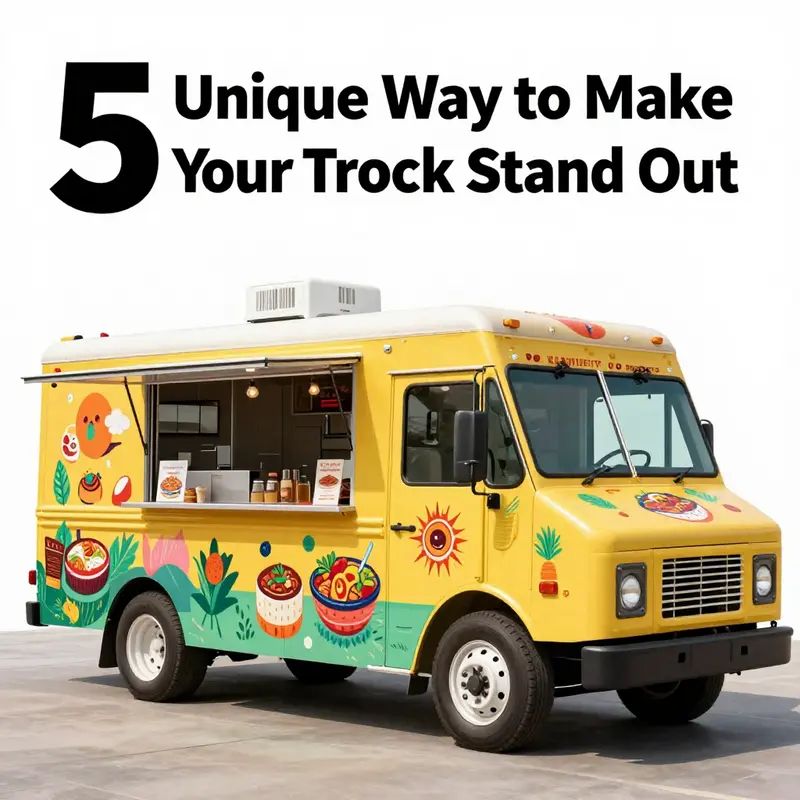
When a food truck rolls into a street corner, the first verdict is almost instantaneous. People notice color, form, and the way a vehicle looks like it belongs to a world of its own. But branding and design are more than just a pretty coat of paint. They are a language that communicates your values, your story, and your promise to a passerby who has only a few seconds to decide whether to stop. In that fleeting moment, your truck becomes a moving billboard, and every element—shape, color, typography, and even the rhythm of the kitchen noise—speaks in one cohesive voice. The most effective branding never feels loud for loudness’s sake; it feels honest, purposeful, and unmistakably yours. The goal is not only to attract curious customers but to invite them to linger, to taste, to learn your story, and to become part of a growing community around your brand.
Defining a clear niche is the first discipline of this craft. Your niche is not merely the cuisine you serve; it is the lens through which every visual decision is filtered. Are you a modern, plant-forward concept that leans into sustainability and speed? Or a nostalgic, family-rooted kitchen that invites comfort and conversation? The answers shape your color decisions, typography, and even the shapes that populate your truck’s graphics. Understanding your audience is equally essential. Are you courting young professionals who want bold flavors in a hurry, families looking for affordability and warmth, or food enthusiasts chasing a new experience? The answers guide how you communicate at a glance—whether through a bold color clash that signals energy or a calmer, nature-inspired palette that conveys freshness and honesty.
Visual identity starts with the logo, but it does not stop there. The logo should be simple enough to be recognized from a distance, yet distinctive enough to stand out in a crowded line of trucks. Typography matters just as much; it is the voice of your brand. A chunky, rounded font might read as playful and approachable, while a clean, sans-serif typeface can convey modernity and precision. Color is not decorative; it is a storytelling device that sparks appetite and recall. Warm reds and oranges can communicate energy and appetite, while greens and earthy tones can hint at freshness or sustainability. The color palette should remain consistent across every surface of the vehicle, from the main panels to the window decals, and even the serving ware you choose inside. A signature design element—whether a unique pattern, illustration, or motif—offers a visual shorthand for your story, something customers can associate with your menu before they even see the name on the hood.
The exterior design should be functional as well as expressive. Readability from a distance is non-negotiable. Large, high-contrast lettering that names your standout items and a succinct slogan can guide new customers in a single glance. The layout must also accommodate operational realities. A well-branded truck must still house grills, refrigeration, prep space, and a workflow that minimizes friction for the crew. A clever design can even hide equipment and create a sense of order, while still letting your brand shine. Sustainability can be baked into the design from the start—recyclable or reusable materials, energy-efficient lighting, and a shell that facilitates fast cleaning and maintenance help reinforce a brand that cares about more than profits.
Branding on wheels thrives when every touchpoint reinforces the same story. Your online presence should echo the truck’s visuals with the same color schemes, logo usage, and tone of voice. The packaging materials you hand customers—boxes, napkins, and bags—become extensions of the brand, turning a quick bite into a narrative moment. Even the uniforms worn by staff should feel like part of the same theater; a simple apron or shirt with the brand colors and logo makes the crew feel like ambassadors rather than mere servers. When customers notice this cohesion, they begin to trust the brand more deeply, which translates into repeat visits and word-of-mouth praise.
Authenticity and storytelling are the heart of durable branding. People connect with origins, with what motivates a business beyond profits. Sharing a thoughtful origin story—whether it’s a grandmother’s recipe, a commitment to a local supplier, or a mission to bring bold flavors to underserved neighborhoods—gives the design its soul. When customers perceive transparency in your ingredients and methods, they are more likely to become loyal fans. That storytelling should be woven into the visuals too. Icons that signify locally sourced ingredients, clear labels that explain preparation methods, and narrative copy that invites customers into your world all deepen the emotional resonance of the brand. The goal is not to persuade with slogans but to invite with sincerity, so your design begins to feel like a hospitality experience rather than a simple transaction.
Beyond aesthetics, there is a practical discipline that strengthens your branding over time. The truck’s exterior should be adaptable enough to respond to seasons, new menu items, or community events. A strong branding system anticipates updates without breaking continuity. A modular design approach—where elements can be swapped or refreshed while preserving core colors, typography, and motifs—allows you to stay current without losing recognition. This adaptability also extends to materials and finishes. Choose durable, easy-to-clean surfaces that still convey your brand’s tone. If you emphasize eco-friendliness, for instance, showcase that commitment through sustainable materials and visible energy-saving features. A brand that looks good and performs well technologically and operationally communicates reliability as well as personality.
Implementing design with intent also invites customers to participate in the story. A few well-placed interactive cues—like a visible open-kitchen area where customers can watch a cook craft their meal, or a featured wall where a rotating mural tells a chapter of your origin—can elevate trust and curiosity. Even sound and scent become branding tools when thoughtfully deployed. Background music that matches your brand mood, lighting that flatters the menu at dusk, and a kitchen aroma that customers associate with your concept all contribute to a multisensory identity. The goal is to create a memorable, shareable moment, so a customer who experiences your truck wants to capture and post that moment to social media, amplifying your reach through real people who care about what you serve.
An essential strategic step is to unify your brand narrative across every interaction. When a follower clicks through to your site or orders online, they should immediately feel the same atmosphere they experience in person. The design language, from the logo and color to the tone of copy and the imagery you use, should feel seamless across platforms. This consistency fuels recognition, habit, and trust, which are the three pillars of a brand that travels with a truck. Your story should be simple enough to be memorized yet rich enough to invite questions, conversation, and advocacy. People will become curious about the origins of your concept, the farmers who supply your ingredients, or the technique behind a signature dish, and your branding should invite that curiosity rather than shut it down with jargon or distractions.
To translate these principles into action, consider a practical example that aligns with the spirit described above—without naming any specific vendors. Think of a truck whose color scheme signals warmth and energy, whose typography is bold yet approachable, and whose graphics tell a cohesive, local-first story. The design would feature a clear name and a bold catchphrase on the hood, large-scale patterns on the sides that evoke the cuisine’s heritage, and a distinct interior vignette—perhaps an open kitchen that invites customers to observe the choreography of the cooks. A consistent online presence would mirror this look and feel, with behind-the-scenes posts, customer spotlights, and regular updates about location and menu changes. This is branding as a living system, not a one-off art piece.
For a practical deep dive into how to translate these ideas into your truck’s exterior, see branding-on-wheels-the-ultimate-guide-to-food-truck-graphics-and-identity.
Real-world inspiration also comes from observing how strong branding performs in the wild. A moving restaurant example illustrates how a well-executed identity can turn a simple street corner into a destination. The design is not only about catching eyes; it’s about inviting curiosity, guiding behavior, and reinforcing a story customers want to tell their friends. When a truck succeeds at this, it becomes less of a place to buy a meal and more of a shared experience that people seek out. In that sense, branding and design are investments in repeat business and community, not just splashy visuals. A cohesive, thoughtful approach to branding makes every plate, every interaction, and every glance part of a single, enduring narrative that travels with your truck.
External context can offer useful checkpoints as you refine your own concept. For readers who want a vivid, real-world example of branding in action on a food-truck concept, an industry piece showcases how a truck used color, storytelling, and an open-kitchen ethos to become a recognizable destination. You can explore that perspective here: https://www.eater.com/food-trucks/23807916/tropic-truck-los-angeles-taco-truck-branding
Experience as the Engine: How Exceptional Customer Service Elevates a Food Truck
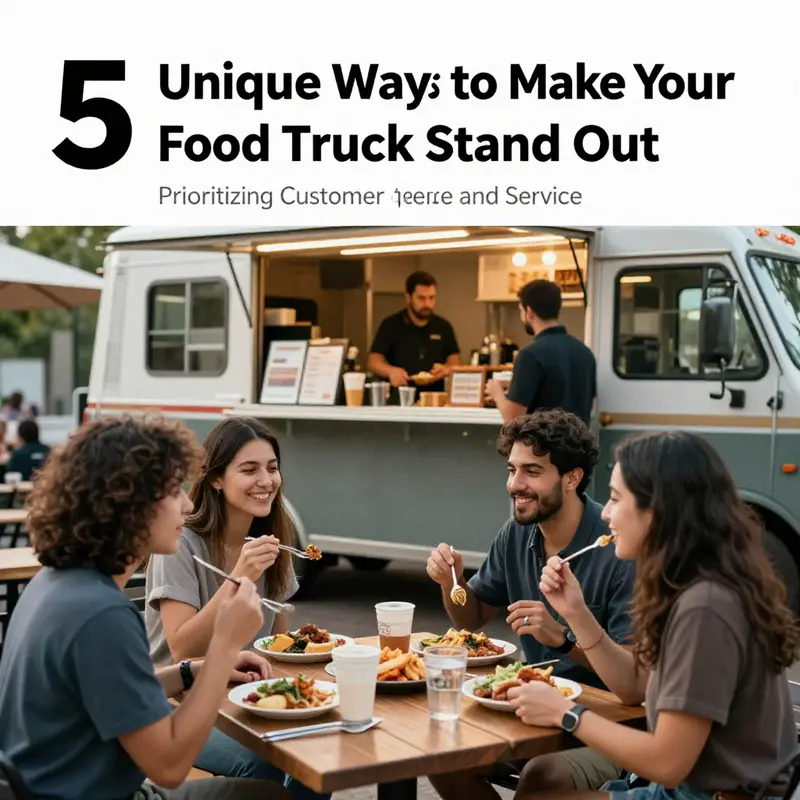
Great food draws crowds, but memorable service builds loyalty. In a crowded street-food world, the experience is what turns visitors into regulars. This chapter explores how to design every moment—from first glance to post-visit reflections—into a cohesive, welcoming journey. It covers branding, menu clarity, staff tone, efficiency, personalization, atmosphere, and community engagement. The goal is to make your truck feel like a destination rather than a quick stop, so guests remember you, tell their friends, and return with friends. Implementing these ideas starts with a clear brand identity, continues with a well-structured menu, trained and empowered staff, smooth ordering — including digital options — and a culture of listening and improving based on feedback. When customers feel seen, heard, and valued, the experience itself becomes the differentiator that sustains growth.
Tech-Driven Distinction: Designing a Food Truck Experience That’s Fast, Connected, and Unforgettable
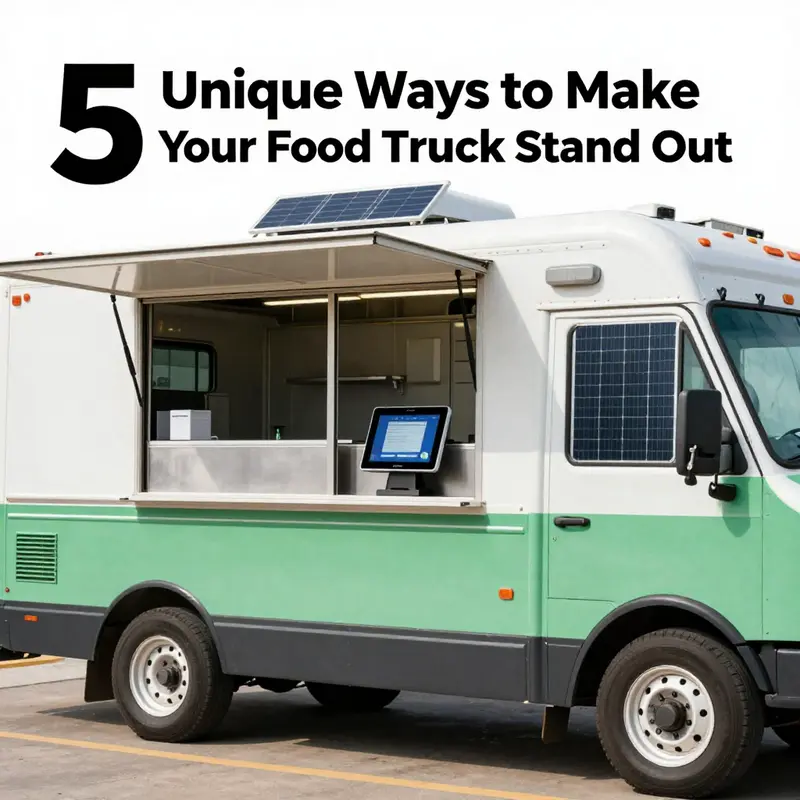
A food truck can be a magnet not just because it serves great food, but because it feels like a crafted experience. When a customer approaches a trailer, they notice more than a menu. They notice precision, speed, and a promise that the entire encounter will be smooth from first glance to last bite. In a crowded market, technology is not a gimmick; it is a lever that extends your brand beyond the kitchen. It creates reliability, personalization, and curiosity, letting the story of your truck unfold in real time. The right tech choices reinforce your unique selling proposition and elevate every interaction, from how you take orders to how you tell the story of your ingredients. This is not about chasing the latest gadget; it is about weaving smart systems into the rhythm of your service so that guests feel delighted rather than overwhelmed. When you marry a strong brand identity with efficient operations, technology becomes the invisible hand guiding guests from line to tasting, turning a quick bite into a remembered experience.
A core element is smart kitchen equipment that can deliver consistent quality even during peak hours. Think of intelligent cooking systems that automate repetitive tasks, such as stir-frying or controlling heat profiles, so each dish hits the same flavor and texture every time. In a mobile kitchen, repeatability matters as much as speed; it reduces the chance of human error when you are juggling multiple orders. The benefit goes beyond accuracy. Automated components free staff to engage with customers, explaining choices or highlighting sourcing stories, which strengthens trust and adds a human layer to a high-tech operation. The goal is not to remove craft but to protect it under pressure, ensuring that a signature dish tastes the same no matter who is at the wok.
Alongside this reliability, a modern transportable kitchen should embrace contactless and digital payments. The simplest, cleanest transactions happen when customers can tap, scan, or simply confirm a payment without reaching for cash or fumbling with PINs. A payment ecosystem that accepts digital wallets, contactless cards, and QR-based transactions speeds lines and reduces handling points. Hygiene and speed are not separate goals; they reinforce each other. When a guest sees a tidy counter and a fast, smooth checkout, they are more likely to linger for a second purchase or to tell friends about the experience. In practice, this means more streamlined queues, clearer receipts, and the opportunity to remind guests about loyalty rewards or seasonal specials without pressuring them to pull out their wallet again.
Real-time inventory and order management are equally powerful when deployed thoughtfully. A cloud-based point-of-sale system with live inventory tracking allows you to see stock levels as orders flow in, forecast demand, and trigger automatic reorders before a shortage becomes a bottleneck. The benefit is twofold: you waste less and you stay agile. If a popular ingredient runs low, a quick menu adjustment can minimize disruption while keeping the guest experience coherent. Analytics derived from sales data offer actionable insights into which items travel best with certain locations or times of day, guiding both your menu planning and marketing efforts. Rather than guessing, you can make operation decisions based on what the data shows about real-world customer behavior.
Energy efficiency and sustainability have moved from nice-to-have to core brand values for many guests. An electric or hybrid truck, powered by on-board solar or other renewable sources, signals commitment to the environment while also lowering operating costs. The absence of fumes inside and the potential for quieter operation can change the pace and feel of the experience, too. Solar panels powering refrigeration and lighting can reduce fuel burn and maintenance costs, letting you invest saved capital into better ingredients or more engaging guest experiences. The shift to greener mobility resonates with a broad audience that values accountability and transparency in how a business runs.
A connected guest experience grows out of more than just the register. Free Wi-Fi, ample charging stations, and interactive screens that display real-time menu updates, ingredient sourcing stories, or social media feeds transform the truck into a hub of information and connection. Some operators push the envelope with augmented reality menus, allowing guests to visualize a dish before ordering. The effect is marketing without pressure: guests experiment, ask questions, and share experiences with their networks. The more guests feel they are part of a story—where the dish originates, how it was prepared, and who prepared it—the deeper their engagement becomes. And because these features live at the point of service, they reinforce your brand identity as innovative and guest-centric.
A branded mobile app widens the circle even further. When guests can pre-order, track progress, collect loyalty points, and receive exclusive offers, the truck becomes a habit rather than a one-off stop. A well-designed app creates a loop: anticipation leads to faster service, which leads to repeat visits and organic word-of-mouth. The app becomes part of your brand language, echoing the same storytelling you use in your signage and menu copy. This is where a technology-forward operation becomes a personality, not just a system.
Maintenance and reliability are often overlooked in pursuit of wow-factor. IoT sensors embedded in equipment can monitor temperature, engine health, and system performance in real time. Alerts alert staff and technicians to potential failures before they become disruptions during peak hours. The payoff is not only fewer emergency repairs but also calmer, more confident service during rushes. When guests notice you maintaining top-notch conditions—cleanliness, consistent temperatures for food safety, and on-time delivery of orders—they trust the brand more deeply. This trust translates into longer visits, more sharing, and a stronger association between your truck and dependable quality.
All these technologies come together most effectively when you design a visually striking, socially shareable exterior. LED lighting and dynamic graphics catch the eye, but the most persuasive feature is a design that looks as modern as the systems inside. An Instagrammable exterior invites guests to photograph the truck in motion, perhaps at a festival or on a busy street corner, and to tag your brand in their posts. This creates a ripple effect: the more you invest in a tech-forward, visually compelling presence, the more likely people are to seek you out. The combination of tangible efficiency and aspirational design turns a simple meal into a story worth telling.
The technology you choose should harmonize with your brand promise, not overwhelm it. A cohesive approach might begin with a robust, scalable operating platform that handles orders, inventory, and analytics while remaining easy for staff to learn. Then layer in customer-facing features that feel natural rather than gimmicky. An open kitchen concept, for example, can pair perfectly with transparent digital displays that show ingredient sourcing or real-time prep progress. Guests feel engaged and informed, which strengthens the trust that underpins every purchase. And as your branding evolves, you can adapt your tech stack without losing the core experience that set you apart.
For readers exploring practical references that connect branding and technology on wheels, consider how the branding on wheels framework articulates the relationship between visual identity and on-truck content. Brand-building is as much about what people experience as what they see. See more through Branding on Wheels: The Ultimate Guide to Food Truck Graphics and Identity. Branding on Wheels: The Ultimate Guide to Food Truck Graphics and Identity.
This integrated approach is not about chasing every shiny object. It is about weaving smart kitchen automation, flexible payment, real-time operations, sustainable mobility, connected guest experiences, and a strong, consistent brand into a single, coherent story. When guests encounter a truck that feels both technologically confident and warmly human, the automatic response is a sense of trust and curiosity. They know they will get a well-prepared meal, served efficiently, in a space that respects the environment and their time. In this sense, technology and branding stop feeling like separate tactics. They become the architecture of a memorable visit—one that invites guests to return, share, and tell others about the experience.
External reference: https://www.xinhuanet.com/english/2021-09/06/c_1310000136.htm
Turn Proactive Marketing into a Standing-Out Food Truck: Social Media as the Secret Sauce
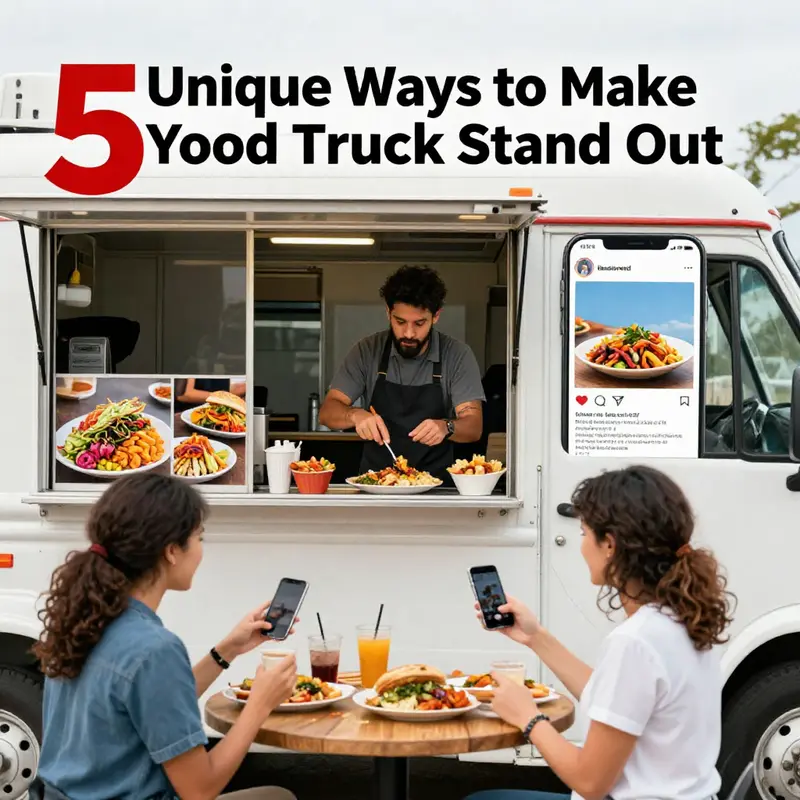
The loudest kitchens in the street aren’t always the ones that sizzle the hardest. They’re the ones whose stories arrive with the fries, the ones whose presence feels earned, not bought. In a market where good food is table stakes, your ability to market proactively and to engage on social media becomes the heartbeat of your brand. It is not enough to post when you’re hungry for business; you must feed the audience with authentic value, with moments they recognize as belonging to your truck, and with a sense that you are listening as closely as you are cooking. That shift—from posting to participating—transforms a wandering customer into a loyal follower who checks your location not just for a meal, but for a moment in your ongoing narrative. The beauty of this approach is that it weaves together the elements you already know matter—brand identity, customer experience, and modern tech—into a single, living channel that audiences can feel and trust long before they bite into your signature dish. Visual storytelling becomes your most consistent signature. Show the ingredients in action, not just on a plate. A clip of peppers crackling on the grill, steam curling over a bubbling pot, or a bottle being opened with a satisfying hiss can say more about your philosophy than a dozen glossy photos. High-quality imagery, honest captions, and short, cinematic videos create a rhythm that mirrors the pace of a real street kitchen. People don’t just buy a meal; they buy a moment—an aroma, a memory, a smile that lingers when the truck is gone. When you narrate these moments with care, you invite spectators to become participants. Behind-the-scenes content—your prep routine, the sourcing of ingredients, the daily route—lets customers feel part of a story that unfolds with each stop. They are not merely observers; they are co-authors of your brand experience. And the way you present your food matters as much as the food itself. Capture the sizzling sear, the pour of a vibrant sauce, the steam drifting over a crowded tray. Pair these visuals with captions that reveal your brand personality—humor, craft, sustainability, or community—so the voice of your truck becomes recognizable in a feed crowded with noise. Proactive engagement is the second pillar. Don’t post to announce only where you are or what you’re serving. Invite conversation. Pose questions that align with your dish philosophy: “What’s your favorite breakfast combo on a busy morning?” or “Spicy or mild today—what should our house sauce be?” Polls work well, but the most lasting impact comes from prompt, personalized replies. A simple acknowledgment like, “Love that combo—thanks for the suggestion!” can turn a casual commenter into a regular. You should also monitor comments and DMs with a human touch, not a bot’s voice. People want to feel seen, not shoveled into a funnel. Real-time updates and location alerts are another powerful tool. Use live posts when you’re en route to a new spot, during peak hours, or when you pivot due to weather or events. Geotags and city-specific hashtags help curious eaters discover you in real time. Instead of relying on a single naming convention for every post, experiment with location-based prompts that invite people to imagine their own moment at your truck: a quick lunch, a late-night snack, a weekend brunch—whatever fits your concept. You can automate some aspects of location sharing with general mapping tools, but the magic comes from the personal touch you add to each update. A short, friendly note about why you chose a particular route or a shout-out to a nearby business can multiply shareability. Collaborations with micro-influencers and local communities are invaluable. You don’t need a thousand followers to generate trust; you need a handful of people who genuinely care about food and neighborhood life. Invite local food bloggers for a tasting, partner with a nearby café for a cross-promotional post, or coordinate a small, mutually beneficial event with a community group. The authenticity of these collaborations often resonates more deeply than a broad-strokes sponsorship. They signal that your truck is about more than profit—it’s about relationships with neighbors and friends who will show up not just for the meal, but for the moment they share with you. Value creation should extend beyond the plate. Offer practical, useful content that enhances your audience’s life. A quick tutorial on how to recreate a favorite dish at home, a seasonal tip about ingredients in your region, or a short explainer about sustainable sourcing can position your brand as a helpful neighbor rather than a vending vehicle. This kind of content elevates trust and makes your feed a destination, not just a schedule. Your social media becomes a resource that people consult, not a channel they scroll past. Interactive campaigns spark energy and participation. Consider limited-time challenges like “Tag three friends to win a bundle,” or user-generated content contests that invite customers to show their own versions of your dish. Give small, tangible rewards that reinforce loyalty—discounts, a free topping, or a future meal. Encouraging customers to bring their own cup or container for a discount not only invites participation but reinforces a sustainability narrative that resonates with today’s values. Tracking and optimization are the quiet discipline behind all this. You won’t learn what works if you don’t measure it. Monitor which posts attract the most engagement, shares, or saves, and refine your strategy accordingly. If a particular format—say, a behind-the-scenes reel or a narrative caption about a local supplier—drives conversation, do more of it. Focus your energy on the platforms where your audience is most active, rather than spreading yourself thin across every channel. This naturally leads to a more coherent brand voice and a clearer content calendar, making your posts feel like an ongoing, intentional experience rather than a sporadic rumor in the feed. As you weave these threads together, remember that your brand’s identity should be consistent across every post, photo, and reply. The visuals, the tone, the stories—these should echo the essence of what your truck stands for. If your concept centers on local, sustainable ingredients, your captions should reflect care for producers and the planet. If your concept leans into a bold flavor profile, let that dare come through in your color choices, typography, and video pacing. The point is to create a cohesive, recognizable presence that makes your truck feel like a familiar guest in every neighborhood. For more on translating branding into graphics and identity, explore branding on wheels: the ultimate guide to food truck graphics and identity. branding on wheels: the ultimate guide to food-truck graphics and identity. This resource can help you align your visual language with your storytelling, ensuring every post reinforces the same brand promise. While this chapter sketches a strategy, the practical spine rests on experimentation and responsiveness. Treat social media as a living menu: always a step ahead, always ready to adapt to a crowd that crave both flavor and connection. When you combine authentic content, proactive conversation, real-time updates, local partnerships, value-led guidance, and smart measurement, your truck becomes more than a place to eat. It becomes a destination in its own right—an ongoing, shareable experience that people seek out, remember, and tell others about. And as you cultivate this living presence, the external world of discovery grows with you. For readers seeking an external, deeper dive into social marketing specifics for food trucks, a highly regarded reference offers actionable examples and updated trends that complement the practical steps outlined here. https://www.chefsworkshop.com/food-truck-branding-social-media/
Final thoughts
Standing out in the competitive food truck industry requires more than just great food— it demands creativity, a strong identity, and a heartfelt connection with customers. By focusing on a strong unique selling proposition, investing in distinctive branding, delivering exceptional customer service, integrating modern technology, and engaging proactively on social media, your food truck can transform into a sought-after destination. Whether serving at vibrant festivals or local gatherings, these strategies will ensure your culinary creation resonates deeply with your community. So roll up those sleeves, and get ready to elevate your food truck experience!