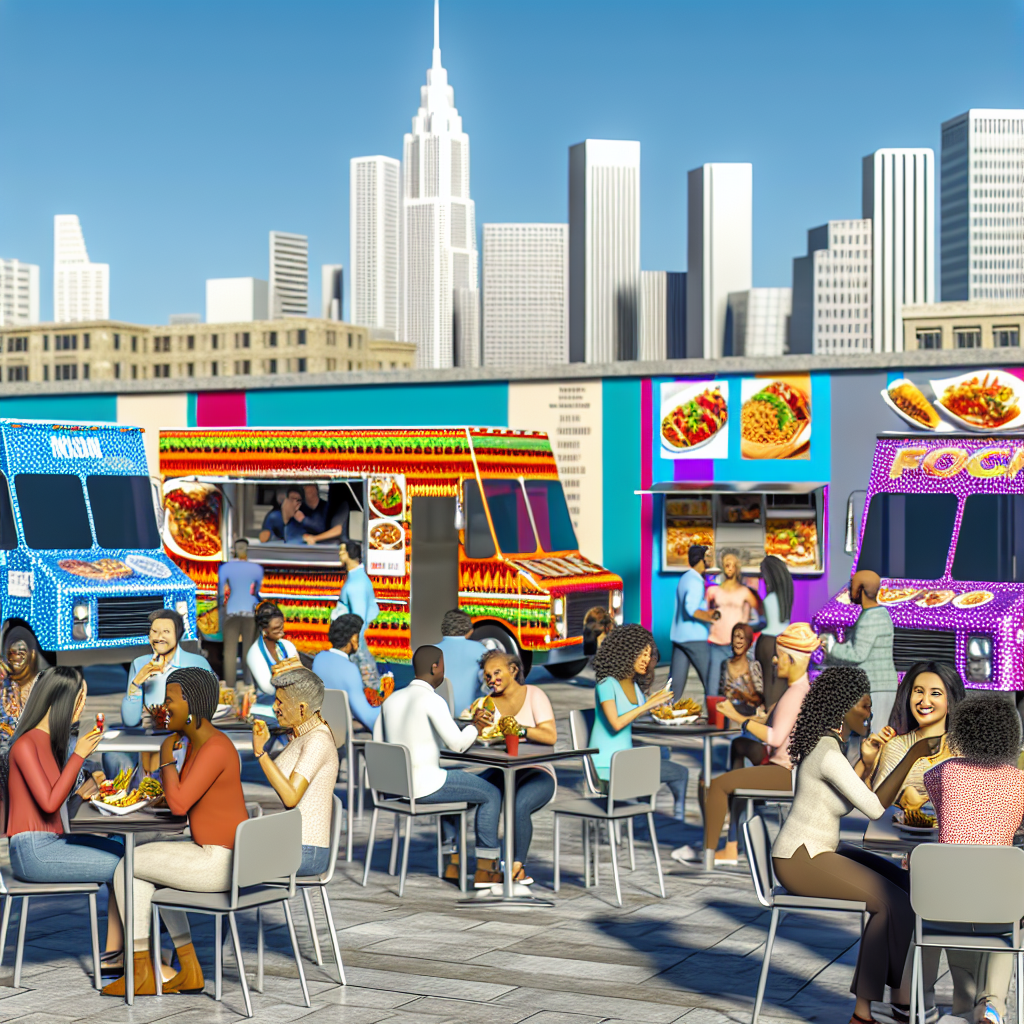
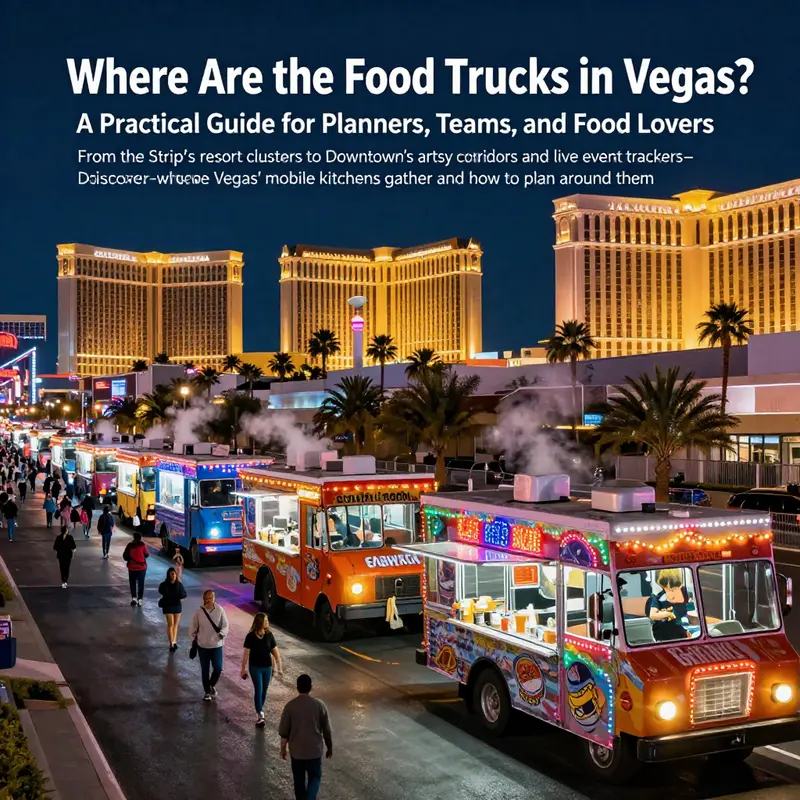
Las Vegas thrives on energy, spectacle, and delicious escapes, and its food truck scene mirrors that vibe with a mobile, multicultural flavor. For event planners, corporate HR and admin teams, local community groups, and everyday food enthusiasts, knowing where the trucks congregate can elevate programming, boost guest satisfaction, and unlock dynamic dining experiences. The Strip’s resort cluster hums with daytime and evening lunch options that complement big hotel properties. Downtown Las Vegas, especially the Arts District, bursts with rotating trucks that add character to daytime markets and night gatherings. And when conferences, expos, or pop-up events roll into town, on-site trucks can become flexible, high-impact catering solutions. This guide breaks the landscape into three interconnected chapters: where the Strip and resort clusters host trucks, how Downtown and Arts District gatherings shape the scene, and how events, markets, and real-time tracking tools empower location-aware planning. Each chapter builds toward a holistic view of how to time, book, and route mobile kitchens to match your event goals while keeping guests delighted and engaged. Whether you’re coordinating a marquee conference lunch, a charity street fair, or a neighborhood food-pop, you’ll find practical spot insights, timing cues, and practical tracking tips to make Vegas’ mobile culinary culture work for you.
Wheels on the Neon Strip: Navigating Vegas’s Resort-Cluster Food Truck Scene
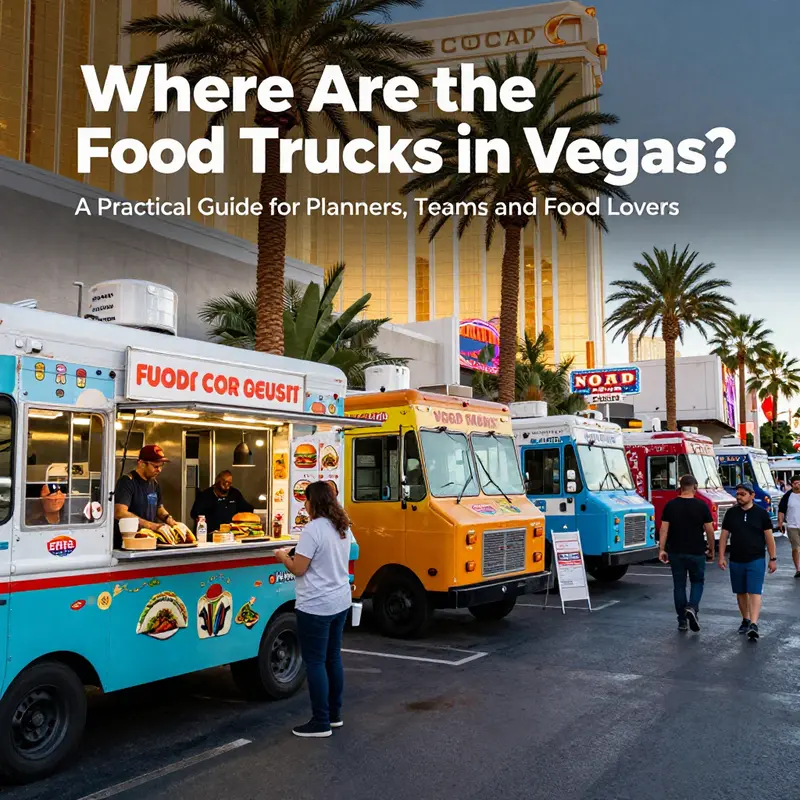
The Strip in Las Vegas is more than a corridor of gleaming hotels and giant shows; it’s a dynamic dining landscape that now folds in a fleet of food trucks as a core element of the guest experience. This chapter follows the arc of a single afternoon or evening stroll along the southern stretch of Las Vegas Boulevard, where a carefully choreographed algorithm of location, weather, foot traffic, and resort programming makes the resort-cluster food truck scene feel almost engineered for momentary flavor discoveries. In truth, the magic comes from people who understand how to transform curb space into a dining room with a sky as its ceiling. The cluster near Resorts World Las Vegas—one of the most visible anchors on the Strip—exemplifies this blend of convenience, variety, and surprise. Here, the trucks are not merely side attractions; they are integrated into the rhythms of the resort ecosystem, offering quick, flavorful options for visitors stepping out from a showroom, a casino floor, or a conference hall, and for locals who want something different from the standard menu lineup.
From the moment you step into the pedestrian traffic of the Resorts World corridor or walk the stretch of Las Vegas Boulevard South adjacent to the resort, you feel a particular energy. Outdoor dining areas feel almost like a street fair layered onto a luxury campus. Shade sails or canopies keep the sun at bay, while portable power setups and water stations hint at the practical side of this hospitality ecosystem. The food trucks themselves bring a sense of immediacy: you can watch a chef flip, sear, or braise right before your eyes, the sizzle and aroma mingling with the clamor of a hotel lobby and the distant call of a headlining act. It’s a rare blend in a city more accustomed to grand, choreographed experiences, yet the food truck cluster manages to be intimate and spontaneous while remaining deliberately efficient and aligned with the resort’s guest-service goals.
The offerings here tend to emphasize accessibility paired with variety. You’ll find menus that range from lean, fast-casual bites to more elaborate, grilled specialties that push into the realm of a casual sit-down meal, all without requiring a long queue or a reservation. This is not simply a place to grab a bite between shows; it’s a culinary corridor that invites wandering, curiosity, and a little indulgence. The trucks position themselves at strategic points—near entrances, in designated outdoor dining zones, or in parking-area pockets that have been repurposed into social spaces. The result is a cadence of lunch-hour energy that lingers into the early evening when friends reconvene after a matinee or a workday’s end and decide to extend the outing with a quick, flavorful detour.
Behind the scenes, the Strip cluster operates with a careful balance of logistics and ambiance. The surrounding hotels and entertainment venues bring a steady stream of customers, but they also impose constraints—noise ordinances, crowd management, and the need to preserve a high-end feel around premium properties. To meet these expectations, most trucks work within designated outdoor dining zones or nearby parking lots that offer some level of shade, a steady flow of patrons, and a safety margin that keeps traffic moving smoothly. Operators calibrate their prep times to the hotel’s peak traffic windows, aligning with hotel check-in surges, show intermissions, or conference breaks. You’ll notice that many trucks shift their focus in the late afternoon toward heartier or more evening-oriented dishes, leveraging the cooler air to bring out richer flavors and richer aromas that entice passersby who have already explored a day of activities.
A culinary survey of the Strip cluster reveals an emphasis on regional strengths and globally influenced techniques. Guests encounter bites that echo street-food traditions from around the world, reimagined with a Las Vegas flair and presented with a sense of speed that suits the tempo of a casino city. The dining rhythm here is about balance: quick, satisfying bites that deliver on flavor without the overwhelm of a full-service restaurant, and slow-burn flavors that reward a little patience when a crowd forms and the line length grows. There’s a tangible conversation between the trucks and the resort environment as chefs time their shifts to the schedule of a major show, a late-night club, or a popular brunch service that spills out into the open air. The culinary scene, in this sense, becomes a living map of the Strip’s broader entertainment calendar, offering a microcosm of the city’s appetite for spectacle and appetite itself.
For guests who want to navigate this landscape without a racetrack-style chase for every new flavor, real-time information is a lifeline. The most reliable way to pinpoint where a truck might be at a given moment is through location-tracking apps and the social channels that keep the trucks connected to their audience. These tools provide a practical remedy to the unpredictability of where a vendor might set up on any given day, because the Strip’s blocks are short and the turnover of trucks can be brisk. On one stroll you may encounter a queue forming outside a shaded dining area with a lineup that speaks to a collective craving for something comforting yet bold, and just a few hundred yards away, a newer truck might be drawing a crowd with a sleek flash of modern plating and an inventive approach to a familiar street-food staple. The energy is not random; it’s curated by careful attention to the flow of people, the weather, and the moment’s culinary curiosity.
If you’re curious about the particular flavors that tend to define this cluster, you’ll hear a common thread in the chatter of guests and staff alike: the sense that the Strip is a stage where food trucks audition constantly, each truck hoping to deliver a dish that feels both familiar and exhilarating. The concept of “signature” here is less about a single dish and more about the promise of consistency with a twist. The same stall might offer a lineup that changes with the seasons, offering a rotation that encourages repeat visits. A guest can expect a spectrum—from crisp, handheld bites that travel well and satisfy a lunch-hour hunger to more substantial plates that hold up through a longer evening stroll. The menus, while fluid, often reflect a cross-cultural palate: bold seasonings, vibrant sauces, and textures that contrast between chewy, crunchy, and tender. The result is a food-focused promenade that complements the Strip’s cinematic energy rather than competing with it.
Of course, this cluster does not exist in a vacuum. It sits in conversation with other high-energy food truck hubs in the city—the Arts District’s daytime buzz, the Convention Center’s post-event crowds, and the growing number of markets and pop-ups that circulate through resort properties and public spaces. Each location has its own rhythm and its own community of vendors, yet the Strip cluster remains a touchstone, a reference point for how to pair mobility with hospitality in one of the world’s most visited cities. The design of these spaces—open-air seating, shading, accessible walkways, and the graceful integration of food trucks into the resort’s safety and service standards—creates an environment where guests can switch from marveling at the neon to savoring a bite that is undeniably real and satisfyingly fast.
To find the most reliable current information, many travelers start with a familiar tool: a real-time location app that aggregates truck positions. The value of this approach is not only practical convenience; it’s also about discovering the serendipity that comes with mobility. A detour from a main route can reveal a truck with a surprising specialty—one that might be described as “the perfect match for this moment,” whether a craving for something familiar tempered with a Las Vegas twist or a bold, new flavor that turns a routine stroll into a memory. The Strip’s truck scene rewards flexibility and curiosity, two traits that help visitors turn a routine itinerary into a series of memorable discoveries.
In this context, the Strip’s resort cluster becomes a living example of how food trucks can complement a high-end property’s guest experience without compromising the sense of place that makes Las Vegas distinct. The walking distance from lobby to curb, the visual cue of a truck’s design and branding, and the aroma of sizzling grills all contribute to a sensory layer that cannot easily be replicated inside a traditional restaurant. It’s a reminder that in a city built on spectacle, the most intimate moments of flavor can happen just outside the door, in a space that blends the convenience of street food with the polish of resort hospitality.
For readers who want pragmatic guidance beyond flavor and atmosphere, there is a practical pathway to deeper understanding. Consider exploring how parking and curb space are negotiated in this environment. A resource like Mastering Food Truck Parking Challenges provides insights into the logistics of securing space, coordinating with resort operations, and balancing guest flow with vendor needs. This kind of guidance helps demystify the operational side of the scene without diminishing the romance of the flavor journeys you’ll embark on along the Strip. Mastering Food Truck Parking Challenges
As a final note, the Strip cluster’s enduring appeal lies in its ability to adapt. Seasonal events and resort-led pop-ups continually reframe the options, inviting guests to test new flavors while staying anchored to reliable, beloved staples. Seasonal programming can mean a curated lineup that reflects a holiday mood, a food-forward collaboration with a celebrity chef who’s part of a limited-run event, or a rotating set of vendors who converge for a themed market on a warm summer evening. These shifts keep the experience fresh for locals who live nearby and for visitors who return to the Strip time and again, drawn by the pulse of outdoor dining with a front-row seat to the city’s energy.
The broader Las Vegas food truck ecosystem—sprawled across markets, downtown arts districts, and convention-bound corridors—still feeds off this vibrant Strip cluster. Yet the contrast is meaningful. Downtown, the pace is slower and the vibe grittier; at the Strip’s resort edges, the scale is bigger, the presentation more polished, and the timing calibrated to the rhythm of hotel traffic and show schedules. Still, the core impulse is the same: to deliver a flavorful, efficient, and memorable bite that complements a moment of escape from daily life. The food truck becomes a portable extension of the Strip’s hospitality promise, a way to taste the city without surrendering convenience or comfort. And for anyone who has wandered past a line of hungry travelers, it’s clear that the cluster’s charm is not merely about who is serving—the charm lies in how the curb becomes a stage for appetite, conversation, and discovery, all under a neon sky that never quite sleeps.
External resource: For current listings and real-time locations near Resorts World Las Vegas, see this Yelp search page. https://www.yelp.com/search?cflt=foodtrucks&findloc=Resorts+World+Las+Vegas%2C+Las+Vegas%2C+NV
Street Alchemy on the Strip’s Edge: Tracing Downtown Las Vegas and the Arts District Food Truck Gatherings
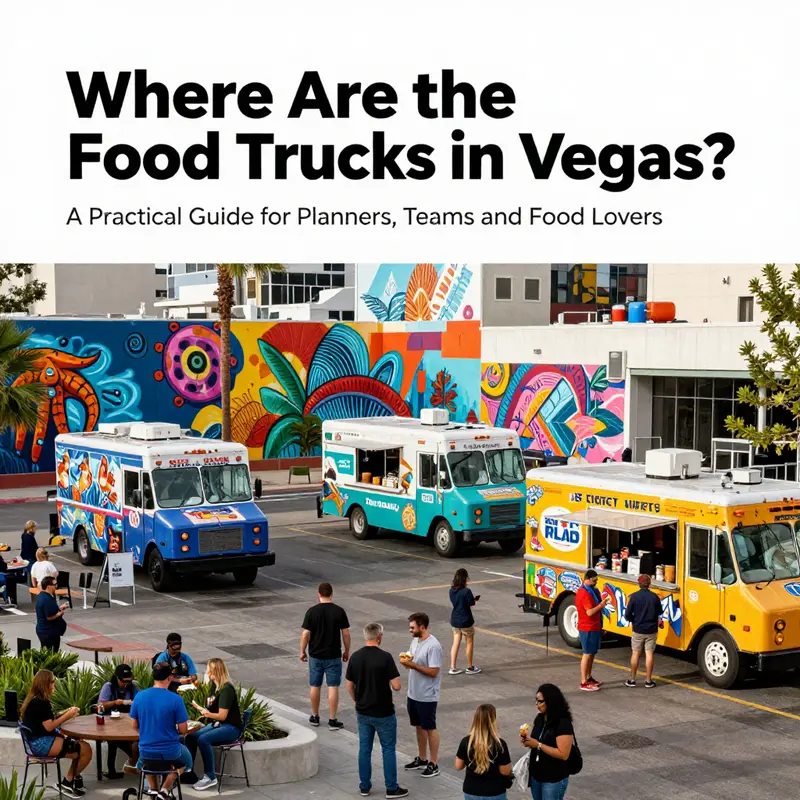
The city’s heartbeat changes pace the moment you slip from the neon corridors of the tourist strip into the more intimate, weathered canyons of downtown Las Vegas and the nearby Arts District. Here, the food truck scene is less a curated spectacle and more a living map of the neighborhood’s tastes, its rhythms, and the improvisational spirit that keeps Vegas evolving. If you follow the lines of street grids and shuttered storefronts turned gallery spaces, you discover a network of curbside kitchens that move with the sun, the breeze, and the cadence of crowds drawn to galleries, live music, and the everyday theater of city life. In this chapter we explore how these gatherings form, what makes them resilient, and how visitors and locals alike decipher the urban choreography that brings dozens of mobile kitchens into one tight orbit during peak hours. The story is less about a single destination and more about a horizon you chase as you stroll from a brick alley shaded by late-afternoon light into a block where the aroma of slow-smoked meat competes with the scent of fresh-baked bread and the wafting sweetness of fried pastries. It is a narrative of convergence, where the arts district and downtown’s edge become a shared stage for food, art, and the social theater of a city that never quite stops reinventing itself.
From a practical standpoint, the heart of this chapter rests on an idea that urban food culture often travels not in a straight line, but along a flexible arc that winds through streets, parking lots, and open plazas. In the Arts District, the streets feel wider than they appear in photos, and the light has a way of catching on metal panels and painted murals, turning every truck into a temporary studio, every menu board into a gallery label. Vendors space themselves along blocks with a sense for pedestrian flow: one truck near a shaded corner, another in a small plaza where people linger to watch a street performer, a third tucked beside a boutique that opens late. Downtown Las Vegas functions similarly, yet with a pulse that’s louder in the evenings, when residents emerge from earlier obligations and a steady stream of visitors threads through the core. The resulting gatherings are not random; they’re organized by a shared understanding of where foot traffic tends to accumulate, what period of the day invites a new crowd, and how the weather can shift a line from a trickle to a queue that snakes into the next cross street.
Taste, too, has a geography here. You can trace the city’s cultural appetite by watching the visitors and locals mist over with curiosity as they scan menus that blur the line between street fare and culinary craft. The best trucks in this ecosystem lean into that curiosity, offering combinations that speak to a global palate while honoring the immediacy of a hot grill, a bright squeeze of citrus, or a dollop of house-made sauce. And because the gatherings are frequent but not constant in every corner of the district, there’s a natural migration that makes the scene feel intimate even as it scales. People who work in nearby studios or shopfronts begin to anticipate the arc of the day—an early lunch near a cluster of galleries, a late-afternoon stroll that ends with a savory surprise before you pop into a coffee bar for a cold drink, a weekend evening where the lights, music, and the clatter of plates turn the sidewalks into a shared dining room. In this setting, a food truck is not merely a vehicle; it’s a temporary neighbor, a mobile kitchen where chefs exchange ideas with curious eaters, and a stage for a city to sample its own evolving flavor identity.
What makes the downtown and Arts District gatherings unique is the way the urban fabric shapes the logistics. In practice, trucks move from a daytime parking nook to a softer, more welcoming corner as the sun descends, guided by unspoken understanding: the best spots are those that balance visibility with shade, traffic flow with safety, and neighborliness with opportunity. The city’s curbspace is a precious resource, and the crews who operate here know how to negotiate it with grace. They arrive early enough to stake a claim before the crowd arrives, but not so early that the space becomes stale or unproductive. They watch the weather and the crowd’s mood, adjusting their pacing and their offerings to fit the moment. A truck that might have drawn a lunch crowd in a business district can transform into a late-afternoon favorite when an art crawl begins to hum along a stretch of Fort Street or 9th Street, as the case may be, with gallery doors open, live music floating in the air, and pedestrians weaving between murals and storefronts.
The sensory architecture of these gatherings matters as much as the food. The crackle of a grill, the sizzle of onions, the citrus zing of a squeeze bottle, and the crisp rustle of paper wrappers all merge with the sounds of passersby, the soft percussion of distant percussion or a nearby guitarist, and the occasional clink of a coffee cup from a nearby cafe. In this cadence, the meal becomes a shared experience rather than a solitary purchase. People lean into conversations with the cooks, ask about ingredients, or swap recommendations for nearby galleries. A student with a sketchbook sits on a curb, a pair of dancers rehearses in a storefront window, and a family threads its way through the line, the youngest one pointing at a glowing sign and declaring a future favorite. The trucks, in turn, adapt not only their menus but their presence: some keep their service windows open with creative, hand-painted signage that invites passersby to discover something new; others shift their lighting from utilitarian bulbs to warmer, ambient hues as dusk settles. The aesthetic of the street becomes part of the attraction, a living backdrop that makes food a component of a broader experience rather than the sole purpose of a stop.
For those who want to engage more thoughtfully with this scene, the practical question often is: how do you find where the trucks are and when they’ll be there? The reality is that in a city where dining options explode and schedules shift with events, the most reliable approach blends curiosity with a light, strategic plan. One starts by strolling through the Arts District’s gallery walls and along the blocks where pop-up events usually unfurl. If you time a visit around early evening, you may catch a cluster of trucks near cross streets where foot traffic naturally cones toward outdoor seating and shade. Another approach is to map out a gentle path that threads together a few blocks known for their creative energy and then allow the scene to reveal itself as crowds gather. People who live in or near the district will often guide newcomers toward the most consistent corners, the ones where a steady rotation of trucks tends to park on rotating schedules or in response to ongoing events. The pattern is less about fixed destinations and more about a flexible itinerary—a map that evolves as artists, entrepreneurs, and city planners shape the district’s evolving identity.
An important dimension of this ecosystem is the interplay between regulation and spontaneity. Downtown and the Arts District are places where local ordinances, permit requirements, and safety considerations influence how mobile kitchens operate. The trucks must balance efficiency with compliance, ensuring that their setup doesn’t obstruct pedestrian flow, keeps fire lanes clear, and adheres to noise guidelines when late into the evening. This balancing act often results in a choreography that respects neighbors and audiences while preserving the sense of discovery that makes these gatherings feel like a living canvas. For any observer who wants to understand the scene more deeply, it helps to appreciate how permits and partnerships with neighborhood organizations shape which blocks become reliable hubs on certain nights and how a single event can attract a wider array of vendors, turning a quiet street into a buzzing corridor of activity.
The culinary palette you encounter here is as diverse as the people who traverse the district. The offerings range from bold, smoky preparations to bright, citrus-driven plates, from comforting handhelds to inventive, modern interpretations of street classics. The best experiences arise when cooks layer textures and temperatures, offering a crisp bite on the first mouthful followed by a surprising depth of flavor after a few seconds. The food truck scene thrives on the tension between speed—serving a line that could be twenty people deep—and quality, which demands attention to recipe, sourcing, and culinary craft. There’s also a social dimension to the cuisine: the vendor’s storytelling, the way chefs discuss provenance with curious patrons, and the shared rituals that emerge when someone returns for a favorite dish or a new twist on an old staple. The result is not simply a meal but a small, communal ritual that invites strangers to become acquainted through taste, conversation, and the simple act of sharing space for a few minutes of nourishment.
If you are chasing a sense of place, you will notice something else—how the physical environment itself acts like a seasoning. The Arts District, with its art-filled storefronts, texture-rich walls, and occasional sculpture on the sidewalk, provides a stage on which the food trucks perform. The downtown streets, with their brick facades, modern glass corridors, and echoing footfalls, give the diners a sense of continuity between what they eat and where they are. The best moments come when a truck is positioned near an open doorway or a gallery entrance, so the aroma drifts inside, drawing visitors who might have paused at a painting or sculpture to decide on a quick bite before continuing their evening stroll. The social scene blooms here in the spaces between the meals: conversations between artists and cooks, the exchange of recommendations for other neighborhood stops, and the chance to watch a mural come alive as the sun lowers and a new palette of street light unfurls across the brick and stucco.
For anyone trying to plan a visit, a light, practical mindset pays off. Start with flexible timing: late afternoon into early evening typically offers the richest variety, with a natural migration from daytime craft stalls to the dinner-hour collections. Bring a light jacket or layer, because the desert air can flip from warm to cool quickly as dusk settles. Expect to share a table or a curb with strangers who become temporary dining companions, because the nature of the gathering often means improvisation—someone saves a seat for a friend, a stack of takeout containers becomes a makeshift centerpiece, and a musician’s set turns a stretch of curb into a communal listening room. It’s this improvisational charm that makes the downtown and Arts District food truck gatherings memorable. They are not static events but evolving, living expressions of the neighborhood’s identity and its appetite for cross-cultural exchange. In that sense, the experience mirrors the city itself: a synthesis of movement, sensory richness, and the stubborn resilience of small businesses that continue to adapt, season after season, to the city’s bright lights and changing crowds.
To deepen your understanding of how to locate and participate in these gatherings, certain practical resources can be helpful without locking you into a single source. Rather than relying on a single listing, consider the cadence of the district: walk a few blocks, feel the energy, look for lines forming near a cross street, then follow the aromas that drift toward an open plaza or shaded corner. The more you engage with the space, the easier it becomes to anticipate when a cluster of trucks will materialize and which blocks tend to host rotating vendors. This chapter’s overarching aim is to demonstrate that the downtown and Arts District food truck gatherings are less a fixed route and more a social landscape—an urban canvas where food, art, and people collaborate to create a shared sense of place. As you move through the district, you’ll notice that the trucks themselves are as indicative of the area as the murals you pass. They reflect the creativity of the people behind them and the sense of discovery that keeps locals and visitors returning for a bite, a chat, and a moment of connection amid the city’s vibrant, ever-changing mosaic. If you want a concise path to practical parking strategies as you plan your visit, you can consult resources that focus specifically on navigating parking challenges for mobile vendors, which provide guidance on choosing spots that balance accessibility with safety and community guidelines. mastering food-truck parking challenges.
As you close this chapter and plan your next stroll through the Arts District and downtown core, keep in mind that the real reward is not simply a delicious dish but the experience of moving through a living neighborhood that wears its culture on the street-level like a palette of colors on a mural. The gatherings become a lens through which you can view the city’s evolving tastes, its creative economy, and the way a community negotiates space, time, and memory in one of the most dynamic urban landscapes in the country. For those who crave a deeper dive into the infrastructure that makes these moments possible, the broader context includes the policies, partnerships, and practicalities that govern where a truck can park, how long it can stay, and how vendors coordinate with events and neighborhood associations to sustain both accessibility and quality. The result is a scene that remains intimate and welcoming even as it scales with popularity. That balance—between spontaneity and planning, between neighborhood life and visitor curiosity—defines the unique flavor of Las Vegas’s downtown and Arts District food truck gatherings. It invites you to linger, to sample, and to observe how food becomes a bridge across cultures, a catalyst for conversation, and a reminder that the city’s finest flavors can emerge from a mobile kitchen parked on a sunny curb, just a few blocks away from a gallery doorway and a sky full of possibility. For those seeking more current information about events and schedules in the Arts District, exploring official district calendars and neighborhood pages is recommended, as these resources update frequently with new venues and rotating vendors. For broader context on the district’s ongoing activities, you can visit the events listing page of the district’s official site.
External resource: https://www.lasvegasartsdistrict.com/events
Tracking the Trail: How Las Vegas Food Trucks Move Through Markets, Events, and Real-Time Signals
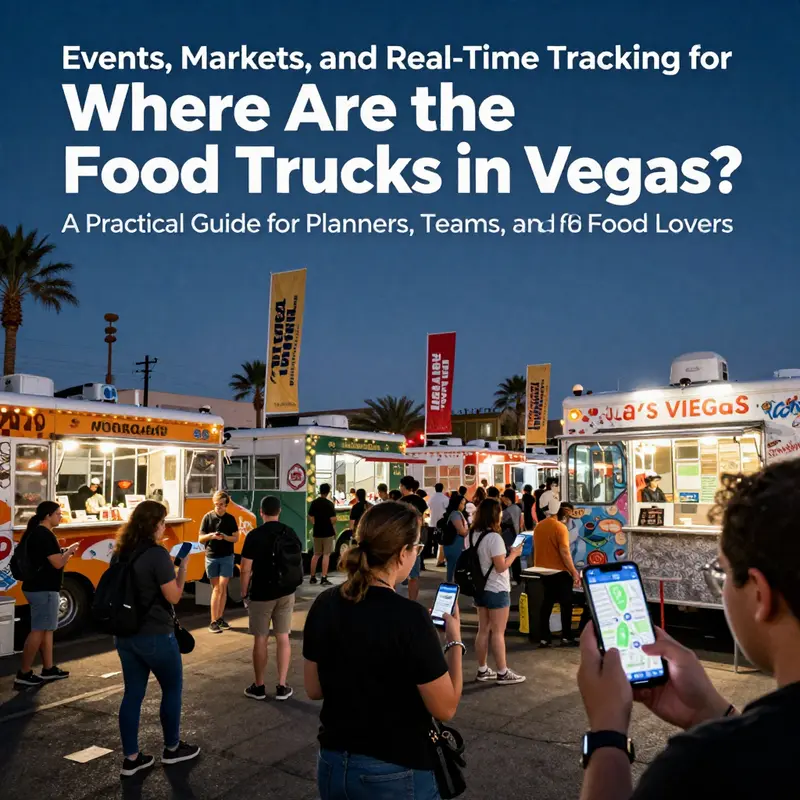
Las Vegas rewards curiosity with movement. The city’s food-truck scene is less a static lineup than a living map that shifts with weather, hotel rotations, event calendars, and the rhythms of daily life. To understand where the trucks are, one must learn to read the currents—where ferried crowds converge, where markets rise with the sun, and where the lanes of the Strip loosen into a patient, wandering cadence as each truck tests a new corner or returns to a familiar favorite. In this chapter, we weave a continuous narrative of location, timing, and the real-time signals that make the Vegas food-truck ecosystem legible. The aim is not to catalog every vehicle at every hour, but to offer a coherent reading of how the fleet moves through the city, where you’re most likely to find it during a given window, and how to tune your own hunt using practical signals and platforms that have become the city’s common language for street cuisine.
The Strip remains the most emblematic artery of the Vegas food truck map. It is a corridor of constant spectacle, where trucks flirt with high-end hotels and the foot traffic that fills the pedestrian thoroughfares between shows, cocktails, and late-night wanderings. In the middle of the day, clusters often form near hotel courtyards and popular entrances, where guests gravitate toward quick bites between meetings or before a performance. In the evening, the energy shifts to a more relaxed pace, yet the appetite stays high, and trucks move toward cross-pollination points—places where hotel guests spill onto sidewalks and diners migrate toward casual post-show meals. The exact pockets vary with season, but the pattern is clear: a handful of steady anchor locations along the Strip, with mobile clusters that drift as foot traffic shifts or as event crowds surge in from adjacent neighborhoods. For anyone who wants to time a visit, keeping an eye on hotel entrance terraces and major hotel courtyards is a reliable way to anticipate where lines will form and which trucks will be cycling through the same block as the night air begins to cool.
Beyond the neon glow of the Strip, Downtown Las Vegas has carved out its own, more intimate geography for trucks and their fans. The Arts District, in particular, functions as a thriving hub where food trucks gather in a shared space during the day and again in the evening, creating a rhythmic pulse you can feel as you approach the neighborhood. The logistics here are less about brief stops for a bite between shows and more about a social, communal experience. Trucks orient themselves around a few central gathering spots—ample parking, visible signage, and easy access to pedestrian corridors that bring residents, visitors, and workers together for a shared, spontaneous meal. The result is a scene that feels both casual and curated, a street-food street fair where you can wander from one vehicle to another and compare styles, textures, and flavors without ever leaving a single block.
The Las Vegas Convention Center also plays a critical role in the city’s food-truck ecology, acting as a magnet during major conferences and trade shows. When the halls fill with attendees, the surrounding area becomes a temporary tasting menu for a broad audience that wants quick, satisfying meals between sessions. Trucks often position themselves in a predictable arc around the perimeter of the property, where walkable access and high visibility meet the demand for efficiency. The convention schedule thus exerts a kind of tidal pull on the mobile fleet: when the calendar lists a big event, the trucks migrate to nearby corridors and parking lots that can absorb crowds without overwhelming any one vendor. This dynamic is less about a single truck staying put and more about a coordinated choreography, where multiple vehicles reposition at strategic moments to keep the flow steady and the lines reasonable.
Local markets and markets-flavored events form another essential layer in Vegas’s food-truck topology. Pop-up markets, farmers’ markets, and seasonal fairs create micro-environments where many trucks converge in a single locale for an emphasized window of time. These markets offer overlaps with other city rhythms—workdays, weekend leisure, and holiday happenings—so they become reliable, repeatable anchors for hungry visitors. Markets in the city typically schedule rotating vendors, which keeps the experience fresh while still offering a dependable opportunity to sample a wide range of cuisines in one place. If you are planning a food-truck outing, market days deserve a special place in your itinerary: they tend to concentrate energy, provide easy navigation from stall to stall, and create a social atmosphere that makes the culinary experience as much about people as it is about plates.
To navigate this geography with greater confidence, many locals and visitors rely on real-time signaling systems. The city’s food-truck ecosystem benefits from a quiet undercurrent of location-aware updates that help people track fleets as they move. Instead of trying to memorize a static list of trucks and locations, seasoned enthusiasts monitor a real-time signal stream that indicates where vehicles are now, where they plan to be next, and how weather or events may be shifting those plans. This approach turns location from a fixed point into a moment-by-moment reading of the city’s appetite. People who want to catch a particular style or flavor learn to interpret the signs—where trucks pause for lunch crowds, where a cluster merges into a courtyard, or where an empty curb signals a shift in the night’s flow.
In practical terms, this means that the most reliable way to stay current is to lean into a real-time tracking approach rather than static listings. A practical tool in this regard is a location-aware app designed for food trucks. The app provides the nearest trucks, their current status, and notifications when nearby vehicles begin serving or move into new neighborhoods. It is particularly effective in a city where the fleet is large and the hours are variable. The app’s real-time updates can align with a person’s schedule in the moment—on a lunch break, after a conference, or during a downtown stroll when a craving shifts direction as the sun moves across a skyline that constantly redefines itself. This is where the city’s tempo becomes tangible, and where a visitor can move from plan to serendipity with ease.
The spread of trucks across the city often follows a practical logic: concentrate around major transit nodes and popular gathering points while maintaining flexibility to drift toward newly buzzing corners or drop into a temporary rotation that responds to crowds. On the Strip, trucks cluster near high-traffic entrances, courtyards, and retail frontages with quick access to major arterials and drops in footfall. In the Arts District, the vehicles tend to assemble near cross streets that intersect with galleries, cafes, and event spaces, creating a human-scale mix of art, conversation, and aroma that makes the food part of a broader social experience rather than a mere meal. In the convention center zone, the pattern is more event-driven, with trucks aligning to the schedules of conferences and exhibitions and stepping back when the halls go quiet. Markets, with their planned surge of vendors, offer a different cadence altogether: a concentrated, predictable window during which hungry participants have a broad range of choices and experiences in a compact space.
The practical upshot for someone planning a night out or a weekend excursion is straightforward: combine a flexible plan with a real-time signal. Start with a broad sense of where the trucks usually cluster at different times of day and week—Strip lunch hours, downtown evening clusters, convention-center lunch breaks, and weekend markets. Then layer in live signals from a trusted app that shows exact truck positions and updates on where new vendors are arriving. The combination makes it possible to hop between neighborhoods without feeling like you are chasing a moving target. It also allows you to adapt to weather, which in Vegas can be a decisive factor in foot traffic and stall placement. A sudden wind shift, a sudden downpour, or a heat spike can send trucks packing or pulling into more sheltered lots, and the live data kicks in exactly when you need it most.
If you’re new to this rhythm, a gentle introductory pattern helps. Spend one afternoon wandering the Arts District to feel the tempo of a typical truck gathering in a compact, walkable zone. Then plan a Strip day with a lunch window focused near a couple of anchor hotel entrances, watching for the vehicles that drift along the sidewalk or curbside as crowds swell or subside. A third day might be reserved for a market, perhaps a downtown weekend market, where you can compare several trucks in a single place and taste a spread of offerings in one concentrated stroll. The objective isn’t simply to eat; it’s to understand how the city’s appetite moves, how trucks respond to that appetite, and how the trackers in your pocket translate those movements into a reliable plan that fits your preferences, whether you’re chasing a particular flavor profile, a vegan option, or a late-night snack.
All of this is underpinned by a culture of sharing and social signal. The best food-truck communities thrive because people contribute to the collective knowledge. A person who learns that a certain corner becomes a magnet during a specific week’s events can transmit that insight to others, and those insights become part of a broader, living map. In this way, the city’s food-truck ecosystem resembles a living organism, with drivers, organizers, fans, and casual observers all contributing to a shared sense of where the flavor pendulum is swinging. The role of social updates, if used judiciously, is to supplement the real-time tracker and enhance your situational awareness, helping you decide when to move, when to stay, and which flavors you want to chase based on what the trucks are playing at that moment.
For readers seeking a concrete stepping-stone to local practice, consider this short guide to building a practical routine. First, identify two or three dependable anchor zones where trucks congregate in the early afternoon and where you can reasonably expect a steady rotation of options. Second, select one live-tracking approach that broadcasts current positions and imminent moves, and enable notifications for alerts that align with your schedule. Third, add a market or event window to your calendar so you can experience a higher-intensity concentration of trucks in a single place, which makes for a powerful tasting session and a chance to compare several offerings side by side. Fourth, bookmark an internal information hub, such as a local food truck community blog, to stay informed about any shifts in routes, permits, or seasonal rotations. An accessible entry point for ongoing updates is the community blog that curates experiences and observations across the city. You can explore it here: loschifladostruck.com/blog.
In all, the Vegas food-truck story is a narrative of movement and gathering, of markets that pulse with life and streets that bend toward the next flavor. It rewards a flexible approach and a willingness to follow signals across the city’s intersections, hotels, and markets. The more you tune your own routine to this rhythm, the more you’ll discover how a city of constant spectacle also becomes a city of consistent, satisfying meals. And as the calendar turns toward new events and new markets, the road map evolves with it, inviting you to re-engage with the city’s culinary frontier again and again.
External resource for real-time tracking and event updates helps to keep you connected to the current moment. While you navigate, remember that plans will shift, and the best approach is to treat location awareness as a dynamic practice rather than a fixed itinerary. The city’s appetite is a tide, and you are riding it with a mix of curiosity and practicality.
Final thoughts
Vegas’ food truck landscape is a dynamic map of flavor, culture, and logistics. By understanding where trucks congregate—whether along the Strip’s resort corridors, within Downtown’s Arts District, or at large events with live-tracking tools—your planning becomes more reliable, engaging, and flavorful. Leverage strategic location choices, align with peak foot traffic, and use real-time updates to coordinate schedules, menus, and guest flow. When you pair the energy of Vegas’ mobile kitchens with thoughtful logistics and audience-focused experiences, you deliver moments that feel spontaneous yet are expertly choreographed.