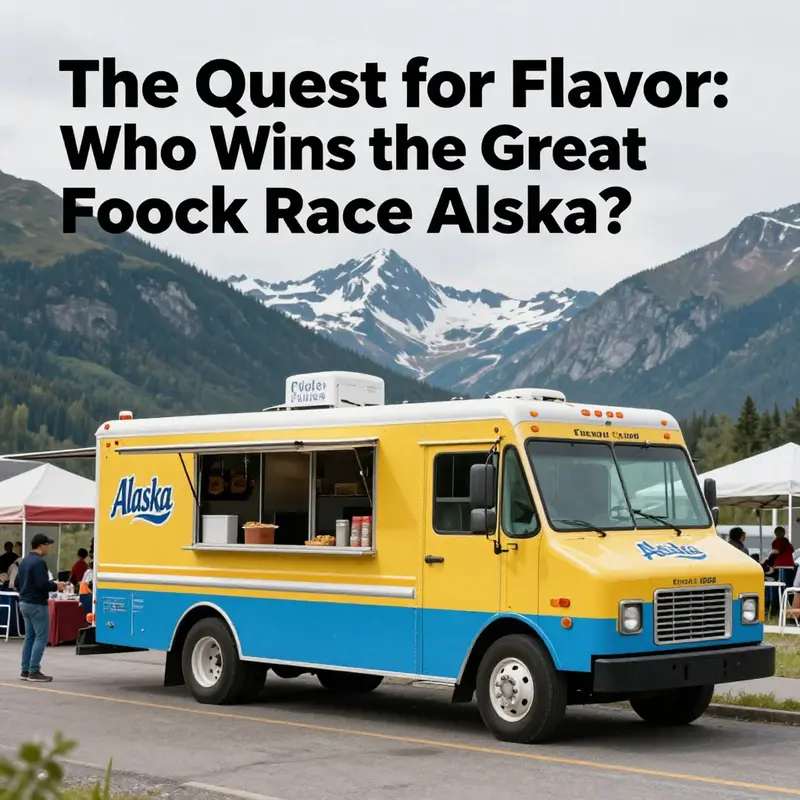
Imagine the glaciers and mountains of Alaska as the backdrop for a vibrant competition filled with sizzling grills, diverse flavors, and passionate food truck teams. While the ‘Great Food Truck Race’ has yet to find its way to the scenic landscapes of Alaska, there’s no doubting the excitement it could bring. This article dives deep into the current status of the show, reflects on the thrills of previous seasons, explores the potential of future Alaska editions, assesses the impact of the race on food truck culture, and examines how audiences have received this beloved series. Buckle up, food lovers; your favorite culinary competition may just be heading north!
Alaska on the Menu: How Burger Bunch Claimed the Great Food Truck Race’s First Alaska Crown
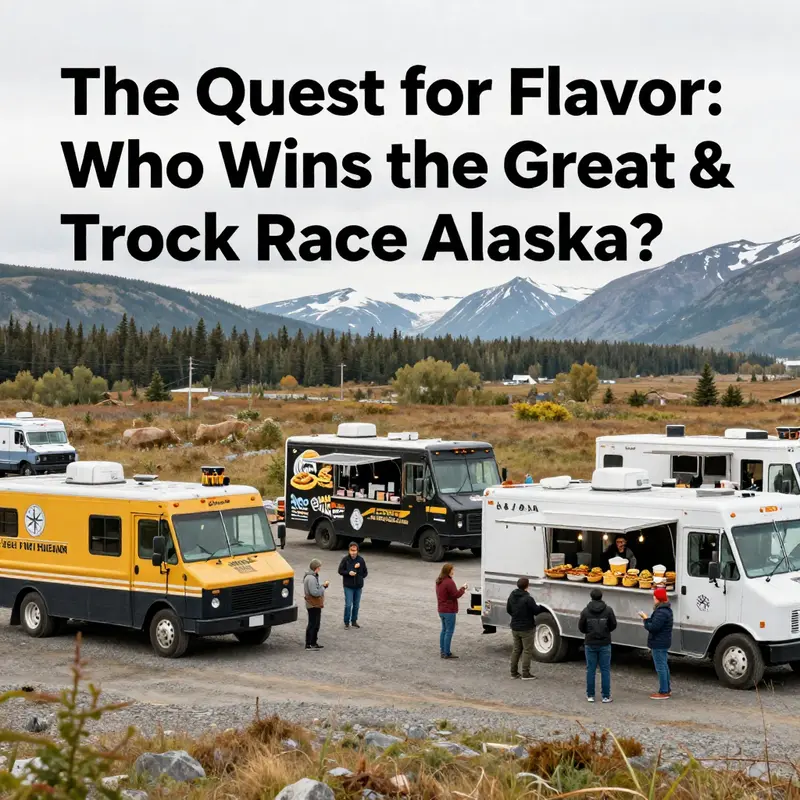
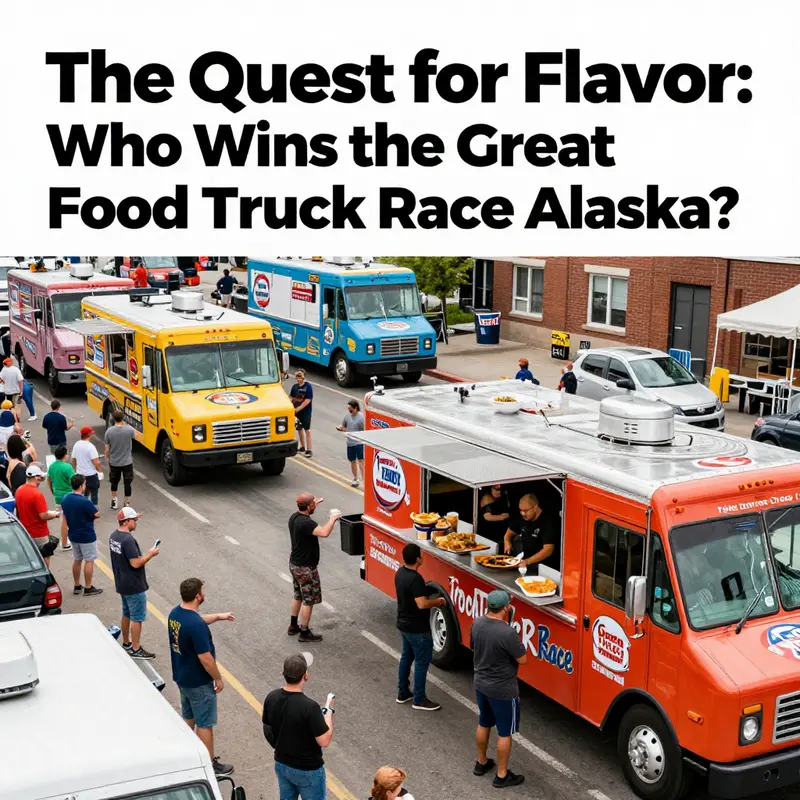
When the Great Food Truck Race finally rolled its camera across Alaska, the country was watching not just for the punch of sizzling grills but for a test of endurance that only a landscape of glaciers and endless backroads could demand. The show had traversed deserts, coasts, and cities, but Alaska represented a different kind of pressure: nights that don’t end, days that don’t begin on a predictable clock, and ingredients harvested from a land where seasonal windows decide survival as much as taste. As of February 2026, viewers finally witnessed an Alaska chapter that felt earned, not assumed. The season that concluded in 2025 placed a bright, unmistakable stamp on the series’ history. The final outcome? The Burger Bunch—Lena and Mark Thompson from Anchorage—stood crowned as champions, with a prize of fifty thousand dollars and the title of Best Food Truck Crew in America. Their victory, rooted in a bold use of local ingredients and a dynamism born of sibling teamwork, redefined what an Alaskan food truck could be in a competition designed for headlines and heart-stopping finishes. Their win wasn’t merely a trophy moment; it was a narrative about place, community, and the way a small business can become a nationwide symbol of possibility when seasoned with courage and a little ice for good measure.
If you trace the arc of Season 14, the episodes themselves read like a map through remote towns scattered along routes that aren’t chosen because they’re easy, but because they demand ingenuity. The teams faced long stretches between towns that rely on air and boat transport, where the clock is less about minutes and more about the occasional window of daylight that allows for a proper cook and clean. They cooked against the backdrop of vast skies and the hum of machinery at distant ports, where snowfields reflected the heat of a grill and the scent of seared salmon drifted through cold air. Ingredients themselves behaved differently in Alaska—wild salmon with a clean, almost briny sweetness; reindeer meat that offered a lean, gamey richness; herbs that survived only with a careful harvest and a touch of improvisation. It wasn’t just about feeding hunger; it was about translating a rugged sense of place into a menu that could win a challenge and win hearts.
The path to the finale had nothing about it that felt easy, though it never tipped into the melodrama some reality shows lean on. The teams learned to pace their energy against the landscape’s demands. They navigated limited supply lines, weather swings, and the unpredictable rhythms of small Alaskan communities where locals become both judges and mentors in the most practical sense—tasting a dish and nodding with recognition that yes, this pair truly understands the land they’re serving. The competition highlighted the ingenuity of using local ingredients in ways that felt both authentic and innovative. The Burger Bunch did exactly that. Their signature creations—the Glacier Burger, a stack that balanced the clean, pristine taste of high-country beef with a smoky finish, and the Tundra Tacos, which paired roe and wild greens with a crust that held together against the biting wind—became emblematic of how Alaska could be a stage for refined, boundary-pushing cuisine without losing its fundamental sense of place.
Anchorage-born Lena and Mark leveraged more than a knack for cooking. They brought to the series a deep understanding of the logistical realities of operating a truck in a state where the road network can thin out as quickly as the daylight. Their teamwork transformed late-night compromises into menu dreams. When a challenge required two kitchen minds to align within the same limited space, they did not crumble under pressure; they synchronized, turning a potentially chaotic service into a smooth, coordinated performance. This is what the show often rewards: the quiet, steady mastery of a craft under conditions that demand it most. The Thompson siblings didn’t simply survive Alaska’s backcountry. They integrated themselves into it, learning how to lift flavors from the land without losing the mobility and speed that define a food truck’s ethos.
The Iditarod Trail Sled Dog Race’s starting line provided a dramatic culmination that underscored the show’s reverence for Alaska’s enduring public identity. It wasn’t just a backdrop; it was a symbolic stage where endurance, tradition, and innovation collided in a way viewers could feel in their bones. The final cook-off at that starting line was less about a single dish and more about a sense of cohesion under pressure. Lena and Mark’s ability to maintain heat, balance, and flavor while the world watched was a quiet triumph of temperament. The judges, who weigh not only the taste but the efficiency of service, looked for a truck that could sustain a high-quality experience through the grueling schedule of Alaska’s routes. The Burger Bunch delivered with a steady rhythm: a customer-centric approach that never sacrificed technique, nor enthusiasm. The result was a championship that felt earned through a combination of local sensibilities, culinary craft, and the hard-won wisdom that comes from turning a family’s shared kitchen into a mobile empire.
But the season’s legacy goes beyond a single win. Alaska’s cuisine, once perceived by some as a frontier of raw, simple fare, found a new voice on the show. The competitors introduced viewers to a conversation about what modern Alaskan street food can be—an artful marriage of traditional regional ingredients and contemporary technique. The wild salmon, carefully cured and paired with crisp textures; the reindeer, treated with care to maintain its lean profile while highlighting its distinct flavor; berries and greens picked from hedgerows that survive the toughest seasons—these elements didn’t just fill plates; they narrated a story of resilience. The Burger Bunch’s triumph suggested a future for Alaska’s food trucks that respects the state’s deep connections to the land while inviting a broader audience to taste and savor it. In this sense, the season did more than crown a winner; it framed Alaska as a delicious, evolving classroom where local culture and culinary ambition meet with the world.
The narrative’s resonance extended into viewers’ kitchens and mentor spaces beyond the show’s set. Fans and aspiring operators began to see in Lena and Mark a blueprint for success that can travel beyond Alaska’s borders. The story invites a broader conversation about how to harness place in a mobile business: how to source responsibly, to adapt recipes to evolving supply chains, and to sustain a team under the unique stresses of a travel-based competition. It invites anyone who has watched a dream form under pressure to imagine how far their own ambitions might travel when anchored to a specific landscape and a commitment to craft. The Burger Bunch didn’t simply win a race; they offered a map of possibility—one that starts with a love for the land and ends with a shared table for families and communities that extend far beyond Anchorage.
For readers who want to see the broader implications of Alaska’s season on the industry, it’s worth acknowledging that operating a food truck in extreme climates requires navigating many realities. Beyond taste and speed, there are regulatory frameworks, safety standards, and logistical concerns that shape every decision on a truck’s menu and schedule. The published resources and episodes show that success comes from a blend of local knowledge and disciplined operation. To explore this side of the business in depth, you can consult sources focused on how operators manage regulations and keep a truck compliant in demanding environments. See navigating-food-truck-industry-regulations for a concise overview of the practical framework that supports teams like the Burger Bunch as they chart a path through Alaska’s unpredictable days and nights.
As the season’s credits rolled, viewers carried away something more than a victory montage. They carried a renewed sense that Alaska’s culinary landscape is not an echo of convention but a bold invitation to reimagine what a mobile kitchen can be. The Glacier Burger and the Tundra Tacos aren’t just menu items; they symbolize a partnership with a place that teaches cooks to listen to wind, to seasonality, and to the stubborn, beautiful truth that great food can come from the most unexpected places when the people behind the food bring courage, curiosity, and care to every shift. The Burger Bunch’s triumph becomes a case study in how to translate a sense of place into a competitive edge, how to marshal a crew under pressure, and how to tell a story through flavor that feels intimate and expansive at once. The Alaska chapter of the Great Food Truck Race may have been new, but its message is timeless: greatness on wheels is less about chasing trends than about honoring the land that fuels the craft and the people who keep turning the key, night after night, in a world that’s always ready to taste the next big thing.
External resource: For a comprehensive look at the show’s official pages and episode guides, visit https://www.discovery.com/shows/the-great-food-truck-race
null
null
On the Edge of the Map: Envisioning a Return of The Great Food Truck Race to Alaska
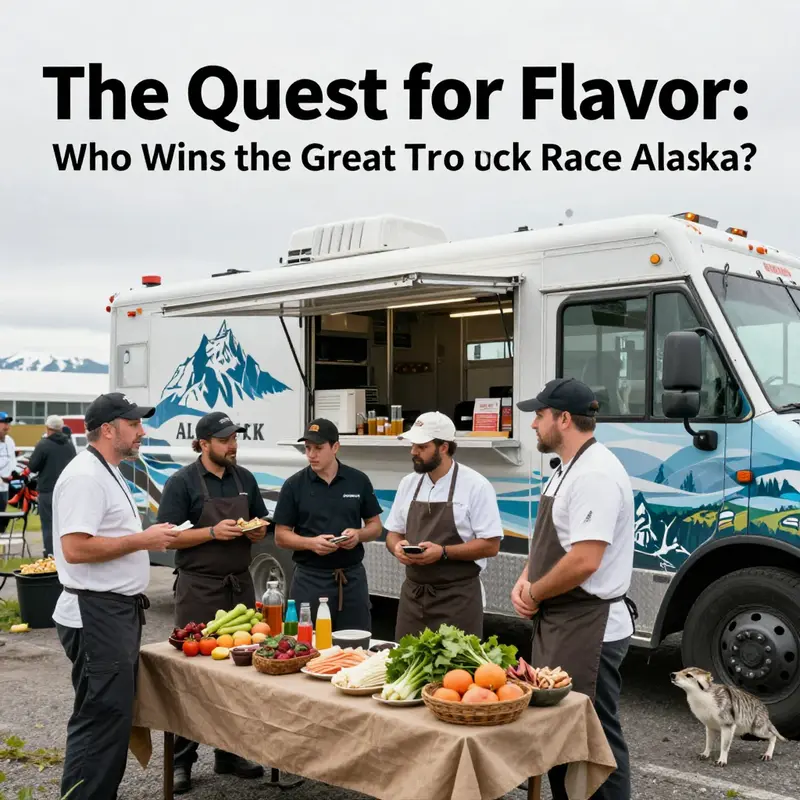
From the first glint of midnight sun to the long shadows that ride the late autumn wind across the fjords, Alaska offers a stage unlike any other for a competition that blends culinary bravura with survival instinct. The Great Food Truck Race has built a reputation on turning kitchens into combat zones where brilliance, resilience, and storytelling collide in real time. Yet, official seasons in Alaska have been scarce, if not absent, on the televised circuit. The 2021 Alaska run—though not a staple of every season’s arc—proved that the state’s rugged geography and vibrant foodways can sustain a compelling, character-driven competition. The episode titled “Alaskan Alliance” did more than test cooking under pressure; it staged a narrative about collaboration, improvisation, and the clever leveraging of what the land offers. Seed money came from an audacious twist that required teams to wrestle with deep-sea fishing as a start-up challenge, a premise that instantly grounded the show in Alaska’s most iconic resource. It wasn’t just a stunt; it was a lens into a landscape where every decision carries weight, and where supply, weather, and time are variables as real as any flame or knife. The audience tasted the thrill of this collision between culinary skill and frontier practicality, and the response suggested that Alaska is not merely a scenic backdrop but a living, breathing character in its own right within the competition’s dramaturgy.
In the years since, a few threads have persisted in the broader conversation about repeating Alaska on the show. The winner of the 2021 Alaska edition, Chef D’s Tasty Balls, became a touchstone for what communal pride and regional flavor can look like under pressure. That victory, echoed in professional outlets and on networking platforms, underscored a deeper truth: teams anchored in local identity and a willingness to push culinary boundaries can thrive when the stakes are high and the scenery demands respect. Alaska’s distinctive foodways—wild salmon and other sea treasures, game meats, and Indigenous ingredients—offer a pantry that is both challenging and deeply authentic. When teams lean into these ingredients with curiosity rather than bravado, the storytelling becomes not just about tricks or speed but about how a dish can carry the spirit of place. It is precisely that spirit the show has sometimes struggled to bottle in other regions, where the local culture may feel less inseparable from the food. Alaska, by contrast, invites a more intimate conversation about place, season, and sustenance, and that invitation is hard to resist for any producer seeking a location-based season with cultural depth.
The logistical puzzle of an Alaska edition, though formidable, is not a dead end but a doorway to innovation. Alaska presents weather patterns, daylight cycles, and geographic distances that make logistics a central character in the plot. The elements of ice, wind, and changing light compel teams to adapt not only their menus but their schedules, their transport strategies, and their relationships with vendors who are themselves navigating the same remote terrain. The potential for a return thus rests not in a mere rerun of past formulas but in a careful reimagining of how competition, commerce, and community can coexist in a place where every route is a journey and every bite tells a weathered tale. The show’s willingness to experiment—seen in the seed-money concept and its emphasis on local ingredients—signals that Alaska is still in the game a player, not a prop. If producers lean into Alaska’s distinct rhythm, future editions could unfold with a cadence that feels both new and true to the land.
The idea of Alaska as a recurring setting also aligns with broader shifts in how networks conceive location-based competition. There is growing appetite for seasons that blend cultural depth with high-stakes drama, where partnerships with Indigenous food artisans and regional producers are not token gestures but integral mechanics of the competition. Alaska, with its aging network of coastal fisheries, migratory wildlife, and thriving subsistence traditions, holds a potential for collaborations that feel durable and respectful. Such partnerships could yield menus that honor tradition while inviting modern technique, a combination that resonates with audiences seeking authenticity while still wanting the sheen of television spectacle. The episode templates are fertile for narratives about community resilience, small business growth, and the ways in which a traveling kitchen becomes a moving ambassador for a region that is often defined by its remoteness. In this sense, Alaska is less a challenge to conquer and more a forum for conversation—about access, about sustainability, and about how a contemporary food economy can hold space for both innovation and reverence.
With Alaska’s distinctive culinary palette, the competition could lean into a broader spectrum of themes that feel especially relevant in today’s food culture. Imagine a season where teams must source ingredients directly from local harvesters, fisheries, and Indigenous producers, blending those ingredients with techniques from across the culinary world to tell a story of place. The narrative arc could revolve around the tension between speed and stewardship, between the pressure to finish a service on a tight schedule and the need to honor seasonal cycles and sustainable practices. The show would still prize improvisation, but it would reward it in ways that are ethically and practically grounded—choices that reflect a state where the cuisine is inseparable from the environment. Alaska’s landscape, with its vast distances and compact urban nodes, invites a structure that moves teams through communities in cycles that feel intimate rather than industrial. Anchorage might serve as a central hub for seed money and logistics, with excursions branching out to fish camps, rural capitals, and coastal towns where local markets offer a direct line to the culinary soul of the state. Such a framework could preserve the high-energy pace viewers crave while elevating the narrative to highlight local expertise, environmental stewardship, and cross-cultural collaboration.
In planning a potential Alaska edition, the relationship between the show and the communities it visits would be paramount. Producers could build in a recurrency of Indigenous participation, inviting artisans and cooks who speak to Alaska’s living foodways to co-create menus, mentor teams, or contribute as guest judges. The music, the language of the land, and the ever-present reminder of the sea’s bounty would not be mere flavor; they would be connective tissue that gives each episode a sense of time and place. The moral center of such a season would rest on respect for the people who steward Alaska’s resources, a commitment to authentic storytelling, and a transparent dialogue about the realities of sourcing in a vast, sparsely populated landscape. A season that foregrounds these values could still deliver the adrenaline, the humor, and the inevitable clashes that make reality competition compelling, while becoming a case study in how to portray a community without flattening its complexity.
In the conversation about what a future Alaska edition could look like, the format would matter as much as the geography. The idea of earning seed money through a high-stakes fishing challenge, as seen in 2021, could be retained or reimagined with alternative, regionally resonant anchors—perhaps a collaborative challenge with coastal processors or a sustainable seafood initiative that pairs teams with mentors who are stewards of Alaska’s fisheries. The balance between tourism-friendly spectacle and responsible storytelling would be delicate, but not unachievable. The most durable seasons are those that respect the place as much as they entertain the audience. Alaska offers a testing ground where culinary virtuosity can meet social impact, where the audience learns as the contestants learn, and where the story travels beyond the plate to touch on community identity, historic craft, and the economics of small-scale food entrepreneurship in a wild, dynamic environment.
This potential is not a fantasy rooted in nostalgia. It is anchored in measurable audience response and in the tangible success of a prior Alaska edition that demonstrated both critical and commercial viability. The show’s producers have already seen that Alaska can deliver compelling television with a recipe that honors depth and risk in equal measure. The challenge now is translating that success into a sustainable, iterative format that honors Alaska’s specific possibilities while maintaining the drama and pace that fans expect. If the next Alaska edition arrives, it could be guided by lessons learned from the first outing: lean into local partnerships, embrace the land’s seasonality, and let the landscape be a co-star rather than a backdrop. In such a frame, the question shifts from whether Alaska can support another season to how many stories Alaska can still tell through the lens of a moving kitchen that travels through communities, across water and along wind-swept roads, always with an eye on flavor, integrity, and the human stakes behind every plate.
To readers curious about the practical underpinnings of expanding a mobile food venture into a regulated, multi-jurisdiction setting—where the line between culinary adventure and compliance matters—there is value in exploring how other operators navigate the rules that govern mobile food service. A useful starting point is a guide that outlines the regulatory pathways and considerations involved in operating a food truck across different regions. For those exploring this angle, one resource worth reviewing is navigating the often intricate requirements that shape how a food truck can legally operate in various jurisdictions, including Alaska’s distinct regulatory environment. This kind of guidance can help shape realistic expectations for any future Alaska edition, ensuring that the fun and drama do not outpace safety and legality. See the related resource on food-truck regulations here: navigating food truck regulations.
As the possibility of a return continues to circulate among fans and industry observers, the central question remains anchored to what Alaska can teach and what it can give back. The potential for a future edition is more than a hopeful forecast; it is a testament to Alaska’s power to deepen the narrative through place-based storytelling that respects local culture, invites robust competition, and invites viewers to travel vicariously not just to a different city, but to a different way of cooking and living. If a new season unfolds, the landscape will not just challenge the teams; it will illuminate the ways in which a community feeds the imagination as much as it feeds the body. And in that revelation lies the true promise: Alaska could push the Great Food Truck Race toward a broader, more resonant future—a future where the winner is not merely the chef who plates the best bite under pressure, but the team that honors the land, the people, and the stories baked into every grain of snow, every stream, and every river bend where a mobile kitchen once stopped to listen.
External resource: https://www.foodnetwork.com/shows/the-great-food-truck-race/season-13-episode-6-the-alaskan-alliance
Racing for Flavor: How The Great Food Truck Race Reshaped American Food Truck Culture
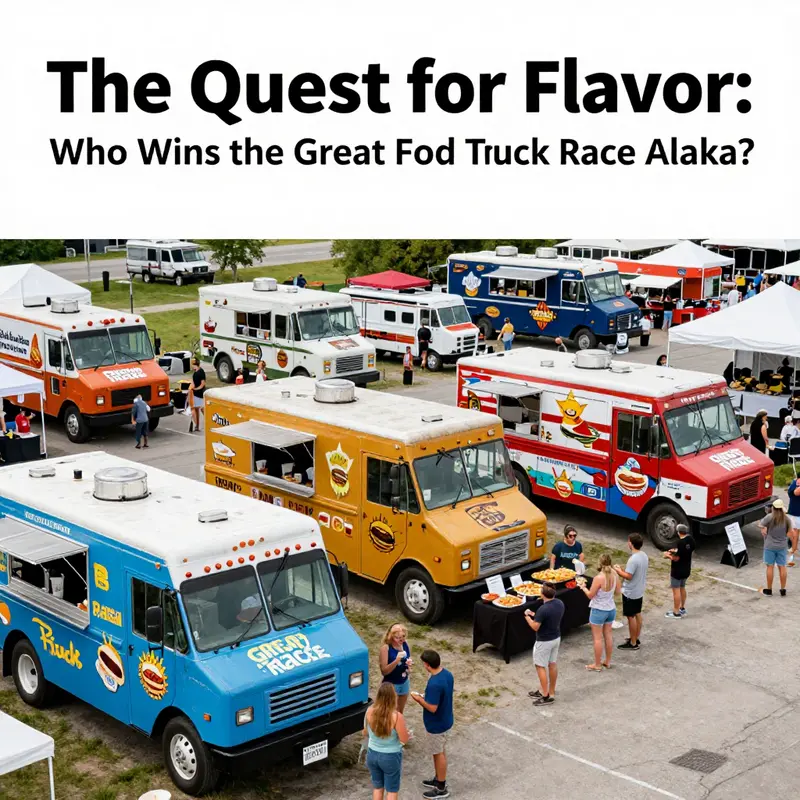
The Great Food Truck Race has left a lasting imprint on the way people think about mobile food, even for audiences that rarely followed food television before. Across eight seasons and 51 episodes, the show distilled a complicated blend of gastronomy, logistics, and entrepreneurial hustle into a narrative that was both entertaining and instructive. It brought the backstage drama of recipe testing, sourcing, permits, and peak-period service into living rooms nationwide. While there has not been an official Great Food Truck Race Alaska edition, the show’s footprint extends beyond the borders of its actual travels. The absence of an Alaska season does not diminish the influence the franchise has had on how communities perceive and engage with the mobile kitchen economy. In fact, that absence helps illuminate a central truth: the culture around food trucks is not limited to the places a show visits; it is amplified by the aspiration the show embodies and the lessons it merely hints at for future operators, regardless of geography or climate.
Central to the show’s impact is mainstream exposure. Before the race, food trucks lived in a gray area between novelty and necessity, street food and culinary enterprise. The series reframed them as legitimate, scalable businesses backed by culinary risk-taking and personal storytelling. Viewers watched contestants juggle big decisions in real time—menus, sourcing, pricing, labor, and branding—while turbines of competition accelerated innovation. The result was a broader public interest in mobile dining that extended into markets as diverse as coastal towns and inland cities. The race format, with its rapid travel and tight deadlines, made the daily grind of a food truck feel cinematic rather than merely practical. This dramatization nudged curious eaters to seek out trucks they had never tried and to evaluate street food through the lens of culinary technique and entrepreneurial resourcefulness rather than impulse alone.
Another enduring footprint lies in the way the show foregrounds diverse culinary concepts and regional flavors. The contestants repeatedly turned local ingredients into mobile masterpieces and used the competition as a stage to spotlight regional storytelling through food. The 2026 season finale, for example, showcased a cross-section of sensibilities as teams navigated the heat and humidity of Miami while interpreting Latin American, Caribbean, and American flavors in new arrangements. Even when conflicts arose on the tour, the dishes that endured were often the ones that celebrated place rather than omitted it. This emphasis on regional identity encouraged operators to design menus that articulate a sense of place, a practice that translates well to Alaska’s own landscape. Although Alaska has not hosted a GFTR edition, the show’s success models a pattern: a powerful blend of artistry and authenticity that invites audiences to taste the geography they’re watching. For operators and aspiring chefs, this means thinking about what makes a place unique—be it a fish-and-seafood ecosystem, a foraged herb, or a heritage preparation—and then translating that uniqueness into a portable format that travels well.
The cycle of entrepreneurial education that runs through the show also resonates with anyone who has tried to build a food business from the ground up. The competition isn’t just about cooking; it’s about building a brand, forecasting cash flow, negotiating with suppliers, and mastering the logistical choreography of a rolling kitchen. The show’s editors often highlight the dual demands of culinary craft and business discipline: the need to control food costs while delivering high-impact flavors, the importance of consistency across a rotating staff, and the skill of balancing speed with quality under pressure. This dual lens helps viewers appreciate why a great recipe can still fail if the operational backbone isn’t solid. For new entrants, the message is clear: culinary talent must be paired with strategic business practices to sustain a mobile venture. In this sense, the GFTR narrative functions as a free, high-visibility education platform about what it takes to turn a truck into a durable enterprise, an education that naturally transcends any single locale or season.
The show also captures real-world operational challenges in a way that public perception often underestimates. It offers glimpses into the material standards, equipment needs, and technical specifications that keep a live kitchen functional on four wheels. Beyond the sizzle of a hot pan, contestants confront long prep times, careful inventory management, and regulatory compliance that varies by city and state. These portrayals mirror the everyday hurdles faced by operators: power and water supply in tight urban lots, waste management in crowded districts, and the constant trade-off between speed and safety in a rush. The realism embedded in these moments fosters a more informed appreciation among audiences for the labor, time, and capital that go into keeping a truck on the road and a menu consistently excellent. The show’s blend of spectacle with this grounded realism helps demystify the industry for the general public while validating the hard-won lessons of veterans who have navigated similar constraints offline.
Perhaps most transformative is the inspiration the series injects into new entrants and established operators alike. The competition whets appetite for experimentation. It encourages operators to take calculated risks with concept and branding, to test market niches, and to explore collaborations with complementary culinary skills. In many communities, the GFTR wave has correlated with a rise in pop-up collaborations, food truck festivals, and micro-tourism-driven dining itineraries. These developments contribute to a broader ecosystem in which mobile dining thrives as a catalyst for food culture, entrepreneurship, and local economy. The show’s legacy, then, is not merely a list of winners but a blueprint for how to build a resilient mobile brand that can grow beyond a single event, a single city, or a single season.
Public perception of food trucks, influenced by the show, has shifted toward embracing innovation as a core value. This evolution has spurred operators to push the envelope in several directions. There is a growing willingness to experiment with nontraditional kitchens, seasonal menus, and cross-cultural fusions that reflect a more nuanced understanding of consumer curiosity. At the same time, the industry has become more reflective about sustainability and supply chain ethics, echoing the show’s occasional emphasis on responsible sourcing and efficient service. Viewers who followed the race learned to respect the balance between performance and plate, flavor and feasibility, spectacle and scale. In turn, operators have embraced branding and storytelling as essential components of the customer experience. The visual language of a truck—the color palette, the typography, the signboards—has become as critical as the recipe itself. The brand becomes a promise to the customer, a cue about what the kitchen believes in and how it treats its people, its community, and its ingredients. For a vivid glimpse into how branding intersects with culinary craft, many in the industry now point to the idea that a truck’s graphics and identity can be the door that invites a curious passerby to step inside and take a chance on something new. A useful resource that dives into this design philosophy is the guidance available in the branding on wheels: the ultimate guide to food truck graphics and identity, which argues that the visual narrative behind a truck often travels as far as the flavor profile on the plate.
Looking ahead, the absence of a GFTR Alaska season should not be mistaken for a lack of relevance in Alaska’s dynamic culinary landscape. If anything, the Alaska context underscores how the show’s lessons translate into distinctive regional challenges. A hypothetical Alaska season would likely foreground the logistics of remote sourcing, winter service, daylight cycles, and the unique seafood economy. It would demand an adaptive game plan that respects safety standards while spotlighting resources that are native to the region—whether they come from the coast, the forest, or the city’s markets. The show’s framework teaches operators to think beyond the kitchen’s walls: how to recruit talent willing to work long shifts in cold weather, how to build partnerships with local producers, and how to cultivate a community around food trucks that can survive volatility in weather, travel, and supply chains. In this sense, the GFTR blueprint remains a living influence. It defines what it means to be a modern mobile kitchen: to cook boldly, to run lean but with a generous ethos of hospitality, and to narrate a story about place that makes a portable meal feel like an invitation to travel without leaving town.
The cultural resonance extends to how communities engage with food trucks as itinerant local ambassadors. The show’s popularity has helped to normalize the idea that mobile eateries can contribute meaningfully to the fabric of a city’s food scene. When residents see a truck win a challenge or push for a daring menu, they are reminded that delicious food can be produced in compact spaces and that entrepreneurship can wear many hats—artist, engineer, marketer, and chef. This perception shift supports a healthy ecosystem where operators, event organizers, and consumers participate in a dynamic dialogue about what food trucks can be in the modern era. It also reinforces the value of supporting new entrants, mentoring aspiring cooks, and creating venues where start-ups can test ideas with lower risk and higher curiosity. The result is a more vibrant, inventive, and inclusive mobile dining culture that reflects the diversity of the country’s culinary imagination.
As Alaska’s food scene continues to evolve, the GFTR-inspired ethos remains a touchstone for how to present and protect a regional palate within a mobile format. While there is no Alaska edition to crown a winner, the broader narrative encourages local operators to leverage the same principles that have driven success on the national stage: a clear concept, disciplined operations, attention to local sourcing, and a compelling story that connects with the community. The race’s legacy endures in the attention it has drawn to the craft, the discipline it has imparted to countless hands, and the long arc of innovation it set in motion across the United States. The show may not have etched an Alaska chapter, but its influence travels with every truck that chooses to push beyond the ordinary and redefine what a street meal can be when ambition and ingredients meet on four wheels.
For readers who want to explore practical implications tied to branding and business-building alongside the cultural shift, a helpful companion perspective is available through branding on wheels: the ultimate guide to food truck graphics and identity, which lays out how visual design can reinforce the values a truck embodies. This resource complements the GFTR narrative by showing how a strong, consistent identity aligns with a bold culinary concept, a synergy that helps a mobile kitchen stand out in crowded markets and create lasting impressions with customers. The broader implication for Alaska’s operators is straightforward: even without a televised race on its soil, Alaska’s mobile food efforts can harness the same triad of flavor, form, and function that the GFTR celebrates—delicious, locally resonant food; a thoughtful, adaptable brand; and the operational discipline that keeps a truck rolling through every season.
External reference: For a deeper sense of how the series has shaped public perception and driven innovation in mobile cuisine, see the IMDb resource on The Great Food Truck Race, which offers context on the show’s reception and evolution over its episodes and seasons. IMDb page.
Roving Palates and Remote Ambitions: Audience Reception and the Alaska Hypothesis in The Great Food Truck Race
The Great Food Truck Race has traveled far and wide, stitching together a narrative of flavor, hustle, and quick change artistry. Yet a geographic blank persists: Alaska. There is no official Great Food Truck Race Alaska edition, and no team has emerged as a winner in that setting. The absence itself becomes a lens for examining how audiences respond to the show in different locations and why a hypothetical Alaska season would unfold with its own distinct rhythms. The broader pattern is not simply about what tastes good; it is about how taste travels, how it collides with local identity, and how teams balance universality with place specific charm. When viewers tune in from upscale urban cores or bustling festival grounds, their expectations diverge in ways that reveal the art and science behind turning a mobile kitchen into a cultural event. Alaska with its stark landscape and unique culinary rhetoric would test those dynamics in fresh ways, reframing not just what winning might look like, but how the audience defines success in a competition anchored by place, performance, and palate.\n\nAcross upscale neighborhoods and downtown dining districts, appetites for gourmet or craft inspired offerings tend to grow bolder. Audiences here seek refinement, technique, and narrative depth as much as novelty. In cities where dining standards are high and the rhythm of life moves on a tight timetable, a food truck with a well conceived concept and precise execution can earn trust quickly. The shows chefs who blend technique with seasonality who present a nuanced idea in a concise, food focused package are rewarded with quick service and social resonance. In this milieu the challenge is less about sheer bravado and more about delivering a cohesive dining experience in a compact footprint. Viewers in these markets pay careful attention to balance: how a dish reads on the plate, how a story lands in the mouth, and how the truck s cadence aligns with the surrounding streets, neon signs, and sidewalk chatter. When a team nails this alignment, the audience becomes almost predictive in their support, rooting for consistency that does not dull boldness.\n\nBy contrast the food truck festivals and craft beer events the shows other great stage highlight a different calibration of appetite. Crowds at these gatherings crave variety, audacity, and a sense that the trucks are genuinely speaking in the local dialect of flavor. They reward risk, curiosity, and a willingness to push boundaries with regionally infused plates that still feel rooted in craft. A festival crowd does not demand the same polish as a downtown diner but celebrates the act of experimentation. The chefs who win here tend to blend bravado with authenticity, offering dishes that feel both globally inspired and unmistakably local. Bold, adventurous, and regionally inspired dishes find open ears and full bellies, and the judges enthusiasm mirrors the audience joy in a well curated surprise. This environment rewards operators who build a menu around a few signature notes those that travel well but still echo a specific provincial voice.\n\nThe differences in audience expectations by geography and culture have been well documented in the early 2010s data, which underscored the importance of local adaptation. Insights from that period emphasized adjustable spice levels to align with regional palates and a growing emphasis on locally sourced ingredients that reflect a team s engagement with community identity. In practice this translates into menus that offer a familiar backbone warmth or a hint of nostalgia paired with a contemporary twist that makes a viewer feel seen and heard. The value of authenticity cannot be overstated. When a truck leans into a community s culinary memory, even a passing fan can become a devoted follower, willing to seek out the truck again at the next festival or on a repeat visit to a city market. Brand loyalty in these contexts is less about a single plate and more about a credible story one that the team tells through every bite, every gesture, and every footprint left on a curb side line.\n\nIf Alaska enters the frame the conversation broadens further. Alaska s geography its travelers its urban hubs like Anchorage and Fairbanks its frontier spirit would shape both tastes and expectations in distinctive ways. The logistical canvas would be different: shorter growing seasons, remote sourcing challenges, and a reliance on seasonal seafood, game, and foraged ingredients would become central to menu planning and improvisation. The audience would likely respond to rugged practicality the sense that cooks are improvising with what the land offers while maintaining a degree of finesse that translates to a compelling televised narrative. In an Alaska edition the allure would hinge on how teams curate a sense of place without resorting to cliché. Viewers would watch not merely for sensational plates but for culinary storytelling that acknowledges daylight rhythms, weather realities, and the interplay between urban centers and remote communities. The stories would be as important as the dishes, and the best teams would weave lines of narrative propulsion into their service.\n\nThis is where branding and presentation co create the audience s reaction. In a market like Alaska a truck s visual identity becomes a bridge to place. It would need to communicate reliability and warmth in a cold climate while still signaling adventurous cooking. Visual elements color palettes that evoke the northern environment, typography that feels sturdy and practical, and graphic motifs that hint at local lore work in concert with the food to shape perception. Branding becomes the first signal of intent are they honoring regional tastes or are they offering a broader universal spectacle The answer to that question often determines whether viewers see a truck as a credible guest at the local table or as a transient act passing through the landscape. In this sense branding on wheels offers a framework for teams to craft that symmetrical invitation. It is not merely about catching the eye; it is about aligning the trucks outward story with the inward craft, ensuring that aesthetics and appetite reinforce one another as the episode unfolds. The Alaska scenario would push teams to validate that alignment under pressure the clock ticks the wind bites and the camera lingers over a plate that must speak to both the land and the crowd.\n\nThe lack of an Alaska edition also serves as a reminder that success on the show is not solely a function of winning challenges. It rests on the ability to tell a consistent story across different environments a combination of flavor service rhythm and audience engagement. A panel of judges and the viewing public alike looks for teams that demonstrate adaptability without losing a clear culinary voice. In markets with high dining standards that voice needs to be precise clean and technically sound. In festival settings it must be bold memorable and locomotive in its energy the kind of presence that travels well on social feeds and compels fans to seek out future appearances. Alaska would demand both ends of that spectrum the heartiness to withstand harsh conditions and the nuance to deliver a dish that resonates with a community s seasonal identity. The teams that succeed are those who can oscillate between narrative clarity and culinary surprise who can present a plate that feels both intimate and universal and who can sustain momentum from the first bite to the last line of the show s closing credits.\n\nIn shaping a viewer s perception storytelling is indispensable. Audiences connect deeply with cooks who reveal their process their conscience about sourcing and their respect for place. A hypothetical Alaska edition would likely reward teams that foreground relationships with local fishers, hunters, and foragers translating those partnerships into dishes that feel earned rather than manufactured. The shows drama would extend beyond a plated revelation to encompass the ethics and economics of supply in a remote region. Viewers would tune in not only for taste but for a sense of consequences how a menu unfolds through a season of limited access how a team negotiates the tension between tradition and invention and how a brand can remain grounded when the backdrop shifts from urban streets to snow swept alleys and winter markets. In that context the winners would embody a balance flair anchored by reliability, novelty tempered by respect for local practices. Alaska would not merely test a chefs ingenuity; it would test a brand s resilience in a landscape where every decision echoes through a community s memory of place.\n\nAs this exploration of audience reception across locations continues the broader lesson remains constant the show wins when it harmonizes flavor with place, performance with restraint, and storytelling with craft. Alaska would extend that lesson by insisting on a narrative that honors the land while still delivering the universal thrills of competition. It would require teams to cultivate a menu and an presence that feel inevitable in that specific climate and culture rather than transplanted from a different terrain. The absence of a formal Alaska edition does not erase the possibility of imagining such a season it simply makes the hypothetical all the more provocative. It invites readers to consider not just who could win but what qualities ingredient integrity adaptive spicing responsible sourcing and a compelling sense of identity make a winning food truck in any market. In this way audience reception becomes less a fixed verdict and more a living conversation about place, taste, and the narratives we choose to celebrate on a street corner or a stage set against wide northern lights skies.\n\nFor readers who want to explore location driven dynamics beyond this chapter the discussion of how a city or region shapes a trucks success offers a practical throughline. The literature on festival environments and regional taste profiles provides a useful map for operators who aim to translate a concept into consistent appeal across venues. External resources underscore the value of attending to local identity while maintaining the core competencies of speed, flavor, and service excellence. And for readers curious about the visual and branding side of this equation, a linked guide above helps illuminate how a trucks exterior can reinforce or undermine the narrative delivered by its menu. This integrated view taste tempo and storytelling helps explain why there isnt a single winner in a vacuum but rather a spectrum of success shaped by where a truck rolls up, who lines up, and what the crowd believes the truck stands for in that moment. External reference for further reading https://www.foodandwine.com/food-truck-festivals-best-locations
Final thoughts
While we await a tantalizing Alaska edition of the Great Food Truck Race, the current excitement around food trucks and the camaraderie they foster continues to thrive. This cultural phenomenon has not only influenced countless entrepreneurs across the country but also brought communities together through the love of cuisine. Whether you are an event planner seeking unique food partnerships, a corporate team looking to engage employees through food, or simply a fan of the culinary arts, the potential for such a race in Alaska sparks hope and imagination. Let’s keep the spirit alive, because someday, we might just find out who wins the Great Food Truck Race Alaska!