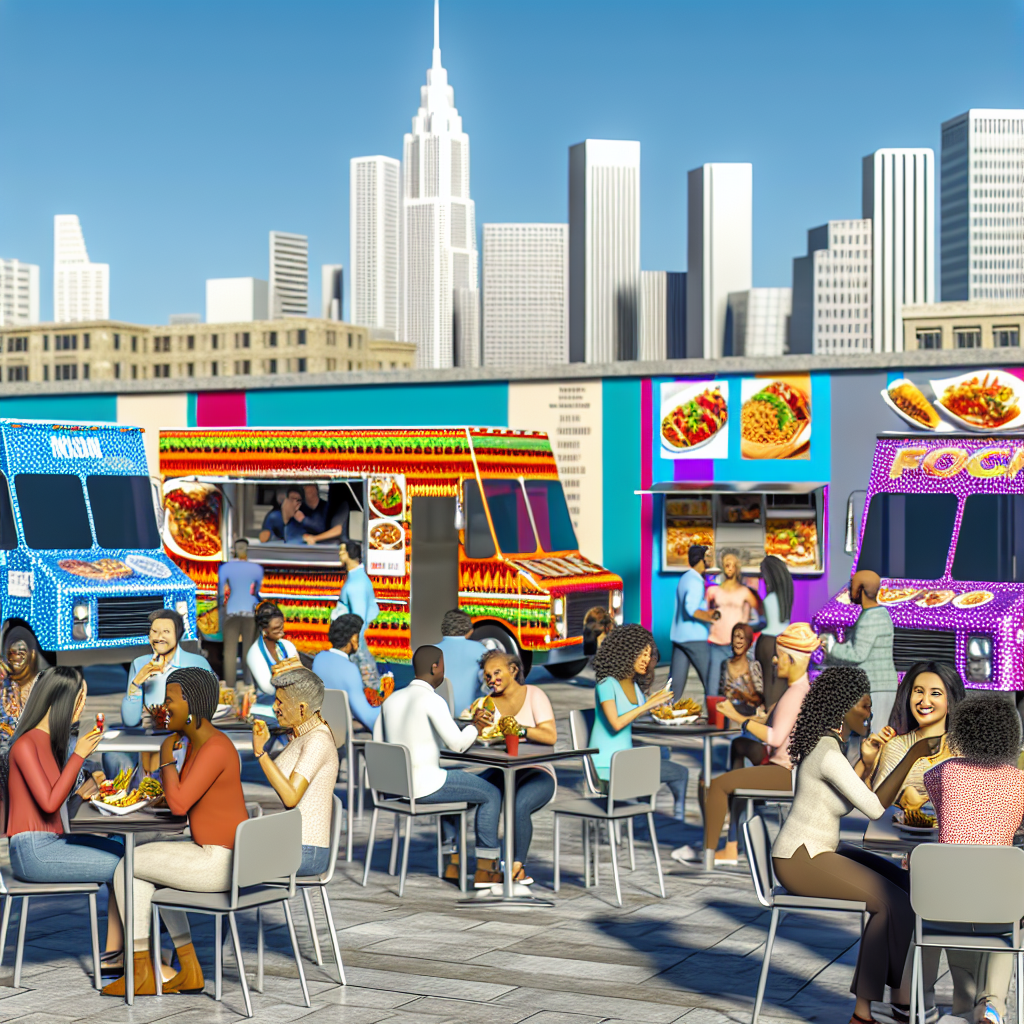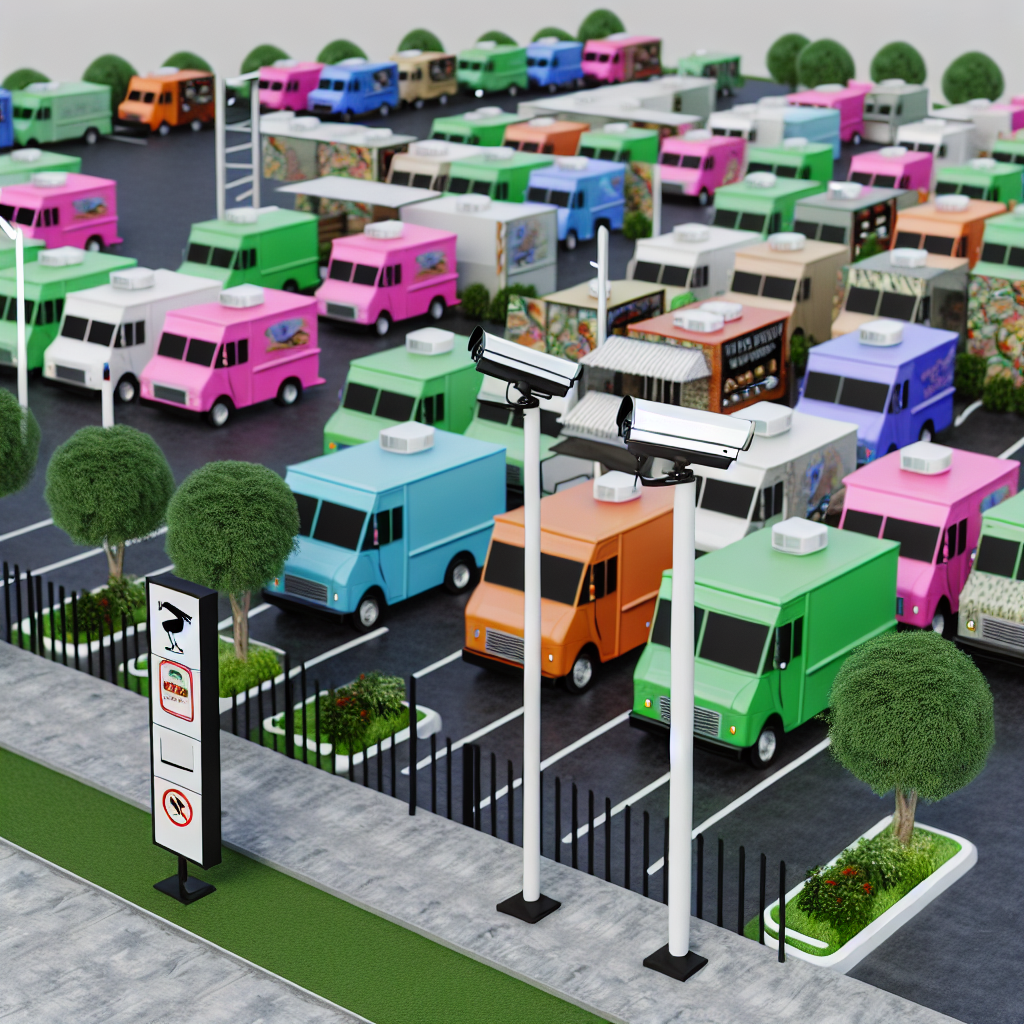
Navigating the bustling streets filled with tantalizing aromas, kitchen food trucks are a vibrant part of local culture. Whether you’re an event planner eager to make your gathering unforgettable, a corporate HR manager looking to amp up employee engagement, or just a food enthusiast with an insatiable appetite, knowing where to find that perfect kitchen food truck is essential. In this exploration, we will dive into three key areas: identifying food truck locations, understanding their logistics and operations, and uncovering their impact on community events. Together, we’ll create a map of excitement for everyone craving that authentic mobile culinary experience.
On the Map: Tracing the Whereabouts of Your Kitchen-on-W Wheels
The question “Where is my kitchen food truck?” often comes from a place of urgency and responsibility. It is not merely about curiosity; it is about customer access, staff safety, inventory control, and the ability to serve when and where you intend. The challenge sits at the intersection of mobility and memory. A kitchen-on-wheels moves with the rhythm of events, market days, and seasonal pop-ups. When a truck can vanish from a familiar street corner or a reliable loading dock, the whole operation can stall. The path to resolving this begins with a practical, methodical approach to locating the vehicle, and it unfolds best when you treat location as a system rather than a single datum point. If you think about the truck as part of a broader fleet or a network of sites, then locating your unit becomes an exercise in both technology and workflow that keeps the business humming rather than simply chasing a moving target.
The first place to start is a straightforward check: does the truck itself carry a built‑in GPS or a telematics system? Many newer builds and retrofit packages include some form of location tracking. Even if a truck was purchased secondhand or leased, it is common for the equipment to have a module or interface that can relay its position to a mobile app or a web dashboard. The beauty of a built‑in system is the continuous feed it provides. It can illuminate not just the current position but recent movements, idle times, and route history. If a tracker exists, locating the truck becomes an activity of reading that feed—checking the last reported coordinates, the most recent stop, and any geofence alerts that might have triggered during a shift. In practice, owners discover that the truck has been staged at a nearby industrial park, or parked behind a warehouse that they had used weeks earlier, but the memory of the site is kept alive by the map and timestamp tied to the GPS data. In this sense, the technology acts as a kind of digital memory for a physically mobile business, safeguarding continuity even when human memory falters under pressure.
If the truck does not appear to have a built‑in tracker, or if the existing system is not accessible, you still have a robust set of tools at your disposal. General location services can provide a reliable fallback. Start with a map service you already use for daily operations and planning. Enter the last known address or landmark where the truck was observed. From there, you can retrace steps by cross‑checking with shipments, deliveries, and vendor contacts. A practical approach is to search the immediate vicinity for common refuel sites, popular loading bays, or regular parking zones where the truck tends to rest after a shift. In many cases, a truck’s latest resting place is a function of its schedule: a regular stop in a market district on certain days, a prep area near a festival venue, or a loading zone near the kitchen support vehicles. When time is critical, leveraging memory‑aided tools like a phone’s location history can bridge gaps. The idea is not to rely on a single beacon but to assemble a mosaic of recent activity. You may notice clues such as a recently logged service entry, a parking sticker from a partner venue, or a recurring pattern that points toward a particular block or industrial corridor. The result is not a perfect pin on the map every time, but a high‑probability location that you can verify by visiting the site, calling a manager on duty, or cross‑checking with the event schedule.
For operators who manage a fleet or who lease multiple units, the landscape broadens. A centralized fleet management approach—even in small operations—gives you a way to see multiple vehicles in one view. If the truck is part of a larger network, reach out to the fleet manager or the supplier who originally provided the vehicle. Ask for the latest asset status or the position feed, and request access to the dashboard for a day. In some cases, a simple request for the last known location or the vehicle’s most recent stop can yield a fast, actionable answer. The value of this step lies in the collaboration it fosters: sharing information with partners, coordinators, and the crew on the ground helps you close gaps quickly and reduce friction in service. A well‑organized operation will also have standard procedures for what to do when a truck is not where it is expected. A quick check with the duty supervisor, a call to the staging yard, and a review of the day’s route can prevent a delay that cascades into customer dissatisfaction.
Where the story becomes more layered is in the realm of third‑party solutions. When built‑in tracking is not available or when you want greater precision, you can consider adding a dedicated GPS tracker. These devices are designed to provide real‑time location data, route logging, and geofence alerts. The benefits are clear: real‑time visibility, the ability to set automated notifications if the truck leaves a designated area, and a portable method to monitor not just one vehicle but an entire operation. The technology exists in a spectrum from compact, low‑power devices to more robust trackers that can operate in demanding environments. The decision to install a third‑party tracker often depends on whether you need continuous live data, more granular route history, or the ability to enforce location‑based rules for the truck’s movements. It also involves a practical cost‑benefit analysis: the upfront installation, ongoing data fees, and the learning curve for staff to interpret the dashboards. Even without a full fleet, a single tracker can transform how you respond to a missing truck scenario and can prove invaluable for safety and compliance considerations.
In practice, the choice between relying on a built‑in system, a general location service, or an external tracking device rests on three pillars: reliability, accessibility, and actionability. Reliability means the system, hardware, or service delivers consistent data with minimal downtime. Accessibility means the information is easy to retrieve and interpret by crew members who may not be tech specialists. Actionability means the data must translate into clear next steps—who to call, where to go, and how to reposition the vehicle without compromising food safety or service quality. A good protocol weaves these pillars into a simple workflow. When the truck’s location is uncertain, you first check any built‑in feeds for recent movement. If no data is available, you consult the on‑site supervisor and review the last known parking location from the event calendar or vendor rosters. If those steps still leave questions, you consult the fleet or asset manager who can pull the live map and confirm whether there is a sanctioned staging area or a temporary relocation due to a local restriction. If even this yields nothing concrete, you deploy a third‑party tracker with a geofence and route history, ensuring you have a last known point, a timestamp, and a buffer in case the truck has parked in a place that is difficult to access by your standard channels. The operational power of this approach is that it reduces the emotional weight of uncertainty. Instead of spinning out in a panic, you move through a controlled checklist that treats location as data rather than fear. The truck becomes less of a mystery and more of a solvable logistical puzzle.
Beyond the mechanics of locating the vehicle, there is a broader strategic thread to consider. Location awareness is not merely about finding the truck when a shift ends; it supports replenishment, supply chain coordination, and customer experience. If you know where the truck is between events, you can more precisely calibrate staffing, prep times, and inventory flow. You can plan routes that minimize idle time and maximize parking compatibility with event sites. You can also improve safety by ensuring the vehicle is parked in a well‑lit, permitted zone and by monitoring for unusual movement after hours. As a kitchen on wheels, the truck carries not only ingredients and equipment but also a crew’s momentum. Location intelligence helps preserve that momentum when the unexpected arises—a late start, a weather delay, or a venue that shifts its loading rules at the last moment. In this sense, locating the truck is not a one‑off recovery step; it becomes part of a resilient operating model that keeps the service available to customers who depend on it.
The practical steps to implement a robust location strategy are straightforward, even if the execution requires careful coordination. First, audit the current hardware: confirm whether there is any GPS or telematics component, and document the service plan, if any, that feeds location data to your team. Second, establish a clear escalation path for missing vehicle scenarios. Define who checks, who calls, and which team members have access to the tracking interface. Third, create and maintain a simple log of the truck’s typical parking spots, including time windows and the types of events that influence movement, so you can quickly compare reality with expectation during a flare‑up. Fourth, evaluate the budget and feasibility of adding a tracker if you lack one. The choice should balance the cost against the value of rapid location, the potential reduction in downtime, and the improved coordination with partners and venues. Fifth, train the crew on how to interpret the data they receive. A dashboard is only useful if it is understood; a few minutes of onboarding can convert data into decisive action. The goal is not to create a surveillance culture but to embed a dependable, transparent mechanism that reduces uncertainty for everyone involved.
As you cultivate these practices, remember that the question of “where is my kitchen food truck?” often reflects a larger truth about operations: mobility can be a feature, not a flaw, when it is paired with deliberate information flows. The truck travels to meet demand; the challenge is to meet it with timely knowledge, so that planning and service keep pace. In practice, that means designing location systems that align with the rhythms of your business—peak service times, vendor windows, and community events—while staying adaptable to the unpredictable nature of live markets. If your operation succeeds in this alignment, the moment of panic when a truck disappears is significantly softened. You will rely less on chance and more on a disciplined, data‑driven method for keeping your kitchen on wheels connected to the places where people want it most. For readers seeking a concise, actionable gateway to parking and site transitions, a focused exploration of parking challenges can offer a practical bridge between raw location data and real‑world deployment. See Mastering food-truck parking challenges for a grounded look at how to navigate the logistics of moving from one site to another, efficiently and safely.
In the end, locating a kitchen food truck is less about chasing a single coordinate and more about maintaining a continuous loop of information. It is about turning movement into method, uncertainty into a plan, and a wandering vehicle into a predictable asset. The more you treat location as a configurable element of your operations, the less the question becomes an anxious search and more a routine check that supports every part of the business—from procurement and prep to service and customer experience. The map is not just a tool for technical teams; it is a living guide for operators who want to keep their kitchen rolling, their crew aligned, and their customers fed, no matter where the day takes them. As a final point, remember that the right mix of built‑in systems, personal devices, and third‑party solutions can offer a layered, resilient approach to tracking. If you are weighing options, you can begin with the simplest approach that provides value today and scale as your needs evolve. Location matters, but it matters most when it translates into dependable service and steady growth. External resources exist to help you understand the landscape of GPS tracking devices for vehicles, and they can serve as a useful reference as you plan next steps for your own kitchen on wheels.
On the Move, On the Map: Real-Time Tracking as the Heartbeat of a Kitchen on Wheels
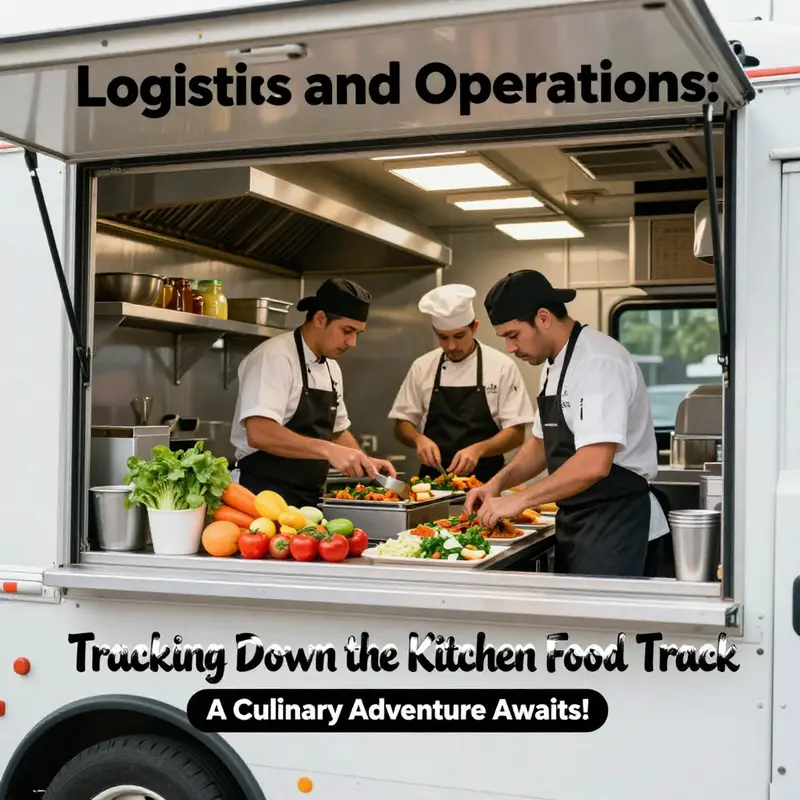
The aroma of garlic, the sizzle of onions, the hum of a truck engine, and the glow of tail lights at a late-night event define the living rhythm of a kitchen on wheels. In that rhythm lies a question every founder, operator, and crew member should answer with clarity: where is the kitchen right now, and where is it headed next? A mobile kitchen exists in motion, and motion invites uncertainty. The same plates that travel from prep to service to return to the commissary cycle through a network of decisions, couriers, and timing constraints. Without a reliable, transparent sense of location, the choreography frays—orders arrive late, cold boxes linger at depots, and the line between efficiency and chaos becomes a lesson in compromise rather than a design choice. This is where logistics meet craft: tracking my kitchen food truck is not simply about knowing a position; it is about preserving the integrity of recipes, the safety of food, and the trust of buyers who believe that a dish delivered from wheels is as fresh as the one plated in a brick-and-mortar kitchen.
Real-time tracking sits at the core of that belief. It is not a luxury but a practical discipline. GPS-based tracking systems, when paired with a thoughtful fleet-management mindset, convert scattered movement into a unified story. The moment a truck leaves the depot, a digital breadcrumb trail starts to accumulate. Every coordinate, every timestamp, every shift in status—“en route,” “at depot,” or “delivered”—feeds a picture of the day’s operations. That picture is not only a map; it is a living dashboard that reveals bottlenecks before they erupt, confirms that staff reached the right curb or loading dock, and validates that the food safety protocol travels with the product throughout its journey. To the owner who needs to align prep, cooking, cooling, and serving windows with external events, timing becomes a software problem as much as a culinary one. In practice, tracking translates abstract schedules into concrete realities, and that translation reduces waste, protects safety, and elevates the customer experience.
The architecture of tracking is elegantly simple in concept but robust in execution. At its core, you connect your kitchen truck to a fleet-management platform that accepts data from an onboard GPS unit or a connected telematics device. You then register the vehicle’s unique identifier—whether a VIN or a license plate—and you gain access to live coordinates, route histories, and a stream of status updates. The value of that stream multiplies when you layer it with time-stamped logs, route geofences, and alerts that trigger when the vehicle deviates from the plan or arrives at a designated stop. There is a quiet security to this approach: it acts as both a map and a logbook. A map shows you where the truck is now and where it has been; a logbook confirms when it arrived and departed from key locations, and it records the distances and durations that shaped each service window.
To keep the narrative faithful to the street-level realities of a mobile kitchen, imagine the daily rhythm: prep begins before dawn in the commissary or at a shared kitchen hub. The truck departs after a check of sanitation schedules, cooling logs, and a final food-safety sweep. On the road, the driver navigates to the first service location, perhaps a festival ground, a farmer’s market, or a corporate campus. The GPS system streams live coordinates, but it also captures the route history—an asset for evaluating how much time the truck spent in traffic, how often it paused for a refill, or whether a planned route consistently delivered the goods to the correct curb with the required turn-in time. When the truck nears a service stop, an automated alert can confirm the truck’s arrival to the event host or to the dispatcher. If obstacles arise—a last-minute road closure, a stall in the queue of vendors, or a late-arriving prep batch—the system can re-route with an updated ETA, preserving the pace of service rather than sacrificing it to improvisation.
This is not simply about convenience; it is about reliability and accountability. Modern tracking platforms—implemented thoughtfully—offer several layers of protection and clarity. Timestamps create a verifiable sequence of events, a kind of chain of custody for the delivery process. Secure encryption safeguards sensitive route data and customer details from exposure, a critical consideration when a truck carries ingredients with strict temperature and handling requirements. Automated alerts do more than notify; they anchor expectation. The moment a driver veers off a planned route, the system can surface a warning and automatically suggest alternatives, enabling dispatchers to respond without the pressure of a ticking clock or the risk of a missed window at a peak service hour. In a world where every minute matters, even small improvements—like shaving five or ten minutes off a delivery route, or reducing idle time at a loading zone—compound into meaningful uplift for every service event.
The broader context of transport safety, in which precise tracking is increasingly recognized as essential, underscores the value of reliable visibility. In recent years, investigations into large-vehicle transports have highlighted how accurate, verifiable tracking supports both safety and public trust. When a shipment involves sensitive or perishable goods, the ability to show a documented history of movement and handling reassures regulators, partners, and customers that best practices were followed. For a kitchen on wheels, that assurance translates into defensible records: proof that food safety checks occurred along the journey, that the vessel remained within temperature and sanitation parameters, and that the truck arrived on time with the specified contents intact. The practical upshot is clear: robust tracking does not merely inform decision-makers; it protects the brand’s reputation and builds confidence with event organizers, customers, and health inspectors who value diligence as much as flavor.
Implementing a tracking regime begins with a pragmatic assessment of your existing tools and workflows. The first step is selecting a fleet-management approach that emphasizes simplicity and resilience. Rather than chasing every feature, you seek a platform that offers real-time location data, historical route replay, and clearly presented status indicators. You then collect the critical identifiers for your vehicle, such as the VIN or license plate, and you ensure the onboard device, whether built-in or add-on, is properly paired with the software portal. Establishing a single source of truth matters here. When everyone—from the owner to the driver to the dispatcher—relies on a common dashboard, miscommunication melts away. The truck’s position becomes a shared fact, not a rumor. This shared fact becomes the foundation upon which operational decisions are made: when to depart, how to adjust for weather, where to park near a service location, and how to sequence multiple events in a single day.
The human dimension remains essential even as this technology becomes more capable. Drivers are not simply data points; they are essential partners who bring the craft to life. Their feedback—about how a route feels in practice, how long a loading queue lasts, or whether a parking spot near a pop-up kitchen is feasible—helps calibrate the system. Dispatchers, too, become stewards of reliability. They use the data to align prep tasks with service windows, coordinate maintenance and rest periods, and respond to unplanned changes with calm efficiency. The objective is not to surveil personalities but to harmonize a distributed operation into a coherent schedule that respects both safety and flavor. In this sense, tracking is less about surveillance and more about stewardship: it gives everyone the information they need to make better decisions in real time, while preserving the autonomy that is the essence of a mobile kitchen’s appeal.
To weave tracking into the fabric of daily operations, consider how the data travels from device to decision. A built-in GPS unit or an externally connected device continuously transmits coordinates and sensor readings. The software platform arranges this data into a clear map view and a parallel set of time-stamped logs. A dashboard can present a quick glance at “live status,” then invite you to drill down into the journey that brought the truck from one catering site to another. You might see a line chart of speed and dwell times, a table of arrivals at various stops, and a map showing the exact path the vehicle has traveled. The beauty of this arrangement is not just the numbers; it is the narrative the numbers tell when you read them together. You see where delays clustered, where legs of a route overlapped with peak traffic, and where the team executed a perfect cadence of move-and-serve. This integrated view transforms logistics from a set of scattered decisions into a deliberate, data-informed practice.
Geofencing amplifies this capability in a way that aligns with the realities of a mobile kitchen. A geofence is a virtual boundary drawn around critical points: depots, prep kitchens, markets, and event venues. When the truck crosses a geofence, the system can trigger notifications, record the precise arrival time, and begin or end service windows automatically. This is particularly valuable when you juggle multiple pop-up locations in a single day. It eliminates ambiguous reports and reduces the friction of manual check-ins. Geofences also support compliance with food-safety regulations that require a chain-of-custody check for the transit of temperature-controlled goods. If the truck leaves a safe zone with perishable ingredients or fails to reach a service point within a designated window, the system can escalate the issue to a supervisor who can intervene before customers feel the impact of a late or compromised delivery.
Beyond the immediate mechanics, the data generated by tracking feeds long-term improvement. You can identify patterns in route selection that consistently yield shorter travel times, you can analyze dwell durations at different service points to optimize staging and kitchen readiness, and you can quantify idle time to inform driver scheduling and rest periods. If a particular market tends to crowd the curb in the early afternoon, you might re-sequence your day to arrive in a pre-queued slot, arriving just as the crowd forms rather than watching customers trickle in while you’re stuck in a queue. The objective is not merely to shorten a journey but to convert movement into reliable service, where the menu and the timing arrive together in a way that sustains quality from first bite to last.
There is also a practical seriousness to this approach that extends to safety, accountability, and public trust. Real-time visibility helps you react quickly to emergencies or regulatory checks. If a truck has an accident or a mechanical issue, the last known location and the live status can be shared with emergency contacts and support teams, while the route history provides an audit trail that could be crucial for post-incident analysis. In this sense, tracking is not optional compliance theater; it is a functional backbone that supports safe operation and consistent service delivery in a world where mobility is the essence of your brand. The more rigor you bring to data—clear timestamps, robust encryption, precise route histories—the more you protect your customers, your team, and your business model.
As you integrate tracking into the day-to-day texture of running a kitchen on wheels, you may find yourself seeking guidance that speaks directly to the quirks of mobile culinary operations. The solution lies not in chasing a single perfect workflow but in cultivating a resilient, adaptable system. This means prioritizing a straightforward setup that minimizes friction for drivers, a transparent dashboard for operators, and a mechanism for regular review of the data that respects privacy and safety. The end result is a logistics environment where a single screen can tell you precisely where the kitchen is, how long it has spent en route or on site, and whether the food safety checks accompanying the shipment have remained intact along the way. It is a simple idea with profound consequences: when your kitchen on wheels travels with intention, your culinary promise travels with it, unbroken from plate to palate.
For operators who want to see the human side of this transformation, the interconnection between tracking and people becomes most evident during shifts between events. A dispatcher can anticipate the needs of a busy schedule, and a driver can navigate with confidence when the plan evolves mid-route. The result is smoother handoffs, fewer miscommunications, and more time for cooks to focus on perfecting the recipe rather than chasing the calendar. In the end, tracking is a tool for preserving the artistry of mobile cooking while providing the discipline that makes scale and reliability possible. The chart of movement becomes the skeleton of a robust operation, and the heart—the kitchen itself—beats in rhythm with the map before it.
To reflect on a practical midpoint in this narrative, consider the value of a single accessible resource in shaping how you think about tracking. The next time you want to explore how to balance practical parking realities with operational planning, you can turn to resources that address the art and science of parking challenges for food trucks. See the discussion on Mastering Food Truck Parking Challenges for a thoughtful, experience-based perspective on how to align outdoor space, street geometry, and timing with your delivery and service strategy. This kind of context helps bridge the gap between the map and the curb, reminding us that tracking is not merely a technical layer but a bridge between craft, commerce, and community.
In closing this thread of thought, remember that the specific tools you choose should mirror your appetite for clarity and your tolerance for complexity. The beauty of GPS-based tracking lies in its scalability and its adaptability. Start with the basics—live location, route history, and clear status signals—and then layer in geofencing, alerts, and sensor integration as needed. Allow the data to inform your daily rhythm while letting your cooks, drivers, and managers contribute their on-ground insights. In time, the story the map tells will feel less like a series of coordinates and more like a coherent, reliable schedule that preserves the freshness of every dish and the trust of every customer. As you move forward, you will find that the real map of your business is not just where the truck is now; it is how you respond to where it has been and how quickly you can get it where it needs to be next.
External resource: https://www.samsara.com/
Internal reference: For a practical view on parking logistics as you expand, consider a deep dive into Mastering Food Truck Parking Challenges, which offers grounded guidance on navigating curb space, permit considerations, and event geometries. Mastering Food Truck Parking Challenges
Tracing the Footprint of My Kitchen on the Street: How Local Events Shape, and Are Shaped By, a Kitchen-on-Wheels Brand
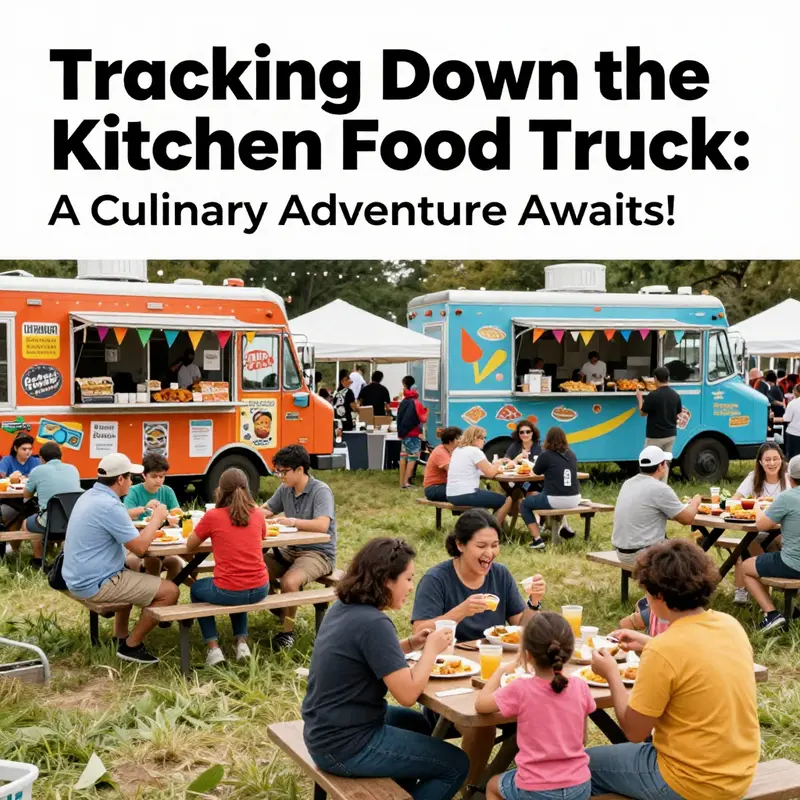
The question implied by the search phrase “where is my kitchen food truck” often opens a larger inquiry. A kitchen on wheels is less a fixed address and more a moving conversation with a city’s rhythms. When you chase a name like My Kitchen Food Truck—and there may be an emerging, locally operated version in play—you are really tracing a brand’s social footprint as much as its physical location. In modern urban ecosystems, the truck becomes a mobile dining room and a rolling anchor for community gatherings. It arrives, breathes life into a square or a marketscape, and then leaves, leaving behind the scent of sizzling pans and a line of curious patrons. This itinerant presence is less about a single destination and more about an ongoing relationship with neighborhoods, venues, and the people who chase novelty as a social experience. In that sense, the geography of a kitchen-on-wheels brand expands beyond maps and calendars into conversations, recommendations, and the shared memory of a popular bite at a street corner or a festival plaza.
The reality of mobile culinary brands is that they thrive where people gather, and they gather where the city’s cultural calendar is richest. The local event circuit plays a decisive role in shaping identity and reach. Festivals, farmers markets, pop-up nights, corporate tastings, and charity galas each create a stage for a kitchen truck to demonstrate its personality, its cooking philosophy, and its capacity for hospitality at scale. A brand like My Kitchen Food Truck may be less visible in a fixed storefront and more visible through a series of ephemeral performances—hands-on demos, tasting lines, and collaborative menus with nearby vendors. In this sense, the truck functions as a kind of roaming kitchen theatre. Audiences become participants; a night out becomes an event; and the brand becomes a shared memory embedded in the city’s social fabric. The beauty of this arrangement is its immediacy. A passerby can encounter the truck, sample a dish, and join a conversation about what street-level dining can be when it marries craft with accessibility.
To understand where such a truck might appear, one must appreciate how the local events ecosystem operates. In cities with vibrant culinary ecosystems, event calendars act like living arteries that pulse with activity. The Dubai scene, for example, has increasingly embraced mobile kitchens as essential components of high-profile occasions and tasting experiences. A trend report or industry overview might point to the rise of mobile kitchens at luxury events and among culinary enthusiasts who seek curated, intimate meals in a communal setting. The point is not simply about selling food; it is about facilitating a social experience that happens fastest in the moment when people come together. Where a truck parks is almost incidental to the fact that a well-timed appearance can catalyze a broader conversation about food, locality, and community. If a brand like My Kitchen Food Truck positions itself with a sense of design and a program of rotating menus, each appearance becomes a chapter in a longer narrative about why city dining feels urgent, personal, and inclusive.
Real-time updates and community signals often guide where these trucks show up. Platforms that aggregate events and vendor participation—alongside social media channels where trucks post daily or weekly locations—offer a practical map to the audience. Event listings, local calendars, and neighborhood WhatsApp groups can reveal recurring appearances and one-off collaborations that shape a brand’s footprint. Beyond the generic schedules, it is the micro-episodes—the surprise pop-up at a harbor-side market, the late-night feed at a brewery after-work crowd, the charity gala where a limited-edition dish debuts—that cultivate a sense of anticipation. For My Kitchen Food Truck, that means the brand’s recognition grows less from a single fixed site and more from a mosaic of encounters. Each appearance is another breadcrumb that leads the curious diner toward a broader understanding of the truck’s culinary voice, its values, and its relationship with the city’s food culture.
The social dimension of these events matters nearly as much as the meals themselves. Food trucks, by design, create spaces where people linger, talk, take photos, and share experiences. The aesthetics of a truck’s presentation—the branding on the chassis, the color palette, the signage, the way the grill and window are framed in photographs—contribute to what people remember. A well-curated street presence invites conversations about sourcing, technique, and the ethics of mobility in food service. This is where branding becomes more than advertising; it becomes an extension of the cooking philosophy. In fact, a practical guide on how a truck should present itself—covering layout, workflow, and visual identity—emphasizes the importance of a coherent, recognizable footprint. For readers curious about how one translates a kitchen-on-wheels into a meaningful, repeatable encounter, there is value in examining how the right truck model supports visibility and efficiency on crowded streets. To understand how the truck’s design affects its street presence, consider this discussion on choosing the right food truck model: Choosing the Right Food Truck Model.
Community impact radiates through more than dining alone. When a food truck parks at a neighborhood festival or a corporate event, it becomes a small, temporary workplace that glues a supply chain to a social moment. Cooks, servers, and support staff gain hands-on opportunities to connect with a diverse audience. Local suppliers get opportunities to showcase ingredients and collaborate on signature dishes. Event organizers learn how a mobile kitchen can fulfill short-notice catering needs while maintaining a sense of ceremony and hospitality. And attendees gain accessibility to flavors they might not encounter in brick-and-mortar restaurants. The economics of these moments, while not flashy, can be meaningful: increased foot traffic for nearby businesses, a boost in spontaneous earnings for staff, and the cultivation of a city’s culinary identity through the stories people share about what they tasted and who prepared it.
Beyond the immediate dining experience, the presence of a kitchen truck at events can influence long-term community relationships. Neighborhoods that host regular street-food occurrences often see a shift in how residents perceive locally grown or produced ingredients. Small producers who supply the trucks find their products validated by a broader audience. A festival’s success can become a platform for sustainable practices—recycling programs, composting efforts, and menu transparency about sourcing. In this way, the kitchen-on-wheels model becomes a catalyst for better food literacy and more transparent supply chains. My Kitchen Food Truck, or any similar brand making waves in a given market, contributes to a culture of hospitality that extends beyond the plate. When people encounter a dish that resonates with their values—seasonality, locality, or ethical sourcing—the memory is less about a single bite and more about the idea that food can be a shared experience, a social contract between cooks and communities.
To translate these observations into practical expectations, one must acknowledge the logistics that allow an itinerant kitchen to become a reliable part of local life. A truck’s schedule is a blend of pre-planned contracts and spontaneous opportunities. In the busiest seasons, the calendar is thick with appearances at daytime markets, twilight fairs, and evening celebrations. In quieter periods, collaboration with venues—hotels, museums, charity galas—keeps the brand present without demanding a permanent storefront. The efficiency of operations matters as well. A kitchen-on-wheels has to balance the demands of fast service with the desire to deliver a memorable, even intimate, culinary moment. That balance depends on thoughtful layout within the truck, a well-coordinated back-of-house crew, and a menu scope that respects time constraints while offering a sense of discovery. The choice of equipment, the routing of the cooking line, and the speed of service all contribute to how the public perceives the truck’s reliability. A consistent, high-quality experience, delivered at familiar events or in recurring locations, is what cements a brand’s legitimacy across neighborhoods and seasons.
For enthusiasts and potential followers of a brand like My Kitchen Food Truck, the practical path to knowing where the truck might appear begins with an attentive, multi-channel approach. Start with the obvious: a truck’s social media accounts will typically announce daily locations, special menus, or collaboration events. Local event calendars provide a broader frame, listing markets, festivals, and private functions that are likely to host food trucks. Word of mouth remains powerful; a neighbor who raves about a recent pop-up can become a frontline ambassador, guiding others to the next appearance. And finally, the official event roster of a city’s cultural calendar—whether in a regional hub or a cosmopolitan center—often reveals the long arc of a truck’s season. When these signals align, the experience can feel almost choreographed, but the choreography is produced by the city’s appetite, not a fixed address. The absence of a permanent storefront does not diminish the relevance or impact of a mobile kitchen; it amplifies it by turning each appearance into a shared discovery and a ritual of participation.
Neighborhood affinity also shapes how a truck like My Kitchen Food Truck negotiates the urban map. In communities that prize culinary diversity and social gatherings, mobile kitchens frequently become part of regular rituals. A weekly street-food night, a seasonal market, or a neighborhood’s late-evening corridor can become a semi-permanent stage where the truck cycles through a rotating set of menus. In such environments, the brand earns trust through consistency, and the city earns a new, flexible partner for events and celebrations. The net effect is a democratization of access: remarkable food becomes reachable not just in upscale districts or high-end venues, but in corners where people gather after work, after school, or after a day’s labor. This dynamic fosters a sense of shared socio-cultural space, where food becomes a language that transcends boundaries, and where a truck’s presence contributes to an inclusive, dynamic urban culture.
For readers who are curious about how this dynamic translates into real-time, tangible outcomes, consider the broader pattern of how mobile kitchens shape event economies. The most successful appearances are those that combine precise logistics with a generous, audience-centered approach. The cook’s skill must be matched by an attentive crew that can guide guests, answer questions about ingredients and techniques, and adapt to dietary needs without sacrificing speed. The branding must invite photos, conversations, and repeat visits. And the collaboration with organizers should extend beyond a single night to ongoing partnerships that embed the truck into the city’s storytelling of food. When the My Kitchen Food Truck appears at a festival or a market, it is contributing to a narrative about what the city values in its culinary life: accessibility, craft, warmth, and a willingness to listen to community voices. This is not about a one-off event, but about the establishment of a recurring, recognizable presence that people begin to seek out as part of their social calendars.
The practical takeaway for communities and aspiring truck owners is straightforward: build trust through reliable presence, cultivate relationships with organizers and venues, and embrace the city’s event ecology as a living map. The more the truck participates in diverse settings—from charity dinners to family-friendly markets—the more opportunities arise for resonance with different audiences. In this way, the question of “where is my kitchen food truck?” becomes less a question of geography and more a question of belonging. The truck’s value is measured not only in the dishes served but in the conversations sparked, the new connections created, and the sense that a simple street corner can host a genuine culinary moment. By engaging with the rhythm of local events and the networks that sustain them, a brand can extend its reach while preserving the intimate, human scale that makes street food so compelling.
As readers move from the general landscape toward a more particular curiosity about My Kitchen Food Truck, the best approach is patient observation coupled with proactive engagement. Check the city’s event calendars, follow the truck’s social channels, and listen to word-of-mouth signals in neighborhoods that value live, shared dining. Track recurring patterns, such as a regular market day, a seasonal festival, or a university campus night market. Notice the kinds of dishes that appear as specials. Observe the visual identity—the truck’s signage, the way the kitchen window frames the action, the colors that draw the eye in a crowded space. All of these cues together form a composite image of where the brand is likely to be found and how it is received by the crowd. In turn, this understanding invites more informed participation from readers who wish to support local food entrepreneurship, foster community gatherings, or simply enjoy a memorable bite in the company of neighbors. The journey to locate My Kitchen Food Truck, then, becomes an invitation to join a broader conversation about food culture, mobility, and the evolving urban palate.
External resource and ongoing discovery. For readers seeking a practical, up-to-date mechanism to track where food trucks appear in a major metropolitan context, local event calendars remain indispensable. In addition, community platforms that aggregate vendor participation can help map a truck’s trajectory across weeks and seasons. If you are curious about a city’s approach to coordinating food trucks with festivals and public events, exploring official calendars provides a grounded point of reference. As a starting point for real-time updates on where a truck or other vendors might be found, consult the city’s official events directory and related portals. These resources can offer concrete listings, dates, and venues that enable fans to plan visits and organizers to anticipate attendance. The synergy between an emergent brand and a city’s event infrastructure creates a dynamic interplay that feeds both culinary innovation and communal celebration. In this sense, the journey to locate a kitchen-on-wheels brand becomes an ongoing collaboration between cooks, organizers, and the people who care about great food shared in public spaces. For readers, staying informed means staying connected to the living map of the city’s food culture, where each appearance contributes to the evolving story of what it means to eat well on the street.
External resource: https://www.dubaievents.ae/
Final thoughts
Kitchen food trucks are more than just mobile eateries; they form the heartbeat of communities, turning streets into culinary havens. By understanding how to locate these colorful trucks, appreciating the logistics behind their operations, and recognizing their cultural significance during local events, we can celebrate these culinary gems. The adventure of finding your kitchen food truck is just the beginning; it leads to savoring flavors, forging connections, and embracing the vibrant spirit of the community. Keep your eyes peeled and your appetite ready—there are delicious journeys awaiting just around the corner!