

Opening a food truck can be an exhilarating and rewarding journey. For event planners, corporate teams, and food enthusiasts alike, it’s a glimpse into a delicious world where culinary creativity meets mobility. But before diving into this exciting venture, understanding the necessary permits, licenses, safety protocols, vehicle considerations, and operational strategies is essential. This guide breaks down each chapter to equip you with the knowledge needed to turn your food truck vision into a thriving reality.
Permits, Paperwork, and Practical Steps: What It Really Takes to Legally Open a Food Truck
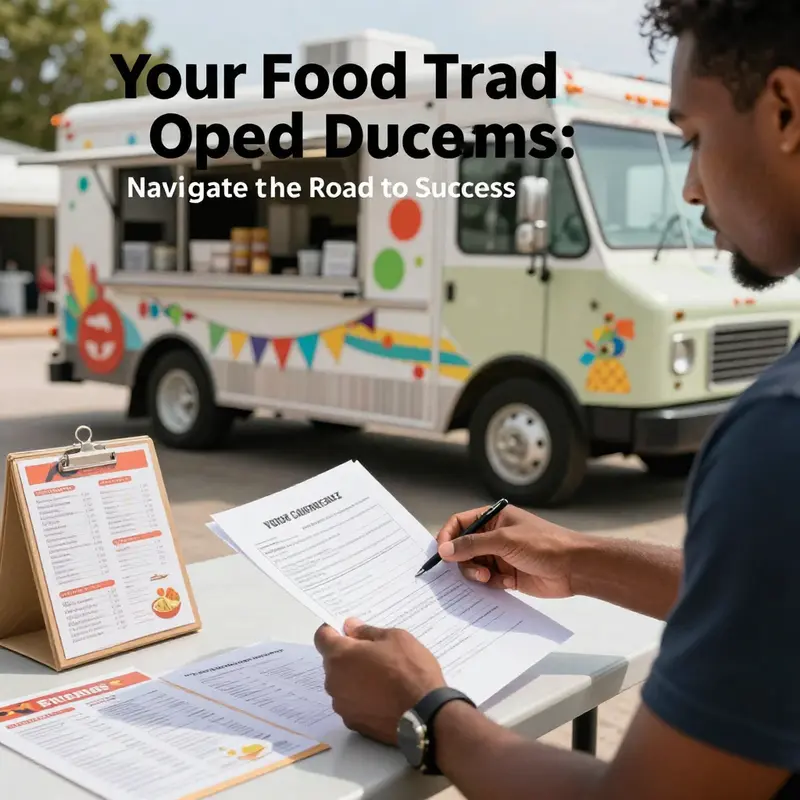
Essential Permits and How to Approach Them
Opening a food truck starts with a clear understanding: permits and licenses are not optional steps. They form the legal backbone of your operation. Each document proves you meet safety, tax, and transportation rules. Requirements differ by state and city. Still, a standard set of permits appears across the country. Knowing them up front saves time, money, and legal headaches.
First, register your business. A business license or local registration gives your truck official status. Choose a structure—sole proprietorship, partnership, or limited liability company—based on liability and tax needs. This decision shapes what documents you file and what fees you pay. Expect to provide identification, an address, and details about the services you plan to offer. Many jurisdictions require renewal annually. Keep a calendar for renewals.
Health and food safety are nonnegotiable. Your local health department issues a food service or food establishment permit. To get it, you must submit a kitchen layout and a list of equipment. The authorities want to know where food will be prepared, how it will be stored, and how waste will be handled. They also check ventilation, handwashing stations, and refrigeration. An inspection will typically follow the plan review. Be ready to make adjustments if inspectors request changes.
Staffing the truck requires food safety training for anyone handling food. Most areas demand that at least one person on duty holds a valid food handler certificate. These certifications come from accredited courses that cover proper food storage, cross-contamination prevention, and temperature control. Keep certificates on file and ensure timely renewals. Training reduces risk and improves consistency in service.
Mobile vendor permits or mobile food facility permits govern how and where you can operate. Cities often limit parking zones, hours, and distances from brick-and-mortar restaurants. Some require proof of permission to operate at private events or festivals. These rules vary and can be strict in high-traffic urban cores. Expect restrictions tied to noise, waste disposal, and proximity to parks or schools. Map your desired routes and targeted neighborhoods. Then confirm whether local ordinances allow vending in those places.
Vehicle registration and inspections are separate from business licensing. Your truck must be registered as a commercial vehicle with the state DMV. If you modify the truck to install a kitchen, you may need to document those modifications and undergo additional inspections. Safety checks will cover brakes, lights, and mechanical systems. Mechanical compliance helps avoid fines and time lost during events.
Sales tax or seller’s permits enable you to collect and remit sales tax. Most states require this permit. It ties your sales records to the state tax authority and ensures you collect the correct rate from customers. Track tax-exempt sales, special event taxation, and local tax variations. Good accounting software makes tax collection and reporting far easier.
Insurance protects your business and is often required by municipal authorities or event organizers. General liability insurance guards against claims for property damage, bodily injury, and certain food-related illnesses. Commercial auto insurance covers you while on the road. If you lease or finance equipment, lenders may require additional coverage. Compare policies and choose limits that match typical event risks and your financial exposure.
Zoning and location permits influence daily operations more than many owners expect. Some cities issue temporary location permits for events, farmers markets, and festivals. Others offer permanent or seasonal vending permits for specified streets or lots. If you rely on repeat locations, secure any long-term permits available. Otherwise, your schedule may be disrupted by enforcement actions or changing municipal policies.
Signage approval is an overlooked detail. Many municipalities limit sign size, lighting, and graphics. Approval may involve submitting designs and measurements before you install permanent wraps or attach external signage. Consider how branding complies with local rules while remaining eye-catching. Portable signs, menu boards, and digital displays can also fall under these regulations.
Inspections come in multiple forms and at different times. Expect health inspectors, fire marshals, and vehicle examiners. Fire safety is critical for trucks using fryers, grills, or open flames. You may need a fire suppression system, ventilation hoods, and portable extinguishers. The fire marshal will verify equipment placement and emergency access. Prepare for spot checks once you start operating. Maintain a log of cleaning, maintenance, and temperatures to demonstrate ongoing compliance.
Plan submissions vary in detail. Some health departments require full engineering drawings of plumbing and gas systems. Others accept simpler layouts. Never assume the same standard applies in two nearby cities. Contact the responsible agencies early. Ask whether they offer pre-application meetings. These meetings can shorten review time and uncover hidden requirements.
Timing and costs are practical concerns that influence your launch date. Permit processing can take weeks to months. Factor this into your business plan and cash flow projections. Fees vary widely; some cities offer lower rates for small businesses or first-time vendors. Budget for application charges, health department inspections, vehicle modifications, and certification classes. Unexpected expenses often appear during plan review. Keep a reserve fund for mandated upgrades.
Working with event organizers and markets adds complexity. Some festivals require a certificate of liability insurance and proof of permits. Event managers may also ask for a commissary agreement. A commissary is a licensed commercial kitchen where you can prepare food, store supplies, and dispose of wastewater. Many cities require mobile food operations to use a permitted commissary. Secure a relationship with a reliable commissary before signing event contracts.
Record keeping keeps operations smooth. Maintain copies of all permits, insurance certificates, inspection reports, and employee certifications. Keep digital backups and a physical binder in the truck. Inspectors appreciate quick access to records during checks. Organized records also simplify tax filings, permit renewals, and insurance claims.
Engage with local resources. City or county business portals and small business development centers provide tailored information. They often list application forms, contact information, and fee schedules. Local trade groups and existing food truck owners can share practical tips specific to your area. Networking helps you learn about preferred commissaries, favorable vending spots, and common enforcement pitfalls. For a deeper dive into how rules shape the industry, see this guide on navigating food truck industry regulations: navigating food truck industry regulations.
Finally, treat compliance as a competitive advantage. Customers value cleanliness and visible safety practices. Consistent adherence to permits and certifications reduces downtime and builds trust. When you apply for special events, being fully permitted and insured makes you an attractive vendor. Event organizers prefer vendors with clean inspection histories and complete documentation.
If you need a practical next step, compile a permit checklist for your location. Contact your city and county health departments, the DMV, and your state tax agency. Schedule a pre-application meeting with the health department. Confirm whether a commissary is required. Get insurance quotes and compare policy limits. These early actions minimize surprises and keep your launch timeline realistic.
Permit requirements change. Stay informed. Subscribe to local government notices and maintain relationships with agency staff. Regular compliance reviews prevent lapses and keep your operation on the road.
For an all-in-one reference that outlines the common permits and a practical startup path, consult a comprehensive guide such as this one: https://www.wise.com/us/blog/food-truck-business-startup-guide/.
Keeping the Line Clean: Safety, Sanitation, and Compliance Essentials for Your Food Truck
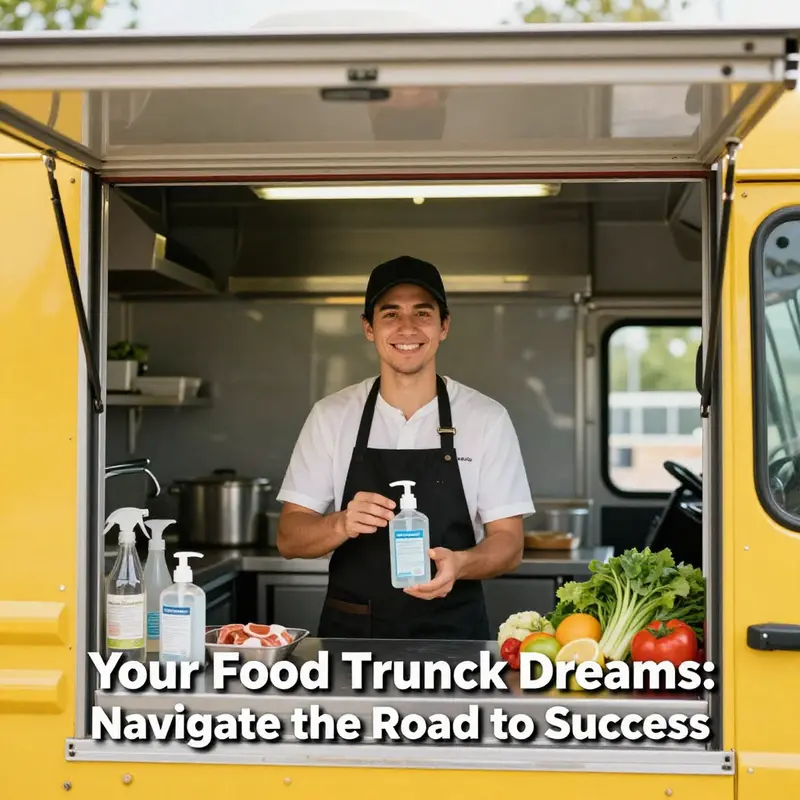
Operating a food truck means running a restaurant on wheels while meeting the same public‑health standards as a brick‑and‑mortar kitchen. Customers expect delicious food, but regulators demand safety. Meeting both expectations requires more than a one‑time buildout. It requires systems, training, and daily habits that prevent contamination, foodborne illness, and regulatory fines. This chapter describes the practical safety and sanitation requirements you must plan for, implement, and document before you open and while you operate.
Start with the basics that inspectors look for first: handwashing, temperature control, and clean surfaces. A functioning handwashing sink, stocked with soap, single‑use towels, and signage, is nonnegotiable. Staff must wash hands at critical times: after handling raw ingredients, after using the restroom, after touching waste, and before handling ready‑to‑eat food. Use glove changes and utensils to avoid direct hand contact, but never treat gloves as a substitute for handwashing. Train every team member to understand when and how to wash properly.
Temperature control is another pillar. Perishable foods need constant monitoring. Refrigeration should keep cold foods at or below 40°F, while hot holding units must stay above 140°F. Use calibrated thermometers for both storage and during cooking. Internal cooking temperatures must meet safe minimums; check and record them every service cycle. Log sheets make this simple. Inspectors expect records showing that temperatures were checked and corrected if out of range. Adopt a routine: measure on arrival, before service, and during peak hours.
Sanitizing equipment and surfaces reduces cross‑contamination risk. Establish a cleaning schedule that covers prep counters, cutting boards, utensils, vents, refrigeration gaskets, and floors. Use approved sanitizers at the right concentration and contact time. Keep a cleaning log that lists tasks, frequency, the person responsible, and the sanitizer used. These logs demonstrate consistency to inspectors and help catch problems early. For porous materials, choose food‑grade, nonabsorbent surfaces that resist bacteria growth. Stainless steel and sealed composite counters are common choices in food trucks.
Water management is especially important for mobile operations. Your truck must have a potable water supply that meets local requirements. Install an approved water heater for handwashing and cleaning if mandated. Provide a separate wastewater tank and follow local rules for disposal. Many health departments require specific capacities for fresh and gray water tanks. Plan plumbing runs to prevent cross‑connections between potable and waste lines, and include backflow prevention devices where required.
Waste handling and grease management affect both sanitation and neighborhood relations. Store trash in covered, leak‑proof containers and remove waste frequently. Grease must be captured and disposed of according to municipal code. If you operate near residential areas or in events, improper grease disposal or overflowing trash can result in complaints and fines. Document your waste removal schedule and keep receipts from licensed disposal services.
Pest control is critical and often inspected. Food trucks are attractive to rodents and insects, especially if parked near dumpsters or vegetation. Seal openings where pests might enter. Store food in airtight, elevated containers. Implement a contract with a licensed pest control vendor, or follow a documented in‑house program that includes routine inspections and corrective actions. Keep pesticides in approved areas away from food prep spaces, and maintain records of all treatments.
Fire safety and ventilation are safety as well as sanitation concerns. Cooking equipment, fryers, and grills require proper ventilation and suppression systems. Install and maintain a commercial hood with an appropriate fire suppression unit if your menu includes open flames or deep frying. Keep fire extinguishers accessible and ensure the suppression system receives regular service by certified technicians. Inspectors will check that equipment is installed correctly and that staff know how to shut down systems in an emergency.
Food safety training and certification tie all operational practices together. At least one person on the truck must hold a valid food handler or food manager certification, depending on local rules. Training should cover safe temperatures, cross‑contamination prevention, allergens, and personal hygiene. Provide routine refreshers to reinforce the standards. Make training records available for inspections and for your own accountability.
Recordkeeping is more than paperwork; it proves you followed procedures. Maintain logs for temperatures, cleaning, water tank fills and disposals, pest control visits, and equipment maintenance. When a health inspector asks for records, you want them organized and complete. Digital logs on a tablet work well, but printed backups add reliability when wireless connections fail. Keep records on hand for the timeframe your local agency requires.
The FDA Food Code forms the foundation of many local rules. It covers everything from storage labeling to allergen management and sanitation practices. While not every jurisdiction adopts the code wholesale, its principles guide most health departments. Align your SOPs with the Food Code’s guidance on cooling methods, reheating, and storing potentially hazardous foods. For mobile vendors, there may be additional restrictions around where you can prepare or store food, and how you manage leftovers.
Allergen management is a practical and legal responsibility. Clearly identify menu items that contain the major allergens. Train staff to prevent cross‑contact during prep and service. Use dedicated utensils and prep areas for allergen‑free orders when possible. Include a written allergy policy and make it available to staff and customers. Inspectors increasingly look for clear procedures and staff awareness on allergens.
Preparing for inspections helps you avoid surprises. Before you open, ask your local health department for guidance and a pre‑opening inspection. Submit a detailed plan that shows the kitchen layout, sinks, refrigeration, water systems, and waste plans. Be ready to modify your design based on feedback. During routine inspections, be cooperative and transparent; correct minor violations quickly and document fixes. Common violations include inadequate handwashing facilities, improper temperature control, poor cleaning records, and blocked service sinks.
A culture of safety begins with clear, simple standard operating procedures. Create concise SOPs for the most critical tasks: handwashing, temperature checks, cleaning, and allergen handling. Post these procedures in the kitchen for quick reference. Use checklists for opening and closing tasks. Train staff on the SOPs and evaluate adherence during service. Consistency reduces errors and improves customer safety.
Insurance and permits intersect with safety compliance. Liability insurance protects you if a foodborne illness occurs. Some event organizers or locations require proof of insurance and safety certifications before booking. Maintain current insurance policies and carry documentation during service. Additionally, mobile vendor permits and local regulations may require periodic health inspections. Understand the schedule of inspections and prepare accordingly.
Effective sanitation also supports your brand. A visibly clean truck builds customer trust. People judge food safety by what they see: clean counters, neat staff, and well‑managed waste. Use uniform standards for uniforms, hair restraints, and personal items. Keep service windows tidy and maintain a professional appearance during every shift.
Meeting safety and sanitation requirements is an ongoing responsibility. Systems that work include reliable equipment, trained staff, and thorough records. Regularly review processes and update SOPs when menu items or procedures change. Reach out to your local health department early and often. They can clarify local adaptations of the FDA Food Code and answer questions about water capacity, tank requirements, or specific permits.
For a practical overview of regulatory steps related to launching a food business, consult the FDA guidance linked at the end of this chapter. For additional context on navigating regulations specific to mobile food businesses, see this article on navigating food truck industry regulations for insights into local compliance issues and common pitfalls.
External resource: https://www.fda.gov/food/business-food-industry/how-start-food-business
Internal resource: navigating food truck industry regulations (https://loschifladostruck.com/navigating-food-truck-industry-regulations/)
Kitchens on Wheels: Choosing the Right Vehicle and Equipment to Launch Your Food Truck
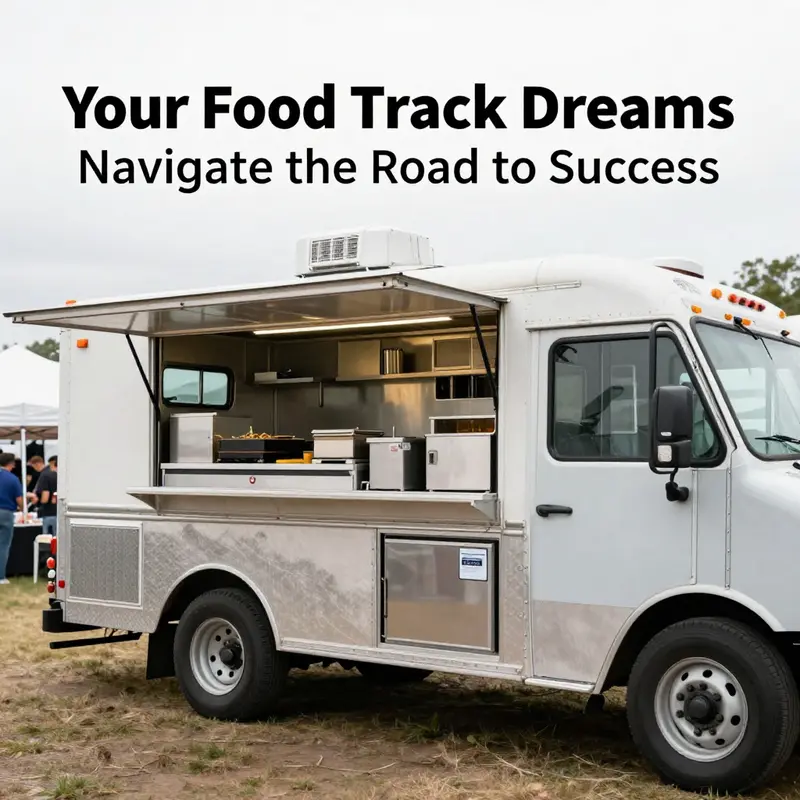
Designing a food truck starts with one clear principle: the vehicle must be engineered to deliver food safely, quickly, and consistently. Everything you buy or modify should support that mission. Your truck is more than transport; it is a mobile commercial kitchen that must meet health, safety, electrical, and mechanical demands for daily service. Treat vehicle and equipment decisions not as separate choices, but as integrated investments that determine your menu, your operating flexibility, and your margins.
Begin by selecting the right vehicle platform. You can buy a purpose-built food truck or convert a box truck or van. Each path has trade-offs. Purpose-built models often come with factory-installed ventilation, driveable layouts, and integrated utility hookups. Conversions can be less expensive up front and allow greater customization. In either case, verify the chassis and body are rated for the weight of kitchen equipment and supplies. Overloading strains suspension, drivetrain, and brakes, and can void warranties and fail inspections. Ask for weight calculations and a certified payload rating before committing.
Safety and regulatory compliance are non-negotiable. Local health departments and transportation authorities require specific safety features. These typically include secure mounting points for appliances, fire extinguishers, emergency exits, non-slip flooring, and certified ventilation hoods with fire suppression systems. Food trucks with gas appliances will usually require proper propane installations and leak detection. Trucks with electrical systems must meet wiring standards and have circuit protection for heavy loads. Plan for inspections early. Submitting layout plans to the health department and scheduling pre-inspection walkthroughs saves time and reduces costly retrofits.
Interior layout shapes every shift. A well-planned flow reduces steps, limits cross-contamination, and speeds service. Place prep surfaces between cold storage and cooking equipment. Position waste and dishwashing areas away from food prep. Create a logical path from order to pickup with minimal crossing by staff. Avoid cramped aisles; allow at least 28–32 inches of clear walkway if possible. Include multiple storage zones: chilled, frozen, dry, and service-ready. Built-in cabinets and slide-out trays maximize space and secure items during transit.
Choose durable, food-grade materials for walls, floors, and counters. Stainless steel is the industry standard for its ease of cleaning and resistance to corrosion. Seamless wall panels reduce dirt traps and simplify sanitizing. Flooring should be slip-resistant, water-resistant, and easy to mop. Consider coved flooring that curves up to meet the wall, eliminating joints where grime can accumulate. These choices are not decorative. They make passing health inspections easier and reduce maintenance time.
Equipment selection defines your menu and affects energy use, weight, and ventilation needs. Start with a core list and add specialty items carefully.
-
Cooking appliances: A combination cooktop and griddle handle many items. A commercial fryer expands fried options but increases fire suppression requirements. An oven or combi-oven adds versatility for baked items and reheating. Specialty units like a charcoal grill or ice cream machine are appealing, but they demand extra space, fuel, and cleaning time.
-
Refrigeration: You need reliable refrigeration for food safety. Under-counter refrigerators save space for prep stations. Larger operations benefit from a walk-in or reach-in unit. Freezers are essential for frozen goods and some perishable storage. Consider temperature redundancy for critical items, and plan cooling capacity to handle peak inventory.
-
Sinks and sanitation: Health codes typically require a three-compartment sink for warewashing and a separate handwashing sink. Hot water is essential; install a water heater sized for continuous use during busy periods. Grease traps may be mandatory for cooking operations—size them according to your expected flow and check emptying schedules.
-
Ventilation and fire suppression: A commercial hood ventilation system removes smoke, steam, and grease-laden vapors. It must be professionally sized for your appliances. A built-in fire suppression system tied to the hood protects staff and satisfies inspectors. Regular hood cleaning prevents grease buildup and fire risk.
-
Power and fuel: Decide how you will power appliances. Propane remains common for stoves and grills. Electrical loads from ovens, fryers, refrigeration, and lighting may require a generator, shore power hookup, or a heavy-duty inverter with a battery bank. Generators add weight and noise; they also require ventilation and fuel storage. Shore power is quieter and more reliable when available, but it limits mobility. Plan electrical distribution carefully and size circuits to handle simultaneous loads without tripping breakers.
-
Water and waste systems: Freshwater tanks must supply handwashing, dishwashing, and food prep needs. Wastewater tanks should comply with local disposal rules. Tank sizes depend on expected service volume and available refill points. Larger tanks add weight and reduce payload, so balance capacity with operational routes and schedule.
Consider ergonomics and crew comfort. Comfort reduces turnover and maintains speed. Install heating or air conditioning if you plan to operate year-round, especially in climates with extreme temperatures. A small ventilation fan can keep temperatures manageable during summer service. Ensure lighting is bright and evenly distributed to minimize errors during prep.
Mobility requirements affect daily operations. Turning radius, parking footprint, and height restrictions determine where you can park and serve. Low-clearance bridges, narrow streets, and limited parking can force you into smaller venues. If you plan to attend festivals, vendors often require proof of commercial vehicle registration and insurance. Verify the vehicle’s registration status and make sure it passes any required mechanical inspections before booking events.
Weight distribution matters as much as total weight. Heavy items should sit low and near the truck’s centerline. Place refrigeration and water tanks over the axles when possible. Uneven loads can cause handling issues and accelerate tire and suspension wear. Have a professional calculate axle loads and balance the interior layout accordingly.
Maintenance and resilience are long-term costs often overlooked. Choose equipment with widely available parts and service networks. Standardized appliance sizes make replacements easier. Keep filter and gasket spares on hand for refrigeration units. Schedule regular preventative maintenance for generators, refrigerators, and hood systems to avoid service interruptions during peak times.
Budget wisely. High-quality commercial equipment is costly, but cheap alternatives can cost more in downtime and repairs. Build a realistic budget that includes installation, permits, inspections, and contingency funds. If financing a vehicle or equipment, factor loan costs and insurance into operating projections. You will also want a plan to protect your investment and maximize resale value through regular maintenance and documentation of upgrades.
Design for adaptability. Menus evolve, and so should your truck. Install flexible mounting systems and modular shelves that allow easy reconfiguration. This flexibility lets you test new items without major renovations. It also makes the truck attractive to potential buyers if you ever sell. Thoughtful branding elements, like removable exterior panels, let you refresh the truck’s look without structural work.
Understand that equipment decisions ripple into other legal requirements. Some cities require proof of specific appliance certifications or a certified grease trap before issuing permits. If you operate with gas, you may need propane licensing and leak-testing documentation. Electrical upgrades can trigger additional inspections if they alter the vehicle’s original wiring. Keep detailed records of all modifications and certificates. These documents smooth permit applications and event approvals.
Finally, make research part of the build. Talk to health inspectors, event organizers, and other truck operators. Inspectors can explain local expectations and common pitfalls. Event organizers reveal size and power constraints at venues. Operators share real-world lessons on traffic flow, power management, and popular equipment choices. If you need help selecting a chassis or appliances, consult experts who specialize in food truck builds to avoid costly mistakes.
For guidance on selecting an appropriate truck model that matches your menu and operations, see this practical resource on choosing the right food truck model. For official regulatory and business startup information, refer to the U.S. Small Business Administration: https://www.sba.gov
From Concept to Curb: Planning, Permits, and Daily Operations for Your Food Truck

Planning, Compliance, and Daily Operations
Launching a food truck begins with a clear idea of the problem you solve. Are you feeding office workers a fast, healthy lunch? Serving late-night festival crowds? Offering a regional specialty that isn’t available nearby? Define your value proposition early. That focus will guide menu choices, equipment needs, price points, staffing, and marketing. A tight concept makes it easier to design an efficient kitchen, manage inventory, and build a recognizable brand.
Converting a concept into a functioning truck requires both paperwork and practical systems. First, register your business. Choose the right legal structure for liability and tax planning. Many operators begin as a sole proprietor, then move to an LLC as the business grows. Obtain a local business license so your truck can legally operate in your municipality. Alongside business registration, apply for a sales tax permit. You must collect and remit sales tax on prepared food in most states. These filings are routine, but missing them can cause penalties.
Health and safety rules shape everything inside your truck. Local health departments issue a food service or food establishment permit. To secure approval, submit plans describing kitchen layout, ventilation, equipment, refrigeration, and waste disposal. Inspectors focus on hot-holding, cold storage, cross-contamination prevention, and handwashing stations. At least one person on staff must hold a food handler’s certificate or food safety certification. These credentials demonstrate basic knowledge of safe food practices and reduce the risk of foodborne illness.
Mobile-specific permits are a second regulatory layer. Cities often require a mobile vendor or mobile food facility permit. These permits can restrict where you can park, which hours you may operate, and whether you can serve near brick-and-mortar restaurants. Zoning rules differ widely, so research permitted zones and event requirements. Some municipalities also require a separate location permit for spaces like parks, plazas, or private lots. If you plan to vend at festivals or private events, organizers may require proof of liability insurance and health department approval.
Your vehicle must comply with both kitchen and road rules. Register the truck as a commercial vehicle with the state DMV. If you modify the vehicle with built-in cooking equipment, refrigeration, or plumbing, document those changes. Many jurisdictions ask for equipment specifications during health plan review. The truck will also need a mechanical inspection and safe operating condition certification. Commercial vehicle registration affects insurance costs and roadside compliance, so budget for higher registration fees and inspections.
Insurance is essential. General liability covers customers who might slip or become ill. Commercial auto insurance protects against accidents. If you have employees, carry workers’ compensation insurance as required by state law. Event operators and property owners often request certificates of insurance before allowing a truck on premises. Insurance limits, deductibles, and policy types vary. Shop around and get quotes that reflect your menu, daily route, and employee count.
Selecting the right truck or trailer is a practical decision with long-term consequences. The ideal unit combines adequate cooking capacity with efficient movement and storage. Match your chosen menu to equipment needs. Fryers, griddles, ovens, or steamers require specific ventilation and fire suppression systems. Refrigeration must meet daily volume needs and food-safety temperature requirements. Consider ergonomics: narrow aisles and awkward layouts slow service. Design workflows for a small crew and high turnover. If you plan to scale, consider modular layouts that allow upgrades.
Operational strategy turns planning into repeatable success. Start with staffing and roles. Define duties for order taking, cooking, plating, cleaning, and cash handling. Cross-train staff to cover shifts and busy windows. Build simple, documented workflows for opening, peak service, and closing. Count inventory daily and record sales to refine ordering and reduce waste. Consistent portion sizes control food costs and help maintain a predictable customer experience. Pricing should cover food, labor, vehicle costs, permits, insurance, and desired profit margin.
Inventory management matters on a truck more than in a restaurant. Storage is tight. Use daily par levels based on historical sales. Prioritize high-turnover items and minimize slow-moving ingredients. Use first-in, first-out rotation for perishables. Invest in reliable refrigeration and temperature logging. Small changes to menu or portion size can boost margins and reduce spoilage. Track food cost percentages weekly to find trends and adjust purchasing accordingly.
Daily operations depend on punctuality and communication. Map reliable parking spots that match your permits. Keep backup plans for event cancellations, mechanical issues, and weather. Maintain relationships with multiple suppliers to prevent stockouts. Plan for maintenance by scheduling regular checks on brakes, engine, and kitchen equipment. Unexpected downtime costs sales and reputation. A preventative maintenance log reduces surprises and keeps the truck on the road.
Marketing is how customers find you. Treat the truck as a mobile brand. Create a memorable name and a visual identity that stands out on the street. Use social media for real-time updates. Post daily locations, menus, and behind-the-scenes content. Short, timely posts build anticipation and encourage repeat visits. Offer limited-time specials or a simple loyalty program to reward frequent customers. Engage with followers by responding to questions quickly and sharing user-generated photos.
Location strategy is a core marketing choice. High-traffic daytime locations near offices, campuses, and transit hubs can drive steady lunch sales. Evenings and weekends may perform better near nightlife, events, or parks. Testing different spots helps you identify where your concept resonates most. Track sales by location and time to discover patterns. Over time, you can plan regular appearances at proven high-revenue sites and use special events to grow awareness.
Smooth operations also rely on technology. Use a modern point-of-sale system for quick transactions and sales tracking. Accept multiple payment types. Integrate inventory and sales data to automate ordering. Consider simple scheduling and payroll tools. Digital receipts, sales reports, and basic bookkeeping save time. Accurate records help when applying for loans or preparing taxes. Financial discipline early on prevents common pitfalls.
Every food truck faces regulatory and logistical complexity. For help navigating that complexity, consider reviewing specialized guidance on local rules. The article on navigating food truck industry regulations provides a concise overview that can point you toward specific municipal requirements and common compliance pitfalls: https://loschifladostruck.com/navigating-food-truck-industry-regulations/.
When you are ready for more comprehensive preparation, consult an in-depth operational guide. A complete manual can walk you through concept development, licensing, equipment selection, and first-day service. For an expansive reference covering the full journey from concept to serving customers, see this ultimate guide: https://www.foodtruckauthority.com/ultimate-guide-to-owning-a-food-truck/.
A successful launch balances legal compliance with efficient, customer-focused operations. Define your value clearly. Secure permits and insurance. Choose a truck layout that matches your menu. Build simple, repeatable workflows. Track inventory and finances closely. Use social media to make each stop an event. With structured planning and steady execution, your food truck can move from a good idea to a profitable, beloved local fixture.
Final thoughts
Starting a food truck business is a multi-faceted endeavor that requires careful planning, legal compliance, and diligent safety measures. From securing the necessary permits and licenses to ensuring your operation meets health codes and operational best practices, every step you take lays the groundwork for your culinary journey. Engage with your community, embrace creativity, and always stay adaptable to make your food truck a cherished destination for food lovers. Forge ahead with passion and purpose; the road to success is yours to travel!